Yal-Ku Lagoon Snorkeling Guide: Depth, Entry and What You'll See
Snorkel Yal-Ku Lagoon near Akumal, where cenote freshwater meets the Caribbean. Depth, entry, marine life, hours, gear rules and parking explained.
On this page
Yal-Ku Lagoon rewards anyone who wants a slow, shallow snorkel rather than a battle with open surf. The inlet sits just off Akumal on the Riviera Maya, tucked into the jungle, and it holds a mix of cool cenote freshwater and salty Caribbean water. That brackish blend keeps the cove calm and gives it a fish community you will not see on a straight ocean reef.
Beginners, parents with young children and grandparents all fit here comfortably, because the lagoon floor stays shallow and the water is sheltered. Stronger swimmers still find enough variety to stay interested, and the bronze sculptures along the shore give non-snorkelers something to wander past. If you are building a broader plan, this cove slots neatly into a day of snorkeling in Playa del Carmen and the surrounding coast.
Where the Lagoon Is
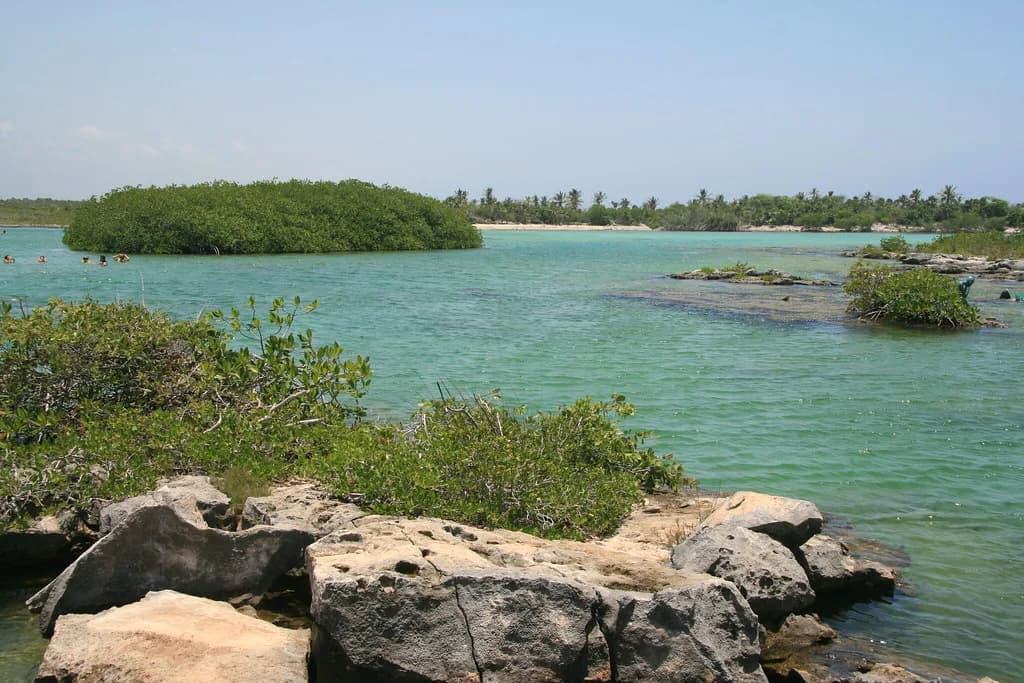
Yal-Ku is an inland inlet near Akumal Beach in Quintana Roo, hidden among the Maya jungle rather than sitting on an open stretch of sand. It opens toward the Caribbean but draws a fair share of its water from surrounding cenotes, which is why the surface stays glassy compared with the shore outside. The setting is compact, so you can walk the length of the lagoon and back between snorkel sessions.
Because it is a sheltered cove, the plan for the day is simple: one entry point, one loop of the lagoon, and time left over for the sculpture garden. It pairs naturally with Akumal Bay, a short drive away, where the main draw is turtle snorkeling. Many visitors split the morning between the two rather than choosing one. If you are weighing a bigger trip farther afield, snorkeling in Belize offers similar lagoon-and-reef combinations.
Getting In
You enter from the rocky and sandy edge of the lagoon, stepping into water that stays calm and shallow close to shore. The protected position means no surf zone to time and no long swim out to reach the fish; the reef life begins within the cove itself. Water shoes help on the uneven entry, and the site's own packing list names them alongside a swimsuit, towel and change of clothes.
The trade-off is that this is a lagoon, not a reef pass: you will not find drifts, drop-offs or blue-water swims. What you get instead is an easy float over a shallow bottom where the fish are close and the visibility is comfortable. New snorkelers can practice mask clearing and finning without fighting a current.
Depth and Layout
At any point the lagoon is no deeper than about 10 feet, or roughly four meters, which is the single most useful fact for parents judging whether the site suits their family. That ceiling applies across the cove, so there is no deep channel to fall into and no need to tread water for long stretches.
Visibility sits between the sharp clarity of a cenote and the slight haze of the open ocean, a consequence of the freshwater and seawater mixing. That means you get good light and easy viewing close in, rather than the endless sightlines of a cave dive. Aim to snorkel the calmer, more sheltered stretch first and save the more open side for when you have your bearings.
What You Will See
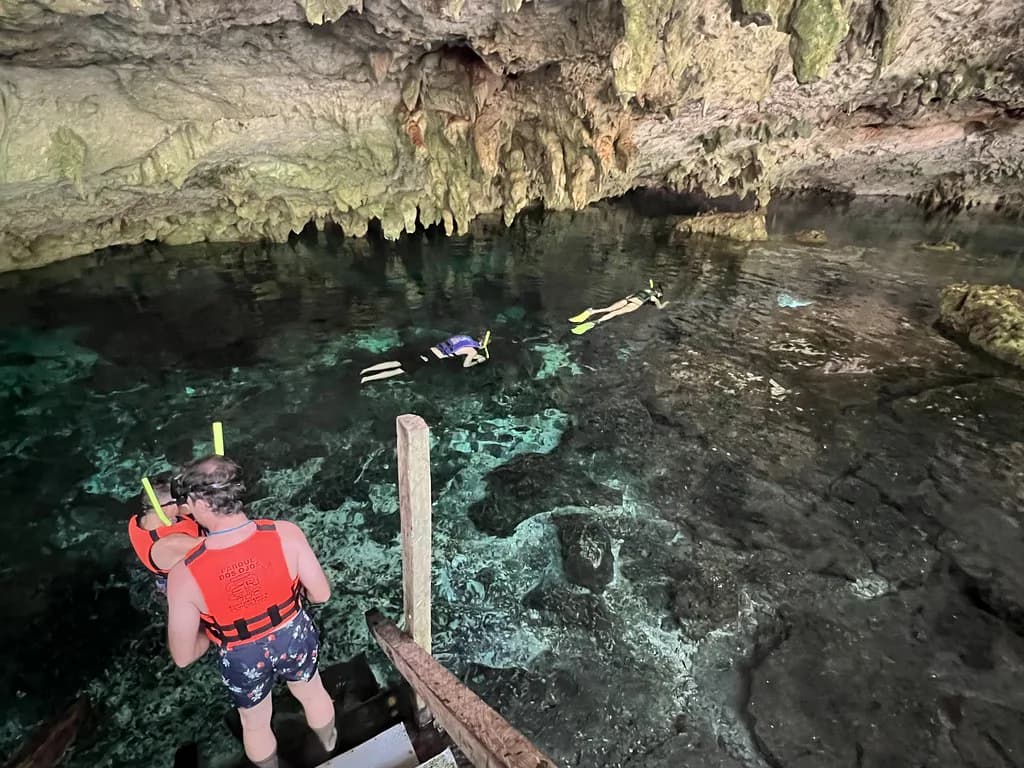
The brackish water supports fish species that would struggle in the open sea, and the lagoon's calm gives them a nursery-like home. Expect small, approachable fish around the rocks and over the sandy patches rather than big pelagics. Bright turquoise and navy blue water makes even a modest fish count look dramatic in photos.
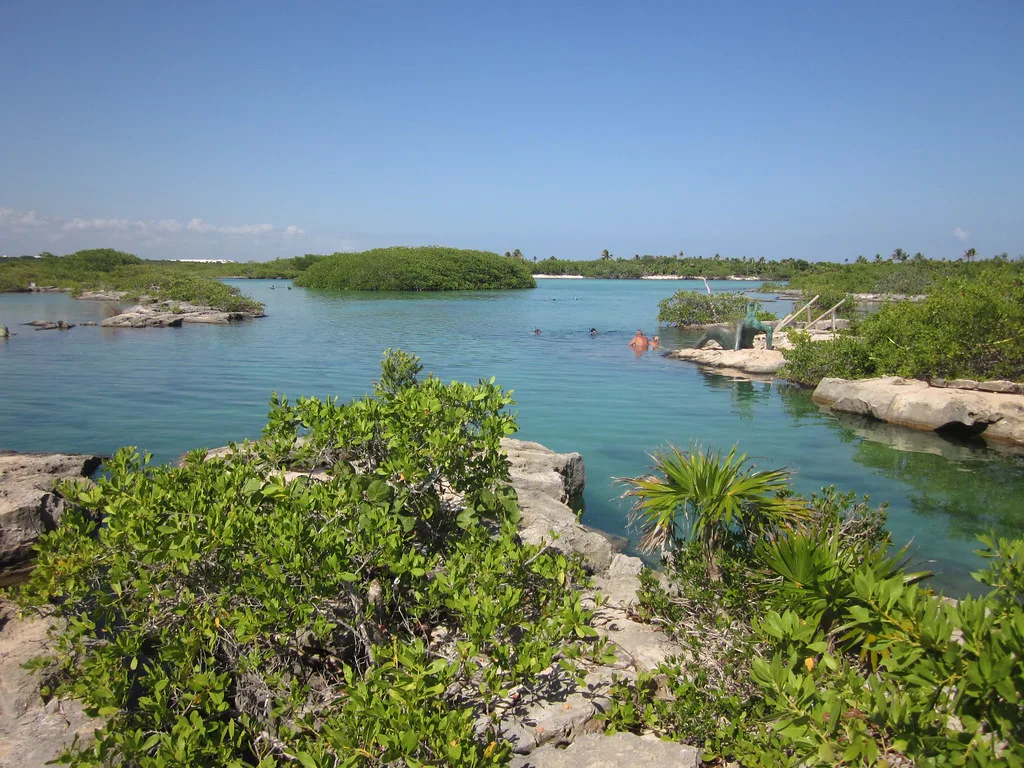
Above the waterline, the lagoon is lined with a sculpture garden of bronze statues, some tucked among greenery and rocks, plus small sandy beaches and hammocks for resting between swims. Walk the full perimeter slowly to catch the pieces you would otherwise miss. It gives non-snorkeling companions a reason to come along.
Skill Level and Who It Suits
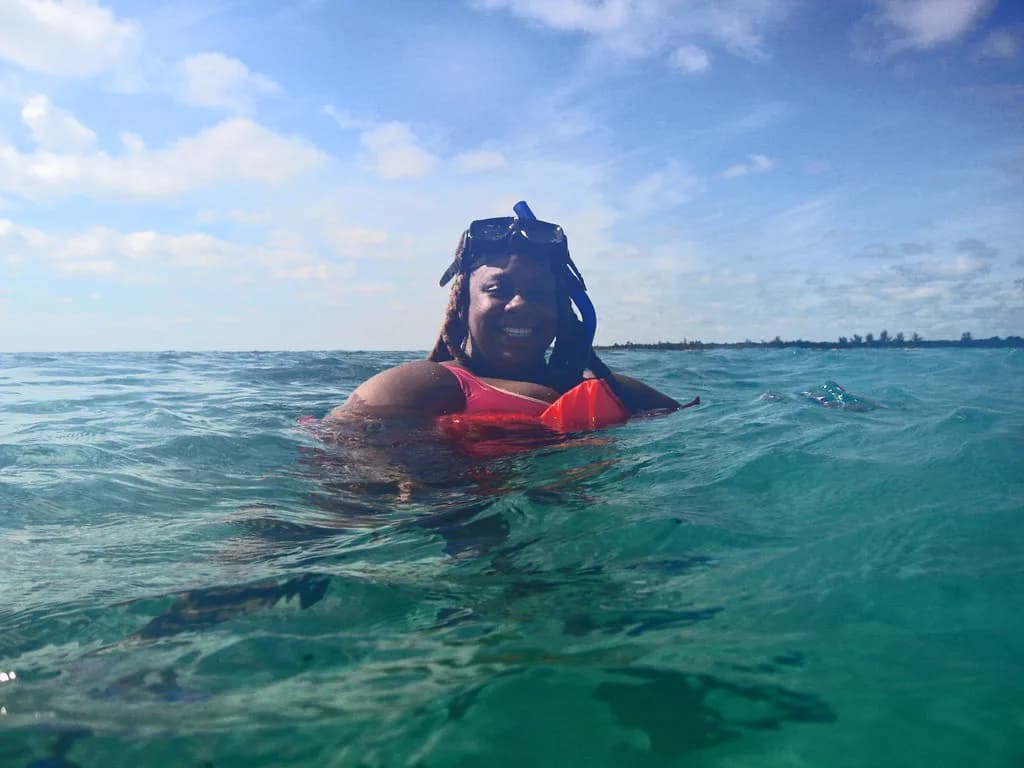
Families with children of all ages, grandparents and first-time snorkelers are the natural audience here, given the shallow floor and glassy surface. The mandatory life jacket adds a layer of security for weaker swimmers and nervous kids. Skilled snorkelers who want a relaxed change of pace also fit, especially as a second stop after a more demanding ocean swim.
Best Time to Go
Arrive early. Tour groups reach the lagoon later in the morning, and beating them gives you quieter water and a better chance of an unhurried loop. Snorkelers who plan to combine Yal-Ku with Akumal Bay often do the lagoon first and the bay afterward.
The lagoon is open daily from 9:00 a.m. to 5:00 p.m., so an early slot means being at the gate when it opens rather than mid-afternoon when the light is flatter and the cove busier.
Rules on Site
A life jacket is mandatory at Yal-Ku, and the staff enforce it. Touching or feeding the fish is not allowed, and the site asks guests to skip makeup and perfume so residues stay out of the water. Sun protection and insect repellent must be chemical-free.
Coolers, outside food and drinks, and inflatables are not permitted, so plan to eat at the on-site snack restaurant instead. Pets are not allowed, and drone use is restricted. Reading the rules before you pack saves an awkward conversation at the gate.
Hours, Admission and What the Yal-Ku Experience Ticket Includes
The Yal-Ku Experience admission bundles a mask, snorkel, fins and a life jacket with entry, which means you can travel light and still have proper gear. It also covers access to the sculpture garden and the lagoon itself. Check the booking page for the current rate rather than relying on a quoted figure from an older review.
Children under 4 enter free, and kids aged 5 to 11 get a reduced rate when an ID is shown at the ticket booth. The park recommends a minimum age of 6 for its tours, so families with very young children should factor that in.
Parking, Facilities and What to Bring
Parking is free but limited in spaces, another argument for arriving at opening time. The site provides showers, dressing rooms, locker rental and free WiFi at the restaurant. Cabanas with a hammock and seating are available to rent for the day.
Pack water shoes, a swimsuit, a towel and a change of clothes, and bring cash or a credit card for the snack restaurant and any extras. Chemical-free sunscreen and repellent are required, so buy those before you arrive.
Nearby Spots to Combine
Akumal Bay is the obvious second stop, a short drive away and known for turtle snorkeling in seagrass shallows. After a morning at Yal-Ku, an afternoon at the bay lets you compare a calm lagoon against open-water snorkeling on the same day.
Inland along the same road, cenote snorkeling offers a very different experience: cooler, clearer water in cavern-like settings. Cenote Dos Ojos is a well-known option if you want to add a third kind of water to the trip. Guided snorkeling tours can tie the lagoon, the bay and a cenote together if you would rather not drive yourself.
Plan Your Yal-Ku Snorkel Day
Yal-Ku suits a specific kind of day: shallow, calm, sheltered, and with fish close enough to watch without a long swim. Arrive at opening, wear the life jacket, use chemical-free sun protection, and keep your hands off the wildlife. Leave room afterward for Akumal Bay or a cenote, and the lagoon becomes the easy, family-friendly anchor of a fuller Riviera Maya snorkel day.
Frequently Asked Questions
How deep is Yal-Ku Lagoon?
The lagoon is no deeper than about 10 feet, or four meters, at any point, according to the Cancun Adventures guide. That shallow, even floor is what makes the cove workable for young children and first-time snorkelers, since there is no deep channel to navigate.
Do you need a life jacket to snorkel at Yal-Ku?
Yes. Life jackets are mandatory at Yal-Ku, and the site's admission page states the rule directly. Life jackets are included with the Yal-Ku Experience admission alongside mask, snorkel and fins, so you do not have to bring your own.
What is included in the Yal-Ku Experience admission?
The Yal-Ku Experience ticket covers entry and the rental of a mask, snorkel, fins and life jacket. It also gives access to the sculpture garden and the snack restaurant. Check the official booking page for the current admission rate, since it is not listed in the sources for this guide.
Is Yal-Ku Lagoon good for beginners and kids?
It is one of the better beginner spots on the Riviera Maya. The water is calm, the maximum depth is about 10 feet, and the mandatory life jacket adds security. Children under 4 enter free, and kids aged 5 to 11 get a reduced rate with ID shown at the ticket booth.
Can you snorkel Yal-Ku and Akumal Bay in the same day?
Yes, and many visitors do. Yal-Ku makes a good first stop since it opens at 9:00 a.m. and the water is calmest and quietest early. Akumal Bay, a short drive away, works well for an afternoon turtle snorkel once the lagoon loop is done.
What time should you arrive at Yal-Ku Lagoon?
Be there at opening, 9:00 a.m., to beat the tour groups. The lagoon is open daily from 9:00 a.m. to 5:00 p.m., and arriving early means quieter water and easier parking in the free, limited lot.
What sunscreen is allowed at Yal-Ku Lagoon?
Chemical-free sun protection and insect repellent are required at Yal-Ku. The site also asks guests to skip makeup and perfume so residues stay out of the water. Bring your own reef-safe product rather than relying on buying it at the gate.
Sources
Snorkeling notes for your next trip
Optional updates to our snorkeling guides.
You might also like
Continue reading
More guides you'll find useful