Snorkeling in Casa Cenote: Playa del Carmen Guide
Snorkel Casa Cenote near Tulum, a shallow, open mangrove cenote with clear water, easy entry, and calm conditions that suit beginners, kids, and casual swimmers.
On this page
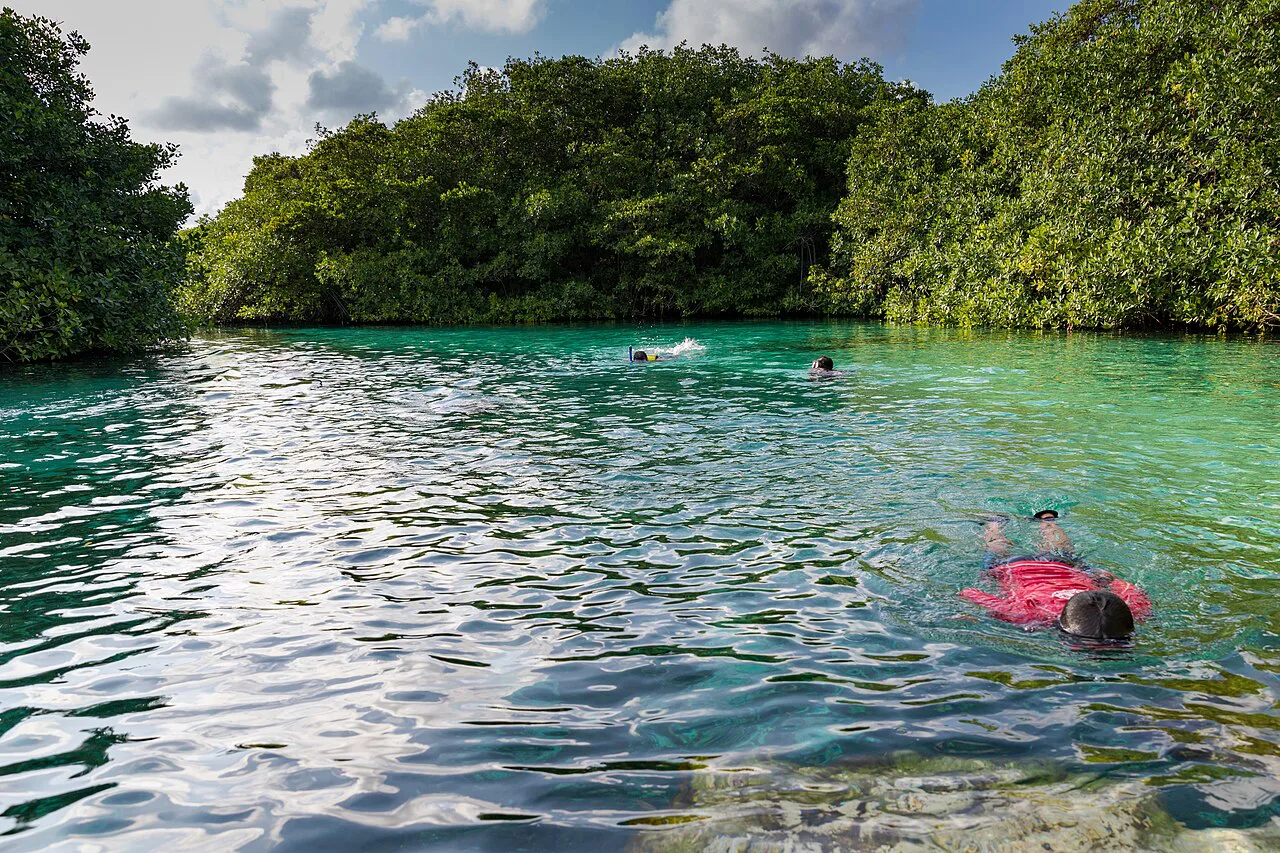
Casa Cenote rewards snorkelers who want clear, shallow water without a cave dive or a boat ride. Its long, open channel winds through mangroves rather than forming a round pool, and the water is shallow enough that beginners and children can see the bottom while they swim. The cenote sits in the Tankah area near Tulum and is also called Cenote Manatí.
The appeal is the setting as much as the swim: you can float over plant beds and fish, watch mangrove roots at the edges, and then walk a short distance to the ocean if you want a second, saltwater swim. If you are still mapping out the Riviera Maya, this page pairs naturally with a wider look at cenote snorkeling across Mexico.
Where Casa Cenote Is in the Riviera Maya
Casa Cenote lies in the Tankah area on the highway corridor between Playa del Carmen and Tulum. Driving south from Playa del Carmen toward Tulum, the cenote appears on the left side of the highway; if you reach the Caleta Tankah sign you have gone too far, so watch for the entrance before it. This stretch of coast is the natural extension of a Tulum-to-Playa day: many travelers base themselves in Playa del Carmen and add the cenote on a southbound run.
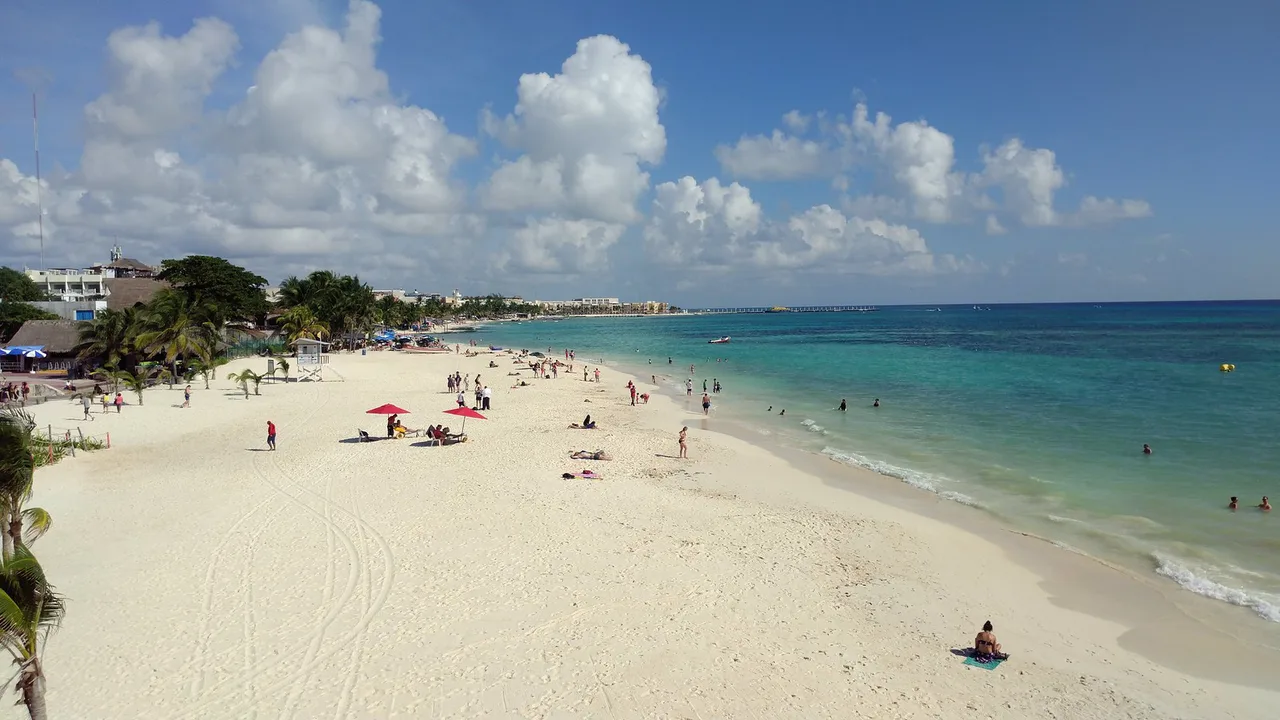
The cenote is separated from the beach by the highway, with roughly 500 meters between the cenote and the ocean. That distance matters when you plan the day: the cenote is the main swim, and the beach is a separate, optional add-on rather than part of the same pool. If you want an ocean snorkel to go with it, consider Akumal, where turtle-grass bays and beach entries make a useful comparison.
Getting In and What the Water Is Like
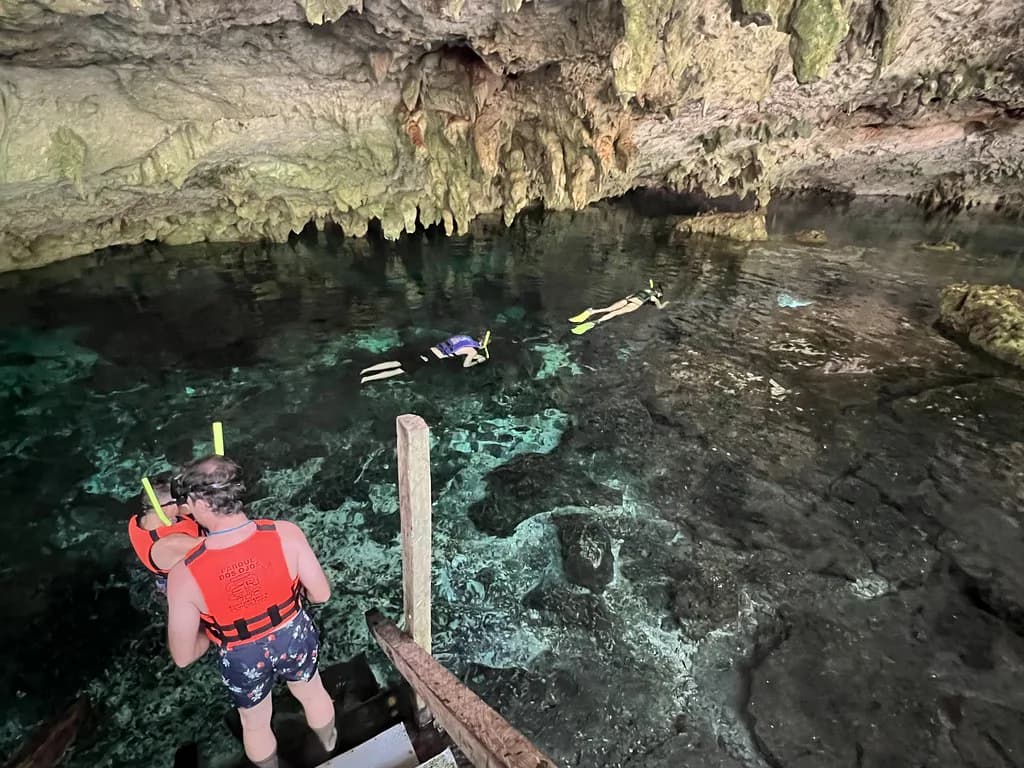
Casa Cenote is an open, sky-lit pool, and snorkelers enter directly into it from the edges rather than descending stairs into a cavern. The site is big enough for people to snorkel, paddleboard, and kayak at the same time, so plan your route along the channel and give other users room. The water stays notably less cold than many other cenotes in the area, which makes a long, relaxed swim comfortable.
The bottom is within easy sight from the surface, and the cenote reaches a maximum depth of about 6 meters. Snorkelers can stay in the shallower zones over the plant beds and still see the bottom clearly, while divers head deeper or continue toward the coast. Treat mangrove roots as the natural edge of the pool and keep fins and hands clear of them.
What You Will See Underwater
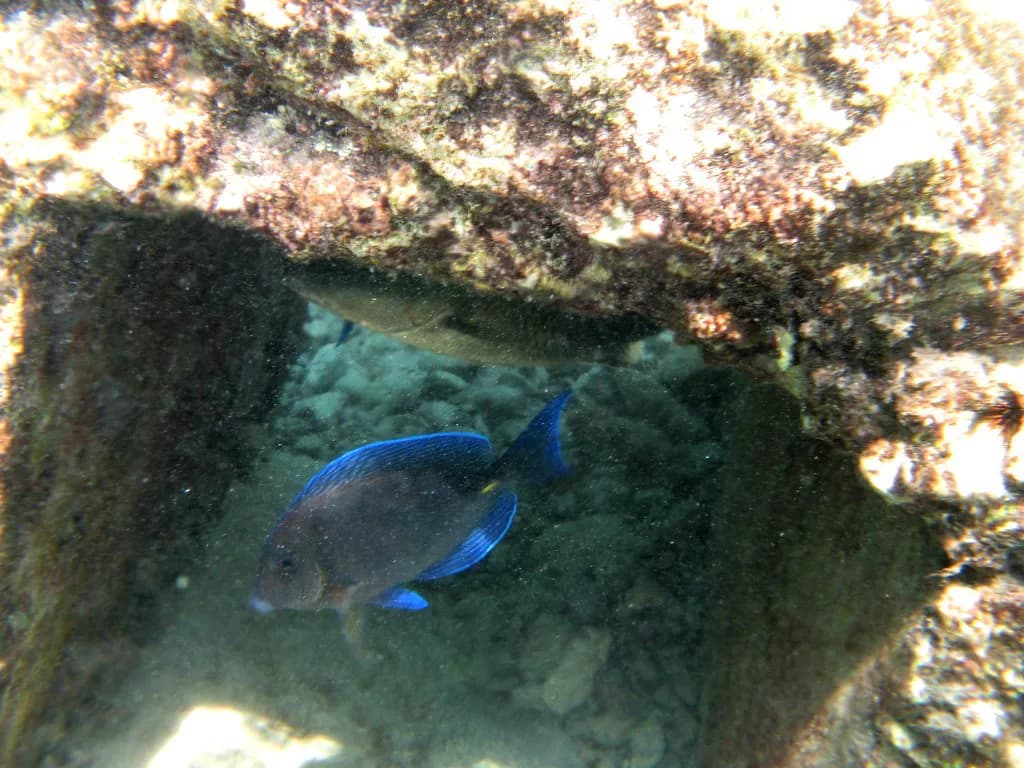
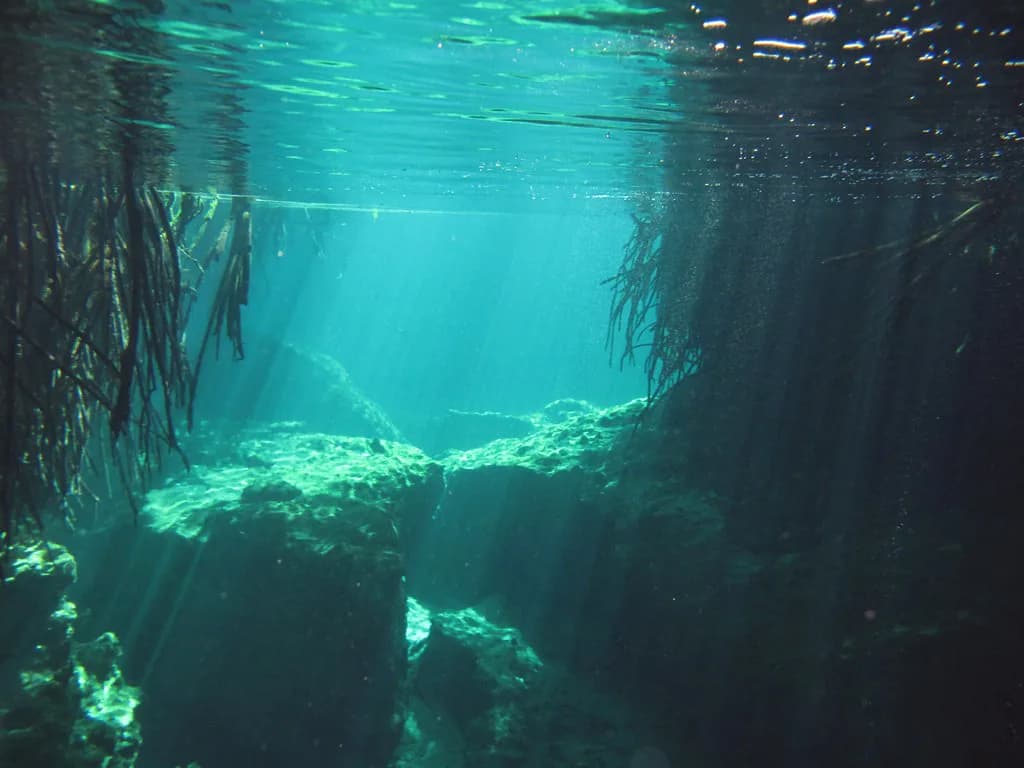
Expect a freshwater scene rather than a coral reef: submerged plants, mangrove roots along the banks, and small fish moving through the vegetation. The cenote is connected underground to the ocean, which is why the water pushes toward the coast and why divers can travel through it. The long, winding, mangrove-lined channel is a good introduction for snorkelers learning to read a freshwater system.
Because the cenote is open to daylight, no artificial light is needed to see the bottom, which keeps the experience simple for snorkelers. The beach on the other side of the highway adds an ocean swim if you want a change of scene after the freshwater pool. Keep your distance from wildlife and never touch or feed fish or turtles; observation is the whole point.
Skill Level and Who It Suits
Casa Cenote is one of the easiest cenotes to snorkel in the Riviera Maya because it is open, shallow, and calm. Families with children, first-time snorkelers, and casual swimmers can stay near the edges and see fish and plants without a guide. Confident swimmers can work the length of the channel and combine the cenote with the nearby beach.
If you have snorkeled only in the ocean, the freshwater setting is a genuine trade-off: less colorful coral, but calmer water and easier visibility. Snorkelers who want dramatic cavern scenery should look at a different cenote, while those who want a gentle, unthreatening swim will be well served here. A look at how Xel-Há snorkeling works can help you decide between a natural cenote and a managed park. If you are weighing a bigger reef trip instead, snorkeling in Belize offers a useful comparison for open-water days.
Best Time of Day and Season
Go early if you want quiet water and fewer people; the cenote draws both locals and visitors, and it is one of the more popular places in the area. Daylight matters here because the joys of the site come from seeing the bottom, so a daytime visit gives the best visibility. If you are booking a Riviera Maya snorkeling tour, ask the tour company whether Casa Cenote is on the itinerary.
Hazards and Rules
The practical risks are mild but real: mangrove roots at the edges, other snorkelers, divers, kayakers, and paddleboarders sharing the water, and the traffic on the highway between the cenote and the beach. With a maximum depth of about 6 meters, the cenote is not a technical dive site, but you still need to keep track of your group and stay within your swimming ability. Snorkelers should not follow divers into the deeper or overhead sections.
Expect life-jacket rules, no-touch guidelines for wildlife and plants, and a request to use reef-safe sunscreen; the entrance includes a life jacket, and the site is a managed cenote with staff. Ask the staff at the entrance about swimming boundaries, since the cenote is linked to the ocean and divers travel between the two.
Fees, Hours, and What the Entrance Includes
As published, the entrance fee is 150 pesos per person and includes a life jacket; snorkel gear is extra. Hours are 9:00am to 5:00pm, which is worth planning around if you are driving down from Playa del Carmen or coming from Tulum later in the day.
A guide is not required: you can explore the cenote on your own, though guided options run around $30 USD depending on the activity. If you are planning several cenotes in one trip, the price comparison should factor in guide costs alongside entrance and gear rental. Snorkelers traveling from Playa del Carmen should budget the day around the cenote's 9:00am-to-5:00pm hours.
Gear: Rent or Bring Your Own
Bringing your own mask and fins is worth it: the on-site rental runs around $20 USD for mask, fins, and goggles, and gear is not included in the entrance fee. A well-fitting mask is the single most important piece for a freshwater cenote, where clear water otherwise shows a leaking seal. If you are just trying snorkeling for the first time, renting at the site is simple, and a nearby dive shop also rents equipment at lower costs.
Facilities Around the Cenote
A palapa restaurant sits in front of the cenote, serving a full menu at accessible prices, with restrooms and equipment rental on-site. The restaurant is rustic rather than polished, but it is handy if you want a meal between the cenote swim and the beach across the highway. You can also bring your own snacks and drinks if you prefer.
The restaurant and restrooms make Casa Cenote a comfortable half-day plan for families, and the beach 500 meters away gives you a place to swim in the sea after the cenote. Pack reef-safe sunscreen, water, a towel, and dry clothes; the cenote is freshwater, so you do not need a full ocean kit.
Getting There Without a Car
You do not need a rental car: collectivos, the public vans that run along the highway, drop passengers at the entrance. From Playa del Carmen, take a southbound van toward Tulum and tell the driver you are going to Casa Cenote. Coming back, flag a collectivo on the highway side, where the cenote entrance meets the road.
If you are driving, the entrance is on the left side of the highway when coming south from Playa del Carmen toward Tulum, before Caleta Tankah. The cenote and the beach are on opposite sides of the highway, so allow extra time to cross carefully. For a full day of reef and cenote time, compare this visit with snorkeling in Playa del Carmen, where beach entry and center-of-town access make a different kind of day.
Combining Casa Cenote with Nearby Spots
Casa Cenote pairs well with a beach swim across the highway, and with a second cenote if you have a car. It also sits within reach of options such as Akumal for turtles, Xel-Há for a managed park, and Dos Ojos for cavern diving, depending on how far you want to drive. Cenote Dos Ojos, in particular, is a different experience: cavern and overhead environments rather than an open mangrove channel.
If you would rather leave the driving to someone else, Riviera Maya snorkeling tours often bundle a cenote stop with reef or beach snorkeling. Check the itinerary carefully: some tours focus on ocean reef and never visit Casa Cenote, while others combine a cenote with a beach. Ask the tour company directly which cenotes are included and whether gear is part of the price.
Who Should Choose a Different Cenote
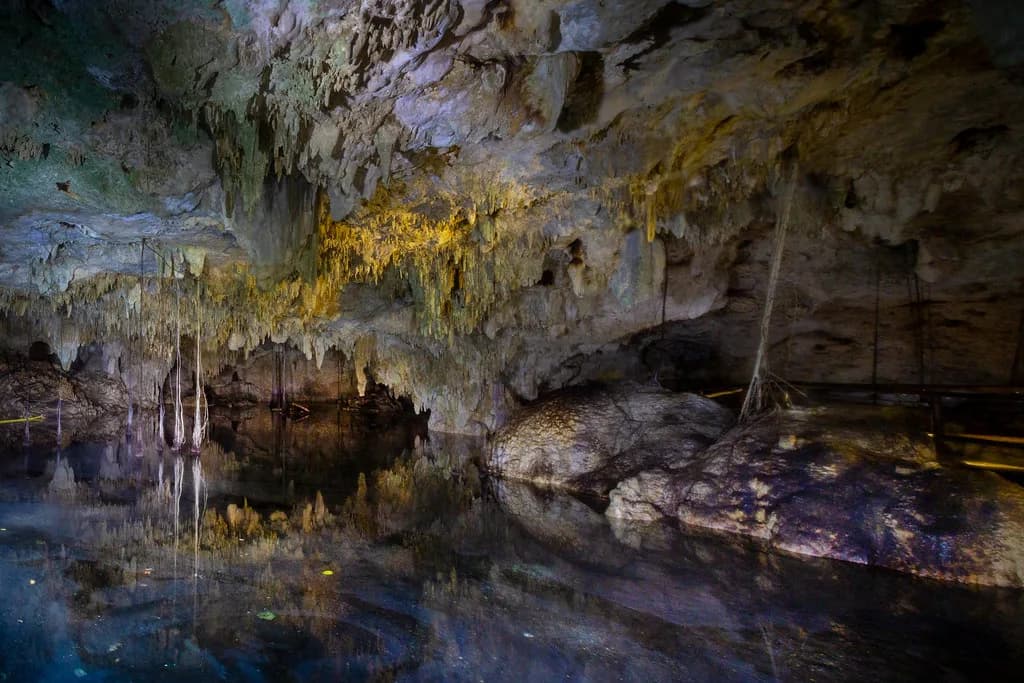
Skip Casa Cenote if you want dramatic stalactites, deep caverns, or overhead environments: this is an open, shallow, sunlit pool, and the appeal is the mangrove channel and easy water rather than cave scenery. Choose it if you are introducing children or new snorkelers to cenotes, or if you want a calm swim close to Tulum. Pick a different site if you are an experienced cavern diver looking for a technical dive.
The broader cenote snorkeling guide outlines how open pools, caverns, and fully overhead sites differ, which makes the choice easier. Pairing Casa Cenote with an ocean day, either at Akumal or the beach across the highway, gives you both freshwater and reef experiences in one trip. Also consider Playacar Beach for the simplest possible swimming on a Playa del Carmen day.
Plan Your Visit
Casa Cenote is a straightforward, beginner-friendly snorkel with clear freshwater, a shallow channel, and a calm surface, plus a restaurant, restrooms, and gear rental on-site. Bring your own mask and fins if you plan to visit several cenotes, and allow time to walk the 500 meters to the beach across the highway.
Treat it as one part of a Riviera Maya day: swim the cenote in the morning, then head to the beach or a nearby site, and keep an eye on the highway when crossing. The combination of easy entry, calm water, and nearby facilities makes it one of the more approachable spots for families and new snorkelers.
Frequently Asked Questions
Is Casa Cenote good for beginner snorkelers?
Yes. Casa Cenote is an open, shallow, calm cenote with easy entry and clear water, which makes it a fit for beginners, families, and casual swimmers. The long mangrove channel gives you a defined route along the water.
How deep is Casa Cenote?
The cenote reaches a maximum depth of about 6 meters, with shallower zones over the plant beds where snorkelers can see the bottom. Divers can go deeper and continue toward the ocean through the connected system.
Do you need a guide to snorkel Casa Cenote?
No. You can explore the cenote on your own; a guide is optional if you want commentary or an organized route. Guide rates vary by activity.
Can you snorkel Casa Cenote without a car?
Yes. Collectivos, the public vans that run along the highway between Playa del Carmen and Tulum, stop at the cenote entrance. Tell the driver you are going to Casa Cenote and flag a returning van on the highway.
What will I see at Casa Cenote?
Expect mangrove roots along the banks, submerged plants, and small fish moving through the freshwater. The cenote is connected underground to the ocean, which gives it a slightly different character from a closed cave pool.
Is Casa Cenote connected to the ocean?
Yes. Casa Cenote connects underground to the ocean, and the beach lies about 500 meters across the highway. Divers can travel between the cenote and the coast through the connection.
Can you combine Casa Cenote with the beach?
Yes. The beach is roughly 500 meters from the cenote, so you can swim the freshwater channel first, then cross the highway and swim in the sea. Plan the crossing carefully and allow time for both.
What should I bring to Casa Cenote?
Bring a swimsuit, towel, reef-safe sunscreen, and water; the entrance includes a life jacket. If you have your own mask and fins, bring them, since gear rental is extra.
Sources
Snorkeling notes for your next trip
Optional updates to our snorkeling guides.
You might also like
Continue reading
More guides you'll find useful