Xel-Há Snorkeling Guide: Plan Your Playa del Carmen Day
Xel-Há snorkeling means unlimited time in a calm, protected inlet with gear included, 90-plus marine species, and no surf to fight. Here is how the day works.
On this page
Xel-Há suits snorkelers who want a long, unhurried session in flat, protected water rather than a battle with open-ocean swell. The park is built around a sheltered inlet where the sea mixes with river water, and snorkeling is unlimited once you are inside, so you can dip in and out as often as you like. Families with kids, first-timers and mixed-ability groups get the most from it; strong swimmers who crave wild reef and current should look elsewhere.
The whole day runs on a simple rhythm: pick up mask, fins and life jacket, snorkel the cove, then rotate through the river, cenotes and hidden bays before heading back for another swim. Because everything sits inside the park, you never have to plan tides, parking or a boat slot, which is exactly the trade-off you make against a free shore entry.
Where Xel-Há Is
Xel-Há sits on the Chetumal–Puerto Juárez federal highway at kilometer 240 in Quintana Roo, on the Riviera Maya coast between Playa del Carmen and Tulum. The park publishes that highway address for drivers, and it is the landmark to give a taxi or shuttle driver rather than a town name.
Most visitors reach it as a day trip from Playa del Carmen, Tulum or the Cancún corridor, either on a package transfer or by arranging their own ride along the highway. If you are basing yourself in Playa del Carmen and weighing this against shore snorkeling closer to town, treat Xel-Há as a full park day rather than a quick morning swim, since the admission and the layout reward staying several hours. For the town-based options, see this guide to snorkeling in Playa del Carmen.
How Entry Works: Cove, River, Cenotes and Hidden Bays
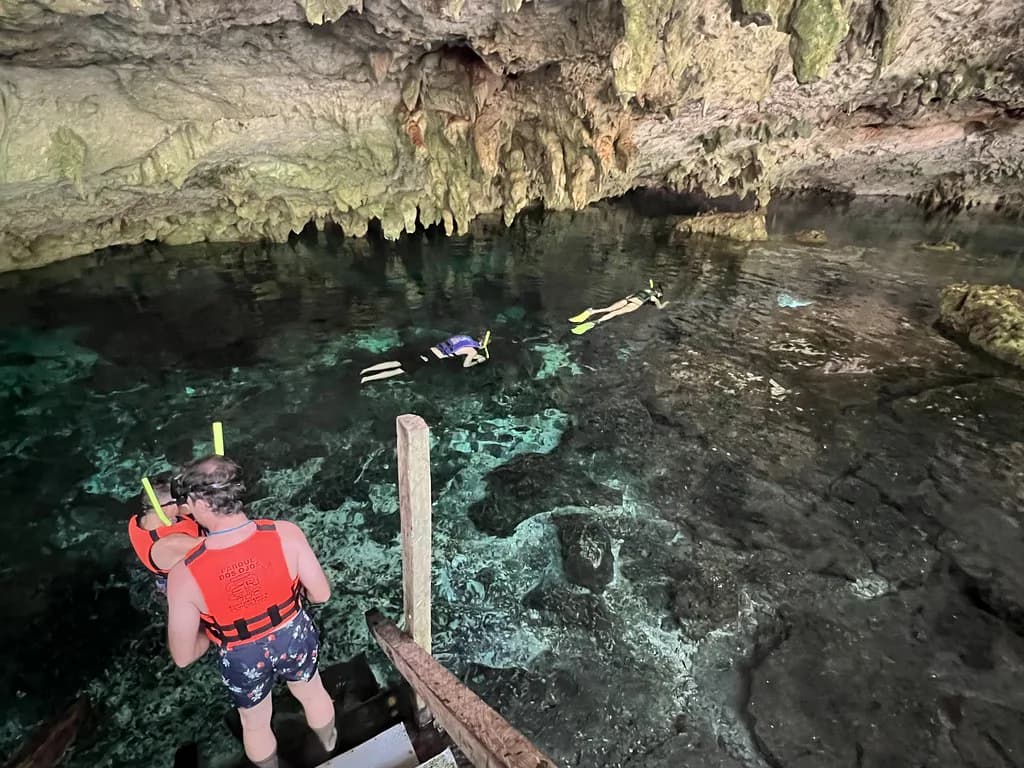
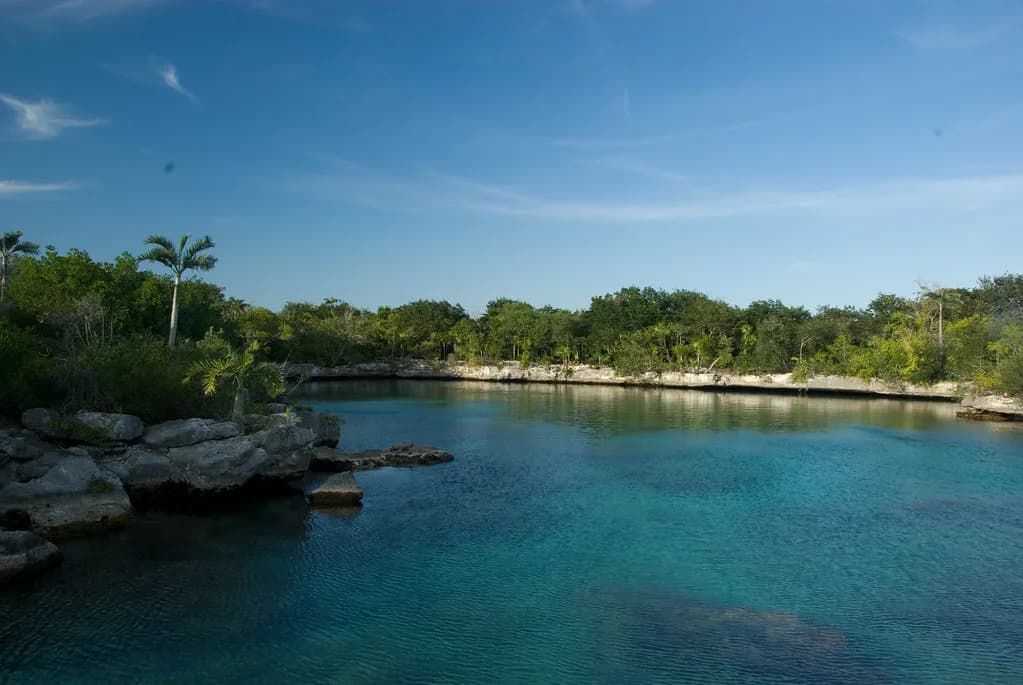
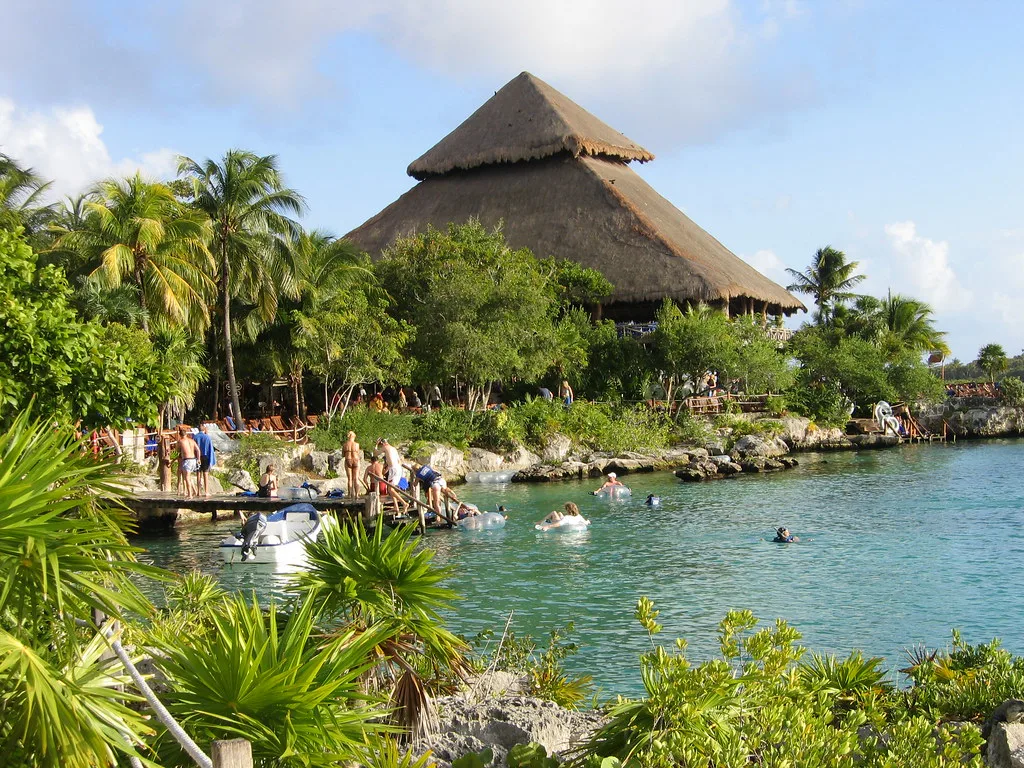
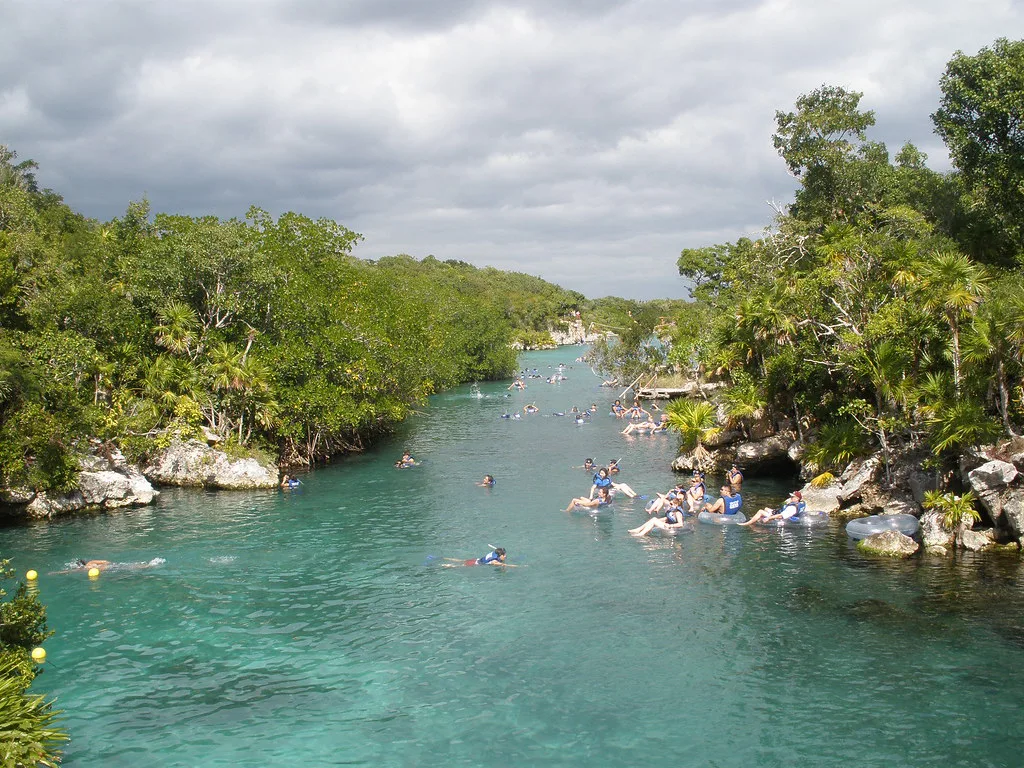
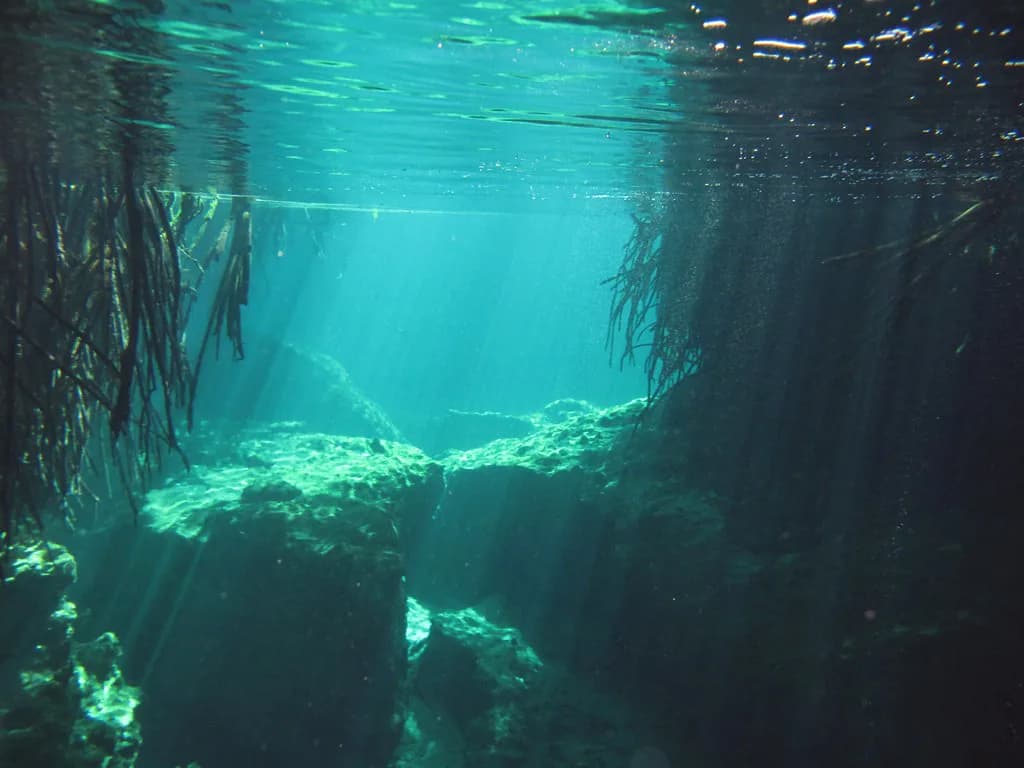
The park is organized around a main cove or inlet where the snorkeling happens, plus a river, cenotes, lagoons and smaller hidden bays that you can swim or float through. Entry is from the park's own shore and pools rather than a surf beach, which is why the water stays calm enough for children and cautious swimmers.
Plan your loop by water type rather than by map order: start in the inlet while you are fresh and your gear is dry, then move to the river and cenotes when you want a change of scene. The river and cenote swims are freshwater, so they feel different on the skin and offer a break from salt. The hidden bays are the quietest corners for sitting still and watching the bottom.
Gear: The Five Snorkel Modules and the Bracelet System
Snorkel gear is included and handed out at five modules inside the park; you scan your bracelet to collect mask, fins and life jacket, and you must return the equipment to the same module where you picked it up so the bracelet is released. That detail matters at the end of the day, when tired families drift toward the exit and discover their gear came from a module on the far side. Note which module you used before you walk away.
Because the gear is included and unlimited, there is no reason to haul your own mask and fins unless you have a fit or prescription issue. Pack light: swimwear, a towel, a change of clothes and reef-safe sunscreen are the core kit, and a dry bag keeps phones and shirts safe between swims.
What You Will See in the Inlet
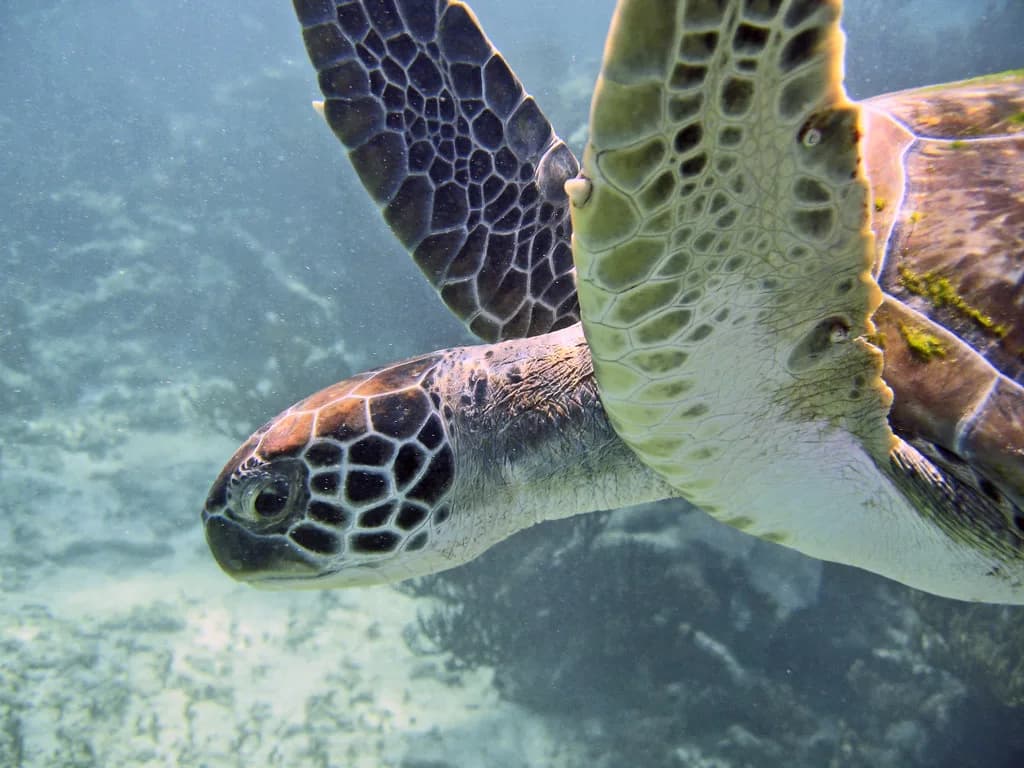
The park lists more than 90 marine species in its waters, among them angelfish, surgeonfish, damselfish, snapper, parrotfish, grouper, sergeant major, pufferfish and barracuda, along with a family of rays. The queen conch is a protected species that lives in the cove, and the park describes the inlet as a sanctuary for it, with ongoing study and census work by universities.
Treat the fish list as what the park reports inhabiting the inlet, not a promise of what you will meet on any given morning. The practical approach is to slow down near structure and hold still: parrotfish and sergeant major graze on the bottom, while barracuda hang in open water and are best watched from a respectful distance. Never touch, feed or chase the conch, rays or any other animal, and give wildlife room to move away on its own.
The Halocline and Thermocline Effect
Where the sea meets fresh river water, Xel-Há has the conditions for two visible phenomena: a halocline, where dense salt water and fresh water layer and blur the view, and a thermocline, where the temperature shifts as you pass through. Snorkelers often notice them as a shimmering haze or a sudden band of cooler water rather than anything dramatic.
If you want the best chance of seeing the effect, swim slowly through the transition zones where the river flows into the cove instead of rushing across the open inlet. It is a good moment to stop kicking and simply float, since the layering is easiest to spot when you are still. Children usually find the temperature shift more noticeable than the visual one.
Depth, Visibility and Swimming Conditions
The inlet is a protected cove, so you are swimming in sheltered water rather than surf, which keeps the surface calm and the entry easy for families. The park describes unlimited snorkeling in its cove after you put on fins, life jacket and mask, with the water clear enough for the fish life to be the main attraction.
Conditions still shift with weather, and the park notes that some water activities are subject to weather conditions. Ask at the modules how the inlet is looking that morning and where the clearest water is, then choose your spot accordingly. A life jacket is part of the standard gear, which lets weaker swimmers float and watch rather than tread water.
Skill Level: Who It Suits
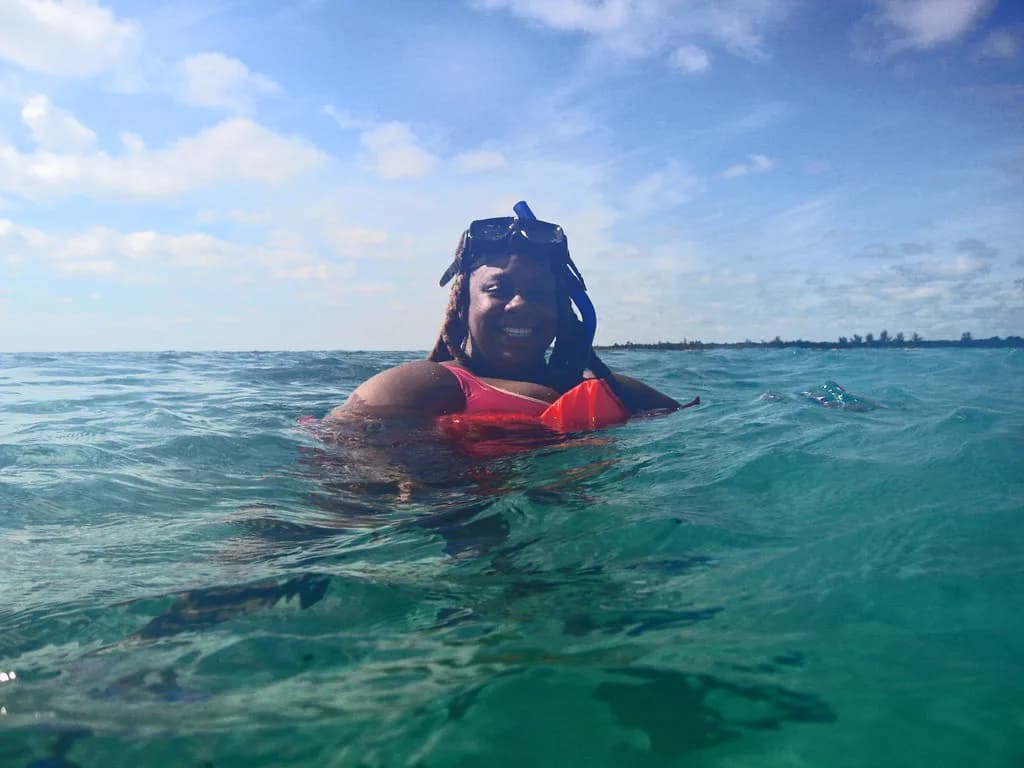
The park bills the snorkeling as suitable for the whole family, and the combination of sheltered water, included life jackets and easy shore entry makes it a strong choice for kids and first-timers. Non-swimmers can float in a jacket and still see fish, while confident swimmers can range across the inlet and the river for a longer workout.
The people who will feel short-changed are experienced snorkelers chasing wild reef, drift and big pelagics, because the inlet is controlled water by design. If that is your goal, pair this park day with a genuine open-water session elsewhere on the coast and use Xel-Há for an easy, facility-rich day in between. Travelers comparing warm-water reef destinations often weigh this against snorkeling in Belize, where the barrier reef and cayes offer a very different kind of day.
Best Time of Day
The park operates from 8:30 a.m., and its snorkeling attraction page lists the snorkeling window as 8:30 a.m. to 5:30 p.m., so arriving at opening gives you the longest stretch in the water before the day heats up.
Build your day around two swim blocks: an early session in the inlet while you are fresh, then a second after lunch when you have eaten and rested. The park's published schedule runs Monday, Wednesday, Thursday, Friday, Saturday and Sunday from 8:30 a.m. to 6:00 p.m., so confirm the day you plan to visit before booking around it.
Rules on Site: Sunscreen, Showers and Wildlife
The park asks guests to use only chemical-free sunscreen or sunblock, and to shower before entering the inlet. Those two rules apply to everyone in the water, including children, so buy reef-safe product before you arrive instead of counting on the gift shop to stock what you need.
On wildlife, the conch and rays in the cove are there to be observed: no touching, feeding or chasing, and no standing on coral. Keep a respectful distance and let animals move off on their own terms, which also keeps you out of the way of other snorkelers.
Admission Options: All-Inclusive Versus Light
Xel-Há sells more than one admission type: the All-Inclusive option bundles food, beverages and many activities, while the Light admission covers most activities and non-alcoholic beverages. For a full day of snorkeling with lunch built in, the inclusive version is the simpler choice; light eaters and people who plan to leave by mid-afternoon can weigh the lighter ticket.
Current admission prices are not something to plan around from memory, since the park prices its tickets and any online promotions on its own booking pages. Check the official site for the day you want before you book, and note that children from 0 to 4 enter free under the park's published terms.
Power Xnorkel: The Add-On and Its Constraints
Power Xnorkel puts you on a Seabob, a small personal jet, for a 50-minute session that mixes an introduction, a guided tour and free snorkeling in the inlet. It runs hourly across the day, accommodates a maximum of four guests per slot, and requires a park ticket for the same day as your visit.
The rules are firm: minimum age 12, visitors up to 16 must be accompanied by an adult, and every participant must know how to swim. The park also lists the activity as not recommended for pregnant women or people with asthma, claustrophobia, hypertension, diabetes, heart conditions, back problems, recent injuries or recent surgery. If your group includes younger children, plan to split up, with one adult on the Seabob and the other in the cove.
Facilities, Food and What to Bring
The park is set up as a full-day facility with dining, drinks and activities beyond snorkeling, which is the main reason to choose it over a bare-bones shore entry. Bring swimwear, a towel, a change of clothes, a dry bag and reef-safe sunscreen, and leave bulky gear at home since mask, fins and life jacket come with your admission.
Lockers and a planned base near your chosen gear module make the day smoother, especially with children who need to warm up and dry off between swims. A morning of snorkeling followed by a river float and a shaded lunch is a realistic rhythm that avoids sun fatigue.
Combining Xel-Há With Other Riviera Maya Snorkeling
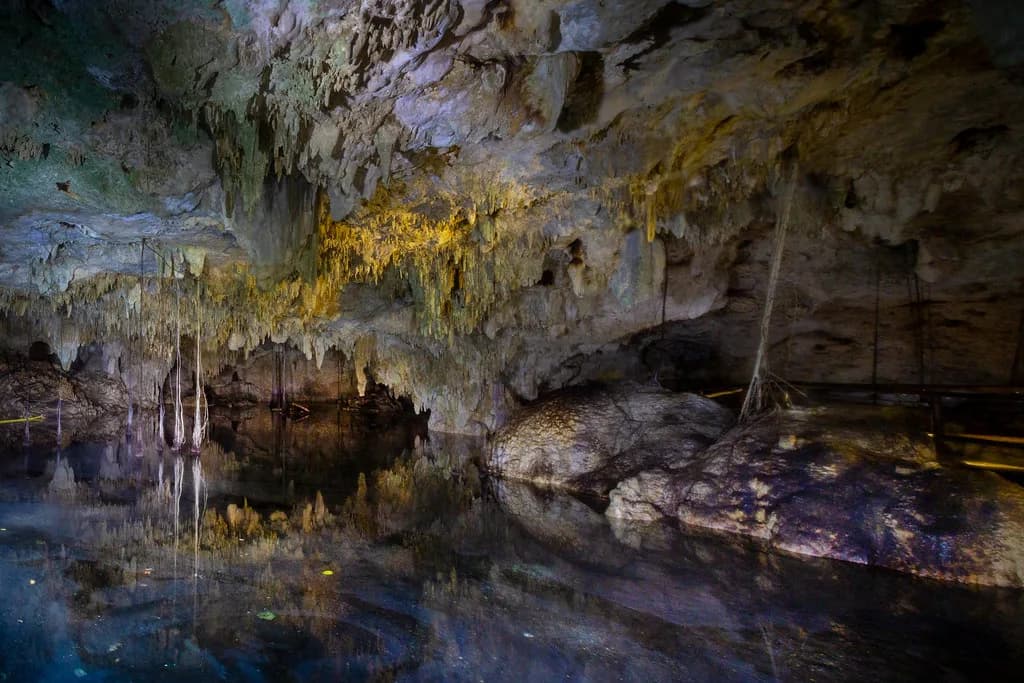
Xel-Há pairs naturally with a second, very different water day: cenote snorkeling inland, where you swim in freshwater sinkholes with clear, still water and no surf. Doing the two on separate days keeps each one enjoyable rather than cramming both into one long outing; read more in this cenote snorkeling guide.
If turtles are the goal, Akumal Bay further south is the classic Riviera Maya shore snorkel, and it makes a good contrast day to Xel-Há's controlled inlet. The Akumal Snorkeling Guide covers where to enter and how the bay is laid out.
Plan Your Xel-Há Day
Xel-Há works best when you treat it as a relaxed park day with two or three snorkel sessions rather than a single mission to see everything. Arrive near the 8:30 a.m. opening, collect gear early, learn your module location, and use the middle of the day for the river, cenotes and lunch.
Book your admission and any Power Xnorkel slot on the park's own site, check the operating day, and bring reef-safe sunscreen. If you want wilder reef and open water instead, save your budget for a shore or boat day along the coast and come here when calm, easy snorkeling matters most.
Frequently Asked Questions
Is Xel-Há snorkeling good for beginners and kids?
Yes. The snorkeling happens in a sheltered inlet rather than surf, gear includes a life jacket, and the park describes the activity as suitable for the whole family. Beginners and children can float and watch fish without fighting a current.
Do you need to bring your own snorkel gear to Xel-Há?
No. Mask, fins and life jacket come with the park's included snorkeling, collected at five modules by scanning your bracelet. Return the gear to the same module where you got it.
What fish can you see snorkeling at Xel-Há?
The park lists more than 90 marine species, including angelfish, parrotfish, sergeant major, snapper, grouper, damselfish, pufferfish and barracuda, plus a family of rays and the protected queen conch in the cove. Treat the list as what lives there, not a guaranteed sighting.
How deep is the water where you snorkel at Xel-Há?
The park does not publish a depth for the inlet. Expect a protected cove with easy entry and included life jackets; ask at the gear modules on the day where the clearest water and best fish life are.
Is the Xel-Há All-Inclusive admission worth it for snorkelers?
The All-Inclusive option bundles food, beverages and many activities, while the Light admission covers most activities and non-alcoholic drinks. If you plan a full day with lunch inside the park, the inclusive ticket is simpler; light eaters can weigh the lighter fare.
What is Power Xnorkel and who can do it?
Power Xnorkel is a 50-minute Seabob session in the inlet with a guide, capped at four guests per hourly slot. Riders must be at least 12, able to swim, and under 16 accompanied by an adult, and the park lists several health exclusions.
Is Xel-Há or Xcaret better for snorkeling?
Xel-Há centers on unlimited snorkeling in a calm inlet with included gear and dozens of fish species. Xcaret offers its own water activities, so compare each park's current activity list for the experience you want.
Sources
Snorkeling notes for your next trip
Optional updates to our snorkeling guides.
You might also like
Continue reading
More guides you'll find useful