Riviera Maya Snorkeling Tours: Which Trip Fits Your Day
Compare Riviera Maya snorkeling tours by departure point, reef or cenote route, and what is included, so you pick the trip that fits your group and schedule.
On this page
The best Riviera Maya snorkeling tours are not variations on one trip; they are four distinct days out, and the choice shapes how much time you spend swimming versus traveling. A two-stop boat trip from Puerto Morelos, a reef-and-beach-club combo, a ferry crossing to Cozumel and a half-day that mixes turtles with a cenote each suit a different group. Pick by route and logistics first, then compare inclusions.
Four kinds of snorkel day, and who each one suits
Open-reef boat trips run from a pier, motor you to a mooring and put you in the water over coral; they reward swimmers who are comfortable in swell and want marine life over variety. Beach-club combos add a pool, loungers and lunch, which makes them the easier sell for families with small children or mixed confidence. Cozumel crossings trade a ferry ride for the clearest reef walls in the region, and cenote trips trade the ocean for still, cool freshwater and rock formations.
Work out your group's real priority before you compare prices. If a first-timer needs a handrail, a shallow start and a guide close by, the beach-club format usually delivers a gentler entry than a two-stop boat in open water. If everyone swims well and wants the most time over coral, a dedicated reef trip uses the day better than a combo with a long lunch stop.
The Puerto Morelos national park boat trip
Puerto Morelos sits between Cancun and Playa del Carmen, and boats leave from the town pier directly in front of a protected marine area inside the Mesoamerican Barrier Reef. Riviera Maya Snorkeling, operating from the pier, runs one daily tour that departs at 10:00 AM and lasts about two hours, splitting the time between two sites of roughly 45 minutes each. That split gives you a shallow reef section and a second stop rather than one long drift.
The headline rate is $60 USD per person, and the listing notes that a $5 USD preservation fee for the Puerto Morelos National Marine Park is part of the package, so read the small print before you compare it with a rival's all-in figure. Round-trip hotel transport, snorkel gear and water are part of that operator's package, while towels, sunscreen and extra food and drinks are not, which matters if you are arriving straight from a flight.
Hotel pickup in that operator's schedule starts around 8:45–9:30 AM, with arrival at the pier before 10:00 and a return to your accommodation around noon, so it fits an afternoon elsewhere. If you are staying in Playa del Carmen, budget the transfer north as part of the day rather than an afterthought, and check the pickup window when you reserve. This route suits beginners and families because the reef sits inside a protected park and the boat does the distance for you.
Reef trips with a beach club
Beach-club reef tours bundle a boat or shore snorkel with a base on land: showers, loungers, a pool and a meal, which turns a two-hour swim into a half day. They are the pragmatic pick when part of your group snorkels and part does not, because the non-swimmers have somewhere to wait that is not a car park. They also soften the sting of a choppy day, since the snorkel is one element rather than the whole outing.
Marketplace listings show a national-park reef snorkel with beach club and lunch, which illustrates the format rather than a fixed itinerary; confirm the actual reef, boat time and meal details with the company before paying. Sample prices in these listings start around $29 USD, but a low headline often reflects a short swim, a shared bus transfer or a meeting point you reach yourself.
Ask two questions before booking a combo: how long the boat actually spends at the reef, and whether the beach club is walking distance from the mooring or a second transfer. A club ten minutes away is fine; one across town eats the swim time you paid for.
Cozumel reef trips and the ferry trade-off
Cozumel's Palancar, Columbia and El Cielo reefs sit on the far side of the channel from Playa del Carmen, and tours marketed across the Riviera Maya typically include the crossing. Marketplace listings for a Cozumel snorkel covering those three reefs appear around $62–65 USD, which is a fair benchmark for a full-day crossing rather than a two-hour local trip. Treat the figure as a starting point and read what the ferry, park wristband and lunch add.
The trade-off is time: a ferry crossing each way plus a boat to the reefs leaves less in-water time than the price suggests, and afternoon crossings can be bumpy for anyone prone to seasickness. Book a morning departure, keep the rest of the day light, and choose this route only if someone in the group genuinely wants wall diving and clear water.
If you are staying in Playa del Carmen, the ferry pier is the natural departure point for a self-organized Cozumel day, and you can pair the crossing with a shore snorkel near the caleta on the island side. A guided Cozumel tour removes the logistics but adds the group pace, so weigh which costs you more.
Half-day sea turtle and cenote combinations
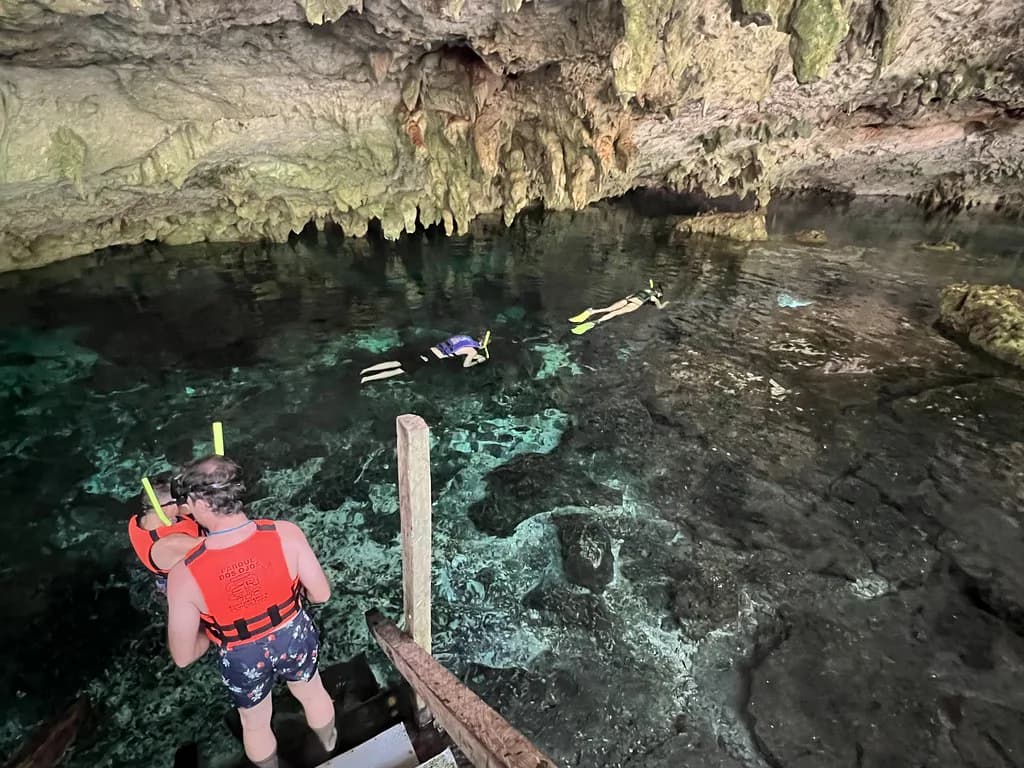
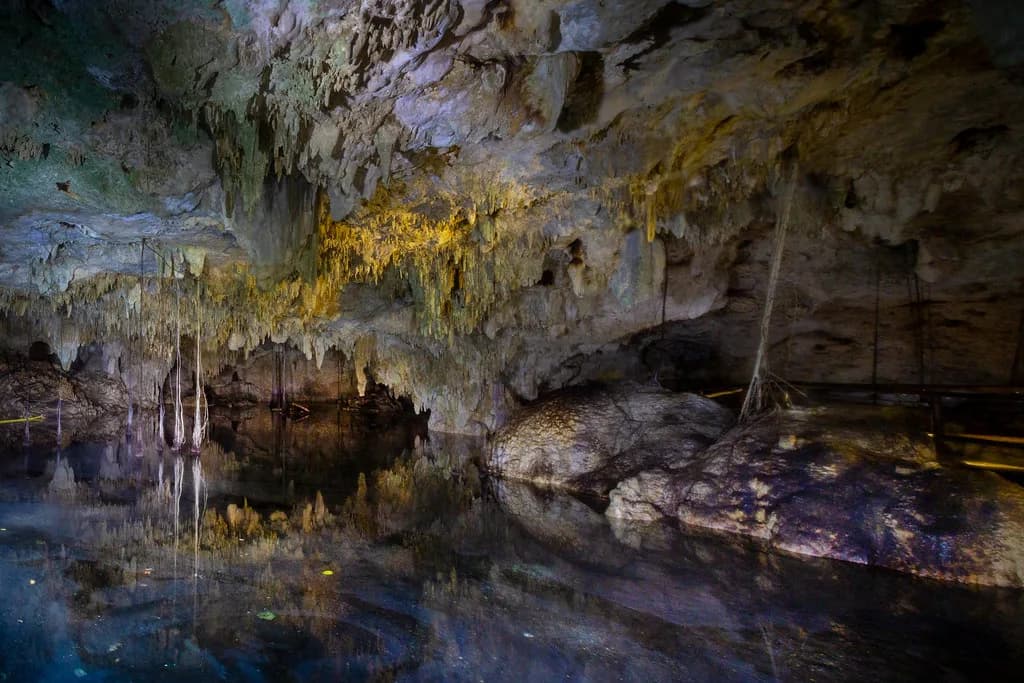
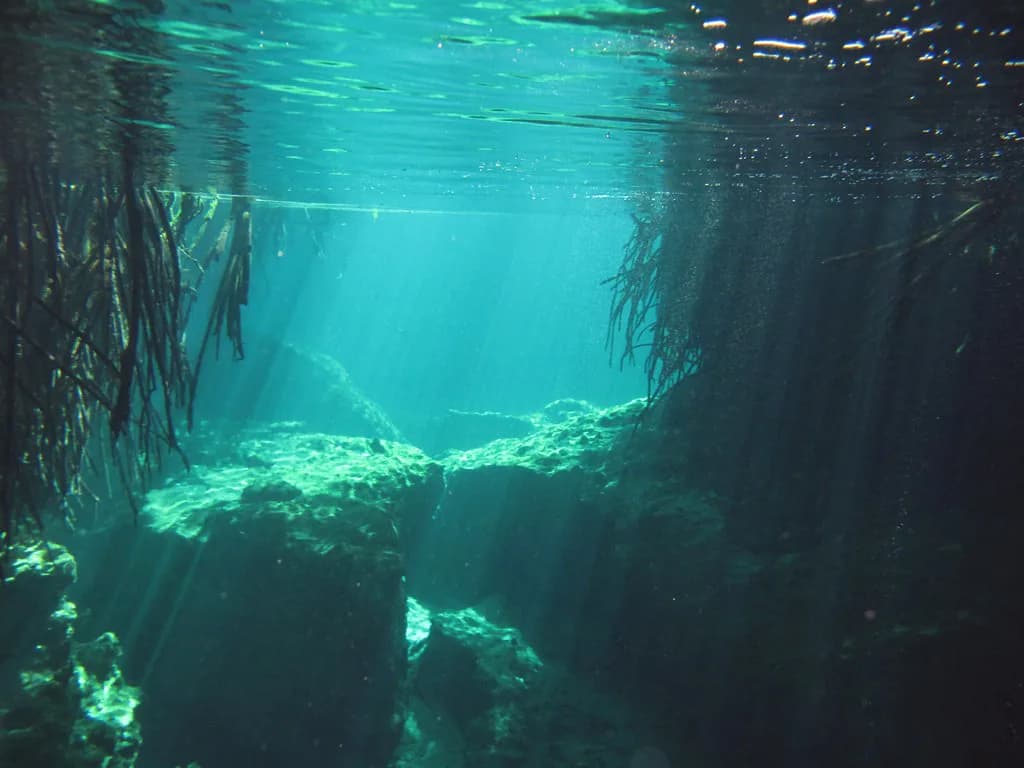
The hybrid day swaps a second reef stop for freshwater: typically a coastal turtle swim in the morning and a guided cenote snorkeling session in the afternoon. You gain variety, a cool freshwater plunge and rock formations you will not see on the reef, and you lose a second open-water site plus a chunk of the day to road transfers between the two. It suits groups who want a story out of the day more than maximum reef time.
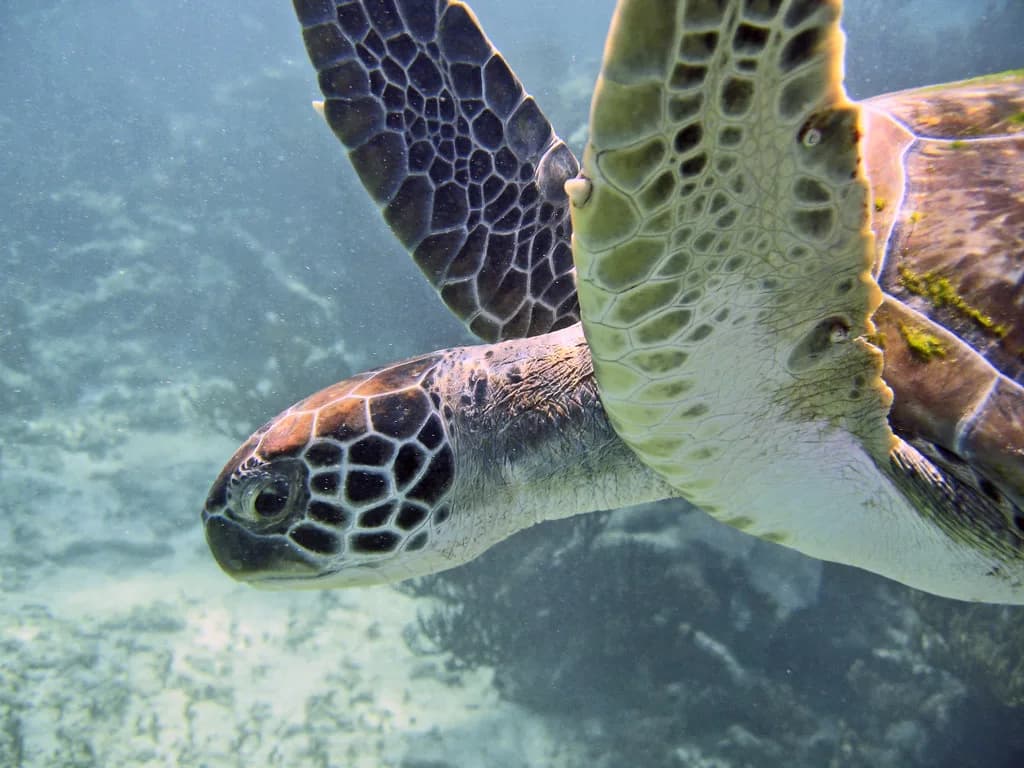
Turtle sightings cluster where seagrass beds sit close to shore, and published wildlife rules apply in every bay where turtles feed: keep your distance, never touch or chase, and follow the guide's positioning. In areas with designated turtle zones, expect a marked swimming area and a limit on how close you can approach.
Consider this format if you have children who tire of salt water or a non-snorkeler who will happily sit out the cenote. Skip it if your group came specifically for coral and fish, because the cenote portion is a different experience, not a second reef.
What is typically included and what costs extra
Standard inclusions across these trips are snorkel gear, a guide, water and a life vest on request. The Puerto Morelos operator also includes round-trip hotel transport and the park bracelet in its package, while listing towels, sunscreen and additional food and drinks as extras. Read each listing for the same four items, since a cheaper tour that excludes transport can cost more once you add a taxi.
Towels catch people out most often. Boats rarely carry them, beach clubs sometimes rent them, and a wet ride back to your hotel is a poor end to a good morning, so pack one. Bring cash or a card for tips, photos and drinks, and check whether your tour uses a meeting point or your lobby before you set an alarm.
Price ranges and how to read a cheap listing
Riviera Maya snorkel pricing spreads widely: a short reef snorkel with a beach club appears from about $29 USD, a Cozumel reef day around $62–65 USD, and the two-stop Puerto Morelos trip at $60 USD per person with a $5 USD park fee folded into the package. Those are listing and operator figures, not fixed market rates, so treat them as benchmarks for comparing inclusions rather than a price to hunt for.
A cheap listing usually trims one of four things: swim time, group size, transport or food. Check how many snorkelers share a guide, whether the boat goes to one site or two, and where the tour starts. A low price with a self-drive meeting point forty minutes away often costs the same once fuel and parking are added.
Boat ride, swim time and group size
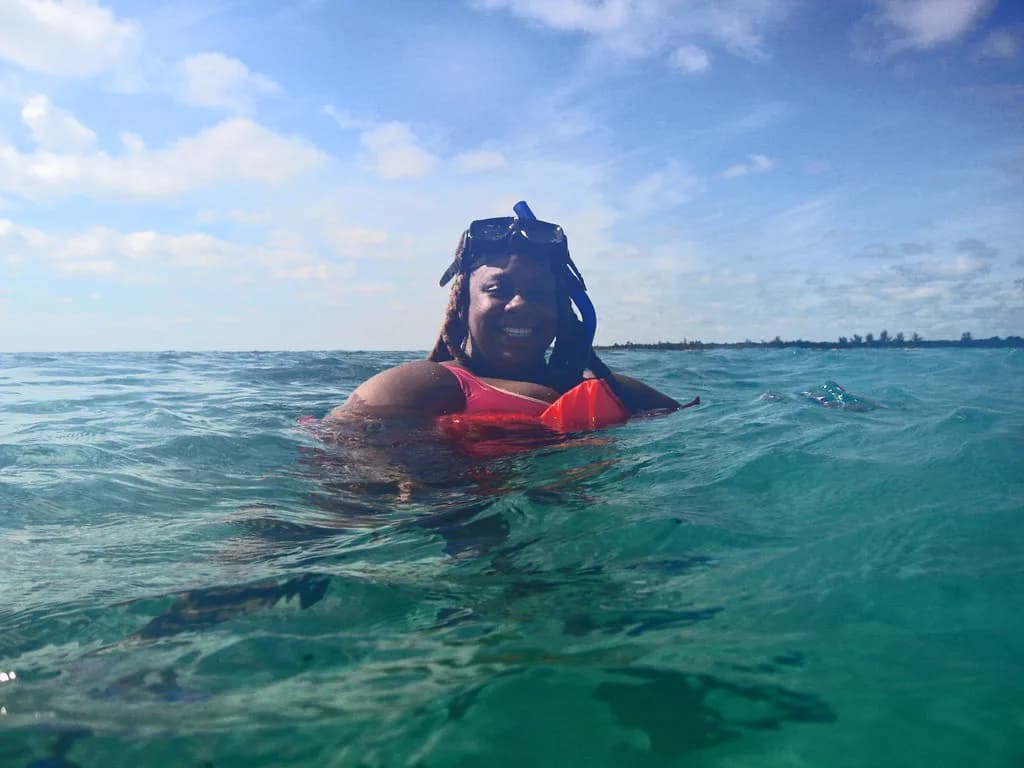
Match the trip to swimming ability honestly. Beginners and children do best with a shallow first entry, a guide in the water and a boat that stays close; strong swimmers can handle a drift over deeper coral and a longer ride out. Non-swimmers can join many trips with a vest and a guide, but check that before booking rather than on the pier.
Group size shapes the experience more than the reef does. A small boat with six snorkelers means a guide who can point things out; a packed catamaran means waiting your turn at the ladder. Ask the tour company for the maximum group size and the guide-to-swimmer ratio, and prefer a morning slot when the water is usually calmer and the site less crowded.
Departure logistics from Playa del Carmen and Puerto Morelos
Puerto Morelos is the simpler departure if you are based in Cancun or the northern Riviera Maya, since boats leave from a town pier with parking close by and you walk on. From Playa del Carmen, head north along the coastal highway and allow extra time for traffic at the Cancun Airport junction. Riviera Maya Snorkeling's pickup window, roughly 8:45–9:30 AM, is the practical anchor for planning the morning.
If you would rather not drive, look for a tour with hotel transport included and confirm the pickup zone covers your accommodation; some operators serve Playa del Carmen and Cancun but not the smaller coastal towns. In Playa del Carmen itself, the beach clubs and ferry pier are walkable from the main tourist grid, which keeps a self-organized day simple.
Best season and time of day for calm water
Mornings generally give the calmest water and the clearest light for reef snorkeling, which is why so many departures are scheduled early. On the open reef, wind direction matters more than the forecast headline: a stiff onshore breeze builds chop at exposed sites while sheltered park waters stay comfortable. Ask Riviera Maya Snorkeling which sites it uses when the wind is up, and check current prices and dates before booking.
Season changes the character of the day rather than ruling it out. Summer brings warm water and the chance of afternoon storms, while winter can bring stronger northerly winds and cooler air on the boat. Pack a light layer for the ride back and book the morning slot when the forecast looks marginal.
Reef-safe sunscreen and park rules
Marine parks along this coast restrict what you can wear and apply in the water, and operators routinely ask you to use reef-safe products or none at all. Riviera Maya Snorkeling lists sunscreen as an extra, not something provided, so buy a reef-safe product before you travel if you have a brand you trust. Apply it well before you board and leave the aerosol cans at the hotel.
Inside a marine park, expect no-take rules, no standing on coral, no gloves and a guide-led route. Keep hands and fins off the reef, give wildlife room to move away, and follow the guide's instructions on where to float; those rules protect the reef you came to see.
What to bring on a snorkel boat
Pack a swimsuit you have already put on, a towel, dry clothes for the ride back, sandals or water shoes, and cash or a card for extras. The Puerto Morelos operator's own list matches that, and adds that you can go barefoot on the beach but want shoes for the boat and pier.
Bring a dry bag for phones and keys, and your own mask if you have one that fits, since rental masks vary. A rash guard cuts sunscreen use and keeps you warm on a long boat ride, and a light windbreaker earns its place on morning crossings.
Fish and coral you may see on these reefs
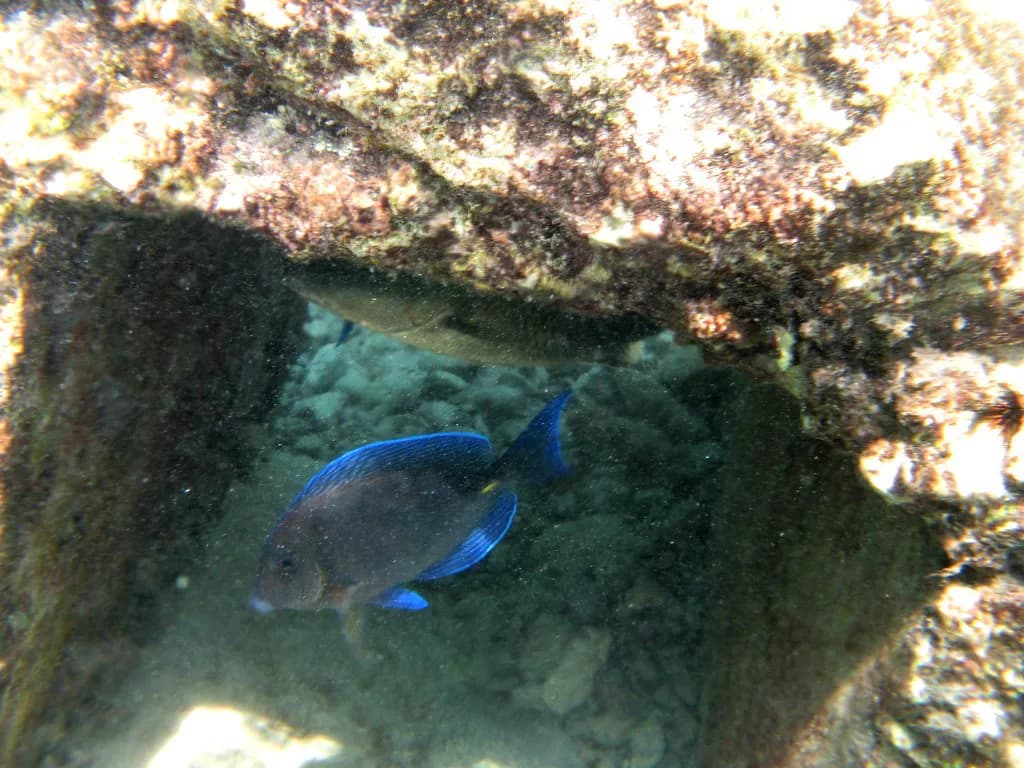
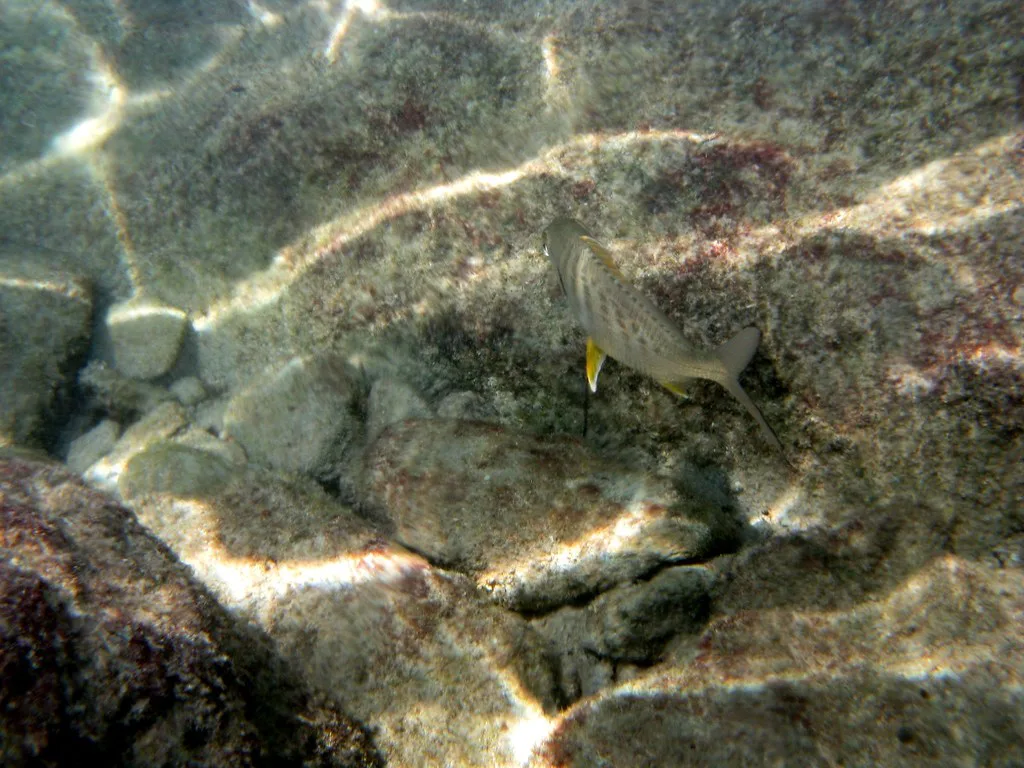
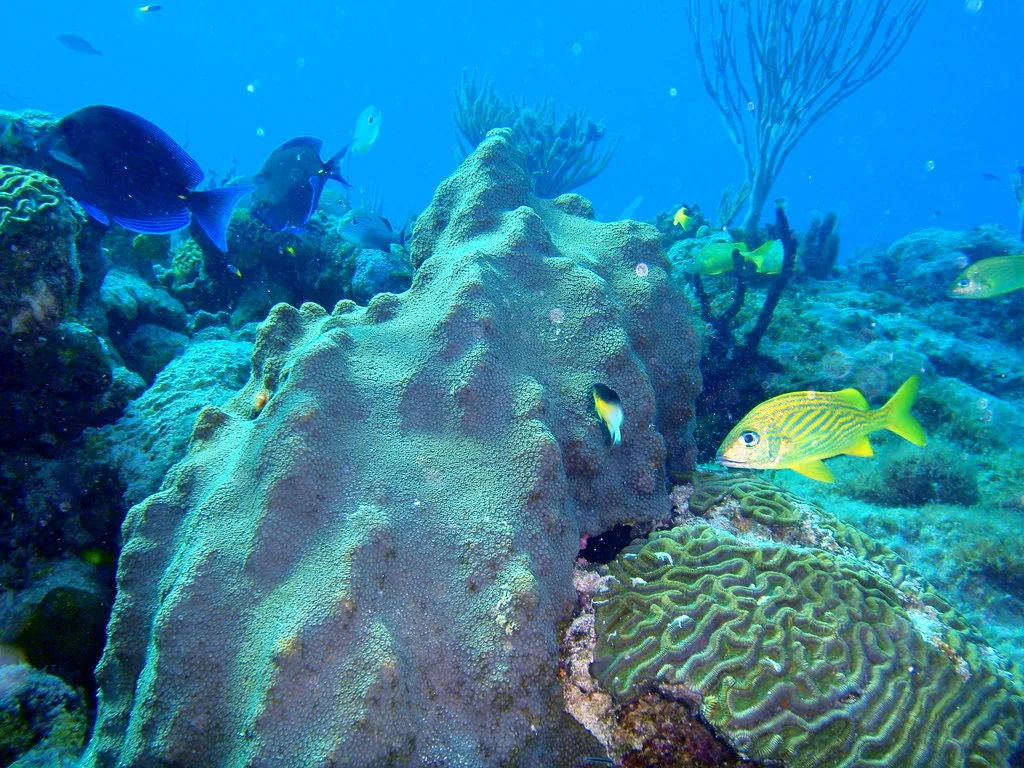
These reefs are part of the Mesoamerican Barrier Reef, and a snorkel over the shallow coral heads typically brings parrotfish, angelfish, sergeant majors, wrasses and the occasional barracuda hanging in the blue. Expect patchy coral with sponges and sea fans rather than a uniform garden, and look under ledges for lobster and squirrelfish.
On the Cozumel reefs, the topography is the draw: spur-and-groove coral, drop-offs and sandy channels where rays and nurse sharks rest. El Cielo is known for starfish on white sand, and the rules there matter: look, do not lift.
Combining a tour with shore snorkeling nearby
A morning boat trip leaves the afternoon free for shore snorkeling, and Playa del Carmen's beaches offer easy entry from the sand in calm conditions. Use the tour to reach the reef and the shore to practice with a mask before or after, which helps first-timers settle in.
For a longer trip, base yourself near Akumal to add a shore snorkel where turtles graze seagrass, and read the bay rules before you go. The Akumal Snorkeling Guide sets out the entry points and zone markers, and it pairs naturally with a cenote stop on the same day if you have a car.
Families often add a water park day to the mix, and Xel-Há Snorkeling covers the inlets and river floats there if you want a controlled environment for small children. If you prefer caves to parks, cenote dos ojos snorkeling gives you clear freshwater and dramatic light beams on a guided route.
Choosing between two shortlisted tours
Put your two finalists side by side on five lines: departure point, total time in the water, number of sites, group size and what is included. A tour with two stops of 45 minutes each beats a single 30-minute swim even if the headline price is higher, because the second site is where you see something new.
Then check the extras that change the day: transport to and from your hotel, the park fee, food and towels. If the cheaper option leaves you paying a taxi and buying lunch, the gap closes fast. Book the morning slot, arrive early at the pier, and let the guide know your group's experience level before you board.
Plan Your Visit
Decide what the day is for before you compare prices. If it is coral and fish for confident swimmers, a Puerto Morelos park boat trip or a Cozumel crossing delivers; if it is a gentle first snorkel with a base on land, a beach-club combo is the easier day for a mixed group. If you are weighing this coast against another reef destination entirely, our guide to snorkeling in Belize covers the same route-and-logistics decisions for its cayes and reserves.
Book the earliest departure you can handle, confirm the pickup zone and inclusions in writing, and bring a towel you are happy to soak. That combination removes most of the friction from a Riviera Maya snorkel day, whatever route you choose.
Frequently Asked Questions
How long are typical Riviera Maya snorkeling tours?
It varies by route. The Puerto Morelos park trip runs about two hours on the water, split between two sites of roughly 45 minutes each, with hotel pickup before and a return around noon. A Cozumel crossing takes most of a day once the ferry and boat transfers are added, while beach-club combos usually run a half day including lunch and lounger time. Ask for total time in the water, not just the tour length.
What is included in a Riviera Maya snorkel tour?
Most include snorkel gear, a guide, water and a life vest on request. The Puerto Morelos operator also bundles round-trip hotel transport and the marine park bracelet, while listing towels, sunscreen and extra food and drinks as extras. Beach-club combos often add lunch and facilities such as showers and a pool. Read each listing for transport, park fees and food, because a cheaper tour that excludes transfers can cost more overall.
Is there good snorkeling in the Riviera Maya without a boat?
Yes. Shore entry from the beaches around Playa del Carmen works in calm conditions, and bays near Akumal have seagrass beds where turtles graze under published wildlife rules. The reef is patchier from shore than from a boat, so treat shore snorkeling as a practice session or a bonus rather than a replacement for a boat trip to the outer reef.
Which trip is best for beginners and children?
A beach-club combo or a guided park boat trip with a shallow first entry, a guide in the water and a boat that stays close. Check the maximum group size and whether non-swimmers can join with a vest before booking. A Cozumel crossing or a long drift over deeper coral is better suited to strong swimmers who are comfortable in swell.
What should I bring on a snorkel boat?
Wear your swimsuit, and pack a towel, dry clothes, sandals or water shoes, and cash or a card for tips, photos and drinks. Add a dry bag for phones, your own mask if it fits well, a rash guard and a light windbreaker for the ride back. Reef-safe sunscreen should go on before you board.
When is the best time of day to snorkel here?
Morning usually brings calmer water and clearer light, which is why many boats leave around 10:00 AM. Wind direction matters more than the forecast headline on the open reef, so ask which sites are used when it is breezy. Afternoon storms are common in summer, so an early slot gives you a buffer.
Sources
Snorkeling notes for your next trip
Optional updates to our snorkeling guides.
You might also like
Continue reading
More guides you'll find useful