Perdido Key Snorkeling: Where to Get In and What You'll See
Plan a snorkel day on Perdido Key: sand entry from the Gulf beaches, the reef near Beach Access 3, state park facilities, and summer lifeguards.
On this page
Perdido Key suits snorkelers who want a simple Gulf-side sand entry, a short swim to structure and plenty of beach left over for the rest of the day. The island runs between Pensacola, Florida, and Orange Beach, Alabama, and stays only a few hundred yards wide in most places, so you are never far from the water on either side. Families with beginners and confident swimmers planning a longer reef swim both fit here, provided the Gulf is behaving.
The key's layout drives every decision you make. The Gulf beach faces open water and takes the swell, while the bay side behind the island runs calmer, and almost 60 percent of the key sits inside federal or state parks, per the Perdido Key Area Chamber of Commerce. That mix means you choose your shoreline by the day's conditions rather than committing to one spot.
Where the spot is
Perdido Key is a barrier island in the Florida Panhandle, positioned between Pensacola to the west and Orange Beach, Alabama, to the east. It stretches roughly 16 miles, which puts the main public accesses, the state park and Johnson Beach within a short drive of one another on Perdido Key Drive. Plan your day around that single road; nearly everything you need sits along it.
Because the island straddles the state line, you can base yourself in Florida or Alabama and still reach the same beaches. Staying on the Alabama side near Orange Beach puts you close to the east end, while Pensacola lodging favors the west end and the national seashore. Whichever base you pick, budget for traffic on Perdido Key Drive in summer, when the single road carries everyone to the sand.
Getting in: sand entry from the Gulf beaches
On the Gulf side you walk in off the sand, with no rocks, ladders or boat ride involved. The beachfront access points along Perdido Key Drive all put you on the same white-sand shoreline, so choose the one closest to your parking and walk straight in. Water shoes help on the walk across hot sand and give a little grip at the small drop-off where the beach meets the surf.
The best-known snorkeling entry is the beach by Public Beach Access 3, where River Road meets Perdido Key Drive. A beach listing places the showers, changing rooms, restrooms and nearby parking at that access, and notes there are no lifeguards there. Treat that as an access-point detail rather than a description of the whole key, since Johnson Beach runs its own seasonal tower.
If you want to snorkel, the open Gulf beach is the place to start. The bay side behind the island drops away from the beach in shallow flats and sea grass rather than a reef, so treat it as a calmer fallback on windy days instead of the main event. On a flat morning, though, a quiet bay-side wade is a pleasant way to spend an hour with kids who are new to a mask.
The reef near Beach Access 3
Perdido Key's snorkeling reputation rests on a nearshore reef reached from the beach by Beach Access 3, where River Road meets Perdido Key Drive. You swim out from the sand; there is no boat, pier or shuttle involved, so the whole plan depends on how far you are willing to kick in open water. The beach listing that names the reef does not publish its distance from shore, depth or layout, so size it up from the beach before you commit.
Treat the swim out as the real test of the day. Snorkelers who are comfortable in 10 to 15 feet of water and can swim 100 yards or more without resting will handle a Gulf-side reef swim far better than first-timers. Anyone unsure should stay close to the beach and use the nearshore sand as their practice ground before heading out to structure.
Panhandle reef structure offshore of Pensacola is often made of limestone, rubble, concrete modules or sunken material, depending on the site, and fish gather quickly around anything with relief. If the swim to the Perdido reef looks long from the sand, the nearshore structure off Pensacola Beach is a useful alternative for a comparison; see this guide to the park east snorkel reef for a shallower, beach-launched option.
What you will see
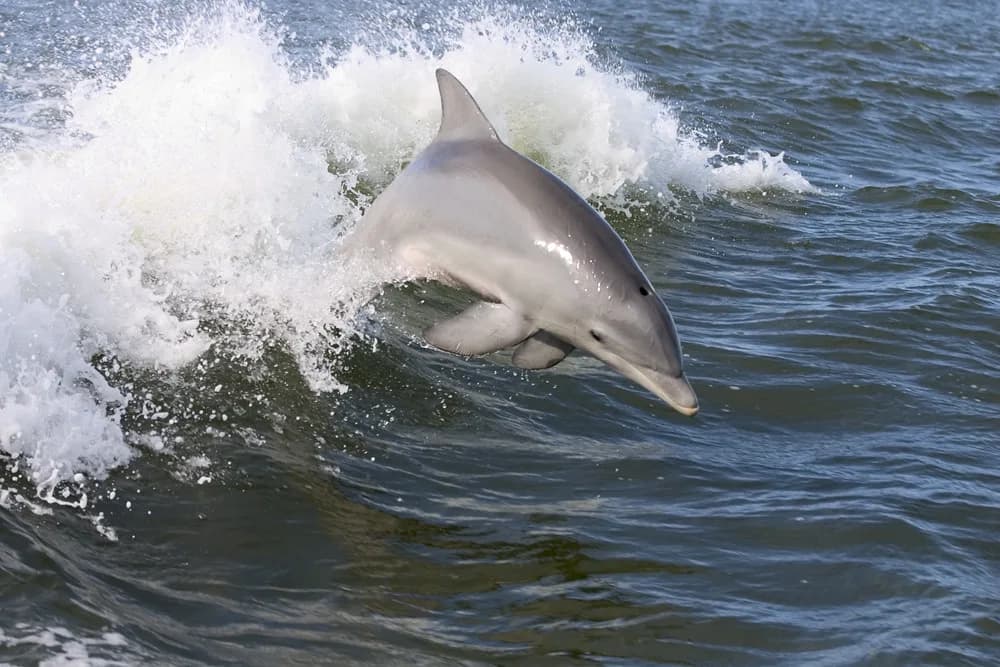
A Gulf-side snorkel over sand and structure on this stretch of the Panhandle is a fish-watching swim rather than a coral-reef dive. Expect the usual inshore crowd: schooling baitfish over open sand, sheepshead and spadefish working around hard structure, and the occasional southern stingray gliding away from a shadow. bottom life clusters on anything with relief, so slow down and hover over the structure rather than finning across empty sand.
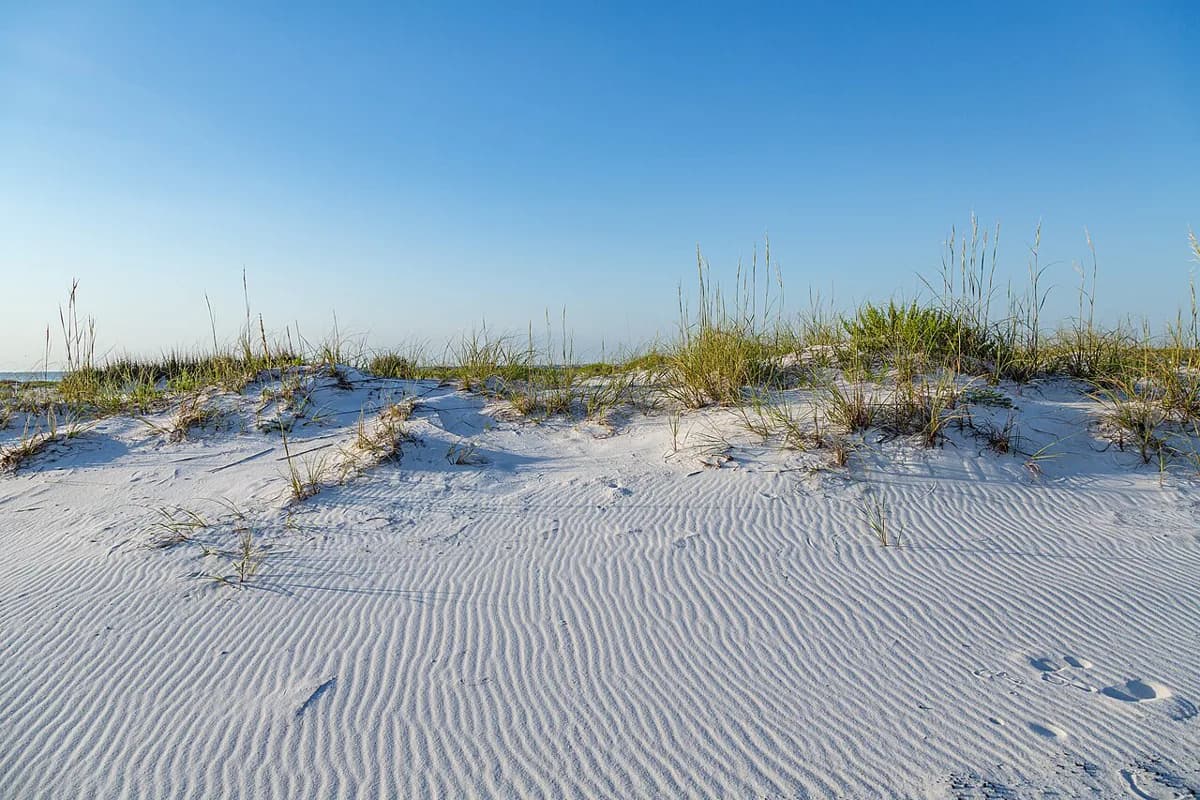
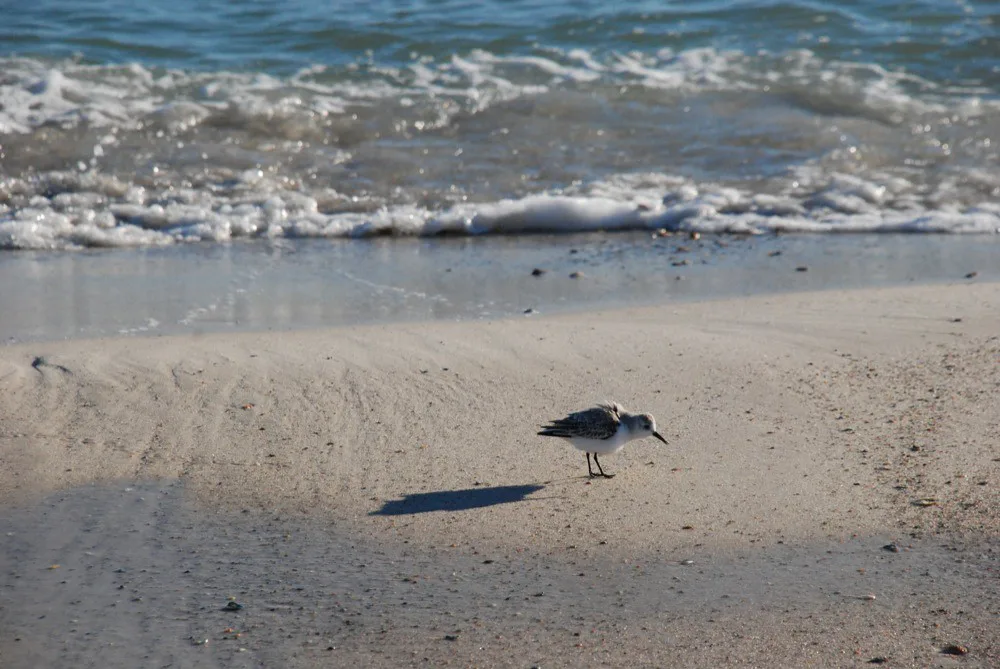
Perdido Key's dunes and marshes support nesting shorebirds and sea turtles, according to Visit Pensacola, and the water in front of them holds the small bait and crustaceans that pull larger fish and rays close to the beach. That makes the first 30 yards off the sand more interesting than it looks. Keep your fins off the bottom and your hands off the animals you meet.
Any wildlife encounter is a matter of luck on the day. Give sea turtles and rays room to move away on their own, and never chase, feed or handle anything, including the small fish that come to investigate a mask. The shoreline's nesting habitat is protected, so stay on the sand paths and out of the dunes.
Perdido Key State Park
Perdido Key State Park covers 290 acres on the barrier island, with undisturbed dunes, marshes and coastal forest behind the beach. The park lists restrooms and walking paths among its amenities, and swimming, fishing, picnicking and wildlife viewing are the main activities. Address the park at 15301 Perdido Key Drive if you are routing your day; it sits near the access points along the key.
The park beach gives you the same Gulf sand entry as the county accesses, with the bonus of restrooms at hand and a quieter setting behind the dunes. Treat the marsh and dune habitat as a protected zone, not scenery to trample: the vegetation holds the island together and shelters the birds and turtles that nest there. Florida's park entry arrangements govern fees, so check the park's current fee and hours before you drive out.
Skill level and who it suits
Calm Gulf days make Perdido Key a good fit for families and confident beginners. You walk in from the sand, swim only as far as you choose, and can be back on the beach within minutes. Kids who are strong swimmers in a pool but new to the ocean should stay inside the nearshore sand and shallows with an adult beside them.
When the Gulf builds, the same beach turns into a spot for experienced swimmers or nobody at all. Surf, shorebreak and lateral currents along an open beach make the swim out to structure a poor bet, and no amount of gear fixes that. On those days, move inland to calmer water or plan a beach day and snorkel another morning.
If your group is split, look at Fort Pickens jetties on the Pensacola side for a more sheltered, structure-lined snorkel where the Gulf is kicking up; the fort pickens snorkeling page explains how that shoreline works. Comparing the two makes it easier to pick a shoreline that matches the day.
Best time to go
Mornings give you the best light for spotting fish, the flattest water before the sea breeze fills in, and the easiest parking on Perdido Key Drive. Aim to be in the water before mid-morning in summer, when the beach is still quiet and the sun is high enough to see structure. Afternoon wind and chop usually make a Gulf-side swim less appealing.
Summer is also when the lifeguard tower at Johnson Beach operates. Lifeguards are on duty at Johnson Beach through the summer season, with the tower running daily from 10 a.m. to 6 p.m., per the Perdido Key Area Chamber of Commerce. Families who want a guarded beach should plan their swim inside that window and check the day's flag rating at the beach before getting in.
Swell direction decides which shoreline you use. A light offshore or glassy morning flattens the Gulf side and makes the swim to the reef comfortable; a building onshore swell or a passing storm turns it murky and rough. The bay side behind the island stays calmer when the Gulf is up, so keep it as your plan B rather than your first choice.
Hazards: surf, currents and flags
The chamber page publishes the daily beach flag system: yellow for moderate surf or currents, red for high surf or strong currents, double red when the water is closed to the public, and purple for dangerous marine life. Read the flag at your access before you gear up, and match your plan to it. A red flag day is a beach day, not a reef day.
An open Gulf beach delivers shorebreak, rip currents and longshore drift, all of which matter more when you are face-down in a mask. Swim with a buddy, keep a fixed landmark on the sand so you notice drift, and stay well clear of anyone fishing from the beach. If you are caught in a current, swim parallel to the beach rather than straight in.
Guard coverage is not uniform across the key. Johnson Beach runs a summer tower, while the beach at Access 3 is unguarded, so a family snorkel day is safer scheduled around the guarded stretch. The Perdido Key Area Chamber of Commerce posts current conditions and flag status, which is the one check that matters before you drive out.
Parking and fees
Parking sits in small lots at the beach accesses along Perdido Key Drive, and the lot by Public Beach Access 3 at River Road is the one to aim for if the reef is your goal. Amenities there include showers, changing rooms and restrooms in the same cluster. Arrive early in summer, because these lots fill quickly and there is no second row to fall back on.
At Perdido Key State Park, the state's park fee policy applies, and the current entry charge is listed with the park's visitor information. Keep cash or a card handy and confirm the day's fee on the park page before you go. The park's restrooms make it a comfortable base if you are spending a full day between the beach and the dunes.
Arriving from Pensacola, you cross the Theo Baars Bridge onto the key; from Orange Beach, you come in on the Alabama side of Perdido Key Drive. Either way, the drive along the key is short and the accesses come up quickly, so have your chosen lot in mind before you turn onto the island.
Rules and protected areas
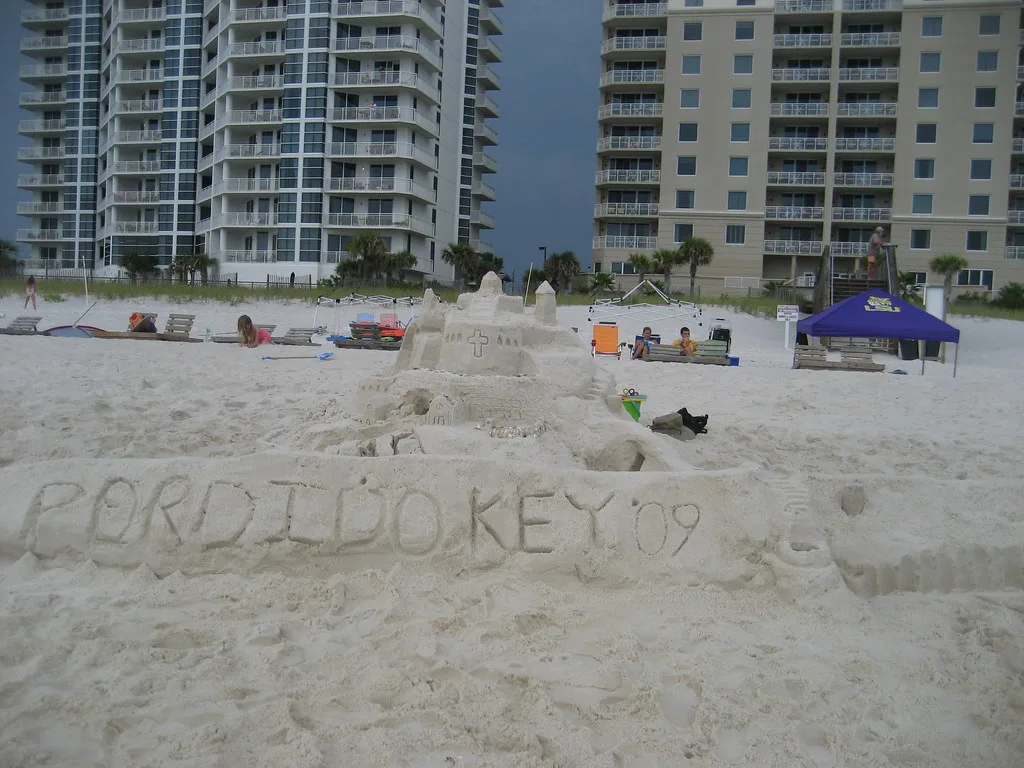
The dunes and marshes in the state park are nesting habitat for shorebirds and sea turtles, which is why the park asks visitors to stay out of those areas. Use the walking paths and cross the beach on the sand, and keep children and dogs out of the vegetation. Florida also posts wildlife distance rules for sea turtles, and the safe rule of thumb is to stay well back and let the animal leave first.
Fish taken from the surf and the reef fall under Florida saltwater fishing rules, and snorkelers sharing the water with anglers should give lines a wide berth. Reef-safe sunscreen is the practical choice on a snorkel day, and it is worth checking the label before you buy if you swim often. Leave shells and live bottom life where you find them.
What to bring for a sand-entry snorkel
A mask that fits your face and a snorkel with a dry top cover the basics; fins help on the swim out to structure but are awkward in shorebreak, so many snorkelers walk in and put them on once past the break. Water shoes protect your feet on the hot sand and at the drop-off. A rash guard beats sunscreen on your back and shoulders for a long morning in the water.
Bring a mesh bag for your gear, water and a towel, and carry everything you need because facilities vary by access point. If you are snorkeling with kids, a flotation aid they are comfortable with makes the nearshore sand far more relaxing for everyone. Rinse off at the access showers before you leave.
Nearby spots to combine
Pensacola Beach and Fort Pickens sit a short drive west and offer a different kind of snorkel day, with jetty structure and calmer water behind the fort. Perdido Key pairs naturally with both for a two-spot trip. Start on the key in the morning, then drive over for an afternoon on the Pensacola side; our Pensacola snorkeling guide lays out those shorelines in detail. For a wider look at how this Gulf entry compares with other options across the state, see this guide to snorkeling in Florida.
East of the state line, Orange Beach and Gulf Shores add more Gulf beach and inshore options for a second day. Navarre Beach to the east is another easy add-on, and its artificial reefs in Santa Rosa Sound give beginners a calmer, structure-rich swim.
Plan Your Perdido Key Snorkel Day
Build your day around a morning Gulf-side swim by Beach Access 3 if the flag is green or yellow and the sea is flat, with the state park beach as a restroom-equipped base and the guarded stretch at Johnson Beach as the family option during the summer window. Keep the bay side in reserve for windy afternoons.
Pack light, arrive early for parking, and read the flag before you pull on a mask. The reef rewards a slow, careful swim over structure rather than a long kick across empty sand, so pick your line from the beach and stay within your comfort zone.
Frequently Asked Questions
Where do you get in the water to snorkel on Perdido Key?
Most snorkelers walk in from the Gulf beach, and the access to aim for is the one at River Road and Perdido Key Drive, known as Public Beach Access 3, where the reef is reached from the sand. There is no ladder, pier or boat ride involved. Perdido Key State Park also offers a beach entry with restrooms and walking paths.
Is there a snorkeling reef off Perdido Key Beach?
Yes. The beach by Public Beach Access 3 is the launch point for the Perdido Key snorkeling reef, which you swim to from the sand. The published listing names the reef but does not give its distance from shore or depth, so judge the swim from the beach and turn back if it looks long for your group.
Are there lifeguards on Perdido Key?
Johnson Beach operates a lifeguard tower through the summer season, daily from 10 a.m. to 6 p.m., according to the Perdido Key Area Chamber of Commerce. The beach at Access 3 is unguarded, so families should schedule swims around the guarded stretch and read the flag posted at the access.
Is the bay side of Perdido Key better for beginners?
The bay side behind the island is calmer than the open Gulf and works as a fallback when the Gulf is rough, but it is shallow flats and sea grass rather than reef. Beginners who want structure should start on the Gulf side on a flat morning, close to the sand.
Do you need to pay to snorkel at Perdido Key State Park?
Perdido Key State Park follows Florida's state park fee policy, so check the park's current entry charge and hours on its visitor page before you go. The Gulf beach accesses along Perdido Key Drive are the free roadside option for a snorkel day.
When is the best time to snorkel Perdido Key?
Go in the morning, when the Gulf is usually flattest, the light is best for spotting fish and the beach parking is still open. In summer, plan around the Johnson Beach lifeguard window of 10 a.m. to 6 p.m. if you want a guarded beach for the family.
Sources
Snorkeling notes for your next trip
Optional updates to our snorkeling guides.
You might also like
Continue reading
More guides you'll find useful