Orange Beach Snorkeling: Which Pensacola Spots to Choose
Orange Beach snorkeling means shallow sandbar island trips and the Alabama Point jetty. Here is how entry, depth, tours and timing work for a good day.
On this page
Orange Beach rewards snorkelers who want warm, shallow water and an easy day rather than a demanding reef swim. The inshore islands and sandbars hold calm, waist-deep water that suits kids and first-timers, while the Alabama Point jetty on the east end offers the clearest water in the area when tide and weather cooperate.
The trade-off is simple. Island and sandbar water is reliable but sandy, so you go for the ease, the shells and the sunshine. The jetty side can be far clearer, but you read the tide and swell before committing. This guide lays out both, plus booking, gear and the rules that apply to dolphins and turtles.
Why Orange Beach Suits Shallow-Water Snorkelers
Orange Beach sits on Alabama's Gulf coast between Gulf Shores and Perdido Key, with a string of protected inshore islands and sandbars just off the beach. That geography is what makes the snorkeling here accessible: you can wade into shallow water from a boat at low-energy spots without a long surface swim. It is a forgiving setup for families, casual swimmers and anyone who wants to spend more time looking down than swimming.
Boats launch and stage from the Perdido Beach Blvd corridor, where operators meet guests before heading to the islands. That is also the practical base for the day: you park, check in, and let the crew handle the run out to the sandbars.
How the Snorkeling Is Laid Out
Think of Orange Beach snorkeling in two zones. The first is the inshore island and sandbar zone: shallow, protected, mostly sandy bottom, reached by boat. The second is the Alabama Point jetty at the east end of the beach, where rock structure juts into the water and visibility can climb during ideal tide and weather conditions.
The island zone is where beginners and young kids belong. The jetty zone is for snorkelers comfortable with a shore entry over rock and with reading conditions, and it is the one worth timing around the tide. Pick your zone first, then plan the rest of the day around it.
Sand Island Snorkel Adventures
The published island adventure from Dolphin Tales runs about three hours and includes snorkel equipment plus transport to Sand Island, an undeveloped island setting where guests snorkel, swim, hunt for shells and relax in shallow water. The boat, the pink OB vessel, carries a private restroom onboard, which matters on a three-hour family outing.
Published pricing is 48 dollars for adults 14 and up and 40 dollars for children ages 3 to 13, with infants free; passengers under 12 need a parent or guardian at check-in. Guests are asked to arrive at Zeke's property at least 20 minutes before departure to park and reach the boat.
Dolphin Tales notes a 20 percent fee to refund a reservation after booking and encourages booking early in your stay so a weather cancellation can be rebooked. Late arrivals after departure forfeit the reservation without refund, so build in time for Gulf coast traffic.
Hudson Marina runs a separate shallow-water island snorkel around the protected inshore islands of Orange Beach, listed at 49 dollars per person. Because each company sets its own prices and inclusions, compare what each trip supplies.
Alabama Point and the Jetty
Alabama Point is the shore-entry option, and it is the one that can deliver real clarity. The destination's visitor information cites visibility of up to 25 feet during ideal tide and weather conditions, which is a ceiling, not a promise. Expect that figure only when the water is calm and the tide is right; on a windy or stirred-up day, plan for murkier water and a shorter swim.
The jetty rock is the draw: structure gathers fish and gives you something to explore beyond sand. Enter carefully around the rock, watch for surge pushing you against stone, and keep clear of boat traffic moving through the pass.
Depth, Entry and What You Will See
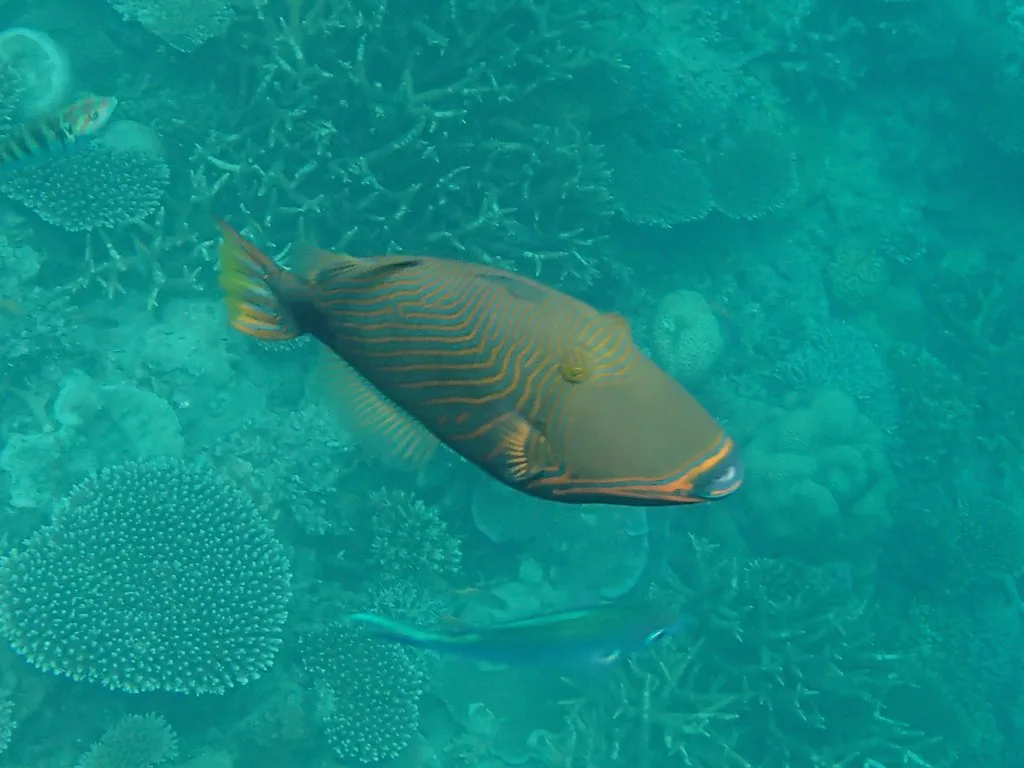
On the island trips, the water is shallow enough to hop on and off the boat, with a sandy bottom, shells and small inshore fish. This is not a coral-reef dive; the appeal is easy floating, clear sunlit sand and the chance to spot whatever passes through. Bring a rash guard and expect to spend time standing as much as swimming.
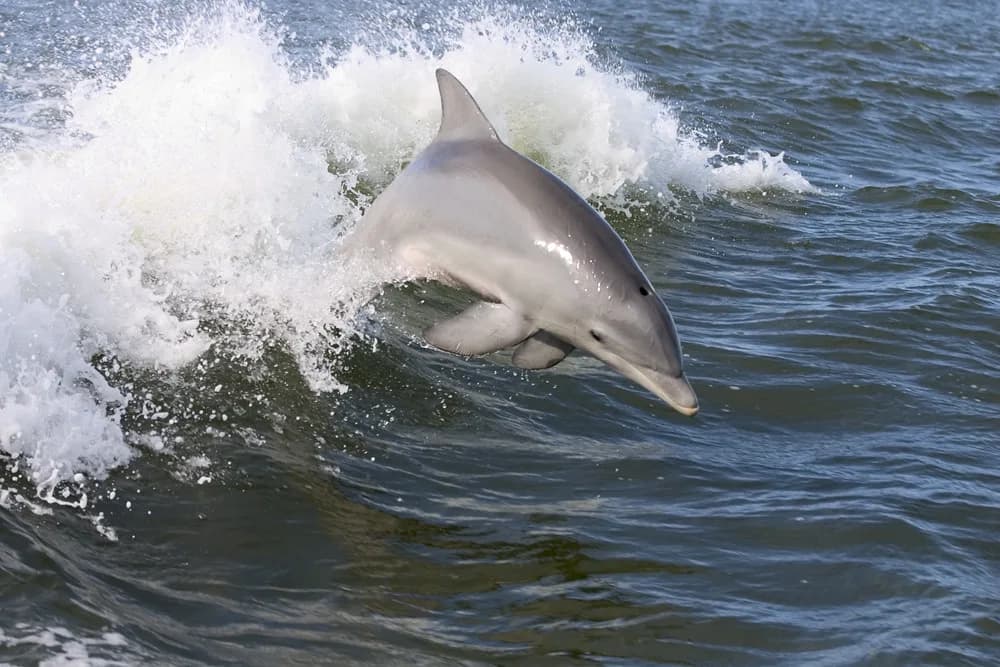
At the jetty, the rock and the deeper water alongside it hold more fish and structure, and the swim is over uneven bottom rather than flat sand. Neither zone guarantees particular wildlife. Dolphins and sea turtles do use these waters, but sightings are never assured, and you should keep your distance and never chase or feed them.
Skill Level and Who It Suits
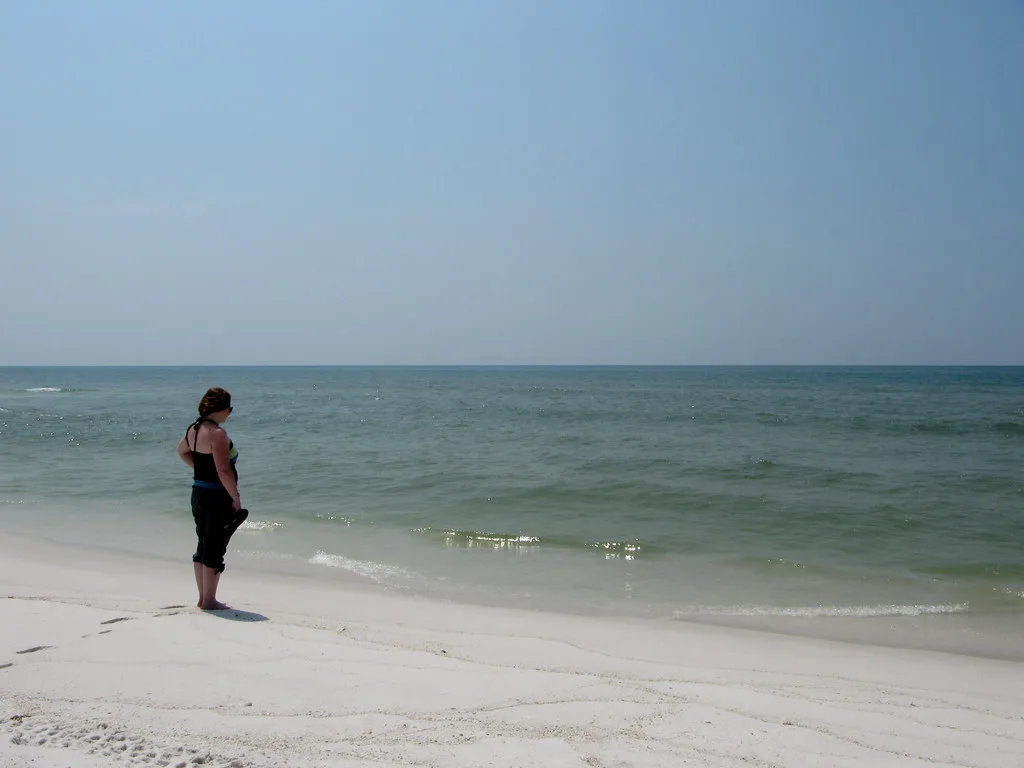
Beginners, young children and grandparents fit the island and sandbar trips best, where shallow water removes the pressure of deep swimming. Confident swimmers who want clearer water and a bit of structure should look at the jetty and time it to a calm, clear window.
If you are building a broader Panhandle trip, our Pensacola snorkeling guide covers shore entries and boat trips nearby, and Navarre Beach snorkeling adds sanctuary reefs and pier pilings within driving range. For a wider look at the same shore-versus-boat decision, our guide to snorkeling in Florida compares spots across the state.
Best Time of Day, Tide and Weather
Go early. Morning light is flatter and the wind is usually lighter, so the surface is calmer and visibility holds better before afternoon chop builds. For the jetty, aim for a slack or incoming tide with light wind; a falling tide and an onshore breeze stir the shallows and cut clarity.
Summer afternoons bring thunderstorms and choppy water, so plan the swim for the morning and keep the afternoon flexible. The island trips run through the summer and Dolphin Tales builds weather rebooking into its scheduling.
Hazards to Plan Around
Boat traffic is the main hazard near the pass and the islands, so stay visible and keep within the areas your crew marks. At the jetty, surge and current can push you against rock, and a strong outgoing tide through the pass makes the swim harder than it looks.
Jellyfish are a seasonal planning factor in the Gulf Shores area; ask the crew or check local beach advisories for the day you plan to swim. High surf and rip currents also close out Gulf swimming on rough days, so match your plan to the forecast.
Parking, Fees and Booking
Island trips meet at Zeke's property on Perdido Beach Blvd, where guests park and walk to the boat; arrive at least 20 minutes early. Restrooms are available inside the restaurant and the dockside store before departure, and the boat itself has a private restroom.
Book online ahead for summer dates, and read the cancellation terms before you pay. Confirm the meeting point and departure time directly with Dolphin Tales when you book, since these are the details most likely to shift with the season.
Rentals and Gear
The island adventures include snorkel equipment, so you can travel light. Bring your own mask if fit matters to you, plus a rash guard, reef-safe sunscreen where required, and a dry bag for the boat ride.
For the jetty, you supply your own gear, so test your mask and fins before the trip and carry a light pair of booties for the rock entry. A float or vest helps less confident swimmers stay visible in boat channels.
Rules and Wildlife
Treat dolphins and sea turtles as wild animals: keep your distance, never touch, feed or chase them, and let them come to you. Dolphins in particular are protected, and boats are expected to give them space rather than pursue them for a photo.
Follow posted signage at the beach and jetty, and use reef-safe sunscreen where local rules require it. If a crew member or lifeguard gives you an instruction about distance or a no-swim zone, follow it.
Nearby Spots to Combine
Pair an island morning with an afternoon on the Gulf Shores side, where the same shallow-water approach works for families. Our gulf shores snorkeling coverage maps the shore options for a second day.
Snorkelers heading east toward Pensacola Beach can add the Park East Snorkel Reef or Fort Pickens snorkeling for jetty structure and reef depth on the Florida side.
Plan Your Orange Beach Snorkel Day
Choose the island trip if you want shallow, calm water and an easy three-hour outing with gear supplied, and choose the Alabama Point jetty if you want clearer water and are willing to time the tide. Book ahead, arrive early and keep the morning free for the swim.
Bring your own mask for fit, a rash guard and reef-safe sunscreen, and check local beach advisories before a shore entry. Then give the wildlife room and enjoy the sand, the shells and the water.
Frequently Asked Questions
Where can you snorkel from shore in Orange Beach?
The Alabama Point jetty is the shore-entry option, where rock structure meets the water at the east end of the beach. Visibility there depends on tide and weather, so time your swim to a calm day and a favorable tide.
Do you need a boat to snorkel in Orange Beach?
For the inshore islands and sandbars, yes. Those shallow spots are reached by boat, and operators run three-hour island adventures with gear and transport included. The jetty at Alabama Point is the main wade-in alternative.
How much do Orange Beach snorkeling tours cost?
Published island adventure pricing is 48 dollars for adults and 40 dollars for children ages 3 to 13, with infants free, and a separate Hudson Marina shallow-water snorkel is listed at 49 dollars per person. Compare inclusions and cancellation terms before booking.
Is Orange Beach good for beginner snorkelers?
Yes. The island and sandbar trips use shallow water that lets you hop on and off the boat without deep swimming, which suits kids and first-timers. Confident swimmers can try the jetty for clearer water.
What is jellyfish season in Gulf Shores?
Jellyfish are a seasonal factor in the Gulf Shores area, and the timing shifts year to year. Check local beach advisories for the day you plan to swim and follow any posted warnings.
How clear is the water at Alabama Point?
Visibility can reach up to 25 feet during ideal tide and weather conditions, but that is a best case. Wind, swell and tide stir the shallows, so plan for less clarity and adjust your swim.
Sources
Snorkeling notes for your next trip
Optional updates to our snorkeling guides.
You might also like
Continue reading
More guides you'll find useful