Pensacola Beach Snorkeling: Where to Go and How to Choose
Pensacola Beach snorkeling means shallow artificial reefs off sugar-white sand, plus boat trips to wrecks. Plan the day around calm water and a dive flag.
On this page
Pensacola Beach rewards snorkelers who want an easy Gulf swim over structure rather than a flight to the Florida Keys. Concrete reef modules sit within reach of the sugar-white sand, so a mask, fins and a dive flag can put you over fish in minutes. It suits families on calm days and swimmers who are comfortable in open Gulf water, and it pairs well with a boat trip when you want more.
What Pensacola Beach snorkeling actually looks like
This is not a natural coral reef. The snorkeling here is built on artificial structures deployed in the Gulf, and the Pensacola Beach destination guide notes that more than 700 artificial reef structures have been placed in these waters since 2018, funded through the Natural Resource Damage Assessment tied to oil spill recovery. Visibility more often than not runs good, and the modest twice-daily tide change keeps currents manageable for a shore swim.
Think of the nearshore zone as a scatter of hard points on sand: concrete discs coated in natural limestone that marine organisms colonize over time. Fish gather around that vertical relief instead of spreading across an empty bottom, which is why a snorkeler who finds one module tends to find a cluster of life. The natural coral formations of the Keys and Bahamas are a different experience, and the local guide is clear about not mistaking one for the other.
Getting in from the sand
Most shore snorkeling starts from the Gulf-side beach, where you wade in over sand and swim out to the reef structures. Enter with fins already on and your mask sealed, and pick a stretch of open beach away from other bathers so you have room to swim. If you want the fuller picture of launch points, tide timing and how the beach zones differ, our guide to snorkeling in pensacola walks through the options before you commit to one stretch of sand.
Carry a dive flag whenever you snorkel these reefs. The Pensacola Beach diving guide specifically asks snorkelers to bring one to alert boats that swimmers are in the water, and nearshore reef coordinates are exactly where a boater might not expect a head at the surface. A small towed float with a stiff flag is easier to manage than a hand-held pole when you are also kicking against a light chop.
The shallow artificial reefs
Nearshore reef modules sit in shallow water, close enough that a snorkeler can float above them and watch the growth without diving. Organisms attach to the limestone-coated surfaces over time, building the kind of textured cover that small fish use for shelter. Because the structures sit on sand, the contrast between bare bottom and reef is sharp, and you can read the layout from the surface on a clear day.
Work a slow line along one structure rather than sprinting between them. Fish hold tight to the edges and the lee side, so a quiet pass around the perimeter shows more than a fast swim over the top. If you want a dedicated shore reef to build the day around, the park east snorkel reef is a natural pairing with a beach morning on this stretch of the island.
What you will see
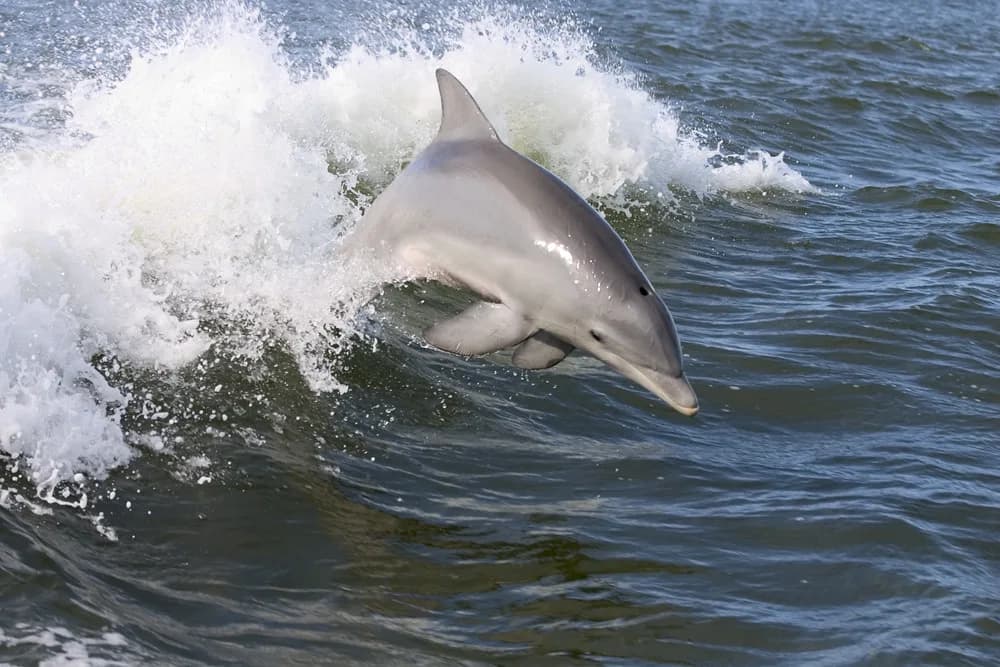
Expect Gulf species rather than a tropical aquarium. The Pensacola Beach guide lists sea turtles, stingrays, pompano and a variety of other fish around the artificial reefs, with the mix shifting by season. On the deeper wrecks, snapper and spadefish crowd the structures in numbers worth planning a charter around if you are certified and diving rather than snorkeling.
Treat every sighting as a possibility, not a schedule. Turtles surface to breathe and move off when a swimmer closes in, and rays on sand will spook if you come down on top of them. Keep a respectful distance, never reach out to touch or feed an animal, and let the fish come to you while you hover still over the reef.
Skill level and who it suits
Shore reef snorkeling here suits swimmers who are comfortable in the Gulf and can handle a little chop on the way out. Calm days make it reasonable for older kids and confident beginners, while a rough surf day turns a simple swim into work even for strong swimmers. Choose a boat when you want a guided briefing, a ride to the structure, and someone else watching the weather.
Certified divers have a separate world offshore: five major shipwrecks of varying depth and intensity, plus the USS Oriskany, sunk intentionally as a reef and the largest artificial reef of its kind, lying far offshore in deep water. That is dive territory, not a snorkel swim. Keep the Oriskany and the deeper wreck charters off a snorkel plan unless you are certified and booking a dedicated dive trip.
Best time to go
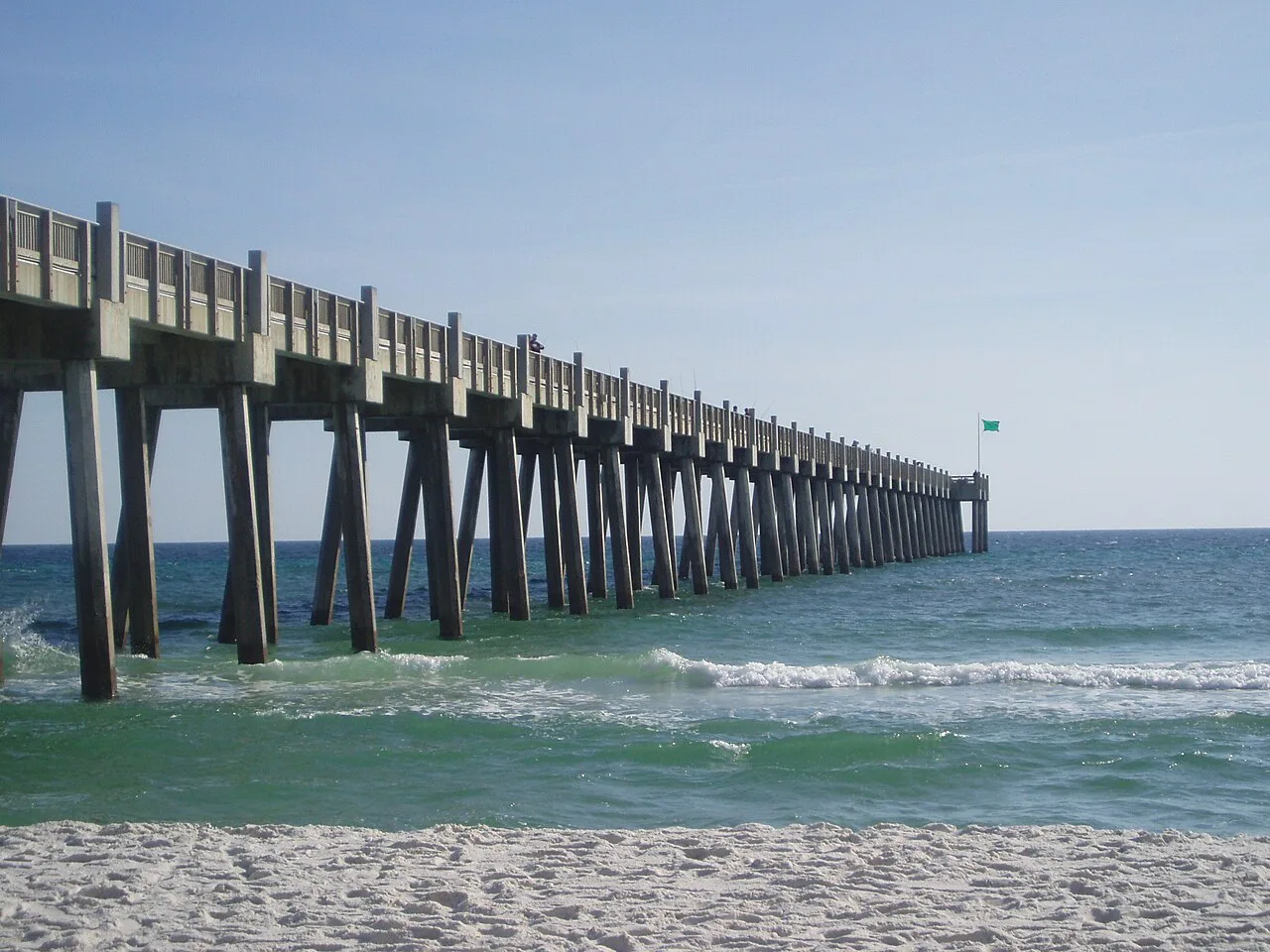
Water clarity, not the clock, decides the day. The local dive guide puts it plainly: check the weather and water clarity, and when the seas are at their calmest you have your best chance at visibility and easy access. A flat morning after a settled night beats a sunny afternoon after a blow, so watch the marine forecast for a couple of days and jump on the first calm window.
The twice-daily tide change here is modest, so you are not fighting big tidal flow the way you might in a narrow inlet. That makes wind and swell the bigger variables. Snorkel the Gulf side when the surf is down, and shift to the calmer Sound side when a Gulf swell builds, which is where Quietwater Beach earns its name. For a change of island, navarre beach snorkeling offers another shore-accessible option a short drive east along the same coast. If you are comparing Florida shore entries, fort lauderdale beach snorkeling shows how a different coast handles the same calm-window decision.
Hazards to plan around
The main risks are ordinary Gulf ones: surf on the way in and out, current, and boat traffic near the reef structures. The dive flag is your first line of defence against the last of those, and a shore spot with lifeguards and posted surf advisories gives you a second. Read the flag conditions at the beach access before you gear up, and treat a yellow or red surf warning as a decision about whether to swim at all, not a challenge.
Boat traffic concentrates where the structure is, so surface with your head up and your flag overhead before you turn back toward the sand. If a storm is building, exit early rather than finishing the swim; lightning over open water is not something to wait out. Currents here are usually gentle, but a strong swimmer should still plan an exit point down-current of the entry.
Boat and charter snorkel trips
Charters split into two kinds, and choosing the right one matters more than the price. Shallow artificial-reef cruises are the snorkel-friendly option, often paired with dolphin watching and gear included, and they suit families and beginners who want a briefing and a captain reading the water. Deep wreck dives are for certified divers and are a different outing entirely.
Book through the charter company directly so you can ask about the snorkel site, the group size, and what gear is provided rather than relying on a listing summary. Ask about the cancellation policy and the meeting point at the marina before you pay, and ask whether a mask and fins are included or you should bring your own. Ask the captain where you will actually snorkel, because a dolphin cruise and a reef snorkel are not the same trip.
Nearby spots to combine
Fort Pickens and the Gulf Islands National Seashore anchor the western end of the island and make an easy add-on for a second swim or a beach walk. The fort pickens snorkeling around the jetties gives you structure and a different bottom than the open-beach reef modules, and the national seashore setting keeps the crowd thinner than the main beach. Pair it with a morning at the shore reef and you have a full day on one island.
West along the coast, perdido key snorkeling adds another set of shallow Gulf options if you are staying on that end of the island. Perdido Key sits between Pensacola and Orange Beach, and its state park and nearshore reef give you a quieter alternative when the main beach is busy. Build the itinerary around one snorkel window per day and use the other half for beach time or a fort visit.
Gear
You need a mask that seals, fins you can kick in for a long surface swim, and a snorkel with a simple open top. Add a dive flag and float for the reef structures, and a rash guard or thin wetsuit for a long session in the water. Local dive shops in the Pensacola area rent and sell gear and can fit a mask properly, which is worth the stop if yours fogs or leaks.
For a boat trip, ask the crew what they supply before you pack. Many shallow reef cruises, including the artificial reef snorkel trips listed with Greetwell, include adult snorkel gear, but sizes and quality vary, and bringing your own mask is the single upgrade that most improves a day on the water. Leave room in the bag for a dry towel and a warm layer for the ride back.
Parking, facilities and access
Pensacola Beach has public beach accesses along the Gulf side, with lifeguards posted at the main swimming areas during the season. Arrive early on summer weekends, because the closest lots to the popular accesses fill first. Walk to a less crowded access if the nearest one is full, and carry your gear rather than circling for a spot.
Facilities vary by access, so plan on bringing water, shade and a changing towel rather than expecting a full bathhouse at every stop. The national seashore end of the island has its own entrance and rules, and Fort Pickens is worth checking separately before you drive out. Use the beach report before you leave to see current conditions and any advisories, and check current prices and dates before you go.
Rules and reef etiquette
Never stand on, sit on or hold the reef structures. They are living surfaces, and contact kills the growth that makes the site worth visiting. Keep your fins off the bottom, trim your buoyancy so you float rather than kneel, and give turtles and rays space to move away on their own terms.
Reef-safe sunscreen and no-take rules protect the same habitat you came to see. Choose a mineral sunscreen, apply it before you get in, and leave shells, coral and marine life where they are. On a charter, follow the captain's briefing on where you can swim and how far from the boat you can range.
Where to stay and how to build the day
Base yourself near the beach so you can hit the calm window without a long drive. Pensacola Beach has hotels and condos along the island, and staying within walking distance of an access lets you snorkel early and be back before the afternoon breeze builds. If you are traveling with a group, a condo with a kitchen and gear-drying space beats a hotel room for a wet-sports trip.
Shape the day around one snorkel session: check the marine forecast the night before, pick a shore reef if the Gulf is calm or the Sound side if it is not, and hold a boat trip as a backup for a flat day. Finish with a fort visit or a beach walk, and keep the afternoon flexible in case the wind drops and a second swim looks better than the first. That is the whole planning lever here: calm water first, everything else second.
Plan Your Snorkel Day
Pensacola Beach snorkeling is a shore-first, structure-based experience: artificial reef modules within a short swim of the sand, good visibility more often than not, and a modest tide that keeps the swim manageable. Bring a dive flag, watch the surf forecast, and pick a calm window over a fixed hour. Save the deep wrecks and the Oriskany for a certified dive trip, and keep the boat charters for the days when you want a guide and a ride.
Build the day around one snorkel session and one land-based add-on, whether that is Fort Pickens, the Sound side at Quietwater Beach, or a drive west toward Perdido Key. Check the beach report and the marine forecast before you commit, and let the Gulf decide whether you swim from shore or from a boat.
Frequently Asked Questions
Where can you snorkel from shore at Pensacola Beach?
The Gulf-side beach accesses put you over sand with artificial reef structures within a short swim, so you can wade in and snorkel without a boat. Pick an access with lifeguards and posted surf conditions, carry a dive flag, and swim out to the structure when the surf is down.
Do you need a boat to snorkel the Pensacola Beach reefs?
No. The nearshore artificial reef modules are reachable from the beach on a calm day. A boat helps when you want a guided briefing, a ride to the structure, or a dolphin-and-snorkel combo, and deep wrecks require a charter and dive certification.
What marine life can you see snorkeling Pensacola Beach?
Around the artificial reefs you may see sea turtles, stingrays, pompano and a mix of other Gulf fish, with the species mix shifting by season. Deeper wrecks hold snapper and spadefish in numbers. Sightings are never guaranteed, so keep a respectful distance and never touch or feed the animals.
When is the water clearest for snorkeling around Pensacola Beach?
Calm seas give you the best chance at visibility and easy access, so watch the marine forecast and go on the flattest day in your window rather than a fixed morning. The local tide change is modest, so wind and swell matter more than the clock.
Do you need a dive flag when snorkeling Pensacola Beach?
Yes, bring one. The local dive guide asks snorkelers to carry a dive flag to alert boats that swimmers are in the water, and the nearshore reef structures are exactly where boat traffic can be present. A towed float with a stiff flag is easier to manage than a hand-held pole.
How much do Pensacola Beach snorkel charters cost?
Charter rates vary by operator, trip length and whether gear is included, and listing prices change with the season. Ask the operator directly for the current rate, what equipment is supplied, and the cancellation policy.
Sources
Snorkeling notes for your next trip
Optional updates to our snorkeling guides.
You might also like
Continue reading
More guides you'll find useful