Fort Lauderdale Beach Snorkeling: Shore Spots & Reef Guide
Snorkel Fort Lauderdale Beach from shore at Lauderdale-by-the-Sea. Learn entry points, reef depth, what you will see, parking meters and the best time to go.
On this page
Fort Lauderdale Beach snorkeling works best when you treat the town of Lauderdale-by-the-Sea as your launch point, because here the reef sits close enough to reach from the sand on foot. Swim out about 100 yards from any town beach entry and you are over reef, which makes this a rare South Florida shore snorkel for confident swimmers who would rather skip the boat. It suits adults and strong older kids comfortable in open water; families with weak swimmers will find the buoyed swim zone and the shallow first reef a better fit than the deeper second reef.
Where the Reef Is
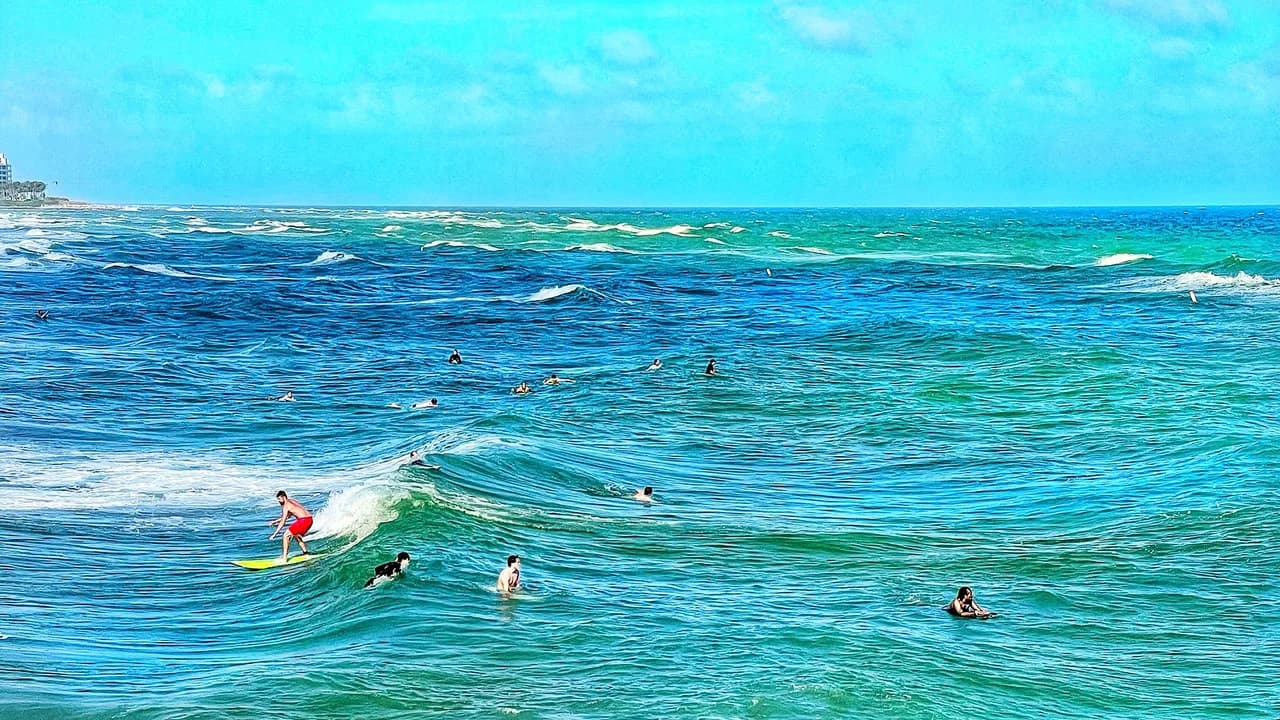
The reef runs parallel to the beach just beyond the buoys that mark the swimming areas, so the buoy line is your practical landmark: inside it is the swim zone, outside it the bottom starts to rise into coral and rock. From any beach access point in the town of Lauderdale-by-the-Sea, the reef begins roughly 100 yards offshore. That makes for a real surface swim rather than a wade-and-look, so plan your energy for the trip out and back.
The first stretch holds scattered hard bottom and the shallow features, while the second reef further east sits in roughly 12 to 15 feet of water with hard coral structures standing 3 to 4 feet tall. That gives you two depth bands to choose from on a single swim, and you can turn back at any point instead of committing to the far edge.
Getting In
Three access points cover most trips. The Datura Avenue portal sits south of Commercial Boulevard near the pier and puts you closest to the Shipwreck Trail; Hibiscus Avenue is another south-side entry; and El Prado Park north of Commercial Boulevard offers a sand entry with more parking across the street for gearing up.
All three are sand entries, so you wade in with fins in hand and put them on once the water is deep enough to float. Pick your entry by what you want to see rather than by convenience: Datura for the wreck replicas, El Prado for a shorter walk from the car with bulky gear.
What You Will See
Swim out past the buoys from the Datura Avenue portal and drop down to the east to find the Shipwreck Trail, a replica of an early 1800s wreck site. The artifacts lie within a compact area about 100 feet by 20 feet, with two concrete replica cannons on the north side and three on the south side, which makes it easy to cover in one pass.
Continue east to the potholes, shallow depressions that collect lots of juvenile fish species, and further out to the second reef where hard corals grow several feet tall. Look along the coral edges and under ledges rather than staring straight down the sand, since small reef fish concentrate around structure.
Depth and Skill Level
The reef here spans a depth range of 8 to 20 feet and is listed for open water divers, freedivers and snorkelers alike. In practice that means you need to be a comfortable swimmer who can clear a snorkel, kick steadily and handle a few feet of depth without touching bottom.
Beginners and kids do best staying inside the buoy line or over the shallowest first-reef bottom, where they can float with a parent close by. Save the second reef for stronger swimmers, and pair weaker swimmers with a buddy so nobody drifts alone toward the outer edge.
Best Time to Go
Morning is the practical choice: the sun is lower, the beach is quieter and you have the day's better light for spotting fish along the coral. Aim to enter the water before the afternoon sea breeze builds, since wind chops the surface and makes the swim out more tiring.
On this stretch of coast, an onshore wind and a building swell stir up the shallows and cut visibility, so pick a calm, clear day rather than a fixed date. A quick look at the National Weather Service marine forecast for the Fort Lauderdale coast will tell you whether surf and wind are trending down before you commit.
Hazards
The buoy line is also a traffic boundary. Outside it you share the water with divers, spearfishers and boat traffic moving along the reef, so surface facing in and keep a snorkel flag with you so others can see you.
Current, surf and entry conditions change with the day, and the farther east you go the deeper the water and the longer the swim back. Judge the return leg before you head out: if the swim to the second reef already feels like work, stay on the first reef and enjoy the potholes instead.
Parking and Fees
All parking in Lauderdale-by-the-Sea is metered, so plan to pay at the meter or through the PayByPhone app wherever you leave the car. Read the posted sign at the space you choose and check current rates before you go, since the meter is the only place the town's pricing is set out.
El Prado Park is the better choice when you are hauling fins, a flag and a cooler, because the parking across the street gives you room to gear up. The south-side points near Datura and Hibiscus put you nearer the Shipwreck Trail but trend busy on weekends.
Rules on the Reef
This is not a no-take reserve. Spearfishing and lobster harvesting are permitted in these areas for divers holding a current Florida Fish and Wildlife Conservation Commission license, which surprises snorkelers used to protected zones. If you plan to take anything, read the current FWC rules and seasons before you go.
For everyone else, the rules are the ones that apply on any Florida reef: no touching or standing on coral, no feeding fish, and keep your fins off the bottom. Leave the cannons and reef structure exactly as you find them so the next snorkeler gets the same view.
Nearby Spots to Combine
Blue Heron Bridge at Phil Foster Park in Riviera Beach is the other classic South Florida shore snorkel and pairs well with a Lauderdale-by-the-Sea morning if you are driving up the coast. The SS Copenhagen and Nursery Reef are offshore sites better reached by boat than by finning from the beach. If you are weighing another Gulf coast shore entry against this one, Pensacola Beach snorkeling offers the same swim-from-the-sand appeal.
If you want a second beach day, Lauderdale-by-the-Sea snorkeling itself rewards a return visit at a different entry point. Snorkeling Hollywood Beach, Florida to the south is another option when surf on the north end is up.
Boat and Guided Snorkel Options
Shore entry costs you nothing but effort: navigation, a long surface swim and your own gear. Guided reef snorkel trips running out of Fort Lauderdale Beach solve those problems, offering reef snorkel outings and guided reef excursions, at the cost of a booking and a fixed schedule.
Choose a boat trip if you are new to open water, traveling without gear or want the deeper reef without a long swim. Choose the shore entry if you want to set your own pace, snorkel at dawn and skip the crowd.
What to Bring
Bring a mask that seals, a snorkel with a valve you trust, open-heel fins you can carry across the sand and a dive flag on a float. Add a rash guard for sun and abrasion protection, plus reef-safe sunscreen where local rules require it.
Pack water, a towel and a dry bag, and carry your phone in something waterproof if you want it on the beach. A lightweight mesh bag keeps gear off the sand while you suit up at El Prado Park or the Datura Avenue portal.
Plan Your Shore Snorkel Day
Treat Lauderdale-by-the-Sea as the entry point for Fort Lauderdale Beach snorkeling, pick Datura Avenue for the Shipwreck Trail or El Prado Park for easier parking, and match your swim to the 8 to 20 foot depth band. Go early, watch the wind, and keep inside the buoys if you are new to open water.
Frequently Asked Questions
Can you snorkel right off Fort Lauderdale Beach?
Yes, from the town beaches of Lauderdale-by-the-Sea. Enter at Datura Avenue, Hibiscus Avenue or El Prado Park and swim out about 100 yards past the buoy line to reach reef in roughly 8 to 20 feet of water.
How far do you swim to reach the reef at Lauderdale-by-the-Sea?
About 100 yards from the sand at the town beach entries. The first reef starts just beyond the buoys, and the second reef lies further east in about 12 to 15 feet of water.
How deep is the snorkeling off Fort Lauderdale Beach?
The reef spans roughly 8 to 20 feet. The second reef sits in about 12 to 15 feet with hard coral structures standing several feet tall, which is comfortable for confident swimmers.
Where do you park for snorkeling at Lauderdale-by-the-Sea?
All town parking is metered, so pay at the meter or use the PayByPhone app. El Prado Park north of Commercial Boulevard has parking across the street with room to gear up.
Do you need a license to spearfish or take lobster while snorkeling here?
Yes. Spearfishing and lobster harvesting are permitted in these areas only with a current Florida Fish and Wildlife Conservation Commission license. Read current FWC rules and seasons before going.
What is the Shipwreck Trail in Lauderdale-by-the-Sea?
It is a replica of an early 1800s shipwreck site just past the buoys off the Datura Avenue portal, with two concrete replica cannons on the north side and three on the south within a compact area.
Is the snorkeling better from shore or by boat here?
Shore entry is free and lets you set your own pace but requires a surface swim and your own gear. A guided boat trip out of Fort Lauderdale Beach suits new snorkelers or anyone wanting the deeper reef.
Sources
Snorkeling notes for your next trip
Optional updates to our snorkeling guides.
You might also like
Continue reading
More guides you'll find useful