Deerfield Beach Snorkeling: Turtle Reef and Beach-Entry Guide
Snorkeling Deerfield Beach means swimming to Turtle Reef, a shallow rocky reef north of the pier. Here is how to reach it, what you may see, and where to park.
On this page
Turtle Reef is the reason to bring a mask to Deerfield Beach: a rocky reef close enough to shore that you can swim to it from the sand, shallow enough to read from the surface, and old enough to hold a settled crowd of fish, sea fans and scattered coral. It suits families and newer snorkelers on calm days, provided everyone is comfortable with an open-water swim rather than a wading-depth paddle.
The trade-off is that this is a genuine swim-out site, not a protected cove. Plan around flat water and a favorable tide, park knowing you have a walk to the sand, and treat boat traffic near the pier and inlet as the main thing to manage.
Where Turtle Reef Is
The reef lies just north of the Deerfield Beach Pier, roughly 150 feet from shore, which puts the pier behind you as your landmark for the swim back. The coordinates commonly used for the site are 26.32334, -80.0725, useful if you are plotting a paddle route or comparing it with other Broward County reef lines.
Deerfield Beach itself has no ocean inlet, so the beach is the entry point for this reef and boats run out of neighboring inlets for the deeper sites. That layout keeps the snorkel simple: you walk in from the sand and navigate off the pier rather than meeting a charter. If you want a choice between shore entry and boat trips, snorkeling in Palm Beach shows how the same decision plays out a little further north.
Getting In
Entry is from the beach, so you wade in over sand and start swimming before you reach the reef. The 150-foot gap is short on a flat day and tiring in chop, so size up the surface before you commit and keep the pier in view as your return marker.
Because the reef is a rocky structure rather than a flat sandbar, ease over the top instead of standing on it; the rocks are what the fish and invertebrates are using. Fins help you cover the swim out and hover without touching anything.
How Deep and How Far
The reef sits in about 6 to 12 feet of water, shallow enough to see the bottom clearly and to free-dive comfortably, but deep enough that you will not be standing. It is a rocky artificial reef that has had time to build a well-established population of fish and invertebrates, with some scattered corals among the rock.
Expect to work the rock in a slow line rather than cover a big area; the structure is the attraction, and the life clusters on and around it. Snorkelers who need to touch down or rest frequently will find the swim out and the lack of a shallow shelf the limiting factors.
What You Will See
The reef is known for its turtle population, though sightings are never guaranteed and depend on the day. Snorkelers working the rocks have reported puffers, trunkfish, snails, schools of assorted small fish, sea fans, and colorful soft and hard corals, with plenty of small critters tucked into the structure.
Turtles here are wild animals going about their business, so keep your distance, stay low and quiet in the water, and never touch, feed or chase them. The same restraint applies to anything else you find on the reef.
Skill Level and Who It Suits
Calm days make this a reasonable first reef snorkel for kids who are already confident swimmers, because the water is shallow and the pier gives a fixed reference point. Beginners should pair up, stay inside the sightline of the beach, and treat the swim out as the real test rather than the reef itself.
Strong swimmers and photographers get more from the site on a clear, flat day, when the shallow rock is easy to hover over without silt or surge. Anyone who wants deeper reef, wrecks or a guided drop should look at boat access further south.
Best Time to Go
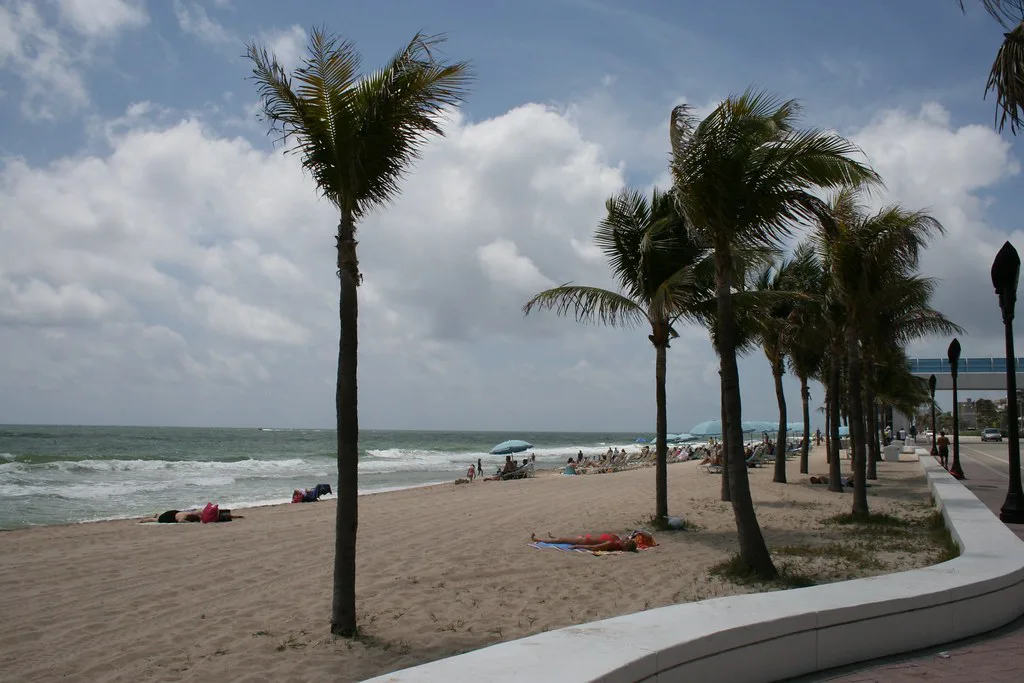
Water clarity here is driven by tide and surface conditions, and snorkelers have noted reduced clarity on an outgoing tide even when the water was calm. Aim for a slack or incoming window and flat surf, and give the water a look from the sand before you gear up.
Mornings generally mean lighter wind and fewer people on the sand, which makes the swim out and the walk back easier to manage. If the surf is up or the wind is pushing chop onto the beach, save the reef for another day and walk the pier instead.
Hazards
Boat traffic around the pier and the Hillsboro Inlet is the hazard to plan for, so tow a dive flag and keep your head up when you cross the swim line. Tidal current, surf and the open swim out matter more than anything on the reef itself.
South Florida's reef tract runs parallel to shore with the Gulfstream pushing along it, a pattern that shapes how water moves on this coast. Check the marine forecast before you commit, and set your turnaround at the reef rather than pushing further out.
Parking and Fees
Beach-entry snorkelers park at the Deerfield parking garage, which is a rather long walk from the sand, so plan to carry your gear or use a cart. Parking is listed at $10, or $7 if you print the coupon from the garage's site, keeping in mind that posted rates can change.
The walk is the practical trade-off at this site: you get an uncrowded reef but a trek with fins, water and a flag. Drop gear near the sand if you have someone to watch it, or pack light and make one trip.
Facilities at the Pier
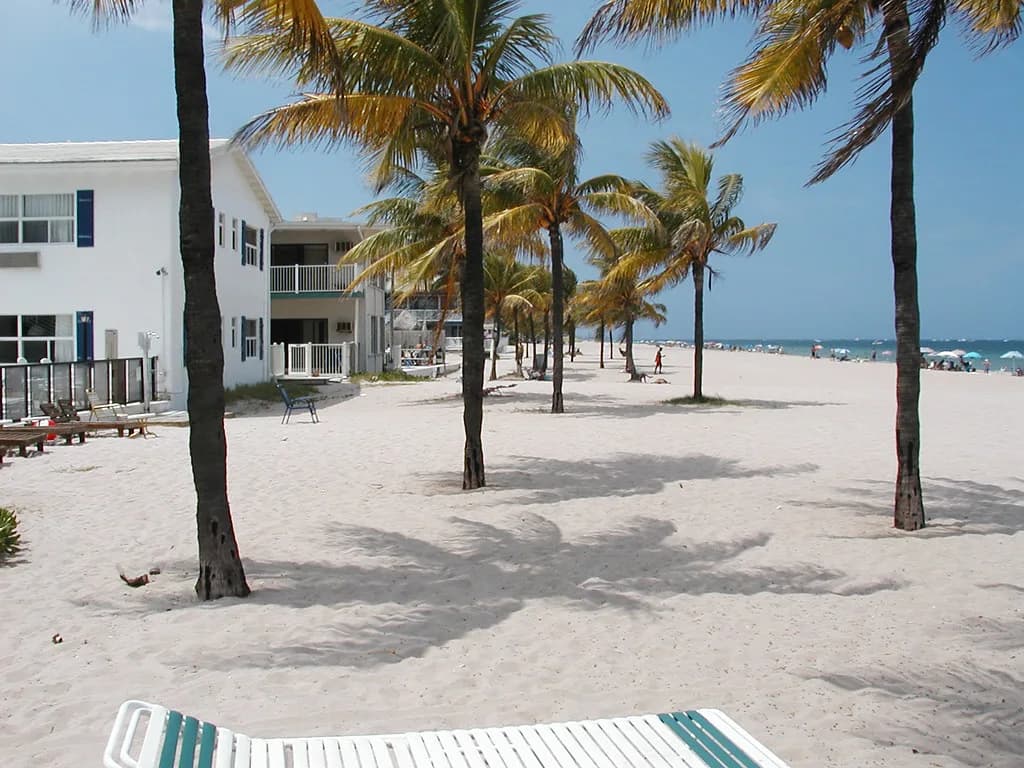
Freshwater showers and restrooms sit at the pier, along with beach stores and places to eat, so you can rinse off and refuel without moving the car. That cluster of facilities makes the pier the natural base for the day.
Beyond the sand, Deerfield Beach adds topside options such as the fishing pier, the Intracoastal waterway and nearby parks for the rest of the afternoon. Build the snorkel around a calm morning and keep the shore time flexible.
Rules and Reef Etiquette
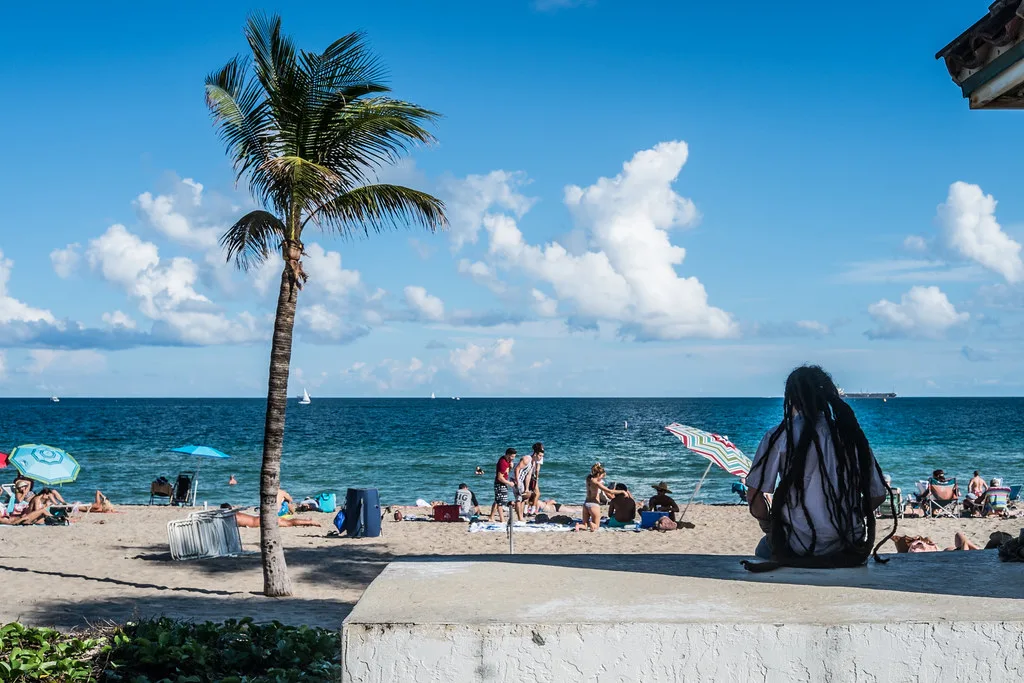
Keep your hands off the reef and your distance from turtles and other wildlife; watching quietly from the surface is the whole point of a shallow site like this. Use reef-safe sunscreen and rinse off at the pier showers afterward.
Boat Access and Nearby Reefs
Deerfield Beach has no inlet of its own, so most divers and snorkelers reach the offshore sites by traveling to Pompano Beach and heading out through the Hillsboro Inlet. That is the route to the Ancient Mariner wreck and to Separated Rocks, a series of coral islands with two angel statues that rewards a drift rather than a beach entry.
Drift diving is the local style: the reef tract is linear and the Gulfstream runs parallel to shore, so boats drop snorkelers and divers with a flag and pick them up when they surface. If you want more bottom time and more reef than a single beach site offers, a boat trip out of Pompano is the upgrade.
For more beach-entry options along this coast, compare the reef at Lauderdale-by-the-Sea, where the shoreline drops away close in and shore diving is the norm.
Paddle-and-Snorkel Option
Strong paddlers can combine a kayak launch near the Hillsboro bridge with a snorkel, using Boca Inlet and Lake Boca as the route. Pairing a paddle with the reef extends your range but adds boat traffic and current to manage, so go with someone experienced.
If you would rather stay close to the sand, keep it simple: park at the garage, walk to the pier, and swim north to the reef. That version suits a family morning better than a full paddle day.
Plan Your Deerfield Beach Snorkel Day
Turtle Reef rewards a calm, clear morning: park at the garage, walk to the pier, and swim north to the rocks with a flag and a buddy. Keep the swim out modest, watch for boats near the pier, and leave the deeper reef and wrecks for a Pompano boat trip out of Hillsboro Inlet.
Check the Broward County beach conditions and the marine forecast the morning you go, and let flat water decide the plan rather than the calendar.
Frequently Asked Questions
Is Deerfield Beach good for snorkeling?
Yes, for a beach-entry reef. Turtle Reef sits just north of the pier, about 150 feet offshore in roughly 6 to 12 feet of water, with a settled population of fish, invertebrates, sea fans and scattered coral. It is best on calm, clear days, and it is a real swim rather than a wading snorkel.
How far is Turtle Reef from the beach?
It is about 150 feet from shore, directly north of the Deerfield Beach Pier. That distance is manageable for a confident swimmer on a flat day but tiring in chop, so check the surface before you commit and keep the pier in view for the return.
Do you need a boat to snorkel Deerfield Beach?
No. Turtle Reef is reached by swimming out from the sand. Boat access matters for the deeper sites: because Deerfield Beach has no inlet, charters run from Pompano Beach through the Hillsboro Inlet to reach wrecks like the Ancient Mariner and reefs like Separated Rocks.
Is Turtle Reef suitable for beginners and kids?
It can be, if everyone is a comfortable open-water swimmer and the sea is flat. The reef is shallow and the pier gives a fixed reference point, but there is no shallow shelf to stand on and the swim out is open water.
When is the water clearest at Deerfield Beach?
Clarity tracks tide and surface conditions; snorkelers have reported reduced clarity on an outgoing tide even when the sea was calm. Aim for a slack or incoming window, flat surf and light morning wind, and look at the water from the sand before gearing up.
Where do you park for Deerfield Beach snorkeling?
Use the Deerfield parking garage, which is a long walk from the sand, so plan to carry gear or bring a cart. Posted rates and any discount offers change, so check the garage's current information before you go.
Sources
Snorkeling notes for your next trip
Optional updates to our snorkeling guides.
You might also like
Continue reading
More guides you'll find useful