Dania Beach Snorkeling: Erojacks Reef and How to Swim It
Dania Beach snorkeling means the Erojacks reef off John U. Lloyd State Park. Plan the walk out, the depth range, the no-take rules and a second swim.
On this page
Dania Beach rewards snorkelers who are willing to trade a short car ride for a slightly longer walk. Just north of the Dania Beach Pier, stacked concrete jacks form an artificial reef that begins about 100 yards offshore and runs through 10 to 25 feet of water, shallow enough for confident surface snorkelers to look down on it. It suits adults and strong-swimming teens who can handle an open beach entry, not families looking for a knee-deep wading pool.
Where the Erojacks Sit
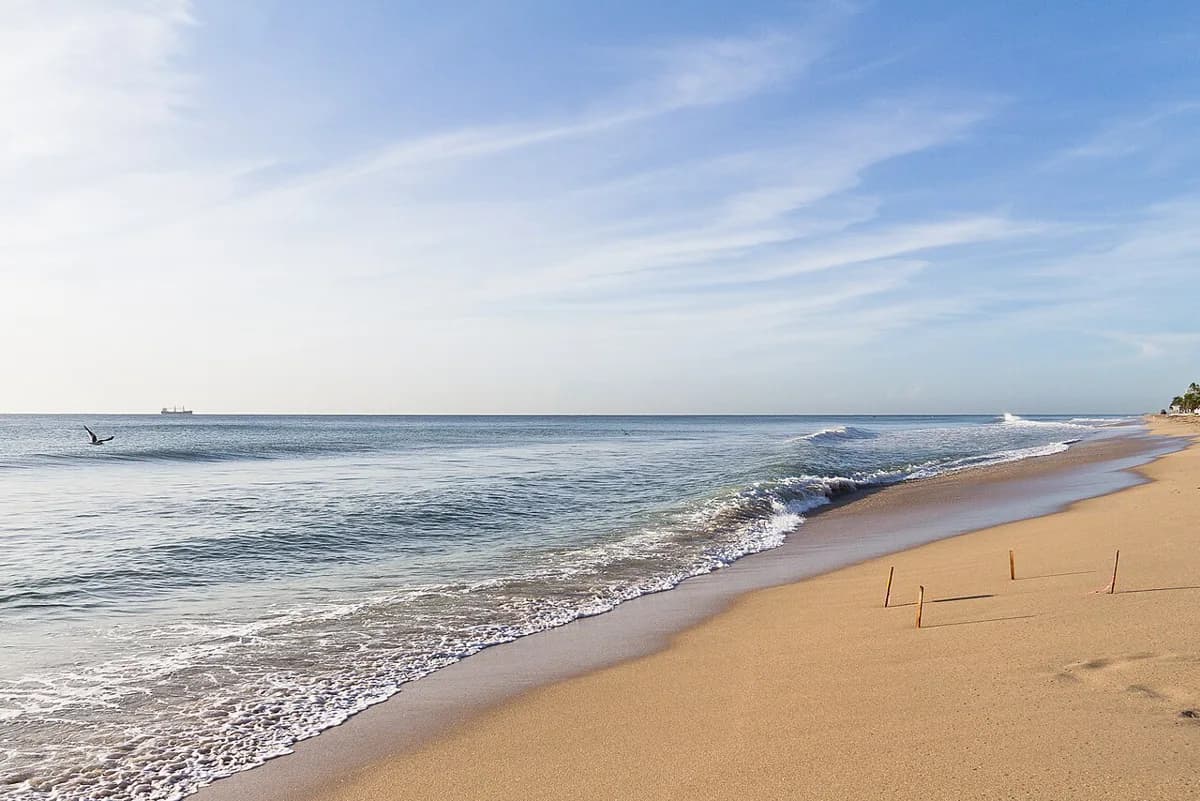
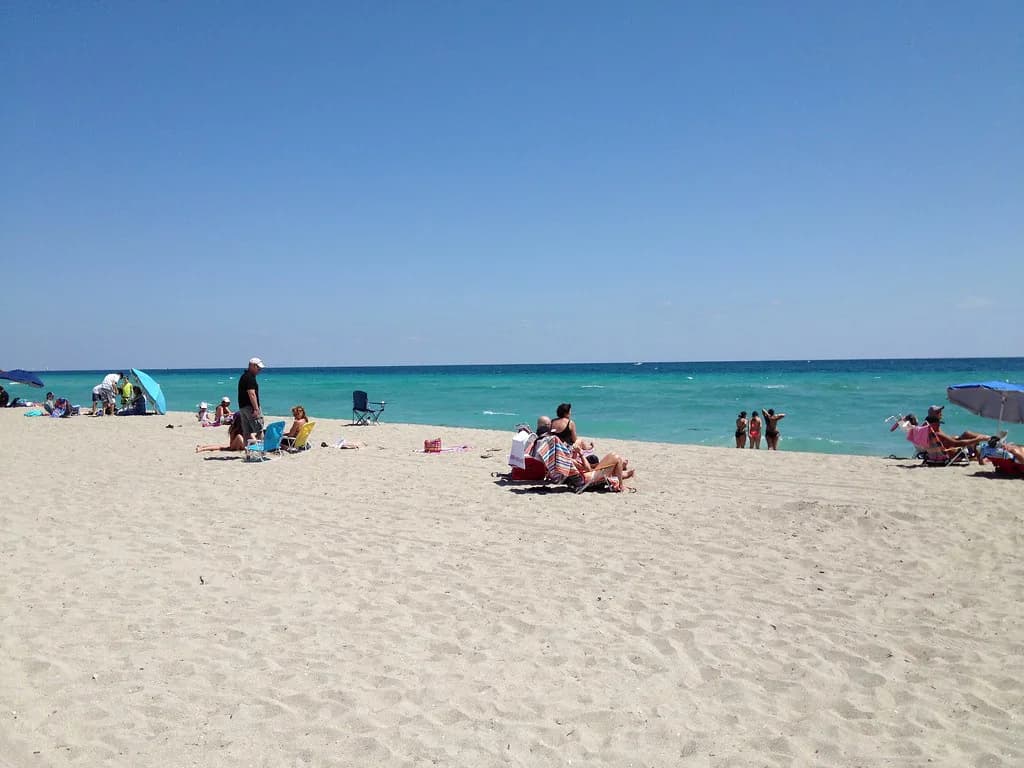
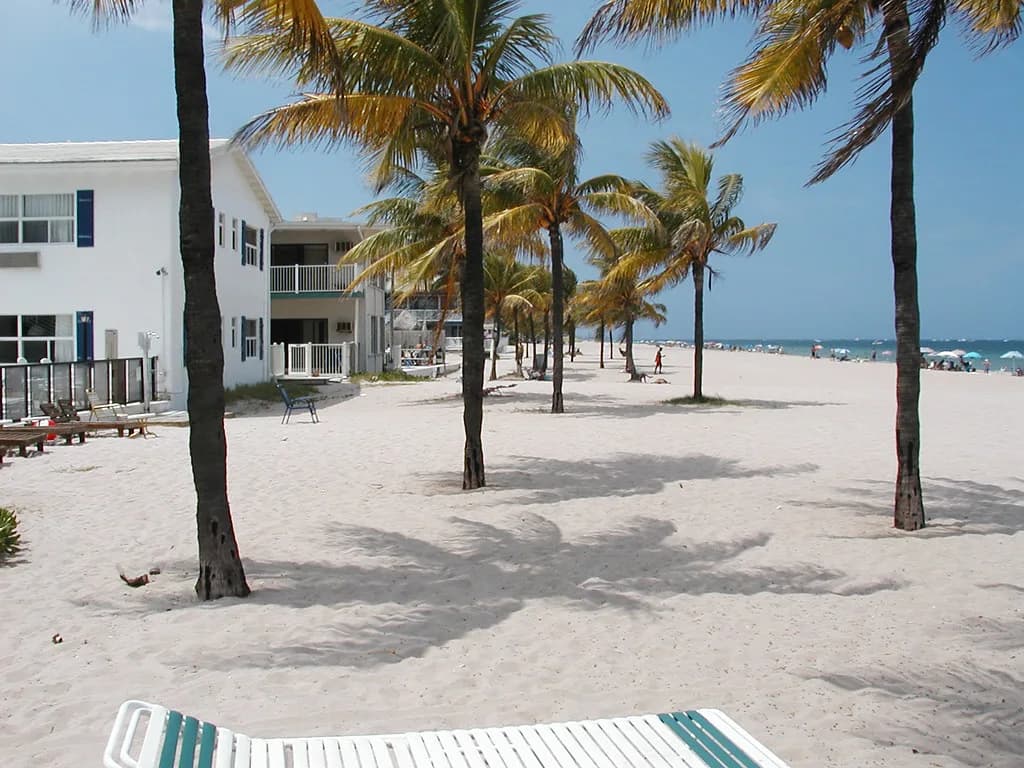
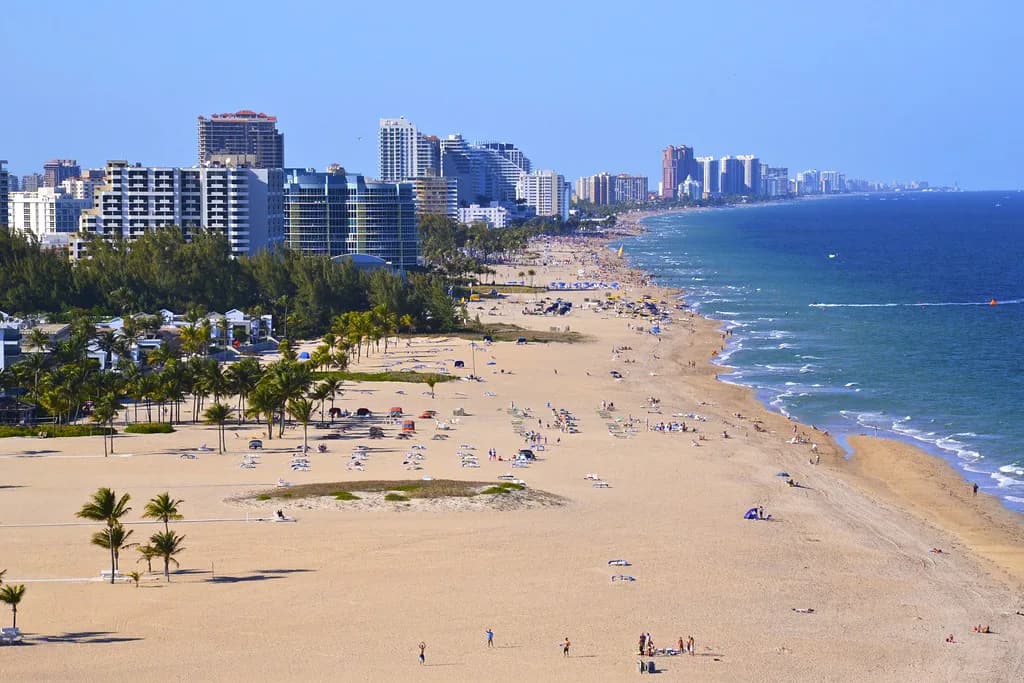
The reef lies off the beach at John U. Lloyd State Park, which the state now lists as Dr. Von D. Mizell-Eula Johnson State Park, south of Fort Lauderdale and immediately north of the Dania Beach Pier. The Erojacks are the northernmost feature in a chain of shore-dive sites that runs down through Hollywood Beach. Because the site sits inside a state park, arriving means entering through the park rather than parking on a city street and walking in.
Four-foot-high concrete jacks were placed here to slow beach erosion, and they ended up working as fish habitat. The jacks stack and run from about 100 yards offshore east toward the first natural reef line, which is why the swim out feels longer than at a typical beach break. Expect a hot-sand approach: the walk from the parking area to the water is the part most people underestimate.
Getting In and the Walk Out
Entry is from the sand, with no ladder or platform, so you wade in and swim. The trade-off is a genuine one: the walk across the beach is long enough that dive shops serving the site advise wearing booties for the hot sand. Booties also help on the slippery, algae-covered jacks once you reach them, and they protect your feet if you push off structure by mistake.
Plan the swim out as a surface kick on your back or with your face up, then drop down once you are over the jacks. Because the structure starts around 100 yards out, weak swimmers and young children should treat this as an offshore swim rather than a wade-and-look. A float or a snorkel vest gives you a rest point on the way back in, when you are swimming against whatever current has built along the beach.
Depth and How Far Out the Reef Runs
Depth over the Erojacks runs roughly 10 to 25 feet, while the general Dania and Hollywood shore sites sit in an 8 to 20 foot band. That puts the top of the structure within easy viewing distance from the surface on a clear day, and the sand between the jacks within a single breath for anyone comfortable duck-diving. Snorkelers who stay on the surface still see plenty, because the jacks rise off the bottom rather than lying flat.
The distance matters more than the depth. A 100-yard swim each way is a real workout in chop, and it is the reason this site rewards people who snorkel regularly over people trying it for the first time. If you want a shorter swim with a lifeguarded, walk-in reef, Lauderdale by the sea snorkeling puts you over structure far closer to the sand.
What You Will See
These are artificial rock and concrete structures rather than a coral reef, and the fish life is what makes the swim worthwhile. Reports from the southeast Florida shore sites describe tropical fish typical of the Caribbean, plus occasional eagle rays and small mantas. Treat any ray sighting as a bonus and keep your distance; never chase, corner, or touch an animal.
Look along the vertical faces and the shaded gaps between stacked jacks, where small fish hold out of the light. The flat sand between clusters is where you are most likely to spot a passing ray or a cruising barracuda, so scan the open lanes as well as the structure. Soft corals and algae coat much of the hard material, and the colors are brightest on calm, clear days.
Who This Swim Suits
Confident swimmers and snorkelers with some open-water experience get the most from the Erojacks. The combination of a long sand walk, a 100-yard swim, and 10 to 25 feet of depth is a lot for a first-timer, and there is no shallow pool of calm water to retreat to. Strong-swimming teens usually handle it well; younger kids are better served by a beach with a gentler profile.
If you are building confidence, use the Dania site as a second or third trip rather than a debut. Start somewhere with structure close to shore and a lifeguard presence, then come back here once your mask clearing and surface swimming feel automatic. The Fort Lauderdale Beach snorkeling options give you a graduated way to work up to the longer swims.
Best Time of Day, Season and Conditions
Calm weather after a stretch of dry days gives the clearest water along this coast. Heavy rain pushes runoff out through the inlets and drops visibility, so a week of afternoon storms is a poor setup for a shore snorkel. Mornings usually bring lighter wind and flatter water, before the afternoon sea breeze builds.
Winter water along southeast Florida runs cool enough that many snorkelers want a thin wetsuit, while summer brings bath-warm temperatures and the afternoon storm cycle. On rough days the protected inlets to the north stay swimmable while open beaches like this one turn murky and pushy. Check the marine forecast before you commit to the drive, and pick a different site if surf is up.
Hazards: Current, Surf, Traffic and the Dive Flag Rule
Boat traffic and personal watercraft are the recurring concern along this stretch of shoreline, not just the surf. In Florida you must display a dive flag whenever you snorkel outside a designated swimming area, and marine patrol officers do enforce it at these sites. Tow a flag float so boaters can see you, and stay close to it rather than drifting apart from your group.
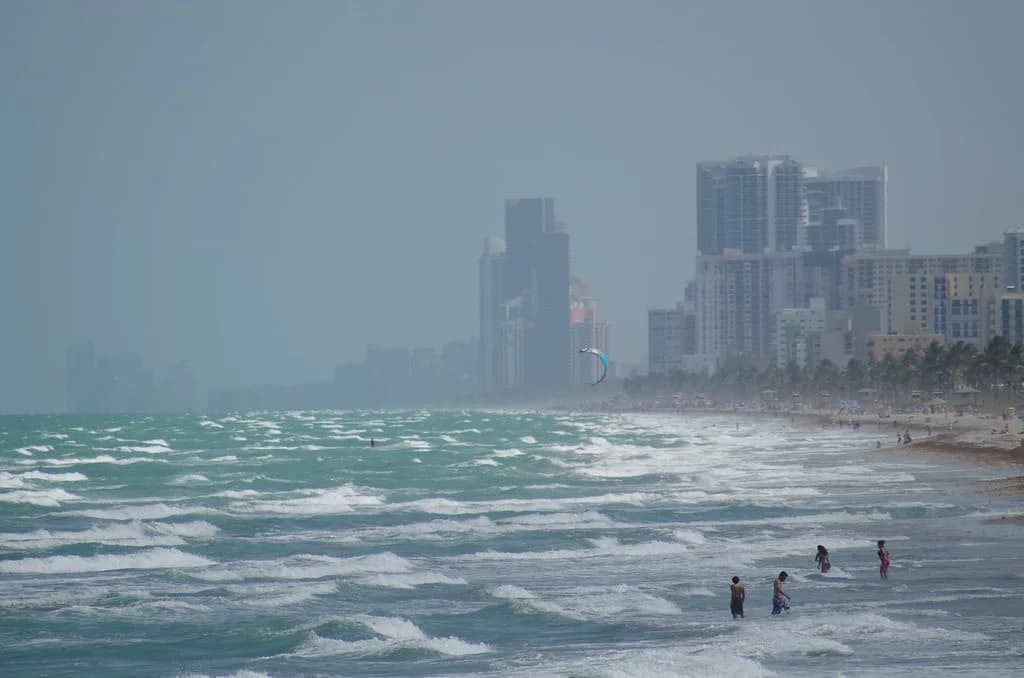
Current builds along the beach and can push you sideways during the long swim out and back. Enter upcurrent of the jacks when you can read the set, so the drift carries you over the structure instead of away from it. Watch the surf before you commit: a shore break that looks manageable from the sand can take your mask off on the way out.
Rules Inside the State Park
Because the Erojacks lie within John U. Lloyd State Park, spearfishing and lobster harvesting are not allowed at the site. That protection is part of why the structure holds fish, and it applies to snorkelers as well as divers. Take nothing, including empty shells, and leave the jacks as you found them.
Wildlife rules apply on top of the park regulations: give sea turtles and rays room, never block an animal's path to the surface, and do not feed fish. Take-home rules at sites like this one exist for a reason, and following them is what keeps the reef worth returning to.
Parking, Fees and Facilities
Parking for the Erojacks is inside the state park, via the Dr. Von D. Mizell-Eula Johnson State Park entrance off A1A, and the walk from the lot to the water is the part to plan for. Park entrance fees and hours change, so check the Florida State Parks page for Dr. Von D. Mizell-Eula Johnson State Park before you go rather than relying on an old trip report. Bring water, shade, and everything you need for the day, since the beach here is a long way from the nearest shop.
Force-E Scuba Centers, which maintains shore-dive notes for this stretch, rates the site for snorkelers and open-water divers and points out that the walk is long enough to warrant booties. Their Pompano Beach and Fort Lauderdale shops are the practical stop for a dive flag, a float, or fins if you are short on gear.
Combining Spots: Hollywood and Fort Lauderdale
Hollywood's YellowBrick Road sits directly in front of the Margaritaville Resort between Johnson and Michigan Streets, where a path of cinderblocks runs perpendicular to shore in 15 to 25 feet of water. Line up the lifeguard station and swim out about 200 meters on the surface, then look down and north. It works as a second swim of the day if you still have legs after the Erojacks. If you want more shore entries near this stretch, snorkeling in Palm Beach covers similar walk-in reef sites a bit farther up the coast.
North of Dania, the Lauderdale-by-the-Sea shore dive puts you over reef close to the beach, which makes it the easier half of a two-site weekend. Combine a longer Erojacks swim with a shorter Lauderdale-by-the-Sea session rather than trying both on the same morning. Parking in Dania and Hollywood runs on meters or garages, so pay through the meter or the PayByPhone app and skip the ticket.
If you are staying farther north, Deerfield Beach snorkeling gives you another shore option within a reasonable drive of Dania. Build the day around one main swim and treat the second site as a bonus, since the sand walk and the surface swim both cost energy.
What to Bring for a Dania Beach Snorkel Day
Pack booties for the hot sand and the structure, a towed dive flag for the open-water section, and a fitted mask you have already sealed and defogged. A snorkel vest or a small float gives you a rest on the return swim and doubles as a place to clip the flag line. Bring more water than you think you need, because the walk back across the beach in midday sun is the hottest part of the trip.
A thin wetsuit or a long rash guard helps in winter, when the water here cools off, and sun protection matters year-round. Leave the touch-and-feed habits at home: the jacks are a habitat, and the fish that gather there stay only if snorkelers keep their hands to themselves.
Plan Your Dania Beach Snorkel
Dania Beach snorkeling is a working shore swim, not a lazy float over coral. The Erojacks give you a 100-yard surface swim to a 10-to-25-foot artificial reef inside a state park, with the no-take rules and dive-flag requirement that come with the setting. Plan it for a calm, dry morning, wear booties for the walk, and you get a legitimate look at southeast Florida's fish life without a boat.
Frequently Asked Questions
Where do you snorkel at Dania Beach?
The main shore snorkel is the Erojacks artificial reef, a stack of four-foot concrete jacks placed to control erosion just north of the Dania Beach Pier, inside Dr. Von D. Mizell-Eula Johnson State Park, formerly John U. Lloyd State Park. You enter from the sand and swim out to the structure.
How far offshore is the Erojacks reef?
The jacks begin about 100 yards from the sand and run east toward the first natural reef line. Plan for a surface swim in each direction, and expect the return leg to feel longer if a current has built along the beach.
How deep is the water over the Erojacks?
The structure runs through roughly 10 to 25 feet of water, while the broader Dania and Hollywood shore sites sit in an 8 to 20 foot band. The top of the jacks is visible from the surface on a clear day.
Do you need a dive flag to snorkel at Dania Beach?
Yes. Florida requires a dive flag whenever you snorkel outside a designated swimming area, and marine patrol does enforce it at these sites. Tow a flag float and stay near it so boaters and personal watercraft can see you.
Can you take lobster or spearfish at the Erojacks?
No. The site sits inside John U. Lloyd State Park, where spearfishing and lobster harvesting are not allowed. The same protection is part of why the structure holds fish.
Is Dania Beach good for beginner snorkelers?
It is a better fit for confident swimmers. The combination of a long hot-sand walk, a 100-yard swim, and 10 to 25 feet of depth is demanding for a first-timer; nearby Lauderdale-by-the-Sea offers a shorter swim to reef for people building experience.
What else can you snorkel near Dania Beach?
Hollywood's YellowBrick Road, a cinderblock path in 15 to 25 feet of water in front of the Margaritaville Resort, is a short drive south. The Lauderdale-by-the-Sea shore dive is the other obvious pairing, with reef close to the beach.
When is the best time to snorkel the Erojacks?
Calm weather after several dry days gives the clearest water, and mornings usually bring lighter wind. Heavy rain pushes runoff out through the inlets and cuts visibility, so check the marine forecast before you drive over.
Sources
Snorkeling notes for your next trip
Optional updates to our snorkeling guides.
You might also like
Continue reading
More guides you'll find useful