Snorkeling in Fort Lauderdale: Beach, Reef and Boat Sites
Snorkeling in Fort Lauderdale pairs easy shore reefs with boat-only ledges. Compare spots by entry, depth, skill level and season before you go.
On this page
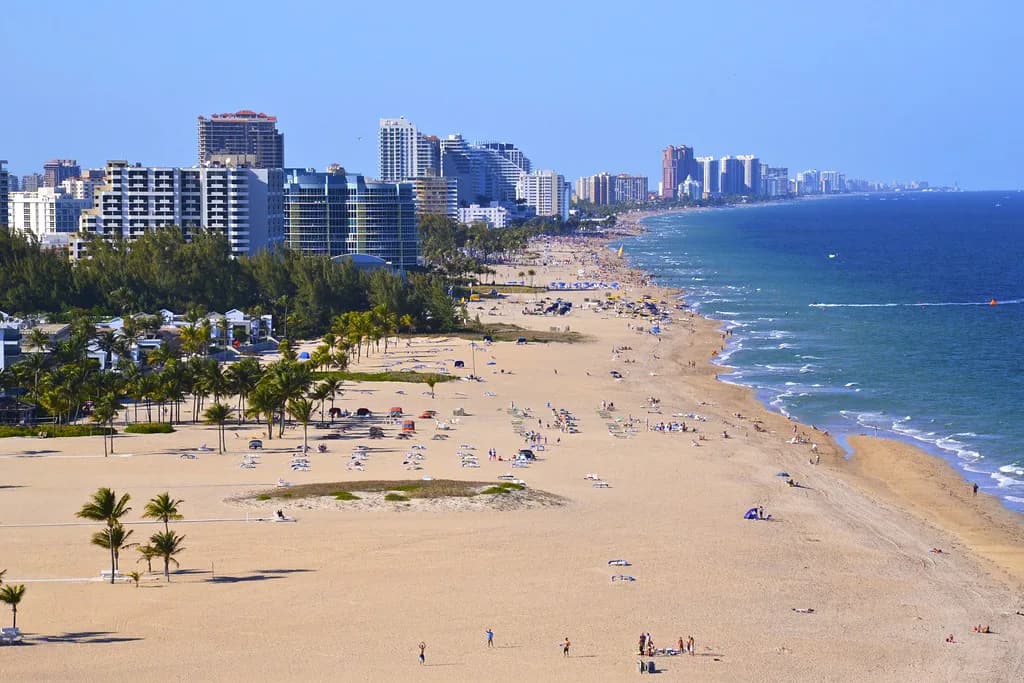
Fort Lauderdale suits snorkelers who want options: a shallow reef band within a short swim of the beach, quieter shore entries a little farther out, and deeper ledges that reward a boat ride. The mix means a first-timer and a confident open-water swimmer can plan the same morning and pick different water.
The key decision is access type rather than which beach looks prettiest. Sand-entry reefs just off town keep the swim short and the depth modest, while Pompano's named reef systems sit roughly a quarter mile offshore and are better treated as guided-trip territory.
How the Fort Lauderdale Coastline Is Laid Out
Broward County's reef line runs parallel to the beach, and the shoreline spots that matter most to snorkelers cluster around Lauderdale-by-the-Sea, Vista Park, Dania Beach and Hollywood. These waters are part of the Florida Coral Reef Tract, which is why soft corals, sea fans and sponges show up close to shore rather than only on far offshore dives.
Think in two bands. The inner band is the swimmable shore reef, reachable from the sand at Lauderdale-by-the-Sea and Vista Park. The outer band holds the deeper ledges and named reef systems such as Suzanne's Ledge, the Hall of Fame and Oakland Ridges off Pompano Beach, where a short swim or boat ride gets you there.
Lauderdale-by-the-Sea Reef: The Beginner Anchor
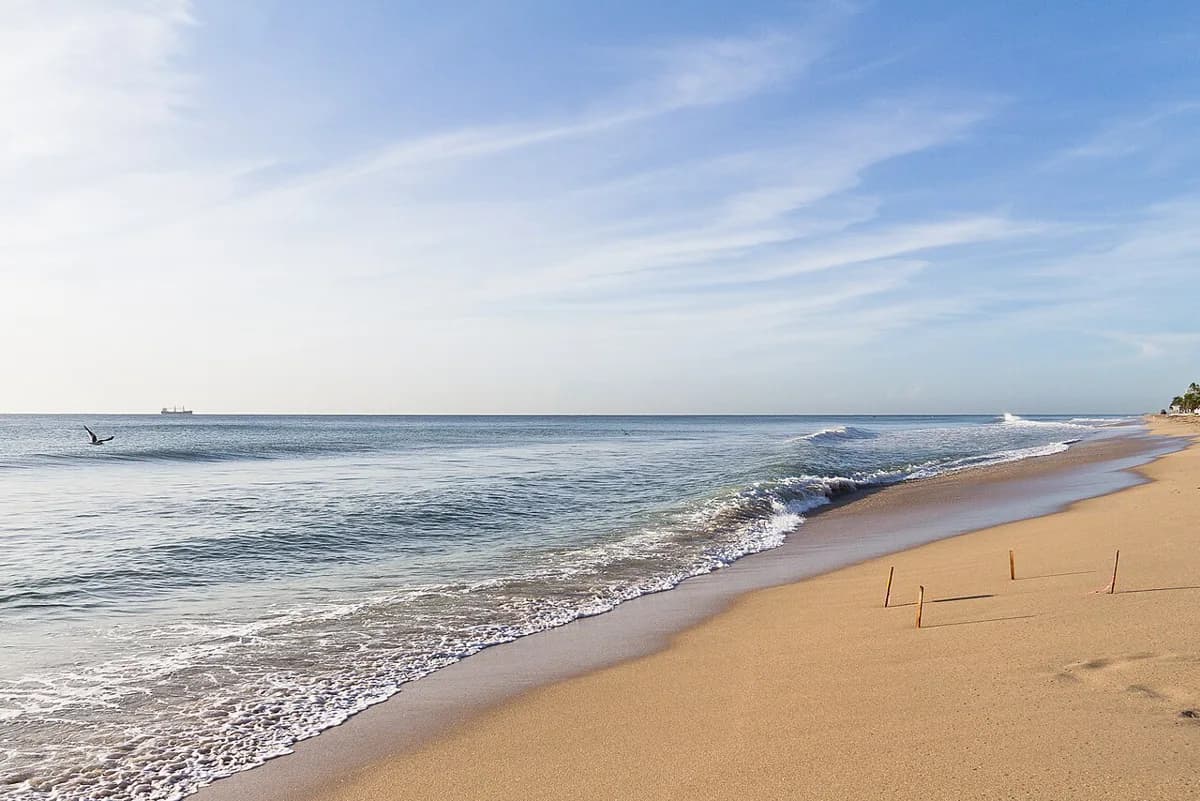
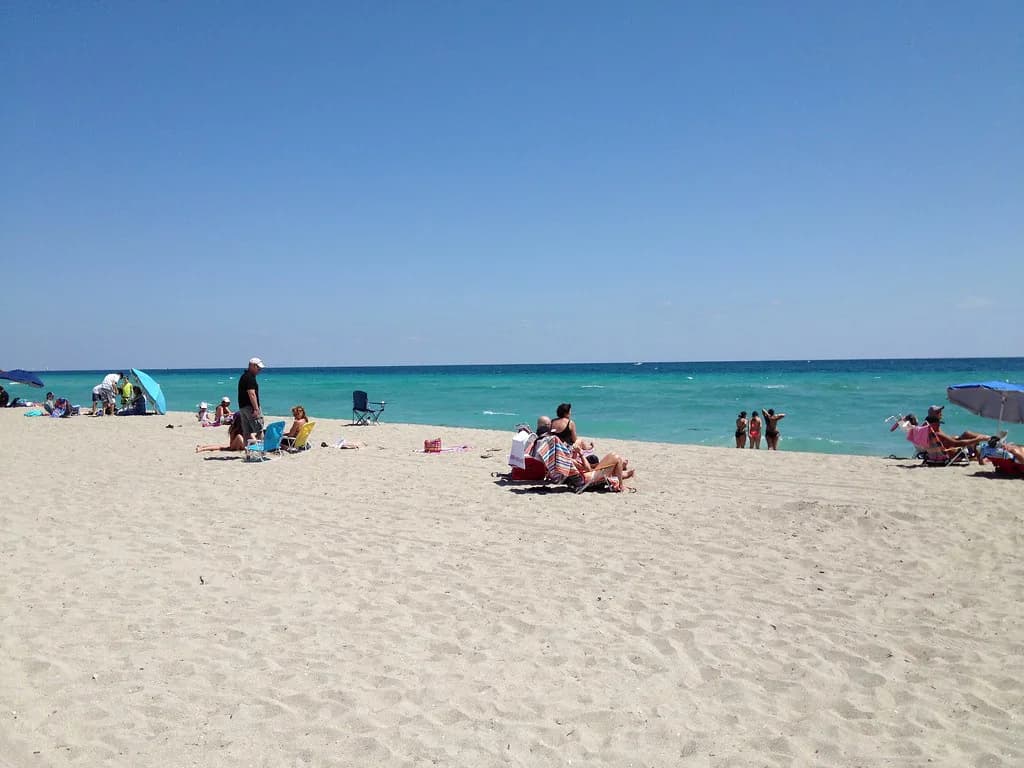
This is the beach most people picture when they search for snorkeling in Fort Lauderdale, and it earns the reputation: coral formations and schools of tropical fish sit a short swim from the sand, so you can walk in and start looking almost immediately. The reef structure acts as a natural marine sanctuary, which is also why it draws divers and underwater photographers alongside snorkelers.
It suits beginners and kids who are comfortable in the water with an adult nearby, because the appeal is a gentle sand entry and shallow coral rather than a long surface swim. Go early in the day for calmer seas and cleaner visibility; the same beach gets busy as the morning wears on. If you want the full neighborhood breakdown, our guide to lauderdale by the sea snorkeling covers entry points and the pier-side layout.
The Swim Out at Lauderdale-by-the-Sea
Treat the first stretch as a transit, not a destination. Swim out on your surface until you see reef structure below, then float and let the fish settle; finning over the sand keeps you off the coral and out of other snorkelers' paths. The reward is that the reef starts close enough that a modest swimmer can reach it without a boat.
Depth here stays in the shallow-to-moderate range, which is exactly what makes it a good first saltwater snorkel. Pair the swim with a reef-safe sunscreen applied before you get in, and bring a dive flag if you plan to move away from the main cluster of swimmers.
Vista Park Reef: The Quieter Shore Option
Vista Park is the low-key alternative, favored by locals and sited about 1,000 feet offshore with reef in roughly 8 to 20 feet of water. That range keeps it within reach of beginners while giving more experienced snorkelers room to drop down along the sea fans and reef structure.
The trade-off is the swim: longer than the Lauderdale-by-the-Sea entry, so it rewards a steady surface pace and a buddy. Bring your own gear and a dive flag, and expect fewer people around the reef than at the marquee beach.
Pompano Beach Reefs: Boat or Long Swim
The Pompano systems are Suzanne's Ledge, the Hall of Fame and Oakland Ridges, sitting roughly a quarter mile offshore and known for clear water. That distance turns them into a boat ride or a serious surface swim, not a casual wade-in, so they fit snorkelers with open-water confidence or anyone booking a guided trip.
Local dive shops run snorkeling trips to these reefs with gear and navigation included, which is the practical route if you do not want to navigate a quarter-mile swim on your own. Compare departure points and group sizes across fort lauderdale snorkeling tours before you commit, since boats leave from different marinas along the Intracoastal Waterway.
John U. Lloyd Beach State Park in Dania Beach
Just south of Fort Lauderdale in Dania Beach, this state park pairs calm water with a reef system close to shore, which makes it a comfortable pick for families and snorkelers new to the sport. The setting also lets you mix paddleboard or kayak rental with snorkeling if you want to cover more of the reef in one visit.
Plan it as a half-day rather than a quick dip: the park has on-site facilities and parking, so you can base yourself there, snorkel, then rinse off and eat without moving the car. Bring your own mask and fins unless you are renting a board or boat on site.
Hollywood North Beach Park: Ledges for Confident Swimmers
Hollywood North Beach Park trades crowds for underwater ledges and reef structure in roughly 13 to 20 feet of water. The depth and the quieter setting suit confident snorkelers and underwater photographers who want unobstructed views without a cluster of swimmers in the frame.
Because the reef sits deeper than the Lauderdale-by-the-Sea shallows, plan your surface intervals and keep the buddy system intact rather than free-diving repeatedly. If you are building a Broward beach weekend, our hollywood beach florida snorkeling notes help you slot this park alongside the broader beach scene.
What You Will See
Expect angelfish, parrotfish and butterflyfish working the reef, with sea fans, sponges and soft corals providing the structure they hover around. Rays can glide over sandy gaps between coral heads, and sea turtles turn up often enough that snorkelers keep an eye out for them along the reef edge.
Look, don't touch. Keep a respectful distance from turtles and rays, never chase or feed wildlife, and stay off the coral so fins and hands do not damage the reef that makes these sites worth visiting.
Best Time of Day and Season
Mornings generally give the calmest water and clearest visibility, so aim to be in the water before the beach fills up. For the broader season, late spring through early fall tends to bring warmer water and better conditions for snorkeling in Fort Lauderdale.
Use a wind and swell forecast before you commit to a shore entry, since an onshore breeze can muddy the shallows and push surf onto the sand. On unsettled days, a boat trip or a calmer park beach is often the better call than forcing the swim out.
Hazards and Ocean Conditions
Currents, surf and boat traffic are the three things to plan around. The Pompano reefs sit a quarter mile out where boat traffic is a real consideration, while shore entries are more exposed to surf and surge when the wind picks up.
Use a dive flag when snorkeling away from the main swim zone, snorkel with a buddy, and wear a flotation vest if you are new to the water. Check the day's surf and marine forecast with the National Weather Service before you drive to the beach, and follow any posted beach advisories.
Gear and Reef-Safe Sunscreen
A basic kit covers these reefs: a well-fitted mask, a snorkel, fins, and a flotation vest if you are new or doing a longer swim like Vista Park. Choose a mask that seals on your face without a hard strap squeeze, and test fins for a comfortable pocket before a long surface swim.
Use reef-safe sunscreen rather than a spray-on that coats the water surface, and apply it before you enter so it has time to absorb. If you forget gear, local rental shops stock the basics, which is easier than buying fins for a single trip.
Guided Tours Versus DIY Shore Snorkeling
DIY shore snorkeling wins on flexibility and cost at the sand-entry reefs: you pick the tide window, swim at your own pace, and skip the boat schedule. The trade-off is that you handle navigation, gear and conditions yourself, which is fine at Lauderdale-by-the-Sea and Vista Park if you are a steady swimmer.
Guided trips make more sense for the deeper and farther sites, and outfitters run small-group reef snorkels with gear and guidance included. A Fort Lauderdale operator also combines reef snorkeling with kayaking or paddleboarding through mangrove creeks, which suits families who want a calmer second half of the day.
Parking, Facilities and Combining Spots
The beach parks with facilities make the easiest half-day base, since you can park once, snorkel, and rinse off on site rather than shuttling between lots. Arrive early for the popular Lauderdale-by-the-Sea entry so you are not circling for a space when the morning is at its best.
For a varied day, start with a shore reef swim at Lauderdale-by-the-Sea, then drive south to John U. Lloyd Beach State Park for a calmer second session with facilities. Divers and photographers who want depth can finish at Hollywood North Beach Park's ledges instead.
Nearby Spots to Pair With a Fort Lauderdale Snorkel Day
North of Fort Lauderdale, Deerfield Beach adds another Broward shore option and a change of scene if you have a second morning. Our deerfield beach snorkeling notes outline the entry and reef layout so you can decide whether it beats a repeat visit to Lauderdale-by-the-Sea.
If you are building a longer Florida trip, freshwater springs offer a clear-water contrast to the saltwater reef, and the Florida Keys add another reef system entirely. Browse best springs to snorkel in florida for a spring day, and snorkeling in florida for the broader reef map.
Plan Your Fort Lauderdale Snorkel Day
Pick your site by comfort in the water: Lauderdale-by-the-Sea for a short sand-entry swim, Vista Park for a quieter longer swim, John U. Lloyd for families, Hollywood North Beach for deeper ledges, and Pompano's named reefs for a guided boat trip. Book tours ahead in peak season and start early for the best window.
Bring reef-safe sunscreen, a dive flag for offshore swims, and a buddy; check the day's surf and marine forecast with the National Weather Service, and let the tour operator brief you on boat-site conditions.
Explore more Fort Lauderdale snorkeling
Frequently Asked Questions
Do you need snorkeling experience to snorkel in Fort Lauderdale?
No experience is needed for the sand-entry shore reefs such as Lauderdale-by-the-Sea, where the swim out is short and the coral is shallow. Deeper ledge sites like Hollywood North Beach and the Pompano reefs a quarter mile offshore better suit confident swimmers or guided trips.
Which Fort Lauderdale beach is best for snorkeling?
Lauderdale-by-the-Sea is the easiest shore reef for beginners and families, with coral and tropical fish a short swim from the sand. Vista Park suits a quieter, longer swim in roughly 8 to 20 feet of water, and Pompano's reefs reward a boat trip.
Can you snorkel right from the beach in Fort Lauderdale?
Yes at several shore sites: Lauderdale-by-the-Sea and Vista Park both offer beach access to reef. The Pompano systems sit about a quarter mile offshore and are better reached by boat or a long swim.
What marine life can you see snorkeling in Fort Lauderdale?
Angelfish, parrotfish, butterflyfish, sea fans, sponges, soft corals, rays and sea turtles are all possible along the Florida Coral Reef Tract. Sightings vary by day, so treat wildlife as a bonus rather than a guarantee and keep your distance.
What is the best time of year to snorkel in Fort Lauderdale?
Late spring through early fall tends to bring warmer water and better snorkeling conditions. Whatever the season, mornings usually offer the calmest seas and clearest visibility.
Are there guided snorkel tours in Fort Lauderdale?
Yes. Local operators run small-group reef snorkel trips with gear and guidance, and some combine snorkeling with kayaking or paddleboarding through mangroves. Compare departure points and group sizes before booking.
Sources
Snorkeling notes for your next trip
Optional updates to our snorkeling guides.
You might also like
Continue reading
More guides you'll find useful