Fort Lauderdale Snorkeling Tours: Choosing Reef & Boat Trips
Compare Fort Lauderdale snorkeling tours: reef snorkel trips, glass-bottom boats, departure marinas, marine life, skill levels, and booking logistics.
On this page
Fort Lauderdale sits behind a stretch of offshore reef that is close enough to reach by boat in a short run, which makes a guided trip the simplest way to snorkel here without negotiating a surf zone or a long shore swim. Trips range from dedicated reef snorkels to combined glass-bottom and snorkel outings, so the right choice depends on how much time you want in the water.
This guide covers how the trips run, what the reef and wreck habitat looks like, departure logistics around Bahia Mar Marina, and who each style of tour suits. It is written for planners comparing options rather than for anyone already on the dock.
How Fort Lauderdale Snorkeling Tours Work
Most boat trips leave from marinas along the Intracoastal Waterway, with Bahia Mar Marina on Seabreeze Boulevard as the base for Sea Experience departures. The boat cruises the protected waterway first, then passes through Port Everglades before heading into open ocean, so the ride out is part sightseeing and part transit.
Once offshore, trips tie up or moor over reef or wreck sites rather than anchoring on living coral, and in-water time is guided. That structure is what makes a tour practical for visitors: the captain handles navigation and site choice, and you focus on mask, fins, and breathing.
Charter boats working out of Fort Lauderdale run a mix of snorkel, scuba, and free-diving trips, and the local tourism office keeps a running list of operators. Comparing a few listings before booking tells you who runs small-group reef trips versus larger mixed groups.
Reef Snorkel Trips Versus Glass-Bottom Boats
The core trade-off is time in the water versus a dry, comfortable view. A dedicated reef snorkel maximizes minutes with your face in the water and suits travelers who came specifically to swim over coral and fish. A glass-bottom boat lets everyone aboard see the bottom through the hull, then offers an optional snorkel stop for those who want to get wet.
Sea Experience runs glass-bottom boats that combine a narrated cruise with a snorkel stop in open water, so one trip can serve a mixed group where some people swim and others stay on deck. Two trips run daily, at 10:15 am and 2:15 pm, and each lasts about 2.5 hours.
Shorter private reef tours exist for groups who want a focused in-water session without the sightseeing segment. One published private guided reef tour runs about an hour in the water, which appeals to confident swimmers on a tight schedule.
What You Will See on the Reef
Fort Lauderdale's nearshore habitat is a coral-and-limestone reef system punctuated by shipwrecks, and that mix supports colorful reef fish, marine plants, and the encrusting growth that covers wreck structure. Operator descriptions point to vibrant fish and plant life as the everyday draw rather than a single headline species.
Wildlife is wild, so treat any specific animal as a possibility rather than a promise. A private reef tour description mentions fish, sharks, jellyfish, and a crab among sightings, which is a fair picture of how varied a single hour can be.
Follow the viewing rules your crew briefs: keep a respectful distance from animals, never touch or feed anything, and leave coral and wreck surfaces alone. Those habits protect the reef and keep you clear of the sharper edges of the habitat.
The Intracoastal Route and Sightseeing Segment
The glass-bottom format adds a narrated run along the Intracoastal past the waterfront mansions known as Millionaires Row, then out through Port Everglades to open water. It is a genuine sightseeing component, not just transit, and it is the reason this style of trip works for grandparents and young kids in the same group.
If your group splits between swimmers and non-swimmers, the glass-bottom trip is the cleaner answer than booking a reef snorkel and leaving half the party on the dock. The dry viewers still get a look at the bottom and the waterway scenery.
Trip Length, Departure Times and What to Bring
The combined glass-bottom and snorkel trip runs about 2.5 hours with departures at 10:15 am and 2:15 pm, which fits neatly around a beach morning or an afternoon on the water. Book the morning slot if you want calmer light and a buffer before afternoon storms build.
Bring a swimsuit you can move in, a rash guard for sun and sting protection, a towel, and reef-safe sunscreen. Ask the boat company directly whether mask, fins, and snorkel are included, since inclusion varies by trip and is the one detail worth settling before you arrive.
If you are prone to seasickness, take your usual precautions before boarding and favor the morning trip when winds are typically lighter. Seasickness medication decisions belong with your pharmacist or doctor, not with a boat crew.
Skill Level and Who Each Tour Suits
Reef snorkel trips generally expect you to swim at the surface with fins, tread water between sites, and follow a guide, so basic comfort in deep water matters. Beginners do fine on guided reef trips when they can float and kick, and the crew briefs entry and exit each time.
Glass-bottom boats suit non-swimmers, young children, and anyone who wants the ocean without committing to immersion, since the dry viewing happens from the deck. Kids old enough to follow instructions can usually join the snorkel stop with a parent nearby.
Strong swimmers who want a longer, more independent session should look at dedicated reef or private charters rather than the combined trip. If you would rather snorkel from shore, the reef at Lauderdale-by-the-Sea is the closest drive-up alternative and worth comparing against a boat day; see this guide to Lauderdale by the sea snorkeling for entry points and conditions. For a shore-entry comparison a little further up the coast, these palm beach snorkeling tours include the famous Blue Heron Bridge site.
Hazards and Ocean Conditions
Open-ocean snorkeling here means current, boat traffic near the Port Everglades channel, and variable visibility, so stay close to the boat and follow the crew's in-water boundaries. Jellyfish appear in South Florida waters seasonally, and a sting is the most common unpleasant surprise on a reef trip.
Sun exposure is the quieter hazard: a 2.5-hour trip with an hour in the water adds up fast, so cover your back and neck and reapply sunscreen between stops. Captains adjust or reschedule when sea conditions are poor, so build some flexibility into your booking day.
Parking and Departure Logistics
Trips leaving from Bahia Mar Marina put you on Seabreeze Boulevard, a short drive from the beach and a straightforward rideshare drop-off. Arrive with time to park, walk to the dock, and sign any waivers the crew requires; late arrivals can miss the boat even on a confirmed booking.
Rates and parking arrangements change, so ask where to park and whether validation applies when you book rather than guessing. The same call is the moment to settle pricing, since it varies by trip type and season and belongs in writing. Double-check the current price and departure time with the company a day or two ahead.
Nearby Add-Ons for a Full Day
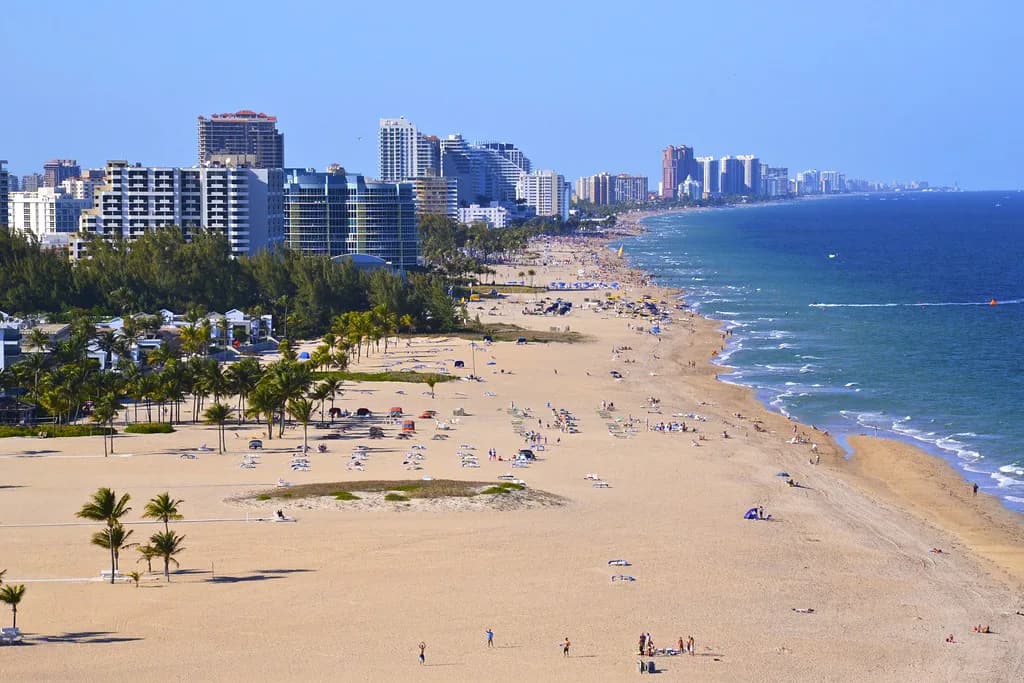
Pair a morning snorkel with an afternoon on Fort Lauderdale beach or a stroll along the Intracoastal, since the marina sits between the two. Families often split the day so one parent snorkels while the other manages younger kids ashore.
If you are exploring the coast by car, Hollywood Beach to the south and Deerfield Beach to the north both offer shore-entry snorkeling on different days; hollywood beach florida snorkeling is an easy add-on for a second morning.
Plan Your Visit
Book the trip style that matches your group: a combined glass-bottom and snorkel run when some people want to stay dry, a dedicated reef charter when everyone wants maximum water time. Reserve ahead in winter and spring break, and keep the morning slot in mind for calmer conditions.
Settle gear inclusion, parking, and pricing when you book, then pack light and reef-safe. For a fuller picture of shore and boat options across the city, start with the main guide to snorkeling in fort lauderdale.
Frequently Asked Questions
Are there snorkeling tours in Fort Lauderdale?
Yes. Operators run reef snorkel trips, private guided reef tours, and combined glass-bottom and snorkel outings from marinas along the Intracoastal Waterway, including Bahia Mar Marina on Seabreeze Boulevard.
Do I need to be a strong swimmer to join a snorkeling tour?
You should be comfortable floating and kicking at the surface in deep water for a reef snorkel. Non-swimmers can still join a glass-bottom boat trip and stay on deck while others snorkel at the open-water stop.
What is the difference between a glass-bottom boat tour and a snorkel tour?
A glass-bottom boat combines a narrated Intracoastal cruise with dry viewing through the hull and an optional snorkel stop. A dedicated reef snorkel puts you in the water for most of the trip with a guide over reef and wreck sites.
What marine life can I see on Fort Lauderdale reef tours?
Reef and wreck habitat supports colorful reef fish, marine plants, and encrusting growth, with occasional sharks, jellyfish, and crabs. Sightings vary by day, so treat any species as a possibility rather than a guarantee.
How long do Fort Lauderdale snorkeling tours last?
The combined glass-bottom and snorkel trip runs about 2.5 hours. Shorter private reef tours run around an hour in the water, which suits confident swimmers on a tight schedule.
Where do Fort Lauderdale snorkeling tours depart from?
Departures are from marinas along the Intracoastal, including Bahia Mar Marina. Boats typically cruise the waterway past Millionaires Row before passing through Port Everglades to the reef.
Can kids join Fort Lauderdale snorkeling tours?
Children generally join with a parent, and the glass-bottom format is the easiest fit for younger kids because the deck view keeps them engaged even if they skip the snorkel stop.
What should I bring on a Fort Lauderdale snorkeling tour?
Bring a swimsuit, rash guard, towel, and reef-safe sunscreen, and ask whether mask, fins, and snorkel are included.
Sources
Snorkeling notes for your next trip
Optional updates to our snorkeling guides.
You might also like
Continue reading
More guides you'll find useful