Palm Beach Snorkeling Tours: Pick the Best Reef Trip
Compare Palm Beach snorkeling tours by entry type, reef depth and group size, from Blue Heron Bridge guided walks to Peanut Island and offshore reef boats.
On this page
Palm Beach County gives you two very different kinds of snorkel day. One is a shore entry from sand into the sheltered trail at Phil Foster Park, where the reef starts within a short swim of the beach. The other is a boat or paddle trip to Peanut Island, an artificial reef or an offshore wreck, which trades effort for access and often adds a guide, gear and drinks to the ticket.
The decision that shapes cost, skill needs and what you actually see is the entry type, not the company name. A guided walk-off at the bridge suits first-timers and families who want to stand up whenever they like, while a small-group reef boat from Lake Park or Riviera Beach puts you over deeper structure you cannot reach from the sand.
Why a Guided Tour Makes Sense in Palm Beach
Shore entry looks simple and is not always so. The bridge trail sits in a tidal channel where water moves, so a guide who knows the layout can keep a new snorkeler inside the calm, shallow lines and away from the busiest boat channels. For a group with mixed confidence, that in-water supervision is the main thing you are paying for.
Boat access solves a different problem: distance. Reefs and wrecks offshore of Riviera Beach, Lake Park and Deerfield Beach are beyond a comfortable swim from the beach, so a licensed trip is the practical way to reach them. Expect to pay more than you would for a shore walk, with pricing set per person and often covering gear.
Blue Heron Bridge and Phil Foster Park: Guided Shore Tours
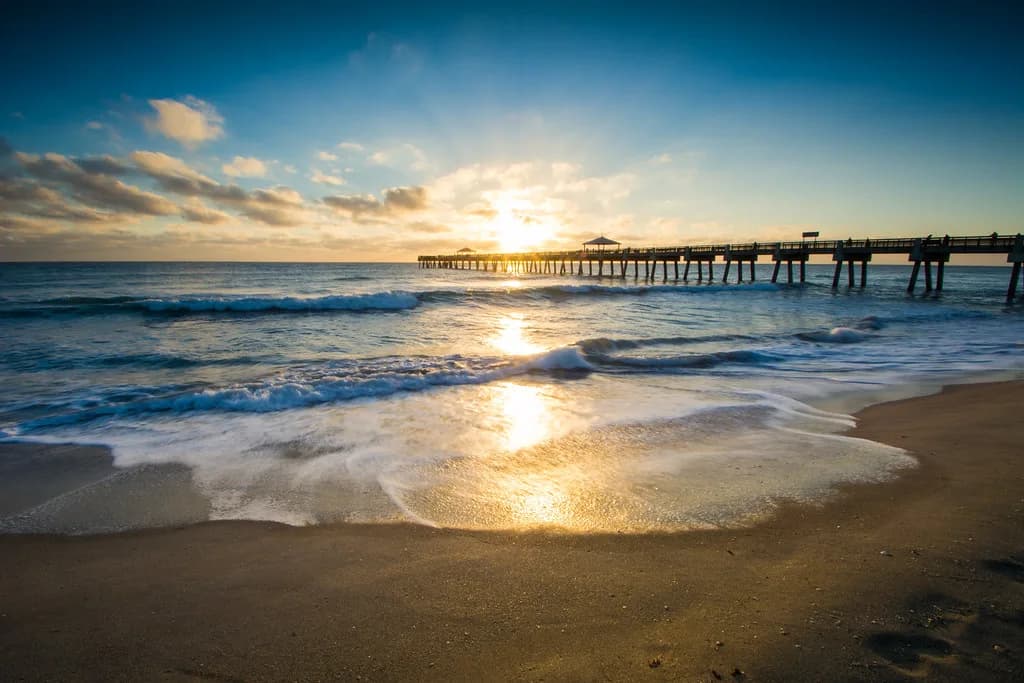
The Blue Heron Bridge dive and snorkel site is the water around the bridge connecting Riviera Beach and Singer Island, entered from Phil Foster Park, as described on the destination's dive and snorkel page. The two names describe one site, which is why tour listings for the bridge and for the park cover the same stretch of shallows.
Guided bridge tours are usually sold as a short block of time with a dive professional leading the group along the trail. Guided snorkel tours at Blue Heron Bridge are priced per person on a booking platform, with the guide's local knowledge of the site built into the fee rather than gear rental alone.
What the Blue Heron Bridge Trail Looks Like
You walk in from the park beach, wade to waist depth and start looking down. The trail is a series of shallow lines and rubble piles set out for snorkelers, with the deepest sections still within easy free-diving range for a comfortable swimmer. That shallow profile is what makes the site work for kids and nervous first-timers.
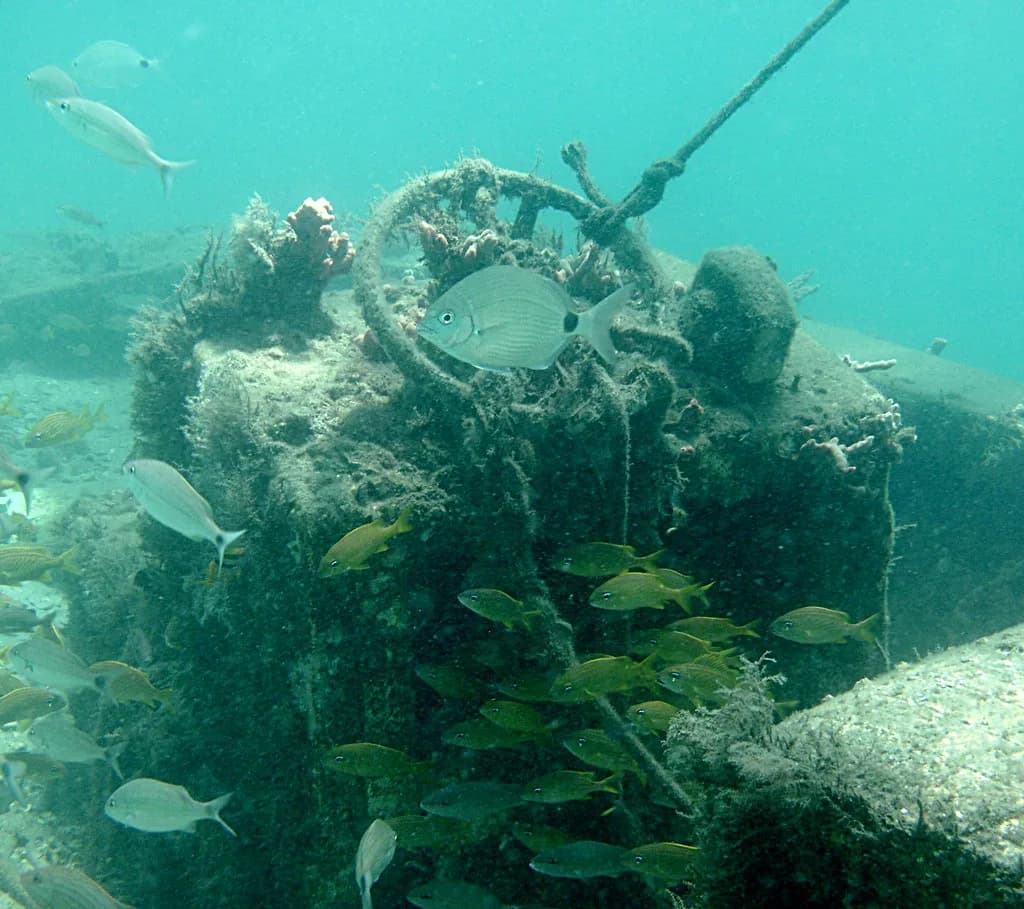
The underwater scenery is a mix of natural bottom, seawall structure and scattered rubble, plus the odd human-made object that has become habitat. Expect small reef fish, blennies and invertebrates tucked into crevices rather than a single big coral vista. Bring a mask that fits well and go slowly, because most of the life is within arm's length of the structure.
Peanut Island Trips: Paddle, Shuttle or Private Boat
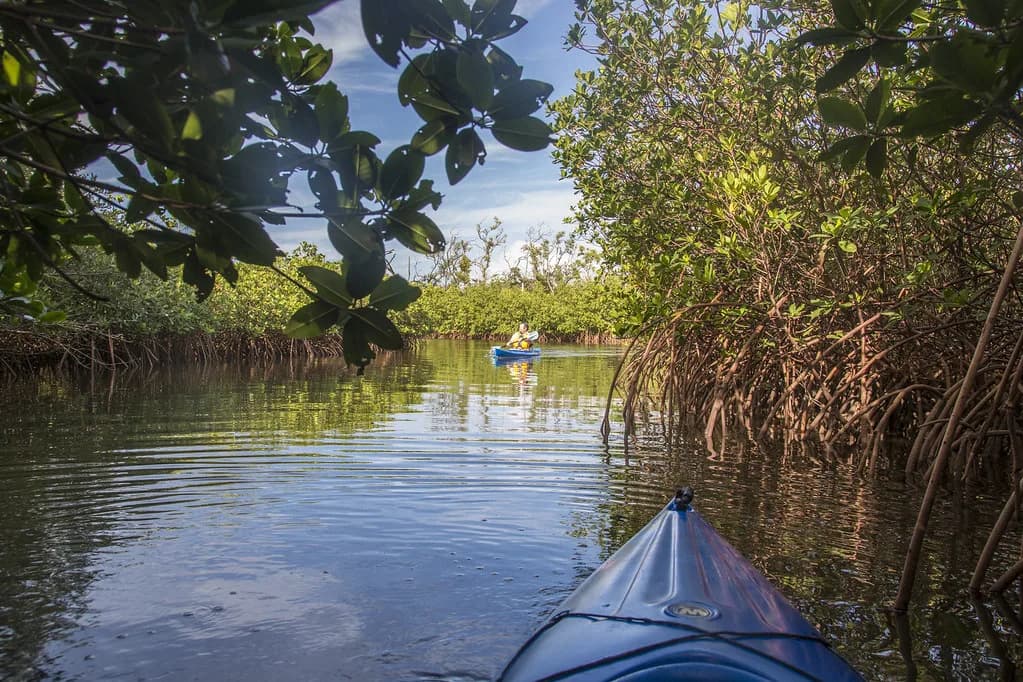
Peanut Island sits in the Lake Worth Lagoon off Riviera Beach, and trips there come in three shapes: a self-guided kayak or paddleboard rental with snorkel gear, a guided paddle-and-snorkel tour, or a boat trip to the island's artificial reef. The rental version is cheapest per group and the most physical, since you supply the paddling and the route-finding.
Guided versions add a certified leader and usually a fixed paddle leg before you get wet. A kayak or paddleboard-and-snorkel tour to Peanut Island is priced per boat rather than per head, and a boat tour to the island's artificial reef is priced per person with gear and a guide included.
Private charters are the other end of the scale, with a captain and mate and a per-boat rate that suits a family or a small group splitting the cost. Choose that format if you want the schedule to bend around young children or non-snorkelers aboard, and accept that you are paying for the boat, not just the snorkeling.
Offshore Reef and Wreck Boats: Lake Park, Riviera Beach and Deerfield Beach
Departure harbor matters as much as the destination. Small-group reef trips run out of Lake Park, wreck and reef trips out of Deerfield Beach and Pompano Beach, and catamaran snorkel cruises out of West Palm Beach. Pick the dock nearest your lodging and you cut a long morning drive out of the day.
The Pompano Beach nurse shark and SS Copenhagen wreck snorkel is the history-minded option, pairing a shallow reef with a deliberately sunk ship. A four-hour Deerfield Beach trip bundles reef and wreck stops with gear, snacks and soda, which makes it the simplest all-in choice for a group that does not want to organize logistics separately.
Turtle-Focused and Beginner-Friendly Tours
Several West Palm Beach trips are built around beginners, with an eight-and-over age minimum on the turtle snorkel and free video included. That age floor is a useful filter for families, because it signals that the crew expects children who can follow instructions in the water rather than a parent holding a toddler the whole time.
If you are snorkeling near turtles, keep your distance and let the animal choose the gap; feeding or chasing is out on any responsible trip and can breach wildlife rules. A good guide will position the group so the turtle can swim away if it wants to, and will call the exit rather than let the encounter drag on.
Night Snorkeling at Phil Foster Park
After dark the same shallow trail shows a different cast, with nocturnal animals emerging and lights doing the work your eyes did in daylight. The private night guided snorkel at Phil Foster Park is sold as its own product on a booking platform, so treat it as a separate trip type rather than a late slot on the daytime tour.
Night entries demand more composure than daylight ones: you are following a light beam in moving water with limited peripheral vision. Book this only if everyone in the party is already comfortable snorkeling in the day, and ask the dive guide what light setup and buddy ratio the tour uses before you commit.
Gear, Rentals and Freediving Lessons in Riviera Beach
If you would rather build skills than chase a boat, Riviera Beach has all-day snorkel gear rentals in adult and children's sizes and a three-hour freediving lesson covering breathing, buddy skills and water entry. Gear rental is priced per set, so a family of four can equip everyone for less than the cost of four tour seats.
Freediving lessons are the expensive item on the menu because you are buying instruction time, not access. Take one only if you plan several water days and want the breathing and equalizing habits; for a single vacation snorkel, a well-fitted mask and fins rental covers what you need.
Group Size, In-Water Support and What Guided Means
Guided can mean a leader in the water with a small group, or a briefing on the dock followed by free snorkeling inside a roped area. Ask which one you are buying before you pay, because the second is closer to a boat shuttle with advice. Small-group reef trips from Lake Park are the format to look for when you want a leader actually swimming with you.
Water-entry style is the next question: ladder from a boat, beach walk-in, or a paddle craft you climb back onto. Ladders favor weaker swimmers; paddle craft favor people comfortable with balance and wet exits. Match the entry to the least confident person in your group, not the strongest.
Best Time of Day, Season and Swell for Each Trip Type
Early departures generally give calmer water and lighter boat traffic before afternoon breezes build, which matters most on open-water reef runs. Shore entries at the bridge are more forgiving of timing but still reward a falling or slack tide over a fast run, since the trail sits in a tidal channel.
Season changes what tour companies can run more than what you pack. Winter cold fronts bring wind and swell that can scrub offshore trips, while summer afternoons build storms; booking a shore-based tour early in your stay leaves room to move a boat trip later if the water turns. Ask the charter how it handles a weather call before you book.
Skill Level and Who Each Tour Suits
Complete non-swimmers are best served by a shallow shore tour with a guide close by, where standing up is always an option. Kids eight and over fit well on beginner boat trips with in-water support, and strong swimmers get the most from wreck and offshore reef runs where the interesting structure sits deeper.
Paddle-and-snorkel trips add a fitness component that boat trips do not, so choose them for teens and adults rather than a mixed-age family. If your group spans both ends, split the day: a shore session at the bridge in the morning and a shorter boat trip for the confident swimmers.
Hazards to Plan Around
Tidal current in the bridge channel is the defining hazard at Phil Foster Park, and it strengthens as water moves through. Boat traffic in the Lake Worth Lagoon and around inlets is the other one, so stay with your guide, keep a surface marker visible and never cut across a channel on your own.
Entry rocks, slick ladders and afternoon chop cause most of the small injuries on these trips, so wear fins on the walk-in and take the ladder slowly. Surf and small-craft advisories from the National Weather Service are the trigger to reschedule a boat day rather than push through it.
Parking, Facilities and Meeting Points
Phil Foster Park has a beach, restrooms and showers that make it practical to arrive early, snorkel and rinse off before the lot fills. Boats leave from marinas in Riviera Beach, Lake Park, Deerfield Beach and West Palm Beach, so check the meeting address on your ticket rather than heading straight to the park.
For a boat trip, plan to arrive at the dock ahead of departure time for check-in and gear fitting, and pack light since space on small boats is limited. Shore tours have no such constraint, so bring a cooler, a change of clothes and a dry bag for the beach portion of the day.
Rules: Sunscreen, No-Take Zones and Wildlife Distance
Palm Beach County's reef and lagoon areas are managed under Florida fish and wildlife rules, and wildlife viewing follows published distance guidance for turtles and other protected animals. Keep hands off coral and structure, never feed fish, and let a guide set the approach so the group does not crowd an animal. Check the Florida Fish and Wildlife Conservation Commission for current rules before you go.
Reef-safe sunscreen is the easy default where swimming near coral is on the plan, and it saves you a decision at the dock. Some destinations in Florida restrict certain sunscreen ingredients, so read the label before you pack rather than buying at the marina shop.
Snorkel Spots to Combine With a Tour Day
A morning Blue Heron Bridge tour pairs naturally with an afternoon at a county beach park, and Red Reef Park in Boca Raton is the classic add-on for a reef that starts close to shore. Further north, Coral Cove Park offers a rocky entry and different bottom structure for snorkelers who want a second, wilder look at the same coastline.
If your trip runs south, the same shore-and-boat logic applies along the Gold Coast, and the Fort Lauderdale snorkeling tours scene gives you a second harbor to work from. Spacing a boat day and a shore day apart lets you keep one in reserve for weather without losing the whole plan.
Plan Your Snorkel Day
Decide the entry type first: shore walk-in at the bridge, paddle to Peanut Island, or boat to the reef and wreck sites. Then match group size and in-water support to your least confident swimmer, and set a shore day and a boat day on separate dates so weather can move one without sinking the other.
Book the specific format you want, confirm the meeting dock on the ticket, and bring a well-fitted mask, fins and reef-safe sunscreen. One reminder on conditions: watch National Weather Service advisories and follow the captain's weather call.
Frequently Asked Questions
Do you need a tour to snorkel at Blue Heron Bridge?
No, the site is entered from the beach at Phil Foster Park, so you can snorkel the trail on your own. A guided tour helps most if you are new to snorkeling in moving water or want a leader who knows where the shallow lines run.
What is included in a Palm Beach snorkeling tour?
It depends on the format. Boat and reef trips typically bundle gear, a guide and sometimes snacks and drinks, while paddle-and-snorkel rentals give you the craft and snorkel equipment and leave the route to you. Read the inclusions on the specific listing before booking.
Are there beginner-friendly snorkeling tours in Palm Beach County?
Yes. Shore-entry guided tours at Blue Heron Bridge suit first-timers because you can stand up in the shallows, and several West Palm Beach boat trips are marketed to beginners with in-water support.
What is the minimum age for snorkeling tours in West Palm Beach?
At least one beginner turtle snorkel trip sets an eight-and-over minimum, and other trips vary. Check the age policy on the listing for the trip you want, since it is set per operator rather than countywide.
Can you snorkel Peanut Island without a boat?
You can reach the island by paddling a kayak or paddleboard from Riviera Beach, and rental packages that include snorkel gear are sold for that purpose. A boat or ferry removes the paddling effort but adds a per-person cost.
Is night snorkeling at Phil Foster Park worth it?
It is a genuinely different experience, with nocturnal animals active and a guide handling lights. Only book it if everyone is already comfortable snorkeling in daylight, because limited visibility in moving water is harder at night.
Where do snorkel boats depart from in Palm Beach County?
Common departure areas are Lake Park, Riviera Beach, Deerfield Beach, Pompano Beach and West Palm Beach. Check the meeting address on your ticket, because the tour name often refers to the reef rather than the dock.
What should you bring on a Palm Beach snorkeling tour?
Bring a swimsuit, towel, reef-safe sunscreen and a dry bag, and use your own well-fitted mask if you have one. For shore tours add water and shade; for boat trips pack light and arrive early for check-in.
Sources
Snorkeling notes for your next trip
Optional updates to our snorkeling guides.
You might also like
Continue reading
More guides you'll find useful