Coral Cove Park Snorkeling Guide for Palm Beach Families
Coral Cove Park in Jupiter is a shallow, rocky beach with an easy sand entry, making it a good first snorkel for kids and beginners. Here is how to plan the day.
On this page
Coral Cove Park is the Jupiter-area beach where a first snorkel makes sense: you walk in off sand between rock formations and the bottom stays shallow for a good stretch, so a nervous kid can stand up and reset. The trade-off is honest — this is a learn-to-snorkel shoreline with modest fish life, not the dense reef you reach by boat.
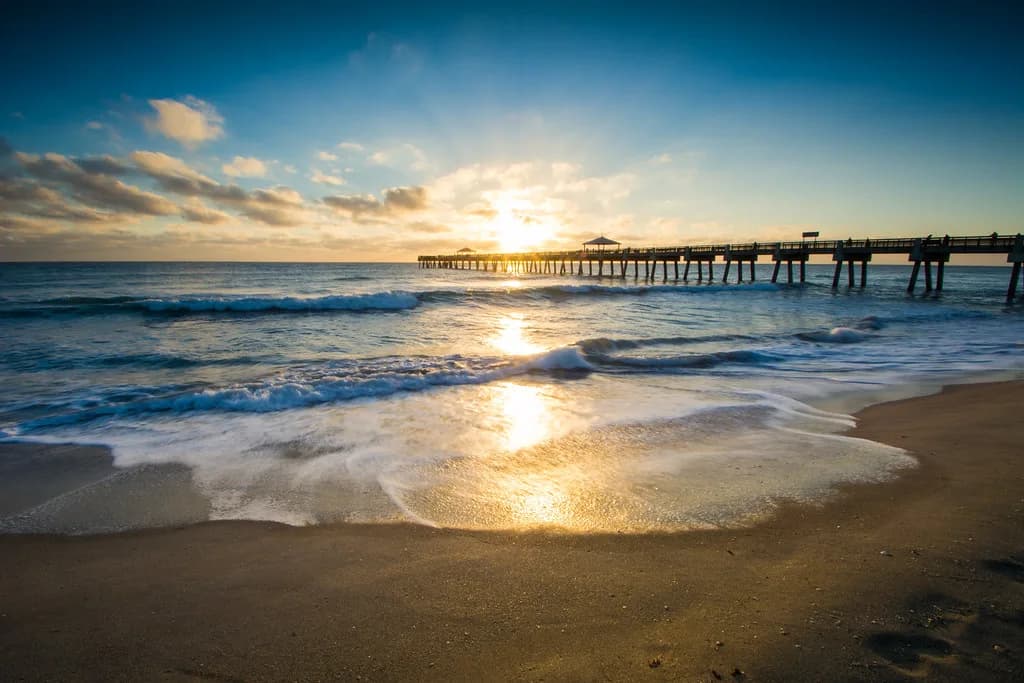
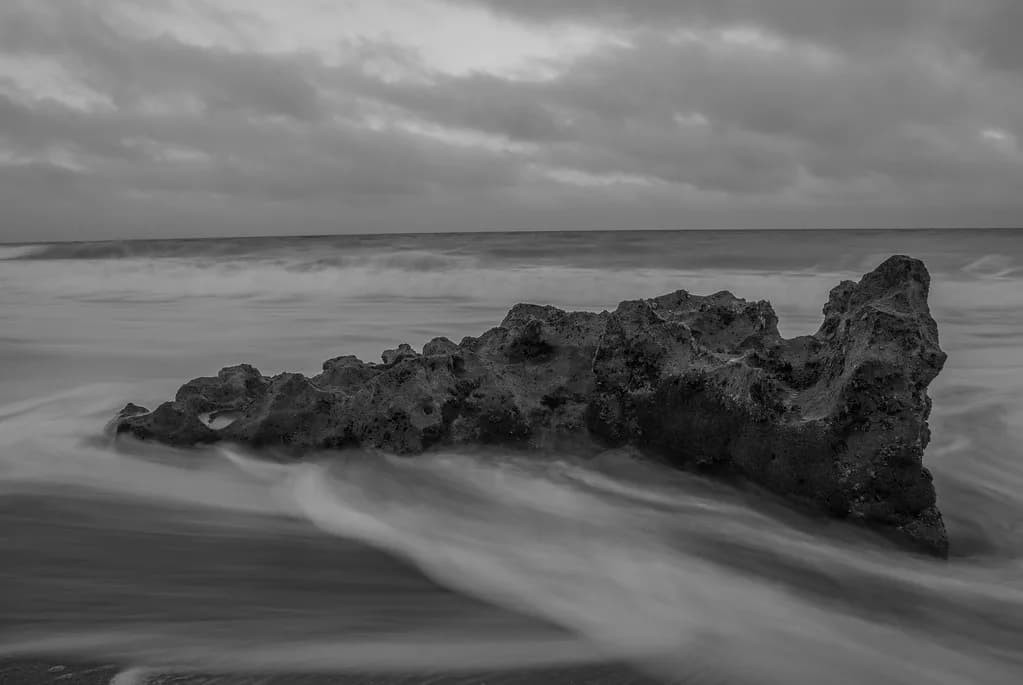
The beach sits on the Jupiter-area coastline near Tequesta and is built around a rocky shoreline rather than a flat sand bar, which is exactly what makes it interesting underwater. Expect colorful reef fish working the rock and ledges close to shore.
Where the Park Is
Coral Cove Park is a beach park on the Jupiter-area coastline near Tequesta, in northern Palm Beach County. It is a county beach park rather than a state park, so Palm Beach County manages the grounds and any posted beach rules.
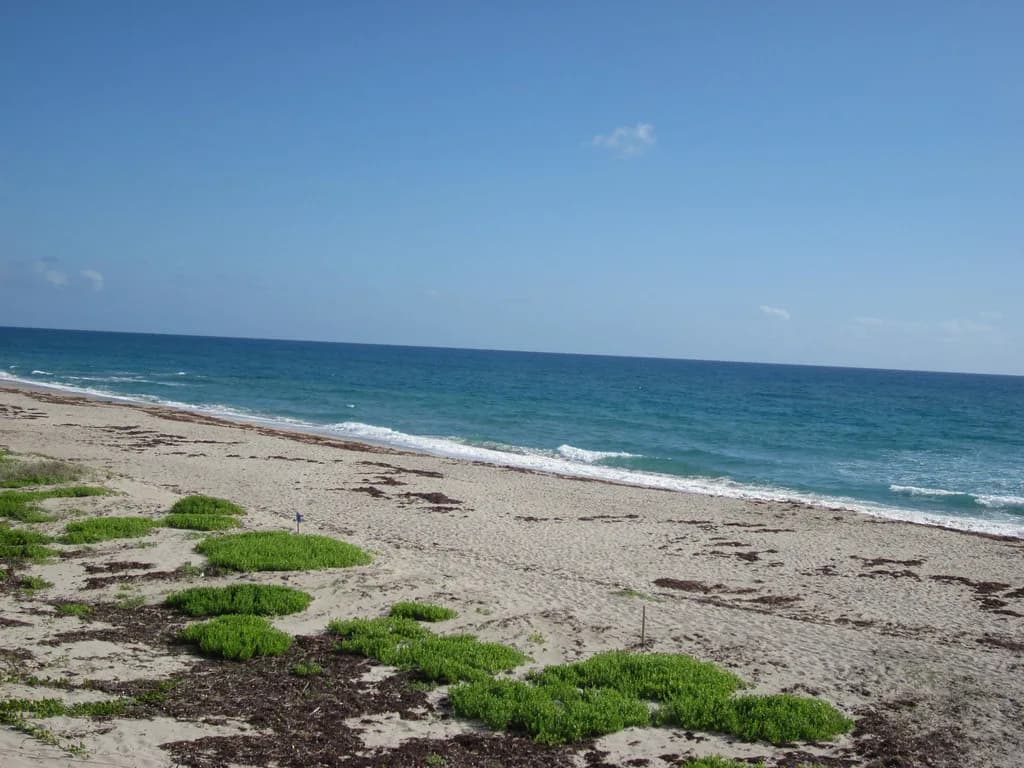
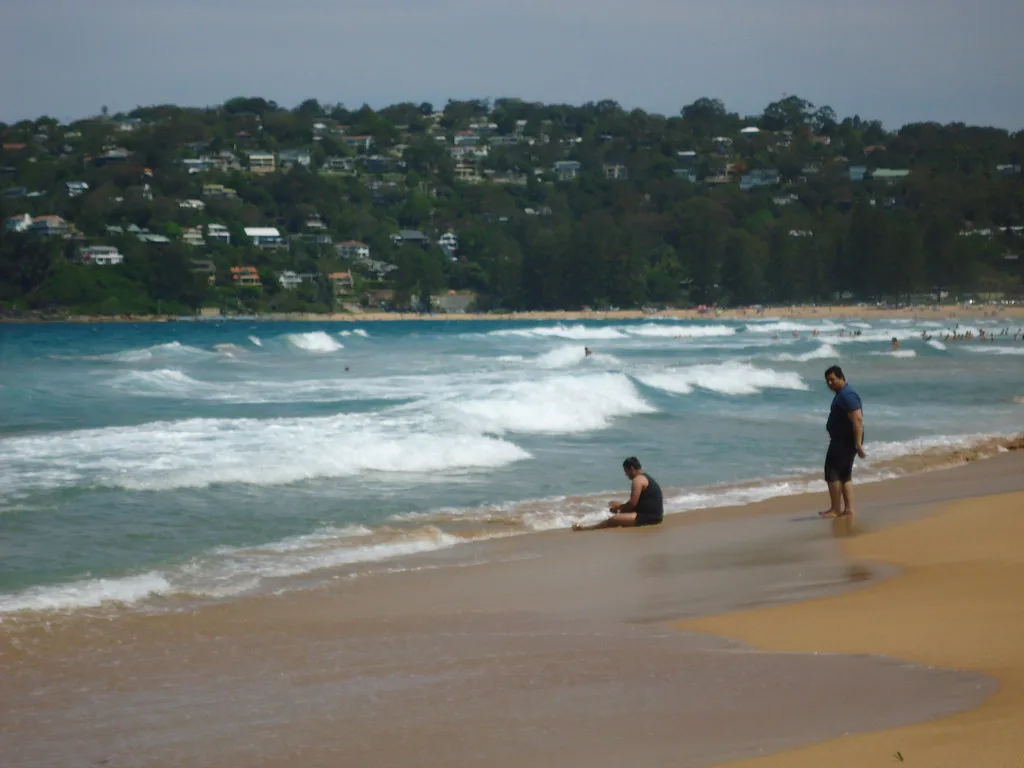
Orientation is simple: sand in the middle, rock formations along the shoreline, and shallow water immediately off the beach. Pick your entry by watching where other people walk in and where the sand is clear of rock, then note a landmark on shore before you put your face down.
Getting In
Entry is off the sand, between rock formations. You wade a short distance before the bottom begins to drop, so the first stretch is standing-depth and forgiving — good for fitting a mask and testing your seal without committing to a swim.
Wear water shoes. The rock at the waterline is the part that catches people, and the same ledges that hold fish also hide urchins and uneven footing. Walk in through sand, keep your fins in hand until you are past the rocks, then put them on in open water.
What You Will See
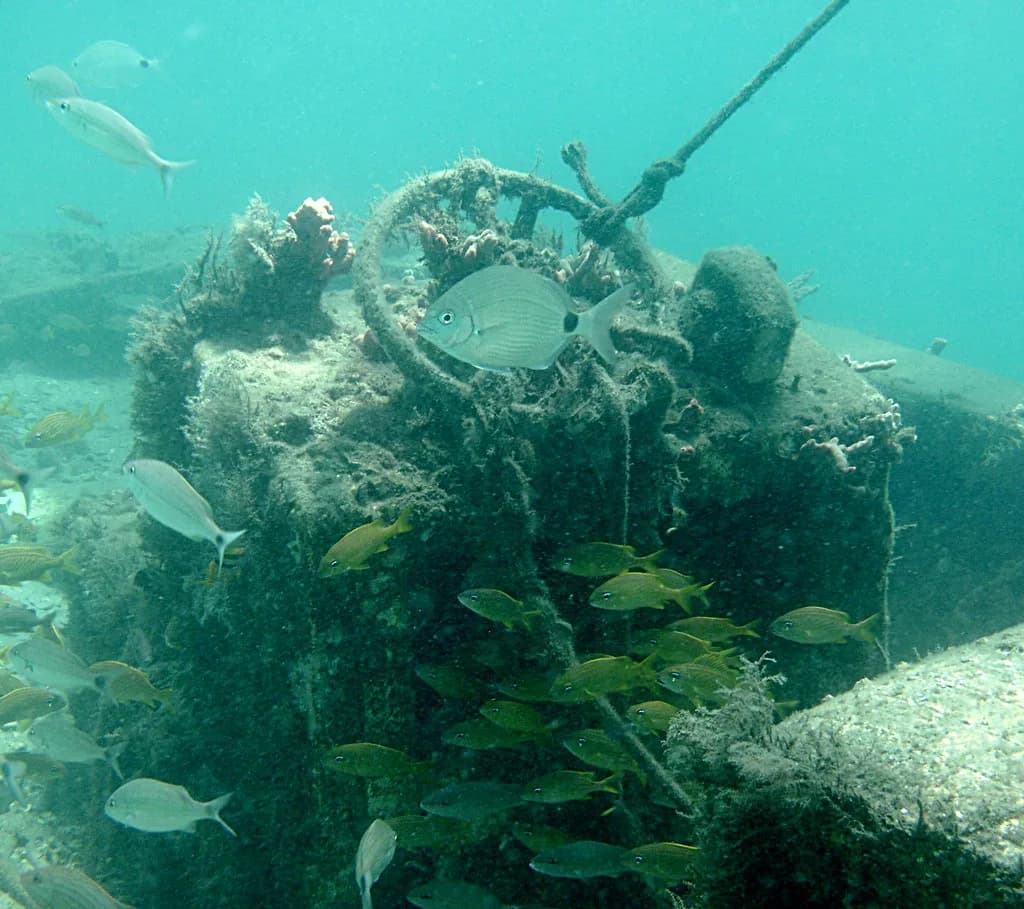
The draw here is colorful reef fish around the rocks and ledges, close enough to the beach that a beginner can watch them without a long swim. Fish life is limited compared with boat-access reefs, so treat Coral Cove as a place to practice and enjoy the rock structure rather than a bucket-list reef.
Snorkelers exploring the wider Jupiter area may encounter sea turtles, stingrays and tropical fish around rocky shorelines and reef structure, but sightings are never guaranteed and depend on the day. Keep your distance, never touch or chase an animal, and let anything that approaches you pass.
Depth and Layout
The rocky bottom and shallow shelf dictate where you snorkel: work along the outside edge of the rocks in the shallowest water that still gives you room to float, and avoid the churned sand right at the entry. A shallow shelf means surge, not depth, is what you feel most.
Stay close to your entry point. Because the interesting structure is near the beach, there is no payoff in swimming far offshore at this spot — the better plan is short passes along the rock line with frequent breaks on sand.
Skill Level and Who It Suits
Coral Cove is a strong first-snorkel beach for kids and beginners: shallow water, sand entry, and lifeguard-free freedom to stand up and reset. It suits families who want a beach day with snorkeling folded in, not swimmers hunting big reef.
Strong swimmers will find the fish life modest and the water shallow, so pair Coral Cove with a richer site if reef is the goal. Strong currents and bridge structure make the Blue Heron Bridge area a different kind of day entirely. If you want to compare the same shore-versus-boat decision further down the coast, this guide to snorkeling in Florida lays out the trade-offs.
Small children need a hand near the rocks. The sand between formations is safe standing ground, but the ledges are slippery and surge can push a light swimmer against stone, so keep kids inside the sandy gaps and close to an adult.
Best Time to Go
Aim for calm, clear water rather than a clock time: onshore wind and a building swell stir up sand and push surge against the rocks, which ruins visibility at a beach like this. Mornings usually bring lighter wind and fewer people, and a falling tide can open up more of the rock line.
Coral Cove has a reputation for being fussy about conditions, and experienced local snorkelers describe repeatedly arriving to find the water unsuitable for snorkeling. Build a backup into the day and treat a clear window as a bonus rather than a plan.
Hazards
The real hazards are at the waterline: slippery rock, surge pushing you into stone, and the uneven bottom under the shallows. Add boat traffic and the occasional stronger current on an outgoing tide, and the rule is simple — if the surf is hitting the rocks, snorkel another day.
There is no guaranteed calm, and conditions change through the day. Watch the water for a few minutes before you gear up, and check the Palm Beach County beach conditions or the nearest lifeguard tower report before driving out.
Parking and Facilities
The park provides a picnic area, restrooms and showers, which is what makes it work as a full beach day rather than a quick dip. Plan to rinse gear and change on site, and pack lunch to use the picnic tables.
Parking, entry fees and posted hours are set by Palm Beach County and can change by season, so confirm them on the county parks page for Coral Cove before you go rather than relying on an old post.
Rules on the Reef
Standard Florida snorkeling etiquette applies: never stand on, touch or collect coral and rock life, keep a respectful distance from turtles and rays, and use reef-safe sunscreen. Carry out everything you bring in, including snack wrappers that blow off a towel.
Wildlife viewing rules protect the animals you came to see. Give sea turtles and rays space, never feed fish, and let animals move away on their own terms — a crowded animal leaves, and the reef gets poorer for it.
Nearby Spots to Combine
Blowing Rocks Preserve on Jupiter Island is a short drive north and offers a rocky shoreline with tide pools and small bays, plus a chance at sea turtles, stingrays and tropical fish. The water there can run turbulent, so it suits more experienced snorkelers than Coral Cove does.
John D. MacArthur Beach State Park on Singer Island has a reef system plus a nature center, picnic spots and a playground, which makes it a family alternative when Coral Cove is surgy. For a created reef with easy wading access, Phil Foster Park in Riviera Beach is the other obvious pairing.
Peanut Island, near Riviera Beach, has an underwater lagoon and artificial reef where snorkelers may see barracuda, parrotfish and occasionally nurse sharks, with picnic sites, restrooms and showers ashore. It works best as a half-day boat trip paired with a morning at Coral Cove.
What to Bring
Bring a mask that seals without tightening the strap hard, a snorkel with a simple purge valve, and water shoes for the rock entry. Fins help in open water but stay in your hand until you are past the rocks.
Pack reef-safe sunscreen, water, a rash guard for sun and surge, and a mesh bag for wet gear. A cheap dry bag keeps keys and phone out of the sand and spray, and a towel left in the car makes the post-shower change easier.
Dogs at Coral Cove Park
For visitors to Palm Beach traveling with a dog, the facilities listed for Coral Cove Park are worth noting: the park provides a picnic area, restrooms, and showers. These amenities make it practical to plan a day excursion, since you can handle restroom stops and rinse off without leaving the grounds. The park sits on the shoreline in the same stretch of coast as Blowing Rocks Preserve, which the source describes as a nature reserve with a distinctive rocky shoreline that forms little bays and tide pools. That geography helps you picture the setting if you are mapping out a coastal day with a dog in tow.
The park is described as very shallow and offers a great chance for kids to get in the water and experience snorkeling for the first time. Because the water is shallow, a dog accompanying a family group stays close to shore rather than near deeper reef structure, and the picnic area and showers give you a place to settle in between time in the water. Fish at this location are limited, so the draw is the easy, shallow entry rather than a dense reef. That suits a mixed group where some people snorkel and others stay on land with the dog.
If you want to extend the outing, nearby spots described in the same guide include Blowing Rocks Preserve, suggested for more experienced snorkelers because the water can be a little turbulent, and John D. MacArthur Beach State Park on Singer Island, which features a nature center, picnic spots, and a playground. Both are family-oriented, but the turbulent water at Blowing Rocks makes it a less comfortable stop for a dog near the shoreline, while the playground and picnic spots at MacArthur give non-snorkeling members of the group something to do.
One practical caution applies to any dog on this coast: the source notes that at Coral Cove the shallow water and limited fish make it a learning spot, while at the 707 bridge in Jupiter the high current is a special characteristic that draws different kinds of marine life and means more experienced snorkelers should only dive there at high tide. Keep a dog away from strong-current areas and focus your visit on the calm, shallow park. The 24 hrs cancellation policy for boat tours in the area is also worth knowing if you book a water excursion around your park day.
Plan Your Snorkel Day at Coral Cove
Coral Cove Park is a beginner beach first: shallow water, sand entry between rocks, and facilities that make a family day comfortable. Come for a first mask-and-snorkel session, not for a dense reef, and pick a calm, clear morning.
If the surf is up, shift to MacArthur or Blowing Rocks for a different shoreline, or book a boat for Peanut Island and the deeper reefs. Check Palm Beach County beach conditions before you load the car, then let the water decide the plan.
Frequently Asked Questions
Is Coral Cove Park good for swimming?
Yes, the sand between the rock formations gives standing-depth water close to shore, which suits families and weaker swimmers. Watch the surge at the rock line and keep small children inside the sandy gaps.
Is Coral Cove Park good for beginner snorkelers?
It is one of the better learn-to-snorkel beaches in the Jupiter area: shallow water, an easy sand entry and rock ledges with colorful fish close to shore. Fish life is modest, so treat it as a practice spot rather than a destination reef.
When is the water clearest at Coral Cove?
Calm days with light wind and no building swell give the clearest water, and mornings usually beat afternoons. A falling tide can open more of the rock line, while onshore wind and surf stir up sand and push surge against the rocks.
Do I need water shoes at Coral Cove Park?
Bring them. The entry crosses rock at the waterline, and the same ledges that hold fish hide urchins and uneven footing, so walk in through sand and put fins on once you are past the rocks.
What facilities are at Coral Cove Park?
The park has a picnic area, restrooms and showers, so it works well as a full beach day with a rinse and change on site. Parking and entry details are set by Palm Beach County and should be confirmed on the county parks page.
What can I see snorkeling at Coral Cove Park?
Colorful reef fish around the rocks and ledges, close to the beach. Sightings of turtles and rays are possible in the wider Jupiter area but never guaranteed, and touching or chasing animals is not allowed.
Sources
Snorkeling notes for your next trip
Optional updates to our snorkeling guides.
You might also like
Continue reading
More guides you'll find useful