Delray Beach Snorkeling: Shore Entry, the Inchulva Wreck and What You'll See
Delray Beach snorkeling means open Atlantic shore entry, the SS Inchulva wreck and calmer summer drifts, with boat trips south to Pompano for the reef.
On this page
Delray Beach suits snorkelers who like an open-ocean beach day rather than a sheltered bay: you wade in from sand, read the surf before you commit, and treat the reef as a boat destination rather than a wade-out ledge. Strong swimmers and families on flat days get the most from it, and the wreck of the SS Inchulva gives the shoreline a genuine offshore target.
The city has no inlet, so the Atlantic meets the beach directly and the practical reef snorkel is a drift trip launched a little south in Pompano Beach, where operators run boats to reef and wreck sites. Plan the morning around the water and the afternoon around downtown, which fills with restaurants, shops and nightlife after the swim.
Where Delray Beach Snorkeling Happens
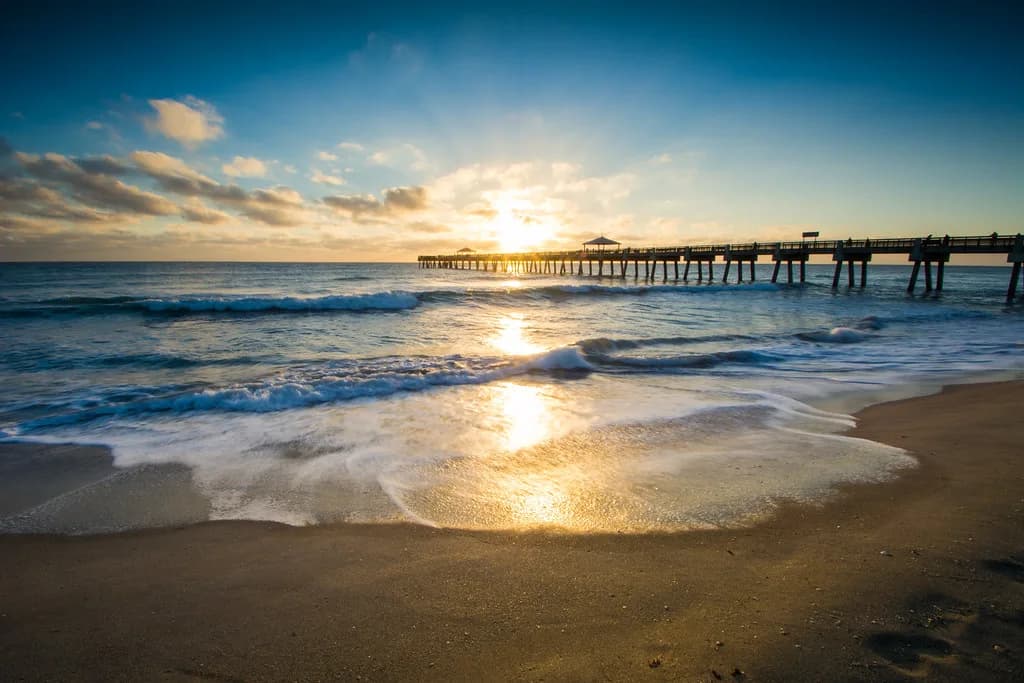
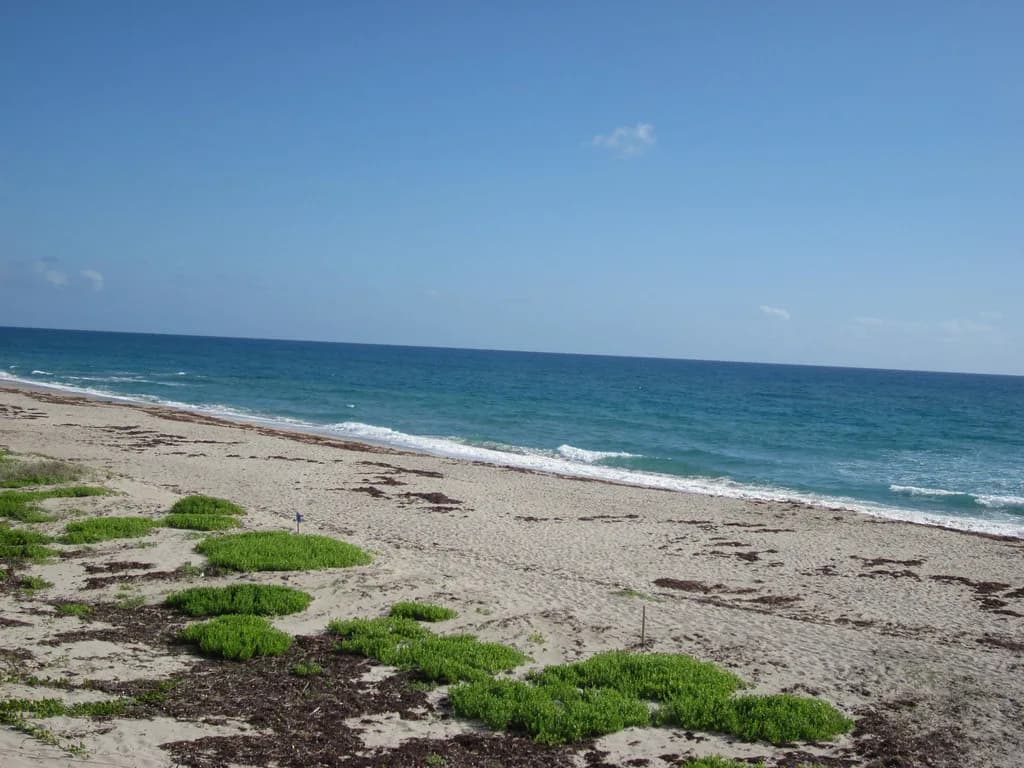
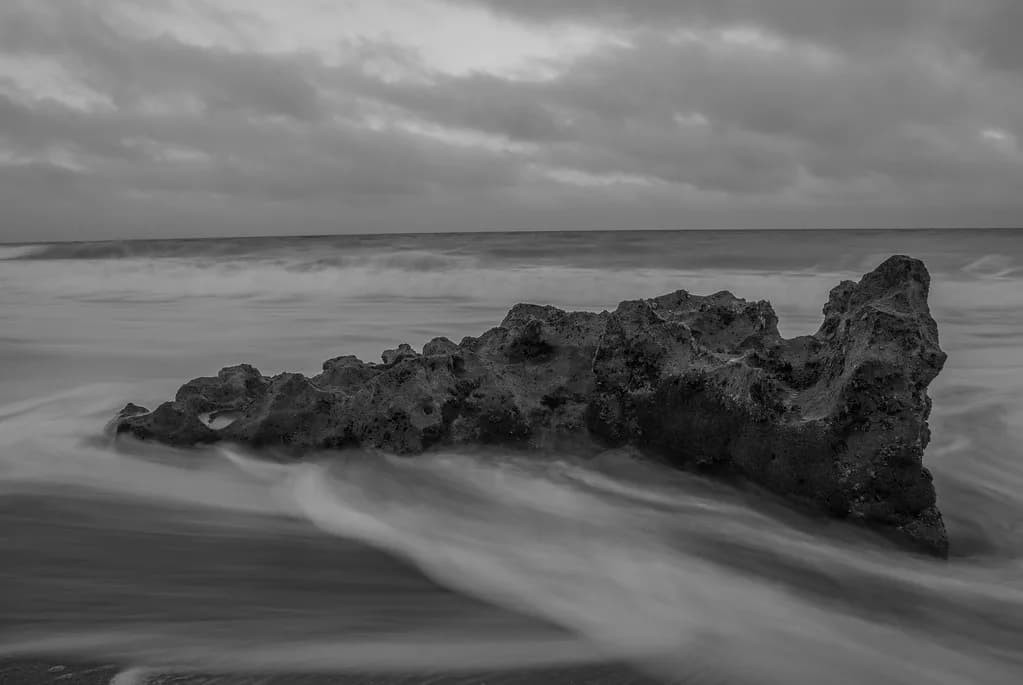
The snorkeling zone is the open Atlantic shoreline of Delray Beach itself, a straight sand beach with the Gulfstream-running ocean in front and the Intracoastal Waterway behind the town. Because there is no inlet, there is no protected channel mouth or slack-water cove to duck into when the ocean builds.
That geography shapes the day: the beach is the entry, the reef tract lies offshore along a linear South Florida reef line, and the calmest water usually arrives in summer. Most divers based in Delray drive south to Pompano Beach for a boat reef and wreck trip rather than expecting a shore reef at the sand.
Getting in From the Sand
Entry is a straightforward walk into the surf off the beach, with no ladder, stairway or rock shelf to negotiate. That makes it easy for confident swimmers to start a snorkel, but it also means the surf zone decides whether the day works: a shorebreak that pushes you back is a sign to stay on the sand.
Wade out slowly, keep your fins off until you are past the break, and watch how the sets arrive before you commit to a line. On flatter days the swim out is simple; on choppy days the same beach becomes a workout with no shelter.
Depth and Layout
The sand runs out gradually from the beach, so a snorkeler can find depth by continuing offshore, but the interesting structure is not a shallow rock ledge at the waterline. The reef tract that South Florida is known for sits out along the coast and is reached by boat rather than by wading.
That split matters when you plan the day: a quick shore snorkel gives you open water over sand, while a reef snorkel with coral and structure needs the boat trip south. Decide which one you want before you pack.
The SS Inchulva Wreck
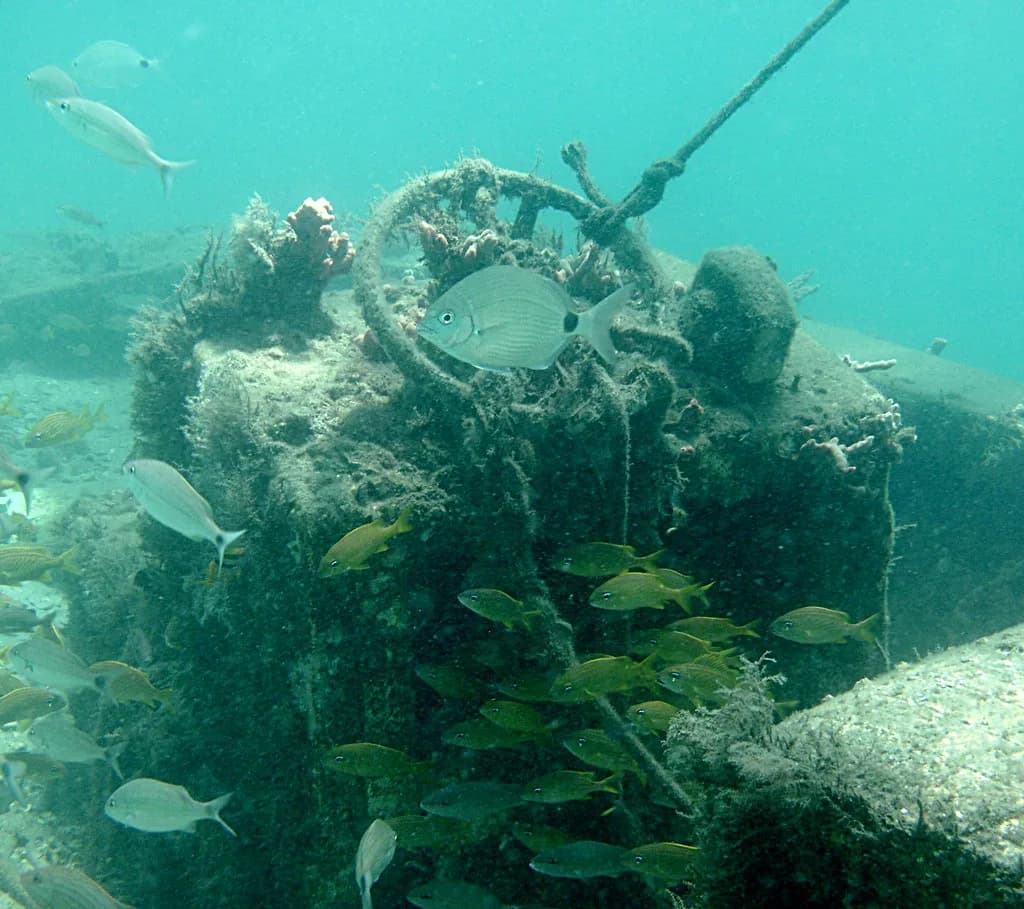
In 1903, hurricane winds wrecked the British ship SS Inchulva just off Delray Beach, and the wreck remains the area's landmark offshore sight. Snorkeling and diving the wreck off Delray is better in the calmer summer months, when the surface is more likely to allow a comfortable trip.
Because the wreck lies offshore in open Atlantic water, treat it as a boat or guided-dive objective rather than a swim from the sand, and ask the dive boat running the trip how they handle snorkelers versus divers. Summer is the window the local dive community points to, but it is a seasonal tendency, not a guarantee.
What You Will See
South Florida reef and wreck structure draws the usual warm-water cast: reef fish around coral and rock, and larger animals cruising the open blue beyond the reef line. Turtles and rays turn up in the region, but sightings depend on the day and the site, so plan for a reef experience rather than a guaranteed animal encounter.
The Gulfstream edge is what makes the region so productive. Warm current flows parallel to the shoreline, feeding the reef and creating the drift conditions local operators build their trips around.
Drift Snorkeling Explained
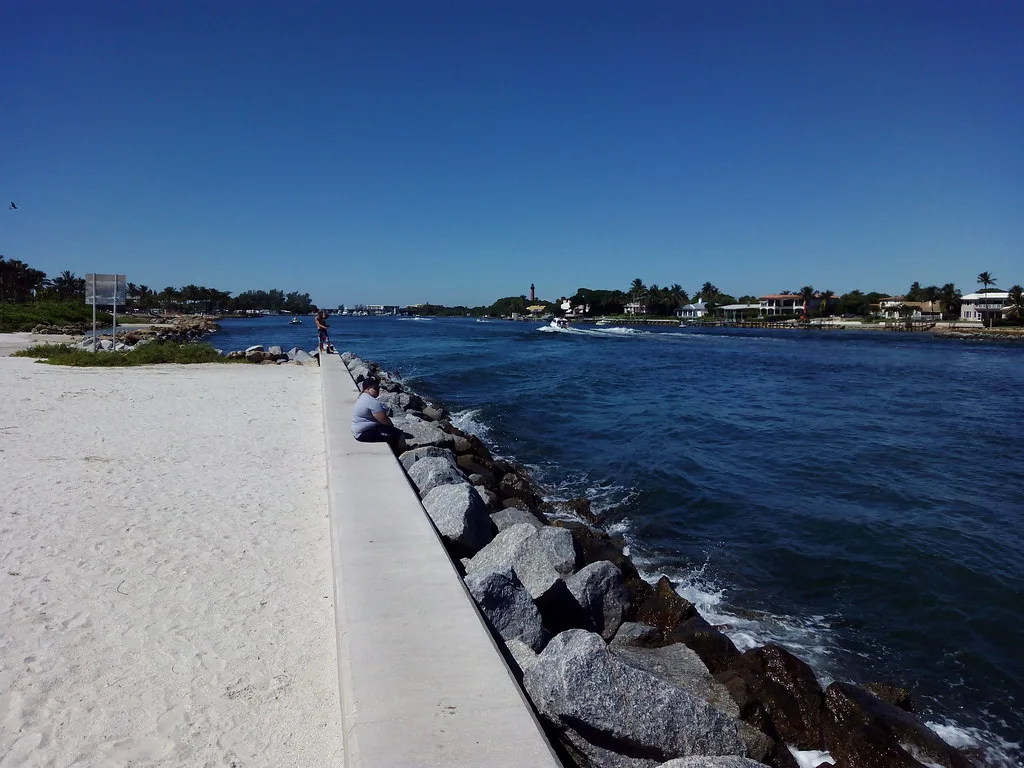
South Florida operators run drift trips rather than swim-out-and-back reef visits. You drop in with a marker flag and drift with the current along the reef until you are ready to surface, and the boat picks you up, a style local operators call valet diving for its low effort.
The trade-off is real: drifting covers more reef with less swimming and more time in the water, but you give up choosing your own exit point and you stay with the group and the flag. Snorkelers who like to explore a fixed cove at their own pace may prefer a sheltered site elsewhere in the county.
Boat Trips South to Pompano Beach
With no inlet at Delray, the standard route to reef and wreck snorkeling is a short drive south to Pompano Beach and a boat from there. Operators list reef and wreck sites out of Pompano as their core trips, alongside the Delray wreck run. The same southbound boat decision comes up in snorkeling in Fort Lauderdale, where reef and wreck trips launch from the beachfront and the Intracoastal.
Book according to what you want to see and how much surface swimming you can handle, and ask whether the trip is set up for snorkelers or primarily for divers. South Florida's marine forecast is the number to watch the night before, since ocean conditions drive whether the boat goes.
Skill Level and Who It Suits
Shore snorkeling at Delray Beach is best for strong swimmers and adults comfortable in surf; children do well on genuinely flat days with an adult alongside, but the open beach offers no protected shallow pool. Drift boat trips suit snorkelers who can handle deep water, follow a guide and stay with a group.
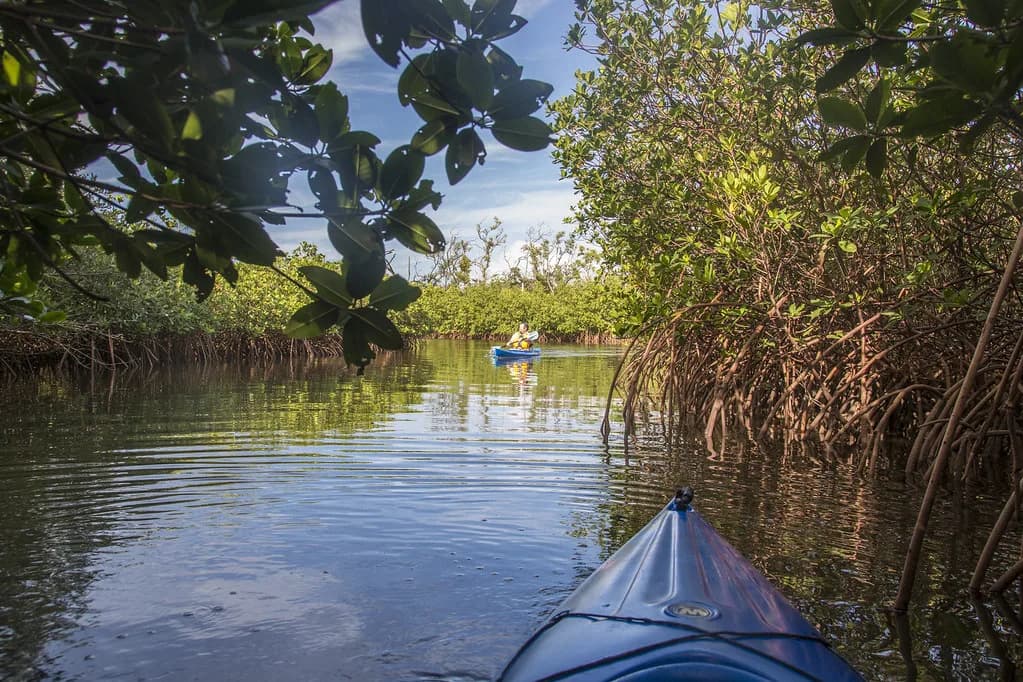
Beginners who want a gentle, sheltered first snorkel have better options in Palm Beach County, where inlets and parks create calmer water. The county's snorkel-site lineup includes Phil Foster Park at the Blue Heron Bridge, Peanut Island, Ocean Reef Park, John D. MacArthur Beach State Park and South Inlet Park, several of which are easier introductions than open Atlantic beach entry.
Best Time of Day and Season
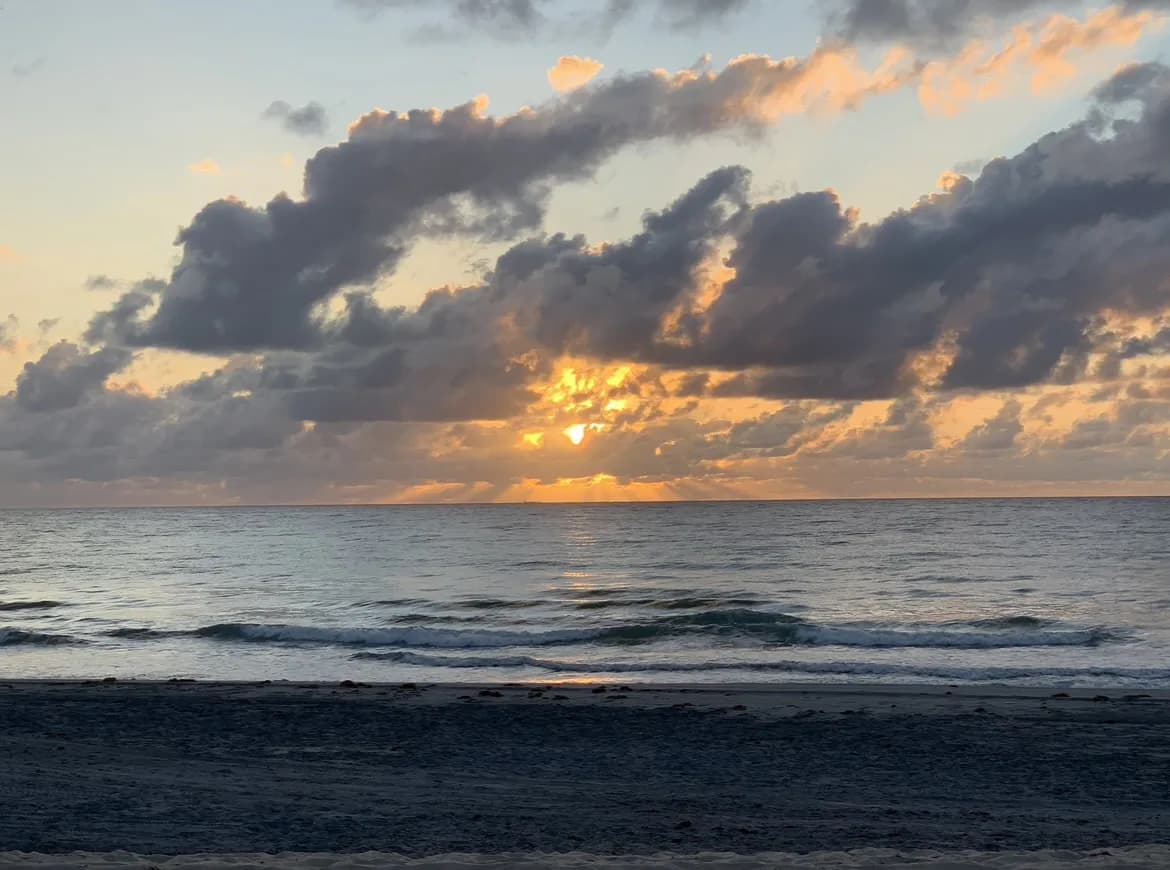
Summer is the calmer window for the Delray wreck and the open beach, which is why local dive operators point to those months for the wreck run. Mornings generally give lighter wind and less boat traffic than midday, so an early start improves your odds of flat water.
Watch the swell direction and size rather than the calendar alone: an onshore swell turns the beach entry into a shorebreak, while a settled pattern opens the water. Use the marine forecast the day before and again in the morning, and be ready to shift the swim to a sheltered county park if the ocean builds.
Hazards on an Open Coast
The main hazards here are surf, current and boat traffic, all amplified by the lack of an inlet or protected cove. The Gulfstream-driven current that makes drift trips so productive also means open water moves, so snorkel with a flag or buddy and stay where a boat can see you.
Boat traffic is a genuine concern along a coast where reef and wreck trips run; surface with a look around and keep a marker visible. None of this is a reason to skip the day, but it is a reason to pick calm conditions and treat the shorebreak with respect.
Parking, Facilities and the Downtown Day
The beach sits against downtown Delray Beach, so the swim pairs naturally with the restaurants, shops and nightlife that make the town a popular evening spot for visitors and residents. Plan the snorkel for the morning, then walk into town for lunch and leave the afternoon for the Morikami Museum & Gardens or a cruise on the Intracoastal Waterway.
For the boat portion of the day, deal directly with South Florida Diving Headquarters about meeting points, trip timing and what to bring, since those arrangements vary by trip and season. Check their own listing before you drive south rather than assuming a walk-up slot.
Nearby Spots to Combine
North of Delray, the county's marquee shore snorkel is Blue Heron Bridge at Phil Foster Park, an easy, sheltered site that makes a good contrast to open Atlantic beach entry. Peanut Island and Ocean Reef Park sit in the same northern stretch, and John D. MacArthur Beach State Park and South Inlet Park round out the county list.
South of Delray, Boca Raton's Red Reef Park offers a shore reef alternative, and Coral Cove Park near Jupiter gives a rock-and-reef entry on the county's northern edge. Pair one of them with the Delray morning for a two-site day.
If you want the full picture of what the county offers before you commit to a base, use the wider Palm Beach guide to weigh sheltered inlets against open-beach sites like Delray. It helps you match the site to your group's comfort in surf.
Rules and Wildlife Practice
Palm Beach County's snorkel sites sit within a heavily used coastal environment, and the county's own snorkel-site listings are the place to read up on each park before you go. Standard practice is to snorkel with a visible flag, stay off coral and structure, and never touch, feed or chase animals.
Reef-safe sunscreen and a no-take approach to anything alive are the baseline, especially on reef and wreck trips where structure is the attraction. Keep your distance from turtles and rays and let them move away on their own terms.
Plan Your Delray Beach Snorkel Day
Build the day around conditions: a morning shore snorkel from the sand when the surf is flat, or a boat drift south to Pompano when you want reef and wreck structure with less swimming. Summer is the calmer window for the Delray wreck, and the Gulfstream current is what makes the drift trips worth the drive.
Keep the South Florida Diving Headquarters marine forecast as your go-or-no-go signal, bring a surface flag, and leave the afternoon for downtown Delray Beach and the Intracoastal. If the ocean builds, shift to a sheltered county site like the Blue Heron Bridge and salvage the day.
Frequently Asked Questions
Can you snorkel right off Delray Beach?
Yes, you can wade in from the sand and snorkel the open beach, but it is surf-dependent and best for strong swimmers on calm days. There is no inlet or protected cove, so the shorebreak and current decide whether the swim works.
Is there a wreck you can snorkel at Delray Beach?
The SS Inchulva, wrecked by hurricane winds in 1903 just off Delray Beach, is the area's landmark offshore site. It lies offshore in open Atlantic water, so reach it by boat or guided trip rather than swimming from the sand; ask about snorkeler access when you book.
When is the water calmest for snorkeling at Delray Beach?
Summer is the calmer window local dive operators point to for the wreck and the open beach. Mornings tend to give lighter wind and less boat traffic, and the marine forecast is the number to watch the day before and again in the morning.
Do you need a boat to snorkel the reef near Delray Beach?
For reef and wreck structure, yes: with no inlet at Delray, the practical trip is a short drive south to Pompano Beach and a boat from there. Shore entry gives you open water over sand rather than a wade-out reef.
Where can beginners snorkel near Delray Beach?
Beginners are better served by sheltered county sites such as Phil Foster Park at the Blue Heron Bridge, Peanut Island or Ocean Reef Park, which are easier introductions than open Atlantic beach entry. Red Reef Park in Boca Raton is a shore reef alternative to the south.
What is drift snorkeling and how does it work?
You drop in with a marker flag and drift with the current along the reef until you are ready to surface, and the boat picks you up. It covers more reef with less swimming, but you stay with the group and give up choosing your own exit point.
Sources
Snorkeling notes for your next trip
Optional updates to our snorkeling guides.
You might also like
Continue reading
More guides you'll find useful