Red Reef Park Snorkeling: Boca Raton Reef Entry and Tips
Red Reef Park snorkeling pairs an artificial reef close to a Boca Raton beach with easy sand entry, making it a practical pick for beginners and families.
On this page
Red Reef Park earns its place on a Boca Raton snorkel day because the reef sits close to shore rather than a long swim offshore. The park pairs an artificial reef with an oceanfront beach and a stretch of coastal hammock, so snorkelers and non-snorkelers in the same group both have something to do. It suits first-timers, kids comfortable in shallow water, and anyone who wants a short walk-in swim instead of a boat ride.
Where the park sits in Boca Raton
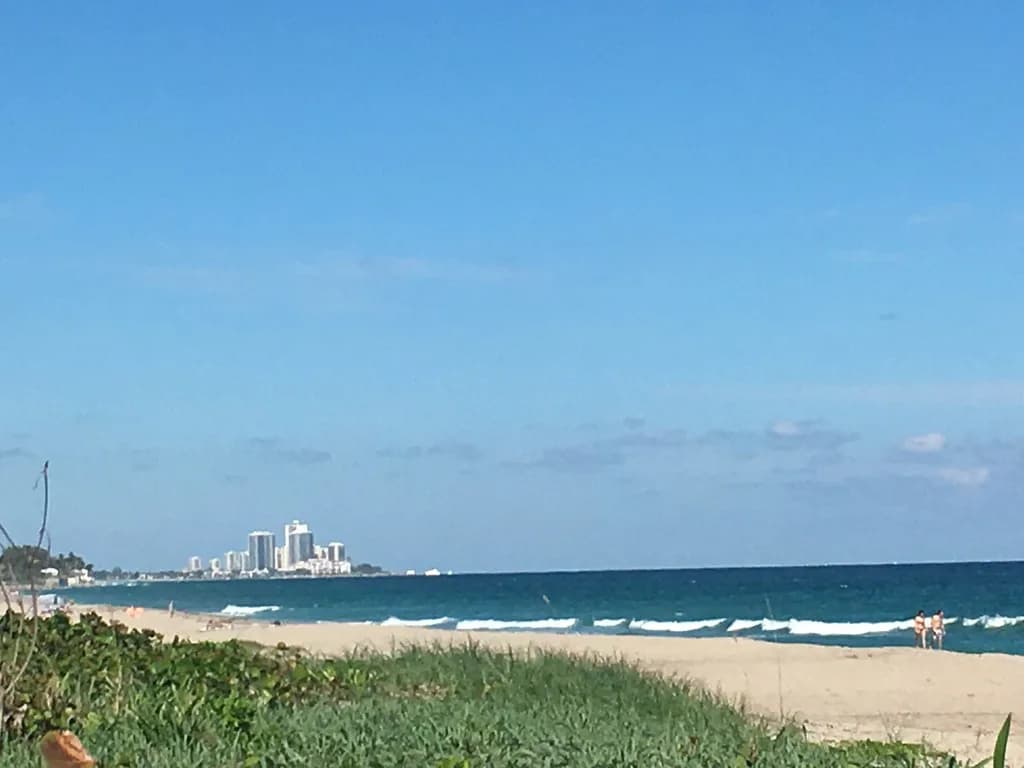
The park occupies the barrier island side of Boca Raton on North Ocean Boulevard, with the beach on the east side of the road and the coastal hammock trails behind it. The published street address is 1400 North Ocean Boulevard, Boca Raton, which puts you directly at the beach lot rather than a residential side street.
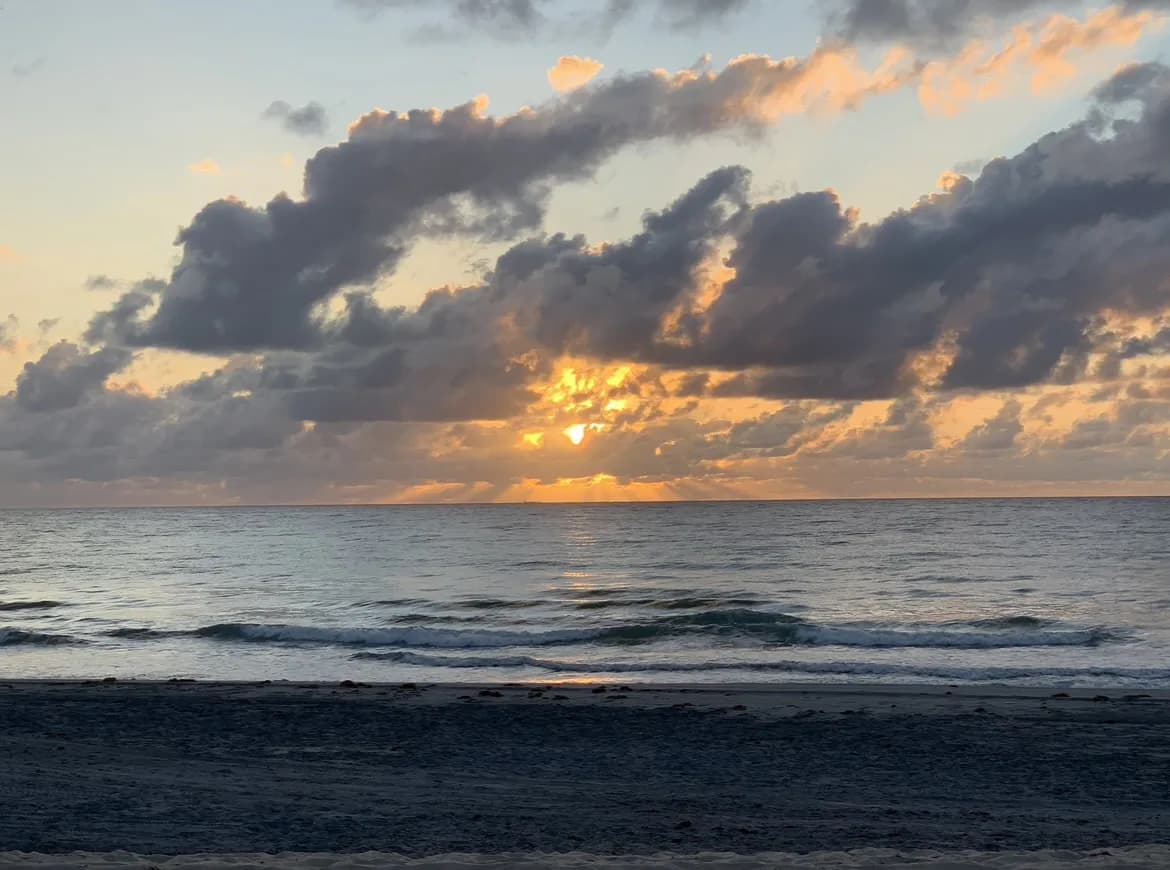
Because the park fronts open ocean, you are working an Atlantic beach rather than a sheltered inlet or bay. That matters for planning: the same weather that clears the water can also push surf onto the beach entry. Treat the hammock side as your backup plan for windy afternoons when the water turns choppy.
Getting in from the sand
Entry is from the beach, so you walk into the water over sand and swim out to the reef line. There are no rock steps or ladders to negotiate, which is the main reason this spot works for beginners and kids. Wear fins for the swim out even though it is short, and keep your mask on while wading so you can watch the bottom change as the reef structure comes into view.
The reef rests close to shore, which keeps the swim-out short compared with offshore Florida reefs that require a boat. Plan to snorkel the structure in laps parallel to the beach rather than striking straight out, so you stay near the sand entry and can stand up if you need to reset your mask or fin.
How the reef is laid out
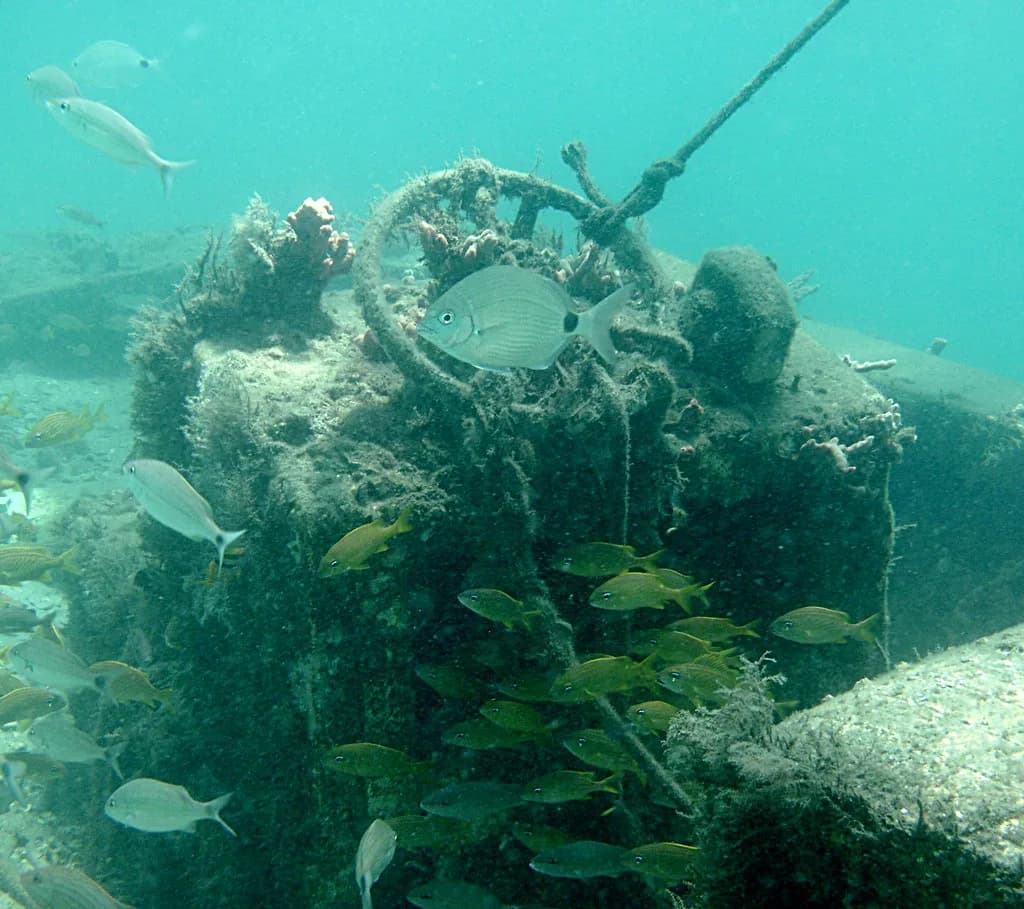
The reef is artificial, built structure placed on a sandy bottom rather than a natural coral framework. That arrangement concentrates fish around the modules and gives you a defined edge to follow instead of a diffuse, hard-to-read flat. Work the outer edge first where the structure meets open sand, then cut back over the top of the modules on your return.
Depths stay modest because the structure sits close to the beach, so you can see the reef from the surface without a long descent. That shallow working depth is what makes the park a fine opportunity for beginners and kids, and it also means surface chop affects visibility more than depth does.
What you will see
Parrotfish, angelfish, butterflyfish and sergeant majors are the working set around Boca Raton reef structure, with parrotfish scraping at the reef and sergeant majors hovering above it. Scan the sand margins as well as the modules, since eagle rays glide over open bottom and can pass a snorkeler looking only at the structure.
Sea turtles turn up around the reef and seagrass, and manatees are a possible rather than a reliable encounter. Give turtles and manatees room, keep hands off, and let the animal choose the distance. Never chase, feed or ride any of them, and stay off the reef surface when an animal is resting on it.
Skill level and who it suits
Beginners and families with kids get the most from Red Reef Park because the entry is sand and the reef is a short swim from the beach. Snorkelers who are comfortable in surf can work the outer edge and the deeper sand channels for rays and turtles, but nobody needs a boat or a long surface swim here.
If your group mixes strong swimmers with nervous first-timers, split the session: the confident swimmers take the outer lap while the beginners stay over the shallow structure near the entry. That way everyone is in the water at the same time without pushing new snorkelers past their comfort zone. For a wider look at the county's launch points, see this guide to [snorkeling in palm beach]. If you are weighing a beach entry against a boat ride, the same decision comes up when planning [snorkeling in Fort Lauderdale], where shore reefs and boat sites sit side by side.
Best time of day, season and swell
Morning is the practical window: the light is flatter on the water, the beach has not filled in, and wind typically builds later in the day. Summer brings the warmest water and the clearest published snorkeling window around Boca Raton, though weather and wind can change clarity on any given day.
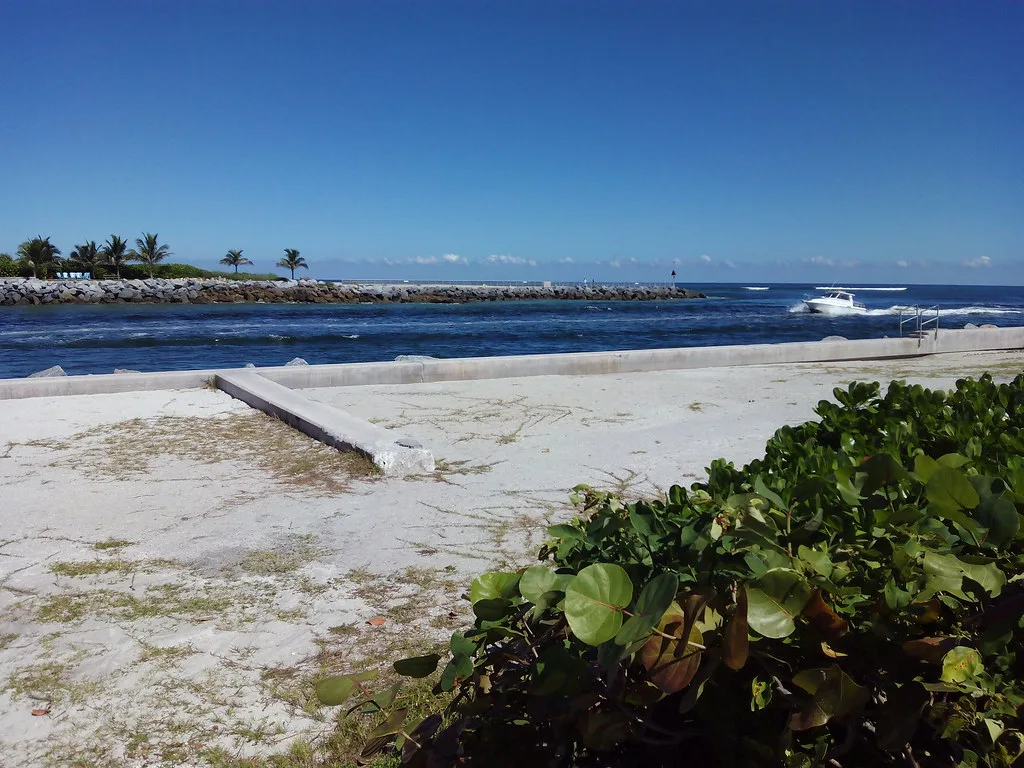
Watch the swell direction before you commit. An onshore wind and building swell push surf onto the sand entry and stir up the shallows, while a calm or offshore morning leaves the reef edge readable. If the surf is up, shift your plan to a sheltered inlet dive such as [blue heron bridge snorkeling], where the structure sits inside the protection of the inlet.
The park's published hours run 8:00 to 22:00 daily, which gives you an early start and plenty of afternoon slack if the morning wind picks up.
Hazards at the beach entry
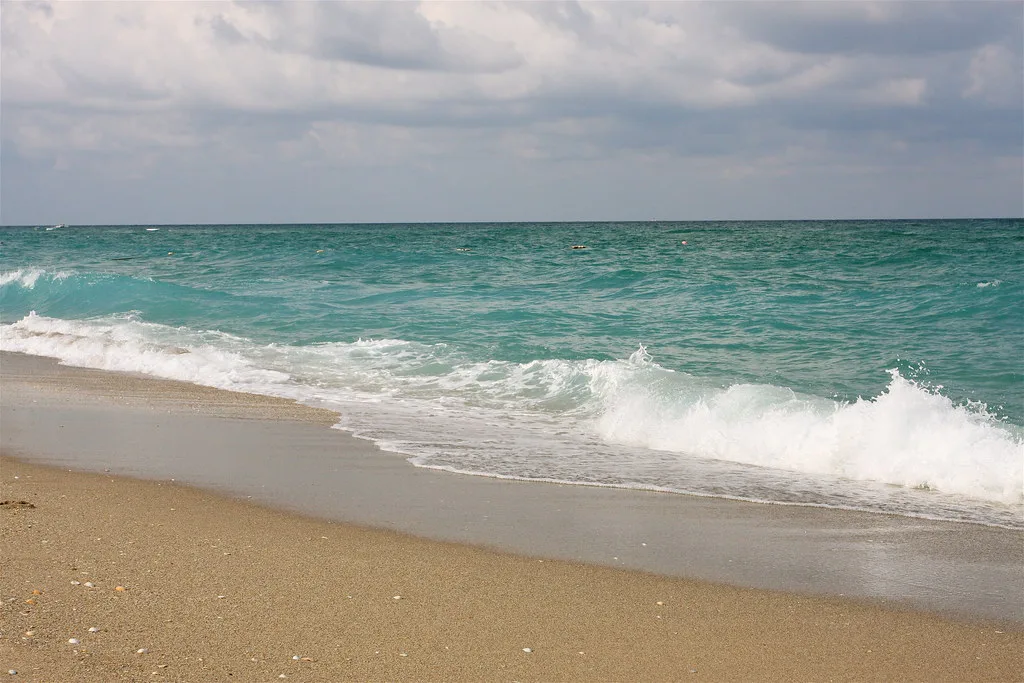
The real hazards here are surf at the sand entry, lateral currents along the beach, and boat traffic beyond the reef line. Shorebreak can knock a standing snorkeler over in the shallows, so put fins on before you reach the water and keep your mask on while wading out. Stay inside the area where other swimmers are entering and avoid drifting past the beach into open water.
Heed posted advisories at the beach access and watch for flags or signage about surf and water quality. If lifeguard coverage or a specific advisory status matters for your group, read the signs at the entrance; coverage can vary by season and time of day.
Gear to bring
Fit matters more than features for a beach-entry snorkel: a mask that seals without a tight strap, fins you can walk in over sand, and a snorkel with a simple dry or semi-dry top. Bring a snorkel vest or flotation for kids and weaker swimmers, since the swim out and back adds up over a session even when the reef is close.
Choose reef-safe sunscreen and apply it before you get to the beach so it has time to absorb. Carry water, a towel and a dry bag for keys and phones, and leave valuables out of the sand-side setup.
Rules and reef etiquette
Do not touch, stand on or feed anything on the reef, and keep your fins off the bottom when you are over the structure. Feeding fish changes behavior and pulls species away from their normal grazing, so leave the food on shore.
Give sea turtles, manatees and resting fish a generous buffer and let them move away on their own terms. A snorkeler who hovers quietly at the edge of the structure usually sees more than one who swims straight at the fish.
Parking and fees
The park sits at the address above with park hours published daily from 8:00 to 22:00, so plan your session inside that window rather than arriving at dawn. Check current entrance and parking charges with the city of Boca Raton before you drive out.
Facilities on the ocean side include the beach and the coastal hammock trails behind it, which give you shade and a walking option between snorkel sets. If restrooms, showers or rentals are part of your plan for the day, ask at the park entrance when you arrive instead of assuming a fixed setup.
Nearby spots to combine
South Inlet Park and Spanish River Park sit along the same stretch of Boca Raton coastline and make easy second stops when the wind shifts or you want a different bottom profile. The Palm Beaches snorkel listings group these alongside Red Reef Park, so you can build a half-day loop up the coast.
Inland, the Gumbo Limbo Nature Center offers a land-based look at the same marine ecosystem, with sea turtle rehabilitation and coastal exhibits that suit a windy afternoon when the ocean is off the table. Pair it with a morning reef session for a full day.
Red Reef Park with a dog: what to know before you arrive
If you are traveling with a dog, plan your Red Reef Park visit around the park's operating hours rather than around the snorkeling. Red Reef Park at 1400 North Ocean Boulevard in Boca Raton is listed as open from 08:00 to 22:00 on every day of the week, so an early-morning or late-afternoon walk fits inside the same window as a swim. The park combines white sandy shores with a coastal hammock that offers scenic walking trails, which gives a leashed companion a route away from the water and the snorkelers.
The reef itself is the reason most visitors come, and it shapes how you should split your time. Red Reef Park has an artificial reef resting close to shore, described as a fine opportunity for beginners and kids alike, and the park's own listing notes the artificial reef is there for snorkelers and divers to explore. A dog cannot join you over the reef, so build the day around two separate activities: the trail walk through the coastal hammock, then the in-water session. Snorkelers at Red Reef Park might spot sea turtles and even the occasional manatee, so keep a dog well back from the water's edge where marine life comes close inshore.
Marine life is the other reason to keep the two activities apart. Snorkelers at Red Reef Park can swim alongside colorful fish, sea turtles and occasionally a manatee, and the same reef is known for spotted eagle rays, parrotfish and schools of angelfish, butterflyfish and sergeant majors. A dog on the sand near an entry point where turtles and manatees graze is a disturbance to that wildlife and a distraction to the people in the water. Give the snorkelers room, keep the dog on the trail side of the park, and let the reef session happen without a companion waiting at the shoreline.
Plan Your Red Reef Park Snorkel Day
Red Reef Park works best as a morning stop: sand entry, a short swim to an artificial reef, then a second session at South Inlet or Spanish River if the wind stays down. Bring your own mask, fins and flotation, apply reef-safe sunscreen early, and keep your hands off the structure and the animals.
For a change of scene on another day, [peanut island snorkeling] and [coral cove park snorkeling] offer different bottoms and different current patterns within reach of Boca Raton, and [delray beach snorkeling] adds a nearby beach option for a shorter outing.
Frequently Asked Questions
Is Red Reef Park good for beginner snorkelers?
Yes. The reef is artificial and sits close to shore, and entry is from a sand beach, so the swim out is short and beginners can stand up to reset gear. Kids comfortable in shallow water do well here with an adult nearby and a flotation vest.
How far out is the reef at Red Reef Park?
The structure rests close to shore rather than offshore, so the swim from the sand entry to the reef is short compared with boat-access reefs. Stay in laps parallel to the beach so you keep the entry within easy reach.
What fish can you see snorkeling at Red Reef Park?
Parrotfish, angelfish, butterflyfish and sergeant majors are common around the structure, and spotted eagle rays may pass over open sand. Sea turtles and manatees are possible encounters rather than guaranteed sightings, so give any animal space and never chase or feed it.
Do you need a boat to snorkel Red Reef Park?
No. You walk in from the beach over sand and swim a short distance to the reef line. Boats are useful for offshore reefs elsewhere in Palm Beach County, but this park is a shore-entry site.
What time of day is best for snorkeling at Red Reef Park?
Morning usually gives flatter light and lighter wind than afternoon. The park's published hours run 8:00 to 22:00 daily, so an early start fits comfortably inside the open window.
Is Red Reef Park snorkeling safe for kids?
The sand entry and shallow reef depth suit supervised kids, but shorebreak and lateral currents still demand an adult in the water. Put fins on before wading out and keep the group over the shallow structure near the entry.
What other snorkel spots are near Red Reef Park?
South Inlet Park and Spanish River Park sit along the same Boca Raton coastline and work as second stops. Gumbo Limbo Nature Center is a land-based option nearby, and Blue Heron Bridge offers a sheltered inlet dive for windy days.
Sources
Snorkeling notes for your next trip
Optional updates to our snorkeling guides.
You might also like

Continue reading
More guides you'll find useful