Singer Island Snorkeling: Palm Beach Guide Choices
Plan a Singer Island snorkel day around Peanut Island and the Blue Heron Bridge trail, with entry points, reef layout, tour logistics, and skill levels.
On this page
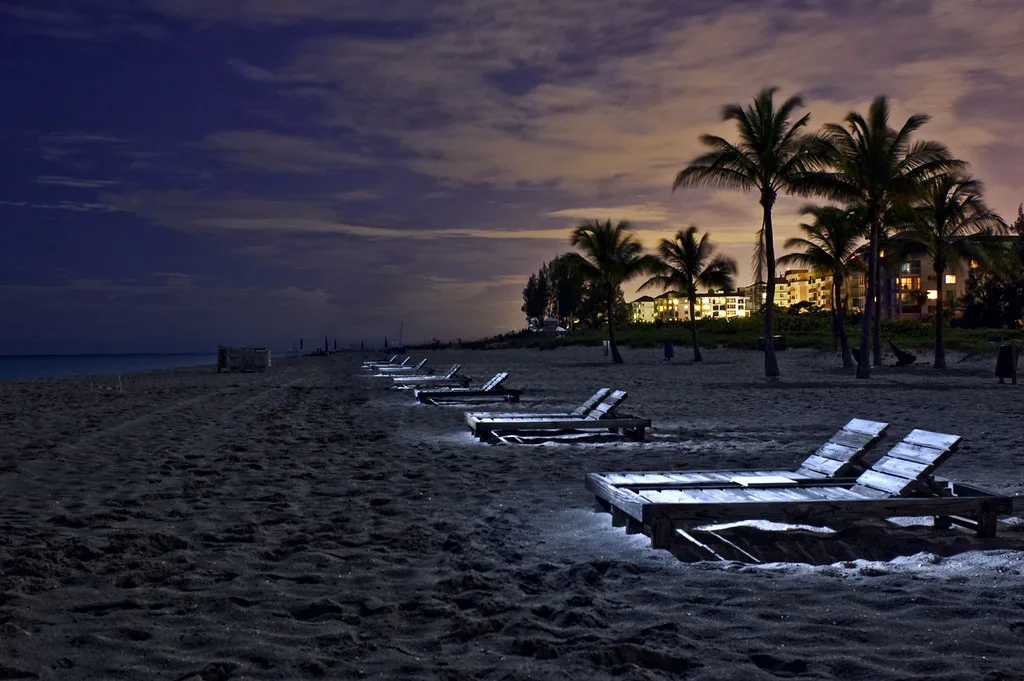
Singer Island works as a snorkel base because the Gulf Stream runs closer here than almost anywhere else on the US East Coast, and the Lake Worth Inlet funnels that clear ocean water into the lagoon twice a day. Within a few minutes of the island you get two distinct sites: Peanut Island, a 79-acre park at the mouth of the inlet with a lagoon and a man-made reef, and the Blue Heron Bridge trail at Phil Foster Park, a marked underwater course reachable from the beach.
The two are not interchangeable. Peanut Island's reef is normally a boat trip, while the bridge trail is a walk-in shore snorkel, so the choice comes down to whether you want a guided outing or a self-paced swim from the sand. Water moves with the tide at both, which shapes when you go far more than the clock does.
Why the inlet makes Singer Island a snorkel destination
Singer Island sits at Riviera Beach, with the Lake Worth Inlet cutting between it and Peanut Island. Each high tide pushes fresh ocean water through that cut into the Lake Worth Lagoon, which is why inlet dive and snorkel plans here are built around tide charts rather than fixed morning or afternoon slots. Operators run their snorkel trips only around high tides, and the timing shifts every day with the tide.
That same current feeds dense reef life: Singer Island's operator community points to reef lines offshore and hundreds of fish, sponge and invertebrate species within a mile of the coast. Treat visibility as a day-by-day product of tide, wind and swell rather than a fixed number, and plan a backup shore snorkel in case the inlet is murky.
Peanut Island: layout and how you reach the reef
Peanut Island is a 79-acre park at the mouth of the Lake Worth Inlet, created by dredging in 1918 and reshaped by a renovation completed in 2005 that added campsites, a pier and a man-made reef. The island also holds a Cold War-era blast shelter built for President Kennedy, run by the Palm Beach Maritime Museum.
For snorkelers, the appeal is the combination of a sheltered lagoon, sandy beach edges and that artificial reef structure just offshore. Shuttle boat service runs from 200 East 13th Street in Riviera Beach, and guided boat trips use the same marina area, so most snorkelers arrive by water rather than by finning across the inlet channel.
Getting in: shuttle, tour boat or open-water swim
The simplest entry for a first visit is a shuttle or charter that lands you on the island or moors over the reef. Get Wet Watersports meets guests at 200 East 13th Street, Riviera Beach, at the southern dock of the Riviera Beach Marina, following signs for the Peanut Island Ferry, and asks guests to arrive 30 minutes before departure. Their Peanut Island and Blue Heron Bridge trip is listed at $90 per person, which covers that operator's tour only.
Swimming across the inlet from Phil Foster Park is a serious open-water crossing through a working channel, not a casual extension of a beach day. If you want a walk-in entry with no boat, the bridge trail is the better match; save Peanut Island for a shuttle or guided trip, especially with kids or weaker swimmers.
What you will see at Peanut Island
The lagoon and reef edges around Peanut Island are where snorkelers may glimpse manatees and sea turtles, alongside the usual tropical reef fish that colonize structure in the inlet. The island's beaches, lagoon and snorkeling reefs sit close together, so a single visit can mix shallow sandy swimming with reef viewing.
Wildlife here is protected: keep a respectful distance, never touch, chase or feed manatees or turtles, and let them move away on their own terms. Guided boats can put you over the best structure quickly, but the sighting is never guaranteed, so judge a trip by the reef and the experience rather than a promised animal list.
The Blue Heron Bridge Snorkeling Trail
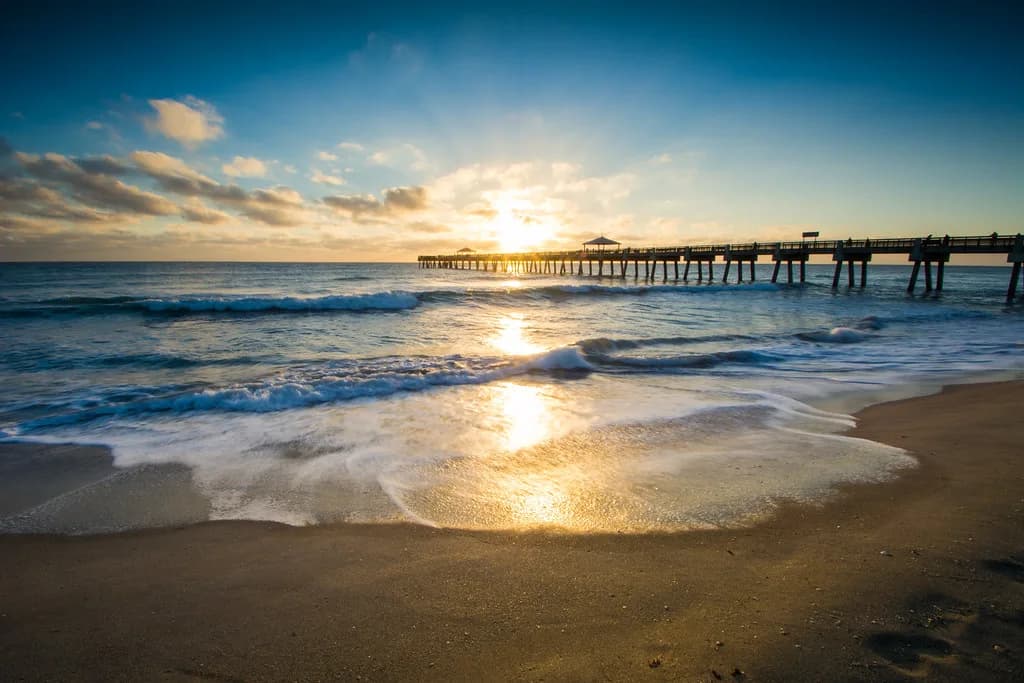
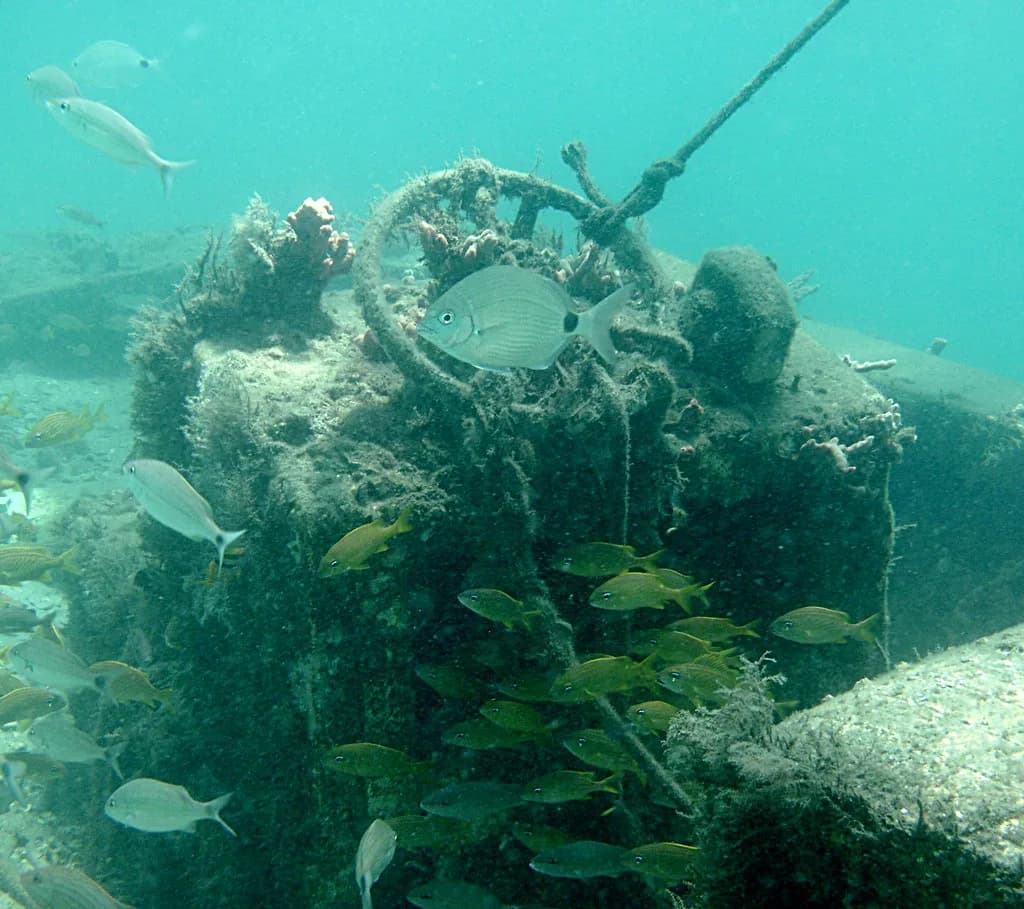
Under the Blue Heron Bridge at Phil Foster Park, a marked snorkeling trail runs over sunken objects including a small sailboat, an old airplane and statues, giving snorkelers a route to follow instead of open sand. That makes it the shore-access counterpart to Peanut Island and the easier choice for anyone who wants to snorkel without booking a boat.
Because the trail sits inside the inlet, the same tide that clears the water also drives the current, so plan around high tide and slack water rather than arriving at a fixed hour. Full detail on access, layout and conditions is in this guide to Blue Heron Bridge Snorkeling at Phil Foster Park.
Depth and reef layout: which site fits whom
The bridge trail is a shallow, marked shore course, which suits beginners, families and kids who are comfortable in waist- to chest-deep water and can follow a line. Peanut Island's reef generally means a boat ride and deeper open water over structure, a better fit for swimmers with some snorkeling experience or for groups on a guided trip.
Neither site is a pool: currents in the inlet can build quickly, so pair weaker swimmers with an adult or a guide and keep a float handy. If you want a third, calmer option for a mixed-ability group, Red Reef Park snorkeling up the coast offers a different shore setup worth comparing.
Best time to go
Time your day by the tide. High tide brings the clear ocean push into the lagoon, and tour operators schedule around it because that is when the water is cleanest; low or falling water can mean poorer visibility and stronger flow through the inlet.
Early morning usually means lighter wind, flatter water and smaller crowds at Phil Foster Park, while an afternoon high tide can be just as good if the wind stays down. Check the day's tide chart before you commit, and pick the high tide that lands in the calmest part of the day rather than forcing a fixed schedule.
Hazards to plan around
The main hazard is the inlet itself: boat traffic uses the Lake Worth Inlet channel, and the current runs hardest on a moving tide. Stay out of the marked channel, keep a dive flag or float visible if you are on the trail, and skip the water when the tide is ripping or the wind is up.
Surge and murk are the other variables. A stiff onshore wind or a recent storm can cut visibility and push surge over the reef, so build in a shore-based fallback and treat any day with heavy weather as a stay-out day rather than a challenge.
Tours and rentals
Guided trips are the low-effort route: Get Wet Watersports runs an ACA-certified crew and offers a Peanut Island and Blue Heron Bridge catamaran snorkel tour that covers both the artificial reef and the bridge trail in one outing. Arrive 30 minutes early at the Riviera Beach Marina dock and book ahead, since trips follow the tide and fill on high-tide windows.
For gear, local operators rent masks, fins and snorkels, and a shop near the bridge sells and services equipment. Confirm rental pickup and return times when you book, since they tie to the same tide schedule as the tours.
If you would rather snorkel independently at the island, the Peanut Island snorkeling guide covers shuttle logistics and where to enter the water.
Parking and facilities around Riviera Beach
Most tour departures leave from the Riviera Beach Marina area at 200 East 13th Street, where you follow signs for the Peanut Island Ferry to reach the southern dock. Plan extra time for marina parking on busy weekends and arrive the requested 30 minutes before departure so you are not rushing the dock.
Phil Foster Park, under the Blue Heron Bridge, is the shore-side base for the trail, with the park address at 900 Blue Heron Boulevard in Riviera Beach. For current parking rules, park hours and facility details, check the Palm Beach County parks page before you go rather than relying on third-party listings.
Rules that matter
Florida's wildlife rules apply in the inlet: no touching, holding, feeding or chasing manatees, sea turtles or other protected animals, and give them space to swim away. Follow the marked trail at the bridge and stay off the sunken objects themselves, since the structure is what the reef life grows on.
Use reef-safe sunscreen where local rules require it, and let guides lead on the trail rather than swimming off the marked line into the channel. Check the day's posted advisories at the park before entering the water.
For a broader picture of how the county's shore and boat sites fit together, this guide to snorkeling in the Lake Worth Lagoon area is a useful companion.
Combining Peanut Island and the bridge trail in one day
The most efficient plan is to take a tour that covers both sites, since Get Wet Watersports' catamaran trip runs to the Peanut Island reef and the Blue Heron Bridge trail in a single outing, removing the need to drive between them. If you are snorkeling independently, do the bridge trail at high tide and use the island shuttle for the rest of the day.
Keep the day flexible: one high tide is usually the best window, so schedule the boat trip around it and use the other hours for the beach or a shore swim. Trying to squeeze both sites into one falling tide rarely works out.
Nearby: Singer Island beaches and the Breakers reef
Singer Island itself has beaches, and just offshore the Breakers reef sits in deeper water, with natural reef lines running out to sea — that is dive-boat territory rather than snorkel-from-the-beach water. Blue Heron Scuba at 900 Blue Heron Boulevard is the local dive base for that offshore reef and for gear.
If you want a change of scene, Coral Cove Park snorkeling to the north offers a rocky-shore alternative to the inlet, and Red Reef Park in Boca Raton is a straightforward family shore snorkel. Either works as a second-day option when the inlet tide does not line up with your plans.
Plan Your Singer Island Snorkel Day
Pick the site by access first: if you want a walk-in swim, the Blue Heron Bridge trail at Phil Foster Park is your day; if you want a boat ride over a reef and lagoon, book a Peanut Island trip. Then match the clock to the tide — high tide is what makes the inlet clear and the snorkeling worthwhile.
Book tours early, arrive 30 minutes before departure at the Riviera Beach Marina dock, and keep a shore fallback ready if wind or surge spoils the inlet. If you are weighing this inlet against other shore and boat options across the state, the guide to snorkeling in Florida puts them side by side. For the full overview of the area, start with this guide to snorkeling in Palm Beach and build the day around one good tide.
Frequently Asked Questions
Can you snorkel from shore near Singer Island?
Yes — the Blue Heron Bridge snorkeling trail at Phil Foster Park in Riviera Beach is the shore-access option, a marked course under the bridge over sunken objects. Peanut Island's reef is normally reached by shuttle or tour boat rather than by swimming across the inlet.
How much does a Peanut Island snorkel tour cost?
Rates come from the operator, not the park. Get Wet Watersports publishes its Peanut Island and Blue Heron Bridge catamaran snorkel tour price on its own booking page, and that figure covers that trip only. Other operators set their own rates, so compare a few operators' rates.
Is the Blue Heron Bridge trail good for beginners?
It is the better choice for beginners and kids because you enter from the shore and follow a marked line in relatively shallow water. Current still moves with the tide, so go at high tide and keep weaker swimmers close.
When is the best tide for snorkeling at Blue Heron Bridge?
High tide is the target. It pushes clear ocean water into the Lake Worth Inlet, and local operators schedule their snorkel trips around high tides because the timing shifts daily.
What marine life can you see snorkeling near Singer Island?
Snorkelers may glimpse manatees and sea turtles around Peanut Island, along with tropical reef fish over the structure. Sightings are never guaranteed, and wildlife must be viewed from a distance without touching or feeding.
Do I need to book a tour to snorkel Peanut Island?
Guided boat trips are the most straightforward way to reach the reef, and a shuttle boat runs from Riviera Beach to the island. If you want a walk-in snorkel with no booking, use the bridge trail at Phil Foster Park instead.
Sources
Snorkeling notes for your next trip
Optional updates to our snorkeling guides.
You might also like
Continue reading
More guides you'll find useful