Peanut Island Snorkeling: Lagoon Entry, Tides and Gear
Peanut Island snorkeling centers on a shallow lagoon with sandy footing, clear incoming Gulf Stream water and a short shuttle ride from Riviera Beach.
On this page
Peanut Island earns its reputation with a rare combination: a protected lagoon you can wade into, reef fish visible in waist-deep water, and no need to own a boat. It sits in Lake Worth Lagoon at the mouth of Lake Worth Inlet near Riviera Beach, and the Gulf Stream sweeping past offshore pushes warm, clear water into the lagoon on the incoming tide. That makes it one of the most forgiving places in Palm Beach County to put on a mask for the first time.
This guide covers how the island is laid out, which side to enter on, how tide timing changes the water, what marine life may show up, and the rules and rentals that shape a day here. If you are building a wider trip, it slots neatly into a week of snorkeling in palm beach, but it stands alone as a half-day outing.
Why Peanut Island Suits First-Time and Family Snorkelers
The main appeal is depth. The lagoon along the island's east side holds water shallow enough for children and nervous beginners to stand up in, and colorful fish turn up close to shore rather than out past a long swim. Outfitters describe plenty of colorful fish viewable in waist-deep water, which is why the island is particularly popular with families.
Accessibility is the second draw. You reach the island by shuttle from Riviera Beach, walk a shoreline path to scout entry points, and can rent gear once you arrive. A family can carry a cooler and towels, swim in the morning, and be back on the mainland by afternoon without towing a boat or launching a kayak.
Where the Island Sits in Lake Worth Lagoon
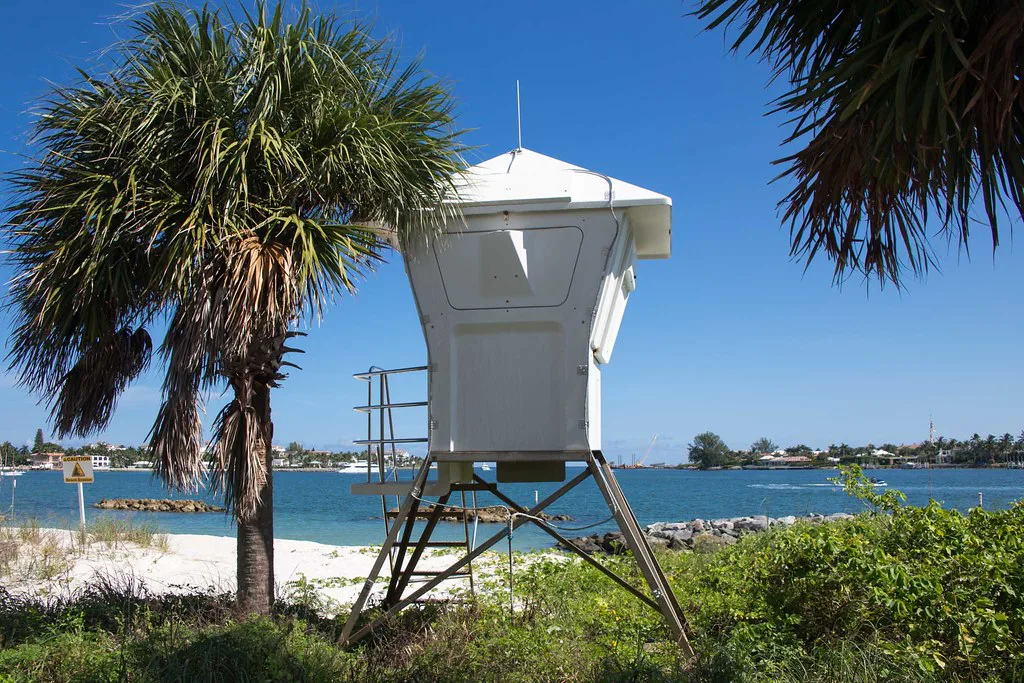
Peanut Island is a small island inside Lake Worth Lagoon, positioned right at the mouth of Lake Worth Inlet. The inlet connects the lagoon to the Atlantic, so the island sits in a moving exchange of water between the two. On the west side you look back across the lagoon toward Riviera Beach and the Palm Beach shoreline.
That position explains both the clarity and the caution. The Gulf Stream comes closest to the U.S. mainland near Lake Worth Inlet, and the incoming tide flushes the lagoon with clear, warm Caribbean water twice a day. Boat traffic around the inlet stays constant. For a broader map of how this water fits with other Palm Beach County sites, the Lake Worth Lagoon area is the right frame of reference.
Getting There: Shuttle, Parking and Arrival
Boats run on a short hop from Riviera Beach Marina at 200 E 13th Street to the island, and shuttles pick passengers up at the island dock for the return trip. The crossing is brief and stays inside the protected lagoon, so it is comfortable even on breezy days.
Plan your gear around the boat. Bring a dry bag for phones and keys, carry water and food, and pack out everything you bring. A morning departure leaves the afternoon open and puts you in the water closer to a favorable tide.
Getting In: Lagoon Edge Versus Rocky Southern Shore
The sheltered lagoon is the beginner entry. You walk in from the sand, stand in shallow water while you clear your mask, and drift over the bottom without surf pushing you around. This is where to start if anyone in your group has never snorkeled before or is uneasy in open water.
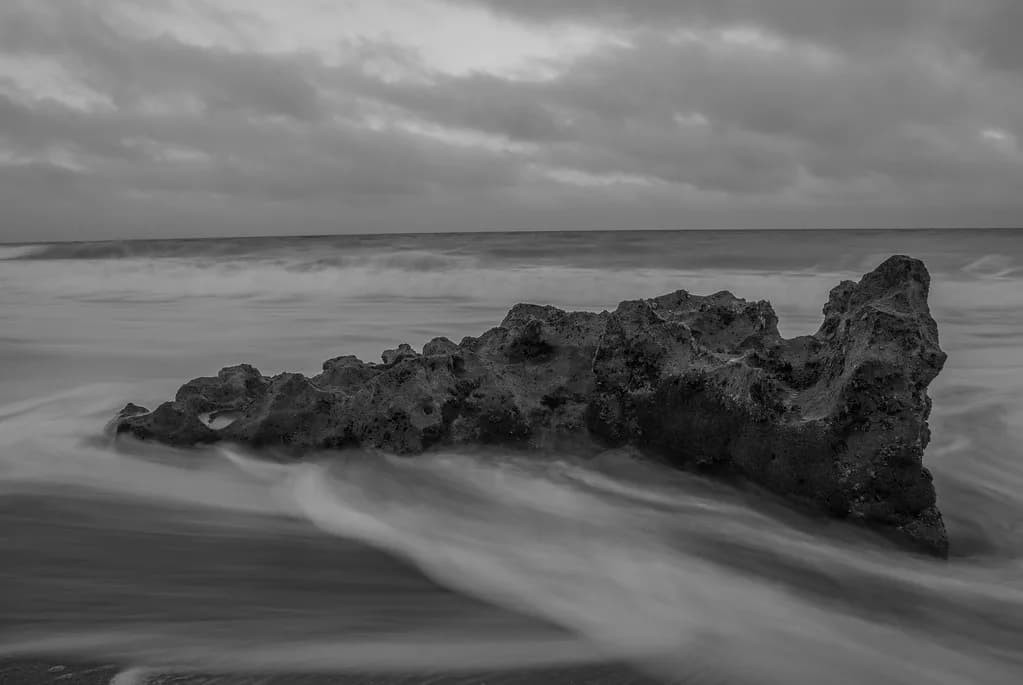
The southern edge of the island is a different proposition. The shoreline turns rocky near the inlet mouth, and this is where the best snorkeling is described along the island's southern edge, with the trade-off of exposed rock at entry and stronger water movement. Use this side once you are comfortable floating and breathing steadily, and enter carefully over the rock rather than stepping blindly.
The Lagoon Layout, Depth and Where the Life Concentrates
Think of the lagoon as a shallow bowl with a sandy rim. The inner water is waist-deep in places, deepening gradually as you move toward the inlet mouth, and the fish concentrate along the edges where rock, sand and shallow structure meet. Beginners can work the rim in a small area and see plenty without covering distance.
The practical approach is to pick one stretch of shoreline, swim parallel to shore, and return to your entry point rather than crossing the lagoon. That keeps you oriented, keeps your effort low, and puts you back on sand quickly when you want a break. Strong swimmers can extend toward the mouth for deeper water and more rock structure.
What You Will See
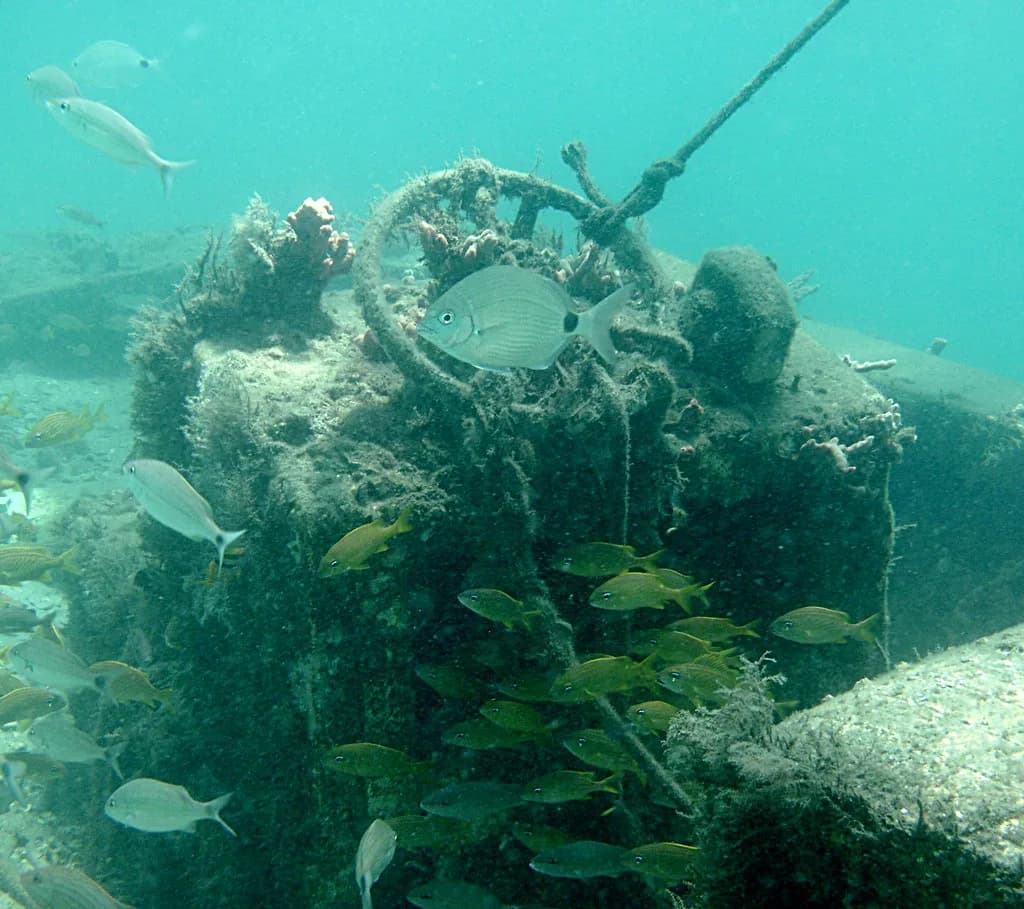
Colorful reef fish are the reliable sighting, and they show up in waist-deep water, which is what makes the island popular with families. Expect small, bright fish working the rocky edges and the sandy margins of the lagoon. Rays, manatees and small sharks have been seen around the island as well, but they are possibilities rather than promises on any given day.
Treat every encounter on the animals' terms. Give manatees and turtles space, never chase or touch them, and let a passing ray or shark move off on its own. Keep your hands and fins off the bottom so you do not damage the structure the fish depend on.
Best Time to Go: Tide Timing and the Gulf Stream Flush
The tide is your planning lever. The best snorkeling window runs roughly from about an hour before high tide to around two hours after, when the incoming tide carries clear water into the lagoon. Aim your arrival so you are in the water inside that window rather than traveling through it.
Water clarity follows the same cycle, because the flooding tide is what flushes the lagoon with Gulf Stream water. A slack or falling tide can leave the lagoon less clear, so check a tide chart when you choose a day and pick one when high tide falls in the morning. Mornings also bring lighter boat traffic and cooler air.
Skill Level and Who It Suits
Peanut Island is a beginner site at its core. The lagoon is shallow, the entry is sandy, and there is no long swim to the fish, which makes it a sensible first snorkel for adults and kids who can swim comfortably. Groups with mixed abilities can split time between the lagoon and the beach.
Experienced snorkelers will not find the lagoon challenging, and they should head for the rocky southern shoreline toward the inlet mouth where the structure is more interesting. Families with very young children should stay in the lagoon and keep an adult within arm's reach at all times.
Hazards: Inlet Current, Boat Traffic and Rocky Shore
The inlet mouth is the hazard to respect. Water moving in and out of Lake Worth Inlet can push harder than the calm lagoon suggests, so stay clear of the mouth unless you are a strong swimmer and keep an eye on where the current is carrying you. If you find yourself drifting, swim across the flow toward shore rather than against it.
Boat traffic is constant near the inlet and around the island, so keep your head up, stay close to shore, and never assume a captain has seen a snorkeler. The rocky southern shoreline adds a slip and scrape risk at entry, so wear foot protection and enter where the rock is stable. The shuttle operator does not run trips in severe weather or small craft advisories, so plan the island for another day when those are forecast.
Rules on the Island
Alcohol is not permitted on Peanut Island, and coolers and cargo are subject to search under the island ordinance. Leave the drinks at home, pack soft drinks and water instead, and expect a bag check.
On the water, follow standard wildlife-viewing practice: keep a respectful distance from manatees, turtles and any shark you encounter, do not feed fish, and do not stand on or handle coral and rock structure. Reef-safe sunscreen is the sensible default across Florida's snorkeling sites.
Gear: Renting on the Island Versus Bringing Your Own
Snorkel sets can be rented on the island from 10 a.m. to 5 p.m., and each set includes a traditional mask and snorkel; you need a valid ID, which is held at the desk until the gear comes back. Renting costs about twenty dollars per set, and lost or damaged gear carries a fee. If something is wrong with the rental when you reach the island, call the operator's posted number to arrange an exchange or refund.
Renting saves luggage space and suits a one-off family day. Bring your own mask if you have one you know fits, since a good seal matters more than any other piece of equipment, and add a rash guard for sun and rock protection. Fins are worth bringing if you plan to work the rocky southern edge.
Tours and Rentals
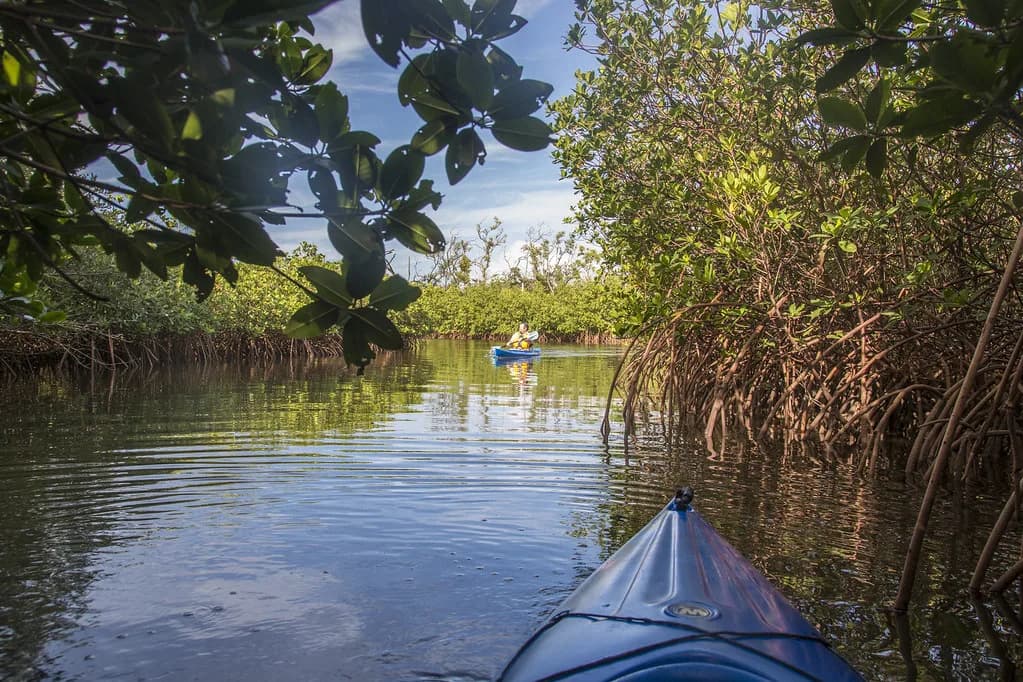
Guided options bundle instruction with the crossing. Paddle board snorkel tours to Peanut Island start with basic paddling instruction, cross the calm water of Lake Worth Lagoon, and spend time snorkeling the lagoon on the east side of the island. The tour is listed at seventy-five dollars per person, and kayak snorkel tours and boat-based charters are also offered by the same operator.
A tour makes sense if you want a guide to read the tide and point out fish, or if you are traveling without a car full of gear. Independent snorkelers who already own masks and fins can take the shuttle, rent on the island, and keep costs lower.
Facilities, Camping and What to Pack
This is a bring-your-own day. Pack water, lunch, sunscreen, towels and a dry bag, and expect to carry it from the dock. Camping is available on the island, which turns a snorkel day into an overnight, but you need to book and pack accordingly rather than arriving hopeful.
Bring foot protection for the rocky southern shoreline, a rash guard for long sessions in the water, and a waterproof watch or phone case to track your tide window. A small first-aid kit for scrapes is a reasonable addition if you plan to enter over rock.
Nearby Water Time to Combine
If you want a second snorkel day in the same trip, head south to blue heron bridge snorkeling for a shore dive with a completely different character. The two work well as a pair, with Peanut Island as the easy warm-up and the bridge as the more structured, feature-rich site. For another comparison of shore versus boat access on the same coast, consider snorkeling in Fort Lauderdale before you commit your second day.
Families may also prefer red reef park snorkeling, where a guarded beach setting and easy parking make a relaxed second day. Plan each day around its tide window rather than trying to fit both into the same morning.
Plan Your Peanut Island Snorkel Day
Build the day around high tide: book a morning shuttle, rent a mask and snorkel on the island, and spend your water time in the sheltered lagoon before deciding whether the rocky southern edge suits you. Pack water, lunch and foot protection, and leave alcohol at home.
Check the tide chart and the marine forecast the evening before you go, and call the shuttle operator if weather looks marginal. With the timing right, Peanut Island delivers an easy, fish-filled first snorkel within a short boat ride of Riviera Beach.
Frequently Asked Questions
Is it safe to snorkel at Peanut Island?
The sheltered lagoon is shallow with sandy entry, which makes it a low-risk place to learn. The inlet mouth is the part to respect, because water moving in and out of Lake Worth Inlet can push harder than the lagoon suggests, and boat traffic is constant around the island. Stay close to shore, keep your head up, and stay out of the mouth unless you are a strong swimmer.
When is the best tide for snorkeling at Peanut Island?
Aim for roughly an hour before high tide through about two hours after it. The incoming tide is what flushes the lagoon with clear Gulf Stream water, so clarity tends to be best inside that window. Check a tide chart before booking your shuttle.
Does Peanut Island have clear water?
Clarity follows the tide. The Gulf Stream runs close to the mainland near Lake Worth Inlet, and the flooding tide pushes that warm, clear water into the lagoon twice a day. Outside that flush, the lagoon can be less clear, so tide timing matters more than any other factor.
Can you rent snorkel gear on Peanut Island?
Yes. Traditional mask and snorkel sets are rented on the island from 10 a.m. to 5 p.m. A valid ID is required and held at the desk until the gear is returned. Lost or damaged gear carries a fee. Check current details before you go.
What will I see snorkeling at Peanut Island?
Colorful reef fish are the reliable sighting, visible even in waist-deep water along the rocky edges. Rays, manatees and small sharks have been seen around the island, but sightings are never guaranteed. Keep a respectful distance from all wildlife and never touch or feed animals.
Do you need a boat to get to Peanut Island?
Yes, it is an island inside Lake Worth Lagoon. A shuttle runs from Riviera Beach Marina and picks passengers up at the island dock for the return, or you can join a guided paddle board or kayak tour that crosses the lagoon.
Can you drink alcohol on Peanut Island?
No. Alcohol is not permitted on the island, and coolers and cargo are subject to search under the ordinance. Pack water and soft drinks instead and expect a bag check.
What should I bring for a Peanut Island snorkel day?
Bring water, lunch, sunscreen, towels and a dry bag, plus foot protection for the rocky southern shoreline. A rash guard helps for long sessions, and a waterproof case for your phone lets you track your tide window. Pack out everything you carry in.
Sources
Snorkeling notes for your next trip
Optional updates to our snorkeling guides.
You might also like
Continue reading
More guides you'll find useful