Park East Snorkel Reef: Pensacola Beach Reef Guide
Snorkel the Park East reef off Pensacola Beach: find Parking Lot H, line up on the range markers, and plan depth, entry and hazards before you swim out.
On this page
The Park East reef gives you a Gulf-side snorkel that starts with a genuine swim rather than a wade, which is exactly why it appeals to confident snorkelers who want structure and fish without a boat ride. It sits off Pensacola Beach and is one of three marked snorkel reefs the area maintains, so you can pair it with calmer sound-side water if the Gulf turns rough.
What the Park East Reef Is and Who It Suits
Park East is an artificial reef built from roughly a dozen cylinders set on the Gulf side of Santa Rosa Island, sitting at about 10 feet of depth according to Visit Pensacola. That makes it a snorkel for people comfortable swimming a distance in open water and duck-diving a few feet down to see structure, not a shallow lagoon paddle.
Beginners can enjoy it on a calm day, but the reef rewards snorkelers who can read the surface, keep a buddy in sight, and manage their own energy on the swim back. Families with young children are usually better served by the sound-side Park West site, where the water is sheltered from Gulf swell.
Where It Sits and How to Find Parking Lot H
The Park East reef lies off Parking Lot H, which sits on the Gulf side of Pensacola Beach east of the main Casino Beach area. Dive Pros places the lot 5.2 miles east of Casino Beach or 1.5 miles east of the Portofino Condominiums, so odometer-based directions are the easiest way to find it.
If you are planning a full day across the island, the wider guide to snorkeling in pensacola maps how the sound-side and Gulf-side sites relate to each other, which helps you avoid driving back and forth. For a broader view of shore versus boat access across the state, the guide to snorkeling in Florida sets the same decision in a wider context.
Lining Up on the Range Markers
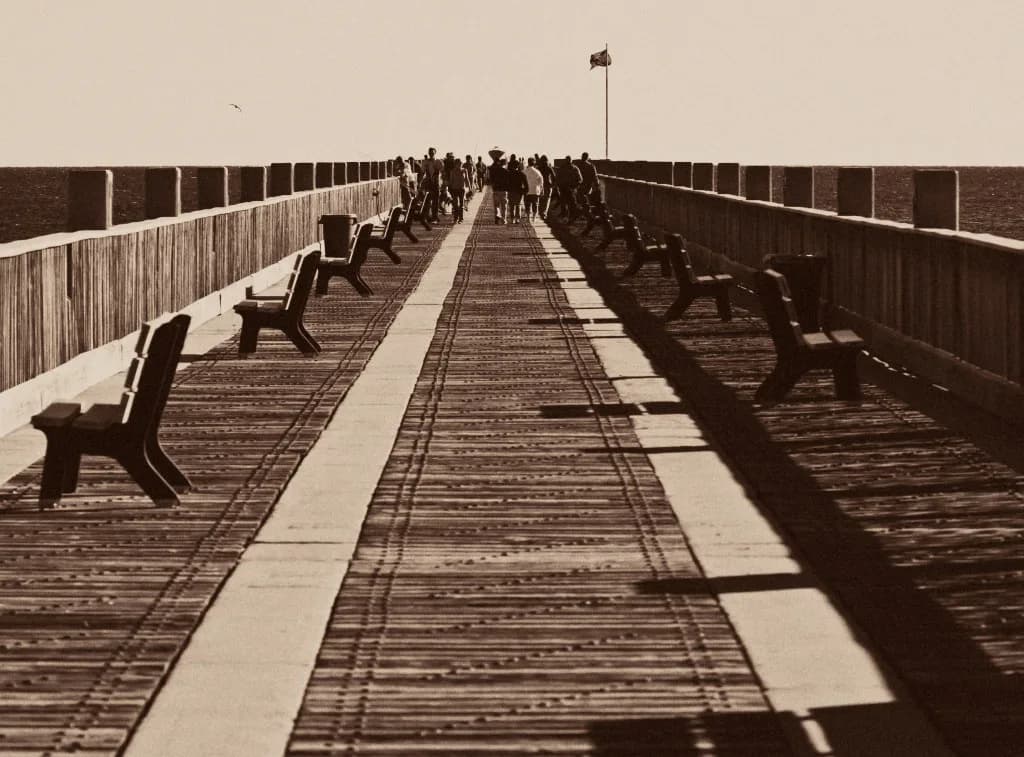
Two range markers stand at the end of the walkway, and they are the practical aiming tool for the swim: line them up from the beach and keep that alignment as you head out. The same marker system is used at other Panhandle reef sites, including Perdido Key, where the pair at the end of the walkway guides snorkelers to the modules.
Walk to the markers before you put your mask on and pick a landmark on the horizon behind them, so a choppy surface or glare does not leave you drifting past the cylinders. On busy beach days, other snorkelers heading out give you a visual cue as well.
Getting In: Sand Entry and the Swim Out
Entry is from the sand, so you walk into the Gulf and start swimming once the water is deep enough to fin. The reef is an offshore swim rather than a shore-fringe snorkel, which puts a premium on a steady pace, a buddy, and a rest float if you need one.
Plan the swim out against the return: snorkel into any current first and let it carry you back, and pick a clear stretch of beach to aim for so you are not landing in a crowd. Keep fins on for the whole transit and put your face in the water early to spot structure below.
Depth and Layout of the Reef Structure
The cylinders rest at around 10 feet, shallow enough to see from the surface on a clear day and deep enough that a mask-and-snorkel set alone will not get you to the base. Snorkelers who can clear their ears and duck-dive comfortably will get the most out of the structure, while surface swimmers can still circle above it.
Treat any single number as an anchor point, not a survey: depth varies with tide and sand movement, and visibility changes with swell and runoff. Expect to spend your time around the modules rather than on a long linear reef, so work a slow circuit instead of covering distance.
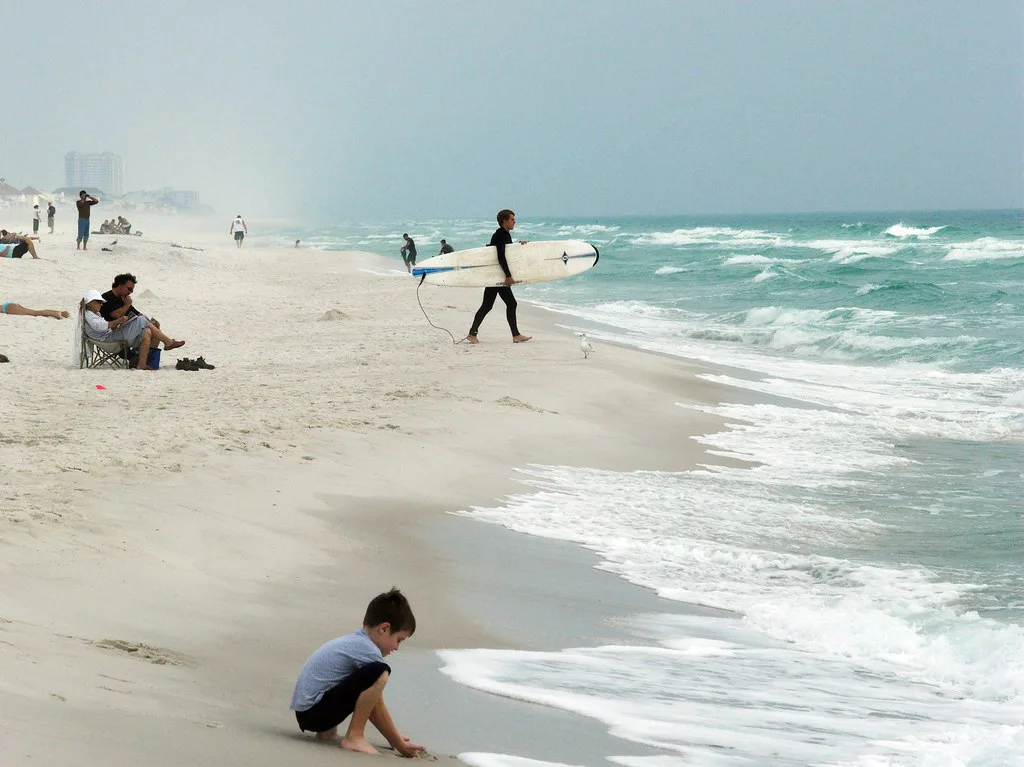
What You Will See Around the Cylinders
Artificial structure such as these cylinders attracts the fish that cluster around hard surfaces in the northern Gulf, so look for schooling species hovering above the modules and smaller fish tucked against the sides. The emerald-green water the area is known for gives good contrast on bright days.
Sightings are never guaranteed, and the Gulf's residents move with season and temperature. Keep a respectful distance from anything you find and never touch, feed, or chase wildlife; if turtles or rays pass through, hold still and let them set the distance.
Skill Level for Beginners, Kids and Strong Swimmers
Strong swimmers and comfortable beginners get the most from Park East, provided they can swim an offshore distance and stay calm in swell. Children who are not yet strong open-water swimmers are better off at a sheltered sound-side site or on a guided tour booked through Frisky Boat Tours or Jolly Sailing and Dolphin Cruise, where navigation and gear are handled for you. Check current conditions and tour dates before heading out.
If you are building a group with mixed abilities, split the day: take the confident swimmers to Park East and put the rest in calmer water nearby. That way nobody is pushed into a swim that is longer than they expected.
Best Time of Day and How Surf Affects the Swim
Mornings usually bring lighter wind and a flatter Gulf surface, which makes the swim out and the lineup on the markers easier. Afternoon sea breezes build chop that can hide the cylinders from the surface, so an early start is a real advantage here.
Gulf swell drives the conditions at Park East far more than anything on the sound side, so watch the surf forecast for the days around your visit and keep a sheltered backup. Pensacola Beach Lifeguards publishes current flag colors and surf conditions online, which is the quickest way to read the day.
Hazards: Currents, Boat Traffic and the Diver Flag
Rip currents, boat traffic and dangerous marine life are all listed as hazards for Pensacola's snorkel reefs, and there are no lifeguards stationed at the reefs themselves. Swim with a buddy, check the flag conditions before you enter, and stay alert to your surroundings.
A diver-down flag is required even for snorkelers in Florida, so tow one on a float anytime you are in the water. The flag marks your position for boats and other craft; keep it upright and close to your group rather than letting it drift.
Parking, Access and Facilities at Park East
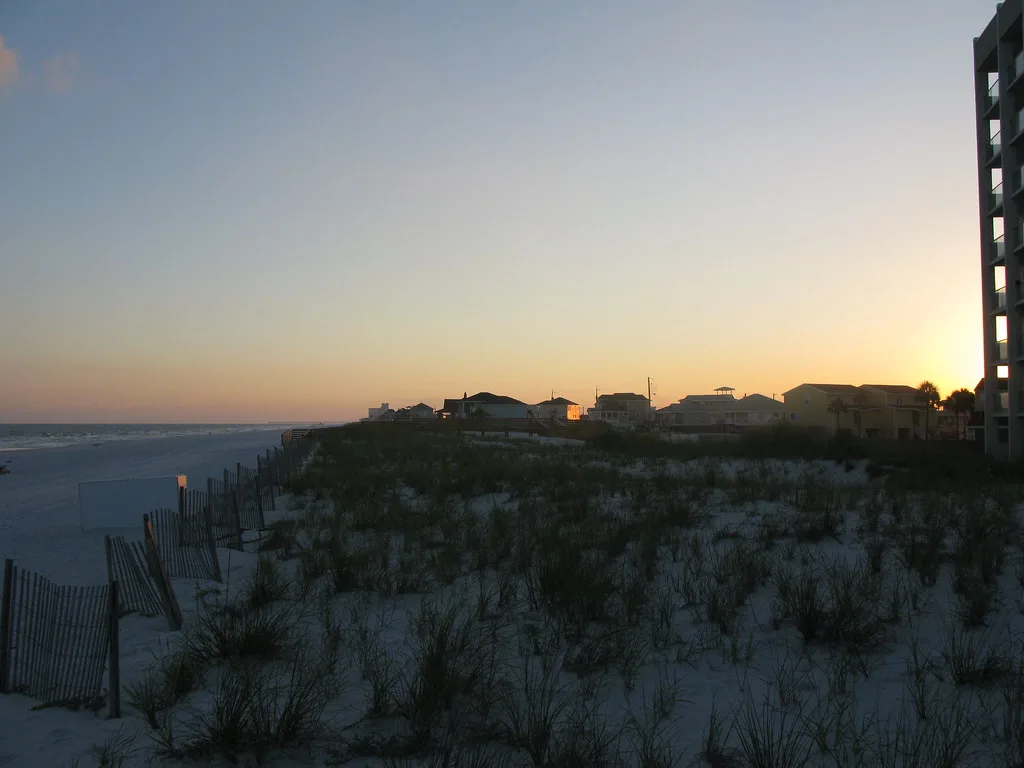
Access is through Parking Lot H, with a walkway down to the beach and the range markers at its end. The lot is the practical landmark for the site, so arrive early on summer weekends when beach parking fills.
Bring water, sun protection and a dry bag, and plan on carrying everything from the car to the sand because this is a beach access rather than a full-service facility. Parking fees and posted hours at Gulf Islands National Seashore lots are set by the park, so check the current rate at the entrance station before you commit.
Renting Gear and Booking a Tour in Pensacola
Local dive shops supply masks, fins and snorkels if you are traveling light, and Visit Pensacola lists MBT Divers, Dive Pros and Viking Diving among the rental options in the Pensacola area. Booking a guided snorkel tour is a sensible choice for first-timers, since operators supply gear and handle navigation to the reef.
Fit matters more than brand for a reef swim: a mask that seals without clamping and fins that do not rub will make the transit out and back far more comfortable. If you are comparing the area's other sites, perdido key snorkeling covers the modules off Beach Access #1 for a second Gulf-side option.
Rules for the Reef and Wildlife
Florida requires the diver-down flag for snorkelers, and the flag is the main rule you will actively manage at Park East. Beyond that, the standard wildlife etiquette applies: no touching or standing on structure, no feeding fish, and no pursuit of turtles, rays or other animals.
Reef-safe sunscreen is the practical choice anywhere you swim over structure, and it keeps residue off the cylinders and the fish that gather around them. Pack out everything you bring to the beach, including fin and mask packaging.
Nearby Spots to Combine: Casino Beach and Park West
Casino Beach has its own snorkel reef on the Gulf side, built in summer 2020 and set roughly 600 to 700 feet offshore per Visit Pensacola, making it a shorter swim than a long offshore transit and convenient to the island's main services.
Park West, on the sound side, is the calm-water counterpart with easy parking and a beach to relax on afterward, which makes it the better pick when Gulf swell is up. If you are extending the trip east, navarre beach snorkeling covers the Navarre Beach Marine Sanctuary and its sound-side structures.
Plan Your Park East Snorkel Day
Park East rewards a bit of planning: find Parking Lot H, line up on the range markers, tow a diver-down flag, and swim out at a pace that leaves you energy for the return. On flat Gulf mornings it is one of the more satisfying shore dives on Pensacola Beach; when swell builds, move to the sound side.
Check the Pensacola Beach Lifeguards flag report before you drive out, and keep a sheltered backup in mind. Fort Pickens snorkeling is another Gulf-side option worth knowing if you want to compare structure and access on the same trip.
Frequently Asked Questions
How far out is the Park East snorkel reef?
The reef sits offshore from Parking Lot H on the Gulf side of Pensacola Beach, and the walkway's range markers are used to aim the swim. Treat it as an open-water swim rather than a wade-in, and check the current surf and flag report before you go.
Is the Park East reef good for beginners?
Confident beginners can enjoy Park East on a calm day, especially with a buddy and a towed diver-down flag. Families with young children usually find the sheltered sound-side water at Park West easier.
Where do you park for the Park East snorkel reef?
Parking Lot H is the access point, located east of Casino Beach on the Gulf side of the island. Dive Pros describes it as 5.2 miles east of Casino Beach or 1.5 miles east of the Portofino Condominiums, which makes the drive easy to track.
Do you need a dive flag to snorkel in Florida?
Yes. Florida requires a diver-down flag even for snorkelers, so tow one on a float and keep it upright near your group while you are in the water.
What fish can you see at Park East reef?
The cylinders attract schooling fish and smaller species that gather around hard structure in the northern Gulf. Sightings vary with season and conditions, so keep a respectful distance and never touch or feed the animals.
Is Park East reef better than Park West?
Park East is a Gulf-side swim to about a dozen cylinders at roughly 10 feet, which suits snorkelers comfortable in open water. Park West is sound-side and sheltered, so it is the calmer pick when Gulf swell is up.
Sources
Snorkeling notes for your next trip
Optional updates to our snorkeling guides.
You might also like
Continue reading
More guides you'll find useful