Navarre Beach Snorkeling: Where to Snorkel Near Pensacola
Plan a Navarre Beach snorkel day around marine sanctuary reefs, pier pilings and sea grass shallows, with entry distances, depths and morning timing tips.
On this page
Navarre Beach rewards snorkelers who want an easy, warm-water morning rather than a bucket-list reef. Three artificial reef sites in the Santa Rosa Sound sit close to shore, and a marked Gulf site lies just beyond the second sandbar, so families and new snorkelers can pick a swim length that matches their comfort.
The trade-off is honest: the natural nearshore bottom is mostly flat sand, so the marine life clusters on the sanctuary structures, the pier pilings and the scattered sea grass beds. Plan around those features, go early before the sea breeze builds, and you get a genuinely pleasant swim.
Why Navarre Beach Suits Casual Snorkelers and Families
The sanctuary reefs were built to be approachable. Structures are spaced in open sand at modest depths, which makes navigation simple and keeps the swim short at the East Sound Side site. That layout is why the reefs work well as starter locations for new snorkelers and children.
If reef structure and bigger fish are the point of your trip, weigh an offshore charter from Pensacola Beach or Destin against a beach day. Those boats reach sunken ships and purpose-built offshore reefs with far more relief than the flat nearshore sand off Navarre.
Where the Snorkeling Is
Navarre Beach sits on Santa Rosa Island, roughly five miles from the Navarre community across the bridge. Cross to the island, turn left, and the Sound-side sanctuary sites line the shore facing the protected water of Santa Rosa Sound.
The Gulf site is separate: walk the boardwalk at the Sea Oat pavilion to the beach and head about 100 feet east, where two PVC posts mark the entry. From those posts the site lies roughly 340 feet south, immediately beyond the second sandbar.
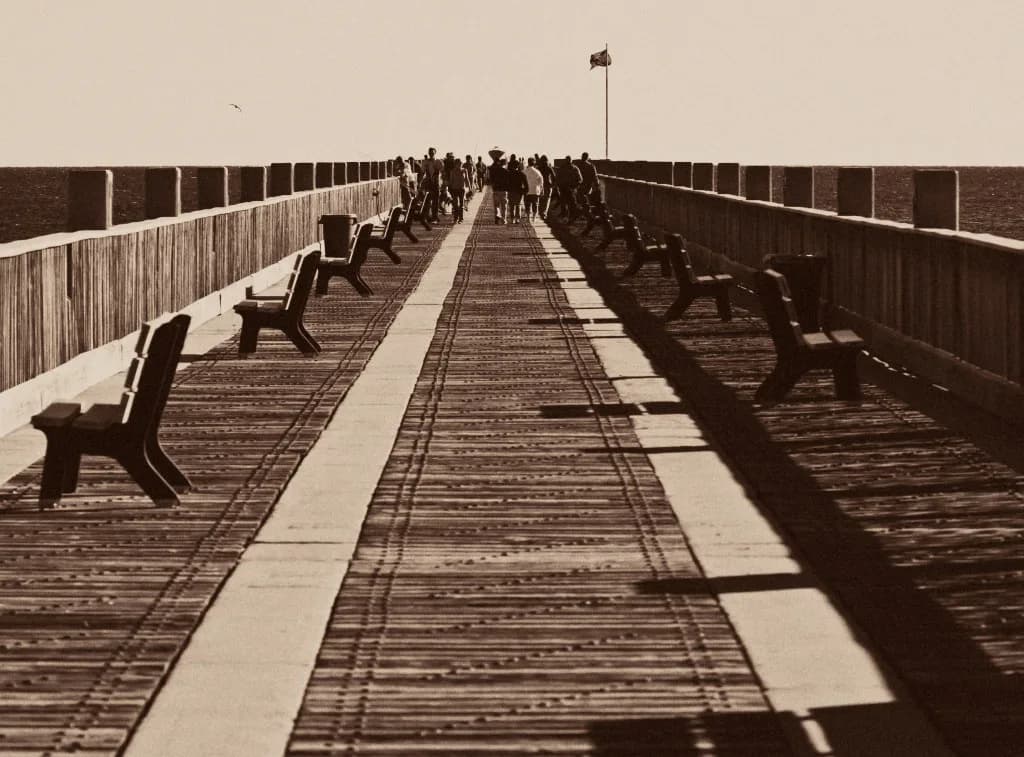
Two more options fill out a day: the pilings of the Navarre Beach Fishing Pier, which concentrate fish around hard structure, and the shallow sea grass patches inside Gulf Islands National Seashore. Both are shore-accessible and need no boat.
West Sound Side Reef
The West Sound Side site is the largest of the three, close to a football field in length, with 77 structures set about 10 feet apart in roughly 20 feet of water. It sits some 700 feet from shore, which puts it beyond easy swimming range for young children.
Treat this one as the confident-swimmer option. The longer surface swim and deeper structures reward strong snorkelers with more territory to explore, but it is a poor choice for a first session with kids or a tired swimmer.
East Sound Side Reef
The East Sound Side site is the smallest but the most accessible, sitting about 150 feet from shore with 28 structures spaced 10 feet apart in around 12 feet of water. That short swim makes it the natural pick for beginners and families with children.
Pair the shallow structures with a slow pace. New snorkelers do best when they fin out on the surface, drop down over one structure at a time, and return to the same entry point rather than drifting along the line of modules.
Gulf Site Entry
The Gulf site demands more planning than the Sound sites because you cross open surf to reach it. Two PVC posts east of the Sea Oat pavilion boardwalk mark the line, and the reef waits about 340 feet south, just past the second sandbar.
On the way out and back, keep the posts and the pavilion in view so you know exactly where to leave the water. Losing your exit is the classic Gulf-side mistake, and fixed landmarks above the beach solve it better than memory.
Pick a calm, low-surf morning for the crossing, since the swim out passes through the sandbar zone where waves break. If the surf is up, the Sound-side reefs give you a protected alternative on the same day.
Navarre Beach Fishing Pier Pilings
The pier pilings create the biggest hard structure in the immediate nearshore zone, and fish gather around them. Expect sheepshead, small snapper, pinfish, flounder resting on the sand, and invertebrates on the pilings themselves.
Stay out from directly beneath the sections where people are fishing, because hooks, sinkers and line are regularly in the water there. The pilings beside the active zones still hold fish and let you watch the structure without swimming into tackle.
Sea Grass Shallows in Gulf Islands National Seashore
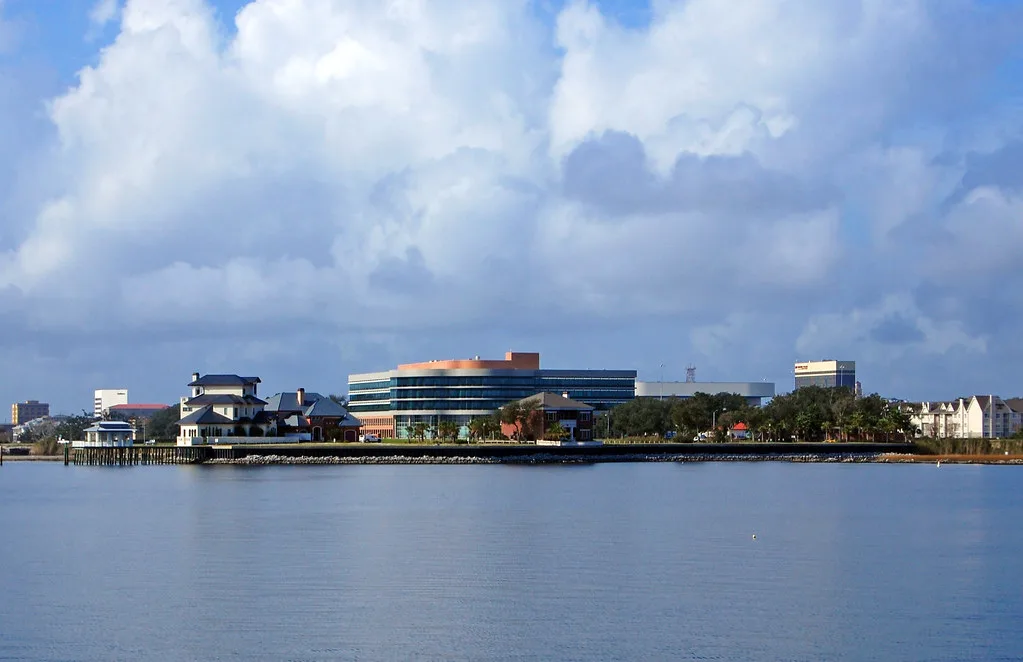
The national seashore sections of Santa Rosa Island hold very shallow water with scattered sea grass beds, often knee to waist deep. That depth limits how much you can see but makes the habitat easy for children and nervous beginners.
Read the bottom rather than the horizon: sea grass shows as darker green patches against pale sand. Float slowly over one patch at a time, and you give shy residents like seahorses and pipefish a chance to hold still instead of scattering.
What You Will See
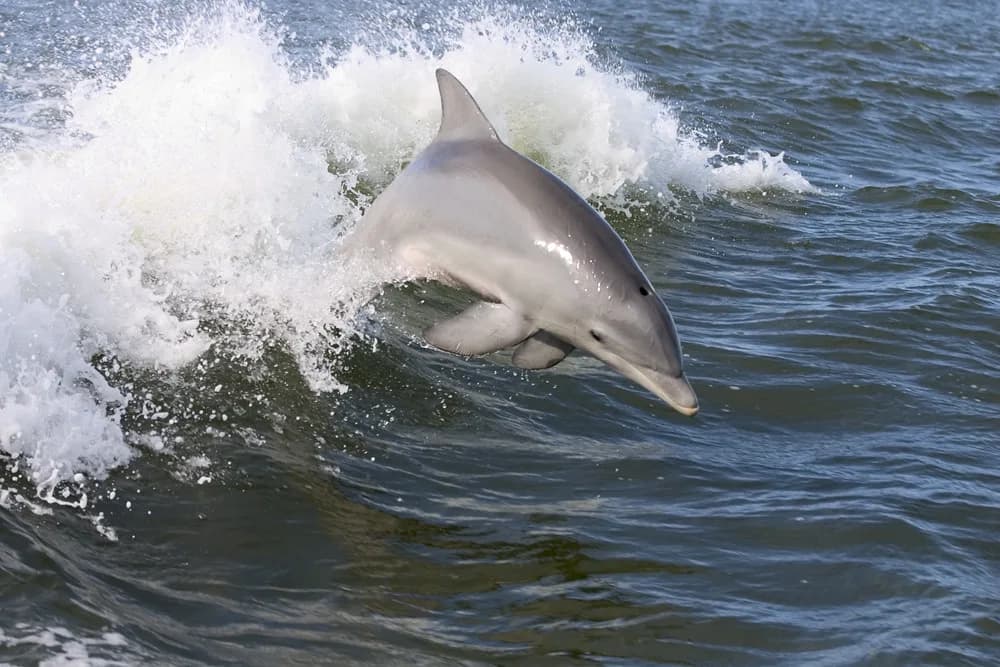
Around the sanctuary structures, look for sea turtles, octopuses, coral growth, urchins, rays and colorful reef fish. The structures are the draw, so work each module methodically rather than finning over open sand between them.
In the sea grass, the search image changes: seahorses, pipefish, juvenile fish, small rays and invertebrates instead of schooling reef fish. Away from structure and grass, the open sandy bottom holds very little, so spend your time where the habitat is.
Jellyfish occur in Gulf waters, particularly in the warmer months, so a rash guard adds sun protection and a little sting protection. Sightings vary by day and season, and nothing about the reefs guarantees a turtle or an octopus on your visit.
Best Time of Day
Go early. During summer the south sea breeze typically builds between 10 a.m. and noon, so water before that window is often flat and the bottom undisturbed, with horizontal visibility reaching 15 to 25 feet in the nearshore zone on a calm morning.
By mid-afternoon the onshore wind usually churns the fine quartz sand and cuts visibility. If you can only snorkel later, the pier pilings and the shallowest grass patches tolerate murk better than a long swim to the deeper West Sound Side structures.
Best Season and Water Temperature
June through September brings the warmest water, roughly 83 to 87 degrees Fahrenheit, and the most consistent clear-water windows. October water near 76 degrees is still comfortable, though fall wind and wave patterns make visibility less predictable.
Winter and early spring water is too cold for comfortable snorkeling for most visitors. After a storm or a stretch of strong onshore wind, give the water a day or two to settle before counting on clear viewing.
Skill Level and Who Each Site Suits
Match the site to the swimmer. The East Sound Side reef, about 150 feet out in roughly 12 feet of water, is the beginner and kid pick; the West Sound Side, around 700 feet out in about 20 feet of water, suits strong swimmers and confident snorkelers.
The Gulf site falls in between on skill but adds a surf crossing, so it favors swimmers comfortable in waves. The pier pilings and sea grass shallows suit casual snorkelers who want short swims and easy exits.
Hazards
Rip currents are the primary hazard, and they can be present without being obvious from the surface, so read the beach flag conditions posted for Navarre Beach before you get in. A yellow or red flag signals water that may be unsafe for swimming and snorkeling.
Beyond currents, watch for fishing hooks and line near the pier, jellyfish in warm months, and boat traffic in the Sound. Snorkel with a buddy, keep a dive flag visible where traffic exists, and stay close to shore when the surf is building.
Parking, Facilities and Hours
The Sound-side reefs sit off Navarre Beach Park, where entry is free and the grounds are open from sunrise to sunset. Paved parking, restrooms and fresh water showers are available at each pavilion, which makes a morning session easy to rinse off afterward.
Bring your own fins and mask, since rental options on the island are limited compared with Destin or Pensacola Beach. Sporting goods stores on US-98 in the Navarre community carry basic snorkel equipment if you arrive without gear.
Add the Navarre Beach Marine Science Station to a family day: it runs hands-on marine education with a touch tank, wet lab and deep sea exhibit, and it gives kids context for what they saw on the reef.
Rules and Wildlife
These are living reefs and sea grass beds, not exhibits. Keep hands off coral and structures, never touch, feed or chase sea turtles, rays or other animals, and give any animal that approaches room to move away on its own terms.
Gulf Islands National Seashore manages the seagrass shallows as federal parkland, so follow posted park rules at access points and stay out of closed dunes and vegetated shorelines. Check the park's current guidance for the Santa Rosa Island district before you go.
Nearby Snorkeling to Combine
Pensacola Beach, a short drive west, runs snorkel charters to offshore artificial reefs that include purpose-sunk ships, offering far more structure and marine diversity than the nearshore beach sites. Book with an operator and expect a half or full day. For the full picture of shore versus boat options across the state, see this guide to snorkeling in Florida.
Destin to the east has the region's largest water-sports industry, with snorkel tours, glass-bottom boats and gear rental readily available. It is the easier base if guided snorkeling, rather than a self-planned beach swim, is the priority.
Closer in, compare the shore-entry options along the Pensacola barrier island, including the Park East snorkel reef and the Fort Pickens jetties, to build a multi-stop trip around calm mornings.
Plan Your Navarre Beach Snorkel Morning
Build the day around an early start: reach the East Sound Side entry or the Sea Oat boardwalk before the sea breeze builds, swim one site well rather than racing between three, and finish before afternoon wind muddies the water.
Pack your own mask, fins and a rash guard, plan the exit landmark before you enter, and keep the pier and grass patches as backups if surf rules out the Gulf crossing. Check the beach flags before you commit to the water.
Frequently Asked Questions
Where do you snorkel at Navarre Beach?
The main options are three artificial reef sites in the Santa Rosa Sound, with entries from the Navarre Beach Park shore, plus a marked Gulf site about 340 feet south of two PVC posts east of the Sea Oat pavilion boardwalk. The pier pilings and the shallow sea grass patches in Gulf Islands National Seashore add two more shore-accessible spots.
Is Navarre Beach good for snorkeling?
For casual, warm-water snorkeling it works well: the sanctuary structures concentrate fish, turtles and other life in an otherwise sandy nearshore. If you want tall reef relief and big offshore structure, a charter from Pensacola Beach or Destin is the better use of a day.
How far is the swim to the Navarre Beach snorkel reefs?
The East Sound Side reef is about 150 feet from shore in roughly 12 feet of water, while the West Sound Side reef is about 700 feet out in around 20 feet of water. The Gulf site sits about 340 feet south of the PVC marker posts, past the second sandbar.
Can you snorkel around the Navarre Beach pier?
Yes, near but not directly under the sections where people are fishing, since hooks, sinkers and line are regularly in the water there. The pilings beside the active zones still attract sheepshead, small snapper, pinfish and flounder.
What can you see snorkeling at Navarre Beach?
Around the sanctuary structures and pilings, look for sea turtles, octopuses, rays, urchins, coral growth and reef fish such as sheepshead and pinfish. In the sea grass, expect seahorses, pipefish, juvenile fish and small rays. Sightings vary by day.
When is the best time of day to snorkel Navarre Beach?
Early morning, before the summer south sea breeze builds between 10 a.m. and noon. Calm morning water often gives the best visibility, while afternoon onshore wind stirs the sand bottom.
Is Navarre Beach snorkeling good for kids?
The East Sound Side reef is the kid-friendly pick, with a short 150-foot swim and structures in about 12 feet of water, and the knee- to waist-deep sea grass shallows suit young children. The West Sound Side site is too far out for most kids.
Can you rent snorkel gear at Navarre Beach?
Rental options on the island are limited compared with Destin or Pensacola Beach. Bring your own mask, fins and snorkel, or buy basic gear from sporting goods stores on US-98 in the Navarre community before crossing to the island.
Sources
Snorkeling notes for your next trip
Optional updates to our snorkeling guides.
You might also like
Continue reading
More guides you'll find useful