Fort Pickens Snorkeling: Is It Worth It in Pensacola?
Fort Pickens snorkeling centers on the sound-side jetties near the fort's western tip. Learn how to get in, what swims there, hazards and where to park.
On this page
Fort Pickens snorkeling works because the jetties give you something most Panhandle beaches lack: hard structure to swim along in sheltered sound-side water. You can walk in from the beach, work the rocks at your own pace and keep an eye on the fort and the Pensacola Lighthouse between breaths. This suits beginners, families with steady swimmers and anyone who wants an easy shore entry instead of a boat ride.
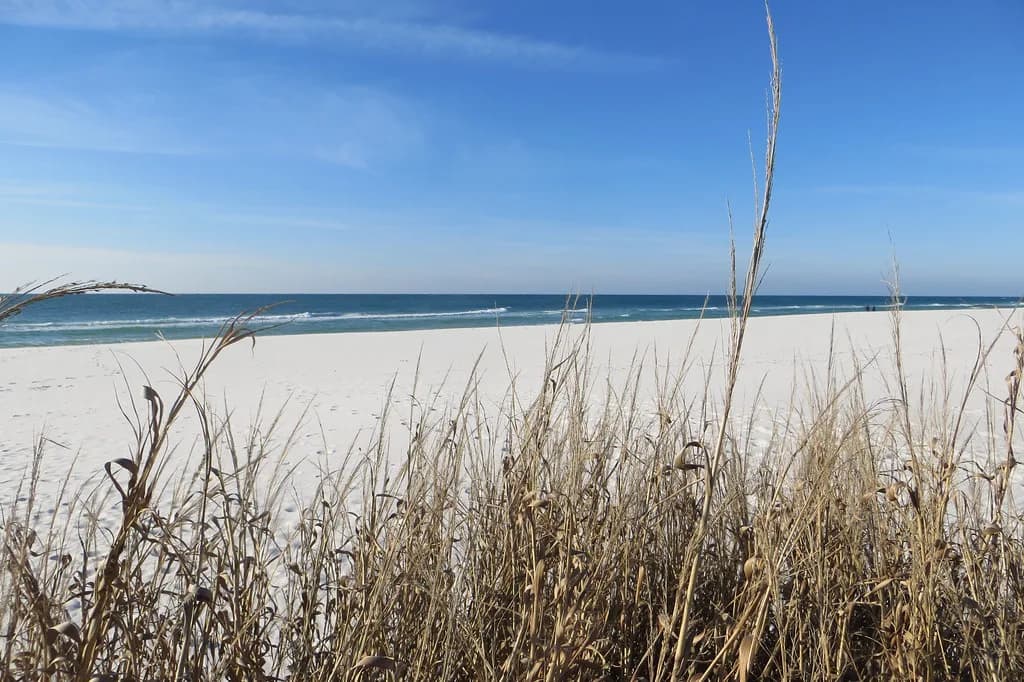
The trade-off is that the Gulf-facing beach and the jetties are not the same swim. On windy days the sound side is usually the calmer choice, while the Gulf side delivers surf you should not underestimate. Plan the jetties as the anchor of a half-day trip and add one of the Pensacola Beach snorkel reefs if you want a second site.
Why the Jetties Beat the Open Gulf Beach
The National Park Service calls the Fort Pickens Jetties one of the most popular scuba and snorkeling spots at Gulf Islands National Seashore, and the reason is structural. The jetty rocks hold fish close to shore, so you spend your time swimming a line of cover rather than scanning empty sand. That is a very different experience from the long, exposed Gulf beach a short walk away, where surf and current set the terms.
Treat the jetties as a rock-and-sand site, not a coral reef. You are snorkeling granite and riprap on the sound side, looking into crevices and along the base of the stones where fish tuck in. Bring a mask that fits well and fins you can control in tight quarters, because you will often be within a body length of the rocks.
Where the Spot Sits
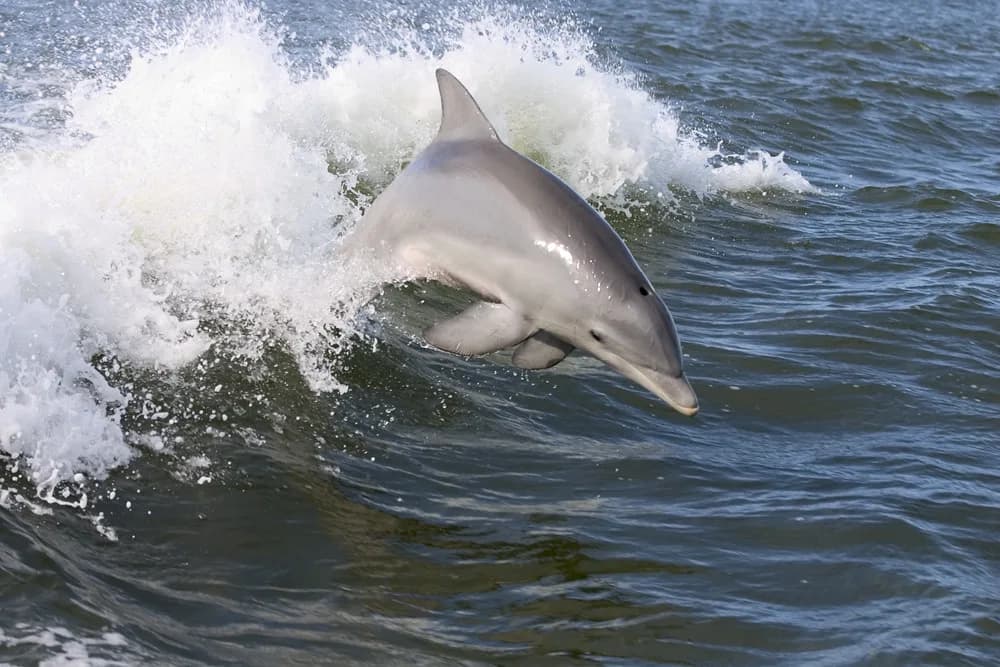
The jetties are near the western tip of the Fort Pickens Area, on the sound side of the peninsula. From the water you get a clear view of the Pensacola Lighthouse, and dolphins sometimes pass offshore, which makes the spot as good for a surface rest as for a bottom look. The NPS lists beach and water access, a small boat and kayak launch, an accessible restroom and a scenic photo spot among the amenities.
Use that layout when you plan the day: you can snorkel, launch a kayak from the same area and keep non-snorkelers comfortable on the beach. Fort Pickens Road runs out to this end of the park, so the jetties are the far stop on a drive that passes the fort itself.
Getting In
Entry is from the beach by the jetty rocks, so you wade in over sand and swim out to the structure rather than stepping off a ladder or a boat. Put your fins on in the shallows, watch for loose rock underfoot and pick a gap in the rocks with a clear, calm patch of water. If the sound is choppy, walk farther along the beach to find a lee before committing.
Kayakers and small-boat users share this area through the launch the park lists, so keep your swim line close to the rocks and your head up when you cross open water. A brightly colored snorkel or fin tip helps boaters and paddlers pick you out.
How the Structure and Depth Work
Depth at the jetties follows the rocks, not a fixed number. The stones slope from dry riprap down into the sand, so you can hover in waist-deep water at one edge and fin over deeper ground a few kicks later. Work along the jetty at a constant distance from the rocks and you get a predictable, relaxed profile.
For comparison, the marked snorkel reefs elsewhere in the area sit in about 10 feet of water, and the Casino Beach reef runs 600 to 700 feet offshore. The jetties give you comparable fish-watching without that swim out, which is exactly why they suit weaker swimmers and families.
What You Will See
The Panhandle shore-diving community associates the jetties with grouper, snapper, flounder and guitarfish, all fish that use hard cover and sand edges. Look into the shadows between stones for grouper and snapper, and scan the sand strip at the base of the rocks for flounder lying flat. Guitarfish blend into open sand, so slow down over the lighter patches.
Dolphins are a surface sighting here, best watched from the beach or from your snorkel with your head up and your distance kept. Follow the park's wildlife rules and never swim toward, feed or chase them; a protected wildlife area means the animals get the right of way.
Skill Level and Who It Suits
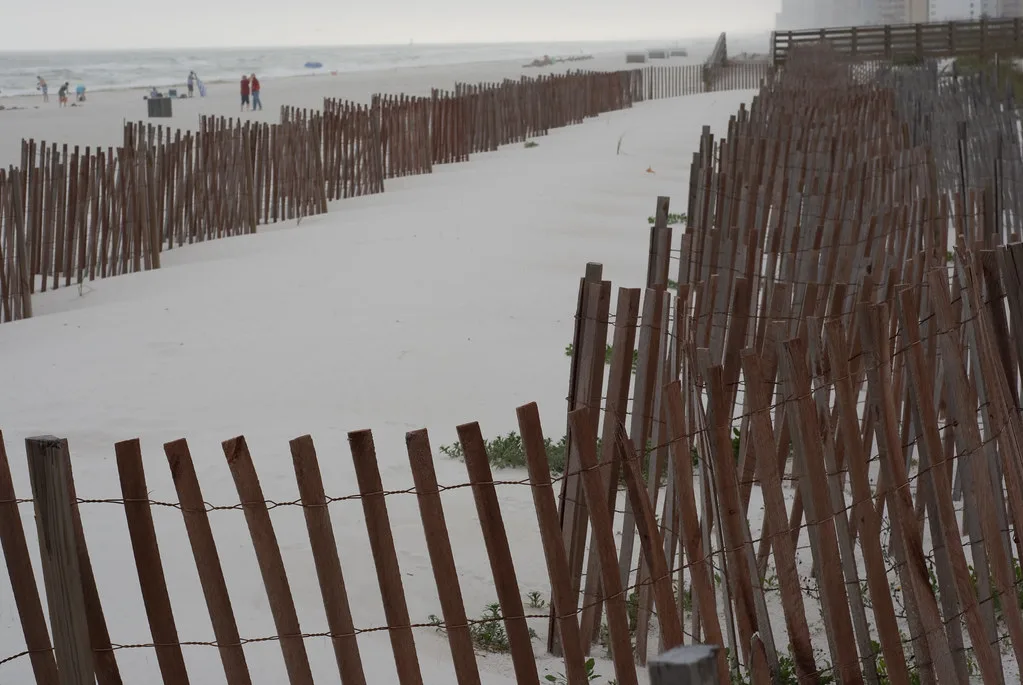
Beginners and kids who swim confidently do well on the sound side, where the water is sheltered and the beach gives you an easy exit. Strong swimmers who want more ground can work the length of the jetty and add a Gulf-side reef later in the day. Non-swimmers should stay on the sand; this is not a wading-only site once you leave the shallows.
If you are choosing between the sound side and the Gulf side on a breezy day, take the sound side. Gulf-side snorkeling at Pensacola Beach means surf and current, and the marked reefs there are unguarded. The jetties keep you closer to shore with a simpler bailout.
Best Time of Day and Conditions
Aim for the morning, before the sea breeze builds and before the beach fills up. On the sound side, a rising tide usually brings clearer water in over the sand, while a hard drop can leave you in milky shallows. Wind from the Gulf side of the peninsula tends to smooth the sound, and wind blowing straight down the sound stirs it up.
Flag conditions for the Pensacola Beach area are posted online by Pensacola Beach Lifeguards, so glance at them before you load the car. If the flags or the water say no, the fort, the lighthouse view and the beach walk still fill the morning.
Hazards
Boat traffic, rip currents and dangerous marine life are the three hazards Visit Pensacola names for the area's snorkel reefs, and the jetties add slick rock to the list. There are no lifeguards at the snorkeling reefs, so you and your buddy are the safety system. Swim with a partner, stay within your depth and keep clear of the channel where boats run.
Watch your hands and knees around the stones; wet riprap is uneven and cuts are easy. Give fishing lines and hooked fish a wide berth, and surface early if the current pushes you along the jetty faster than you planned.
Parking and Facilities
Parking sits with the Fort Pickens Area beach access, and the NPS lists an accessible restroom and a scenic view point among the amenities at the jetties. That makes it a comfortable base for a family half-day: one car, a short walk to the water and a place to rinse off before the drive back.
Bring water, shade and your own snorkel gear, since the nearest rental shops are back in Pensacola rather than at the jetty. An entrance pass is required to drive into the national seashore; check the park's current fee and pass details before you go. Fill the tank and pack lunch in town, because services thin out toward the fort.
Rules on the Beach and Dunes
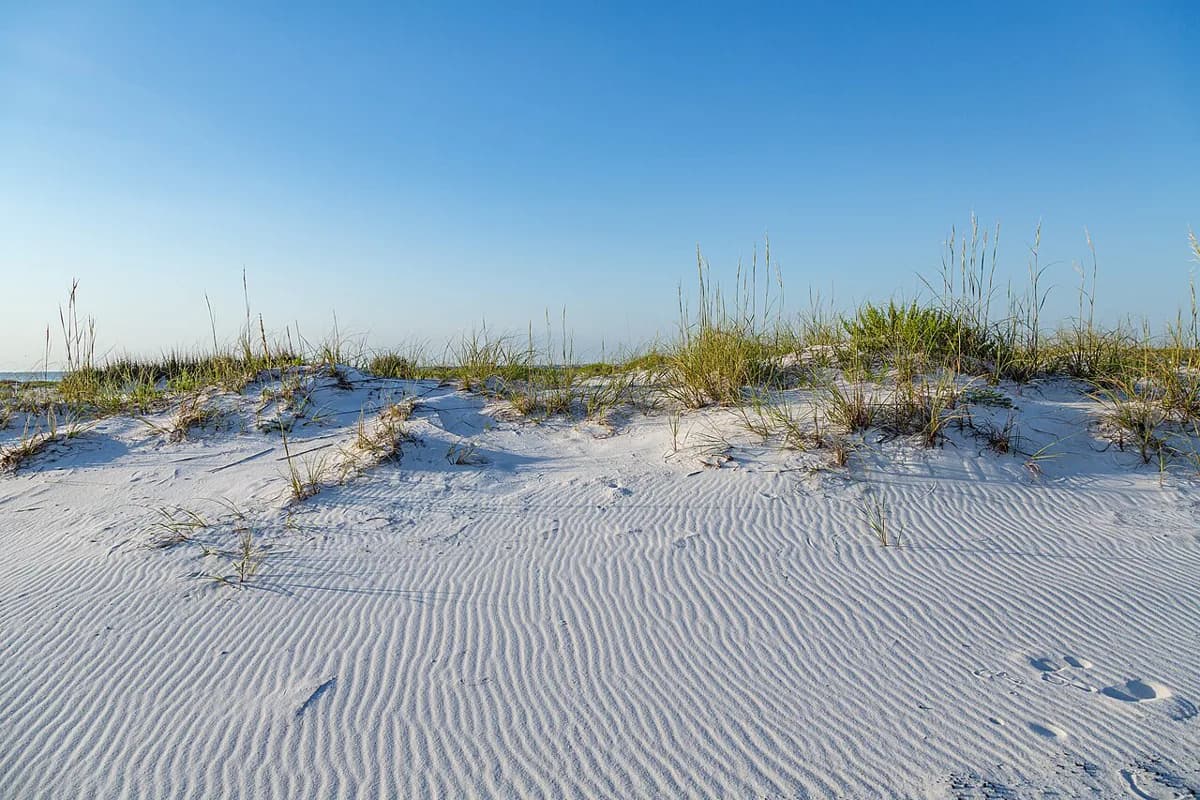
The jetties sit inside a protected wildlife area, and the park asks visitors to stay off the dunes and out of shorebird enclosures. Pets, glass and driving are not permitted on the beach. Those rules matter most in spring and summer, when nesting birds and turtles use the same sand you cross to reach the water.
Leave shells, coral and live animals where you find them, and keep your distance from dolphins and any turtles you meet. A no-trace approach keeps the jetties the kind of site that rewards a second visit.
The Diver-Down Flag
Florida snorkelers need a diver-down flag, and Visit Pensacola is explicit that the rule covers snorkelers, not just scuba divers. Clip a float flag to your buddy's gear or tow one yourself so boats and paddlers can see where you are. It is cheap insurance on a site shared with kayaks and small craft.
Pair the flag with a bright rash guard and a whistle, and agree on a hand signal for heading in. A short briefing on the sand saves confusion once you are face-down in the rocks.
Nearby Spots to Combine
Park West has a sound-side snorkel reef with plenty of parking and a beach to relax on afterward, so it pairs naturally with a jetty swim on the same sound. On the Gulf side, the Park East reef holds about a dozen cylinders in roughly 10 feet of water, and the Casino Beach reef sits 600 to 700 feet offshore. Pick one Gulf-side reef, not both, and go when the surf is small.
Farther west, the Perdido Key reef lies straight out from Beach Access #1, roughly 300 feet offshore in about 10 feet of water, with range markers on the walkway to line up your swim. If you are heading east instead, Navarre Beach Marine Sanctuary offers another Panhandle shore option on Santa Rosa Sound.
Gear and Tours
Rental shops in Pensacola include MBT Divers, Dive Pros and Viking Diving-YMCA, all listed by Visit Pensacola as places to pick up masks, fins and snorkels. Reserve ahead in summer and ask for a mask fitting rather than grabbing the first box off the shelf.
Guided snorkel tours run out of Pensacola Beach with operators such as Frisky Boat Tours and Jolly Sailing, which suit travelers who want instruction and a boat ride rather than a shore entry. Compare what each trip includes, since gear and transport vary by operator.
Plan Your Visit
Build your Fort Pickens day around the sound side: morning arrival, a flag check, a slow pass along the jetty rocks and a beach lunch within sight of the lighthouse. Add one Gulf-side reef only if the surf is small, and keep the diver-down flag on you either way. If you want to compare this shore-entry approach with other options along the coast, our guide to Florida snorkeling lays out how jetty, beach and boat sites differ.
Check the NPS park page for current alerts and the Pensacola Beach flag report before you drive out, then pack water, shade and your own gear. The jetties reward a calm, unhurried swim more than a long one.
Frequently Asked Questions
Can you swim at Fort Pickens beach?
Yes. The Fort Pickens Area has beach and water access, including the sound-side jetties near the western tip, and the park lists a restroom and scenic viewpoint there. Swim with a buddy, watch the flag conditions and stay clear of boat traffic.
Where is the best place to snorkel in Pensacola?
For an easy shore entry, the Fort Pickens jetties on the sound side are hard to beat, with rock structure close to the beach. For marked reefs, Pensacola Beach has Park West, Park East and Casino Beach sites, and Perdido Key has a reef off Beach Access #1.
Is there beach access at Fort Pickens?
Yes. The jetties area has beach and water access plus a small boat and kayak launch, and it is reached by road from the Fort Pickens Area. An entrance pass is required to drive into the national seashore.
Do you need a dive flag when snorkeling in Florida?
Yes. Visit Pensacola notes that a diver-down flag is required even for snorkelers, so tow one or clip it to your buddy's float. It helps boats and paddlers see you around the jetty rocks.
How deep is the water at the Fort Pickens jetties?
Depth follows the rock slope rather than a fixed figure, ranging from shallow wading water to deeper ground a few kicks out. Nearby marked reefs sit in about 10 feet, which gives a useful sense of scale.
Sources
Snorkeling notes for your next trip
Optional updates to our snorkeling guides.
You might also like
Continue reading
More guides you'll find useful