Snorkeling in Pensacola: Shore Spots, Reefs and Boat Trips
Snorkeling in Pensacola means calm bay shallows, a Gulf-side reef for strong swimmers, and boat trips to artificial reefs. Here is how each spot fits your day.
On this page
Pensacola rewards snorkelers who choose their water body before they choose their beach. The sheltered bay and sound side suits families and first-timers with shallow, protected water, while the open Gulf side delivers a reef better reserved for experienced swimmers and snorkelers. Matching the spot to your group's comfort in swell and current is the single decision that shapes the day.
Local operators run short bay snorkel trips in roughly three to four feet of water with gear and instruction included. Dive charters work offshore artificial reefs for stronger swimmers. This guide separates shore access from boat access, names the fish documented around Pensacola reefs, and shows how the eastern and western ends of the island pair up with nearby spots.
Why Pensacola Suits Snorkelers: Bay versus Open Gulf
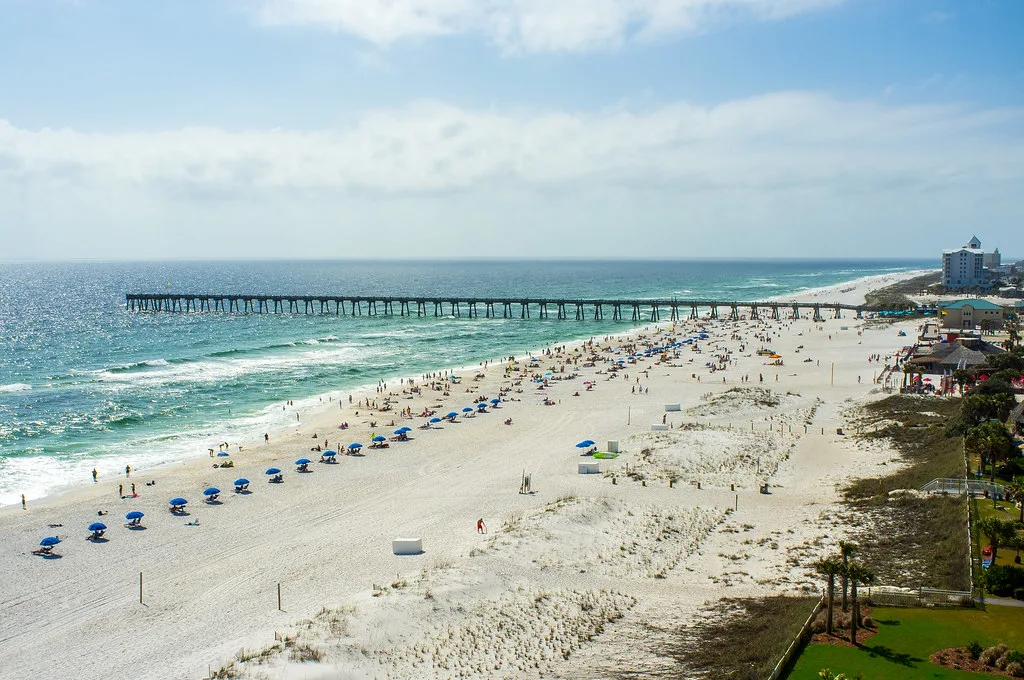
Pensacola's geography gives you two different snorkeling environments within a short drive. The bay and Santa Rosa Sound side inside the barrier island offers the kind of shallow, protected water where visibility survives a breezy morning. The Gulf side faces open water and the swell that comes with it, which is why the reef along State Road 399 is flagged for experienced swimmers and snorkelers.
Pensacola Beach tourism officials note that the Gulf offers good visibility more often than not and that the twice-daily tide change is minimal, so you are not usually fighting strong tidal current. That tolerant tide does not remove wind-driven chop or surf, so treat clarity and calm as a bonus rather than a guarantee. On a windy day, plan the protected bay and sound instead of the Gulf reef.
Beginners and families should default to the sound and bay side, where a short swim puts you over sand and grass in water you can stand up in. Strong swimmers and confident snorkelers who want coral and rock structure head to the Gulf reef or join a boat trip. If you want the full picture of the island's beach-by-beach options, see this guide to snorkeling in Pensacola Beach before you commit.
How to Read the Water Before You Get In
Wind direction matters more than most visitors expect. An onshore wind pushing into the Gulf-facing beach builds chop and stirs up sand, while the same wind leaves the bay and sound side calmer because the barrier island shelters it. Check the beach report before you load the car and let the wind decide which side you drive to.
Pensacola Beach tourism officials advise checking weather and water clarity before you go and say the calmest seas give you the best chance at visibility and easy access. That calm window is what you are hunting: glassy mornings after a settled night usually beat afternoons once the sea breeze builds. Build your plan around the forecast and shift your spot rather than forcing a Gulf swim in sloppy conditions.
Pensacola Bay and Santa Rosa Sound: Shallow Grass-and-Sand Snorkeling
The bay and Santa Rosa Sound are Pensacola's beginner classroom. Local snorkel operators run trips into these protected waters where you float over sand and grass in about three to four feet of water, with gear and instruction included in the outing. That depth suits kids and nervous first-timers because you can stand, regroup and keep your mask clear without a long swim.
Because the sound side is sheltered, it holds up on days when the Gulf is too rough to enter comfortably. Expect a mix of sandy patches and seagrass, which is where small fish and the occasional stingray show up. If you are driving the coast and want to compare protected-water options, this guide to navarre beach snorkeling covers the sound-side spots just east of Pensacola.
Shore access on the sound side is generally easy from beach parks and sandy entries, and the shallow flats let you wade in and start looking immediately. Bring water shoes for the grass and sandy bottom, and keep your group within sight of one another. These flats are also a good place to practice mask clearing and finning before you graduate to deeper water.
Little Sabine Bay: Protected Water with Fish, Stingrays and Turtles
Little Sabine Bay on Pensacola Beach is a shallow, protected lagoon that local outfitters use for paddleboard and kayak launches. The calm water makes it a friendly place to get comfortable on the surface, and the fish, stingrays, birds and occasional turtle that turn up there reward slow, quiet movement. It is a good warm-up or a fallback when the Gulf is churned up.
This is paddling and wading water rather than a coral reef, so treat it as a place to build confidence and see small marine life. Enter from the sandy shore, keep your fins on and watch for boats and paddlers sharing the lagoon. Pair a morning swim here with a walk on the nearby Gulf beach once the sea breeze settles.
Gulf Islands National Seashore and the Fort Pickens Side
The Fort Pickens end of the island sits inside Gulf Islands National Seashore, where the pass funnels water between the bay and the Gulf. That exchange can mean clearer water and more fish movement around the pass, but it also means current, so snorkel close to shore and pay attention to how the water is moving. The fort grounds themselves offer a history-and-beach day that pairs well with a swim.
Fort Pickens is a pre-Civil War fort built to defend Pensacola Bay, with self-guided tours, trails and views over the Gulf and bay. A morning of exploring the brick fort and a calmer afternoon of shallow snorkeling on the bay side makes a balanced family day. Check the park's own site for entrance rules and any closures before you go, since national seashore access changes with storms and maintenance.
The Gulf beach along the seashore is wide and open, which means it takes the swell directly. On calm days the clear water is tempting, but on a choppy day the bay side is the smarter swim. For a dedicated look at the island's reef options, read up on the park east snorkel reef for a shore-accessible alternative.
The Gulf-Side Reef along State Road 399
The road connecting Pensacola Beach to Navarre Beach, Florida State Road 399, runs past a Gulf-side reef that local operators describe as best suited to experienced swimmers and snorkelers. That label tells you what to expect: open-water entry, swell and current that require solid finning and comfort in the surf zone. If you have a beginner or a young child with you, choose the protected bay side instead.
Along this stretch you also find several parking lots where you can stop and walk to less crowded beach, so the reef and the quiet sand share the same road. Pick an access point with a clear sandy entry, watch the surf for a few minutes before committing, and tow a dive flag so boats can see you. Snorkeling the Gulf reef works best in calm, clear conditions and is a poor choice when the surf is up.
Artificial Reefs Close to Shore: Concrete Modules and the Dive Flag Rule
Pensacola's near-shore reefs are largely artificial. More than 700 artificial reef structures have been deployed in these waters since 2018, funded by the Natural Resource Damage Assessment, and many are constructed of concrete discs covered in natural limestone that marine organisms colonize over time. That means you are swimming over structure that grows livelier each year rather than ancient natural coral.
The artificial reefs host sea turtles, stingrays, pompano and a variety of other fish depending on the season, and the local guidance is explicit: bring a dive flag when you snorkel these reefs to alert boats that swimmers are in the water. Towing a flag is a simple piece of etiquette that protects you in a busy boating area. Look for structure edges and sandy halos around the modules, where fish gather and rays rest.
Treat these reefs as a quiet, slow float rather than a sprint. Hover above the discs, watch for the flash of spadefish and the glide of a stingray, and leave the structure undisturbed. Because the modules are small, staying oriented to your entry point matters more than covering distance.
Boat-Based Snorkeling: Short Bay Trips and Offshore Charters
A short boat trip is the easiest way to sample Pensacola snorkeling without route-finding. Local sail-and-snorkel operators run trips to shallow, protected spots in Pensacola Bay and Santa Rosa Sound where you snorkel in about three to four feet of water, with gear and instruction included, and the outing may run on a sailboat or a powerboat over roughly two to two and a half hours.
Offshore charters take stronger swimmers to deeper wrecks, including the USS Oriskany, the aircraft carrier intentionally sunk as a reef 22 miles southeast of Casino Beach, and the Pete Tide II near Fort Pickens Pass. Tourism officials note that these offshore wrecks are for certified divers and that snorkelers are better served by the shallow artificial reefs and bay trips. Choose a charter based on your swim fitness and whether you want a boat ride or a self-guided shore day.
Boat trips save you the guesswork on entry and current, but they also lock you into a schedule and a group. Shore snorkeling gives you freedom to move when the wind shifts. A two-day plan that pairs one boat trip with one shore day covers both styles without repeating the same water.
What You Will See: Pompano, Spadefish, Snapper, Stingrays and Turtles
Pensacola's reefs are not the natural coral gardens of the Florida Keys or the Bahamas, and officials say as much. What you get instead is season-dependent marine life circling the artificial structures: sea turtles, stingrays, pompano and a range of other fish. Set your expectations on fish and structure rather than dense coral.
Offshore, the Pete Tide II is known for thousands of snapper and spadefish around the wreck, and the deeper Gulf can bring larger pelagic visitors. Near-shore snorkelers see smaller tropical fish and the occasional angelfish or butterflyfish over rock and reef structure. Wildlife is never guaranteed, so build the day around being in calm, clear water and let sightings be the bonus.
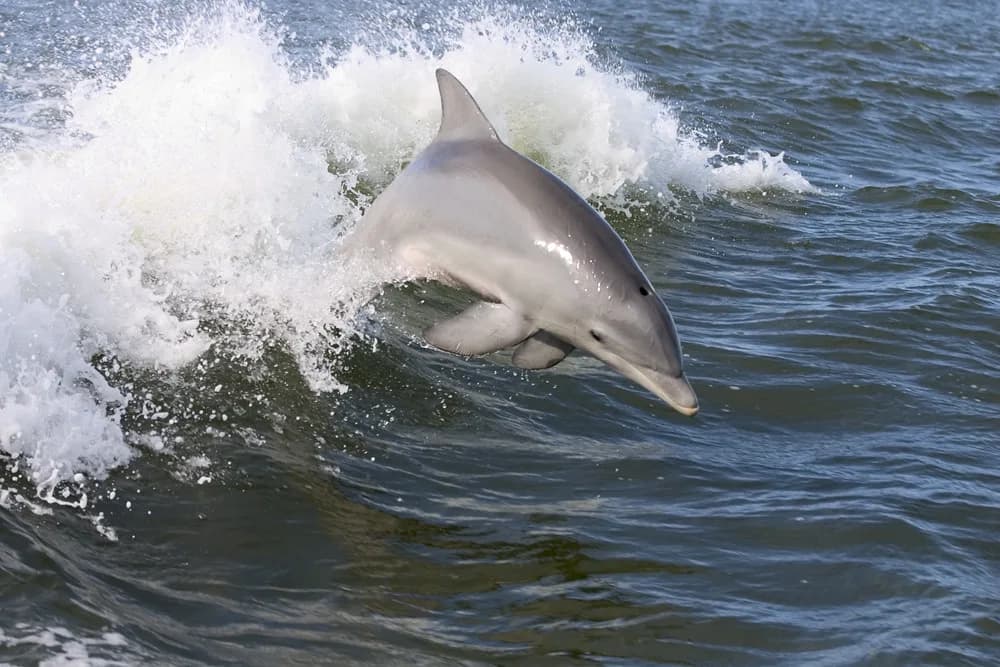
Follow published viewing rules for every animal you meet. Do not touch, feed or chase sea turtles, dolphins, stingrays or manatees, and give them space to move away on their own. Keeping your hands to yourself and your distance wide is the standard everywhere on this coast.
Skill Levels and Kids: Which Spots Fit Beginners
Beginners and young children belong on the bay and sound side, where three to four feet of water and shelter from the Gulf swell make the first snorkel manageable. Little Sabine Bay's shallow lagoon is another low-stress option for getting comfortable on the surface. Keep sessions short, use a float or vest for weak swimmers, and stay close to shore.
The Gulf-side reef off State Road 399 and the deeper offshore wrecks demand confident swimming, good finning and comfort in current and swell. If you cannot comfortably tread water and swim back to the beach, stay with the bay side or take a boat trip with instruction. Match the trip to the weakest swimmer in your group rather than the strongest.
Entry, Gear and Rentals: Dive Shops and Mask Fit
Pensacola has a cluster of dive shops that rent and sell snorkeling gear, and using a shop lets you try mask fit before you buy. The local dive community points visitors to shops in the area for rentals and specialist advice on fit and function. A mask that seals without a tight strap and fins that do not rub are worth sorting out before you reach the sand.
On the sound and bay side, entry is typically a sandy walk-in over grass and sand, so bring water shoes and a rash guard for sun and grass protection. On the Gulf side, the entry is through surf, and a dive flag is advised around the reefs so boats see you. Pack water, sun protection and a dry bag, and keep your gear checked before you get in.
Best Time of Day and Sea State
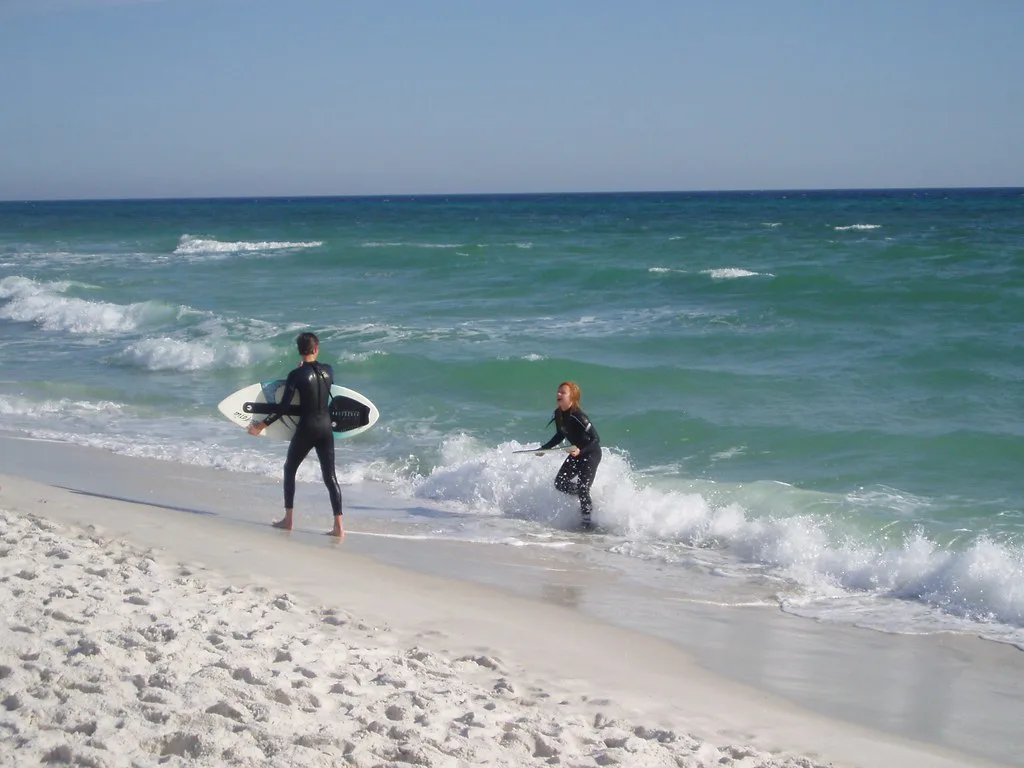
Mornings usually bring the calmest water before the sea breeze fills in, and calm seas give you the best chance at visibility and easy access. That makes early starts worth the alarm on a Gulf day. If the wind has already built, shift to the sheltered bay or sound and enjoy the flat water there.
Season changes the water and the fish, and storm systems can turn clarity over quickly. Plan a flexible window rather than a single fixed day, and use the beach report on the morning of your swim. On a marginal day, a boat trip into protected water is often more comfortable than a surf entry.
Rules and Wildlife Viewing: Distance, No Touching, No Feeding
The core wildlife rules are simple and consistent: never touch, feed or chase turtles, dolphins, rays or manatees, and keep a respectful distance so animals can move away freely. These animals are protected, and harassment can disrupt feeding and resting. Watch from the surface and let them choose the encounter.
Reef etiquette matters too. The artificial modules are living structure, so avoid standing on them, kicking them or taking souvenirs. Officials summarize the local ethic simply as take pictures and leave only bubbles, and that is a good rule to carry into every Pensacola swim.
For any specific closure, park rule or wildlife regulation, consult the managing agency or operator directly, since rules can change with seasons and conditions. Build your plan around the published guidance rather than assumptions.
Nearby Spots to Combine: Johnson Beach and Perdido Key
West of Pensacola, the Perdido Key area adds Johnson Beach and Perdido Key State Park to the itinerary. Johnson Beach's gentle waves and wide shoreline make it a gateway for families and novices, and Perdido Key State Park protects more than 247 acres of beach, dunes and maritime forest with artificial reef systems offshore. These are worthwhile additions if you want a second day with a different feel.
If you are weighing the drive, this Perdido Key snorkeling guide covers the western options in more detail and helps you decide whether to base part of your trip there. The trade-off is straightforward: a longer drive buys you quieter sand and a state park setting. For a fuller comparison, read the perdido key snorkeling overview before committing a day.
Where to Base Yourself and How to Split a Two-Day Plan
Pensacola Beach works well as a base because it puts you between the Gulf reef and the protected bay and sound. Staying on the island shortens the drive to an early-morning entry, which matters when calm water is the goal. Condo and hotel options line the beach, with dive shops and outfitters nearby for gear and trips.
A simple two-day plan uses day one for a short bay or sound snorkel trip and an afternoon at Little Sabine Bay, then day two for the Gulf-side reef or a boat charter if the seas are calm. Keep day two flexible so you can swap sides when the wind changes. If you are extending the trip, the best springs to snorkel in Florida make a freshwater counterpoint to the Gulf.
Plan Your Pensacola Snorkel Day
Pensacola's snorkeling is a matter of matching water to skill: protected bay shallows for families and beginners, the Gulf reef along State Road 399 for experienced swimmers and snorkelers, and boat trips for those who want structure without the route-finding. Build in a flexible morning, respect the dive flag and wildlife rules, and let calm seas decide which side of the island you visit.
Check the beach report from Pensacola Beach tourism officials before you go, and book any boat trip with an operator whose published trip matches your comfort level. With that in place, the rest of the day is simple: get in, float, and look.
Explore more Pensacola snorkeling
Frequently Asked Questions
Where can you snorkel from shore in Pensacola?
The protected bay and Santa Rosa Sound side offer shallow walk-in water in roughly three to four feet, and Little Sabine Bay is a sheltered lagoon good for getting comfortable. The Gulf-side reef along State Road 399 is a shore-accessible option for experienced swimmers and snorkelers when the sea is calm.
Is Pensacola Beach good for snorkeling?
Yes, with a caveat. The bay and sound side is beginner-friendly and shelter from Gulf swell, while the Gulf-side reef is better suited to experienced swimmers and snorkelers. Choose your side based on the group's comfort in current and surf.
What fish will I see snorkeling in Pensacola?
Around the artificial reefs you may see sea turtles, stingrays, pompano and a range of other fish depending on the season. Offshore wrecks such as the Pete Tide II are known for snapper and spadefish. Sightings are never guaranteed, so plan around calm, clear water.
Do you need a boat to snorkel the Pensacola reefs?
Not always. Some artificial reef structures are close to shore and reachable by swimming, and the Gulf-side reef off State Road 399 is a shore option for strong swimmers. Boat trips make the shallow bay and sound spots easier and take divers to deeper offshore wrecks.
Is snorkeling in Pensacola good for beginners and kids?
The bay and Santa Rosa Sound are the beginner choice, with shallow water and shelter from the Gulf swell, and Little Sabine Bay is a gentle lagoon for first-timers. Keep sessions short and stay close to shore. The Gulf reef and offshore wrecks demand stronger swimming.
When is the water clearest for snorkeling in Pensacola?
Calm seas give the best chance at visibility, and mornings often bring the calmest water before the sea breeze builds. Storms and wind can change clarity quickly, so check the beach report on the morning of your swim and shift to the sheltered bay side if the Gulf is stirred up.
Sources
Snorkeling notes for your next trip
Optional updates to our snorkeling guides.
You might also like
Continue reading
More guides you'll find useful