Snorkeling in Palm Beach: Where to Go and What to Book
Plan a Palm Beach snorkel day around Phil Foster Park's shore-entry trail and Peanut Island's calm sandbar, with boat trips and entry details.
On this page
Snorkeling in Palm Beach is a lagoon pursuit rather than a coral-reef wall dive. The water between the mainland and the barrier island sits inside Lake Worth Lagoon, shallow and sheltered, with man-made reef structure placed where snorkelers can reach it from shore or from a boat. That layout makes the area unusually friendly to first-timers, kids and anyone who would rather not handle open-ocean swell.
Two spots anchor a typical day: the snorkel trail at Phil Foster Park under the Blue Heron Bridge, and Peanut Island, a man-made island with a calm sandbar just off its shore. One is a walk-in shore snorkel and the other works either as a swim or as a boat trip, so the choice comes down to how you want to get wet and how much you want to organize in advance.
Why Palm Beach snorkeling is a lagoon and sandbar scene, not a reef-wall scene
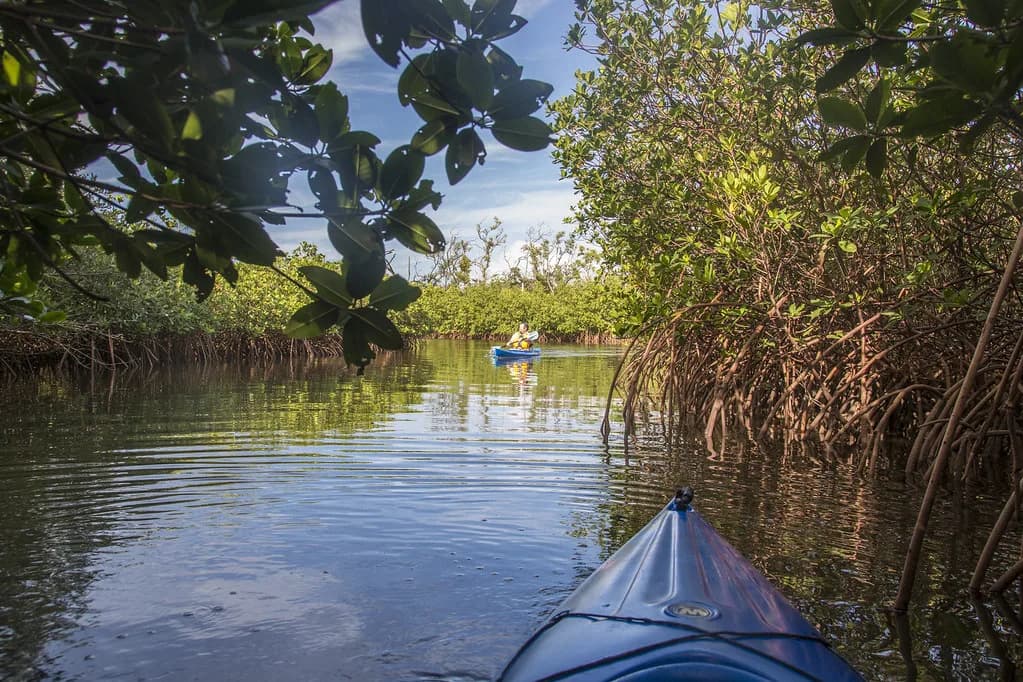
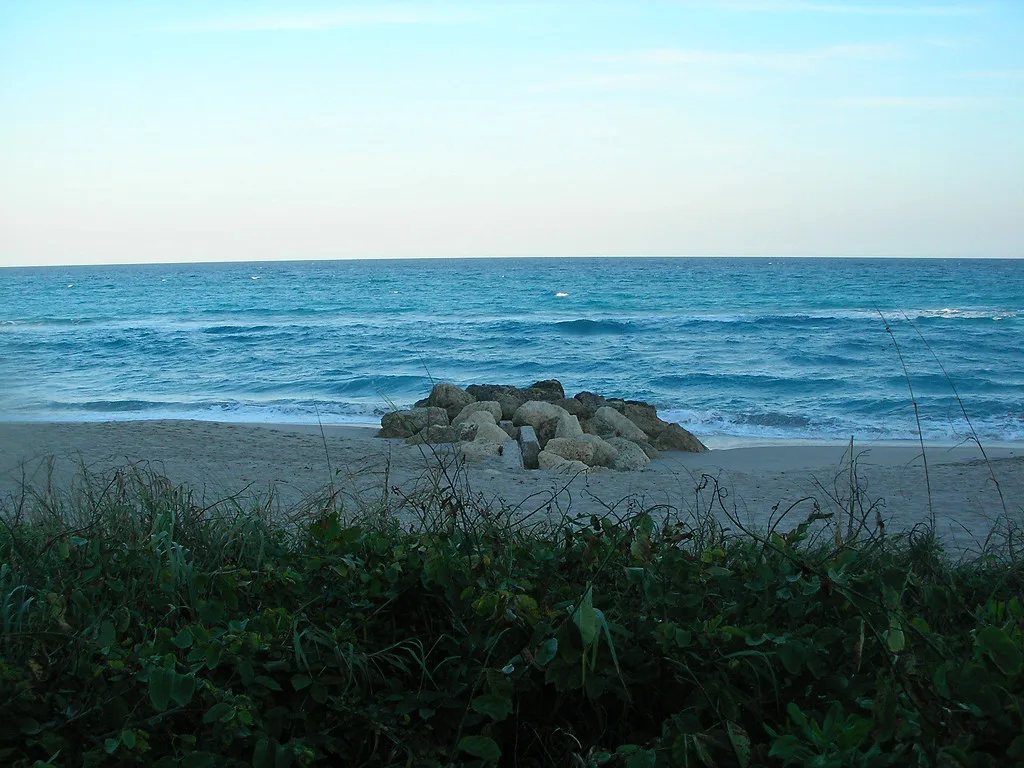
Lake Worth Lagoon is the body of water that separates Palm Beach from the mainland, and it is where nearly all local snorkeling happens. Because the lagoon is protected from the open Atlantic by the barrier island, the water stays calm enough for weak swimmers and children on most days, and there is no long swim to a distant reef. What you trade for that ease is depth and coral: the interest comes from reef modules, rock, seawalls and the fish that gather around structure.
That structure is the reason the lagoon delivers tropical fish, manatees and eagle rays rather than a living coral reef. Snorkelers work along the edges of islands and bridges where marine life concentrates, and the water is shallow enough to stay in visual contact with the bottom. Treat the species as lagoon residents you may encounter, not as a scheduled attraction on any given morning.
Phil Foster Park: the Blue Heron Bridge snorkel trail, where the reef modules start and how deep it runs
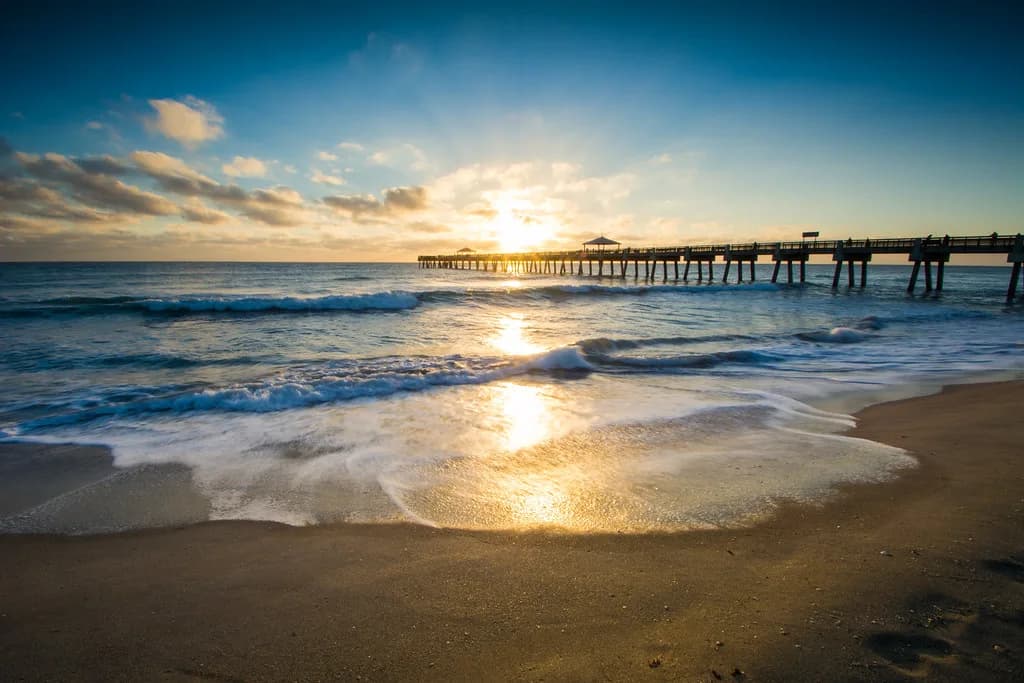
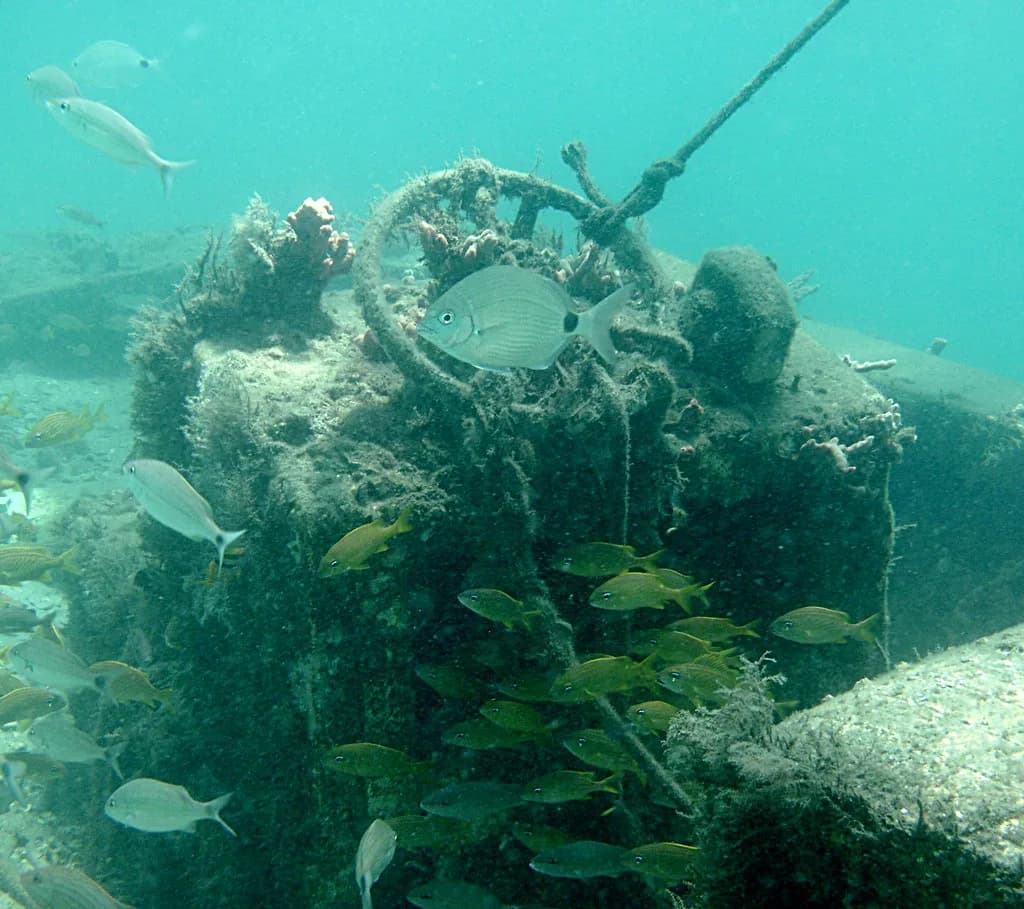
Phil Foster Park sits on the Riviera Beach side of the Blue Heron Bridge, and its snorkel trail is built from reef rock, statues and man-made reef modules laid out in the shallow water just off the beach. The trail is the closest thing the Palm Beaches have to a marked, purpose-built snorkel site, which is why it draws both beginners and photographers. Enter from the park's sandy beach rather than trying to swim out from the bridge itself.
The trail's average depth is shallow, so most of it can be snorkeled comfortably with a mask and fins and no descent at all. That layout rewards slow, quiet movement along the modules instead of covering distance. For a full breakdown of the trail layout and entry, the companion guide to blue heron bridge snorkeling goes deeper than this overview.
Getting in at Phil Foster Park: shore entry, tide timing and who it suits
You walk in from the beach at Phil Foster Park, wade until the bottom drops away slightly, and the reef modules begin within a short swim. That makes it the easiest option for families with kids, nervous beginners and anyone snorkeling without a boat booking. Fins help on the swim out and back, and a brightly colored snorkel or vest helps boaters see you in a channel that carries real traffic.
Timing matters more here than at most beach snorkel sites. Tide drives the current under and around the bridge, and the calmest window is generally the slack period around high tide, when water movement eases. Plan your entry so you are not fighting an outgoing tide on the return swim, and leave the water if the current picks up.
Peanut Island: the man-made island in Lake Worth Lagoon and its calm, shallow sandbar
Peanut Island is a constructed island in Lake Worth Lagoon near Riviera Beach, and its shoreline sandbar is the reason so many snorkelers and boaters head there. The water over the bar is shallow and calm, which suits floating, wading and easy snorkeling rather than deep reef exploration. Snorkeling the island pairs well with a beach day, since the sandbar itself is the attraction.
Around the island you are looking at lagoon habitat rather than coral reef, and the resident fish life is what gives the snorkel its appeal. Tropical fish, manatees and eagle rays are all associated with this lagoon environment, so bring a mask that fits well and keep your distance from anything you meet. There is no guarantee of any particular species on any given day.
Shore vs boat at Peanut Island: swimming from the park versus a sandbar cruise from Lake Park Marina
The do-it-yourself option means getting yourself to Peanut Island and swimming from its beach to the sandbar, which keeps costs down but puts the logistics on you. The organized option is a sandbar cruise that runs from Lake Park Marina at 105 Lake Shore Drive, Lake Park, FL 33403, anchoring in the calm shallow water so passengers can swim and float without navigating the Intracoastal themselves. That trade-off is the core decision: independence versus a fixed schedule and a crew handling the boat.
A shore snorkel at Phil Foster Park is the other end of the spectrum: no booking and no departure time, just walk in when the tide suits. Combining the two is realistic for a single day if you snorkel the trail early and join an afternoon sandbar trip, since both sit on the same stretch of lagoon. If you only have one morning, pick the trail for structure and fish life or the sandbar for easy floating.
What you will see: tropical fish, manatees and eagle rays in the lagoon
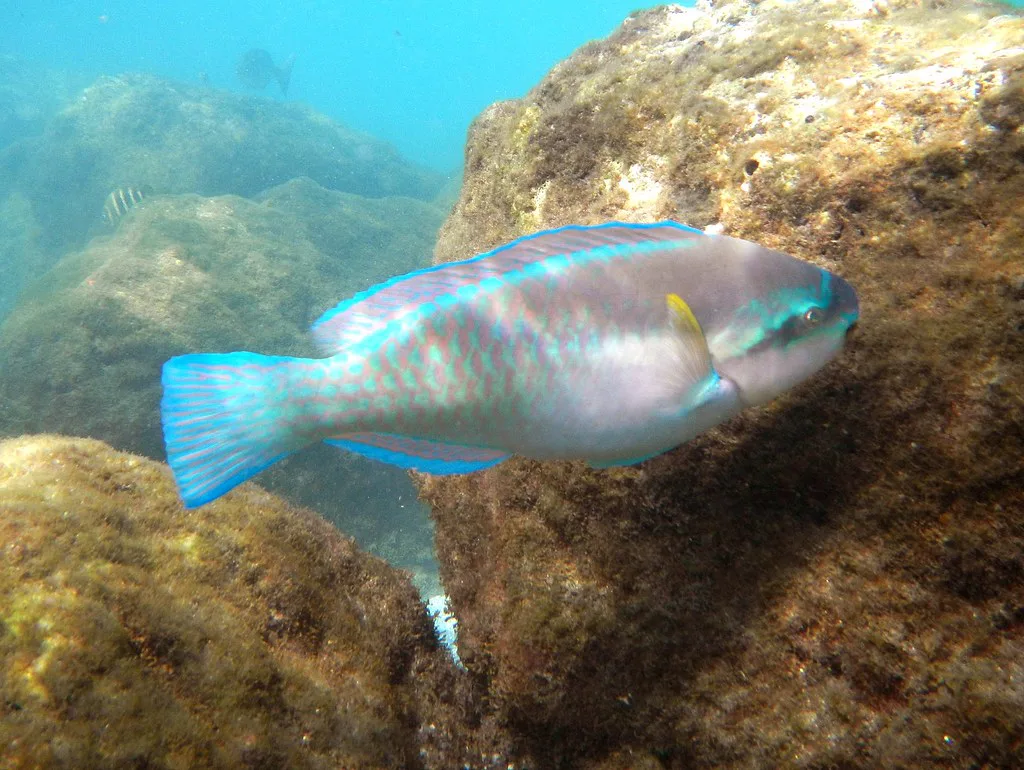
The lagoon's fish life clusters around hard structure, which is why the Phil Foster Park modules and the rocks and seawalls near Peanut Island produce the best viewing. Expect small tropical species hovering close to the reef modules and rock, with the occasional larger animal passing through open water. Eagle rays and manatees are part of this habitat, and manatees in particular require giving them space and never blocking their path to the surface.
Wildlife viewing rules apply throughout Florida waters: do not touch, feed, chase or ride any animal, and give manatees and sea turtles room to move away. Keep your hands and fins off coral and reef modules, and resist the urge to stand on structure to rest. A few feet of distance protects the animals and keeps you out of trouble with wildlife officers.
Skill level and who each spot suits: beginners, kids, strong swimmers
Phil Foster Park's trail is the beginner and kid pick because you enter from sand, the water is shallow over the modules and you can turn back at any point. Peanut Island's sandbar suits families and casual snorkelers who want to float in calm water, though you still need to handle your own swim or arrange a boat. Strong swimmers who want more range can work the edges of the lagoon structure, but open-water confidence is not required for either headline spot.
If you are choosing between a shore entry at Phil Foster Park and a paid trip, weigh the cost against what the cruise removes: navigation, anchoring and boat handling in a working waterway. The organized sandbar tour suits groups, families and anyone unfamiliar with the Intracoastal, while confident swimmers who know the tide will get plenty from the trail. Neither option demands scuba certification or serious dive experience.
Best time of day and how tide and boat traffic shape a snorkel
Early morning is the most reliable window for the Phil Foster Park trail, when boat traffic is lighter and the water is usually calmer. Tide is the bigger variable: around slack high tide the current eases, making the swim out and back manageable for weaker swimmers. Afternoon wind and weekend boat wakes can reduce visibility at the surface, so plan around the tide chart rather than a fixed hour.
For a boat-based sandbar trip, Keylypso sets the departure time, so match your day to its schedule rather than the other way around. The navigation channel near the inlets and bridges carries steady traffic, and snorkelers should stay clear of it and stay visible. If the wind has been up for a day or two, expect stirred-up water and plan accordingly.
Hazards: current, boat traffic and posted advisories
The defining hazard in Lake Worth Lagoon is boat traffic. The Intracoastal is a working waterway with ferries, fishing boats and pleasure craft, and snorkelers are hard to see from a helm, so stay near shore, fly a dive flag where required and avoid the marked channel. Current is the second factor, strongest around tidal changes near the bridge and inlets.
Watch for posted advisories at the park entrances and heed them, since they reflect current conditions rather than permanent rules. Storms can push in poor water quality and heavy surf at the inlets, and jellyfish appear seasonally in Florida waters. If a lifeguard or park staff member clears the water, leave without debate.
Parking, facilities and rentals
Phil Foster Park is a county park with a parking lot, and on weekends and holidays the lot fills early because it also serves beachgoers and dive groups. Arrive at opening if you want a space close to the trail entry, and bring what you need since equipment is not guaranteed on site. Confirming parking rules and any lot fees with Palm Beach County Parks and Recreation before you go saves a surprise at the gate.
Rental and guide options cluster around the Riviera Beach and Singer Island area, and Keylypso sails from Lake Park Marina. For the sandbar cruise specifically, Keylypso publishes what the trip includes, how long it runs and the adult fare on its booking page. Book ahead for weekend departures, when the popular slots go first.
Rules: lagoon wildlife distance and reef-safe practice
Florida protects manatees and sea turtles, and the rules are not optional: no touching, feeding, chasing or harassing, and no blocking a manatee's route to the surface. In a manatee slow-speed zone, boats must reduce speed, which also makes the water safer for snorkelers. Carry reef-safe sunscreen if you plan to be in the water for hours, and keep hands off the reef modules and rock.
Marine reserve and no-take rules vary by site, so check the signage at the park entrance and the managing agency's page before collecting anything, including shells. The lagoon is a lived-in waterway with homes, docks and working boats, so keep clear of private docks and moored vessels. Following the posted rules keeps access open for everyone.
Combining spots into one Palm Beach day
A workable day starts at Phil Foster Park on the early tide, when the trail is quiet and the water is clearest, then shifts to Peanut Island for a sandbar float or a booked cruise out of Lake Park Marina. The two are close enough to link without a long drive, and doing the trail first leaves the sandbar for the afternoon when the sun is high. Bring water, a dry bag and a spare set of clothes for the ride home.
If you would rather stretch the trip along the coast, Red Reef Park in Boca Raton offers a different snorkel experience with its own entry and character. Comparing the two is worth an afternoon of reading if you have several days in the area, and red reef park snorkeling lays out the shoreline access in detail.
Boat trips and guided options, including what a Peanut Island sandbar cruise actually includes
The three-hour Peanut Island Sandbar and Swim Tour runs from Lake Park Marina to the sandbar, where the boat anchors in calm shallow water for swimming and floating. The fare is $79 per adult, the trip is BYOB, and Keylypso provides water, soda and floats on board, which covers the basics so you only need your own snorkel gear and towel. Booking is online, and Keylypso offers private charters for groups.
Sunset and sightseeing cruises are also offered by Keylypso from the same marina for travelers who want time on the water without snorkeling. Check Keylypso's schedule for departure times and current fares, since these change by season. For a snorkel-focused day, the sandbar swim trip is the one that puts you in the water.
Where to go next in the Palm Beaches
Beyond the lagoon, Red Reef Park in Boca Raton gives you a rock-and-reef shoreline snorkel that feels more like the open coast, and it is the natural next stop south. It rewards a bit more confidence in the water than the sheltered Phil Foster Park trail.
For a change of water entirely, the freshwater springs of north and central Florida offer clear, cold and calm conditions that suit beginners and families, and they make a good road-trip extension. If you want the full statewide picture before committing, a broader guide to snorkeling in florida helps sort coast from springs.
Plan Your Palm Beach Snorkel Day
Decide first how you want to get in the water: walk-in at Phil Foster Park, swim from Peanut Island, or book the sandbar cruise from Lake Park Marina. That single choice sets your timing, budget and gear list, and the rest of the day falls into place around the tide.
Whatever you pick, time the water around slack tide, stay clear of the Intracoastal channel, and give manatees and rays their distance. Check the day's conditions and any posted advisories with Palm Beach County Parks and Recreation before you drive out.
Explore more Palm Beach snorkeling
Frequently Asked Questions
Can you snorkel from the beach in Palm Beach?
Yes, but not from the ocean beaches along the barrier island. The snorkeling happens inside Lake Worth Lagoon, and the main walk-in option is the snorkel trail at Phil Foster Park, where you enter from the sand and swim a short distance to the reef modules. Peanut Island also has beach access to a shallow sandbar, though you need to reach the island first.
What is the best snorkeling spot in Palm Beach for beginners?
Phil Foster Park's trail is the most beginner-friendly because you enter from the beach, the water over the modules is shallow and you can turn around whenever you like. Peanut Island's sandbar is the alternative for families who want calm water and easy floating. Either way, plan around slack tide so you are not swimming against current.
Do you need a boat to snorkel at Peanut Island?
Not strictly, since you can swim from the island's beach to the sandbar, but a boat removes the navigation and anchoring work in a busy waterway. Sandbar cruises depart from Lake Park Marina and anchor in the shallow water so passengers can swim and float. Choose the boat if you are with a group or unfamiliar with the Intracoastal.
What fish can you see snorkeling at Peanut Island?
The lagoon supports tropical fish, manatees and eagle rays, with fish life concentrated around hard structure such as rock and reef modules. Sightings depend on the day, so treat any given species as a possibility rather than a certainty. Give manatees and rays space and never touch or chase them.
How much does a Peanut Island snorkeling tour cost?
The booking page lists the adult fare for the three-hour Peanut Island Sandbar and Swim Tour, plus the departure point at Lake Park Marina. The same page notes the trip is BYOB and that water, soda and floats are provided on board. Fares and schedules change by season, so check current details before booking.
Where do you park for the Phil Foster Park snorkel trail?
Parking is in the Phil Foster Park lot, which fills early on weekends and holidays because it serves both snorkelers and beachgoers. Arrive close to opening for the best chance of a space near the trail entry, and check the county parks page for any lot rules before you drive out.
Sources
Snorkeling notes for your next trip
Optional updates to our snorkeling guides.
You might also like
Continue reading
More guides you'll find useful