Vero Beach Snorkeling: Where to Plan Your Palm Beach Trip
Vero Beach snorkeling centers on the SS Breconshire, a wreck roughly 400 yards offshore. Here is the swim, the depth, the skill it takes and how to get out.
On this page
Vero Beach snorkeling is one of the few Florida east-coast swims where the destination is an actual ship rather than a coral ledge. The SS Breconshire went down in 1894, and the wreck sits roughly 400 yards off the sand on this stretch of the Treasure Coast, close enough that strong swimmers reach it without a boat. That makes it a self-supported adventure: no tour operator ferries you out, and you plan the swim, the gear and the exit yourself.
Why Vero Beach snorkeling is a wreck swim, not a reef swim
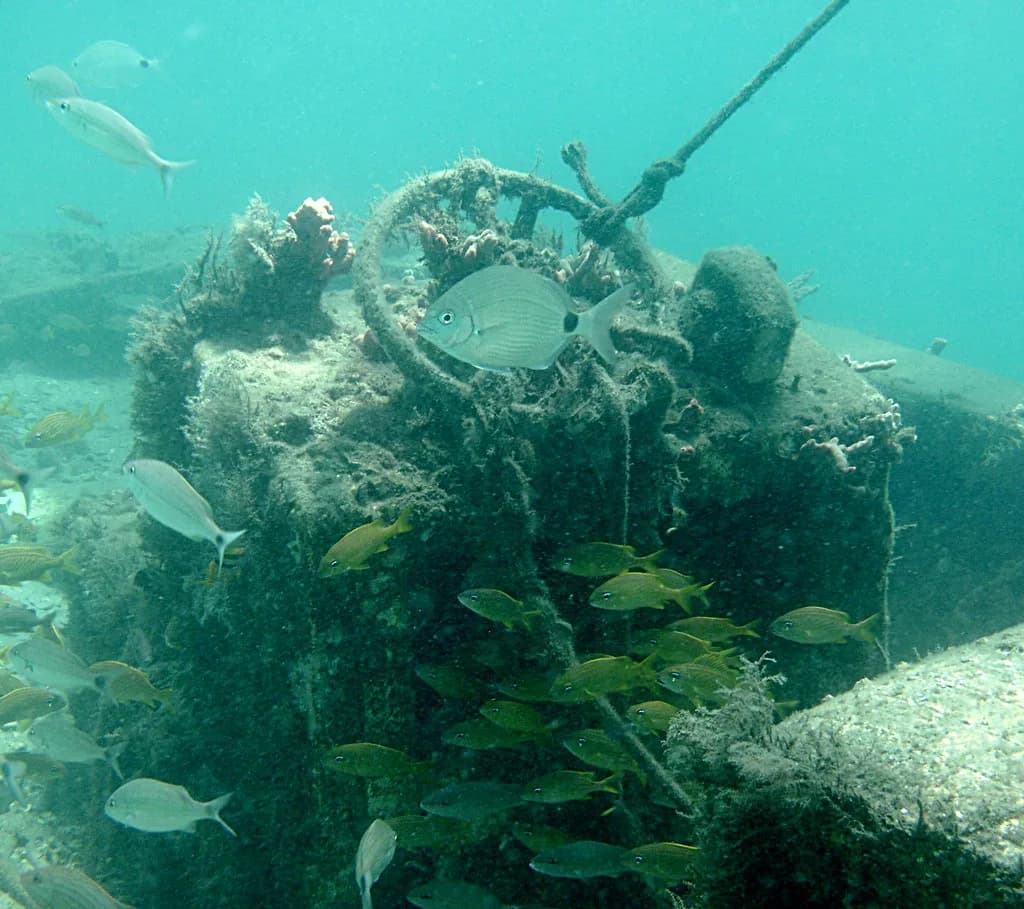
Along most of Florida's Atlantic coast you snorkel whatever natural or artificial structure happens to sit near the beach. At Vero Beach the structure is a steel freighter that broke up in the shallows, and the surrounding bottom is sand rather than the coral framework you find in the Keys. The payoff is a compact, easily located target with fish concentrated around it, plus an unusual piece of Treasure Coast history under your mask.
Set expectations accordingly. This is not a colorful reef with fans and sponges in every direction; it is a wreck site where marine life gathers because there is something to gather around. Snorkelers who enjoy finding one feature and working it thoroughly get more out of the day than those hunting for a postcard reef.
Where the SS Breconshire sits and how you find it from the sand
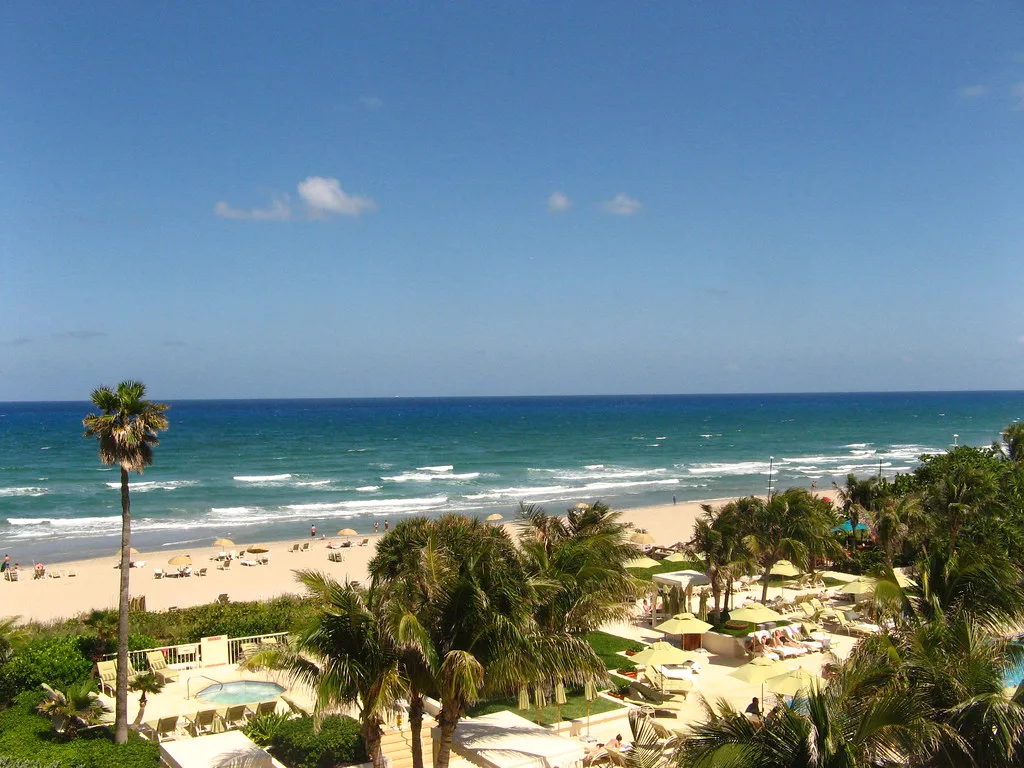
The wreck lies about 400 yards from shore, and a tall white flag pole flying an American flag stands right out of the water above the site. That marker is your navigation aid from the beach: line up on it before you get wet, and you can swim a straight line instead of zigzagging. Without the pole, a 400-yard swim over open sand would be a guessing game.
Vero Beach sits on the Treasure Coast, roughly two hours from Orlando, with Vero Beach Regional Airport the closest field. Approach the shoreline from the public beach areas, keep the flag pole in sight, and pick a landmark behind you so you can find your exit point on the return leg.
Getting in: swimming from the beach versus paddling out by kayak
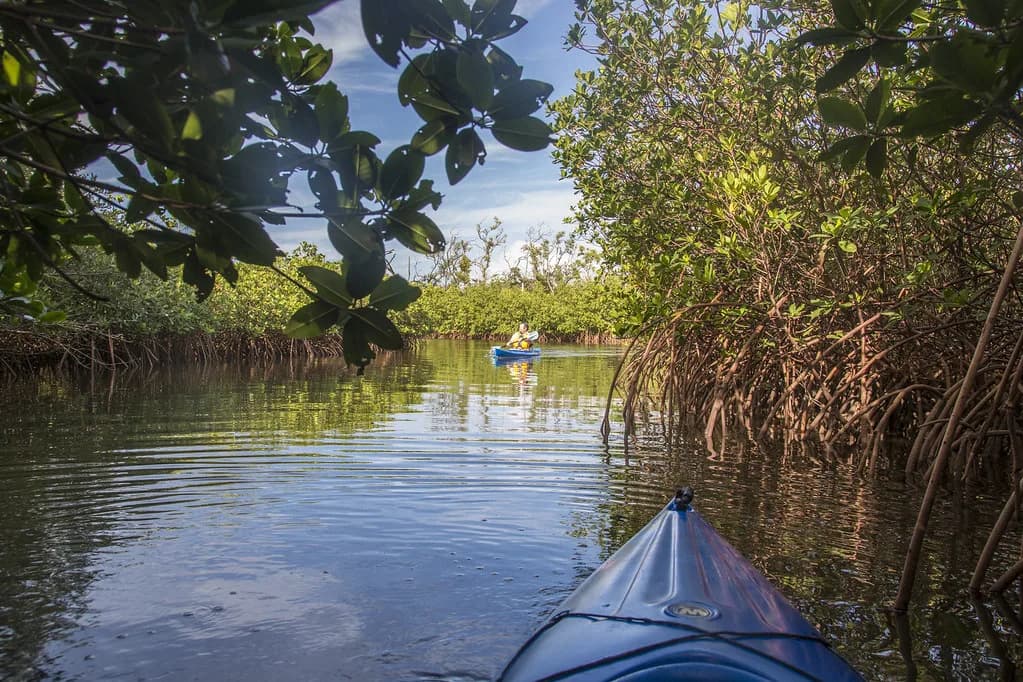
Entry is a straightforward beach walk into the surf, with no rocks, ladders or stairs involved. The real decision is how you cover the 400 yards. Strong swimmers can fin out directly from the sand; nervous swimmers and families with kids can rent kayaks and paddle to the marker instead, towing gear or stowing it on deck.
The kayak option costs you speed and adds a boat to manage in the surf zone, but it keeps less confident swimmers from committing to a long open-water return. A paddler can also rest on the way out and stay oriented above the water, which matters more than it sounds on a choppy day. If you go by kayak, secure the boat well away from the wreck before you slip in.
For a paddle-first approach to Florida snorkeling in palm beach, the same logic applies: match the craft to your comfort in open water, then work the site.
How far out and how deep the wreck is, and what that means for your bottom time
Treat the number that matters as horizontal distance, not depth. Four hundred yards of open water is a real swim each way, and you need to hold enough in reserve to make the return leg comfortably. Snorkelers who can cover that distance fresh, at an easy pace, with fins, are the ones who enjoy the site.
Because the wreck has broken up over more than a century, structure sits in pieces rather than as a single intact hull, so you will be swimming between fragments rather than descending along a wall. Keep your fins up and your body horizontal over the shallower pieces. If the water is murky or the surface is choppy on arrival, the sensible move is to turn around rather than hunt for structure in poor visibility.
What you will see: reef fish, rays, jellyfish and snapper around the wreck
Reports from the site describe plenty of fish life around the wreck, along with rays, jellyfish and snapper passing through. Expect a working assemblage of small reef fish rather than a guaranteed list, and watch the sand around the structure, where rays often settle. Jellyfish show up seasonally, so a full swimsuit or rash guard gives you some protection on the long swim out.
Give wildlife room rather than crowding it. Do not touch, feed or chase fish, rays or anything else, and let animals move away on their own terms; that keeps the site healthy and keeps you out of trouble in open water.
Skill level: who this suits and who should stay in the shallows
This swim suits competent, comfortable open-water snorkelers who can swim several hundred yards in the sea and stay calm when the bottom drops away. It does not suit first-timers, weak swimmers or young children unless they are paddling out with an adult and only entering the water right beside the wreck. There is no gradual reef to build confidence on out here.
Kids and nervous swimmers still get a good day at Vero Beach by snorkeling the shallows along the sand, where small fish pass through and the exit is always a few steps away. If you want a genuinely easy first site with a gradual entry and abundant life, snokeling at a lifeguarded lagoon or a shallow bridge site is the better plan.
A sheltered, beginner-friendly alternative is Blue Heron Bridge Snorkeling at Phil Foster Park, where shallow water and easy entry suit new snorkelers far better than a 400-yard ocean swim.
Best time of day and sea conditions for the swim out
Go early. Morning light is best for spotting structure, winds are usually lighter before the sea breeze builds, and you get the wreck to yourself before other beachgoers arrive. Flat, calm surf makes both the entry and the long swim far more manageable, so pick a day with small surf and light wind.
Onshore wind and swell push murk and chop toward the beach, which hurts visibility and makes the return leg harder. Watch the surf report before you commit and choose a window with cleaner water and a gentle shorebreak. If the ocean is up, paddle a sheltered river or lagoon instead and save the wreck for a calmer day.
Hazards: distance from shore, boat traffic and the return leg
The main hazards here are horizontal, not vertical: a long open-water swim, surf at the entry and exit, and other water users. Swim with a buddy, tow a visible float, and keep your head up on the surface, particularly around the wreck where other snorkelers and paddlers may be concentrated.
Plan the return before you get in. Swim out into whatever current or wind is running so the trip back works with you, and turn around while you still have energy rather than pushing on to the marker. Check the day's surf and rip-current outlook with the National Weather Service before you head to the sand.
Parking, fees and facilities near the beach access
Vero Beach's oceanfront access points are managed by the city and Indian River County, and parking, meter rules and facility availability vary by access point, so check the specific beach park you plan to use before you drive. Confirm where you can legally leave a car for a multi-hour swim, and note that gear rentals are not part of the standard beach setup, so plan to bring your own mask, fins and snorkel.
Because there are no official tours for this site, you will want to buy or pack snorkel gear before you arrive rather than counting on renting at the beach. That means a well-fitted mask, fins that suit a long surface swim, and a float or dry bag to tow.
Gear to bring, since the swim is self-supported
The 400-yard swim shapes the kit. Choose fins that are comfortable for long surface work rather than stiff freediving blades, a low-volume mask that seals without constant clearing, and a snorkel with a dry top for chop. A tow float adds visibility and gives you somewhere to rest, and a rash guard handles sun and stray jellyfish tentacles.
Carry water on the beach and leave a dry bag with a towel and warm layer at your exit point, since the swim back is cold work even on a warm day. A small compass or a watch with a bezel helps you hold a heading when the shoreline looks uniform.
Shore snorkeling options when the wreck is out of reach
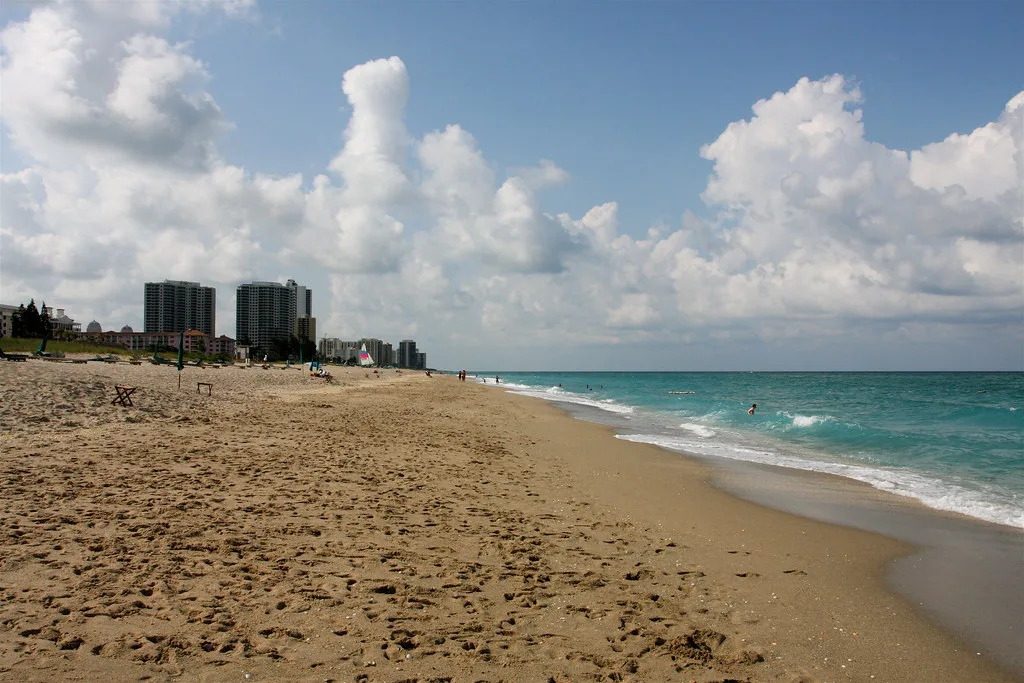
When surf or stamina rules out the wreck, stay in the shallows along the Vero Beach sand and work the troughs and small structure near the shore. You will see far less than at the wreck, but you get an easy exit and a simple, low-stress swim. That is the right call for kids, new snorkelers and anyone fighting a cold or fatigue.
Further down the coast, Coral Cove Park offers a rockier shoreline that holds fish close to the beach, a worthwhile change of scene if the ocean at Vero is unsettled.
Inshore, Lake Worth Lagoon gives you flat, protected water for a guaranteed swim when the Atlantic is too rough, and a good backup for a blown-out beach day.
Nearby spots to combine with a Vero Beach day
Vero Beach is about two hours from Orlando and roughly an hour and a half from the Palm Beach area, so a wreck swim pairs naturally with a broader South Florida trip. If you want a second snorkel day with easier logistics, Red Reef Park in Boca Raton has a shore reef close to the sand and a park setting that suits families, and snorkeling in Fort Lauderdale adds another beach-reef option if you keep heading south.
For a boat-based day with a different character, Peanut Island in Palm Beach County offers clear, shallow water and easy access, and makes a good contrast to the exposed Vero swim. Pair the two across a long weekend to see how different Florida snorkeling can be within a short drive.
Safety and wildlife rules for snorkelers
The wreck sits in Florida state waters, so standard fishing and wildlife rules apply, and you should not take anything from the site, including artifacts from the wreck. The Treasure Coast's shipwreck history is protected, so leave anything you find in place and report significant finds rather than pocketing them.
Follow the usual wildlife distance rules: no touching, feeding or chasing, and no blocking an animal's path to the surface. Give sea turtles and rays space, and keep your hands off the wreck structure itself, which is fragile after more than a century underwater.
Plan Your Vero Beach Snorkel Day
Build your Vero Beach day around the SS Breconshire and one clear question: can you swim 400 yards out and back comfortably? If yes, go early, pick a calm-surf morning, fin out on the flag pole, work the structure and turn around with energy in reserve. If not, rent a kayak, paddle out with a buddy, or snorkel the shallows and save the wreck for a fitter day.
Bring your own gear, tow something visible, and check the surf and rip-current outlook with the National Weather Service before you commit.
Frequently Asked Questions
Can you snorkel from the beach in Vero Beach?
Yes. The SS Breconshire wreck sits about 400 yards off the sand, so you can walk in from the beach and swim out to it. A tall white flag pole above the water marks the site, and you can either fin out directly or paddle out by kayak and enter the water beside the wreck.
How far offshore is the SS Breconshire wreck?
Roughly 400 yards from shore, marked by a flag pole that stands out of the water above the wreck. That is a genuine open-water swim each way, so plan your energy for the return leg and pick a calm, low-surf day.
Is Vero Beach snorkeling good for beginners?
Not for the wreck itself. The length of the swim and the open-water exposure suit competent swimmers, while beginners and kids do better in the shallows near the beach or at a sheltered site with a gradual entry. A kayak can make the trip workable for less confident swimmers who stay close to the boat.
Do you need a boat or tour to snorkel in Vero Beach?
No tour is required and there are no official tours for the site. Strong swimmers reach the wreck from the beach, and kayak rental is the main alternative for those who want support on the way out.
What marine life can you see snorkeling in Vero Beach?
Fish gather around the wreck, and rays, jellyfish and snapper have been reported at the site. Sightings vary with season and conditions, so treat any list as possible rather than guaranteed, and keep a respectful distance from everything you meet.
Sources
Snorkeling notes for your next trip
Optional updates to our snorkeling guides.
You might also like
Continue reading
More guides you'll find useful