Jupiter Snorkeling: Where to Get In and What You'll See
Jupiter snorkeling runs from shallow Coral Cove to the current-swept inlet and boat-only reefs. Here is where to get in, what you'll see and when to go.
On this page
Jupiter rewards snorkelers who match the spot to their comfort in the water rather than chasing the most photographed reef. The town strings together shallow rock-and-sand beaches on Jupiter Island, a created artificial reef beside Riviera Beach and an inlet where tidal flow sets the difficulty. Beginners and families get calm, wadeable water; confident swimmers get current, structure and bigger fish.
This guide walks through each entry point, what the bottom looks like, which species turn up and how to sequence two or three spots into one day. Conditions change with swell and tide, so the practical skill is reading the water at the access point before you gear up.
Jupiter Snorkeling at a Glance
Shore-entry snorkeling clusters on two stretches: the Atlantic beaches of Jupiter Island to the south and the protected Lake Worth Lagoon side around Phil Foster Park and Peanut Island. The Jupiter Inlet connects the two, and its bridge is a current site rather than a beginner pool. Pick by entry type first, then by what you hope to see.
Families and first-timers do best at Coral Cove Park, where the water stays shallow over rock and sand, or at Phil Foster Park, where a created reef sits in calmer lagoon water. Strong swimmers and dive-certified snorkelers gravitate to the inlet bridge and the outer reefs reached by boat. Blowing Rocks Preserve and MacArthur Beach sit in between, with rockier or longer entries.
Boat tours reach reef and wreck structure farther offshore, including the reefs along Jupiter Island and sandbars in the Loxahatchee River. Those trips suit anyone who wants deeper water without a long surface swim, and they remove the navigation burden of the inlet.
Coral Cove Park: Shallow Rock-and-Sand Entry on Jupiter Island
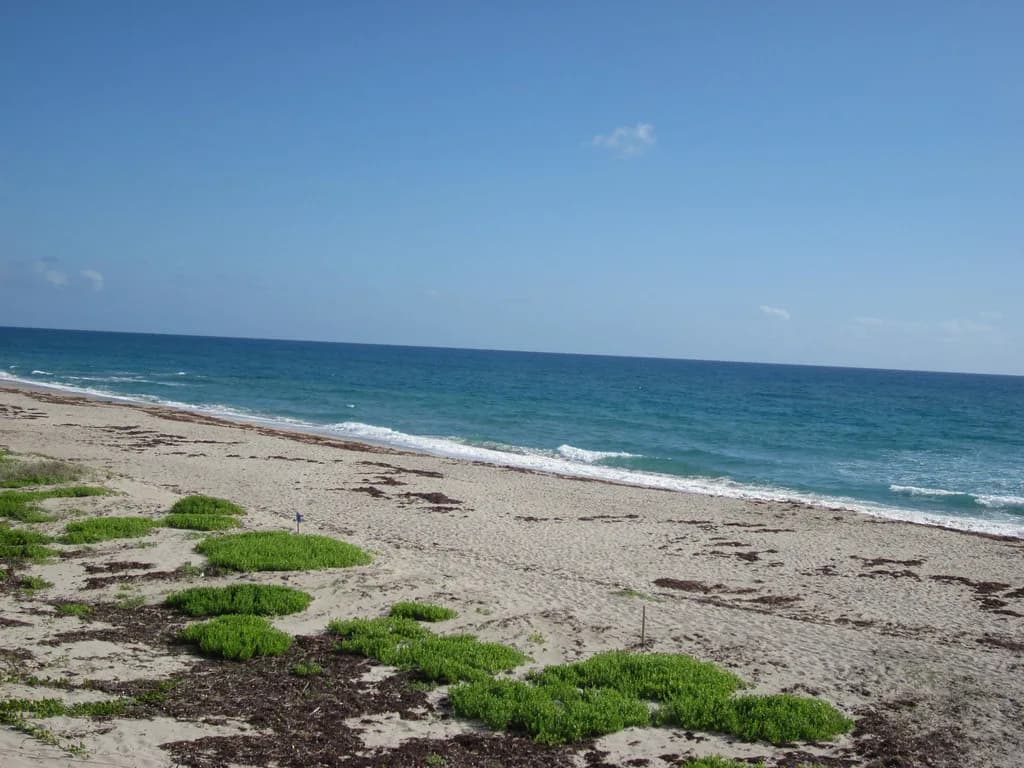
Coral Cove Park sits on Jupiter Island south of Blowing Rocks Preserve, with an Atlantic-facing beach and a bottom of sand patches broken by low rock. The water stays shallow close to shore, which makes it the easiest place in Jupiter to kneel, clear a mask and get comfortable before swimming farther out. The park has a picnic area, restrooms and showers, so a family can spread out for a half day.
Fish life here is modest compared with the inlet or offshore reefs, so treat Coral Cove as a learning and rockpooling beach rather than a destination for big schools. Walk the shoreline at low tide to see where rock ledges and rubble create cover, then snorkel those edges on a calm day. The trade-off is simple: easy entry and facilities in exchange for less dramatic reef.
Blowing Rocks Preserve: Limestone Shoreline and Tide Pools
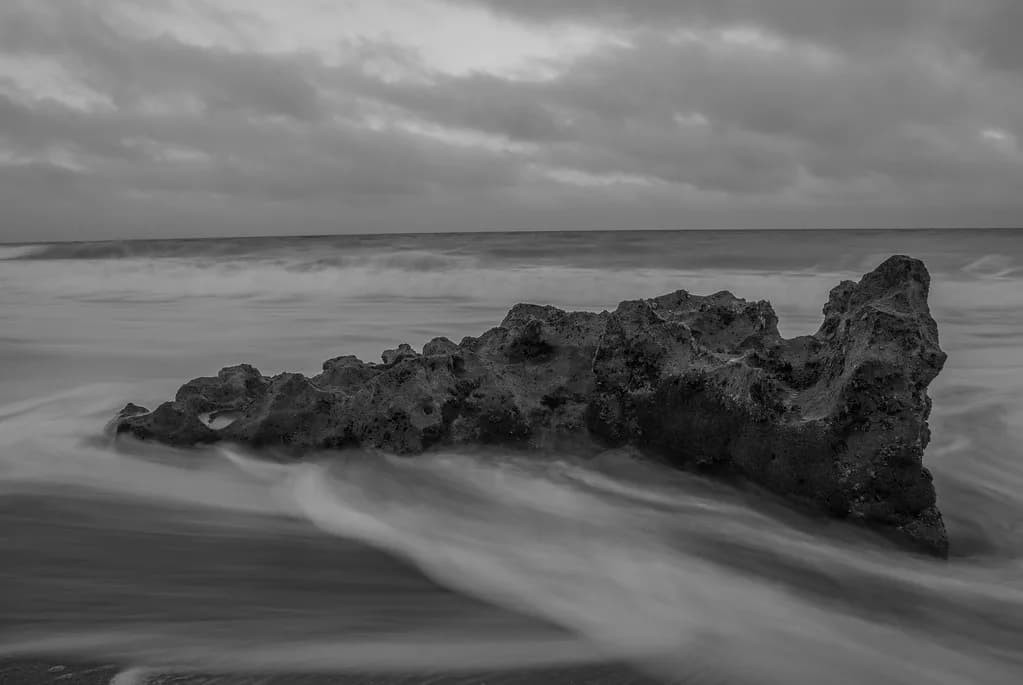
Blowing Rocks Preserve occupies a stretch of Jupiter Island where a limestone shoreline forms small coves and tide pools rather than a flat sand beach. Those rock shelves create structure that holds tropical fish, stingrays and sea turtles, but the water can be turbulent against the rock, which pushes the site toward more experienced snorkelers. Enter through the calmest pocket you can find and stay clear of surge washing over the ledges.
Time your visit for a settled day with light onshore wind; the same rocks that make the site interesting also make a rough-day entry unpleasant. Reef shoes help on the limestone, and a shallow tide pool is a good place to practice before committing to the open edge.
John D. MacArthur Beach State Park on Singer Island
John D. MacArthur Beach State Park covers a barrier island on Singer Island with a reef system offshore and a full set of park facilities, including a nature center, picnic areas and a playground. The beach is wide and the swim out to reef structure is longer than at Coral Cove, so this suits families who want amenities and a walk, plus snorkelers prepared for a surface swim. Combine the snorkel with a nature-center stop if you have children along.
Because the park fronts the open Atlantic, the quality of the snorkeling follows the swell: a calm morning gives clearer water over the reef, while a building sea stirs the shallows. Arrive early to claim shade and to swim before the afternoon wind picks up.
Phil Foster Park and the Blue Heron Bridge: A Created Reef
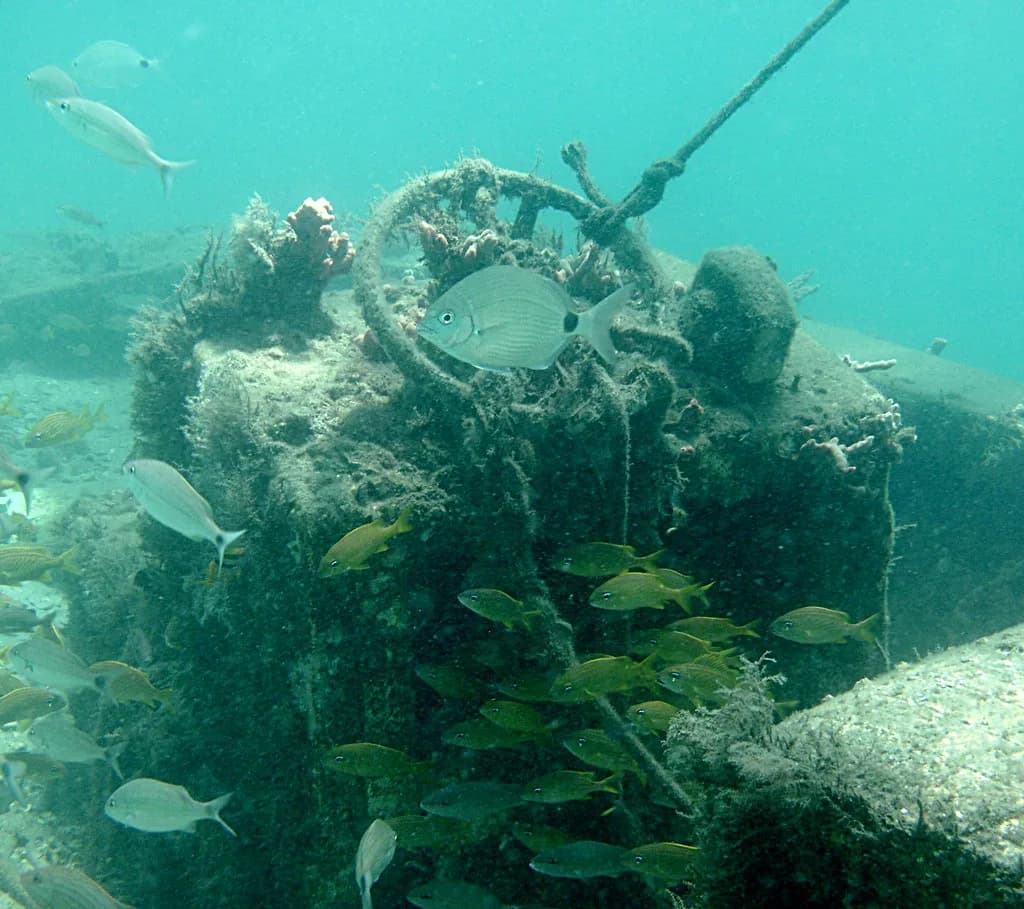
Phil Foster Park in Riviera Beach holds a man-made reef built from limestone rock and more than 600 tons of concrete, set in the protected water of Lake Worth Lagoon. That combination gives easy shore access, shallow depth and calm water, making it the best Jupiter-area choice for beginners, children and photographers who want a long, unhurried session. The park adds a playground, picnic spots and restrooms for a full family day.
The created structure attracts tropical fish, octopus and occasional sea turtles, and the lagoon setting keeps the surface flat when the Atlantic beaches are choppy. Plan around tide and boat traffic in the channel, keep close to the structure and surface regularly. This is the spot to choose when the ocean side is blown out.
Peanut Island: Lagoon and Artificial Reef
Peanut Island sits just off Riviera Beach and offers a lagoon and artificial reef that hold barracuda, parrotfish and sometimes nurse sharks. You reach it by boat, ferry or paddle rather than by driving to a beach, so the day requires more planning than a shore-entry park. The island has picnic sites, restrooms and showers once you are ashore.
Choose Peanut Island when you want a boat day with a swim stop and a picnic, not when you want a quick roadside snorkel. The lagoon side gives calmer water than the inlet channel, so families with children should stay on that side and avoid the boat traffic lanes.
The Jupiter Inlet and the 707 Bridge: Current Site for Strong Swimmers
Snorkeling beneath the Jupiter Inlet bridge, often called the 707 bridge, is a different sport from the beach parks. Tidal flow through the inlet is strong and constantly shifting, delivering nutrients that draw lobster, octopus, sea turtles and colorful tropical fish, but the same current makes this a site for experienced snorkelers only. Flying Lady Boat Tours, which describes the bridge, notes that the water is usually clearest at high tide and that the current is the defining feature of the dive.
Plan entry and exit around slack water, carry a surface marker so passing boats can see you, and never fight the current to reach a structure you cannot comfortably swim back from. Strong swimmers get the reward of big marine life and dramatic light; families should watch the inlet from shore and snorkel elsewhere.
Dubois Park: Protected Inlet Water and the Loxahatchee River Side
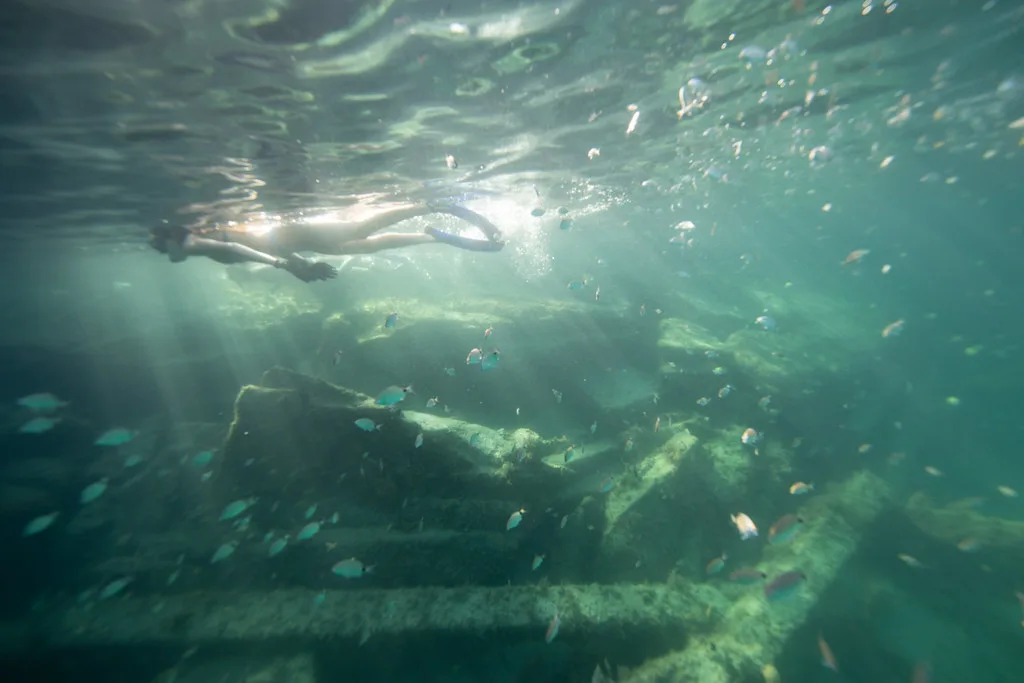
Dubois Park sits on the sheltered inlet side, which gives calmer water than the open Atlantic beaches and makes it a good companion stop for children or nervous swimmers. The protected water and the Loxahatchee River side suit a relaxed wade-and-snorkel session rather than a reef expedition. Boat tours also list Dubois Park as a destination, so expect some traffic on the water.
Pair a morning at Dubois with an afternoon at Coral Cove to see both the calm inlet and the open beach in one day. Watch for boat wake and keep children close on the river side, where visibility can drop after rain.
What You Will See
Reef and rock structure in Jupiter holds parrotfish, snapper, sergeant majors and angelfish, with rays gliding over sand and sea turtles surfacing to breathe. Invertebrate life is the quiet highlight: lobster and octopus hide in rock crevices and rubble at the bridge and at Blowing Rocks, rewarding slow, careful scanning rather than fast swimming. Nurse sharks appear around structure and in the lagoon, and they are harmless when left alone.
Follow published viewing rules everywhere: never touch or ride sea turtles, never feed fish and give any turtle or ray several body lengths of space. Keep your fins off the bottom so you do not damage coral or kick up silt that ruins visibility for everyone behind you.
Skill Levels and Who Each Spot Suits
Absolute beginners and young children should start at Phil Foster Park or Coral Cove Park, where entry is easy, depth is shallow and the water is sheltered or gently sloped. Families wanting facilities and a longer beach day head to MacArthur Beach, accepting a longer surface swim to the reef. Intermediate snorkelers can add Blowing Rocks on a calm day and Peanut Island on a boat trip.
Reserve the inlet bridge for strong swimmers comfortable with current, surface markers and boat traffic. Anyone unsure of their ability should build a session or two at the lagoon first, then reassess before moving to the inlet.
Best Time of Day, Season and Swell Direction
Morning usually gives the calmest wind and the clearest water before afternoon sea breezes build choppy surf on the Atlantic beaches. On the lagoon side, tide matters more than time of day, and the inlet bridge fishes best around high tide when the water is clearest. For an Atlantic beach day, aim to be in the water by mid-morning.
Onshore swell stirs the beaches and drops visibility, while a light offshore wind flattens the surface, so check the marine forecast and surf report before choosing between the ocean and the lagoon. If the Atlantic is blown out, shift to Phil Foster Park or Peanut Island and save the beach reef for another day.
Hazards
The inlet is the biggest hazard in Jupiter: tidal current under the bridge is strong enough to push a swimmer off line, and boat traffic shares the channel. Beach entries carry their own risks, including rock ledges at Blowing Rocks that become slick and surge-washed, and rip currents on the open Atlantic beaches. Lightning storms build quickly in summer afternoons, and lifeguard coverage varies by beach.
Carry a surface marker at the inlet, snorkel with a buddy, and stay out of the water when the flags or posted advisories warn of high surf. These are factual conditions, not reasons to stay home: choose the sheltered lagoon when the ocean is rough.
Parking, Fees, Lifeguards and Facilities
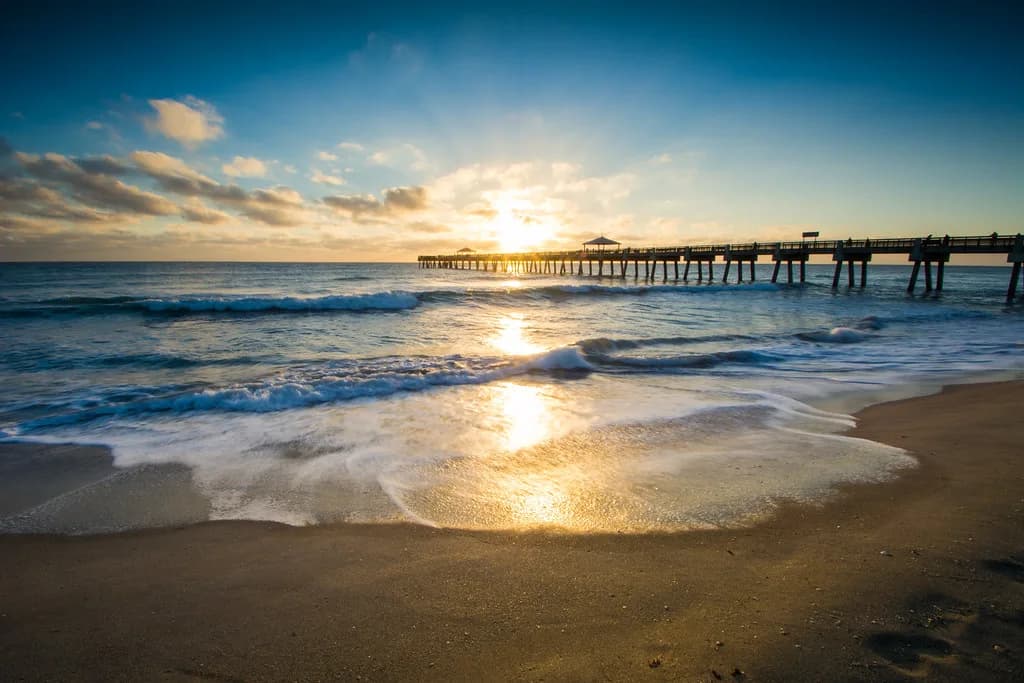
County and state beach parks in the area publish their own hours, parking arrangements and amenity lists, and fees vary by site. Check the Palm Beach County parks pages for the specific park you plan to use and the Florida State Parks site for MacArthur Beach. The nearest official reference point is Juno Beach Park to the north, which publishes sunrise-to-sunset hours, a 990-foot pier, 300 feet of guarded beach and restrooms with outdoor showers.
Juno Beach Park also prohibits balloons, a rule aimed at protecting sea turtles, and Palm Beach County Parks & Recreation posts a pier refurbishment beginning June 1, 2026 — so check the Juno Beach Park notices for current dates before you plan around the pier. Read those notices for Juno Beach itself rather than assuming the same rules apply at every Jupiter park.
Rules: No-Take Zones, Wildlife Distance and Sunscreen
Florida's protected waters carry no-take rules for coral and marine life, and wildlife viewing guidelines call for distance rather than pursuit: never touch, feed or chase turtles, rays or fish. Use reef-safe sunscreen and apply it before you get in the water so residue does not wash over the reef. Local operators and county parks publish these expectations, and the balloon prohibition at Juno Beach Park shows how local rules extend beyond the water itself.
At the inlet and around Peanut Island, keep clear of active boat channels and mooring areas. If a warden or park staff gives a direction, follow it.
Combining Spots into a Single Jupiter Snorkel Day
A sensible day pairs a calm morning swim with an afternoon change of scene: start at Phil Foster Park or Coral Cove while the wind is light, then move to Dubois Park or the inlet overlook as the sea breeze builds. A second pattern pairs a beach morning at MacArthur Beach with a boat trip to Peanut Island or the offshore reefs. Keep the inlet bridge as a standalone session rather than tacking it onto a family beach day.
If you want to extend beyond Jupiter, Red Reef Park in Boca Raton offers another shore-entry reef within a reasonable drive south, and snorkeling in Fort Lauderdale adds a set of beach reefs and boat sites for an even longer trip. Build the day around tide and wind rather than a fixed schedule, and leave slack time for a second swim when conditions cooperate.
Where to Stay and How to Get Around
Base yourself in Jupiter or Riviera Beach for the shortest drives to the shore entries, or in West Palm Beach for a wider choice of lodging and easy access to the lagoon sites. A car makes the difference here: the beach parks, the inlet and the boat marinas are spread along Highway A1A and U.S. 1, and public transit does not reach every beach access. Boat tours depart from marinas in Jupiter and Riviera Beach, so check departure points when booking.
Parking fills early at popular beach parks on weekends and holidays, so arrive before mid-morning or plan a lagoon alternative. Rideshares work for the marinas but are less convenient for beach parks with gear.
What to Bring for Warm, Shallow Atlantic Water
A properly fitted mask, a snorkel, open-heel fins and reef shoes cover most Jupiter entries, with reef shoes earning their place at Blowing Rocks and Coral Cove. Add a rash guard for sun and a surface marker if you plan to snorkel the inlet or swim far from shore. A small dry bag keeps keys and phone safe on the beach.
Bring water and shade for the beach parks, since facilities vary by site, and check the specific park page before relying on showers or restrooms. At the lagoon, a lightweight mesh bag carries gear from the car to the entry in one trip.
Plan Your Jupiter Snorkel Day
Jupiter works best when you pick the entry that matches your skill and the day's conditions: sheltered lagoon water at Phil Foster Park for beginners, shallow rock and sand at Coral Cove for families, and the inlet bridge only for strong swimmers with a surface marker. Check the marine forecast and the Palm Beach County beach conditions before you commit to an Atlantic beach.
Build in a backup: when the ocean is rough, the lagoon and Peanut Island keep the day on track, and a boat trip reaches reef structure without a long surface swim. Pack reef shoes, reef-safe sunscreen and water, follow wildlife distance rules, and you have a realistic plan for whatever the water offers.
Frequently Asked Questions
Can you snorkel from the beach in Jupiter, Florida?
Yes. Coral Cove Park, Blowing Rocks Preserve and MacArthur Beach all offer shore entry, though the bottom and difficulty differ. Coral Cove is the shallowest and easiest for beginners, while Blowing Rocks has a rockier, more turbulent shoreline.
Where do beginners snorkel in Jupiter?
Phil Foster Park and Coral Cove Park are the most beginner-friendly. Phil Foster Park has a created reef in calm lagoon water with easy shore access, and Coral Cove has shallow rock-and-sand bottom close to the beach.
Is the Jupiter Inlet safe for snorkeling?
The inlet bridge is a strong-current site suited to experienced snorkelers, not beginners. Tidal flow through the inlet is powerful, boat traffic shares the channel, and the water is usually clearest around high tide when the current is running.
What fish can you see snorkeling in Jupiter?
Parrotfish, snapper, sergeant majors, angelfish and rays are common around rock and reef, with lobster and octopus in crevices and sea turtles surfacing to breathe. Nurse sharks appear around structure and in the lagoon. Sightings vary with conditions.
Do you need a boat to snorkel in Jupiter?
No. Several shore-entry spots cover beginners and families, including Coral Cove, Phil Foster Park and the Atlantic beach parks. Peanut Island and the offshore reefs are reached by boat, ferry or paddle, so a boat extends your options rather than being required.
Is Phil Foster Park good for snorkeling?
Yes. Phil Foster Park has a man-made reef built from limestone rock and concrete in protected lagoon water, with easy shore access, shallow depth and calm surface. It suits beginners and families and stays workable when the Atlantic beaches are choppy.
What is the best time of year to snorkel in Jupiter?
Snorkeling runs year-round, but calm mornings in the warmer months give the clearest water and the easiest surface conditions. Winter can still be swimmable with a rash guard, and onshore swell is the main factor that drives visibility down on the Atlantic beaches.
Sources
Snorkeling notes for your next trip
Optional updates to our snorkeling guides.
You might also like
Continue reading
More guides you'll find useful