Oahu Snorkeling With Turtles: Where to Go and How It Works
Plan a turtle snorkel day on Oahu, from Waikiki's Turtle Canyon boat trips to Hanauma Bay shore entry, with depths, boarding points and reef rules.
On this page
Oahu's biggest snorkel draw is a turtle you can watch from a few feet away: the Hawaiian green sea turtle, or honu, which gathers in predictable numbers on shallow reefs off the south shore. The island's turtle snorkeling splits into two formats, a boat ride to a cleaning-station reef off Waikiki and a shore entry into a protected bay, and each suits a different kind of day. This guide explains how both work so you pick the one that fits your swimming, your schedule and your budget.
Turtle Canyon: The Cleaning Station Off Waikiki
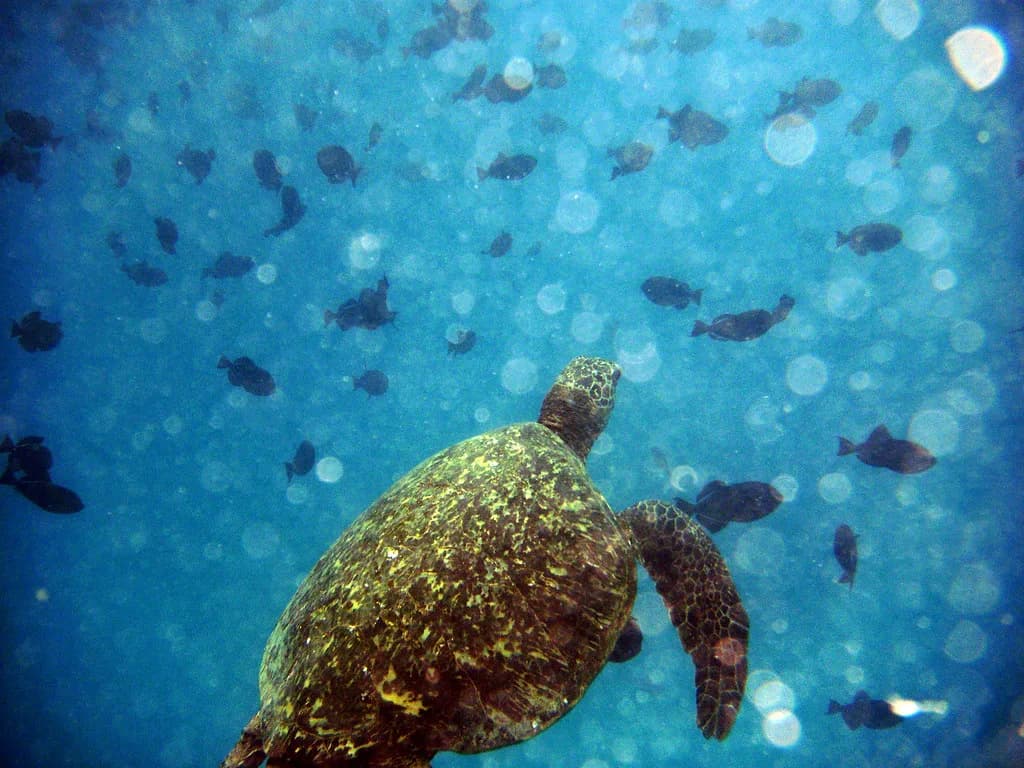
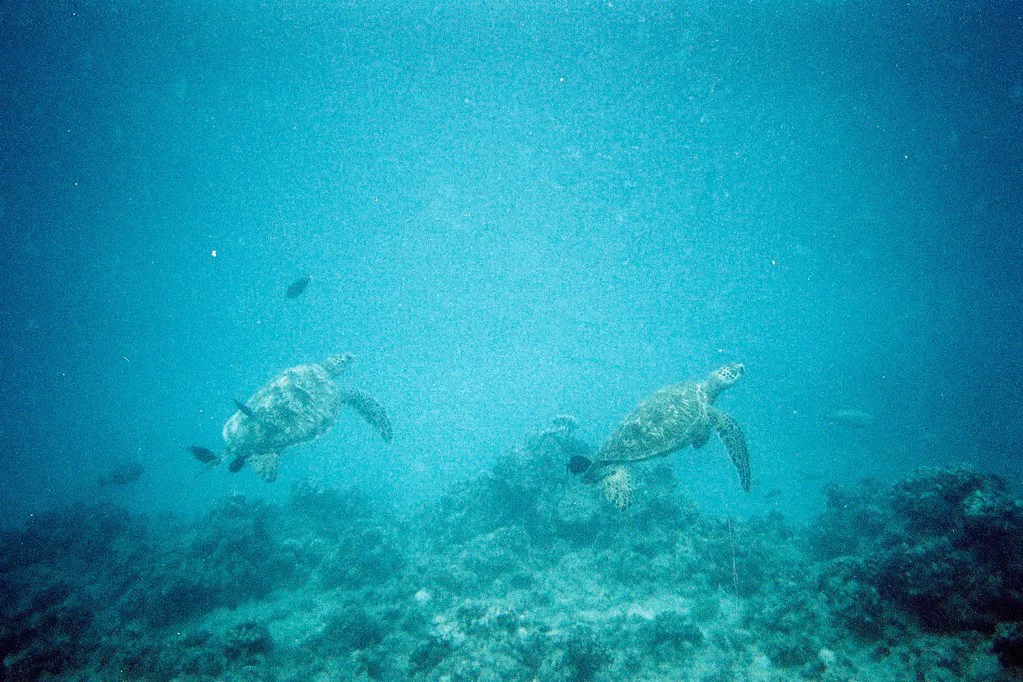
Turtle Canyon is a shallow reef system sitting just offshore from Waikiki on Oahu's south shore, and it works as a natural cleaning station where small reef fish pick algae off turtle shells. The turtles keep returning because the cleaning happens there year-round, which is why the site has become the island's most established place to snorkel alongside honu.
Operators describe the reef as a turtle car wash: honu hover over the coral to be cleaned, surface for air and rest on sandy patches between visits. You may also see octopus, known locally as tako, along with a spread of colorful reef fish working the same reef. Turtles are wild animals and move on their own schedule, so plan the trip around the reef rather than a guaranteed sighting.
There is no beach or shoreline at the site itself. Every visit to Turtle Canyon is made by boat, and the ride from Waikiki is short because the reef sits minutes offshore of the hotel strip. That makes it a boat-only snorkel, not a swim-out from the sand.
Getting In: Beach Boarding Versus Harbor Departures
Turtle Canyon tours leave from two kinds of start points, and the difference shapes your morning. Some boats board directly from Waikiki Beach, so you walk from your hotel to a beachside check-in and step onto the catamaran from the sand. Others leave from Kewalo Basin Harbor, which means a shuttle or taxi from Waikiki, a pier check-in and dock waiting before you reach the water.
Holokai Catamaran boards from the beach, with check-in at Outrigger Reef Waikiki Beach Resort at 2169 Kalia Road and a five- to ten-minute walk of up to 0.3 miles to the boarding point, which shifts with the tide. Morning tours depart at 9:00 a.m. with check-in at 8:30 a.m., and the afternoon trip departs at 12:00 p.m. with check-in at 11:30 a.m., both running two and a half hours. Wear footwear you can slip off, since you step from sand onto the boat.
Moana Sailing Company departs from the Kewalo Basin side, across from Kewalo Park at the back of the harbor, and its turtle snorkel runs at 10:30 a.m. with check-in 30 minutes before departure. It recommends a ride-share over driving because harbor parking is limited, and a large articulating ladder lets you walk down into the water instead of climbing a vertical rung.
Depth and Swimming Skill at Turtle Canyon
The snorkel site at Turtle Canyon sits in roughly 30 feet of water, which is deeper than a wading-depth reef and the key factor in whether the trip suits you. Holokai asks that guests be at least okay swimmers who are confident in open ocean, and the crew assesses swimming ability before snorkelers enter the water. First-time snorkelers are welcome; first-time swimmers are where the tour draws the line.
Gear makes the depth manageable for most people. Tours provide mask, snorkel, fins and a snorkel vest for buoyancy, and an in-water guide stays with the group to point out turtles and fish. A vest keeps you floating at the surface so you can watch the reef below without diving down, which is also the right way to behave around turtles.
Moana requires basic swimming skills for water activities, and its crew guides snorkelers to the better patches of reef and helps first-timers settle in. Neither operator promises a specific sighting: turtles are wild, and how many appear on a given morning varies.
Turtle Canyon Tour Costs and What's Included
Holokai lists general tickets at $80, with a discounted rate of $68 at the time of booking, and private charters at $3,400. The fare covers fins, mask, snorkel, snorkel vest, a professional in-water guide, reef-safe sunscreen, motion sickness aid, snacks and non-alcoholic drinks, plus a two-and-a-half-hour trip split between about 75 minutes of snorkeling and 75 minutes of sailing. Validated parking at the Embassy Suites garage covers up to four hours for $15.
Moana prices its Sea Turtle Snorkel and Sail Adventure at $69.99 for adults and children up to age 12, with private charters at $2,799. Snorkels, masks, fins and vests are included, each ticket includes a complimentary drink from the onboard bar, and a Highway Inn breakfast can be added at booking if ordered at least three hours before departure. Full refunds are available with at least 48 hours' notice, and you can reschedule free of charge up to 24 hours before departure.
A third option, the two-and-a-half-hour guided turtle tour in Maunalua Bay from Snorkel with Turtles, is listed from $99 for ages five and up. Its Hanauma Bay trip, a three-hour guided snorkel inside the preserve, is listed from $129. Both prices are starting rates Snorkel with Turtles publishes on its site, so compare them against the Waikiki departures that include gear and a sail.
Hanauma Bay: The Shore-Entry Alternative
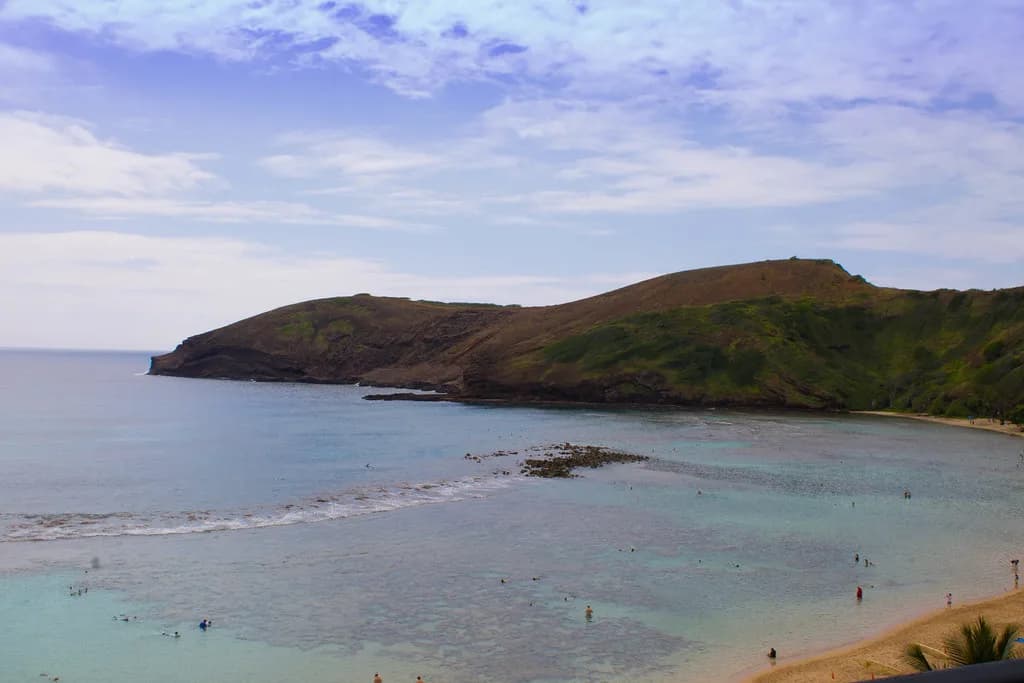
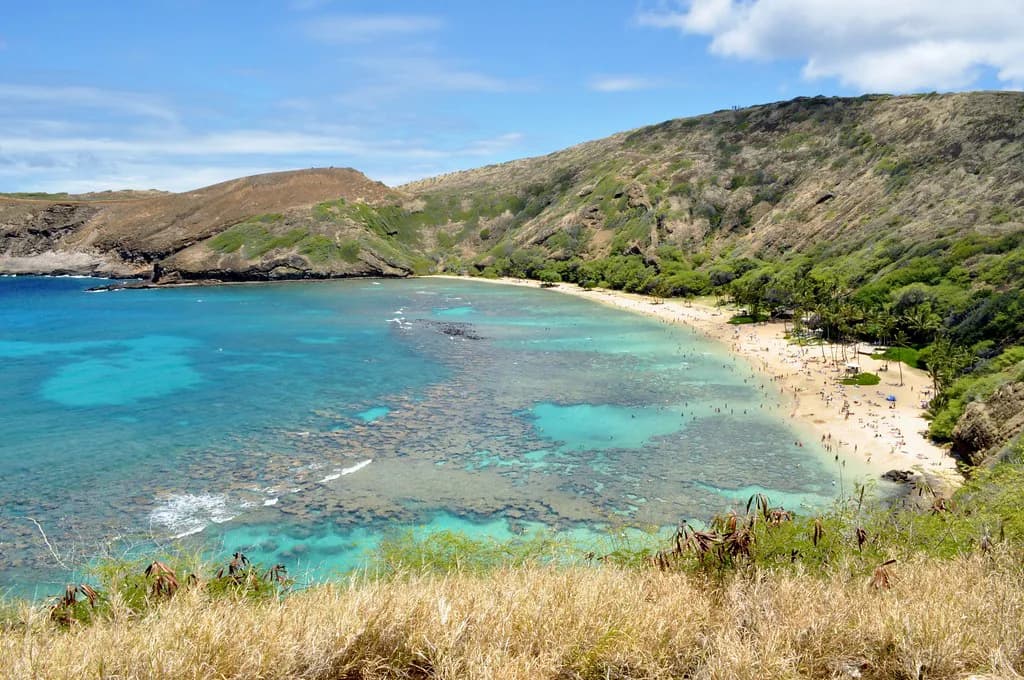
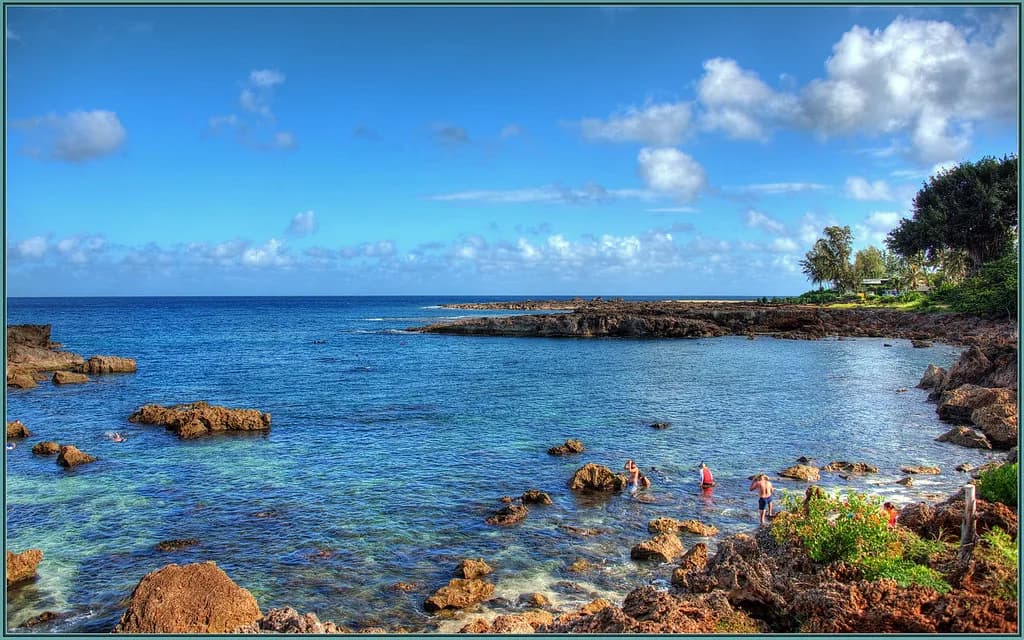
Hanauma Bay is the other headline turtle snorkel on Oahu, and it works in a completely different way: you enter from the sand into a protected bay rather than boarding a boat. The bay has been a nature preserve since 1974, which shapes how you visit it, and the snorkeling is a self-paced shore entry. Because no source here documents its entry fees, hours or reservation process, get those from the managing agency before you plan the day.
The trade-off is simple. Turtle Canyon puts you on a boat with a guide, gear and a short ride to a reef known for turtle cleaning behavior, at the cost of a ticket and a fixed departure time. Hanauma Bay gives you a beach you can drive to on Kalanianaole Highway and swim from on your own schedule, but you handle your own gear and your own safety in the water.
Entry to Hanauma Bay is managed through the Honolulu Department of Parks and Recreation, which publishes the current reservation rules and any closure days. Read those rules before you lock in a turtle day around the bay, because access is not simply a matter of showing up.
What You Will See
Hawaiian green sea turtles are the reason to come. At Turtle Canyon they cluster over the cleaning stations, rising to the surface to breathe and dropping back onto the reef, and at Hanauma Bay they cruise the sand channels between coral heads. Expect turtles at a respectful distance rather than within arm's reach.
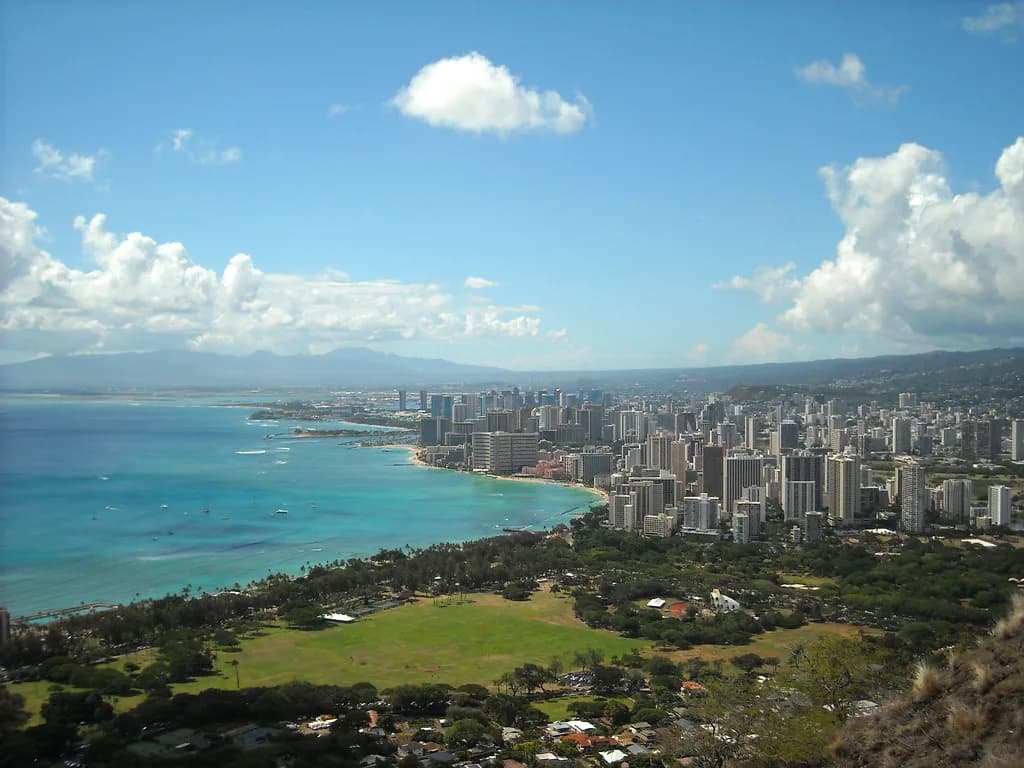
The supporting cast rewards slow swimming. Look for octopus tucked into crevices, schools of small reef fish that do the cleaning work, and the usual Hawaiian reef mix of wrasses, tangs and butterflyfish. On the boat trips, the sail back along the Waikiki coastline toward Diamond Head is part of the experience, not just transport.
Best Time of Day and Season
Morning is the default choice for a first turtle snorkel. Holokai's morning trip departs at 9:00 a.m. and its afternoon trip at 12:00 p.m., while Moana's single departure is at 10:30 a.m., so a morning booking gets you on the water before the day builds. Earlier departures also leave slack in your schedule if a trip is rescheduled for weather.
For shore entry at Hanauma Bay, the calmest water typically comes early, before afternoon winds pick up. Sightings are never fixed to a calendar: turtles use the cleaning stations year-round, and no operator can schedule a specific encounter. Build your day around water conditions rather than a promise.
Hazards, Boat Traffic and Open-Water Reality
Turtle Canyon is open ocean, not a sheltered lagoon. The reef sits in about 30 feet of water, the site is visited by multiple boats, and surge and current are part of the conditions a guide reads on the day. Stay with your group, keep your vest on, and follow the crew's instructions about where to swim.
Be honest about your comfort level before you commit. If you are not a confident ocean swimmer, a shore-entry bay with a sandy bottom is a better starting point than a deep reef, and a guided boat trip is better than a self-organized swim far from shore. Guests with mobility concerns should tell Holokai when booking, since boarding involves stepping from sand onto the boat and walking up to 0.3 miles to the boarding point.
Turtle Viewing Rules and Reef-Safe Sunscreen
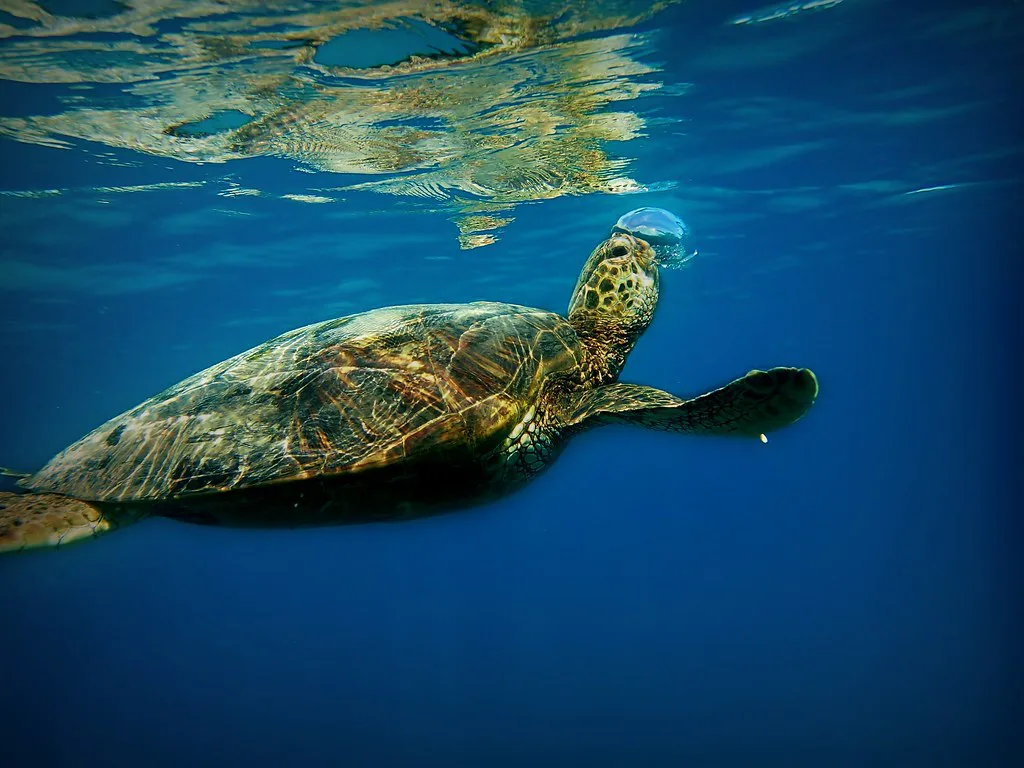
Honu are protected, and the rules exist for good reason. Keep a respectful distance, never touch, feed, chase or block a turtle's path to the surface, and never ride or hold one. Operators include reef-safe sunscreen in their gear for a reason: use it, and skip anything that leaves a chemical film on the reef.
The cleaning-station behavior is the whole attraction, so let it happen. Turtles come to the reef to be cleaned by fish, and a snorkeler who hangs back at the surface sees more than one who drops in close. Your guide will indicate where the turtles are and how to approach without crowding them.
Hanauma Bay is a nature preserve, so its rules on wildlife distance and reef protection apply on top of general Hawaii guidance. Confirm the current rules with the Honolulu Department of Parks and Recreation before you go, then plan your swim around them.
Nearby Spots to Combine With a Turtle Day
A Waikiki departure leaves the rest of your day free, and the south shore is compact. Pair a morning Turtle Canyon trip with an afternoon drive east along the coast to Hanauma Bay for a second, very different look at the reef. Plan the bay visit around its reservation system; walk-ins are not how it works.
If you want a full shore-entry itinerary rather than a single boat trip, build it around the island's beaches. The wider snorkeling in Oahu guide covers the north shore sites, including Shark's Cove Snorkeling on Oahu and Three Tables Snorkeling, Oahu, which reward a separate day with a car.
Plan Your Turtle Snorkel Day
Choose Turtle Canyon if you want a guided boat trip from Waikiki, gear included and a short ride to a reef where turtles gather, and accept a fixed departure time and a ticket price in exchange. Choose Hanauma Bay if you want a shore entry into a protected preserve and are comfortable organizing your own gear and timing. If you are weighing other islands for the same decision, our guide to snorkeling in Maui covers its shore spots and boat tours in similar detail. Either way, book ahead, arrive early and snorkel at the surface.
Frequently Asked Questions
Where is the best place to snorkel with turtles on Oahu?
Turtle Canyon off Waikiki is the most established turtle site, a shallow reef where honu gather at cleaning stations, reached by boat from Waikiki Beach or Kewalo Basin. Hanauma Bay is the best shore-entry alternative, with a protected bay you swim into from the sand. Which is best depends on whether you want a guided boat trip or a self-paced beach visit.
How deep is Turtle Canyon?
Holokai describes the snorkel site as roughly 30 feet deep, which is why it asks guests to be confident in open ocean water and provides snorkel vests for buoyancy. You watch the reef from the surface rather than diving to the bottom.
Can you snorkel with turtles in Hawaii?
Yes. Hawaiian green sea turtles are commonly seen on Oahu reefs, and tour operators bring snorkelers to cleaning-station sites where turtles gather. You watch from a respectful distance and never touch, feed or chase them, since they are protected animals.
Is Turtle Canyon or Hanauma Bay better for snorkeling?
Turtle Canyon is better if you want a guided boat trip with gear, an in-water guide and a short ride from Waikiki Beach. Hanauma Bay is better if you prefer shore entry, your own pace and a drive to the bay, and you are willing to handle reservations and gear yourself. Strong ocean swimmers will enjoy either.
Do you need to be a strong swimmer for Turtle Canyon?
You should be comfortable in open ocean water, since the reef sits around 30 feet deep, but you do not need to be an expert. First-time snorkelers are welcome, and snorkel vests keep you at the surface. Guests who want more buoyancy support or have mobility concerns should mention it when booking.
How much does a turtle snorkel tour from Waikiki cost?
Holokai, Moana Sailing Company and Snorkel with Turtles each publish their own rates on their booking pages, and totals vary by trip length, departure point and what is bundled in. Compare what each fare covers, such as gear, guide and refreshments, then check the current total with your chosen operator.
Sources
Snorkeling notes for your next trip
Optional updates to our snorkeling guides.
You might also like
Continue reading
More guides you'll find useful