Three Tables Snorkeling, Oahu: Entry, Reef and When to Go
Three Tables snorkeling on Oahu's North Shore: sandy entry, table coral in about 15 feet, named reef fish, and why calm summer water matters most.
On this page
Three Tables is the North Shore reef for snorkelers who want real coral and a wide cast of fish without a long swim or a boat ride. The name comes from the three or four flat reef sections that show at low tide, and the best of the snorkeling wraps around those tables in water that averages about 15 feet deep. It suits confident beginners, strong kids and anyone comfortable duck-diving a shallow reef, but only on a calm day.
This is a small sandy pocket, not a sheltered bay, so the plan is simple: swim when the water is flat, stay on the beach side of the tables when there is any surge, and keep clear of the left channel that can carry a strong outgoing current. Do those three things and Three Tables is one of the most rewarding shore entries on Oahu.
Where Three Tables Is on Oahu's North Shore
Three Tables sits on Kamehameha Highway (Hwy 83) on Oahu's North Shore, less than half a mile southwest of Sharks Cove and a little more than half a mile northeast of Waimea Bay. Coming from Haleiwa, watch for the Foodland grocery store on the right; if you reach it heading northeast, you have passed the beach and need to turn around.
From Waikiki, drivers usually take H-1 west and then either cross the Ko'olau Mountains on the Pali, Likelike or H-3 to reach Hwy 83, or head up the middle of the island on H-2 and Hwy 99 toward Haleiwa. The bus also reaches the area, with a stop across from the beach, though the ride from Honolulu is long enough to eat most of a morning.
The beach is part of the Pūpūkea Marine Life Conservation District, which runs along the coast from the northern end of Pūpūkea Beach Park down past Waimea Bay and includes both Shark's Cove and Three Tables. That protection is why fish populations here are noticeably stronger than on unprotected stretches of coastline.
Getting in at Three Tables
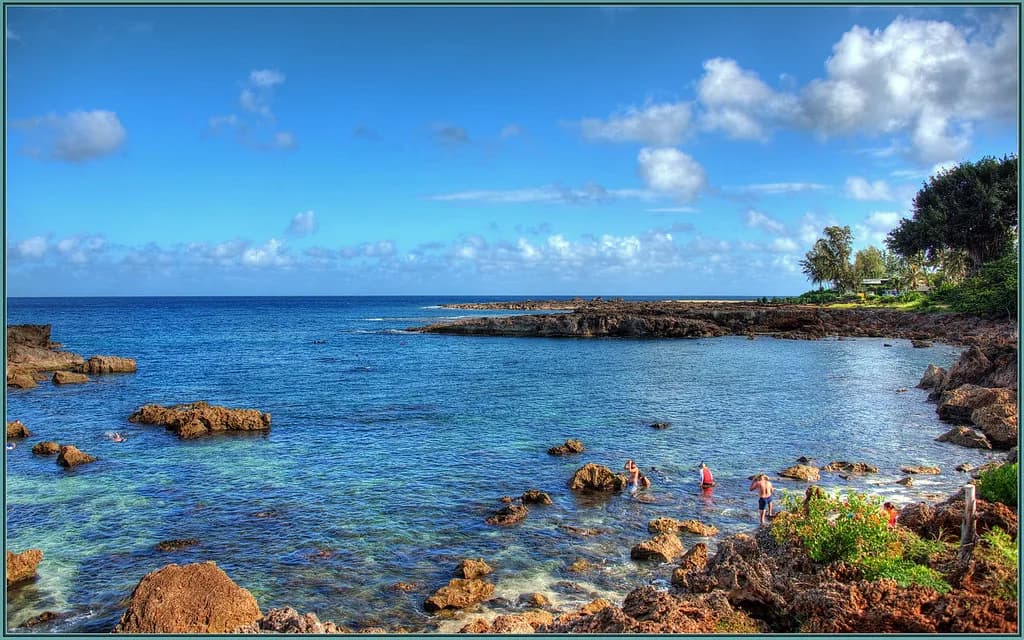
Entry is barefoot over sand, which makes Three Tables one of the friendlier North Shore starts for snorkelers who dislike rocks. The catch is that rock and reef begin close to shore, so mask up at the sand, walk in until the water is deep enough to float, and get your fins on early before the bottom turns uneven.
The beach itself is small, with a short trail connecting the northern parking area to the sand. Set your gear down near the water rather than at the car, since the walk back for a forgotten mask costs more time than you expect on a short calm window.
Where to Snorkel Around the Tables
Swim toward the flat tables and work around them, staying between the reef and the beach whenever there is any surge. Surge around the tables can push you into the coral or drop you on top of it, and the inside line still holds plenty of fish and coral patches to explore.
On a genuinely flat day you can go outside the tables, where the terrain opens into ledges, arches and lava tubes. Treat that as a bonus rather than the plan, because the outside line is where a calm-looking surface can hide current and where you commit to a longer return.
Keep an eye on the left channel from the moment you enter. It can carry a strong outgoing current even when the rest of the cove looks flat, so the safest habit is to do your exploring up-current and let the water carry you back toward the sand.
Depth and Underwater Layout
Three Tables stacks up in layers, which makes it easy to match your swim to your comfort. The shallows close to the beach run from the surface down to roughly 10 feet, the water near the tables averages about 15 feet, and the deeper diving terrain outside drops into the 30 to 45 foot range.
Snorkelers should plan to stay inside that 10 to 15 foot band. It is shallow enough for easy surface viewing and the occasional duck-dive, but deep enough that the coral heads do not sit right under your chest. Visibility varies with conditions and drops quickly when there is any wave action, so a flat morning gives you both comfort and clarity.
What You Will See
The fish list at Three Tables is long for such a small beach. Expect to see the humuhumunukunukuapua'a, moorish idol, redlip and stareye parrotfish, blackspot sergeant, orange-spine and ringtail surgeonfish, large schools of whitebar surgeonfish, convict tangs, lavender unicornfish, bluespine unicornfish, Christmas wrasse and saddle wrasse.
Look down as well as ahead. The reef holds blue rice coral, blue soft coral, cauliflower coral, lobe coral, mound coral and thick finger coral in scattered patches, along with whitespotted sea urchins, sea cucumbers, zoanthids and the occasional squid group moving in formation.
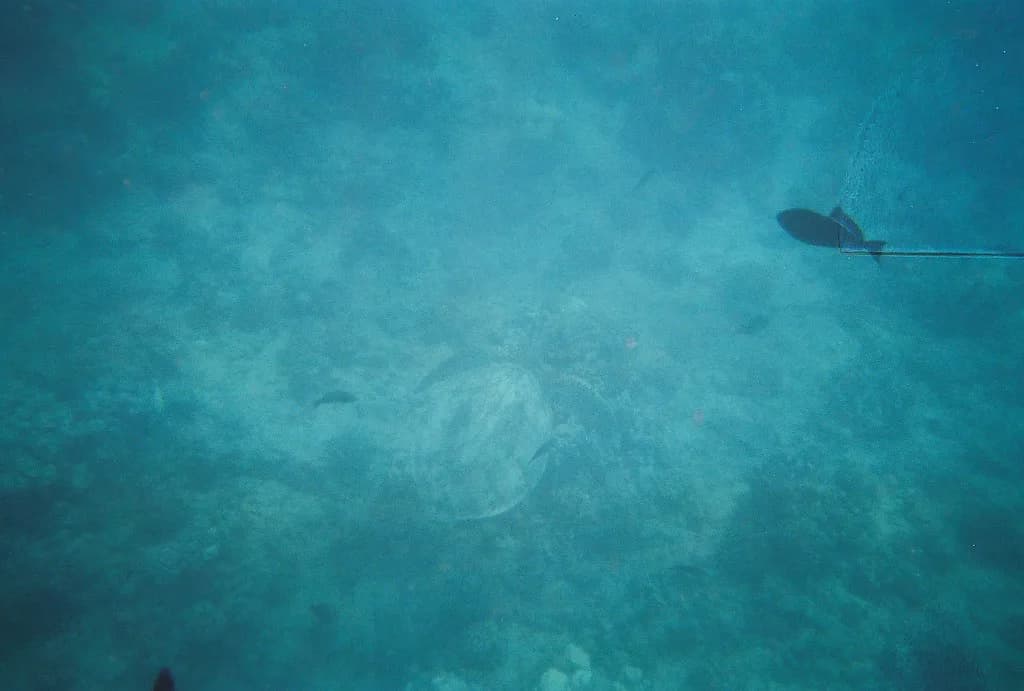
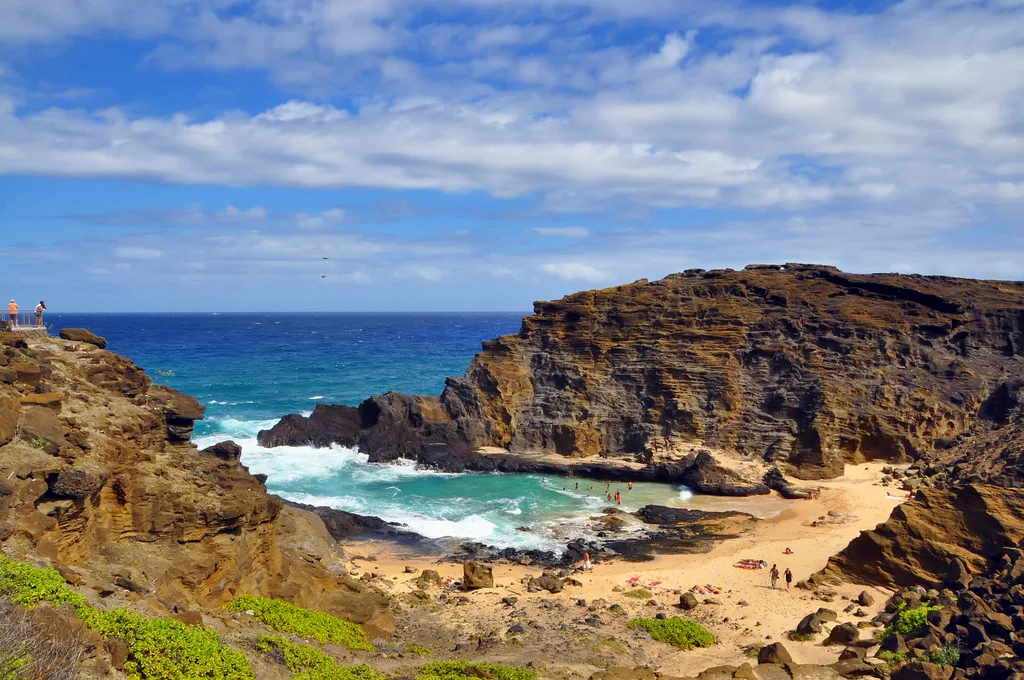
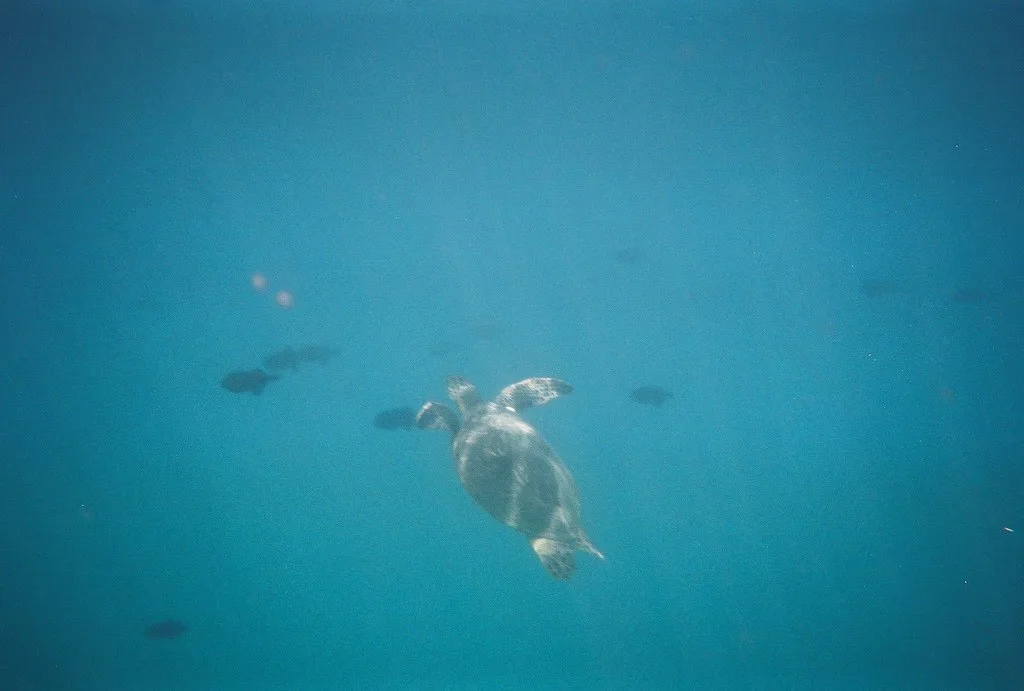
A turtle is possible but never promised, and Hawaiian monk seals sometimes rest on North Shore beaches. Give any seal a wide berth on land and in the water, and never touch, feed or chase marine life, which is exactly what keeps this reef so productive.
Skill Level and Who It Suits
Three Tables suits confident beginners, comfortable kids and snorkelers who can handle a little surge without panic. The sand entry and shallow inside line are forgiving, but this is not a protected lagoon, so a weak swimmer or a first-timer in choppy water is better placed at a lifeguarded beach.
If you are traveling with someone who needs a guard on duty, Waimea Bay has lifeguards while Three Tables and Shark's Cove do not. That single difference should decide where you take a nervous swimmer, even though Three Tables has the better reef for a shore snorkel.
Best Time to Go
Summer is the season for Three Tables. From about May through October the water across the district is generally calm, though surges are still possible, and the flat mornings in that window deliver the visibility and easy entry the reef is known for.
Go early. Morning light is better for spotting fish against the coral, the small beach and its two parking areas fill later, and you get the calm before afternoon wind chop builds. Plan your swim for the first part of the day and leave the beach to the picnickers by lunch.
Hazards and Safety
Winter changes everything here. DLNR describes current and wave conditions from roughly November through April as extremely dangerous across all areas of the district, including the tidepools, so a winter shore snorkel at Three Tables is not a cautious version of the summer swim, it is a different risk entirely.
In summer the main hazards are surge and current rather than surf. Surge can push you onto the tables, the left channel can run strong on the way out, and there is no lifeguard watching from the sand. If the water looks textured or the channel is moving, keep to the shallows or come back another day.
Check the current ocean conditions with DLNR or the local ocean safety agency before you get in, especially outside the core summer months.
Rules in the Marine Life Conservation District
Three Tables sits inside a no-take marine reserve, so fishing, taking, injuring or removing any marine life, including eggs, is prohibited across the district. Feeding fish or putting anything in the water to attract marine life is also banned, and taking or altering geological features is off limits.
Hawaii requires reef-safe sunscreen, so buy yours before you fly or pick it up on the island rather than borrowing whatever is in the rental car. The payoff for following the rules is the density and variety of fish around the tables, which is what most people come here to see.
Parking and Facilities
There are two parking areas on the water side of the highway, one behind the beach and another to the northeast in front of the restroom and shower building, with a short trail down to the sand from the northern lot. Both are small, so an early arrival saves a circling drive on a busy summer morning.
There are restrooms, showers and drinking water north of the beach, along with shade and picnic tables. There are no gear rentals at the sand, so bring your own mask, snorkel and fins fitted before the trip, and carry water down from the facilities rather than counting on a vendor.
There are no entry fees or permits required to access Three Tables, which is a public beach, though standard posted regulations still apply.
Tidepools and Shore Time
Low tide exposes a shelf of small pools along the shoreline, which is a good way to spend an hour with kids who are not ready for fins. Sea stars, urchins and small crustaceans turn up in the pools, but the same no-take rules apply, so look and photograph rather than handle.
Time your shore exploration for a falling tide and keep an eye on the water line. The rocks are slippery and the return path across wet reef is slower than it looks, so wear something with grip and leave the pools before the tide turns against you.
Combining Nearby Spots
Three Tables pairs naturally with the rest of the North Shore. Shark's Cove, a few minutes northeast, offers a different reef layout and a tidepool area that works for reef walking when the waves allow; for a full comparison of the two, read this guide to Shark's Cove snorkeling on Oahu. If you are weighing islands for a longer trip, the snorkeling in Maui guide covers a similar shore-versus-boat decision at another destination.
Waimea Bay is the next stop northeast and the place to go if you want lifeguards on duty, while Waimea Valley adds a botanical garden and a waterfall for the non-snorkeling half of the day. Farther afield, Kuilima Cove near the Turtle Bay resort is a calmer, sandier option for families, and our guide to Kuilima Cove snorkeling explains when it beats a North Shore reef day.
If you want the full island picture, including how the North Shore compares with Hanauma Bay and the west side, start with this guide to snorkeling in Oahu and build your days around the calmest water window.
What to Pack for a Three Tables Day
Pack a properly fitted mask, a snorkel, fins and a rash guard, plus reef-safe sunscreen and water. A light wetsuit top helps on long morning swims, and booties make the rocky exit more comfortable when the tide has dropped while you were out.
Bring a dry bag for keys and phones, and leave valuables at home. There is shade north of the beach for gear, but the small parking areas are visible from the sand only in part, so keep the car clean and the bag light.
The Calm-Day Plan for Three Tables
Three Tables rewards a specific plan: arrive early in the May to October calm window, enter barefoot over the sand, and snorkel the inside line between the tables and the beach unless the water is genuinely flat. That gets you the coral, the named reef fish and the shallow, easy swim that make this beach worth the stop.
Leave the outside line and the left channel for days when the surface is glassy, keep a lifeguarded beach in mind for weaker swimmers, and follow the no-take and no-feeding rules that keep this reef so alive. Screened against Oahu's other options, a calm summer morning at Three Tables is one of the best shore snorkels on the island.
Frequently Asked Questions
Are Three Tables good for snorkeling?
Yes, on a calm summer day. The beach has a barefoot sand entry, table coral in water averaging about 15 feet, and a long list of reef fish including humuhumunukunukuapua'a, moorish idol, parrotfish, surgeonfish schools and tangs. The catch is exposure: this is not a sheltered bay, so swell and surge ruin the snorkeling quickly.
Is Three Tables good for beginners?
It suits confident beginners and comfortable kids because the entry is sand and the inside line is shallow. It does not suit nervous first-timers in chop, since there is no lifeguard at Three Tables and the left channel can carry a strong outgoing current. A lifeguarded beach such as Waimea Bay is the better call for a weak swimmer.
Where is Three Tables on Oahu?
Three Tables is on Kamehameha Highway (Hwy 83) on Oahu's North Shore, less than half a mile southwest of Shark's Cove and a little more than half a mile northeast of Waimea Bay. Look for the beach just before the Foodland store when driving northeast from Haleiwa.
How deep is the water at Three Tables?
The shallows near the beach run from the surface to roughly 10 feet, and the water near the tables averages about 15 feet. Farther outside, the terrain drops into the 30 to 45 foot range, which is diving depth rather than snorkeling depth. Most snorkelers will do best staying in the 10 to 15 foot band.
What fish can you see snorkeling Three Tables?
Expect a broad mix of reef fish: humuhumunukunukuapua'a, moorish idol, redlip and stareye parrotfish, blackspot sergeant, orange-spine and ringtail surgeonfish, whitebar surgeonfish schools, convict tangs, lavender and bluespine unicornfish, and Christmas and saddle wrasse. The reef also holds urchins, sea cucumbers, squid and several coral types, and a turtle is possible but never guaranteed.
Do you need to pay to snorkel at Three Tables?
Plan on arriving and walking in from the sand. Any current entry or parking charge is posted at the beach or on the state parks information for the area, so check before a special trip.
Can you snorkel Three Tables in winter?
DLNR describes winter current and wave conditions as extremely dangerous across the whole Pūpūkea district, including the tidepools. Summer, roughly May through October, is the calm window when the reef is generally snorkelable, though surges are still possible. Check conditions with DLNR or ocean safety before getting in.
Is Three Tables better than Shark's Cove?
They share the same marine reserve and the same summer season, so the choice comes down to entry and layout. Three Tables has a sand entry and table coral in about 15 feet of water, while Shark's Cove is shallower at the cove mouth and drops away outside. On a flat day, try one in the morning and the other after lunch.
Sources
Snorkeling notes for your next trip
Optional updates to our snorkeling guides.
You might also like
Continue reading
More guides you'll find useful