Sharks Cove Snorkeling Oahu: Entry, Reef & What to See
Plan a snorkel day at Shark's Cove on Oahu's North Shore: lava-rock entry, shallow tide pools, deeper reef, facilities, footwear and nearby spots to combine.
On this page
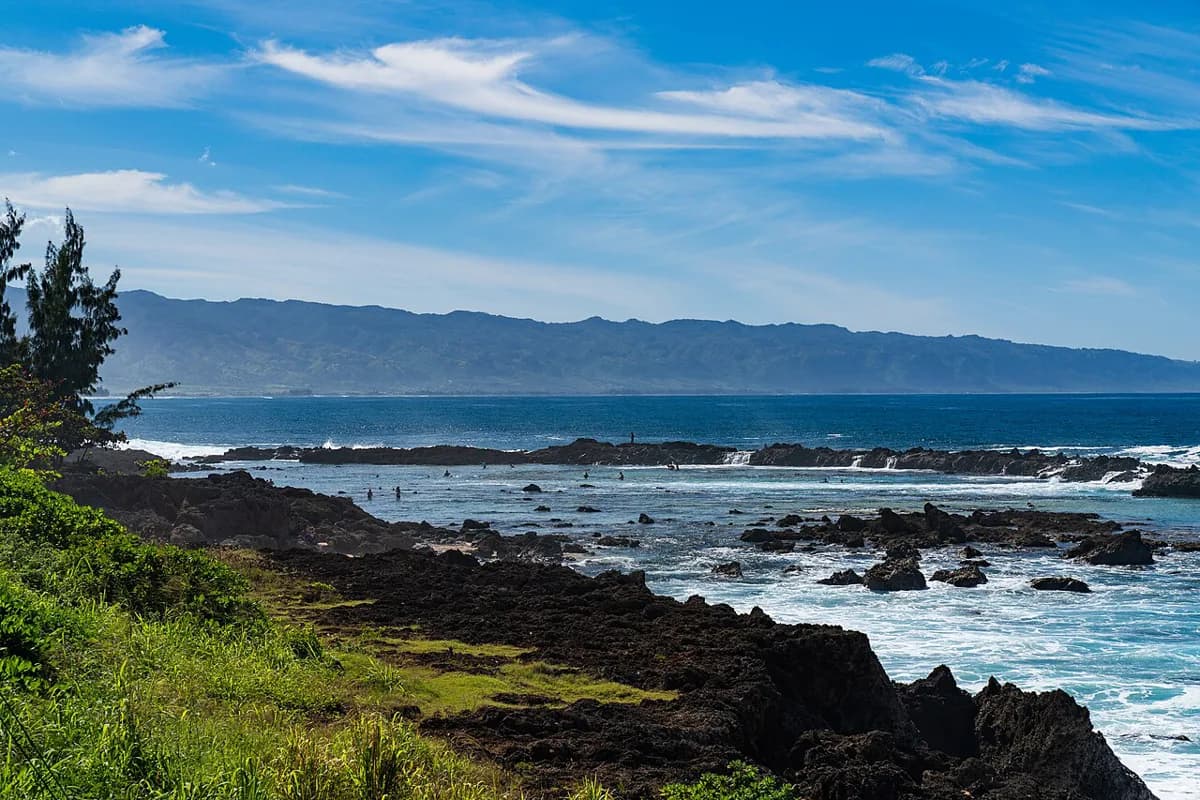
Shark's Cove is the North Shore's signature shore snorkel: a lava-rock bowl at Pupukea Beach Park where shallow tide pools sit beside deeper reef water, so a nervous first-timer and a confident swimmer can share the same beach. The name is about the shape of the outer reef, not the animals, and turtles and reef fish are the usual draw.
What decides your day here is the entry, not the fish. The route from the parking lot drops down a steep dirt path to uneven rock, and the footing demands real shoes. Once you are in, the cove splits into a shallow inner zone and a deeper outer one, and picking the right side for your comfort level matters more than swimming far.
What Shark's Cove Is and Who It Suits
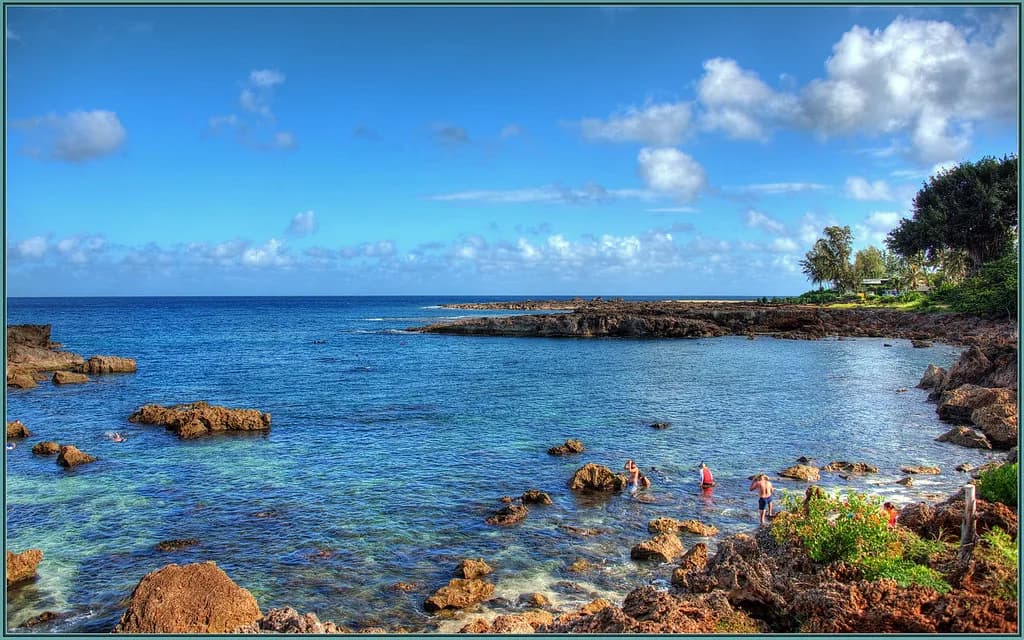
Shark's Cove is a rocky cove rather than a sand beach, and its appeal is the lava rock itself: underwater caves and tunnels give snorkelers and divers structure to explore alongside reef life. It is a strong fit for adults and teens comfortable walking on wet, uneven rock who want a shore entry with plenty to look at close in.
Families with very young children should treat the tide pools as the destination and the outer reef as optional. The pools hold small fish in ankle-to-knee-deep water, so kids can look down and see movement without committing to open water. Anyone unsteady on their feet will spend more energy on the entry than the swim, which is the main reason to choose a sandy North Shore beach instead.
Where It Sits in Pupukea Beach Park
The cove is one section of Pupukea Beach Park on Oahu's North Shore, north of Haleiwa along the Kamehameha Highway corridor. Parking lots sit above the water, and from them a steep dirt path leads down to the rocks. The park publishes restrooms and a drinking fountain among its facilities, and a grocery store sits across the road for water and snacks.
Because the cove is part of an over-80-acre marine life conservation district, the water and shoreline are managed for their marine value rather than as a recreational free-for-all. That shapes how you should behave in the water, from where you stand to how close you get to animals.
Getting In: The Dirt Path, Lava Rock and Tide Pools
Enter from the rocks at the cove's edge, where the shallow ledge and tide pools give you a look at the bottom before you commit. The descent is a steep dirt path in the park's own words, so carry gear in a bag rather than wearing fins down it, and use your hands on the rock if the surface is slick.
Choose your entry by what the water is doing that hour. On calmer days the inner pools let you ease in; when surge pushes through, the rock ledges offer nothing to grab onto, so watch a few sets before stepping in. Snorkelers who need a ladder or a sandy walk-in should pick a different beach, because Shark's Cove offers neither.
How Far Out the Reef Goes and How Deep It Gets
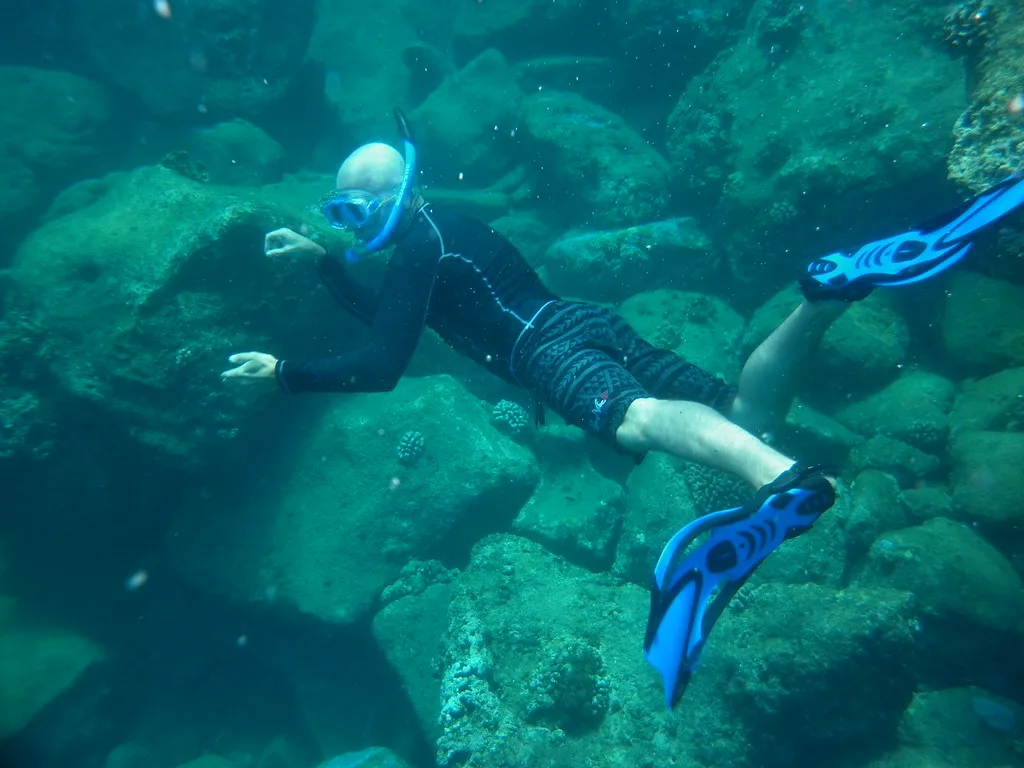
The cove's underwater lava caves and tunnels lie between 15 and 45 feet below the surface, which describes the deeper outer water rather than the pools at the entry. Snorkelers who stay shallow can read the reef structure from above without diving; the cave interiors are really territory for divers with the training and light for it.
Treat the cove as two zones. The tide pools are where kids and beginners spend most of their time, while the outer reef rewards stronger swimmers who can handle depth, boat-free but surge-prone open water. Swimming out farther does not automatically improve the view, so stay where the bottom is visible and you can return to rock easily.
What You Will See: Reef Fish, Turtles and Lava Formations
Reef fish are the constant here, with colorful species plentiful in the cove's rocky structure, and sea turtles are part of the local marine life as well. Wildlife is never guaranteed, so build the day around the rock formations and tide-pool life rather than a specific sighting.
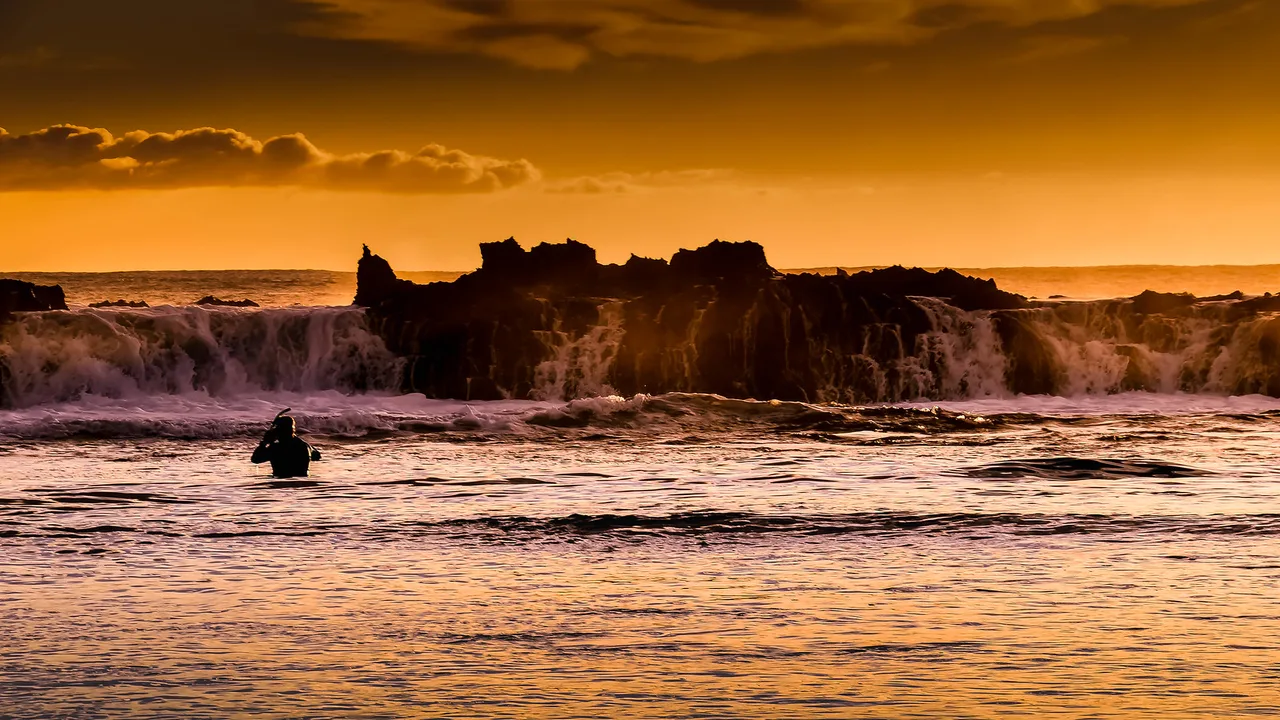
The lava formations themselves are the other attraction: arches, ledges and hollows that hold fish in their shadows and make the cove interesting even in murky water. Keep a respectful distance from turtles and let them move on their own, and never block a turtle's route to the surface.
Skill Level and the Right Footwear
The deciding factor is your footing. The source is blunt that the rocks will tear up anything unsuitable, so wear shoes with excellent traction for the path and entry and carry fins rather than wearing them on land.
Intermediate snorkelers get the most from the cove, because they can handle a rocky entry and read surge. Beginners can still enjoy it if they stay in the pools and pick a calm morning. Strong swimmers can explore the outer reef, but the cove is not the place to test open-water endurance for the first time.
Best Time of Day, Season and Swell
Go early. Morning light is better for spotting fish, the parking lots fill later in the day, and North Shore wind typically builds by afternoon. Mornings also give you a calmer window before the day's swell and breeze pick up.
Season matters on this coast. Winter brings larger North Shore swell, which pushes surge into the cove and can make the rock entry unsafe, so plan around posted advisories. Check ocean conditions with Hawaii DLNR before you commit to a snorkel day.
Hazards: Rock Entry, Surge and Surf
The hazards here are the entry itself and the water moving over it. Wet lava rock is slick, surge can knock you off balance at the edge, and larger swell makes the whole cove turbulent. Watch the water for several minutes before you step down, and skip the swim if the surge is surging past the inner ledge.
Boat traffic is not the main concern in a shore-entry cove, but surf and current on big days are. Snorkel within your ability, stay near other people, and surfacing regularly in the deeper water keeps you oriented to the rocks.
Parking, Facilities and What to Bring
Parking lots above the cove serve the park, with the steep dirt path leading down to the water. Restrooms, a drinking fountain and a grocery store across the road cover the basics, so you can refill water and buy lunch without driving into Haleiwa.
Bring water shoes or dive booties with grip, a rash guard for sun and rock scrapes, your own mask and snorkel, and drinking water. Reef-safe sunscreen is the sensible choice anywhere on this coast, and shade is limited on the rock. A dry bag keeps your towel and phone usable after the climb back up.
Marine Life Conservation District Rules
Shark's Cove sits inside the Pupukea Marine Life Conservation District, more than 80 acres managed for marine life, so treat the water as a protected area rather than a collecting ground. Do not touch or stand on coral, do not feed fish, and give turtles and other animals room to move.
In practice that means keeping your hands to yourself, staying horizontal over shallow reef, and packing out everything you bring down to the rocks. Read the posted signage at the park for the district's current rules before you get in the water.
Nearby Spots to Combine: Three Tables, Waimea Bay, Ehukai
Three Tables Beach sits less than half a mile away, which makes it an easy second stop when the cove is crowded or the surge is up. Waimea Bay Beach Park is about a mile south and Ehukai Beach Park a little farther, giving you a natural north-to-south route along this stretch of coast. If you want a broader map of options, see this guide to snorkeling in Oahu.
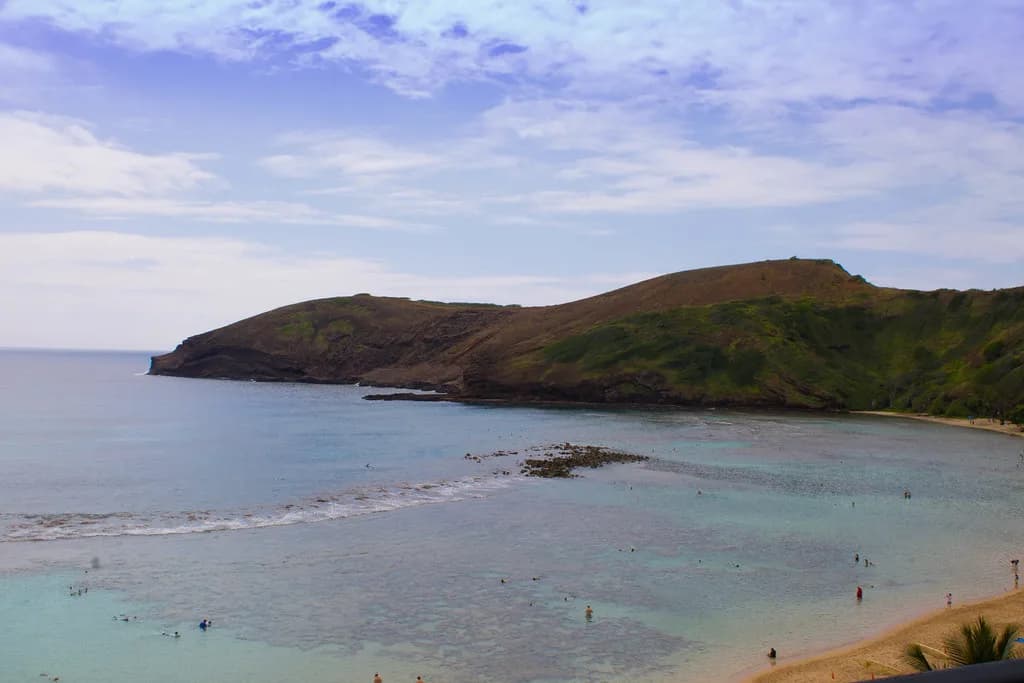
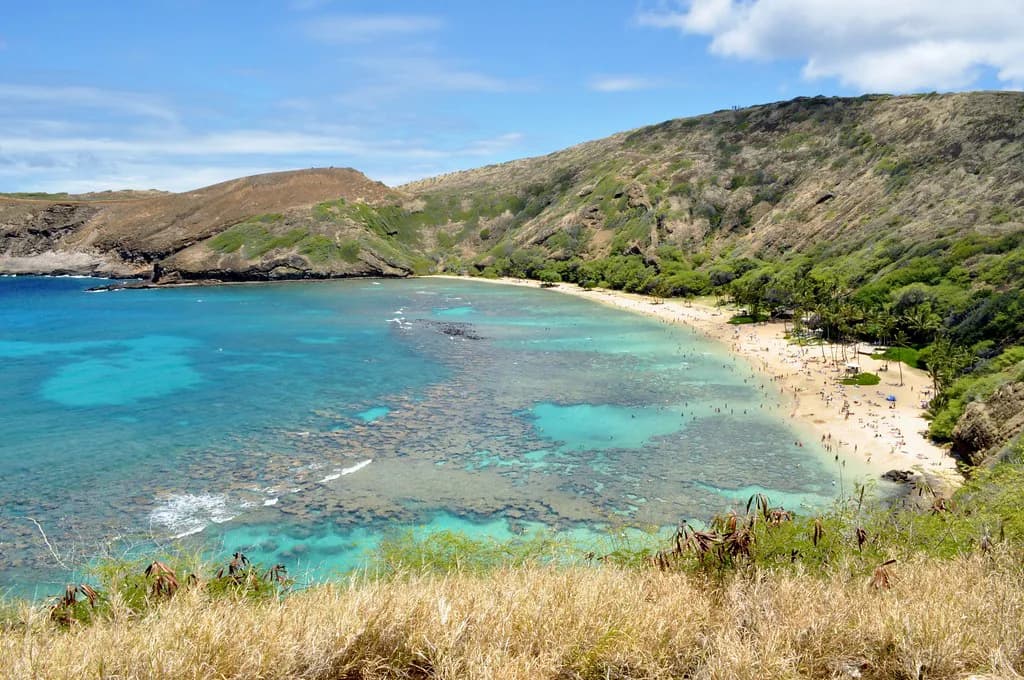
A full day could start with an early snorkel at the cove, move to Waimea Bay for a swim and a look at the valley, and end at Sunset Beach for the evening. On the windward side, Hanauma Bay Nature Preserve offers a very different, reservation-based experience, which is worth reading up on if you want a second snorkel day. If you are planning snorkel time on other islands too, this guide to snorkeling in Maui covers shore spots and boat trips in the same way.
Snorkel Gear Rental and Tours Around the North Shore
The park publishes restrooms and a drinking fountain, and a grocery store sits across the road, but there is no rental counter at the cove itself. Plan to bring your own mask, snorkel and fins, or rent from a shop in Haleiwa or elsewhere on the North Shore before you drive out.
Guided snorkel tours do run on the North Shore, and some operators focus on this coast and its marine life conservation areas. If you want a guide who knows the cove's layout, book ahead and confirm the meeting point, since the cove's rocky entry is not a typical tour departure spot.
Bringing a Dog to Shark's Cove: What to Expect
A reader heading to Shark's Cove with a dog should plan on leaving the dog at home or in the car, not on the rocks. Shark's Cove is a rocky beach of lava rock within Pupukea Beach Park on Oahu's North Shore, and the same terrain that tears up unsuitable footwear is hard on paws. The park's steep dirt path down to the water, its restrooms and its drinking fountain are described for human visitors, and no source describes any area of the cove set aside for dogs.
The bigger obstacle is the water itself. Shark's Cove sits inside a marine life conservation district spanning more than 80 acres, and visitors are asked to treat both the above-ground grounds and the underwater world with the utmost respect. Sea turtles and colorful fish are plentiful in these waters, and the reef is the reason the site is protected. The site is also a popular snorkeling and scuba site, so a dog on the shoreline or in the shallows would be sharing a narrow, rocky space with people entering and exiting the water.
If the dog is part of the trip, treat the cove as a sight you take turns visiting rather than a stop the whole group makes together. Two people can split the time at the water, since parking lots lead down to the water on that steep dirt path and the walk back up is short. The restrooms and drinking fountain at the park serve the people in the group; the grocery store across the road is the closest described amenity for picking up supplies before or after.
For divers and snorkelers the appeal is underground: lava-formed caves and tunnels between 15 and 45 feet below the surface, in water rated among the Top Twelve Shore Dives in the World by Scuba Diving Magazine. That kind of entry and exit rewards full attention, which is another argument for keeping the dog out of the equation at the cove and saving the shoreline time for when you are not geared up.
Plan Your Visit
Shark's Cove works best as an early-morning stop on a North Shore day: grippy shoes, a shallow start in the tide pools, and a decision about whether the outer reef is within your comfort level. Pair it with Three Tables or Waimea Bay, and watch the swell forecast before you commit.
Check current ocean conditions with Hawaii DLNR and read the park signage on the conservation district rules. Then pack light, arrive early, and let the cove's rock formations set the pace.
Frequently Asked Questions
Can you rent snorkel gear at Shark's Cove?
The park publishes restrooms and a drinking fountain, and a grocery store sits across the road, but there is no rental counter at the cove itself. Bring your own mask, snorkel and fins, or rent from a shop in Haleiwa before driving out.
Is Shark's Cove good for beginners and kids?
Beginners and kids do best in the shallow tide pools, where small fish are visible in ankle-to-knee-deep water and the exit is close. The rock entry and surge make the outer reef a better fit for intermediate snorkelers and confident swimmers.
How deep is the water at Shark's Cove?
The cove's lava caves and tunnels lie between 15 and 45 feet below the surface, which describes the deeper outer water rather than the pools at the entry. Snorkelers who stay near the rocks can read the reef from above without diving.
Are there really sharks at Shark's Cove?
The name refers to the outline of the outer reef, not to resident sharks. Reef fish and sea turtles are the animals most associated with the cove, and sightings are never guaranteed.
What is the best time to snorkel Shark's Cove?
Go in the morning. Light is better for spotting fish, parking fills later, and wind typically builds through the afternoon. Winter North Shore swell can push surge into the cove, so plan around posted advisories.
Which nearby beach should I pair with Shark's Cove?
Three Tables Beach sits less than half a mile away and makes an easy second stop. Waimea Bay is about a mile south, and Ehukai Beach Park is a little farther, so the three combine into a natural North Shore driving route.
Sources
Snorkeling notes for your next trip
Optional updates to our snorkeling guides.
You might also like
Continue reading
More guides you'll find useful