Honolulu Snorkeling: Oahu Spots, Entry Points and Rules
Plan Honolulu snorkeling: Hanauma Bay fees and hours, Shark's Cove and Three Tables lava-rock entry, Electric Beach currents, plus timing and reef rules.
On this page
Honolulu snorkeling rewards a split plan. The sheltered crater at Hanauma Bay suits first-timers and kids stepping off sand into calm water, while the North Shore's lava-rock entries around Shark's Cove and Three Tables give confident swimmers more reef and more turtles for nothing but a parking spot. Electric Beach and Waimea Bay round out the set, each with its own entry and its own season.
Choose by how you get in and how strong the water is, not by list order. Sand entries at Hanauma and Waimea tolerate weak swimmers, sharp rock at Shark's Cove and Three Tables punishes bare feet, and the current at Kahe Point demands fins. Summer, roughly May through September, is when North Shore water settles enough to snorkel.
Honolulu snorkeling at a glance
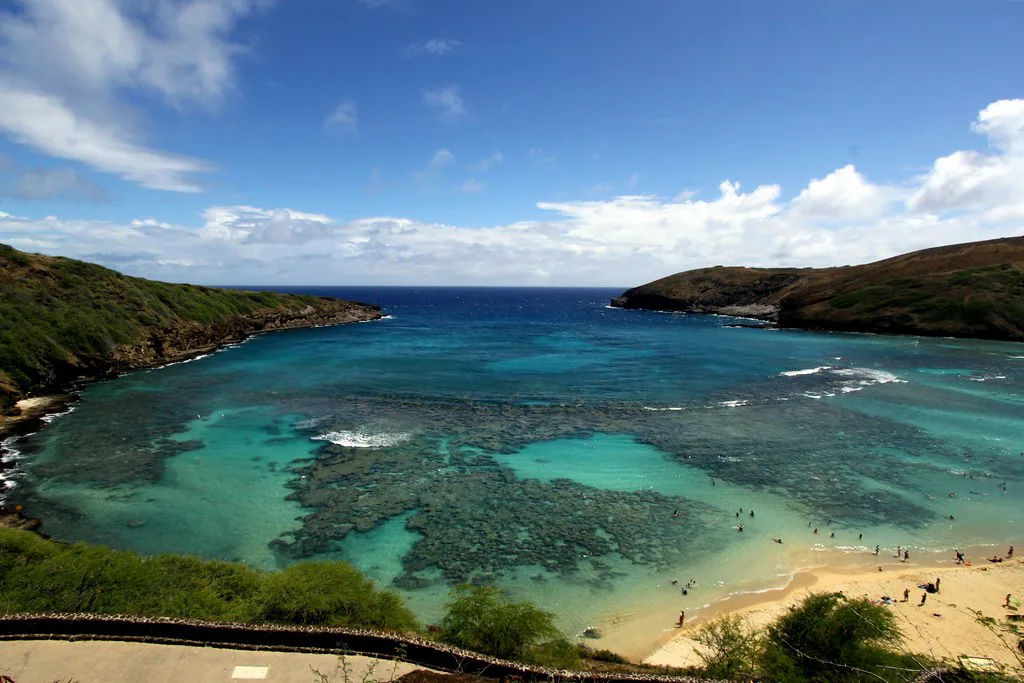
Four spots cover nearly every skill level. Hanauma Bay sits about 15 kilometers east of Honolulu, a partly open crater with a reef that keeps waves out and makes the bay easy for all ages. Shark's Cove and Three Tables, a few minutes apart on the North Shore near Pūpūkea, are free shore entries inside the Pūpūkea Marine Life Conservation District, a protected zone where fish stay approachable.
Beginners and families should default to Hanauma's inner reef or Waimea Bay's sandy summer water. Intermediate snorkelers graduate to Shark's Cove's deeper northern bay and Three Tables. Kahe Point, known as Electric Beach, belongs only to very strong swimmers wearing fins, because the current there can run hard even when the surface looks flat.
Hanauma Bay State Park: reserving entry, fees and the inner reef
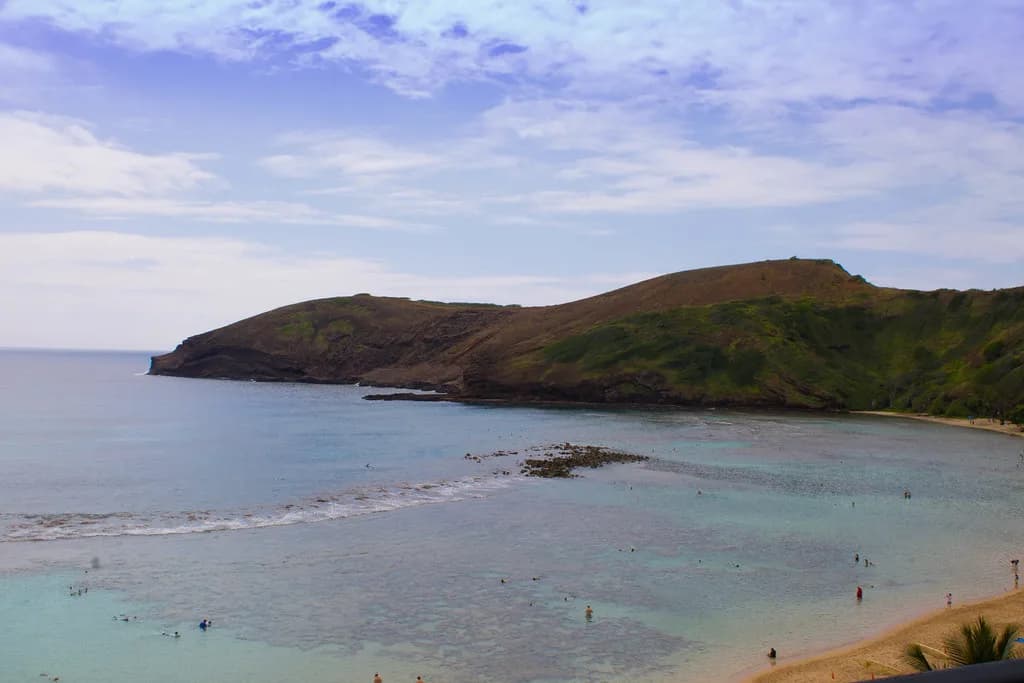
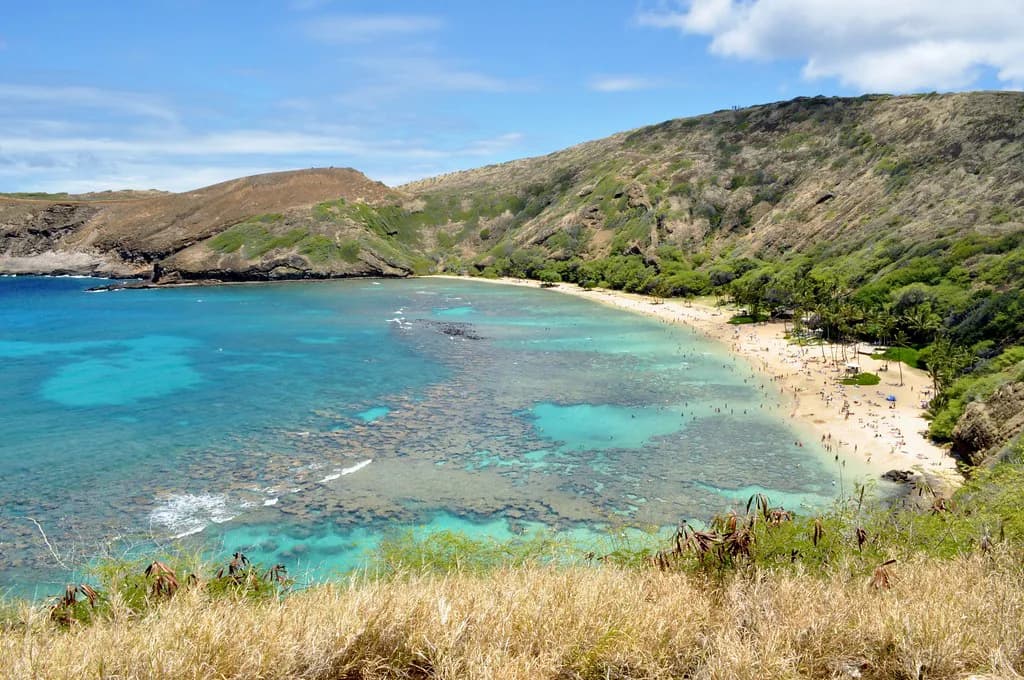
Hanauma is the most accessible Honolulu snorkeling of the lot. You walk down into a curved crater, lay your towel on sand, and wade into a shallow inner reef that the outer reef shields from surf, which is why it suits weak swimmers and children. Turtles turn up in the bay, though the coral close to shore is heavily worn from decades of visitors stirring sand.
Entry to the beach costs $12 for visitors aged 12 and over and parking runs $3 a day per vehicle. Access is capped and reservations are required, so book as soon as your date opens rather than driving out on hope, and check the park's own page for current hours and closure days before you commit a morning.
Everyone entering watches a mandatory orientation video on the bay's marine life and rules before heading down the slope. Lockers and snorkel gear can be rented at the beach, and snacks are sold there, so you can travel light from Waikiki. Paid entry, the video and the crowd are the trade-off for calm water and a lifeguarded, managed bay.
If you want instruction rather than self-guided swimming, a one-hour beginner lesson runs in shallow water near the beach, includes mask, snorkel, fins and a flotation device, and comes with an all-day park pass so you can stay after the session. Lessons take place from shore, not from a boat, so plan on a beach day rather than a cruise.
Shark's Cove: shallow rock pool or the deeper bay north
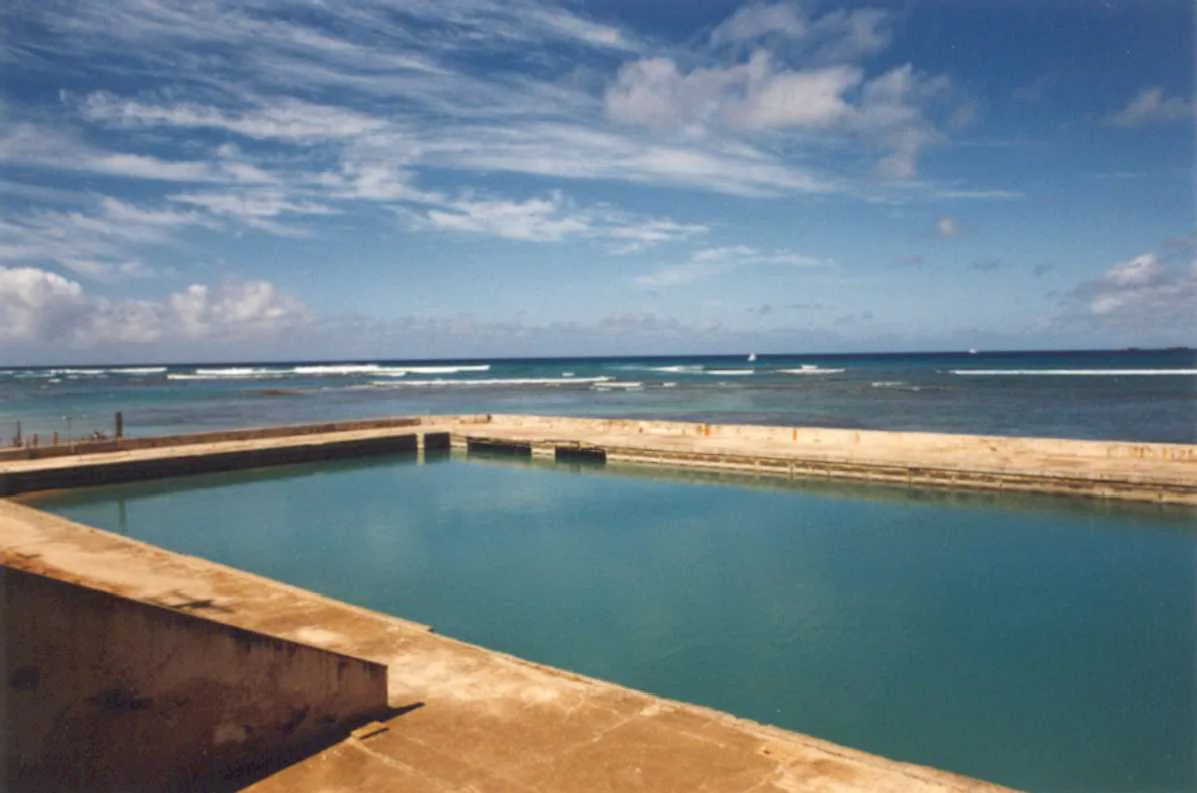
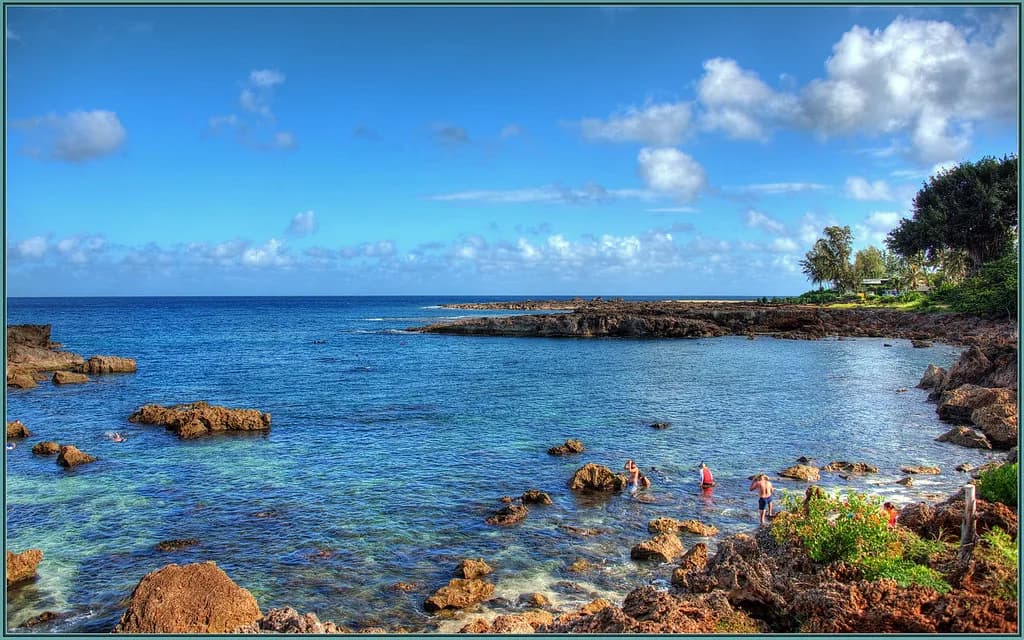
Shark's Cove is really two snorkels. The enclosed pool most people mean is shallow, ringed by low rocks, easy to walk into and clear enough to see small fish, which makes it workable for young children. The catch is crowds: on busy days the pool behaves like a paddling pool, with the seabed scoured and fish fewer than the setting suggests.
Strong swimmers should walk north to the actual bay, where deeper water inside the marine conservation district holds more fish and better bottom. That bay gets rough and occasionally dangerous, so treat it as a calm-day option only. Either way, wear reef shoes, because the lava rock around the entry is sharp and fins are unnecessary in the shallow pool.
Parking is limited along the road, so early arrival matters. In winter the North Shore's big swell can make the cove inaccessible, and summer is the season for it. A food truck park sits across the street for after your swim.
Three Tables Beach: three reef sections and a rocky entry
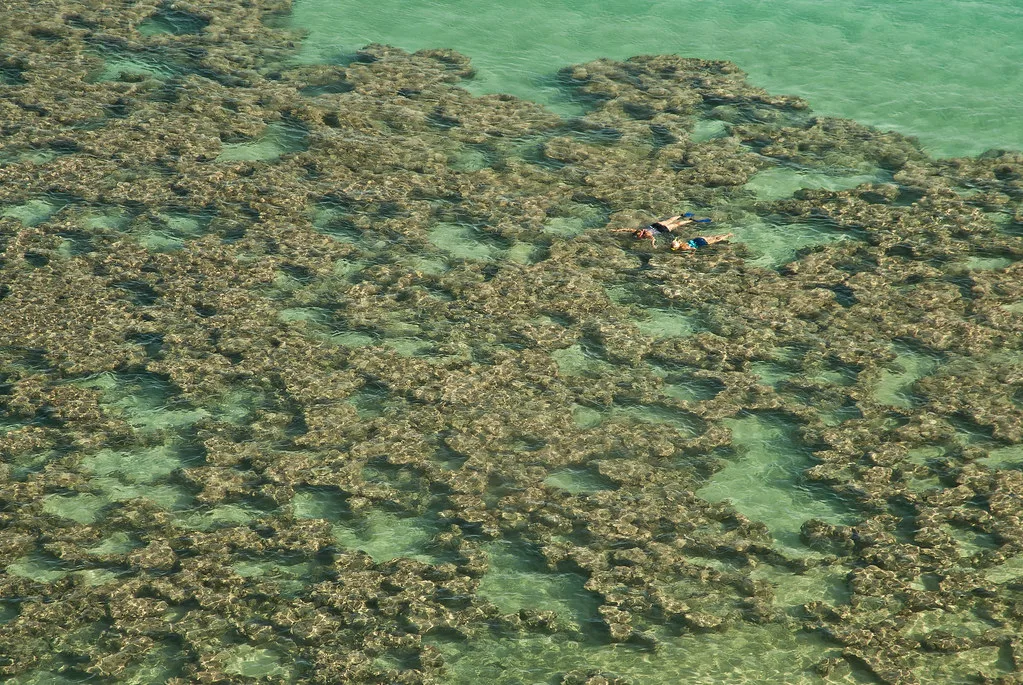
Three Tables takes its name from three flat sections of reef visible above the surface at low tide, a short drive from Shark's Cove. Coral cover is modest, but the protected area holds plenty of fish species and the explorable zone is broad. Turtles are seen here often.
The entry is the deciding factor. You clamber in over rocky shore, and waves can be choppy, so this is an intermediate-to-experienced site rather than a first swim. Summer is the window; winter swell can reach heights that shut the beach entirely.
Parking is limited on the same stretch of road as Shark's Cove, so pair the two and arrive early rather than circling later. Reef shoes and a steady hand on the rocks make the difference between a good day and a scraped one.
Kahe Point (Electric Beach): offshore pipes need fins
Kahe Point Beach Park, called Electric Beach, sits across the road from a power plant whose cooling pipes discharge warm water a few hundred feet offshore. That warmed water draws fish in unusual numbers, plus turtles and occasionally dolphins, and sunken metal structures out there have grown into artificial reef. The beach itself is a narrow strip useful mainly for leaving your shoes.
None of that matters if you cannot handle the swim. Current here can be extremely strong, fins are necessary, and only very strong swimmers should go. Heavy surf days turn the exit dangerous. Leave valuables at home, because break-ins happen at this parking area.
Go early to beat the dive and snorkel boats that work the site daily, and go on a calm day with an exit plan in mind. Beginners and kids should choose Hanauma or Waimea instead.
Waimea Bay: family beach in summer, big surf in winter
Waimea Bay flips with the seasons. In winter it is a body-surfing and big-wave arena; in summer the water calms into a clear blue basin holding schools of fish and underwater rock formations, with a wide sandy beach behind it. That combination makes it the best family beach day on Oahu for mixed groups of swimmers and non-snorkelers.
Facilities are basic: restrooms are available, food stands are not, so pack water and lunch. Parking fills early, and the fallback is parking on the road and walking down, which calls for shoes with tread rather than flip-flops.
Free versus reserved: pairing Hanauma with the North Shore
A sensible Honolulu snorkeling day splits the island. Take a reserved early Hanauma Bay slot, watch the orientation, snorkel the inner reef and leave by late morning. Then drive north for a free afternoon at Shark's Cove or Three Tables, arriving before the parking disappears.
Reverse it on a second day: Waimea Bay in the morning for the family, Electric Beach later only if the group includes strong fin swimmers. North Shore entries charge no admission, which also means no cap on visitors, so the shore rewards early starts far more than the crater does.
Best time of day, season and swell
Oahu's snorkel season runs roughly May through September, when the water turns calmer and clearer. Winter brings North Shore swell that can close Shark's Cove and Three Tables and turn Waimea into a spectator beach, while Hanauma's protected crater stays usable year-round.
Mornings win almost everywhere. Winds and tour boats pick up later, sand gets stirred, and parking goes first. At Maui-style protected bays the advice holds: calm mornings show the clearest water, and the same is true on Oahu's North Shore, so the same early-start logic guides snorkeling in Maui as well.
What you will see
Expect reef fish rather than spectacle. Hanauma's inner reef delivers dense schools of tropical fish close to shore and occasional turtles. Shark's Cove and Three Tables hold fish that have grown unafraid inside the conservation district, and Three Tables is a reliable turtle spot.
Turtles feed on algae-covered rocks, which is why the rocky fringes at Three Tables, Electric Beach and Waimea draw them. Watch from a respectful distance and let them come and go; never touch, feed or chase an animal, and give seals or turtles the right of way.
Gear that matches the entry
Match gear to the surface you cross. Sharp lava rock at Shark's Cove and Three Tables calls for reef shoes or booties you can walk in, while the shallow pool at Shark's Cove makes fins unnecessary. Electric Beach is the opposite: the offshore swim and current make fins close to essential.
Kids do best with a properly fitted mask and a flotation device, and beginners should sort out mask fit on land before wading in. Hanauma rents gear at the beach, so you can test the arrangement before buying anything.
Rules on Oahu reefs
The Pūpūkea Marine Life Conservation District covers Shark's Cove and Three Tables and restricts fishing so marine life stays abundant. Hanauma is a state park and marine life conservation area with its own rules explained in the orientation video. In both, keep hands off coral and stand on sand, not reef.
Wear reef-safe sunscreen; Hawaii restricts sunscreens containing oxybenzone and octinoxate, and rangers at protected bays ask you to apply only coral-safe products before entering the water. Keep a generous distance from turtles and never block a feeding animal's path to the surface.
Parking, facilities and rentals
Hanauma is the only spot here with lockers, rentals and snack sales on site, plus a large lot that fills early despite the paid parking. North Shore spots rely on roadside or small lot parking with no facilities, so bring water, sun protection and a plan for your gear. Waimea adds restrooms but no food.
Rent snorkel gear in Waikiki or at Hanauma before driving north if you are not traveling with your own mask and fins. A dry bag and reef shoes are worth the luggage space on a North Shore day.
Skill-level cheat sheet
Beginners and kids: Hanauma's inner reef, Waimea Bay in summer. Intermediates: Shark's Cove's northern bay and Three Tables on calm days. Very strong swimmers with fins: Electric Beach, and only when the ocean is flat.
If your group mixes abilities, split the day. Drop the confident swimmers at Electric Beach while others swim Hanauma, then regroup north for a sandy afternoon at Waimea.
Plan Your Honolulu Snorkel Day
Book Hanauma first, then build the rest of the trip around it. Reserve as soon as your date opens, pay the parking in cash, and arrive early enough to watch the video and claim sand before the crowd. Keep a free North Shore day for Shark's Cove, Three Tables and Waimea, with reef shoes packed.
Check the day's surf before committing to any North Shore entry; a flat summer morning and a winter swell produce completely different beaches. Treat Electric Beach as an expert add-on, not a family stop, and leave the reef exactly as you found it.
Frequently Asked Questions
Which month is best to snorkel in Hawaii?
On Oahu, roughly May through September brings the calmest, clearest water, especially on the North Shore. Hanauma Bay's protected crater stays usable year-round, but winter swell can shut Shark's Cove and Three Tables and turn Waimea Bay into a big-surf beach.
Is snorkeling difficult for beginners?
Not at Hanauma Bay, where you enter from sand into a shallow inner reef shielded from waves, and beginner lessons run there in shallow water with gear and flotation provided. Shark's Cove's rocky entry and Electric Beach's current are another matter and suit stronger swimmers.
What is the best beach in Oahu for a family with kids?
Waimea Bay in summer gives you a wide sandy beach, restrooms, calm clear water and plenty of room for non-snorkelers. Hanauma Bay is the other strong family choice, with lifeguards, rentals and an easy sand entry, but it requires a reservation and a fee.
Is Honolulu snorkeling free anywhere?
Yes. Shark's Cove, Three Tables, Electric Beach and Waimea Bay are all shore entries with no admission charge, though parking is limited and fills early. Hanauma Bay charges entry and parking and requires reservations.
Do you need reservations for Hanauma Bay?
Yes, access is capped and reservations are required, along with the mandatory orientation video on arrival. Book as soon as your date becomes available and check the park's official page for current hours, fees and closure days before you go.
Sources
Snorkeling notes for your next trip
Optional updates to our snorkeling guides.
You might also like
Continue reading
More guides you'll find useful