Kaneohe Bay Snorkeling on Oahu: Sandbar and Reef Guide
Kaneohe Bay snorkeling means a shallow offshore sandbar reached by boat, with patch reefs and calmer windward water. Here is how the bay works and who it suits.
On this page
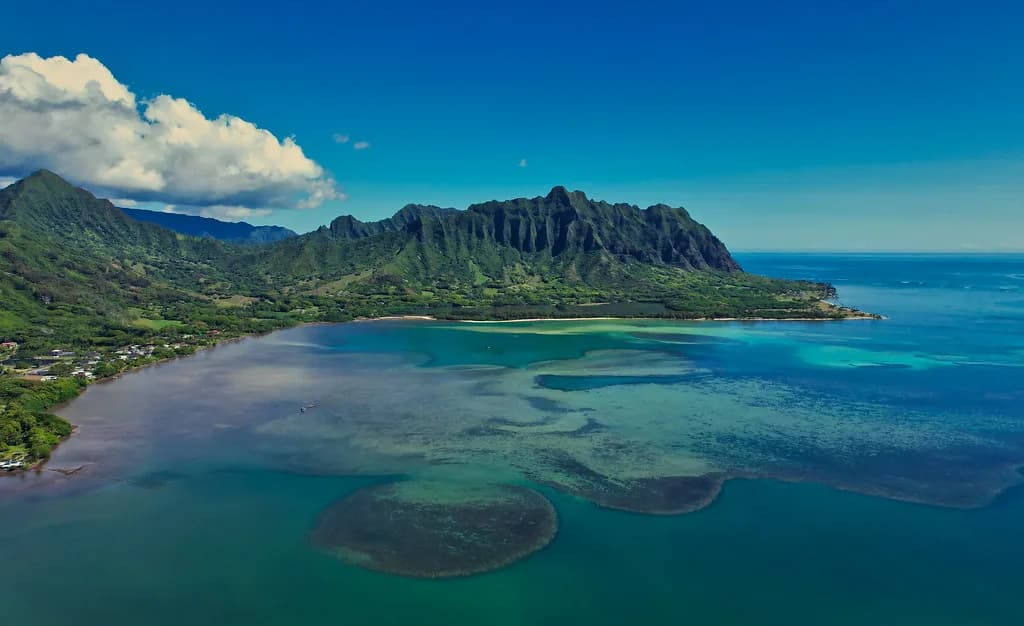
Kaneohe Bay rewards snorkelers who want calm, stand-up water and a boat ride rather than a rocky shore entry. The bay indents Oahu's windward coast between Kaneohe town and Kailua, and its signature snorkel feature is a sandbar sitting well offshore, not a reef you wade into from the sand.
That layout suits families with young kids, nervous first-timers and anyone who wants flat water on a day when the North Shore is thumping. Strong swimmers who want caves, ledges and dense coral should read this as a relaxed half-day and pair the bay with a proper reef spot elsewhere on the island.
Where the Bay Sits and Why It Feels Different
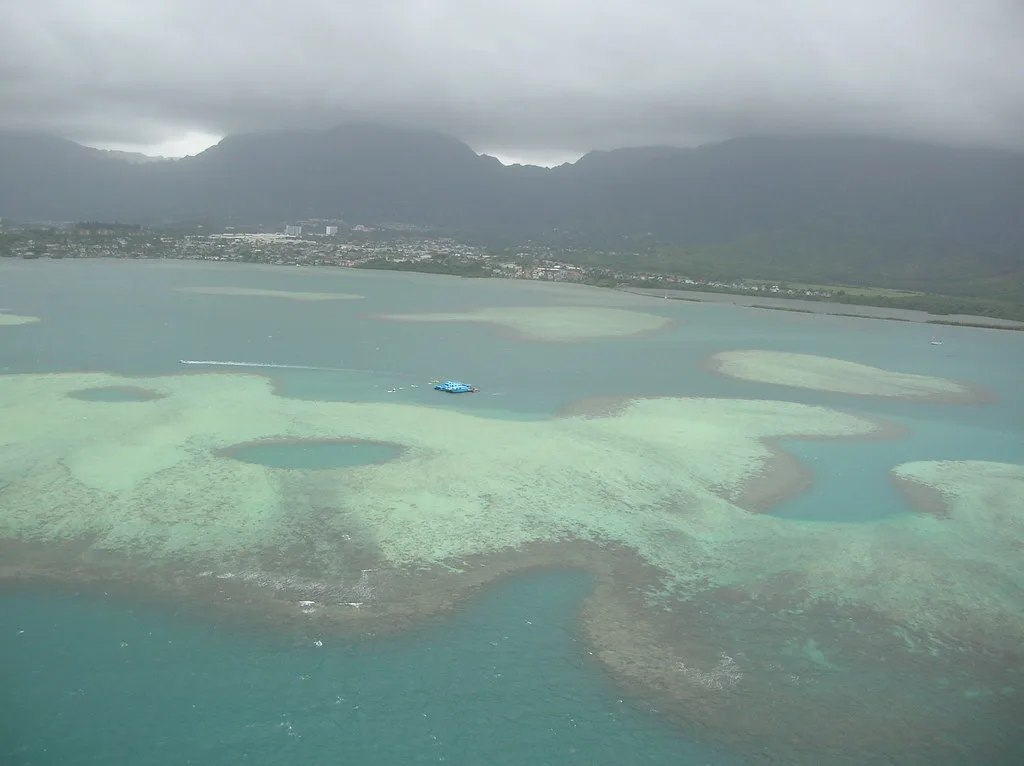
The bay opens along Oahu's windward shore, reached by road from Kailua or Kaneohe town on the H-3 or Kalanianaole Highway. Its reef structure is a scatter of patch reefs and coral heads across a broad, shallow lagoon, which is why the water inside stays flatter than the open coast on most days.
The sandbar itself lies in the middle of the bay, a pale shelf of sand that surfaces at low tide and sits in waist-deep water at higher stages. It is a destination you arrive at by boat, so the day is planned around a departure time rather than a parking spot.
Because the bay faces the windward side, it absorbs trade-wind chop differently than the North Shore's big-wave coast. Winter swells that shut down Shark's Cove and Three Tables often leave the bay swimmable, which makes it a useful backup when a north-shore plan falls apart.
Getting There: Boat Access to the Sandbar
You cannot walk to the sandbar. Tours run out of Kaneohe and Kailua, typically aboard a powered boat that carries snorkel gear and motors out to the shallow shelf, and operator pages list departure points, trip length and what is included. Check the specific operator's listing for the meeting dock, boarding time and whether transport from Waikiki is part of the package.
Trip lengths vary by operator, and the published listing is the reliable place to confirm duration, group size and gear. Treat the boat ride as part of the snorkel day rather than dead time, since the run across the bay is where you get a sense of the patch-reef layout you will swim later.
What the Sandbar Actually Looks Like Underwater
Standing on the bar, you are on clean sand with almost no structure, so fish life is thin in the middle. The payoff is at the edges, where sand meets coral rubble and isolated heads, and that perimeter is where you should plan to spend your snorkel time rather than parking in the center.
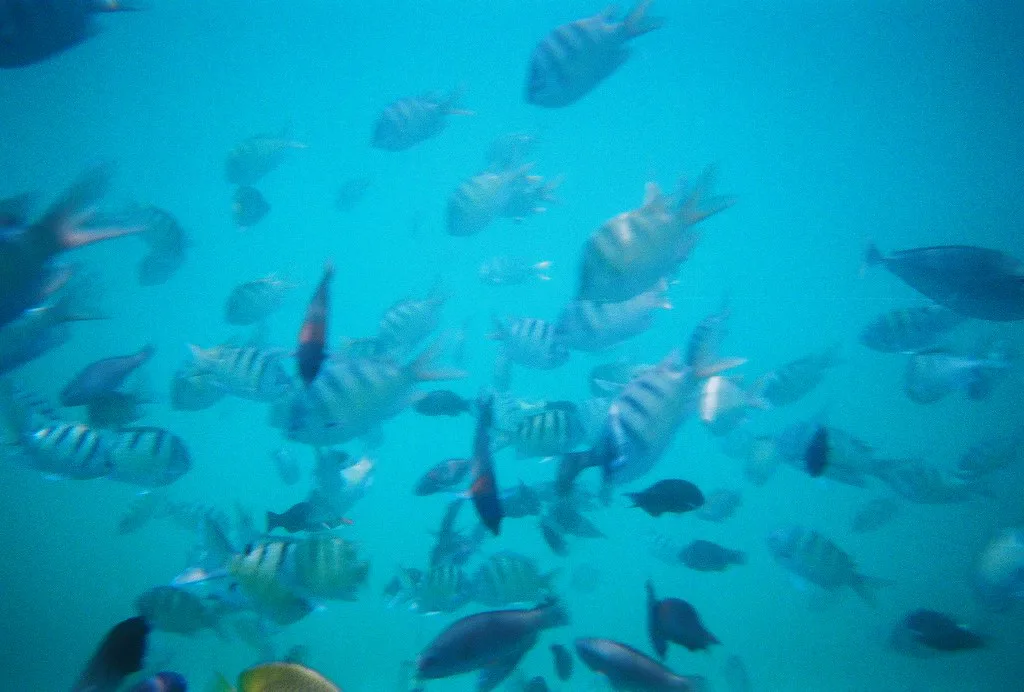
Expect the reef triggerfish, Hawaii's state fish, working shallow coral, along with butterflyfish and parrotfish around the larger heads. Turtles turn up in the bay, and the rule is the same as anywhere in Hawaii: keep your distance, never touch or chase, and let the animal choose the encounter.
Skill Level and Who the Bay Suits
The sandbar is about as forgiving as snorkeling gets: shallow, flat and standable, which makes it a strong choice for kids with an adult beside them and for adults trying a mask for the first time. Swimming the perimeter over coral heads asks for a bit more, mainly comfort clearing a mask and finning without touching bottom.
If your group splits between confident swimmers and beginners, this is a good bay to split time. Let the beginners work the bar and the shallow edges with a guide while stronger swimmers explore the coral patches, then regroup on the boat.
Best Time of Day and Season
Trade winds build through the afternoon across Oahu, and a windward bay feels that first, so morning departures generally get the flattest water and clearest view. Book the early trip if your boat operator offers both morning and afternoon runs, and expect the afternoon to be choppier and less clear.
Seasonally, the windward side holds up better than the North Shore in winter, when big northwest swell closes the north-coast snorkel spots. Summer brings the calmest, clearest conditions overall, and that is when you can count on the sandbar behaving like a swimming pool.
Hazards and Rules on the Water
The bay is busy with boat traffic, so stay close to your vessel and follow the crew's instructions on where to swim. Tidal movement across the sandbar changes depth through the day, and there is little shade on the open water, so a rash guard and reef-safe sunscreen matter more here than the calm water suggests.
Reef-safe sunscreen is required under Hawaii state law, and oxybenzone and octinoxate are banned, so check your label before you pack. Wildlife distance rules apply to turtles throughout the bay, and touching or feeding marine life is off-limits.
If you want a bay with a published no-take rule for comparison, the Pūpūkea Marine Life Conservation District on the North Shore prohibits removing any marine life and posts its regulations clearly, and that model is worth understanding before any Hawaii snorkel day.
Tours, Charters and Gear
Most visitors book a sandbar snorkel tour that bundles the boat ride, snorkel gear and often a mask with an optical lens option. Operator pages publish what is included, so read the inclusion list before booking and skip packing fins you will be handed anyway.
Comparing that with a Waianae-side boat tour is useful if your itinerary is flexible: west-coast trips out of Ko Olina Marina often combine dolphin and turtle watching with snorkeling and include a meal, which changes the value calculation against a shorter bay trip. Check each operator's current posted inclusions and pricing.
Pairing the Bay With Other Windward Spots
Since the boat returns you to the windward side, the natural afternoon add-on is Kailua Beach or Lanikai, both a short drive from the bay. Kailua has parking lots, restrooms, showers and lifeguards, and the sand-bottom beach is an easy place to rinse gear and let kids play after the boat.
If you want a reef-focused second day, plan a separate trip: the North Shore spots are summer-only and rocky at the entry, and Hanauma Bay on the southeast coast needs advance booking. Treat those as their own outings rather than tacking them onto a bay day.
Plan Your Kaneohe Bay Day
Choose the bay when flat water and a boat ride fit your group better than a shore entry, and book the morning departure for the calmest conditions. Bring reef-safe sunscreen, a rash guard and a dry bag, and spend your water time at the sandbar's edges rather than the middle.
If you are still weighing spots across the island, work from an island-wide plan and slot this bay in as the relaxed windward day. Island-hoppers weighing the same sandbar-versus-reef decision can also compare notes on snorkeling in Maui before locking in their itinerary.
Frequently Asked Questions
Can you snorkel Kaneohe Bay from the beach?
Not at the sandbar. The sandbar sits offshore in the middle of the bay and is reached by boat, so the standard route is a tour or charter. Shore-based snorkeling on the windward side happens at places like Kailua Beach, where you can wade in and swim near the rocks by the boat ramp.
Is the Kaneohe sandbar good for beginners and kids?
Yes. The bar is shallow, flat and standable, which makes it one of the easier places in Hawaii to try a mask. Children should have an adult beside them, and anyone swimming out to the coral edges should be comfortable clearing a mask and staying off the bottom.
What will I see snorkeling the sandbar?
The sand itself holds little, so head for the edges and patch reefs where coral heads concentrate reef triggerfish, butterflyfish and parrotfish. Turtles appear in the bay, and you must keep the legal distance and never touch or chase them.
When is the best time to snorkel Kaneohe Bay?
Mornings are calmer and clearer because trade winds build through the afternoon. Summer brings the most settled water, and the windward bay often stays swimmable in winter when the North Shore is closed out by big surf.
What should I bring on a bay snorkel trip?
Pack reef-safe sunscreen, which Hawaii law requires, plus a rash guard for sun and a dry bag for the boat. Operators typically supply mask, snorkel and fins, so confirm the inclusion list first and skip duplicate gear.
Sources
Snorkeling notes for your next trip
Optional updates to our snorkeling guides.
You might also like
Continue reading
More guides you'll find useful