Hanauma Bay Snorkeling Guide: Oahu Entry and What to Expect
Plan a snorkel day at Hanauma Bay on Oahu: how to reserve entry, what admission and parking cost, when to arrive, and what you will see in the bay.
On this page
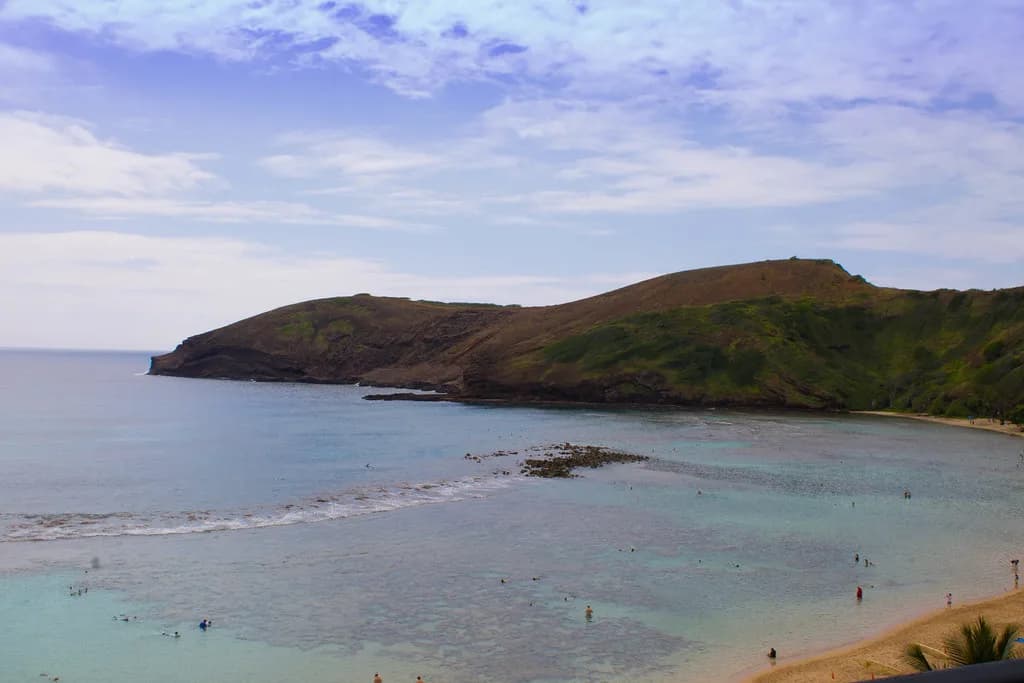
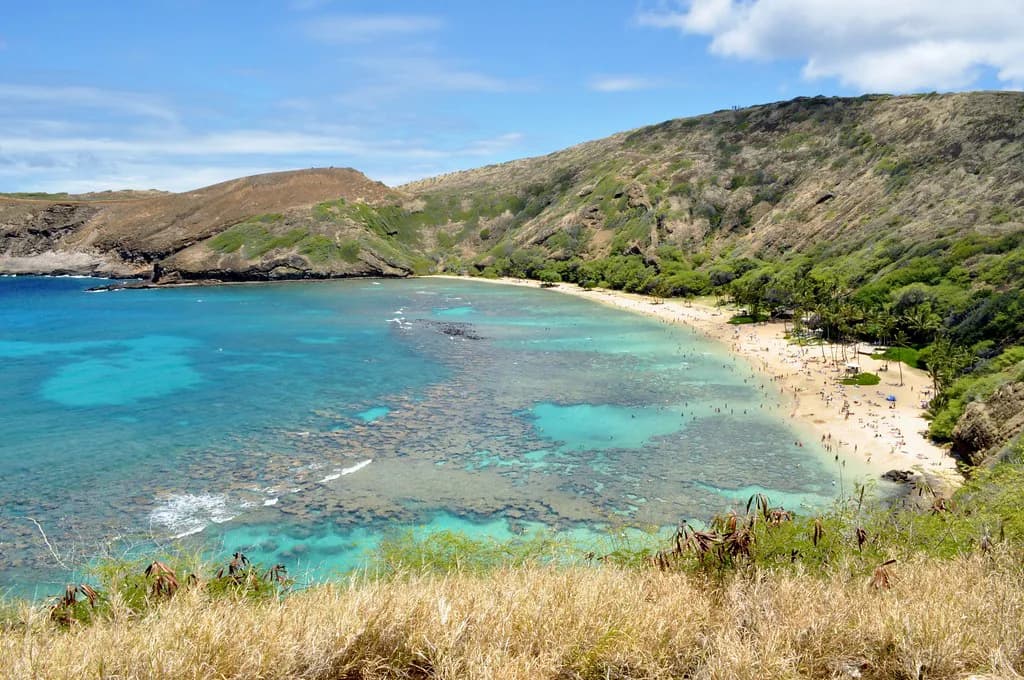
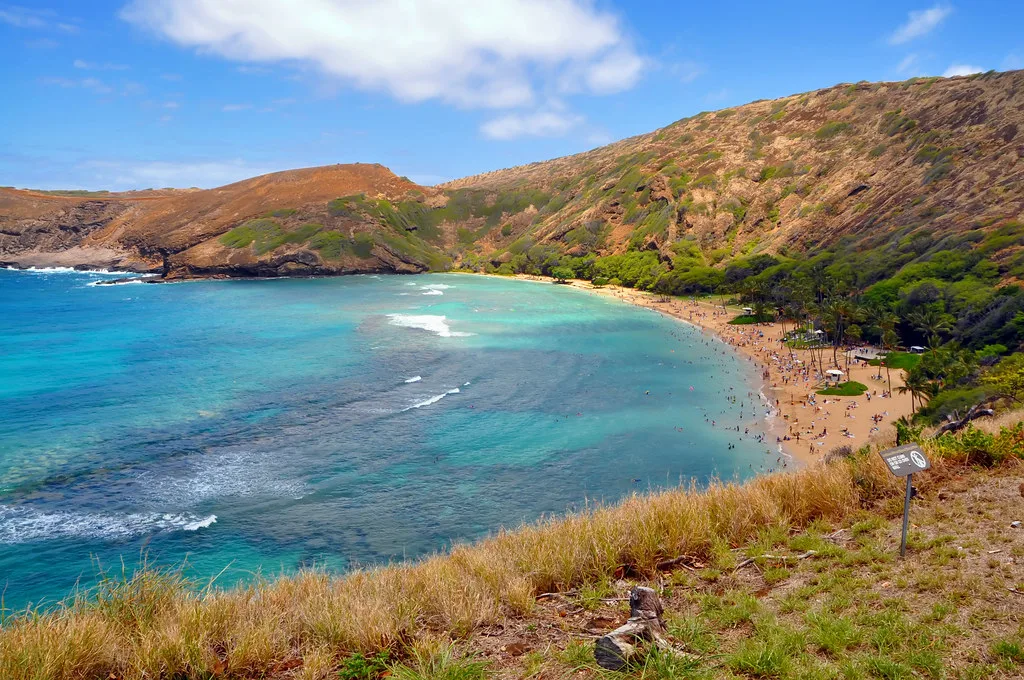
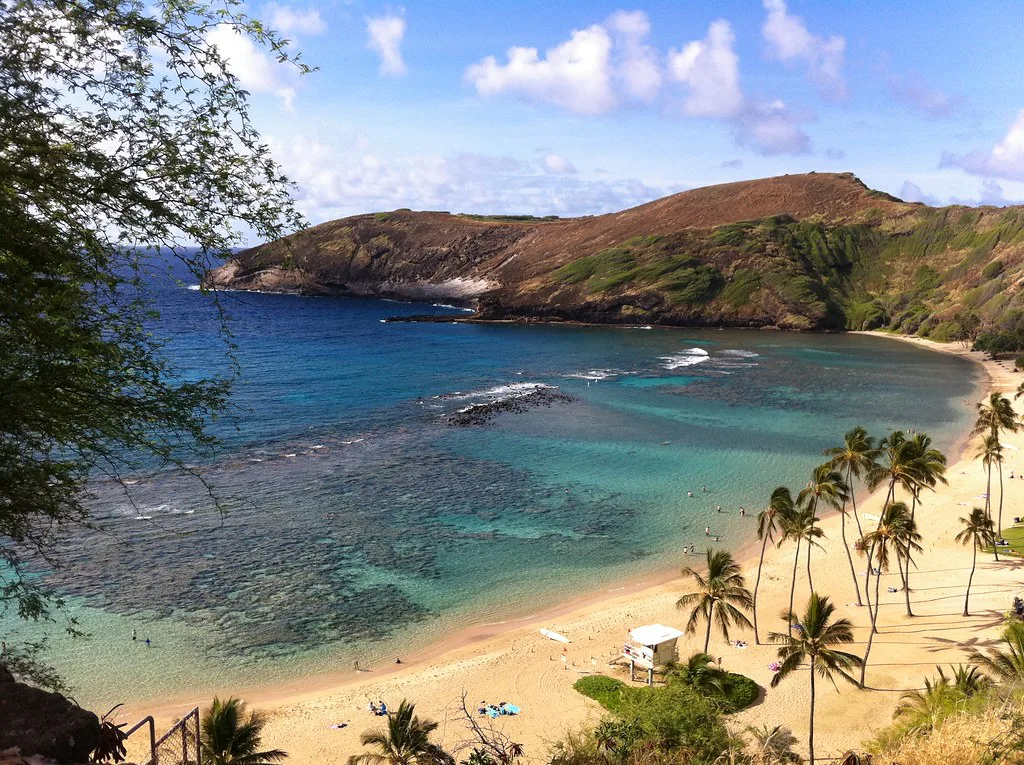
Hanauma Bay earns its reputation because a collapsed volcanic cone does the work a calm-weather window usually does: it shelters the water inside from wind and swell, and the floor drops away gently into reef. That combination makes it the most forgiving place on Oahu's south shore to put on a mask for the first time, and still rewarding for confident swimmers who want fish density close to the beach. This guide covers the reservation, the fee structure, the timeline of the day and the reef itself, so you can plan a half-day here without guesswork.
Where the Bay Sits and How You Get There
The bay sits off Kalanianaole Highway, roughly 10 miles east of Waikiki, close enough for a morning trip before the rest of the island wakes up. The road runs along the top of the cone, so you approach from above and look down into the curve of the bay rather than walking up to a beach from a town. Driving yourself is the straightforward option, but tour buses are not allowed to enter the park, which keeps the shuttle and bus logistics out of the day.
Inside the park you descend from the entrance level to the sand on foot or by tram, and admission includes a tram ride down to the bay and back up. The tram matters more than it sounds: the walk back up the cone is the tiring part of the day, so budget the ride rather than planning to climb out wet. If you are building an Oahu itinerary, this is a compact half-day stop that leaves the afternoon free for the windward coast or a second beach. Our guide to snorkeling in oahu maps how Hanauma fits alongside the island's other reef sites.
Reservations and Entry
Hanauma Bay limits how many visitors can enter each day for conservation reasons, so entry is not a turn-up-and-pay-at-the-gate affair. Tickets must be reserved online and paid for in advance through the Honolulu Parks & Recreation website, and the practical consequence is that you book well before your trip rather than the night before. Pick your day first, then build the rest of the Oahu plan around it.
The weekday pattern is the single biggest tripwire in planning: the bay is closed every Monday and Tuesday, so a long weekend that starts late can leave you with fewer usable mornings than you expected. The entrance opens at 6:45 a.m. and closes at 4 p.m., and there is no entry after 2 p.m., which means a late-afternoon swim is not on the table. Lock in your date before you book flights or a rental car.
Once you have a date, our breakdown of Hanauma Bay reservations walks through the booking step and what you need on hand at the gate. It is worth reading before you sit down to book, because the ticket process is the part of the day you cannot improvise.
Fees and Hours
Admission runs $25 per adult, parking costs $3, and children 12 and younger, active military and kama'aina with a Hawaii state ID enter free. Admission includes the tram ride, so the entry fee covers the descent and the climb back to the lot. Bring a card for the advance online purchase and cash or a card for parking, and keep IDs handy for anyone claiming a free entry category.
Those hours shape the day more than the fees do. An early slot gives you the coolest air, the best light on the reef and the least crowded water; a midday slot puts you on the sand when the sun is highest and shade is scarce. Because entry closes in the early afternoon, Hanauma works best as a morning commitment rather than a flexible afternoon stop.
The Safety Video and the Walk Down
First-time visitors must watch a mandatory safety video of about 10 minutes before heading down to the beach. Build that into your timeline rather than treating it as a footnote: it sits between the entrance and the water, and a tight arrival can turn a relaxed start into a rushed one. Watch it properly, because it covers the reef rules that apply for the rest of your visit.
After the video, the sequence is straightforward: descend by tram or on foot, find a spot on the sand, and gear up at the water's edge. The beach is broad and open, which makes staging bags and fins easy, though shade is limited and the sun is strong by mid-morning. Carry water down with you so you are not climbing the cone for a drink.
Getting in the Water
You enter from the sandy beach, which is the main reason the bay suits beginners and kids: no rock shelf, no ladder, no timing a surge against a ledge. The reef starts a short swim offshore and the bottom builds gradually, so you can kneel in the shallows to fit your mask and then fin out over sand before coral comes into view. Pick a clear patch of sand to walk in and out rather than stepping across the reef.
Because the cone wraps around the water, the inside of the bay behaves differently from Oahu's open-coast snorkel sites: the shelter from wind and waves is the whole point of the place, and it is what makes a family morning here realistic when the north shore is churning. That shelter is relative, not absolute. Heavy surf and strong currents still reach the bay on rough days, and posted advisories and lifeguard flags take precedence over any plan you made at home. If you are weighing islands, the same sheltered-versus-exposed trade-off shapes snorkeling in Maui, where shore spots and Molokini each answer to the day's conditions.
What You Will See
The preserve is a marine conservation area known for extraordinary fish diversity, with more than 400 species recorded in its waters, and Hawaii green sea turtles are part of the draw. Expect dense clouds of reef fish over the coral and over sand patches between the coral heads, which is where beginners often get their best views without swimming far. Sightings are never guaranteed; the bay is known for this life, but the animals set the schedule. If you want to put names to what you see, our guide to Hawaii Reef Fish: How to Identify What You'll See Snorkeling covers the species you are most likely to meet here.
Work the reef edge rather than racing to the middle: the shallow coral closest to the beach holds fish at eye level, and the deeper sand channels between reef structures are where turtles are more likely to cross. Keep your distance from every animal, never touch or feed anything, and let turtles come up for air without being followed. On busy mornings the shallows get churned, so a slightly longer fin out often buys clearer water.
Who It Suits
Hanauma is the Oahu snorkel to choose if your group includes first-timers, children or nervous swimmers, because the sandy entry and sheltered water remove the two things that spook beginners most. Strong swimmers will not find challenge here in the adventurous sense, but they will find fish and turtles close to shore with minimal effort. Families with young children should plan around the walk down and up, which is the real energy cost of the day.
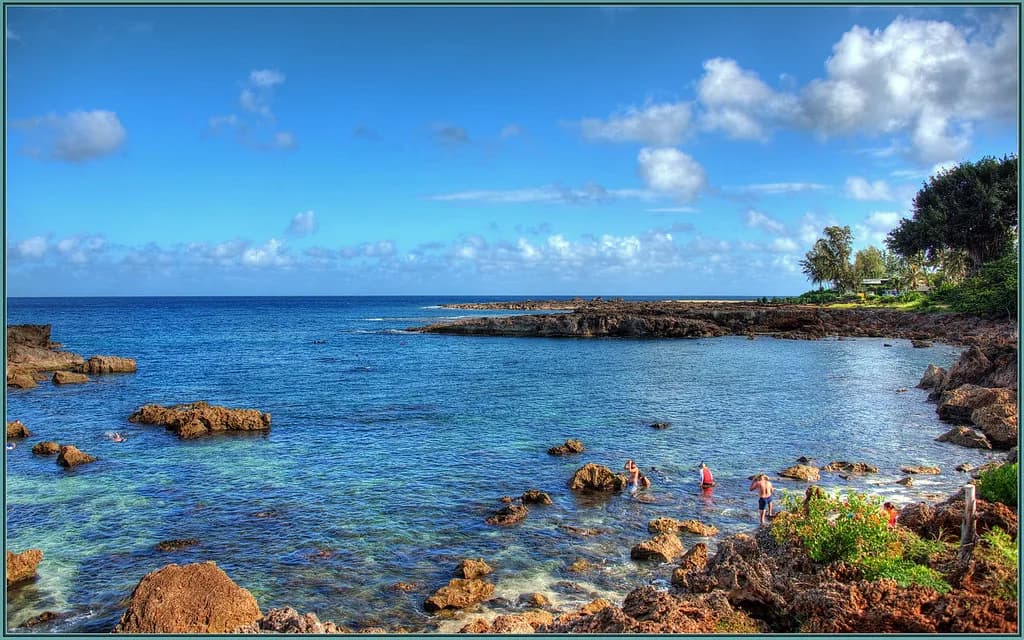
If your group wants rock arches, ledges and a wilder entry, look at Shark's Cove Snorkeling on the north shore instead; it rewards confident swimmers and delivers a very different day. Hanauma wins on ease and reef density, Shark's Cove wins on drama and structure. Many visitors do both on a single Oahu trip, one on a calm morning each.
Best Time to Go
Take an early slot. The gate opens at 6:45 a.m., the light is flattest on the water before the trade winds build, and the sand and shallows are quietest before mid-morning. By midday the beach is busy, the sun is unforgiving, and the water in the shallows carries more sediment from splashing. If you can only get a later slot, aim for the earliest one available.
Season and swell matter here just as they do elsewhere in Hawaii. Winter brings bigger north and west swell to the islands, and while the cone blunts much of it, rough days still close in on the bay. Plan Hanauma early in your trip so a blown-out morning leaves room to reshuffle, and check the day's ocean conditions and posted advisories before you commit to a ticket time.
Hazards and Rules
The posted rules are strict and simple: no alcoholic beverages and no large coolers inside the park, and reef-safe sunscreen is the expectation for anyone getting in the water. Follow wildlife distance rules for turtles and fish, keep hands off the coral, and stay off the reef flat itself. These are the conditions of visiting a state preserve, not suggestions.
On the water, watch for the usual suspects: surge pushing you toward the reef on the outside, currents in the channels, and boat or tour traffic in the deeper water. Stay inside the bay, keep a buddy in sight, and get out if the water gets confused or an advisory goes up. Swim fins help you cross the sand flats without exhausting yourself, and a rash guard saves your back from the sun.
Facilities
The park has restrooms, a snack bar and a gift shop, and you can rent snorkel gear on site or bring your own. The gear rental option is useful for travelers who do not want to pack fins, though anyone with a prescription mask or a strong preference for their own fit should bring equipment. Facilities sit at the top of the cone near the entrance, so plan bathroom stops before you head down.
Shade is the weak point. There is not a lot of it on the sand, so pack reef-safe sunscreen, a hat and plenty of water, and plan to rotate between the water and whatever shade you can claim. A beach mat or light towel makes the sandy slope more comfortable for a half-day stay.
Tours Versus Going on Your Own
Going on your own gives you control of the clock: you choose your entry slot, your patch of sand and your time in the water. A guided Hanauma Bay snorkel tour bundles the logistics instead, with roundtrip transport from Waikiki hotels in air-conditioned vans, sanitized dry snorkel gear, safety vests, beach mats, snacks, a lockbox for belongings and groups capped at five guests per instructor. Check current prices and cancellation terms when you book; Hanauma Bay Dive Tours also requires at least 48 hours notice to cancel a reservation and may cancel a tour for dangerous weather or ocean conditions, with a transfer or refund.
Choose the tour if you are staying in Waikiki without a car, traveling with people who want an instructor in the water, or would rather not manage gear and parking. Choose DIY if you have your own mask and fins, want to arrive at opening, or plan to combine the bay with other stops on the south shore. Either way, the park entry itself is separate from what a tour bundles.
Parking and Logistics
The parking lot fills quickly, which is the argument for the earliest slot of the day rather than the most convenient one. Parking costs $3 and tour buses are barred from the park, so the lot is mostly private cars and rental vehicles. Arrive early, park once, and stay for the morning instead of treating the lot as a rotating drop-off.
Plan the day as a single arc: book the entry, drive the Kalanianaole Highway early, park, watch the safety video, ride or walk down, snorkel, and ride back up before the entrance closes in the afternoon. An Uber works if you are staying in Waikiki and do not want to deal with the lot, though you will want your return ride arranged in advance. Keep the reservation confirmation and IDs on your phone.
Nearby Spots to Combine
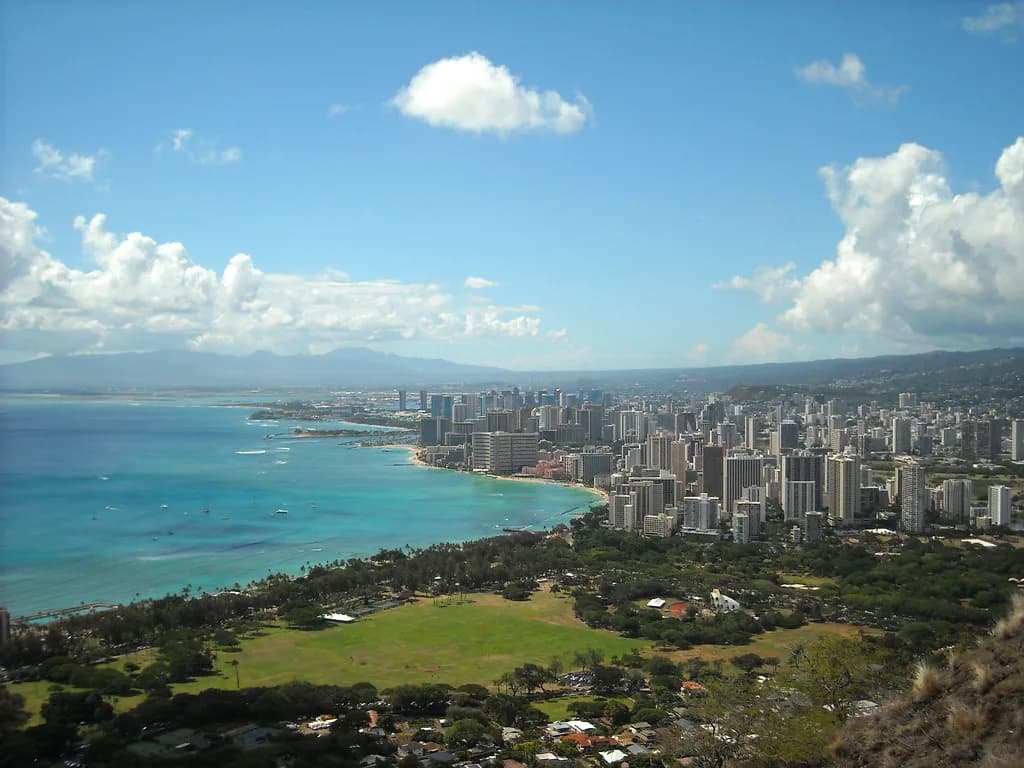
Pair a Hanauma morning with a drive further along the southeast coast: the road past the bay leads toward Halona Blowhole and the beaches beyond, and the scenery is the point as much as another swim. Diamond Head Crater and Makapu'u Point Lighthouse are the hiking counterparts on the same side of the island, best done on a different day or an early afternoon after your snorkel. Keep the combination light rather than stacking two swims that each demand a drive.
On the north shore, Kuilima Cove snorkeling is a gentler, resort-side option with easy water, a good counterpoint to Hanauma if you want a second, simpler swim later in the trip. Three Tables Snorkeling, Oahu offers rocky structure and a more adventurous entry for confident swimmers. Pick one per day and let the water settle between outings.
What to Bring
Pack a mask that fits, fins, a rash guard, reef-safe sunscreen, a hat, water and a light towel or mat. Bring cash or a card for parking and keep IDs for anyone entering on a free category. Leave the alcohol and the large cooler at home, since neither is allowed inside the park.
Plan Your Hanauma Bay Day
Hanauma rewards the planner: an early slot, a booked ticket, a rented or packed mask, and a morning spent over shallow reef instead of in a parking queue. The bay's sheltered cone, sandy entry and dense fish life make it the right first snorkel for families and beginners, and a satisfying easy swim for everyone else. Skip Mondays and Tuesdays, book ahead, and be in the water while the light is still flat.
Frequently Asked Questions
Do you need reservations for Hanauma Bay snorkeling?
Yes. Entry is capped daily and tickets must be reserved online and paid for in advance through the Honolulu Parks & Recreation website, so book before your trip rather than on the day.
What days is Hanauma Bay closed?
The bay is closed every Monday and Tuesday. It opens at 6:45 a.m. and closes at 4 p.m., with no entry after 2 p.m.
How much does it cost to snorkel at Hanauma Bay?
Adult admission is charged per person, parking is a separate small fee, and the admission ticket includes the tram down to the beach and back. Children 12 and younger, active military and Hawaii residents with state ID enter free; buy tickets in advance online.
Can beginners snorkel at Hanauma Bay?
Yes. You walk in from a sandy beach, the reef starts a short swim out, and the volcanic cone shelters the water from wind and waves, which makes it one of Oahu's most beginner-friendly places to snorkel.
Are there turtles at Hanauma Bay?
Hawaii green sea turtles are part of what the preserve is known for, along with more than 400 recorded fish species. Sightings are never guaranteed, and you must keep your distance and never touch or chase the animals.
Can you rent snorkel gear at Hanauma Bay?
Yes, gear can be rented on site, and you are welcome to bring your own mask and fins instead. Facilities include restrooms, a snack bar and a gift shop.
What time should you arrive at Hanauma Bay?
Take the earliest slot you can get. The entrance opens at 6:45 a.m., the parking lot fills quickly, and the water and sand are quietest before mid-morning.
Is it better to snorkel Hanauma Bay with a tour or on your own?
Go on your own for control over timing and budget. Choose a guided tour if you want Waikiki hotel transport, gear, vests, an instructor in the water and groups capped at five guests per instructor.
Sources
Snorkeling notes for your next trip
Optional updates to our snorkeling guides.
You might also like
Continue reading
More guides you'll find useful