Kuilima Cove Snorkeling: Oahu's Calm North Shore Bay
Kuilima Cove at Turtle Bay is a sheltered North Shore bay with a rock barrier and easy beach entry. Here is how to snorkel it, what you will see, and when to go.
On this page
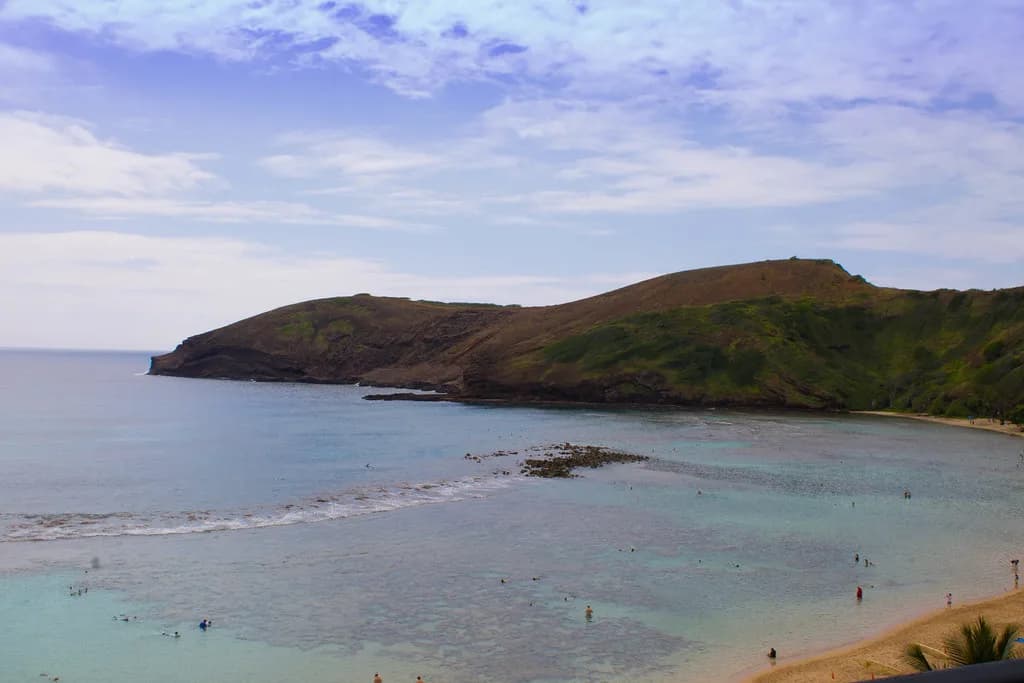
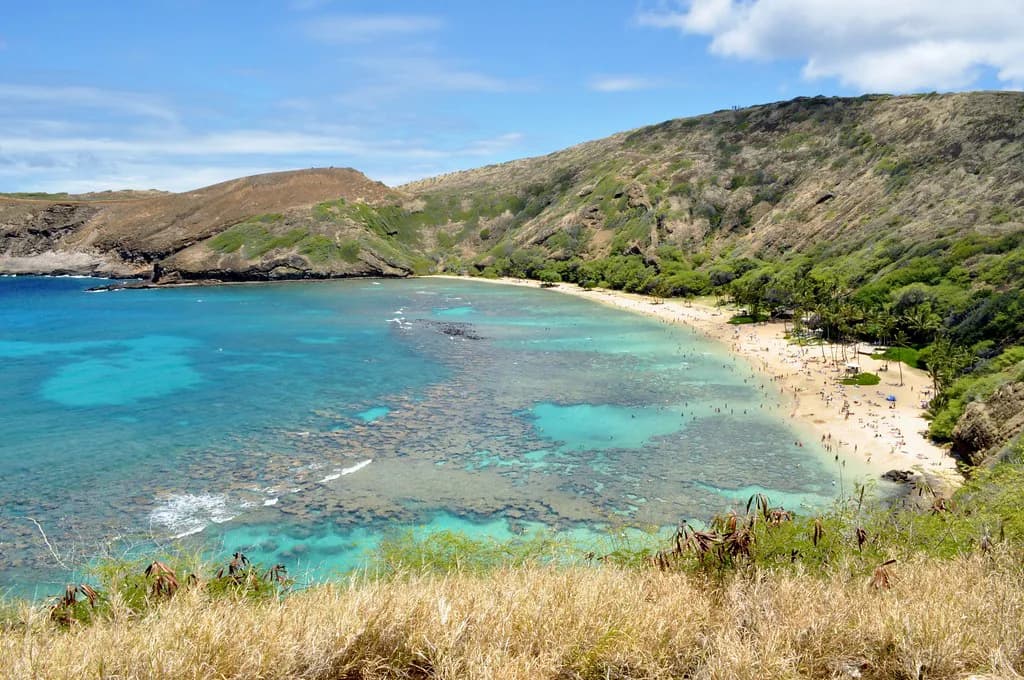
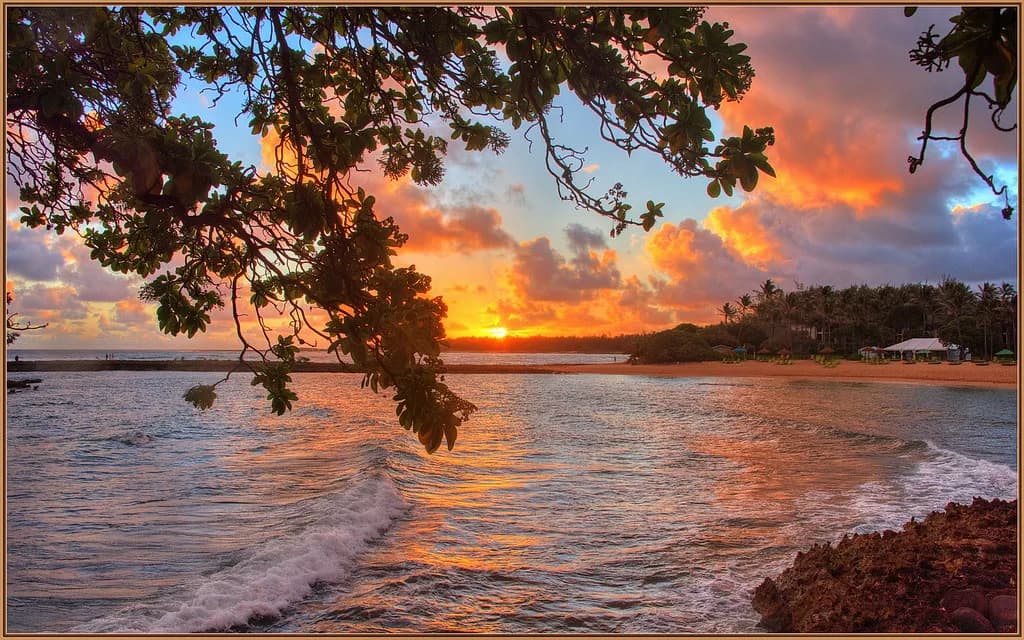
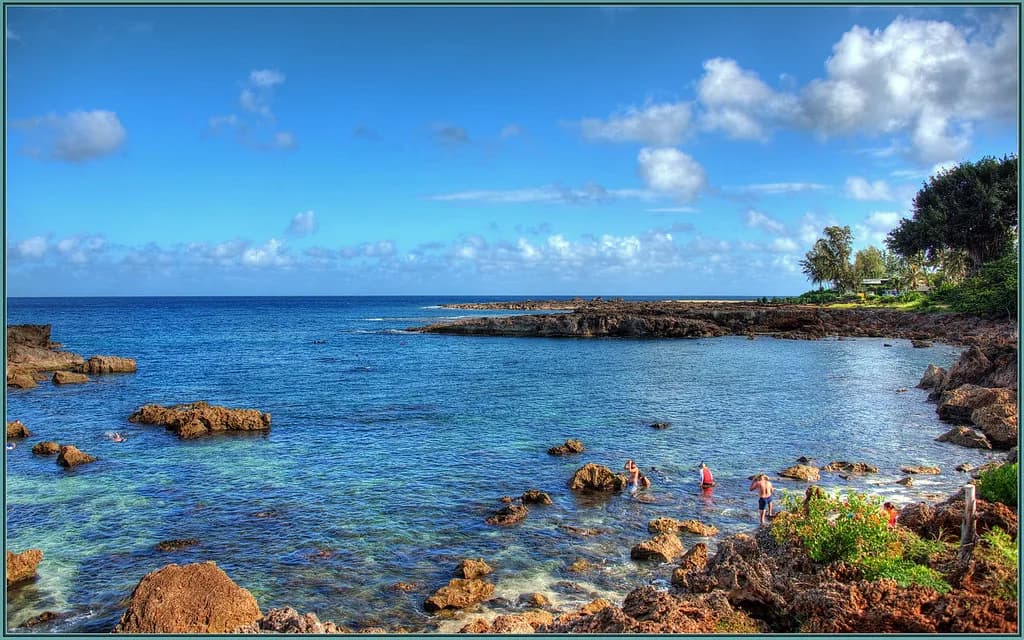
Kuilima Cove is the rare North Shore snorkel you can do on your own schedule: a compact bay at Turtle Bay where a natural rock barrier takes the edge off the open-ocean swell. You walk in from the sand with your own mask, float over shallow reef a short swim from shore, and drive on to the next beach when you have had enough.
It suits beginners, families with older kids and anyone who prefers a flexible shore session to a scheduled boat. Strong swimmers who want deeper, more dramatic reef will find it modest, and the rocky entry is the main thing to plan around.
Where Kuilima Cove Is on Oahu's North Shore
Kuilima Cove sits on Oahu's North Shore at Turtle Bay Resort, on the stretch of coast northeast of Haleiwa known for big winter surf. The bay is a small, semi-protected pocket beside the resort, which is why it stays calmer than the exposed beaches nearby.
From Waikiki the drive runs roughly 45 minutes, so this is a half-day outing rather than a quick stop. Pair it with other North Shore beaches on the same drive instead of doubling back to town.
Getting In: Beach Entry and the Rock Barrier
You enter the water from the beach, not from a ladder or boat, so you carry your gear in and put fins on at the shoreline. The bay's defining feature is a natural rock barrier that shields the cove from the waves, and that shelter is what makes snorkeling viable here when the rest of the North Shore is thumping.
The entry is rocky in places, which is the trade-off for that protection. Reef shoes or sturdy sandals make the walk in and out far more comfortable, and small children need a hand across the rocks before the water is deep enough to float.
Once inside the cove, the layout is simple: shallow water near the sand, reef and rock further out toward the barrier. Stay inside the sheltered zone rather than trying to round the barrier into open water, where the swell picks up.
What You Will See: Reef Fish, Coral and Cruising Turtles
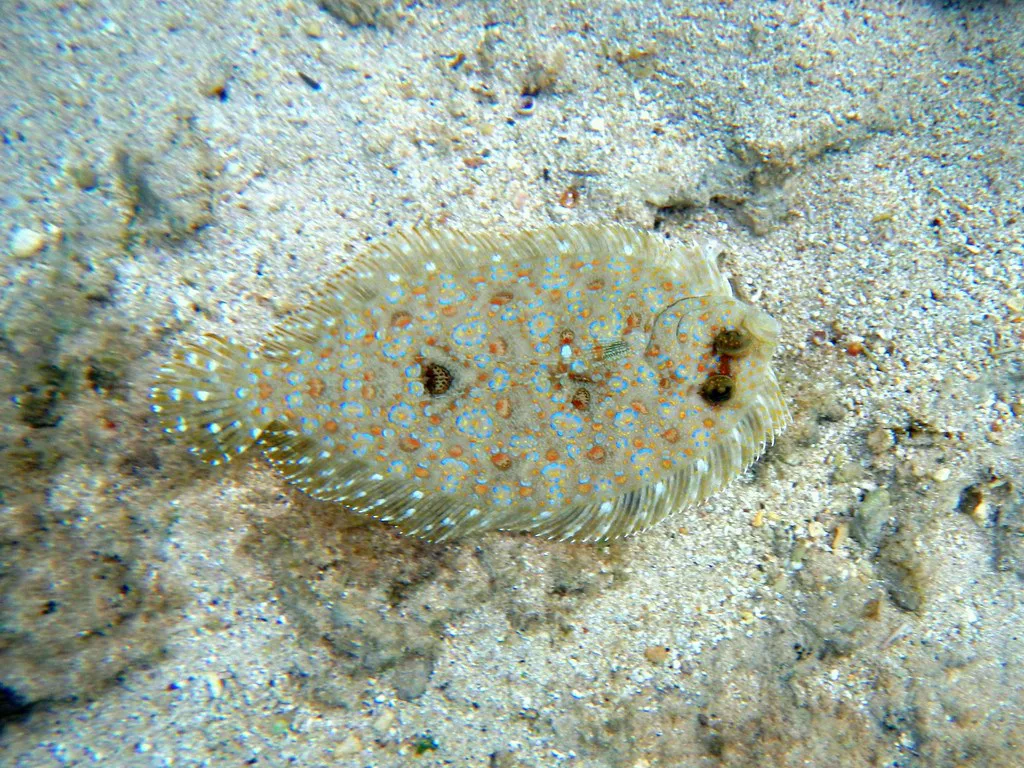
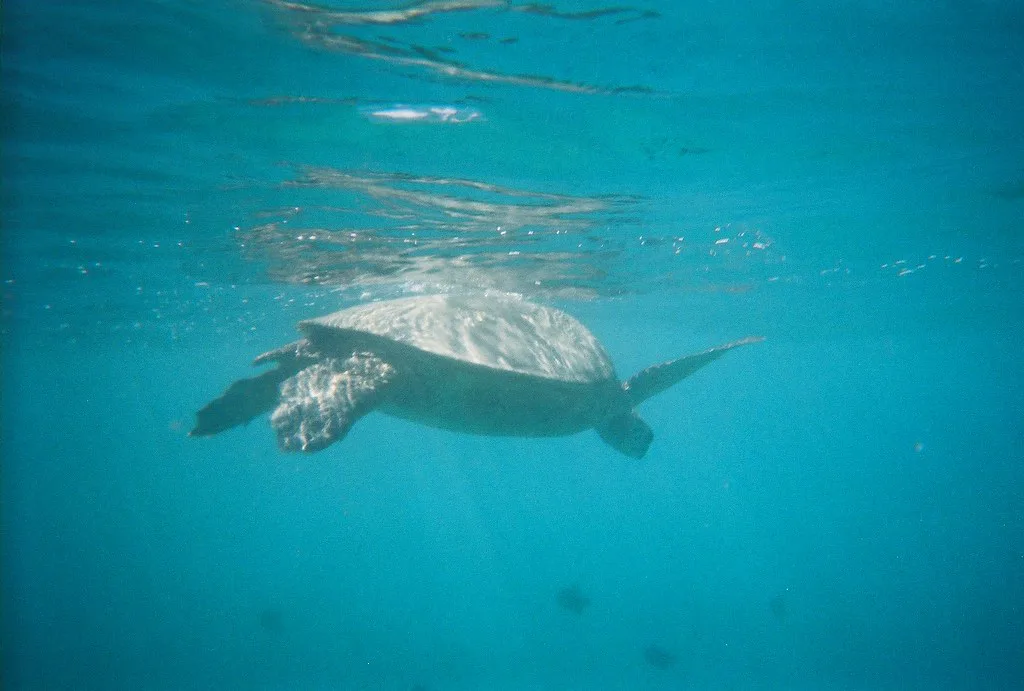
The bottom is a mix of coral and rock holding the usual Hawaiian reef fish, with color and movement best on bright, sunny days when light reaches the shallows. Turtles, known locally as honu, sometimes cruise close to shore here, but they are not guaranteed and the cove is not a cleaning-station site.
Treat any turtle encounter as a gift and keep your distance, letting the animal set the direction of travel. Never touch, feed or chase one, and give a turtle surfacing to breathe plenty of room.
Depth, Visibility and How Far the Reef Runs
The snorkeling zone is shallow and close to shore, which keeps it manageable for new snorkelers and easy to exit if you get cold or uncomfortable. You do not need to swim far to find reef, so the session is more about working the bay slowly than covering distance.
Visibility is the variable to watch. The water can cloud up after rain on this coast, so a session a day or two after heavy weather often beats the morning after.
Skill Level: Who Kuilima Cove Suits
Beginners and families with school-age kids get the most from Kuilima Cove: calm water inside the barrier, shallow reef and a beach you can walk out onto. Because it is self-guided, adults need to be confident reading the water and keeping the group together.
Strong swimmers looking for bigger reef structures, drop-offs or reliable turtle cleaning stations will find the cove limited and should consider a boat trip or a more exposed shoreline. For everyone else, the appeal is the flexibility: no schedule, no boat, your own pace.
Best Time of Day and Best Season
Go early. Mornings bring the calmest water and the lightest crowds, and resort guests fill the cove by midday. Parking is limited, so an early arrival solves two problems at once.
Summer is the friendlier season on the North Shore, when the big north swells are less frequent, though the cove faces open-ocean swell even in summer. Check the surf forecast for the Turtle Bay area the evening before you go.
Swell, Currents and Other Hazards
The rock barrier moderates the waves but does not eliminate them, and currents can pick up unexpectedly. If the water inside the cove looks churned or the sets are washing over the barrier, save the snorkel for another day and walk the beach instead.
The other hazards are the ones you create: a rushed rocky entry, a mask that fogs, or a group that spreads out. Snorkel with a buddy, keep kids within arm's reach near the rocks, and stay clear of any fishing activity along the shoreline.
Parking, Facilities and Access Near Turtle Bay
Kuilima Cove is reached through the Turtle Bay Resort area, and parking is limited, so plan to arrive early and be prepared to walk a short distance with your gear. Bring water, sun protection and a dry bag rather than counting on rentals at the cove.
Facilities, any parking charges and posted rules are set by the resort and the landowner, so read the signs on arrival rather than assuming. For the wider picture of Oahu's shore snorkeling options, see this guide to snorkeling in oahu.
Gear to Bring and Reef-Safe Sunscreen
Pack a well-fitted mask, a snorkel, fins and reef shoes for the rocky entry, plus a rash guard for sun and warmth. A shorty wetsuit helps if you plan a long session, since the shallow bay offers little warmth once you stop moving.
Use reef-safe sunscreen and apply it before you get in, and cover up with clothing where you can. Hawaii restricts sunscreen containing oxybenzone and octinoxate, so buy products labeled compliant before you travel rather than at the beach.
Rules for Turtles and Other Wildlife
Hawaiian green sea turtles are protected, and the rule everywhere in Hawaii is look but do not touch: no riding, no grabbing, no chasing, no feeding. Keep a respectful distance, let the turtle swim toward you if it chooses, and back off if it surfaces near your group.
Stay off live coral, keep your fins up and your body horizontal over the reef, and do not stand on the bottom to adjust gear. The cove is small enough that one careless swimmer can damage a lot of reef.
Nearby Spots to Combine With Kuilima Cove
The North Shore rewards a beach-hopping day. sharks cove snorkeling, a few minutes down the coast, offers rockier, more dramatic entry and tide pools, while three tables snorkeling nearby gives another shallow reef option when conditions allow.
If you want a guaranteed, managed snorkel day on the south shore, hanauma bay snorkeling requires timed entry and a fee, with reservations through the Honolulu Department of Parks and Recreation. That is a very different experience from Kuilima's walk-in flexibility.
Kuilima Cove vs Turtle Canyon: Shore Entry or Guided Boat
Kuilima Cove is the self-guided, shore-entry option: drive up, walk in, snorkel at your own pace, and leave when you like. Turtle Canyon is the opposite model, a boat-access reef reached in ten to fifteen minutes from Kewalo Basin Boat Harbor near Waikiki, with guides in the water and turtles gathering at natural cleaning stations.
If you are new to snorkeling and want structure, a boat trip removes the navigation and entry problems; if you want freedom and a North Shore day, Kuilima wins. Budget travelers and repeat visitors usually prefer the cove, while first-timers often value the guidance. Travelers weighing the same shore-versus-boat decision on another island can compare notes with this guide to snorkeling in Maui.
Plan Your Kuilima Cove Snorkel Day
Build the day around an early arrival: park while it is easy, walk the rocky entry with reef shoes, and work the shallow reef inside the rock barrier before the resort crowd arrives. Bring your own gear, reef-safe sunscreen and water, and keep the session short if the water turns murky.
Check the North Shore surf forecast and any posted advisories before you drive up, and give turtles and other wildlife room at all times. If you want a guaranteed structure and guided water time instead, book a boat trip from Waikiki rather than relying on conditions at the cove.
Frequently Asked Questions
Is Kuilima Cove good for snorkeling?
Yes, within limits. Kuilima Cove is a small, sheltered bay at Turtle Bay with a natural rock barrier that moderates the waves, shallow reef close to shore and occasional turtle sightings. It is not a big-reef destination, so treat it as a calm, easy session rather than a bucket-list dive.
Can you snorkel at Kuilima Cove without a boat?
Yes. Kuilima Cove is a shore-entry spot where you walk in from the beach with your own gear. No boat is needed, and the rocky entry is the main thing to plan for with reef shoes.
Is Kuilima Cove the same as Turtle Bay Beach?
Kuilima Cove is the small, rock-barrier cove within the Turtle Bay Resort area on Oahu's North Shore. It is a distinct pocket of water rather than the broader beach frontage, and it is the cove that offers the sheltered snorkeling.
Is Kuilima Cove good for beginners and kids?
Beginners do well inside the barrier because the water is shallow and calm, but the entry is rocky, so small children need help crossing it. Because the spot is self-guided, adults should be comfortable reading the water and keeping the group together.
What will I see snorkeling at Kuilima Cove?
Expect Hawaiian reef fish over coral and rock, with the best color on sunny days. Turtles sometimes cruise close to shore, but sightings are not guaranteed. Keep your distance and never touch or chase them.
When is the best time to snorkel Kuilima Cove?
Go in the morning for the calmest water and the lightest crowds, since resort guests fill the cove by midday and parking is limited. Summer generally brings fewer large north swells, though the cove still faces open-ocean swell.
Is parking available at Kuilima Cove?
Parking is limited, so arrive early and be prepared to walk a short distance with your gear. Any charges or posted rules are set by the resort and landowner, so read the signs on arrival.
Should I choose Kuilima Cove or Turtle Canyon for my first snorkel?
Choose Kuilima Cove if you want a flexible, self-guided shore session and a North Shore day. Choose a Turtle Canyon boat trip if you want guides in the water, help with gear and a structured schedule from Kewalo Basin near Waikiki.
Sources
Snorkeling notes for your next trip
Optional updates to our snorkeling guides.
You might also like
Continue reading
More guides you'll find useful