Electric Beach Snorkeling, Oahu: Reef and What You'll See
Plan a snorkel at Electric Beach on Oahu's west side: the Kahe Point shore entry, the warm-water outflow, reef layout, skill level and possible wildlife.
On this page
Electric Beach, known locally as Kahe Point, is a west-side Oahu shoreline where a power plant's warm-water outflow has built an unusually lively reef close to the beach. The draw is the density of fish and the chance to drift over coral in water that starts shallow and then falls away quickly. It suits adults and strong-swimming teens who are comfortable in deep, open water rather than first-timers looking for a bathtub.
You reach the water from the beach itself, but the seafloor drops off faster than most sheltered Oahu bays, so plan on wearing fins and staying aware of your depth. Boat traffic and surge are the two things that shape a day here more than anything else. Time your swim for calm, nearshore conditions and keep the reef line in view.
Why Electric Beach Is Worth the Swim
The reason to come is the artificial reef structure created by the power plant's discharged cooling water, which concentrates marine life in a compact area just offshore. That means a short swim can put you over coral, schooling fish and the occasional larger animal instead of a long kick across empty sand.
The trade-off is exposure. This is an open coastline, not a protected cove, so the surface can be choppy and the water deepens quickly beyond the entry. Snorkelers who want a gentle, shallow first session are usually better served elsewhere on the island, while confident swimmers get a more rewarding payoff here.
Where Electric Beach Is
Electric Beach sits off Farrington Highway on Oahu's leeward west side, near Kahe Point and west of Kapolei. The plant's twin outflow pipes are the landmark: they run from the shoreline out under the water, and the reef has grown up around their discharge points.
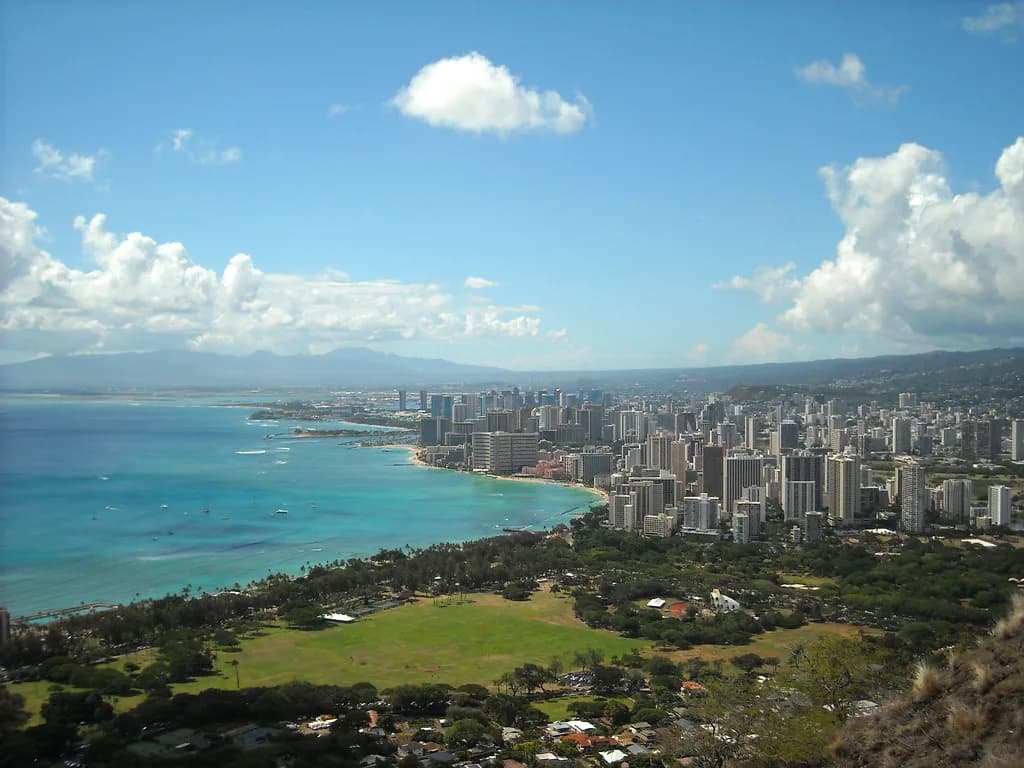
Coming from Waikiki or Honolulu, this is a drive across the island to the west shore, so it pairs naturally with a full west-side day rather than a quick stop. The beach and roadside access sit right along the highway, which makes it easy to combine with other leeward stops on the way back.
Getting In
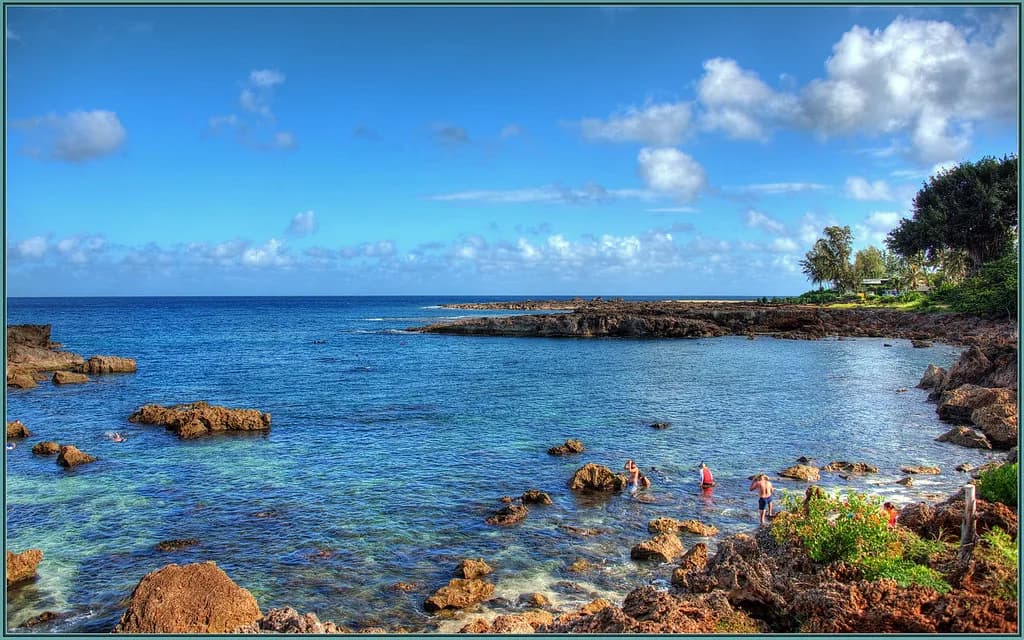
Entry is from the beach on sand, but the bottom slopes and then drops, so you will be swimming over deeper water sooner than at a shallow reef flat. Walk in with your mask on and fins in hand, then put fins on once you are past the shorebreak, and keep your buddy in sight as visibility shifts with surge.
Because the drop-off is close to shore, weaker swimmers can find themselves out of their depth quickly. If you are new to deeper water, snorkel along the edge of the drop rather than heading straight out, and turn back before you feel tired.
The Outflow Pipe and How It Shapes the Reef
Warm water from the power plant's cooling system is released offshore through submerged pipes, and that steady flow is what draws fish and supports the coral growth around the discharge. The result is a reef that feels concentrated and busy, with structure to explore along the pipeline corridor.
Treat the outflow as a feature to observe from a respectful distance, not a current to ride. The water moving around the pipes can add push, so keep yourself oriented to shore and check your position regularly rather than drifting with the flow.
North Reef, South Reef and the Pipeline
Local dive and snorkel operators split the site into three zones: the pipeline corridor, the north reef and the south reef. Each offers a different character, from the structure around the outflow to reef sections that reward a slow, methodical swim.
Pick one zone per session rather than trying to cover all three. If you have the energy for a second swim, rest on the beach first, then enter again on the calmer side of the shorebreak.
How Far Out the Reef Sits and How Deep You Swim
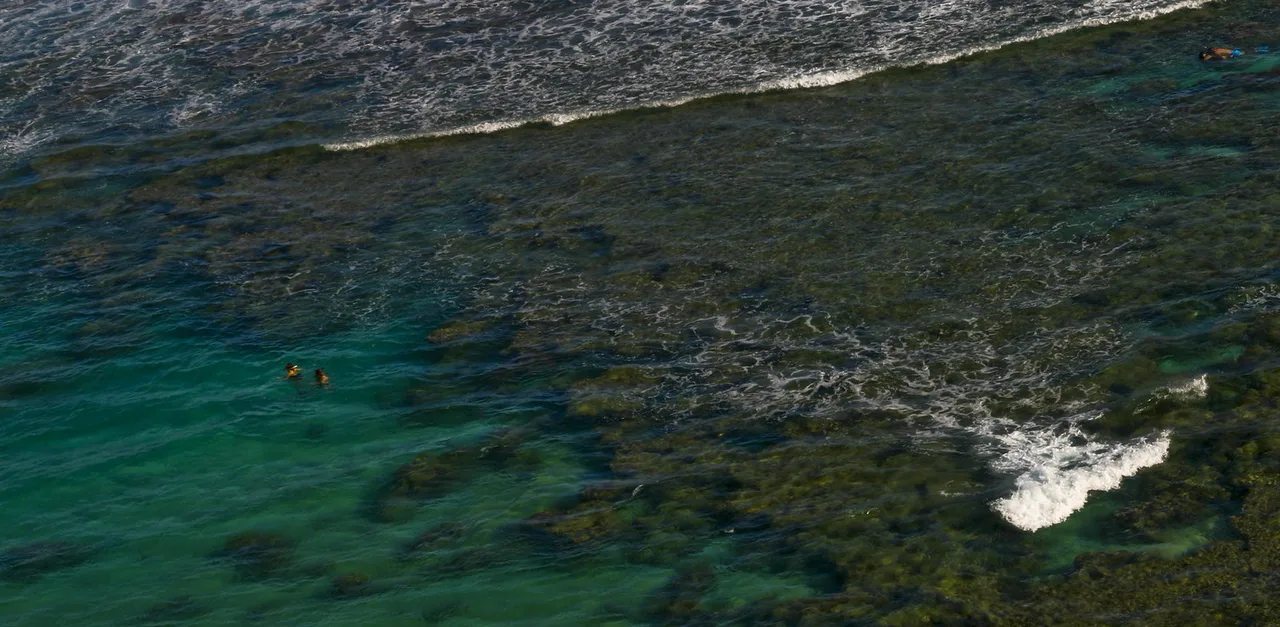
The reef begins just beyond the shore drop, and much of the interesting structure lies in water deep enough that you will be floating over coral rather than standing near it. Expect to swim out from the beach and then hover over the reef, with the bottom well below you in the deeper sections.
Because depth increases close to shore, plan your route around your comfort level, not the distance from the sand. A short swim over the shallower reef edge can be more productive than a long push into deeper, choppier water.
What You May See
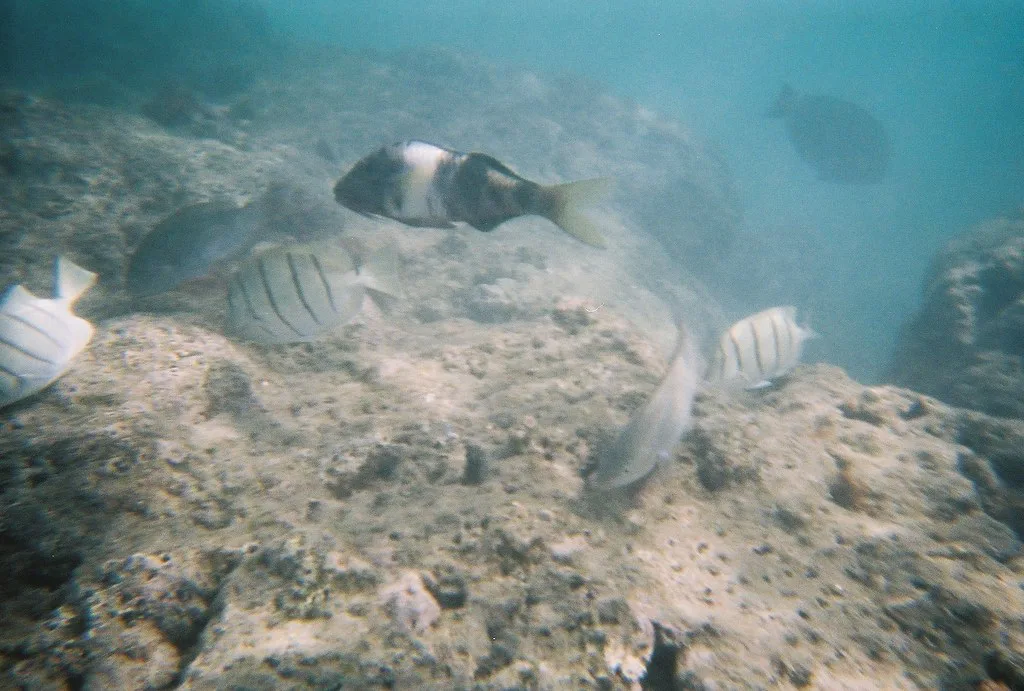
Reef fish are the constant here, with schools moving around the coral and the outflow structure. Snorkelers and divers also report starfish, sea turtles and larger pelagic visitors passing through the area, though sightings vary with season and conditions.
Guided marine-ecology tours at the site note the possibility of reef fish, sea turtles, monk seals and eagle rays. None of these are guaranteed, so treat any encounter as a bonus and give animals plenty of space rather than swimming toward them.
Skill Level: Who This Suits
Electric Beach favors snorkelers who are comfortable in deep water, can handle some surface chop and are confident swimming back to shore. Teens and adults with open-water experience get the most from the reef, while young children and nervous first-timers are better off in a protected bay with a shallow entry.
The shore entry itself is not technical, but the combination of depth, surge and boat traffic raises the bar above a beginner reef. If you are building confidence, join a guided group so someone else is managing the site briefing and in-water supervision.
Best Time of Day, Season and Swell
Calm, nearshore conditions make or break a snorkel here, so aim for mornings before the afternoon wind builds and the surface turns choppy. West-side surf and swell direction change with the season, so watch the marine forecast for the leeward coast and pick a day with light wind and small surf.
Check the National Weather Service marine forecast and any posted advisories before you commit to the drive. If the west shore is up, save the swim and head for a sheltered bay on another coast instead of forcing it.
Hazards: Currents, Surge, Boats and Open Water
The main hazards are the ones that come with an exposed coastline: surge close to the rocks, current around the outflow and depth that leaves little room for error. Boat traffic is also a factor, so surface with care, keep a bright float or flag visible and stay close to your buddy.
Do not expect a sheltered, patrolled swimming environment. Read the water before you enter, watch how the surge moves over the entry, and skip the swim if the surface looks confused or the wind is pushing chop onto the shore.
Parking, Facilities and What to Bring
Access is roadside along Farrington Highway, so you park and carry your gear to the beach rather than walking from a large developed lot. Come self-sufficient: bring water, sun protection, a rash guard, your own mask and fins, and a dry bag for keys and phone.
Reef-safe sunscreen matters on this coast, and a long-sleeve rash guard reduces how much you need. Pack a towel and a change of clothes, and leave valuables out of sight in the car.
Rules Around Turtles, Monk Seals and the Reef
Hawaii's protected species rules require distance from sea turtles and Hawaiian monk seals, and touching, feeding or chasing any of them is prohibited. Keep a respectful buffer, let animals approach on their own terms and never block a turtle's path to the surface or a seal's route to the sand.
Coral is living structure, so keep fins off the reef and find sand or open water to stand or rest rather than grabbing coral. For the broader rules and reef etiquette across the island, the Oahu snorkeling guide lays out what applies at each site.
Snorkel Tours from Electric Beach
A small-group marine-ecology snorkel runs from Electric Beach with a marine biologist guide, snorkel equipment included, a photo package and a briefing before you enter the water. Tours are capped at five travelers, last about two hours and have a minimum age of 10.
The published rate is $125 per person, and Cool Hawaii allows cancellation up to 24 hours before departure for a full refund. Tours meet along Farrington Highway near Kapolei, and the booking confirmation email supplies the exact meeting point and parking details; check current prices and dates when you reserve.
Nearby Spots to Combine on a West-Side Day
Electric Beach sits on Oahu's leeward coast, so the natural pairing is a west-side beach day rather than a cross-island dash. On a calm day you can snorkel here in the morning and spend the afternoon on a nearby beach as the wind picks up.
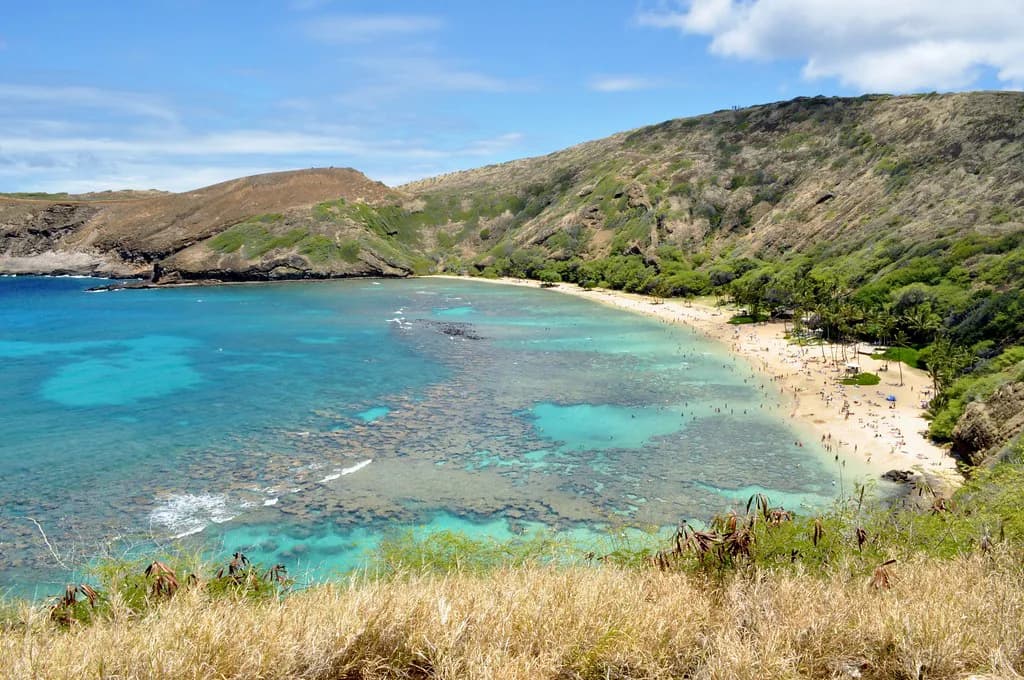
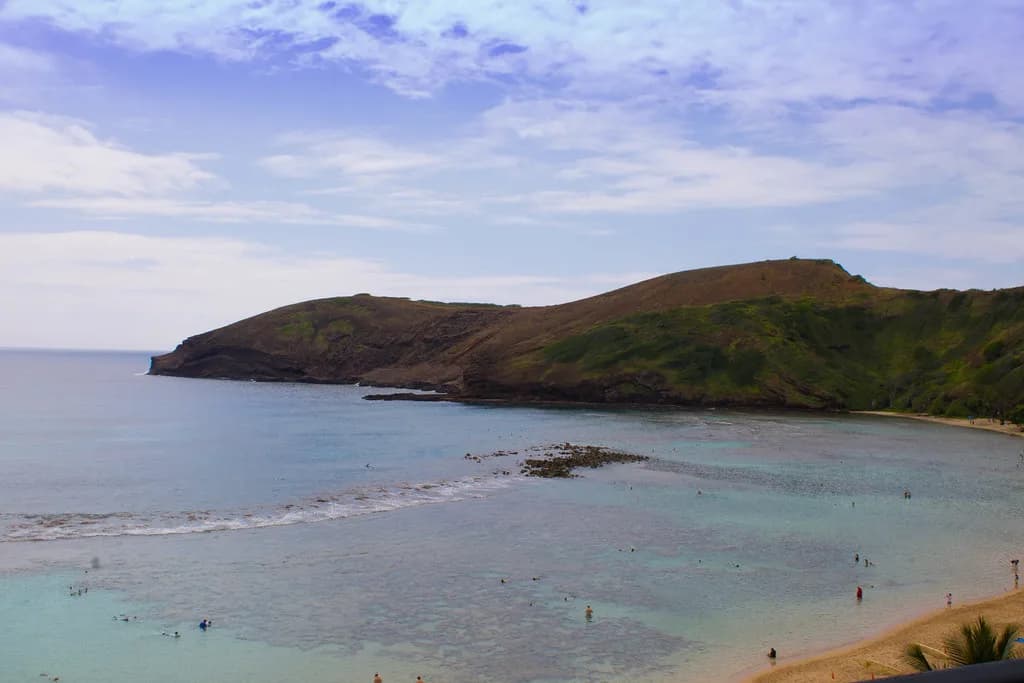
If you want a second snorkel with a very different character, plan a separate day for Hanauma Bay on the southeast coast and sort out entry requirements ahead of time. Reserve a slot and read the rules before you drive out. Snorkelers weighing a bigger trip can compare this with snorkeling in Maui and Big Island snorkeling before booking inter-island flights.
Plan Your Electric Beach Snorkel Day
Electric Beach rewards a specific kind of snorkeler: someone comfortable in deep, open water who wants a compact reef with real fish life just off the sand. Go early, watch the wind and swell, bring your own gear and give the wildlife room.
If the west shore looks rough, move the swim to a sheltered bay and save Kahe Point for a calm morning. For the rest of the island's sites, including Hanauma Bay and the north shore options, compare entries, rules and access in the full Oahu guide.
Frequently Asked Questions
Is Electric Beach safe to swim?
The site is an exposed west-side coastline with a shore entry that drops into deeper water quickly, so it is best suited to confident swimmers. Surge near the entry, current around the outflow pipes and boat traffic are the main things to manage. Check the National Weather Service marine forecast for the leeward coast and any posted advisories before you go.
Do you need a tour to snorkel Electric Beach?
You can enter from the beach on your own if you are comfortable with the depth, surge and open-water feel of the site. Guided marine-ecology tours offer a briefing, equipment and in-water supervision, with the meeting point along Farrington Highway near Kapolei. Choose your own entry only if you can judge conditions and navigate back to shore.
How deep is the water at Electric Beach?
The bottom slopes from the sand and then drops, so much of the reef structure sits below you rather than within standing depth. Plan your route around the shallower edge of the drop if you are not used to floating over deeper water. A guide or a look at the surface before entering helps you judge how far out you will be.
When is the water calmest at Electric Beach?
Mornings usually bring lighter wind and a smaller chance of afternoon chop, which makes the surface easier to read. West-side surf and swell direction shift with the season, so pick a day with light wind and small surf. Check the marine forecast for the leeward coast and any posted advisories before driving out.
Sources
Snorkeling notes for your next trip
Optional updates to our snorkeling guides.
You might also like
Continue reading
More guides you'll find useful