Diamond Head Snorkeling: Oahu Spots and Tour Choices
Diamond Head snorkeling happens from a boat on the reef off Waikiki's crater, not from the beach. Here is how the trips work and who they suit.
On this page
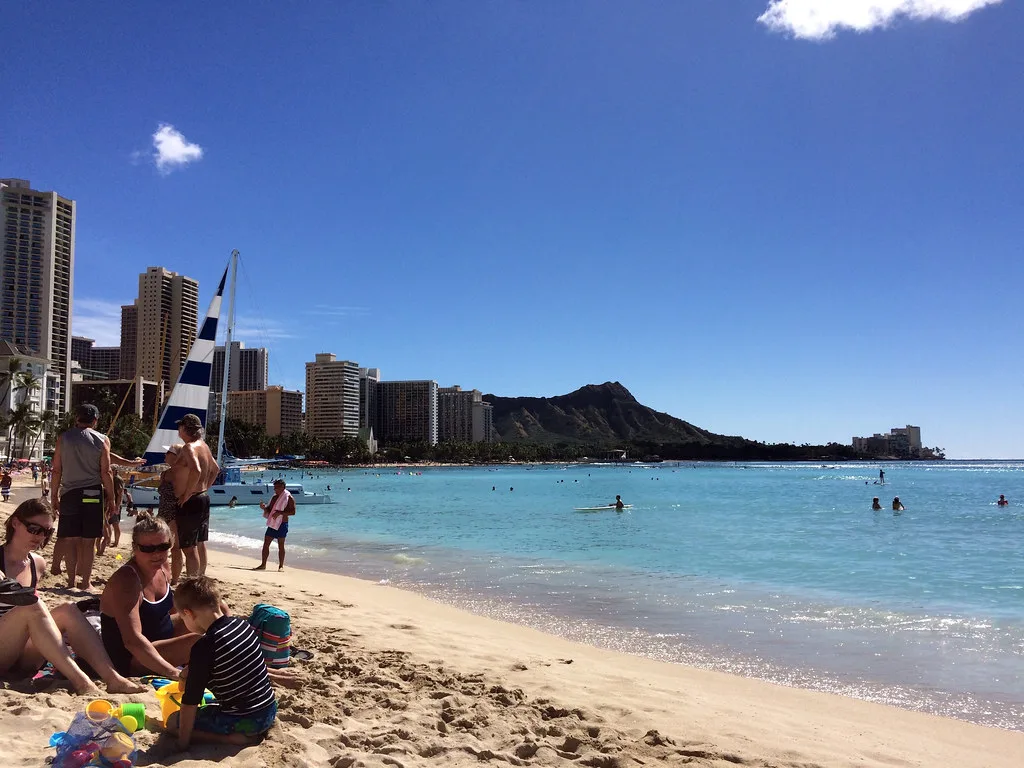
The reef beneath Diamond Head rewards people who plan for a boat ride rather than a beach walk. You sail out from a Honolulu harbor, the crater rises behind you, and the snorkeling happens in open water where green sea turtles and reef fish work the coral. Families, first-timers and confident swimmers all end up on the same kind of vessel, so the real decision is which departure and format fit your group.
Where the Snorkeling Actually Happens
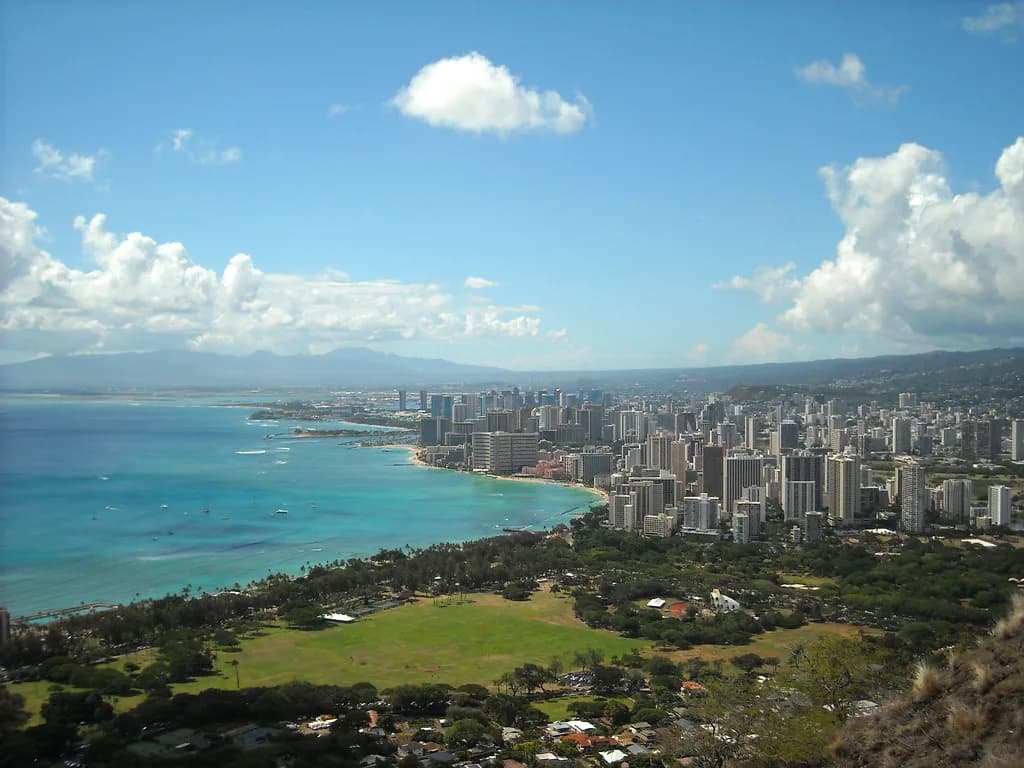
Diamond Head snorkeling is offshore snorkeling. The crater rim drops to the sea east of Waikiki, and the reef and rocky shoreline below it are worked from a boat, not from a sandy beach entry. Trips run out of Kewalo Basin Harbor on the Honolulu waterfront west of Waikiki, which puts the boat on the water just south of the crater.
That layout matters when you are choosing a trip. You are not walking into a protected cove with a sandy bottom; you are entering water off an exposed coastline near a working harbor and the busiest stretch of the Waikiki coast. The payoff is reef structure and marine life that shore snorkelers in Waikiki do not reach from the sand.
How You Get In: Boats from Kewalo Basin
One established option is a two-hour afternoon sail-and-snorkel trip from Kewalo Basin Harbor aboard a 40-foot sailing catamaran. Check-in is at 2:45pm at Slip A-0 on Ala Moana Boulevard, and the boat departs at 3:00pm and returns about two hours later at 5:00pm. The vessel carries restrooms, life jackets for children and adults, snorkeling gear, water and juice, and an onboard naturalist.
If you would rather stay dry, the same trip lets you remain on deck for views of Diamond Head and the Honolulu skyline while others snorkel. A separate operator runs a morning Turtle Canyon snorkel tour from Ala Moana Boulevard in a small boat limited to six guests, with basic swimming skills recommended and a minimum age of five. Both formats put you in the water from a ladder rather than from the sand.
Know before you book: catamaran companies generally run ocean trips in winds up to about 25 mph but cancel for strong or unfavorable wind directions or high surf, moving guests to another day or refunding. The harbor check-in also means you need to arrive early and allow time for parking and finding the right slip.
What You Will See on the Reef
The main draw below Diamond Head is the Hawaiian green sea turtle. The animals come in to feed and be cleaned by reef fish, and the Turtle Canyon morning tour describes turtle territory as the heart of the trip. Around the turtles you should expect tropical reef fish working the coral, with occasional dolphins and humpback whales in winter.
The catamaran trip puts a naturalist on board to point out marine life and to help beginners fit their gear. Treat wildlife as possible rather than certain: the reef and the animals are wild, and the trip is run as a nature outing, not a guarantee. Follow the standard Hawaiian viewing rules and keep your distance from turtles and any monk seals you encounter.
Depth, Reef Layout and Swimming Demands
This is open-water snorkeling, not a shallow lagoon. The reef below the crater is a mix of coral and rocky structure in water deep enough that you will want to stay with the boat and its guide. Because there is no shore entry, you cannot stand up when you get tired; the ladder back onto the boat is your exit.
Plan for a surface swim from the boat to the reef, time floating and looking down, and a swim back. The catamaran guides assist first-time snorkelers with gear fit and tips, and they ask non-swimmers to tell staff before entering the water. If you can tread water and swim a short distance comfortably, you can enjoy the trip; if not, watch from the deck or choose a calmer bay on another day.
Who It Suits: Families, Beginners and Strong Swimmers
Families with children do well on the catamaran, which is stable, carries kids' life jackets and gear, has restrooms, and welcomes non-snorkelers on deck. The small-boat morning tour sets a minimum age of five and recommends basic swimming ability, which makes it better for older kids and teens who are comfortable in the water.
Strong swimmers who want more freedom can book a private charter and set their own itinerary, including custom snorkeling and dolphin spotting. Beginners are fine on either format as long as they listen to the briefing and stay near the guide, and people who would rather not get wet can sail along and enjoy the views while the rest of the group snorkels.
Best Time of Day and Season
Mornings tend to offer calmer seas, better visibility and fewer people on the water, which is why the small-boat Turtle Canyon tour runs in the morning. The catamaran sail-and-snorkel runs in the afternoon and includes a sail along the Waikiki coast. If a smooth surface matters most to you, aim for the morning departure; if you want the sail and the crater views at golden hour, the afternoon trip is the one.
Winter brings humpback whales to Hawaiian waters, and Oahu tour companies schedule whale watching from December through April. On a snorkel trip you may see whales or dolphins passing through, but the reef and turtles are the focus of the snorkel itself, so plan the trip around the water, not around whale encounters.
Hazards and Ocean Conditions
Wind drives the surface conditions off Diamond Head, and crews advise that trips run in winds up to about 25 mph, with bumpier water in higher wind. Strong or unfavorable wind directions and high surf can cause cancellations, so plan a flexible day and call the company before you leave your hotel.
Boat traffic is part of the setting: you are snorkeling near Kewalo Basin and the Waikiki coast, where tour boats and catamarans run. Stay close to your vessel, follow the guide's instructions, and surface to check your position if you drift. The main risk is overconfidence in open water, so pace yourself and use the ladder when you are tired.
Gear, Sunscreen and Wildlife Distance
Both formats provide snorkeling gear, so you do not need to pack a mask and fins unless you prefer your own fit. The catamaran operator supplies sanitized gear and life jackets and asks guests to bring water, snacks and a camera, while sunscreen stays your call. Follow Hawaii's reef-safe sunscreen rules and apply before you board, since a slippery mask is the usual complaint after applying on deck.
Wildlife is protected here, and the rules are simple: keep your distance from turtles, never touch or chase them, and never feed fish. Hawaiian green sea turtles are a threatened species, and respectful viewing means letting them come and go on their own schedule. If a turtle surfaces near you, back off and give it room to breathe.
Nearby Spots to Combine
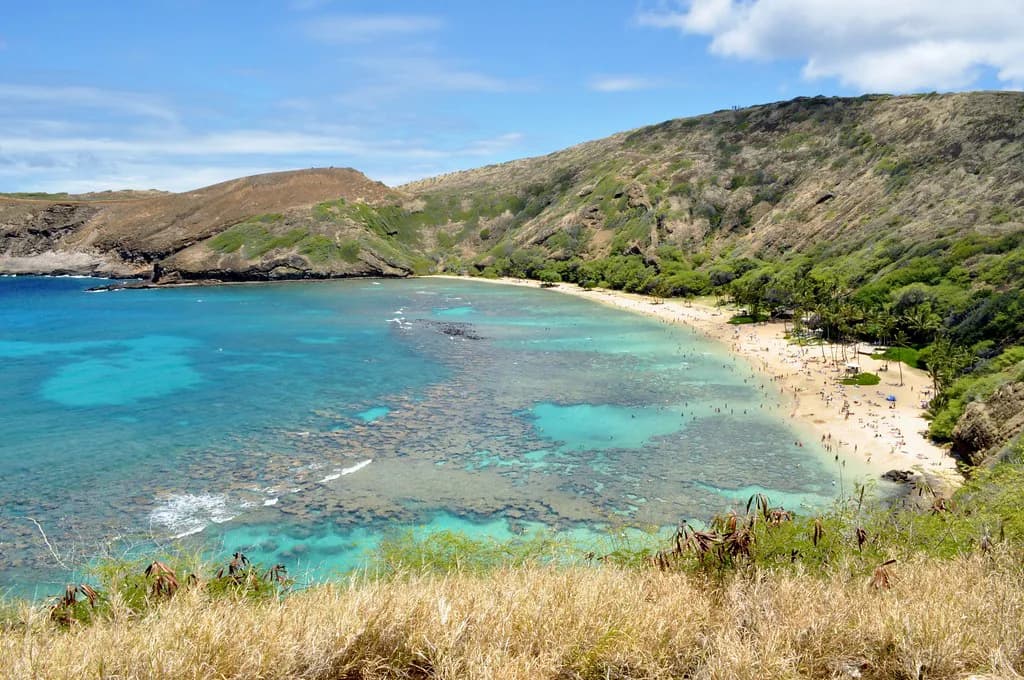
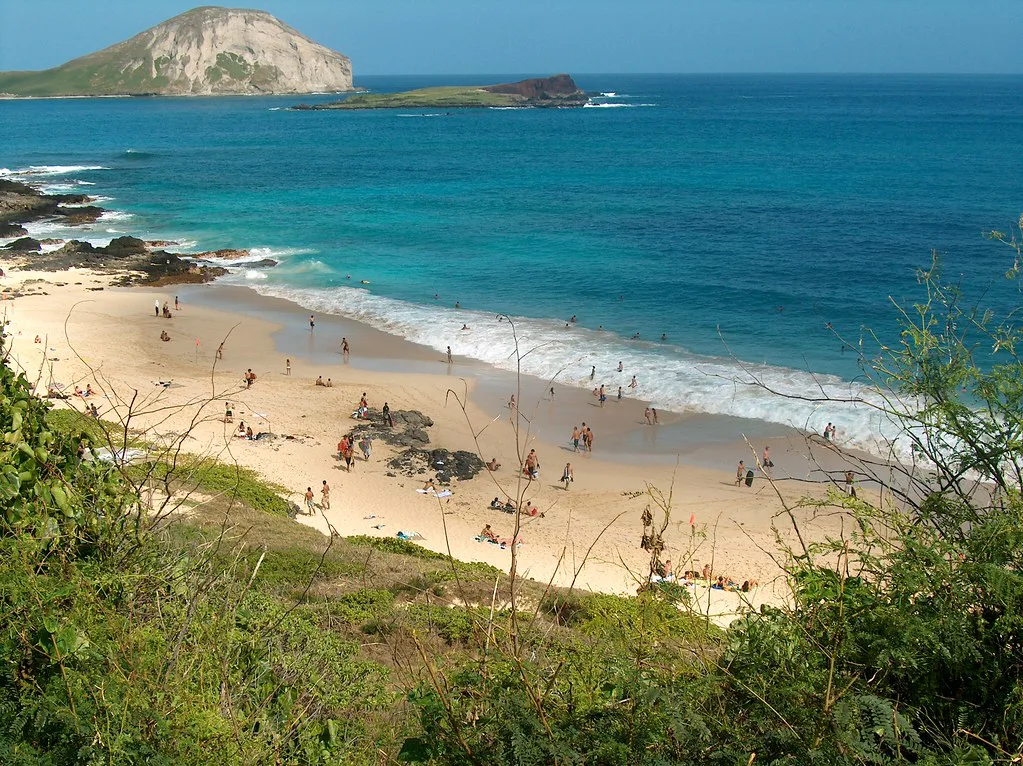
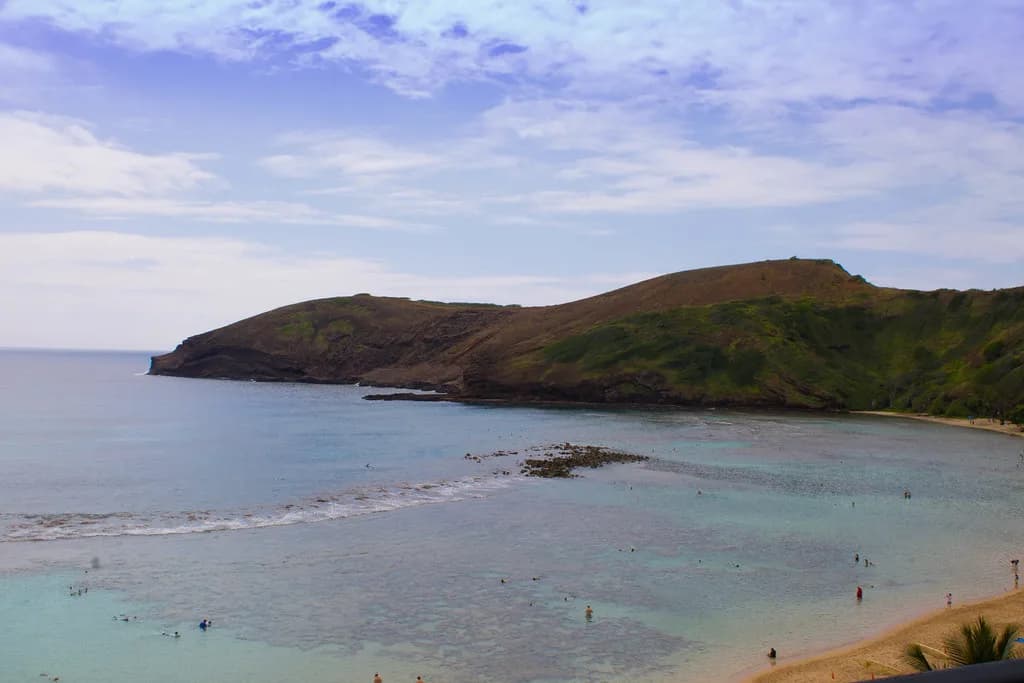
If you want a calm, sandy-bottom shore snorkel on the same trip, Hanauma Bay Nature Preserve is the obvious counterpart. It sits in a protected bay east of Diamond Head and is a different style of day: you enter from the sand rather than a boat, so it pairs well with a morning on the reef. Reserve an entry time in advance and check the reserve's visitor procedures before you go.
Waikiki's Turtle Canyon is another option on the same coast and is the target of the small-boat morning tour, so you can split a trip between the two reefs on different days. For a full picture of the island's entries, from boat drops to sandy beaches, start with the right kinds of access and pair the reef below the crater with one calm bay and one open-water tour. If you island-hop and want the same decision laid out elsewhere, compare Big Island snorkeling spots and how to pick one.
Parking, Check-in and Fees
Check-in for the catamaran trip is at Kewalo Basin Slip A-0 on Ala Moana Boulevard in Honolulu, with a check-in window before departure. Plan to arrive with time to park in the harbor area and walk to the slip; leaving the car at a Waikiki hotel and taking a short ride over avoids the parking search.
Rates are set by each operator. The catamaran sail-and-snorkel lists an adult fare with a lower child fare for ages zero to thirteen, and the small-boat Turtle Canyon tour posts its own per-person rate. Refund policies also differ: the catamaran operator gives a full refund outside a 72-hour window and no refund inside it, so confirm the terms on the booking page.
Plan Your Diamond Head Snorkel Day
The reef below Diamond Head is a boat-access experience, so the smart move is to pick the format that matches your group: a stable catamaran for families and non-snorkelers, a small morning boat for confident swimmers, or a private charter for a custom day. Book ahead in winter and leave the afternoon or morning flexible in case of wind.
Pair the reef with one shore entry such as Hanauma Bay so you experience both styles of Oahu snorkeling in a single trip. The crew decides on the day whether conditions allow departure, so confirm current details before you head to the harbor.
Frequently Asked Questions
Can you snorkel at Diamond Head from the beach?
No, Diamond Head snorkeling is done from a boat. Trips run from Kewalo Basin Harbor west of Waikiki and put you on the reef below the crater, and you enter the water from the vessel rather than walking off the sand.
What will I see snorkeling off Diamond Head?
The main draw is Hawaiian green sea turtles, along with tropical reef fish working the coral. Dolphins and humpback whales are possible, especially in winter, but sightings are never guaranteed.
Is Diamond Head snorkeling good for beginners and kids?
Yes, with the right format. The catamaran carries life jackets for kids and adults, has restrooms and welcomes non-snorkelers on deck, while the small-boat morning tour sets a minimum age of five and recommends basic swimming ability.
What time of day is best for Diamond Head snorkeling?
Mornings typically bring calmer seas, better visibility and fewer boats, which suits a morning departure. The catamaran trip runs in the afternoon and includes a sail along the coast, so pick based on whether you want smooth water or the sail.
How much does a Diamond Head snorkel sail cost?
Rates are set by each operator and can change. The catamaran sail-and-snorkel lists separate adult and child fares and refund terms on its booking page, so check the current price there before booking.
Do I need my own snorkel gear?
No, both the catamaran and the small-boat morning tour provide snorkeling gear fit for guests, along with life jackets. Bring reef-safe sunscreen and a towel, and apply sunscreen before boarding.
What happens if the wind or surf is bad?
The decision is made on the day, and a trip may be cancelled for strong or unfavorable winds or high surf. If a trip is cancelled, you can usually move to another day or receive a refund. Plan a flexible day and check current details before heading to the harbor.
Sources
Snorkeling notes for your next trip
Optional updates to our snorkeling guides.
You might also like
Continue reading
More guides you'll find useful