Delnor-Wiggins Snorkeling Guide: Naples Reef Tips
Snorkel Delnor-Wiggins Pass State Park in Naples, Florida: sandy Gulf entry, the hard-bottom reef off Wiggins Pass, swimming zones, rules and parking basics.
On this page
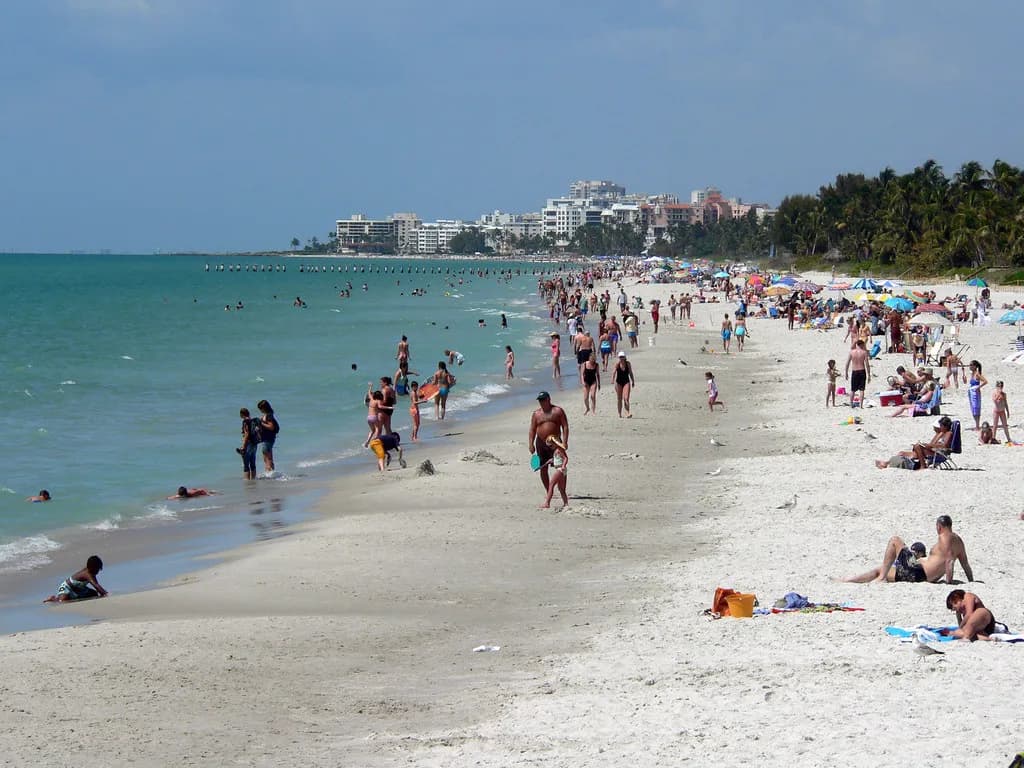
Delnor-Wiggins Pass State Park packs a full Gulf snorkel day into one Naples address: a long white-sand beach, a hard-bottom reef offshore and a marked swimming zone that keeps boat traffic away from your mask. It suits beginners and families who want a sand entry, plus stronger swimmers willing to kick out to the reef.
The park is run by Florida State Parks, and the layout is simple: five parking areas, a mile-long beach and Wiggins Pass at the north end where currents make swimming unsafe. Knowing which lot to use and where the reef sits relative to the pass is the difference between a relaxed swim and a wasted morning.
Why Delnor-Wiggins suits a Gulf snorkel day
The main draw is variety: you can swim from the sand, snorkel the hard bottom, then walk the beach for shells between dips. The park's mile of Gulf frontage is rated among the best beaches in the nation, and the swimming season runs year-round.
Unlike a boat-only reef, Delnor-Wiggins lets you wade in from the beach and swim out at your own pace. That makes it a practical first stop for anyone building a Florida Gulf Coast snorkel itinerary before moving on to more remote sites. Florida snorkeling elsewhere works the same way at many state park beaches, so you can compare shore entries before committing.
Where the park is and how to reach it
Delnor-Wiggins sits at 11135 Gulf Shore Drive in North Naples, about five miles west of I-75 exit 111. The drive from downtown Naples is short, but winter traffic on Gulf Shore Drive can add time, so leave a buffer on weekend mornings.
The park's entrance is the only way in for beach users. Boaters launch separately into Water Turkey Bay and head out through Wiggins Pass, so the beach and the boat ramp serve different crowds even though they share a boundary.
Getting in: sand entry along the Gulf beach
You enter the water from the Gulf beach, and swimming is permitted from the southern boundary up to the middle of Parking Lot Five, a stretch of almost one mile. That boundary is the key fact for snorkelers: everything south of mid-Lot 5 is fair game; the pass itself is not.
The entry itself is sand, not rock or ladder, so you can walk in and put your fins on in shallow water. Boardwalks connect each parking area to the beach through the coastal hammock, which keeps you off the dunes and makes hauling gear easier.
The reef: hard-bottom Gulf reef off Wiggins Pass
The park's underwater feature is a hard-bottom reef in the Gulf near Wiggins Pass, which scuba divers explore and snorkelers can reach from the beach on calm days. Hard bottom means low-profile rock and rubble rather than tall coral formations, so you swim low and slow to spot life.
Because the reef sits near the pass, the safest approach is to enter from the beach south of the swimming boundary and work north along the sand, staying inside the marked zone. Fishing from vessels is restricted within 300 feet of the park beach along the Gulf, an area buoyed off for swimming.
What you will see
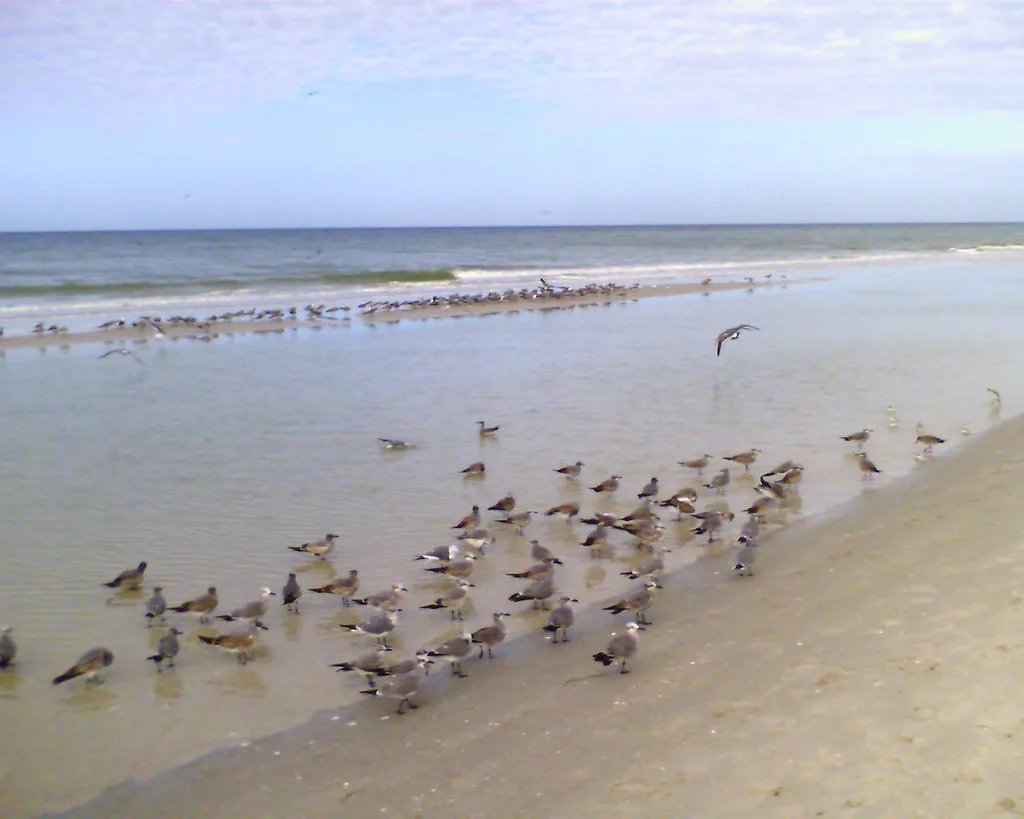
Expect typical Gulf hard-bottom life rather than a tropical coral garden: small reef fish, blennies and gobies around rubble, and the occasional stingray over sand patches. The park also draws more than 170 bird species, so keep an eye on the water surface between breaths.
Shelling is part of the experience here, and the park has some of the best shelling on the Gulf Coast. Live shelling is prohibited, so return any occupied shell to the water and keep only empties above the tide line.
Give sea turtles and other wildlife plenty of room, and never touch, feed or chase an animal. If a turtle surfaces near you, stop kicking and let it pass.
Wiggins Pass: why swimming is off-limits
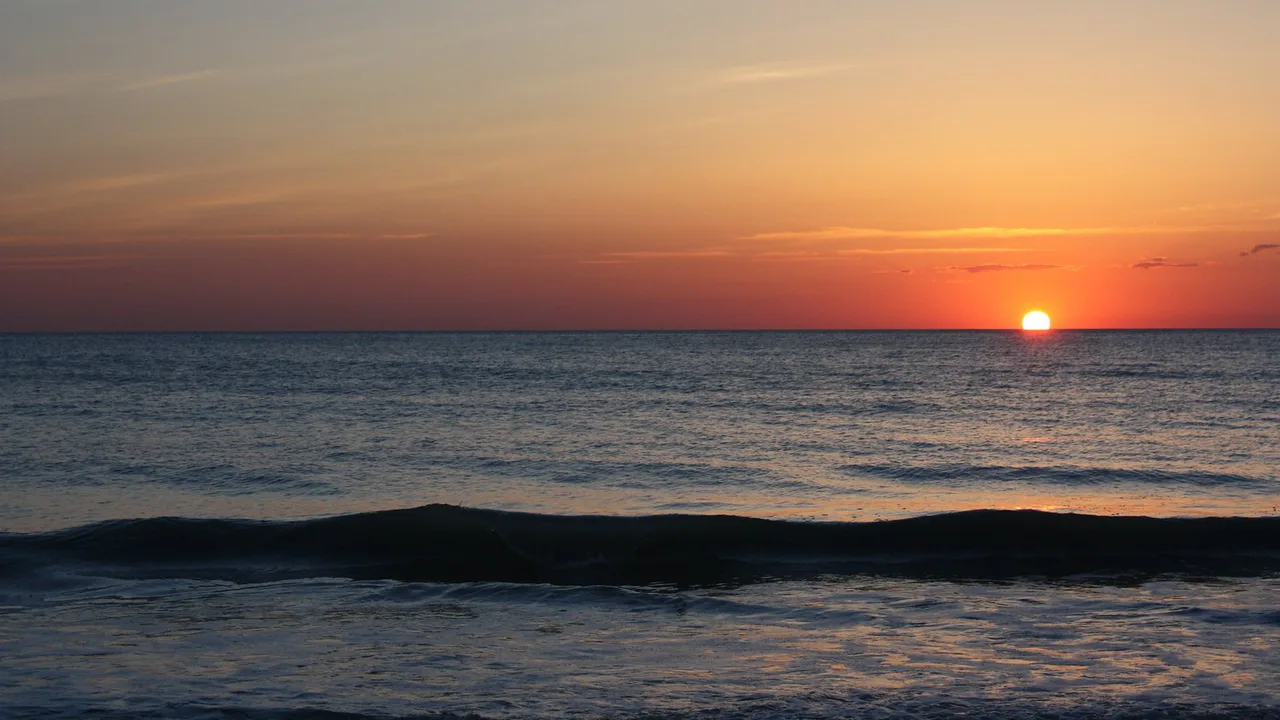
Wiggins Pass is the inlet at the north end of the park, and swimming there is not permitted because of dangerous currents. The rule is specific to the pass, not the whole beach, so plan your swim south of the boundary and walk to the pass only to look.
Fishing is allowed along Wiggins Pass and in Water Turkey Bay, but not in the park's swimming areas. That separation keeps hooks out of the water where people snorkel.
Skill level and who it suits
Beginners and kids do well in the shallow Gulf water south of the pass, where a sandy entry and a marked swim zone reduce boat worry. Stronger swimmers can push toward the hard bottom near the pass boundary for more relief and fish life.
Because the beach runs almost a mile, you can pick a quiet stretch away from the busiest lots. Families with small children should stay near the southern lots, closest to the start of the swim zone.
Best time of day and season
Mornings bring calmer Gulf water and softer light before the sea breeze builds. Winter is peak season in Naples, and the park closes its gates when it reaches maximum capacity during the busy winter months, so an early arrival matters more from December through March.
Summer afternoons often bring thunderstorms and choppier water, so plan around the morning window. Turtle season tours run on Wednesdays, and ranger-led programs run on Fridays most of the year, which can shape a visit if you want to combine snorkeling with a guided walk.
Swell, wind and visibility
A west or southwest swell stirs up the Gulf and cuts visibility, while light east wind flattens the surface. Check the marine forecast and tide before you go; a falling tide near the pass strengthens the current.
If the surf is up or the water is milky, skip the reef and swim the calmer southern beach. Flag warnings and posted advisories at the park take priority over any plan you made at home.
Hazards: currents, boat traffic and advisories
The main hazard is the current at Wiggins Pass, which is why swimming is banned there. Boat traffic concentrates near the pass as vessels exit the Cocohatchee River and Water Turkey Bay, so stay inside the buoyed swim area.
High surf and thunderstorms can close the water without notice, and posted advisories at the beach are the final word. Check current conditions with Florida State Parks before you drive out on a stormy day.
Parking areas 1 through 5
The park spreads its parking across five areas, each with a boardwalk to the beach and picnic tables in the coastal hammock. Lot 5 sits at the north end near the pass, so it is best for walking to the pass overlook but not for swimming beyond mid-lot.
Two beach wheelchairs are available free for public use, one in area 1 and one in area 5. The pavilion at the north end of parking area 5 seats up to 100 people and can be reserved by calling the park.
Fees and entry
The park charges a per-vehicle entrance fee, and recent visitor reports put it around six dollars for a carload. Confirm the current fee at the entrance station or on the Florida State Parks page before you go.
Annual entrance passes are sold at park ranger stations and online through Florida State Parks. If you plan several Naples beach days, the pass can be worth the upfront cost.
Facilities and comfort
Restrooms, showers and picnic areas sit between the parking lots and the beach, with grills and tables shaded by the coastal hammock. Bring water and sunscreen; shade on the sand is limited.
The observation tower at the north end gives a bird's-eye view of Wiggins Pass and the surrounding habitat, a good dry-land break between swims. Pets are allowed in the park but not on the beaches, and they must stay on a six-foot leash.
Rules to know before you swim
Three rules shape a snorkel day here: no swimming in Wiggins Pass, no live shelling, and no fishing in the swimming areas. Follow them and you stay on the right side of rangers and other visitors.
Keep a respectful distance from turtles and other wildlife, and never handle animals or coral. Reef-safe sunscreen is a good habit on any Gulf beach, even where it is not required by law.
Combining Delnor-Wiggins with other Naples snorkel days
Delnor-Wiggins is the northern anchor of a Naples snorkel trip, but it is not the only option. For a broader menu of beaches, reefs and boat trips, see this guide to snorkeling in naples.
South of Naples, Marco Island adds shelling beaches and boat-access reefs for a different day. Pair Delnor-Wiggins with marco island snorkeling if you want to compare a beach entry with an island outing.
North of the park, Sanibel Island and Fort Myers Beach offer calm Gulf entries and shell-covered sand. Both are day trips from Naples and work well as a second snorkel day.
What to bring
Pack a mask that fits, fins for the swim out to the hard bottom, and a rash guard for sun protection. A mesh bag keeps gear off the sand, and water shoes help on the hot boardwalks.
Bring a cooler with water and snacks, since the nearest food is a drive away. A dry bag for keys and phone is worth the space when you are swimming from the beach.
Plan Your Visit
Delnor-Wiggins Pass State Park rewards an early start: arrive before the winter gates close, pick a lot south of area 5 for the widest swim zone, and swim the hard bottom on a calm morning. Respect the pass boundary and the live-shelling ban, and you get a classic Naples beach snorkel without a boat.
Frequently Asked Questions
Where do you snorkel at Delnor-Wiggins Pass State Park?
Enter from the Gulf beach anywhere from the southern boundary up to the middle of Parking Lot Five, a swim zone of almost one mile. The hard-bottom reef sits near Wiggins Pass, so work north along the sand while staying inside the marked area.
Can you swim at Wiggins Pass?
No. Swimming is not permitted in Wiggins Pass because of dangerous currents. The ban applies to the pass itself, not the rest of the park beach, so plan your snorkel south of the boundary.
How much does it cost to park at Delnor-Wiggins Pass State Park?
The park charges a per-vehicle entrance fee, and third-party reports put it around six dollars for a carload. Confirm the current amount at the entrance station or on the Florida State Parks page before you go.
Is Delnor-Wiggins good for beginner snorkelers?
Yes. The sandy Gulf entry and the marked swim zone make it manageable for beginners, and the calm southern beach is the easiest place to start. Stronger swimmers can push toward the hard bottom near the pass boundary.
What will I see snorkeling the reef at Delnor-Wiggins?
Expect typical Gulf hard-bottom life such as small reef fish and rays over sand patches, plus seabirds on the surface. Sightings vary with conditions, so treat any turtle or fish as a bonus rather than a guarantee.
When is the best time of year to snorkel in Naples?
Mornings are calmer year-round, and winter brings clear, busy days when the park gates can close at capacity. Summer afternoons often bring storms, so plan around the morning window.
Are there lifeguards at Delnor-Wiggins Pass State Park?
Lifeguard coverage is not published for this park, so plan to swim with a buddy and watch posted advisories at the beach. Check Florida State Parks for current conditions before you go.
Can you snorkel near the pass itself?
No. The pass is closed to swimming because of dangerous currents, and boat traffic concentrates there as vessels exit the river and bay. Snorkel inside the buoyed swim area south of the pass instead.
Sources
Snorkeling notes for your next trip
Optional updates to our snorkeling guides.
You might also like
Continue reading
More guides you'll find useful