Turtle Canyon Snorkel, Oahu: Boat-Only Reef Guide
Turtle Canyon is a boat-only reef about 2.5 miles off Waikiki where green sea turtles gather at a cleaning station. Here is how the snorkel day works.
On this page
Turtle Canyon rewards snorkelers who want turtles without a shore entry: it is an offshore reef roughly 2.5 miles southwest of Waikiki Beach where honu settle over the coral and small reef fish work their shells. That cleaning-station behavior is the reason to go, and it suits first-time snorkelers and families on guided boats far better than anyone expecting to wade in from the sand.
Because the site sits in open water, the quality of your day depends on three choices: which boat you book, how early you go, and how well you handle chop and current. This guide walks through each so you can match the trip to your group.
What Turtle Canyon Is
Turtle Canyon is an underwater reef system, not a beach or a cove, sitting about 2.5 miles offshore in the Pacific southwest of Waikiki Beach. Hawaiian green sea turtles gather there to rest while cleaner fish remove algae, barnacles and parasites from their shells, which is why the site functions as a natural turtle cleaning station rather than a general reef.
The reef holds shallow coral heads that rise toward deeper water, so you float above structure in some places and look down a slope in others. Operators describe the snorkeling as ranging from shallow to deep, which means your guide's placement in the water matters more than any single fixed depth.
Who It Suits
Turtle Canyon works well for first-time snorkelers and families because the turtles concentrate at a known cleaning station and boats put you directly over it. You do not need reef-navigation skills, but you do need basic swimming ability and a tolerance for jumping off a boat into open water.
Minimum ages differ by vessel. A small-group power raft out of Kewalo Basin Harbor welcomes children ages 5 and older, while a two-hour catamaran sail to the inner reefs asks for basic swimming skills and recommends ages 7 and up.
If you want an easy walk-in alternative with lifeguards and a marine reserve, a shore-entry bay on the southeast coast is a different kind of day; see the wider picture in our guide to snorkeling in Oahu before committing to a boat.
Why You Cannot Snorkel It From Shore
There is no sand entry to Turtle Canyon. The 2.5-mile open-water crossing, heavy tour-boat traffic around the reef and unpredictable currents between Waikiki and the site make swimming out unsafe even for strong swimmers, and Waikiki swimming is limited to designated beach areas.
That leaves guided boat tours as the way in. Operators handle the navigation, supply snorkel gear and life vests, and brief you on the wildlife rules before you enter the water.
Getting There: Harbors and Boats
Departures cluster around Kewalo Basin Harbor, roughly an 11-minute drive or 45-minute walk from central Waikiki, which makes it the practical base for a morning trip. Arrive with your swimsuit already on and your towel in hand, because check-in is a quick gear-fitting stop rather than a changing-and-settling affair.
The vessel choice is the real trade-off. A six-passenger power raft delivers a semi-private group and a ride that tends to reduce seasickness, but it is firm and fast, which the raft tour's operators flag as a poor fit for pregnant women and younger children. A catamaran sail runs about two hours to the shallow inner reefs with a crew geared to kids, families and first-timers, offering shade and stability over speed.
Getting in the Water
Expect to jump from the boat rather than wade. On raft tours you enter the water once and then swim between reef patches with the guide leading, so you spend most of the trip in the water rather than returning to the boat between stops; ask for a flotation device if treading water for an hour sounds tiring.
Catamaran trips position over the shallow inner coral, with snorkeling pitched as easy for beginners and a crew that specializes in families. Either way, follow the guide's line through the water so you do not drift into the boat channel.
What You Will See
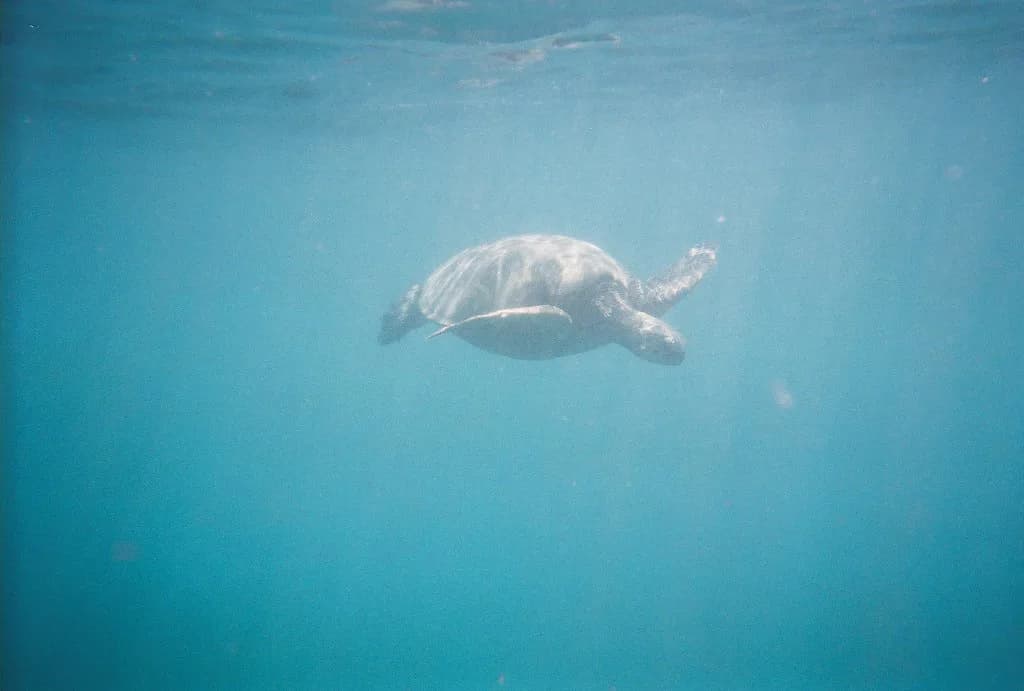
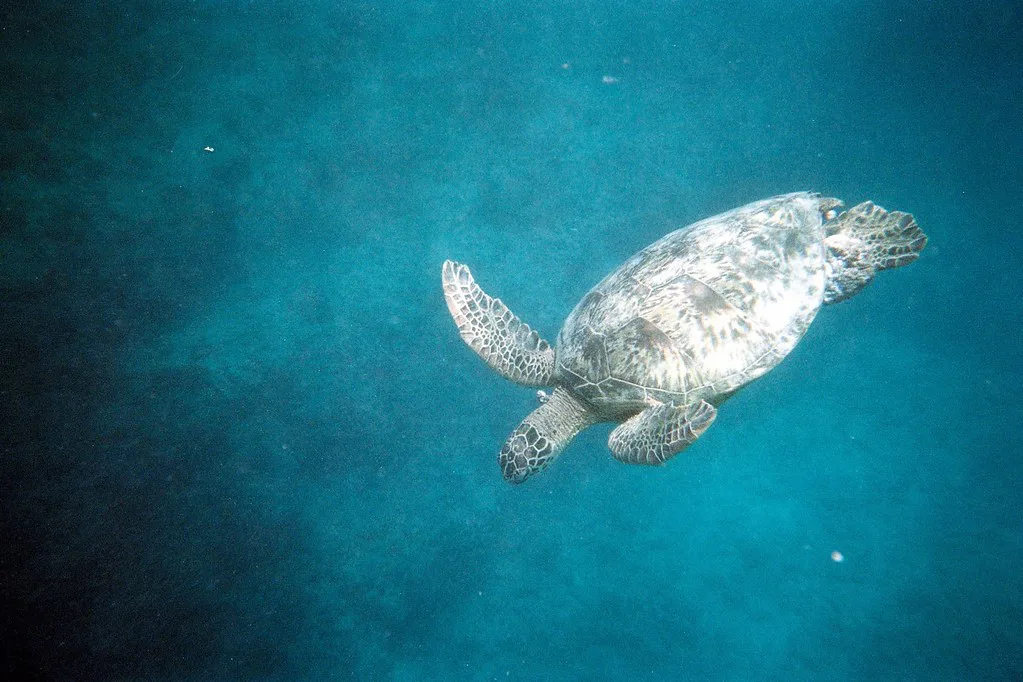
The headline wildlife is the Hawaiian green sea turtle, or honu, resting over the reef while cleaner wrasses and other small fish pick at their shells. Butterflyfish, parrotfish and wrasses work the coral around them, and the cleaning station itself is the spectacle: fish clustered at a turtle's shell rather than scattered across the reef.
Spinner dolphins are sometimes spotted on the run out, most often on morning trips and more in summer, and humpback whales pass through in winter between December and early spring. Treat both as chances rather than itinerary items.
Reef Layout and Where to Look
Aim your mask down at the coral heads rather than out to open water. Turtles hold above structure where cleaner fish congregate, so hovering slightly back from a coral head and watching the shells gives you the behavior that makes this site worth the boat ride.
Depth varies across the reef, so stay within the guide's marked area and keep your distance from the coral. Free-diving down onto a turtle defeats the point of the cleaning station and breaks the viewing rules.
Best Time of Day and Season
Morning departures typically bring the clearest visibility and the calmest surface, which matters most if you are prone to seasickness; turtles use the reef throughout the day, so a later trip still delivers fish and turtles. The small-group raft operator runs five departures daily, giving you room to pick an early slot.
Winter adds the chance of humpback whales on the crossing, while summer mornings raise the odds of spinner dolphins en route. Neither is guaranteed, and the turtle viewing itself does not depend on the season.
Wildlife Rules
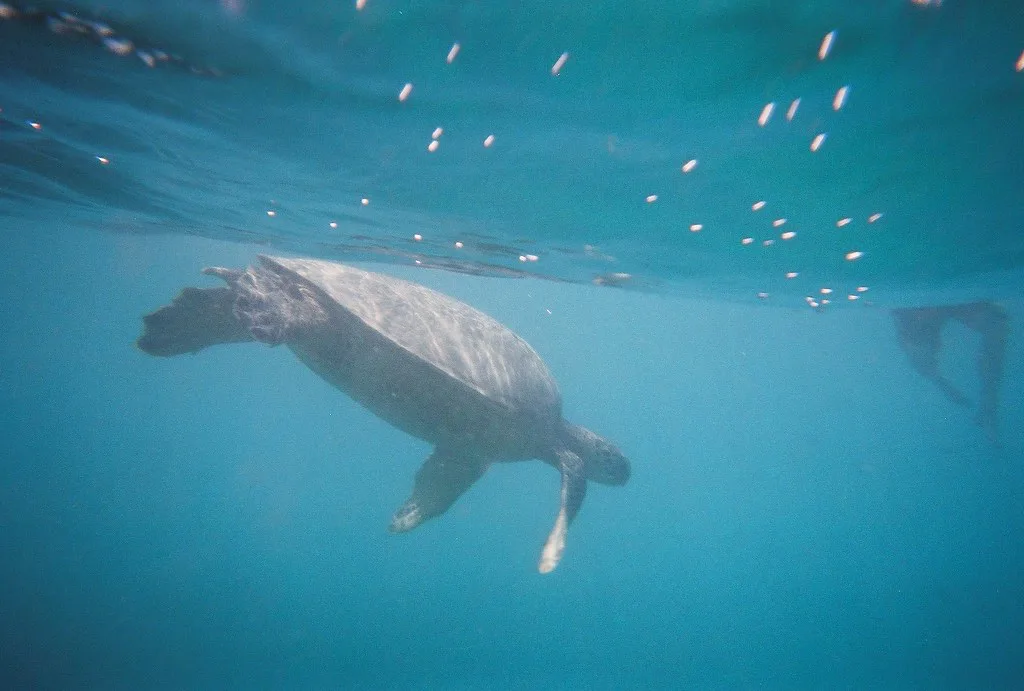
NOAA rules require staying at least 10 feet from sea turtles at all times, and guides brief you on the law before you enter the water. Never touch, feed or chase an animal, and do not block a turtle's path to the surface.
Bring mineral-based sunscreen rather than a chemical formula; the reef-safe requirement is reef protection, not personal preference, and it applies to your face and hands as well as your back.
Hazards on the Day
The open-ocean crossing and unpredictable currents between Waikiki and the reef are the main hazards, and the site is busy with tour boats, so stay close to your guide and surface where the crew can see you. Surface chop on the ride out is normal for the raft, and the tour operators note it is not as comfortable a ride as a full boat.
If you are prone to motion sickness, take medication as directed before departure and favor a morning slot when the water is calmer. Check current ocean conditions through the lifeguard services before you head to the harbor.
Turtle Canyon or Hanauma Bay
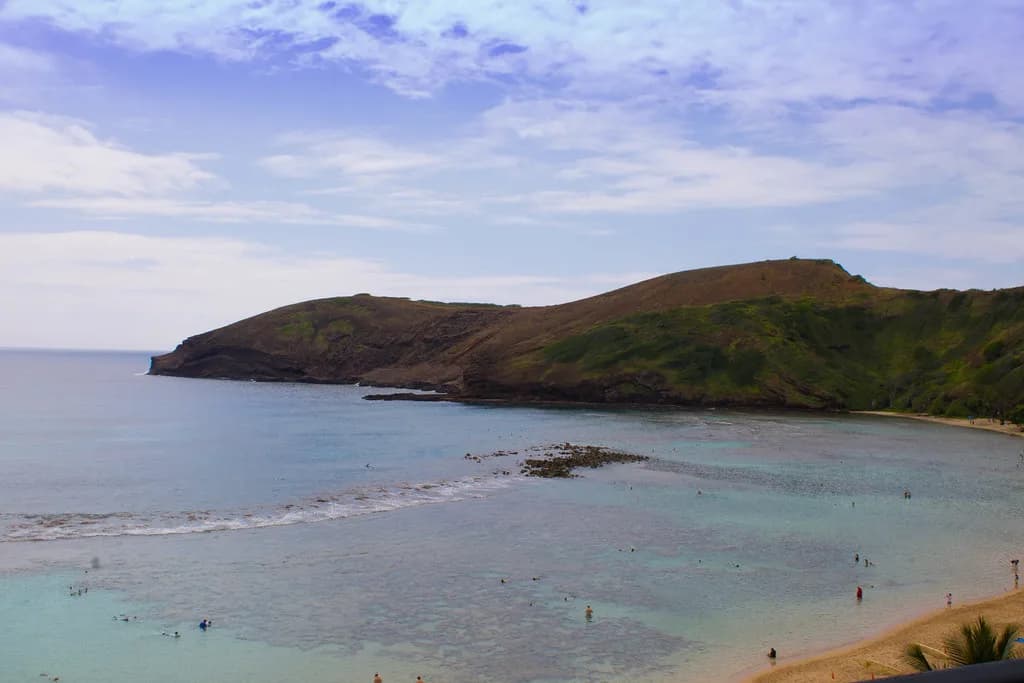
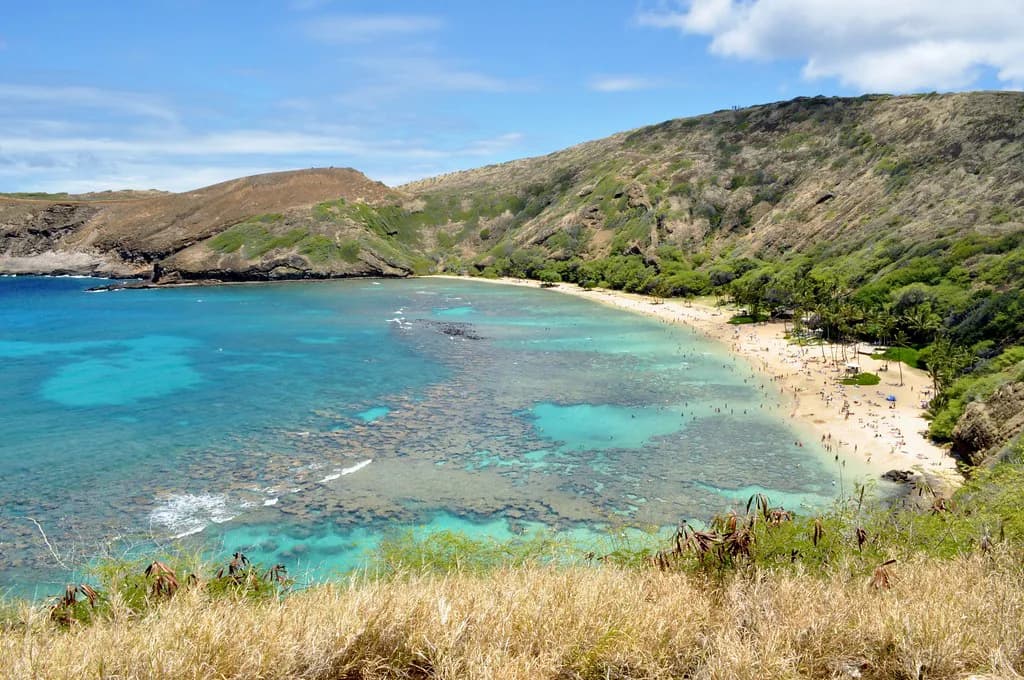
These are opposite trips. Turtle Canyon means a boat ride to a turtle cleaning station in open water, while Hanauma Bay is a shore-entry marine reserve where you walk down to the sand and snorkel a protected bay; read our hanauma bay snorkeling guide for entry logistics there.
If you want a short trip without a boat or an open-water swim, Hanauma Bay Nature Preserve on the Kalanianaole Highway fits a half-day; if turtles are the goal, Turtle Canyon concentrates them at one reef.
Turtle Canyon or a West-Side Snorkel
The west side offers an alternative for travelers staying near Ko Olina, about a 45-minute drive from Waikiki, where a snorkel tour can combine turtles and dolphins without the Waikiki harbor run. From central Waikiki, Turtle Canyon wins on drive time; from a Ko Olina resort, the west-side boat wins on logistics.
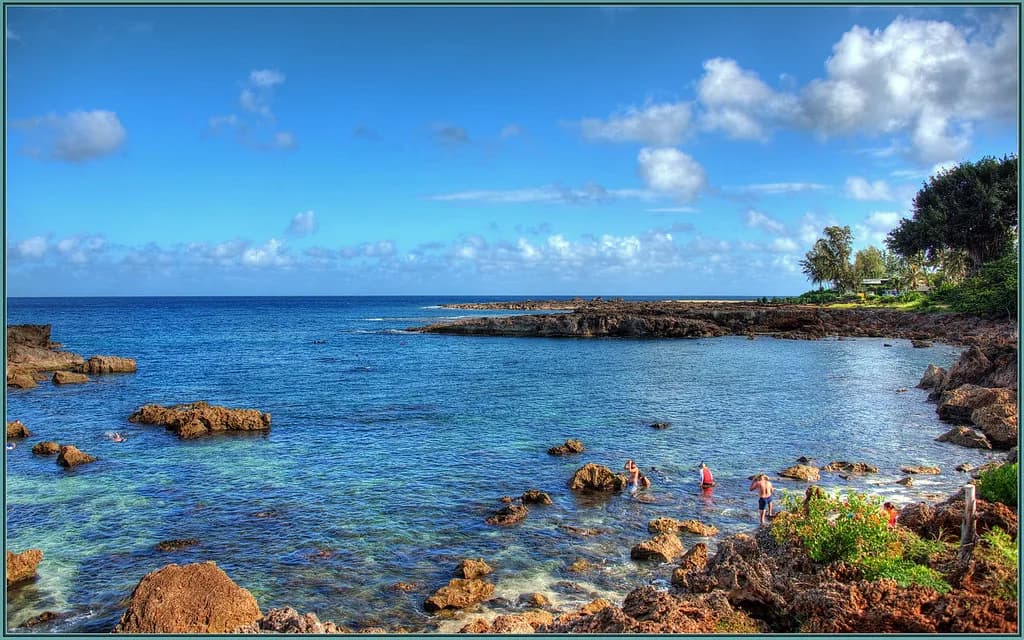
On the North Shore, sharks cove snorkeling and three tables snorkeling give you shore-entry reef options in summer, though winter swell can shut them down. If you are island-hopping after Oahu, our guide to snorkeling in Maui covers shore spots and boat trips on another island.
Parking, Check-in and What to Bring
Kewalo Basin Harbor has a commercial boat basin layout and paid parking areas, so budget extra time to park and walk to your operator's slip. Bring cash or a card for tips and any onboard purchases, and note that the catamaran operator prohibits glass bottles, coolers and shoes aboard.
The raft tour includes all snorkel gear, life vests, juice, water and a cooler with ice for your own snacks, so you carry a towel, sunglasses and an underwater camera rather than a full gear bag.
Combining Your Day
A morning Turtle Canyon trip pairs naturally with an afternoon on Waikiki Beach, since the harbor is a short hop from the sand and the boat returns you with time for a late lunch. If you prefer to end on the water, an evening sunset sail out of the same harbor makes a clean bookend to the day.
Raft tours operate a strict 24-hour cancellation policy, so book after your dates are fixed and plan the rest of the day around the departure rather than the reverse.
Plan Your Turtle Canyon Snorkel
Pick your vessel first: a power raft for a small group and quicker, firmer ride, or a catamaran for shade, stability and family-friendly pacing. Then book the earliest departure your schedule allows, bring mineral sunscreen, and keep 10 feet between you and every turtle.
Operators publish their own prices, included gear and age minimums, so compare the raft and catamaran pages directly before booking and confirm the meeting point at Kewalo Basin Harbor on your confirmation.
Frequently Asked Questions
Can you snorkel Turtle Canyon from shore?
No. Turtle Canyon sits about 2.5 miles offshore southwest of Waikiki Beach, and the crossing involves open water, tour-boat traffic and unpredictable currents, so a guided boat tour is the only practical way to snorkel it.
How far offshore is Turtle Canyon from Waikiki?
Operators put the reef roughly 2.5 miles offshore in the Pacific, southwest of Waikiki Beach. Boats run to the site from Kewalo Basin Harbor, a short drive or a walk of under an hour from central Waikiki depending on your starting point.
What will you see at Turtle Canyon?
Hawaiian green sea turtles hold over the reef while cleaner fish work their shells, and butterflyfish, parrotfish and wrasses work the coral around them. Spinner dolphins and, in winter, humpback whales may pass through, but sightings are never guaranteed.
Is Turtle Canyon good for beginners and kids?
It suits first-time snorkelers who can swim, and family-oriented boats welcome children from around age 5 on small-group rafts and around 7 on catamaran sails. You jump in from the boat rather than wading, so confidence in open water matters more than reef experience.
What is the best time of day to snorkel Turtle Canyon?
Morning trips generally bring the calmest surface and clearest visibility, which helps anyone prone to seasickness. Turtles use the reef through the day, so an afternoon departure still delivers turtles and fish.
How close can you get to the sea turtles?
NOAA rules require a minimum of 10 feet from sea turtles at all times. Guides brief you on the rules before entry, and practicing good buoyancy by hovering back from the coral keeps both you and the turtles safe.
Do you need to book a Turtle Canyon tour in advance?
Yes, because access is by boat only and raft departures cap at six guests, advance booking is the practical approach. Check each operator's cancellation terms at the time of booking, as the small-group raft runs a strict 24-hour policy.
Is Turtle Canyon better than Hanauma Bay?
They suit different days. Turtle Canyon is a boat trip to a turtle cleaning station in open water, while Hanauma Bay is a shore-entry marine reserve you walk into. Choose Turtle Canyon for turtles and Hanauma Bay for an easy walk-in snorkel.
Sources
Snorkeling notes for your next trip
Optional updates to our snorkeling guides.
You might also like
Continue reading
More guides you'll find useful