Waikiki Snorkeling: Shore Entries, Reefs and What You'll See
Snorkel Waikiki from shore: the jetty at Sans Souci, the marine conservation district off Queens Beach, plus entry points, hazards and timing.
On this page
Waikiki rewards snorkelers who treat it as a neighborhood rather than a single beach. The strip has a protected marine district, a walkable jetty for kids who would rather look down than swim, and a string of sand entries where the reef starts close enough to reach on foot. It suits first-timers, families with young children and cruise-day visitors who want a couple of hours in the water without a boat ride.
How Waikiki's Reef Is Laid Out
The bottom off Waikiki builds gradually from the sand, so most of the fish life sits in the shallows where reef structure and protection concentrate it. The two areas that matter most to snorkelers are the jetty and conservation district at the Diamond Head end, and the shallow reef off Queens and Kuhio beaches farther along the strip. Plan around those two zones rather than swimming hopefully off any stretch of sand.
Because the strip runs along Kalakaua Avenue, you can walk between the main entry points instead of hunting for parking at each one. Sans Souci sits at the Diamond Head end beside the Waikiki Aquarium and Kapiolani Park, and the beach is about a 15-minute walk from the main Waikiki strip. That makes a single-base day practical: park or arrive once, then move on foot.
For the wider island picture, including windward and North Shore entries that behave very differently from Waikiki's sheltered sand, use the broader snorkeling in oahu planning guide before you commit days to one coast. Waikiki is the easiest place to start, not the only place worth going.
Sans Souci Beach and the Jetty
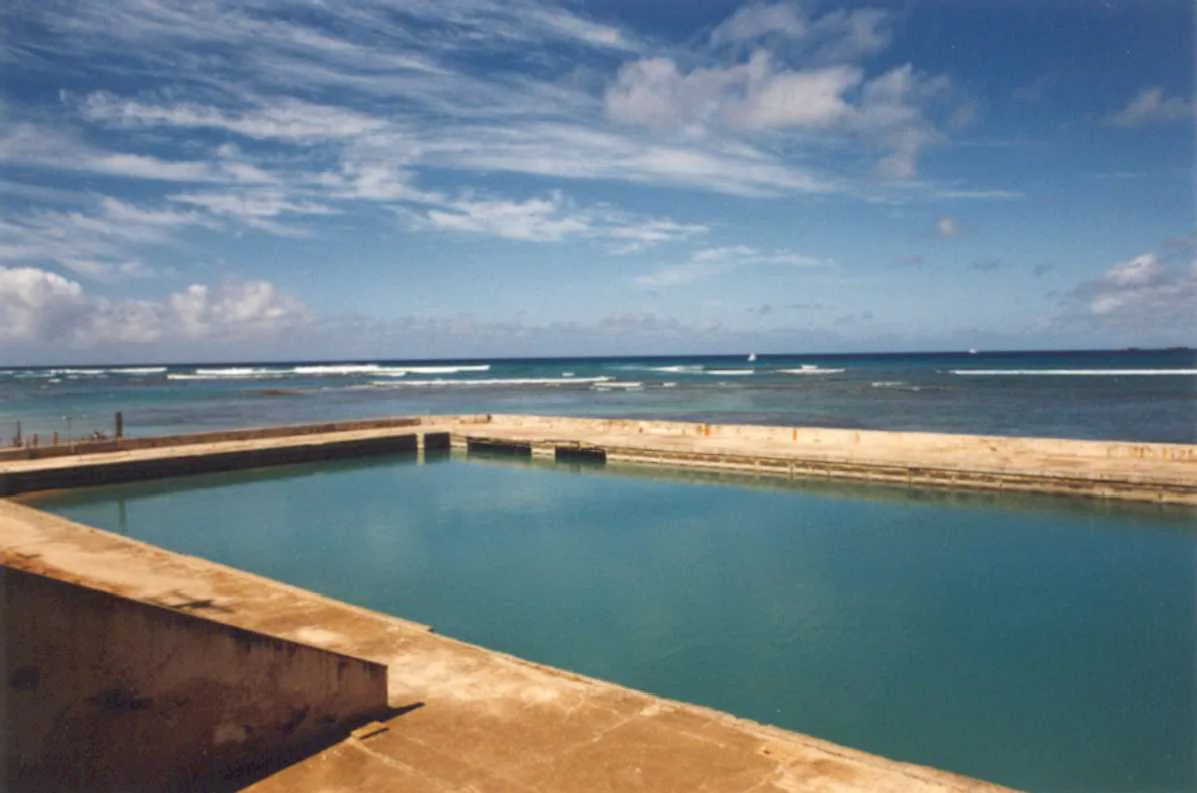
Sans Souci Beach is the small, quieter stretch at the Diamond Head end of Waikiki, next to the Waikiki Aquarium and across from Kapiolani Park. A long jetty juts out from the shoreline, and the water between that jetty and the Natatorium is the Waikiki Marine Life Conservation District, where fishing and taking marine life are prohibited. Fish in that protected band are dense and unbothered by snorkelers, which is exactly why it works for beginners.
Entry is from the sand, and you do not have to snorkel at all to see fish: walk out the jetty and look straight down for a bird's-eye view of the reef below. That split is the real advantage here. Timid kids can watch from above with dry faces while the stronger swimmers in the group drop in beside the jetty.
The beach is set up for a half day rather than a quick dip: showers, bathrooms, a lifeguard stand, shade and a grassy area sit within a small footprint, and there is a cafe on the sand with ocean views and a weekend brunch menu. Dogs are not allowed at the beach. On the Diamond Head side of the jetty the surf is livelier, which is where kids tend to jump rather than snorkel.
Queens Beach and Kuhio Beach
Queens Beach is the shoreline entry most often named as the best snorkeling beach in Waikiki, with Kuhio Beach next along the same run of sand. Both put you in the water straight off the beach, which keeps the day simple for anyone carrying fins, a cooler or a nervous first-timer. Waikiki snorkeling here is a wade-and-drift affair rather than a long swim out.
The trade-off against Sans Souci is protection. The conservation district gives you a defined no-take zone with noticeably relaxed fish, while the Queens and Kuhio stretch is general public beach where you share the water with swimmers and lessons. Choose Queens for convenience and a shorter walk from mid-strip hotels, and Sans Souci when you want the densest fish life with the least effort.
Duke Kahanamoku Beach and Fort DeRussy
Duke Kahanamoku Beach and Fort DeRussy Beach anchor the other, calmer end of the strip and round out the list of Waikiki's recognized snorkeling beaches. For families with very young kids, this end is the gentlest place to start: wide sand, easy footing and a short walk back to the hotels. Treat it as the warm-up, then move east once everyone is comfortable with a mask.
Note that Duke Kahanamoku Lagoon, the sheltered man-made pool at the Hilton end, is a separate feature from the beach itself. It is good for toddlers splashing but is not reef snorkeling. If you want fish rather than flat water, walk out to the beach side instead.
Turtle Canyon and What a Boat Trip Adds
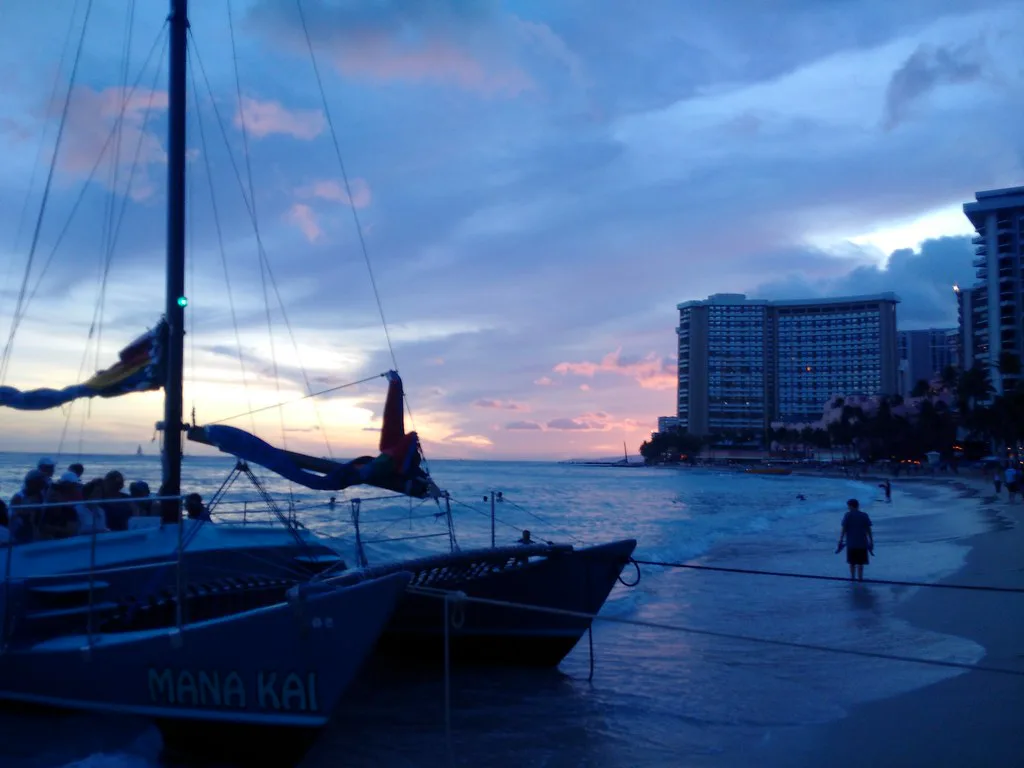
Turtle Canyon is the offshore reef that shore snorkelers cannot reach, and it is the one reason to book a trip rather than wade in. Catamaran operators run snorkel excursions out of Waikiki that put you over deeper reef than the beach entries allow. The trade-off is cost and schedule: you gain depth and a boat ride, and you give up the freedom to arrive when you like and leave when the kids get cold.
If your group includes a mix of confident swimmers and non-swimmers, split the plan: shore snorkeling at Sans Souci or Queens for everyone, with a boat trip as an add-on for the strongest swimmers rather than the anchor of the day. That keeps the timid members of the group on the jetty or in the shallows instead of sitting out a whole morning on deck.
What You Will See
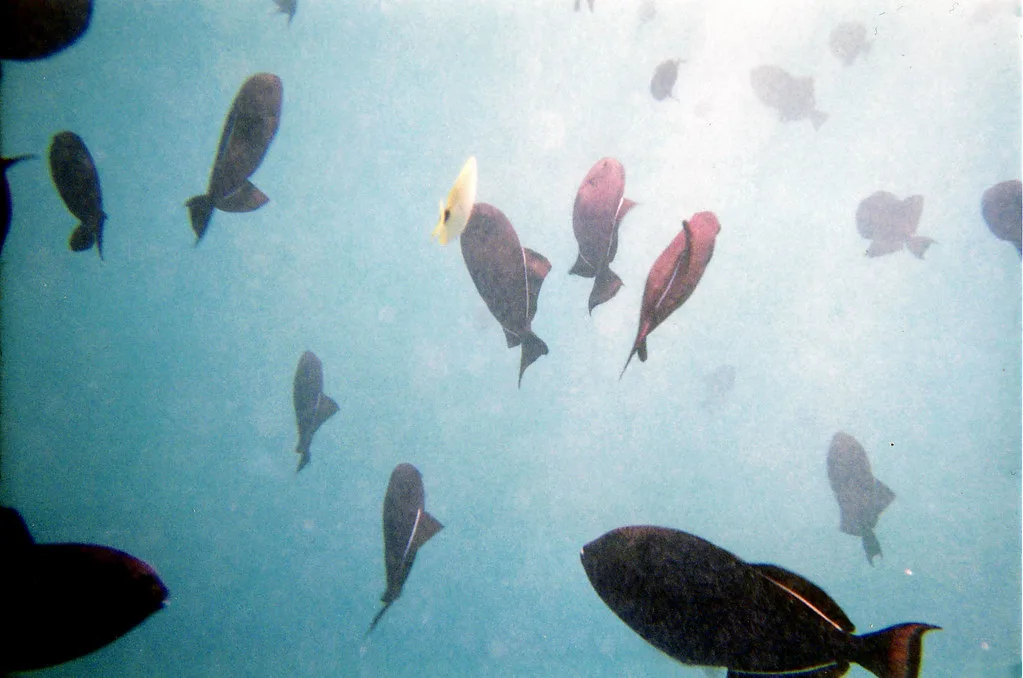
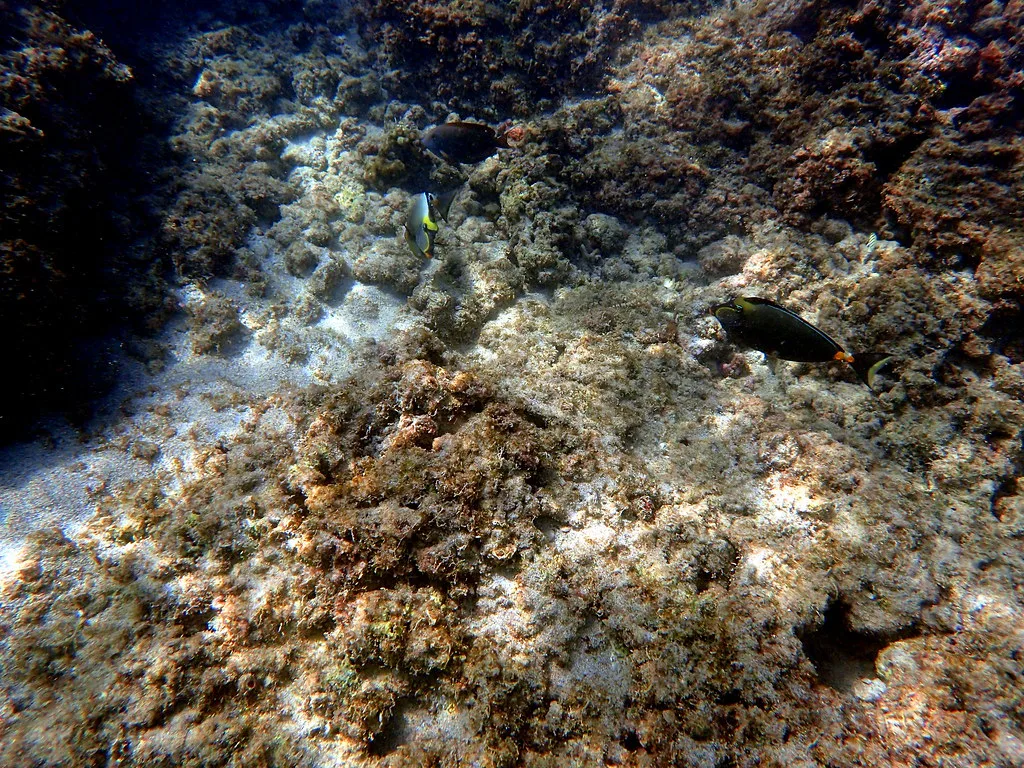
Inside the conservation district, expect a busy, approachable fish community: unicornfish, yellow tangs, wrasses, parrotfish, needlefish, moray eels and hefty triggerfish, the humuhumunukunukuapua'a. Look along the jetty structure and the reef edge rather than out over open sand, and keep your distance from eels tucked into crevices.
Wildlife here is accustomed to people, which makes for close viewing but also puts the responsibility on you. Hawaii's protected species rules apply in the water: never touch, feed or chase fish, eels or any turtle you encounter, and give animals room to move away. Sightings are never guaranteed on a given day, so treat a turtle or a dense school as a bonus rather than the plan.
Skill Level and Who Each Spot Suits
Sans Souci is the strongest choice for beginners and families, because a non-swimmer can walk the jetty and see fish without entering the water at all. Confident swimmers get more out of the district's outer edge and the Diamond Head side of the jetty, while kids who are just learning to use a mask stay in the shallows beside the sand.
Queens and Kuhio suit anyone who wants to step off the beach and be in the reef within a minute, and Duke Kahanamoku and Fort DeRussy suit the youngest children. Boat trips to Turtle Canyon are for competent swimmers who are comfortable in deeper water and with a schedule. Match the spot to the weakest swimmer in your group and the day plans itself.
Best Time of Day and Season
Go in the morning, before the sand gets stirred up and the beach fills with swimmers and lessons. Water clarity in Waikiki is directly tied to how many feet are in it, so an early slot at Sans Souci or Queens gives you the cleanest view of the reef. On weekends, Sans Souci's cafe draws a brunch crowd, so arrive before that builds if you want the jetty to yourself.
Across the year, the practical variable is surf rather than temperature. When a swell is running, the Diamond Head side of the jetty turns into a wave zone and the calmer water sits behind the jetty and inside the district. Check the day's surf forecast and posted advisories from the Honolulu ocean-safety agency before committing to an entry point.
Hazards and Posted Advisories
The main hazards are the ones you can see from the sand: breaking surf on the exposed side of the jetty, foot traffic on the jetty itself, and the usual reef cuts and urchins in the shallows. High surf and current advisories are posted when they apply, and a lifeguard stand at Sans Souci gives you a place to ask about the day's conditions. Read the posted signs and stay out when the surf is up.
Boat traffic is the other consideration, and it is why shore snorkelers should stay close to the beach and jetty rather than swimming out into the channel. If you are on a boat trip, follow the crew's briefing and stay with the group. Do not snorkel alone, and keep an eye on the water rather than only on the fish.
Reef damage is a hazard too, and it runs both ways. Touching or standing on coral harms the reef and can cut you, so stay horizontal and keep fins off the bottom. In a district this heavily visited, small habits from each swimmer add up quickly.
Rules: The Conservation District, Sunscreen and Wildlife
The Waikiki Marine Life Conservation District, the water between the Sans Souci jetty and the Natatorium, prohibits fishing and the taking of any marine life. That rule is the reason the fish are abundant and approachable, so treat it as the price of the experience rather than a formality. No-take areas exist so that visitors can see what an intact reef looks like.
Hawaii banned several sunscreen chemicals that damage coral reefs in 2021, so buy reef-safe sunscreen and skip aerosols entirely when you are snorkeling over a conservation district. Wildlife viewing follows the same logic: observe from a distance and let animals control the encounter. Follow posted signs at the beach for the current rules.
Facilities, Gear and What to Bring
Sans Souci covers the basics in a small space: showers, bathrooms, a lifeguard, shade and grass to spread out on, so you do not need to haul much beyond water, reef-safe sunscreen, a towel and a zip-lock for your phone. A mask and snorkel is enough for the conservation district, and fins are optional. If you do not own gear, rental options exist nearby in Waikiki.
Leave valuables at home or keep them with you rather than stashing them on the sand. A dip net and bucket keep small children busy along the shoreline between swims. The grassy area at Kapiolani Park next door is a good run-around space after the beach, which helps stretch the day without another car trip.
Parking and Getting Around
Sans Souci is reachable on foot from the main Waikiki strip in about 15 minutes or by a short drive, with street parking along Kalakaua Avenue. Most visitors do better on foot or by rideshare along the strip than by moving a car between beaches. Pick one base and walk the Kalakaua corridor rather than reparking at each spot.
For the boat trip day, book through Waikiki Snorkel Company and follow its meeting instructions rather than driving to the reef area yourself. The company lists the catamaran departures and what to expect onboard, which is the place to check current timing and requirements for the date you want.
Nearby Spots to Combine
Sans Souci sits right next to the Waikiki Aquarium and a short walk from the Honolulu Zoo, so all three fit into one day without moving the car, and Kapiolani Park next door adds lawns, banyan trees and tennis or pickleball courts. Diamond Head Beach Park is a few minutes farther east for tidepools and surf watching, a good add-on when the wind picks up on the main strip.
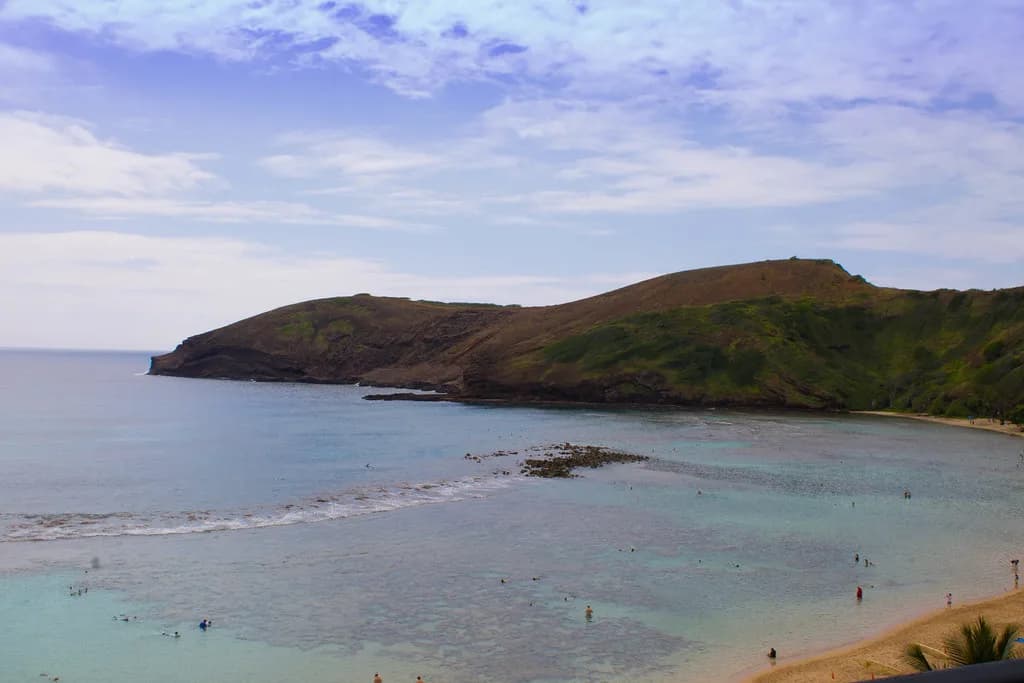
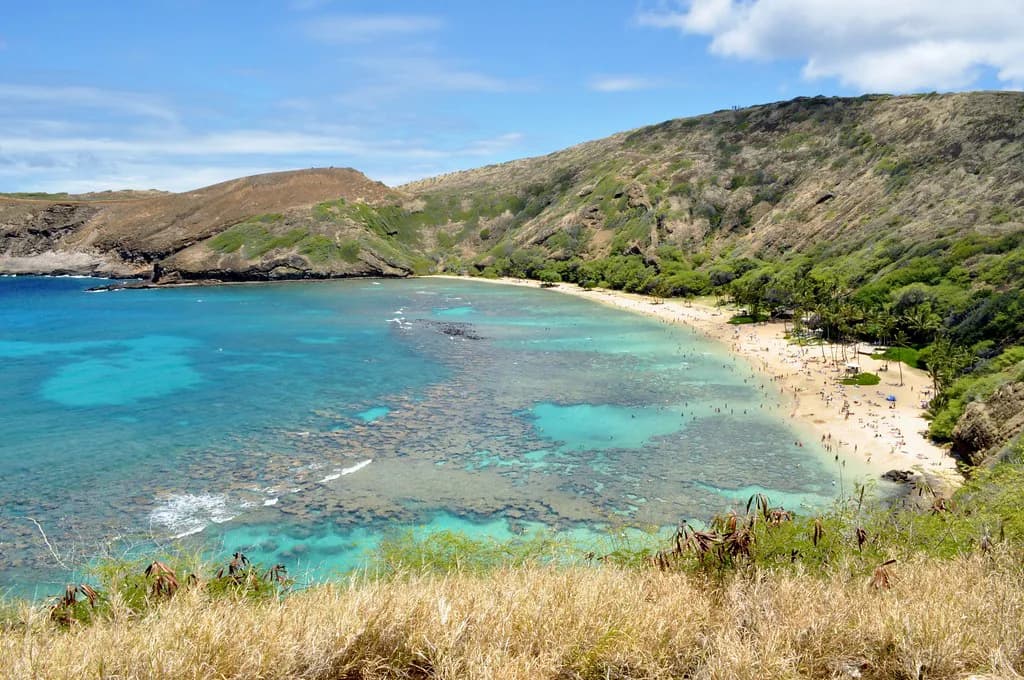
If you want a second snorkel day outside Waikiki, make hanauma bay snorkeling your next booking: it is the island's best-known shore entry and works very differently from a Waikiki beach. It sits off Kalanianaole Highway east of Diamond Head and is popular enough that you should sort out entry logistics well ahead rather than turning up. For travelers weighing a second island, snorkeling in Maui and Big Island snorkeling offer the same shore-versus-boat decision at different scales.
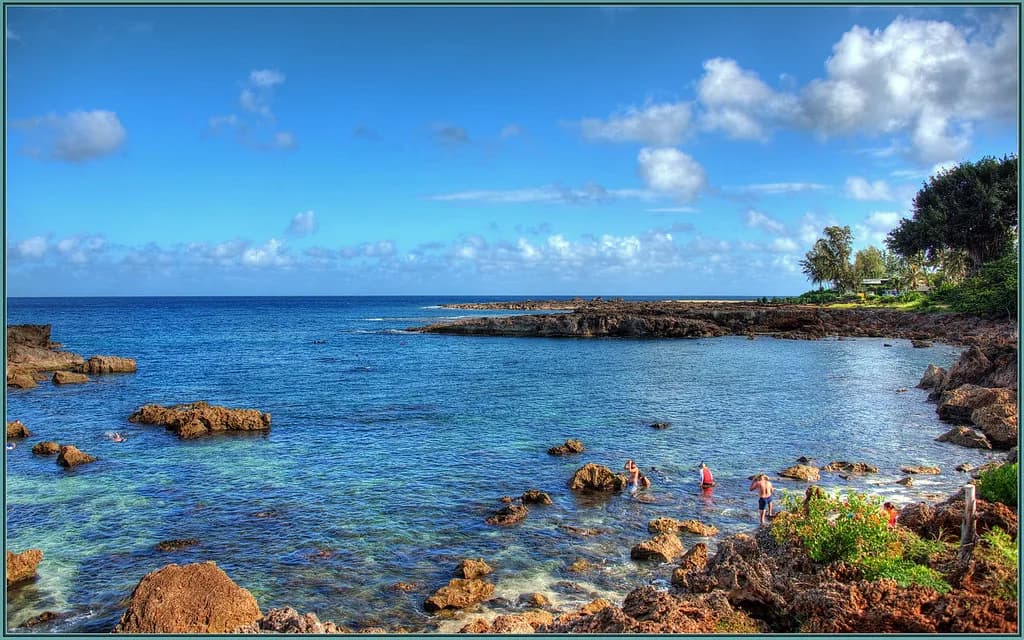
For a contrast to Waikiki's easy sand entries, North Shore spots such as Three Tables Snorkeling, Oahu reward a drive with rockier, more exposed conditions that suit stronger swimmers. Build those in as a separate half day rather than squeezing them onto a Waikiki morning.
Plan Your Snorkel Day
Base your Waikiki day at Sans Souci if you want the densest fish life, a jetty for the non-swimmers and everything from showers to lunch in one small stretch of sand. Base it at Queens or Kuhio if convenience from mid-strip hotels matters more, and save Turtle Canyon for the swimmers who want depth.
Arrive in the morning before the sand is stirred, pack reef-safe sunscreen, and treat the conservation district's no-take rule as the reason the snorkeling is good. Check surf and posted advisories with the Honolulu ocean-safety agency before you pick your entry point, then walk the strip rather than reparking between beaches.
Frequently Asked Questions
Is there good snorkeling off Waikiki Beach without a boat?
Yes. The strongest shore option is the water between the Sans Souci jetty and the Natatorium, which is protected as the Waikiki Marine Life Conservation District. Queens and Kuhio beaches farther along the strip also put you in the water straight off the sand, and Duke Kahanamoku and Fort DeRussy beaches round out the calmer end. The district is where fish life is densest and least bothered by snorkelers.
Where can you snorkel in Waikiki for free?
All the shore entries along the strip are public beach: Sans Souci, Queens, Kuhio, Duke Kahanamoku and Fort DeRussy. The conservation district off Sans Souci is a no-take zone, so you view fish without removing anything. Gear rental, food and boat trips are the costs you choose to add rather than entry charges for the beach itself.
Is Waikiki snorkeling suitable for beginners and young kids?
Sans Souci is the best beginner choice because a child who will not put their face in the water can walk the jetty and look straight down at fish. The beach has a lifeguard, showers and bathrooms in a small area, and the water inside the district is sheltered by the jetty. Duke Kahanamoku and Fort DeRussy suit the youngest children with their gentler footing.
Do you need a tour to snorkel in Waikiki?
No. Shore entries at Sans Souci, Queens and the neighboring beaches are walk-in and need no booking. A boat trip matters if you want Turtle Canyon, the offshore reef that shore snorkelers cannot reach; catamaran operators run those excursions out of Waikiki and list departure details directly.
What fish will you see snorkeling in Waikiki?
In the conservation district expect unicornfish, yellow tangs, wrasses, parrotfish, needlefish, moray eels and triggerfish, also known as humuhumunukunukuapua'a. Look along the jetty structure and the reef edge rather than over open sand. No sighting is guaranteed on a given day, and protected species rules mean you never touch, feed or chase what you find.
When is the best time of day to snorkel Waikiki?
Morning, before the sand gets stirred up and the beach fills with swimmers and lessons. Cleaner water makes the reef easier to read, and the Sans Souci jetty is quieter before the weekend brunch crowd builds at the beach cafe. Across the year, surf rather than temperature is the variable that changes which side of the jetty is comfortable.
Sources
Snorkeling notes for your next trip
Optional updates to our snorkeling guides.
You might also like
Continue reading
More guides you'll find useful