Ko Olina Snorkeling: Oahu Lagoon Guide for Beginners
Ko Olina's protected resort lagoons give Oahu an easy sand-entry snorkel with calm water and room for kids. Here is how to plan a leeward morning.
On this page
Ko Olina snorkeling is the easiest introduction to Oahu's underwater world you can get without booking anything: protected resort coves on the sunny leeward coast, sand underfoot and water calm enough for a nervous seven-year-old. The lagoons suit families, first-timers and anyone who would rather wade in than time a rocky entry between sets.
What you give up is drama. These are sandy, sheltered swimming coves rather than a fringing reef, so the fish life clusters around rock edges and structures instead of spreading across a coral garden. Strong swimmers who want ledges, drop-offs and density should treat a lagoon morning as a warm-up and drive south to Kahe Point or head north to the bigger west-side reefs.
How the Ko Olina Lagoons Work
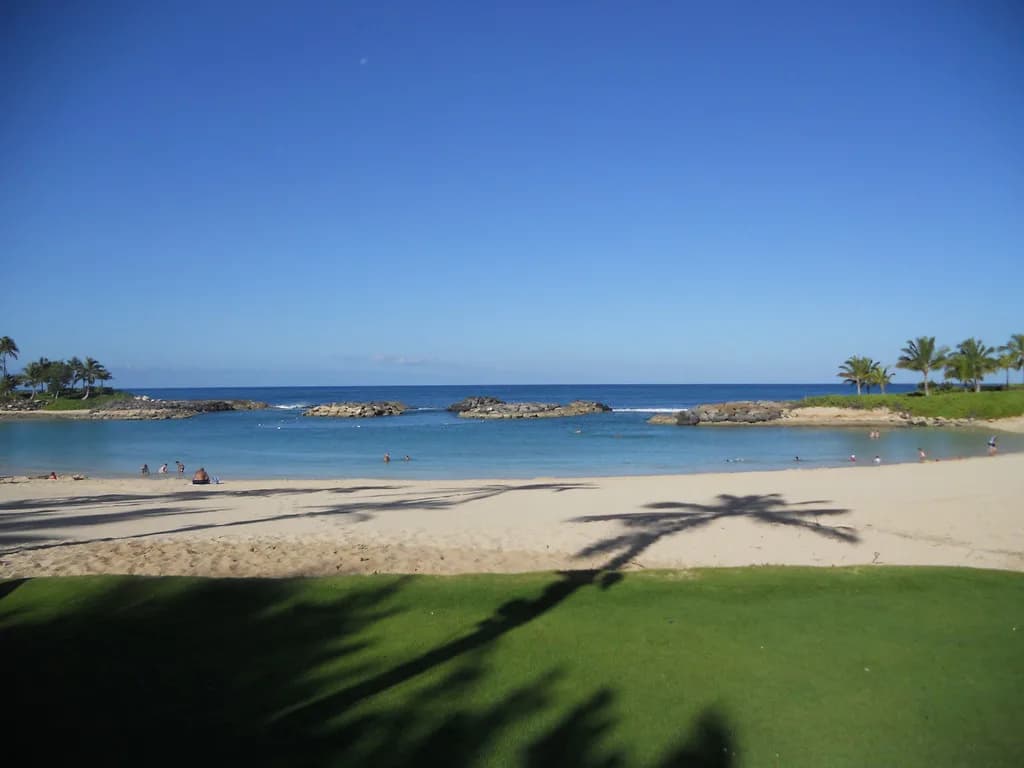
Ko Olina is a resort area at Kapolei on Oahu's west-facing leeward shore, built around a chain of man-made coves cut into the coastline. Each cove is a sand-bottomed bowl with a narrow opening to the ocean, which is exactly why the water inside stays so much flatter than the open coast a few yards away.
Treat the coves as a set rather than hunting for one magic bay. The calmest swimming is always the sheltered middle, the most interesting snorkeling is along the rockier shoulders and near the mouth, and the trade-off between those two is the main decision you will make on the day.
Because the coast faces west, it catches the afternoon sea breeze and full sun. Plan your in-water time for the morning and keep the afternoon for shade, lunch or a boat trip.
Getting In
Entry is sand, and it is gentle. You walk in from the beach, the bottom slopes away gradually, and you can stand in waist-deep water well out from the shoreline, which makes the lagoons a sensible place to fit a mask for the first time or to teach a child to breathe through a snorkel.
Swim inside the protected swimming area until you have a feel for the water, then work toward the edges. The rockier shoulders and the area near the lagoon mouth hold more fish and structure than the open sand, but they also sit closer to the surge and the boat channel beyond the opening.
The openings between lagoon and ocean are not snorkeling ground. They are the gaps where water moves in and out and where vessels pass, so stay inside the breakwater line and cross to another cove by beach or path rather than swimming the gap.
Depth and What the Bottom Looks Like
Inside a lagoon the swimmable water is shallow and mostly sand, with visibility that depends on how many people have been wading and how much swell has pushed through the mouth. Expect a pale, open bottom in the middle and darker rock and rubble where the coves meet the shoreline.
That structure is where the life is. Work slowly along the rock edges with your face down and you will cover more ground than by finning across the empty middle hoping something turns up.
What You Will See
Reef fish common to Hawaiian shallows turn up around the lagoon edges: black-striped sergeant majors defending territories over rock, yellow and red goatfish working the sand, tangs and triggerfish cruising the rubble. Small curious fish often gather around a snorkeler who settles quietly in one place.
Green sea turtles are possible on the outside edges and near the mouths, where there is more algae and more room. They are protected, and viewing rules require you to keep your distance, never touch or ride them, and let a turtle choose its own path away from you.
Spinner dolphins rest in shallow, calm leeward water during the day, and the west coast is their territory. They are not a lagoon attraction and you should not swim out to intercept a pod; watch from shore or from a boat whose crew follows the viewing rules.
Skill Level and Who It Suits
Beginners, kids and cautious swimmers get the most from Ko Olina, and it is one of the few Oahu beach snorkels where a non-swimming parent can stand on sand and watch the whole time. Set up near the middle of a cove for the flattest water, and keep a first-timer inside the swimming zone for the first session.
Confident snorkelers will find the lagoons pleasant but mild. Use them for a relaxed morning, then spend your serious water time at Kahe Point, where the reef and the warm-water outflow sit in open ocean and demand real entry and exit skills. If you are island-hopping and weighing where to chase bigger reef, snorkeling in Big Island offers a useful comparison of shore entries and boat days.
Best Time to Go
Morning is the reliable window: the leeward coast is typically sunniest in the early hours, the sea breeze has not built, and the lagoons are at their glassiest before midday. Light is also best for spotting fish against the sand before the sun climbs overhead.
Afternoon wind changes the surface and can push chop through the lagoon mouths, which matters most for kids and for anyone snorkeling the rockier edges. If you only have an afternoon, stay deep inside the cove where the breakwater still protects you.
Hazards to Plan Around
Sun is the underrated hazard here. There is little natural shade on open lagoon sand, and an hour face-down in the water goes by fast, so bring a rash guard and a hat and take breaks.
Beyond the lagoon openings, boat traffic and open-ocean swell are real. Posted advisories along the coast reflect actual conditions on the day, and lifeguard coverage varies by beach, so read the signs at your cove before you commit to the water.
Parking, Access and Facilities
Access and parking at the lagoons are tied to the resort area, and arrangements for non-guests can change. Rather than guessing, look up the current public access and parking arrangements with the resort or with the relevant county agency before you drive out.
Facilities follow the same pattern. Restrooms, outdoor showers and changing areas serve the beach and marina areas, and vendors such as Ko Olina Ocean Adventures operate from Kapolei with posted business hours, which makes them a useful contact for gear and tour logistics.
Rules and Wildlife
Hawaii's reef-safe sunscreen rule applies across the islands, so choose a mineral-based product before you pack. It protects the coral you have come to see and keeps you compliant.
Wildlife rules are simple and non-negotiable: never touch, feed, chase or ride sea turtles, dolphins or any other marine animal, and give them space to move away. If an animal approaches you, stay still and let it pass rather than swimming after it.
As a visitor in a resort area, keep noise down on the beach, do not walk through private property to reach the water, and carry out everything you bring in.
Snorkel Gear for Calm Water
The lagoons are gentle enough that basic gear works well: a well-fitting mask, a dry-top snorkel for kids who lift their heads often, and short fins or even reef shoes for the sandy shallows. Choose a mask by checking the seal against published sizing rather than by brand hype.
Renting locally is sensible if you are flying in with carry-on only, and it lets a first-timer try a mask before buying. Bring your own if you wear prescription lenses or have a mask you already trust.
Combining Spots: Kahe Point and Beyond
Kahe Point, known as Electric Beach, sits a short drive south and is the natural next step for anyone comfortable in open water. Two offshore cooling pipes release warm water that draws fish, and catamarans moor directly over the outflow, which means the best snorkeling there is a short swim from a boat rather than a beach wade.
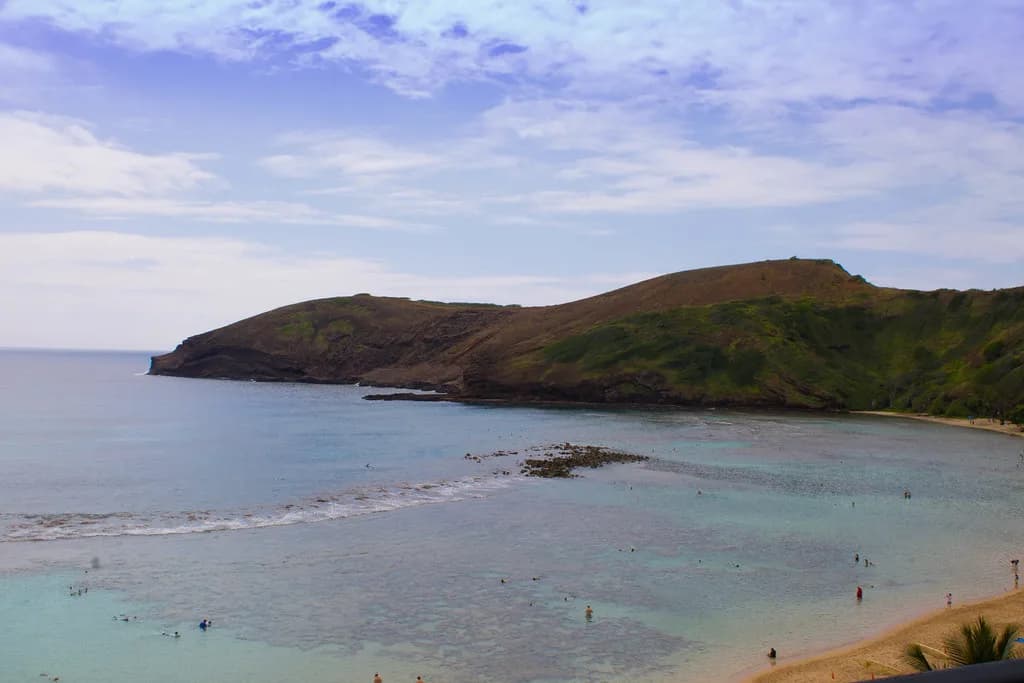
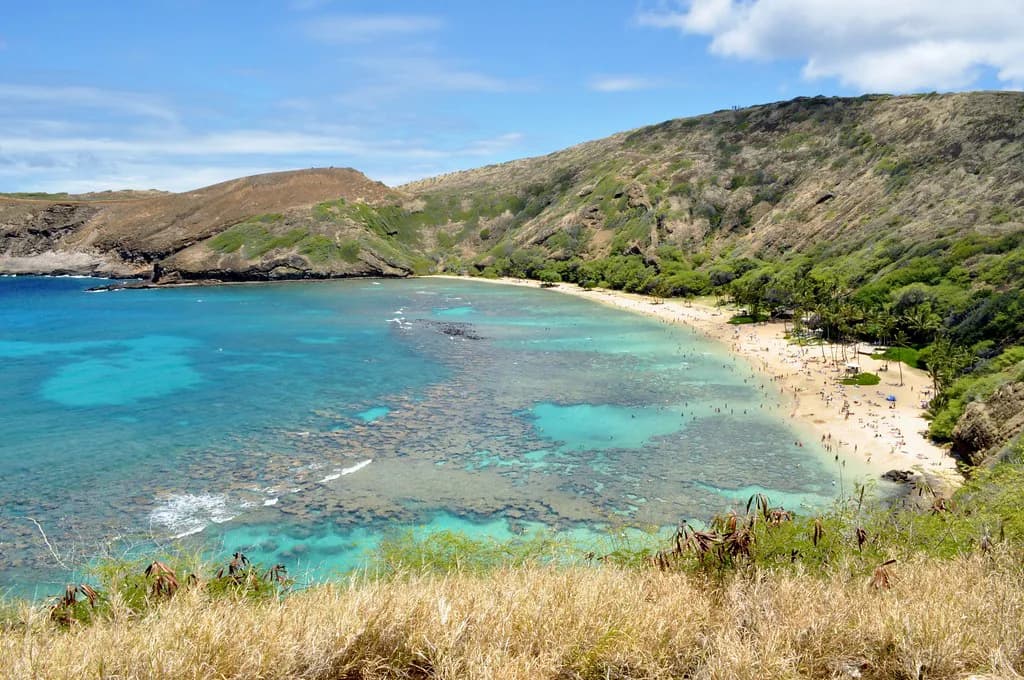
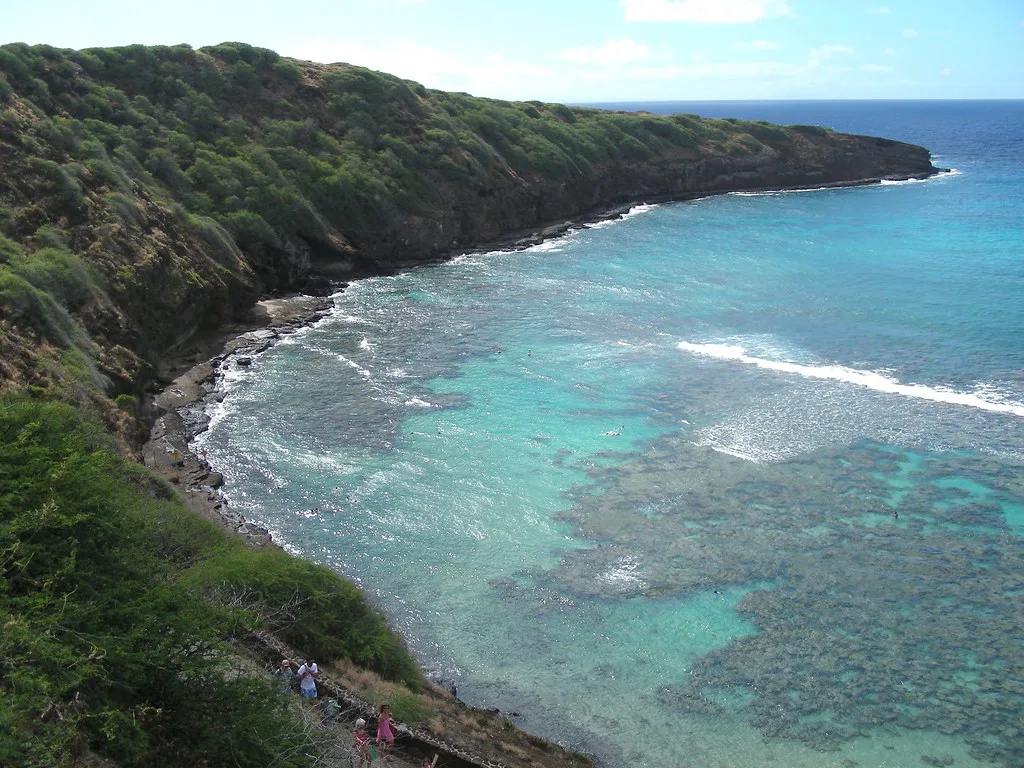
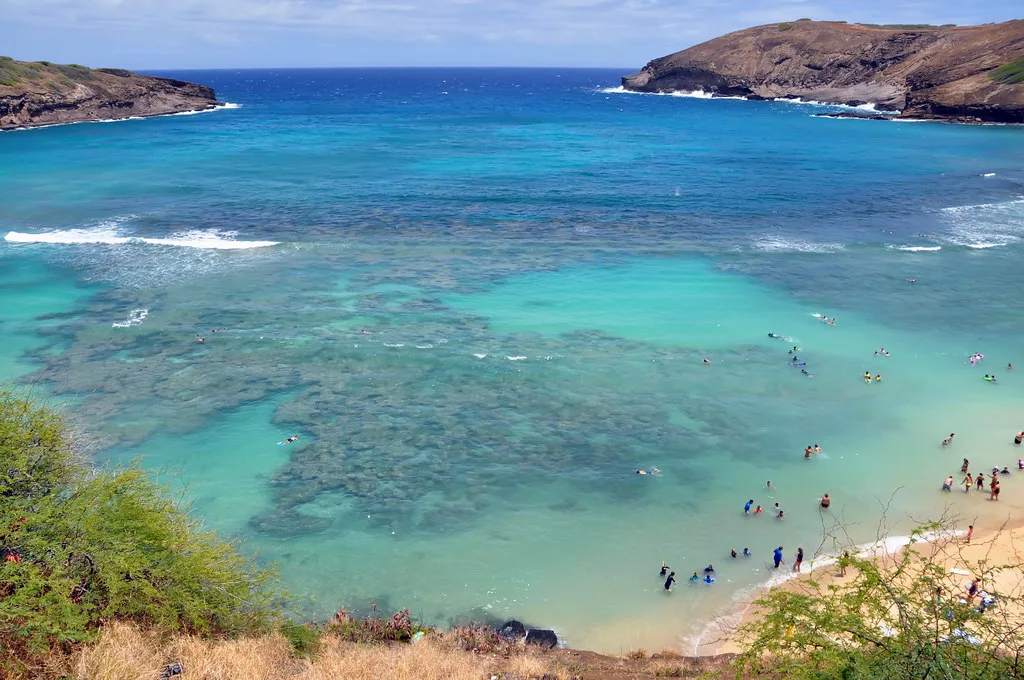
On the other side of Oahu, Hanauma Bay Nature Preserve is the island's classic protected snorkel, a flooded crater with a managed entry system. If you want a reef with more structure than a resort cove, plan that day separately and book ahead as required.
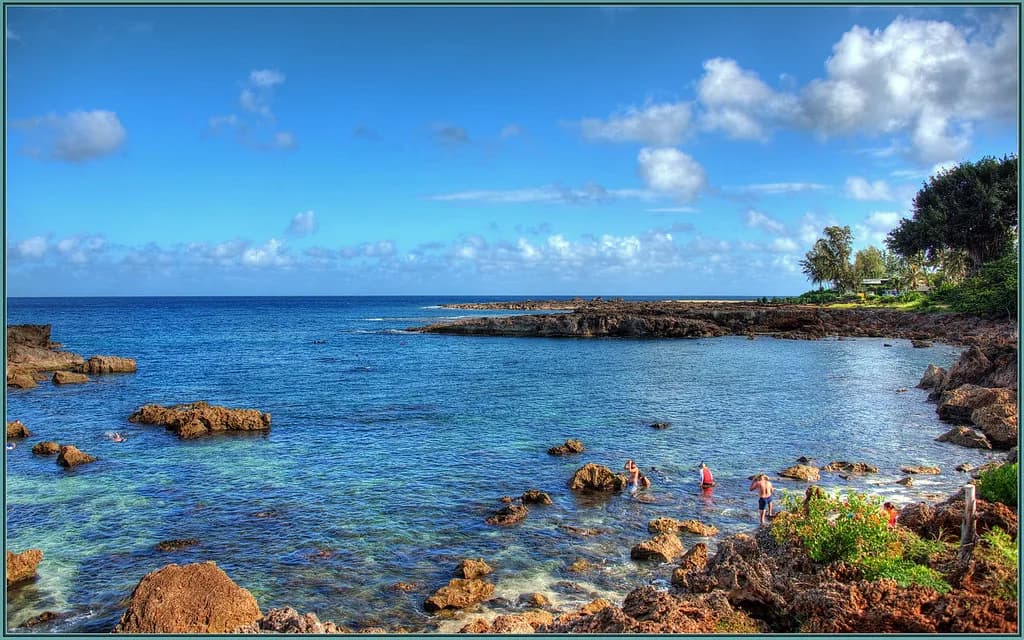
North Shore options such as Shark's Cove reward strong swimmers with rocky entries and dense structure, but they are a different kind of day and best saved for calm summer conditions.
Boat Tours from Ko Olina and Waianae
Catamaran snorkel sails run the west coast from Kapolei and Waianae harbors, carrying passengers out to Kahe Point and mooring over the reef and pipe outflow. They suit travelers who want a full-service day with gear, food and guidance included rather than a solo beach swim.
The Honi Olani, a 53-foot sailing catamaran, runs a three-hour dolphin and snorkel sail checked in at Waianae Boat Harbor, with breakfast, lunch, gear and drinks included. Shuttle transport is offered from Ko Olina resorts and, for a fee, from Waikiki hotels.
Humpback whale watching joins the same sails in season, roughly mid-November to mid-April, which makes winter the most rewarding time to book a west-coast boat day. Confirm departure details and current pricing directly with Ko Olina Ocean Adventures when you reserve.
Pairing a Lagoon Morning with an Evening
A morning in the lagoons leaves the afternoon and evening free, and Ko Olina Ocean Adventures sells a combo that pairs a snorkel tour with the Paradise Cove luau, discounted when booked together. The luau portion is not confirmed until the operator issues a luau confirmation number, so call after booking.
If a luau is not your plan, a sunset sail along the leeward coast is an easy finish to a lagoon day, and it puts you on the water when the afternoon breeze is at its best.
Plan Your Lagoon Day
Build the day around a morning swim inside the calmest cove, work the rock edges for fish, and keep the middle of the day for shade and lunch. Add a boat tour if you want Kahe Point's reef without navigating the open-water entry yourself.
Check the current surf and wind forecast with the National Weather Service before you go, and read the signs at your cove on arrival.
Frequently Asked Questions
Is there good snorkeling right off the beach at Ko Olina?
Yes, in the sense that you can walk in off sand and see reef fish without a boat. The lagoons are sheltered swimming coves with sandy bottoms, so the fish concentrate along the rockier edges and near the mouths rather than across the middle. Expect sergeant majors, goatfish, tangs and triggerfish around structure, with green sea turtles possible on the outside edges.
Which Ko Olina lagoon is best for snorkeling with kids?
Choose the cove with the flattest water and the widest sandy entry, usually the most sheltered middle of any lagoon, and set up there rather than at the rockier shoulders. That gives a child standing depth, easy exits and a parent on sand with a clear view. Move to the edges only when the child is comfortable breathing through a snorkel.
Do you need a boat tour to snorkel at Ko Olina?
No. The lagoons are beach-entry snorkeling and suit first-timers without any booking. A boat tour is worth it if you want to snorkel Kahe Point's reef and pipe outflow, where catamarans moor over the site, or if you prefer gear, food and guidance included in one package.
What fish can you see snorkeling in the Ko Olina lagoons?
Around the rock edges look for black-striped sergeant majors, yellow and red goatfish working the sand, and tangs and triggerfish over rubble. Green sea turtles are possible near the lagoon mouths. Sightings vary with conditions and season, and wildlife rules require you to keep your distance and never touch or chase animals.
Is Ko Olina snorkeling better than Hanauma Bay?
They serve different days. Ko Olina is easier, free of booking friction and ideal for kids and beginners, but the underwater scenery is milder. Hanauma Bay is a flooded crater with more reef structure and a managed entry system that requires planning ahead, which makes it the better pick for snorkelers chasing a classic Hawaiian reef.
When is the best time of day to snorkel at Ko Olina?
Morning. The leeward coast is typically sunniest early, the sea breeze has not built, and the lagoons are calmest before midday. Afternoon wind can push chop through the lagoon mouths, so if you go later, stay deep inside the cove where the breakwater protects the water.
Sources
Snorkeling notes for your next trip
Optional updates to our snorkeling guides.
You might also like
Continue reading
More guides you'll find useful