Lanikai Beach Snorkeling Guide: Plan Your Oahu Day Trip
Lanikai Beach snorkeling is a calm, sandy-entry swim with occasional reef fish. Compare it with Kailua Beach Park for facilities, lifeguards and parking.
On this page
Lanikai Beach is worth the swim for the water color, the soft sand and the view out to the Mokulua Islands, and it suits confident swimmers who arrive early and travel light. It is not a coral garden: the bottom is mostly sand with rocky patches, so you plan around scenery, calm water and a short, easy float rather than a dense reef. The trade-off is that everything around the swim is on you, from parking to facilities.
Where Lanikai Beach sits on the Windward Coast
Lanikai occupies a residential stretch of shoreline on Oahu's Windward Coast, next door to Kailua Beach and roughly a 10 to 15 minute walk from Kailua Beach Park along the beach and side streets. The two beaches share the same body of water, so wind, swell and rain tend to affect both on the same day. Plan on combining them rather than treating them as separate trips.
From Waikiki, the drive over the Pali or Likelike Highway puts you on the windward side in under an hour in normal traffic, which makes an early start realistic without an overnight move. If you are building a wider itinerary of Oahu snorkel spots, Lanikai works as a scenery-and-swim stop rather than the anchor of the day.
The shoreline and the view
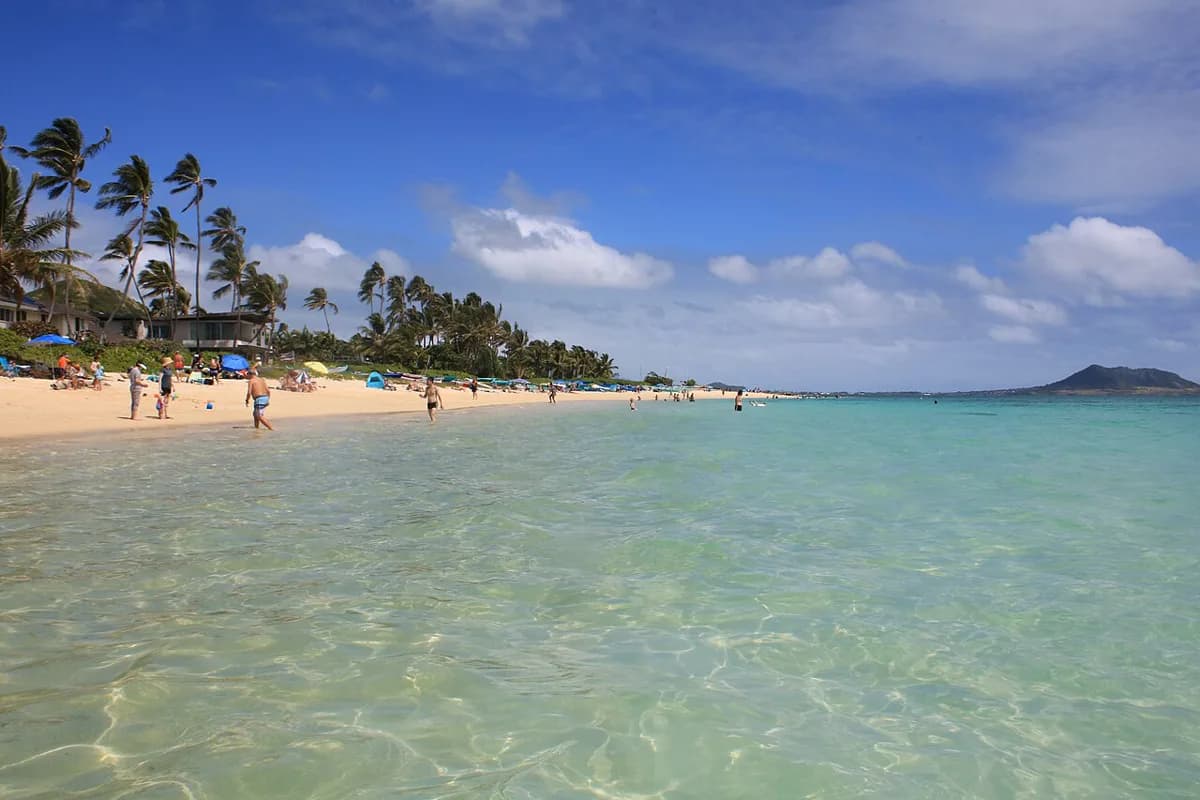
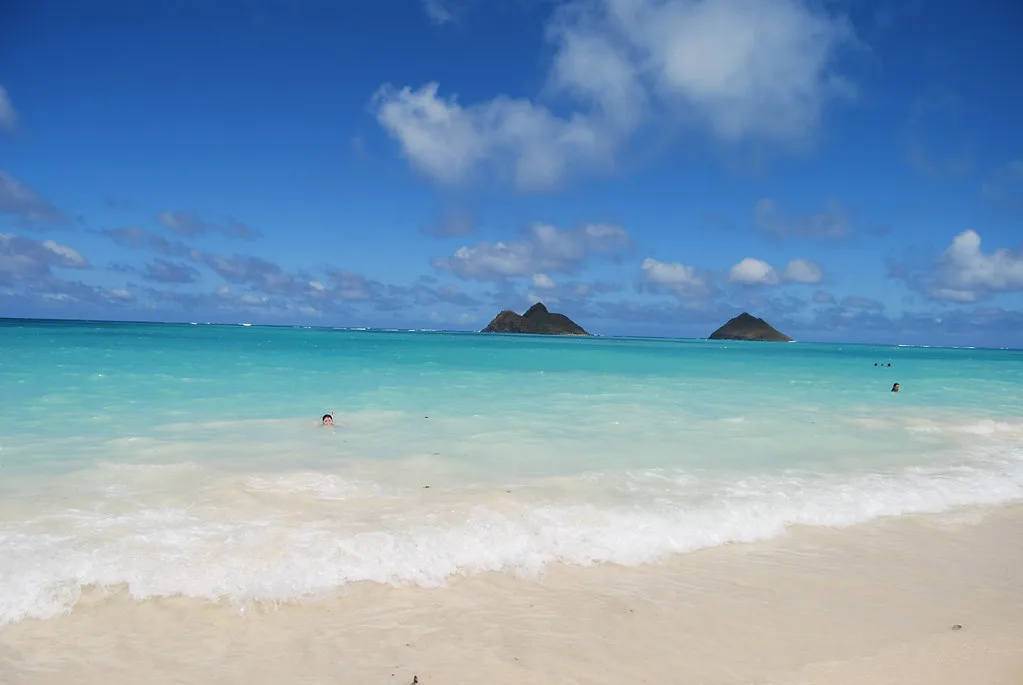
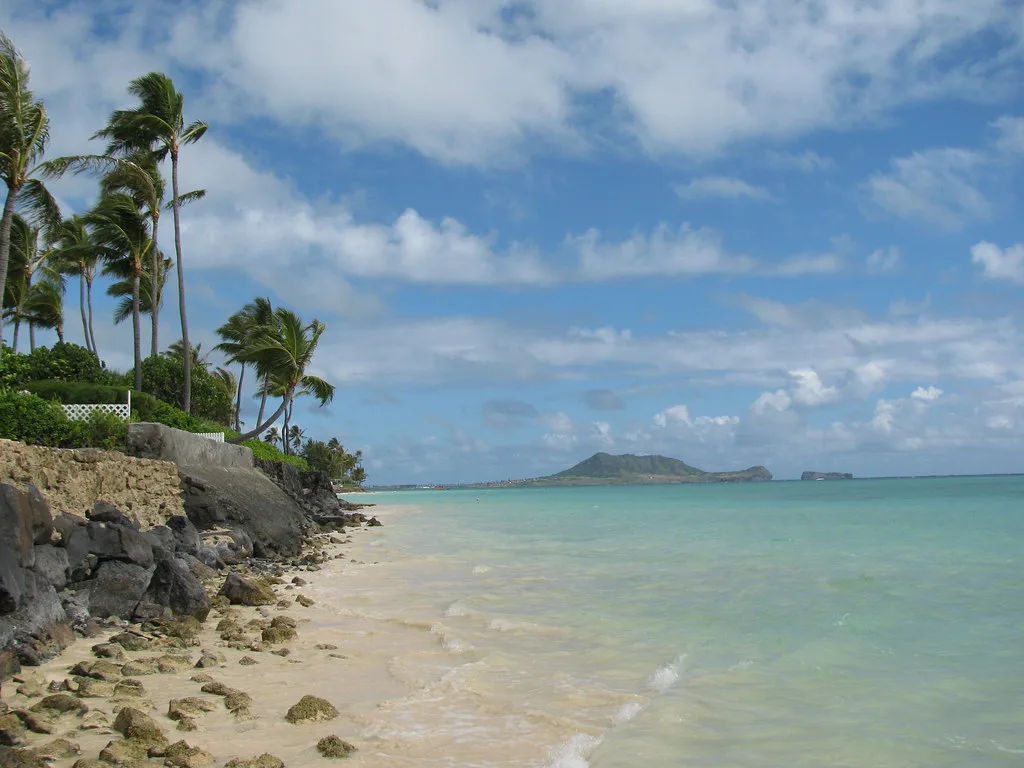
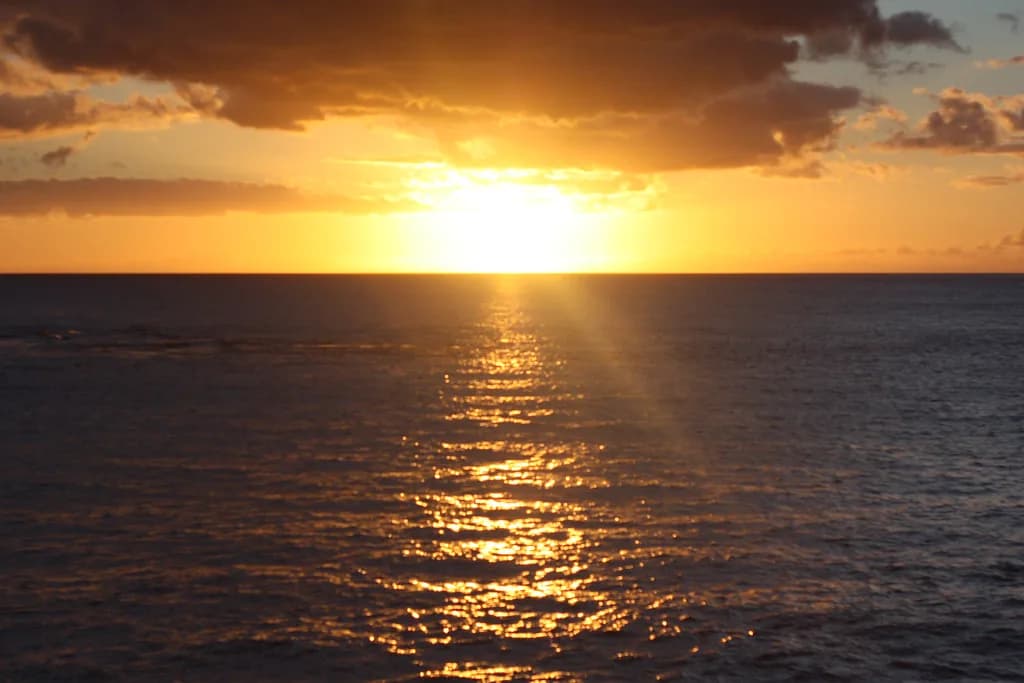
The beach is a long ribbon of powdery sand backed by homes, with public access through narrow paths between properties. There is no beach park behind it, which is why the atmosphere stays quiet and residential. The Mokulua Islands sit offshore in full view to the north, and the water shifts from pale turquoise over sand to deeper blue further out.
Because access is through neighborhood paths, you carry your gear in and out on foot. Pack light, wear sandals for the walk, and expect to set up on open sand rather than beside a picnic table or a shower. That self-supported feel is the point for some visitors and the drawback for others.
Getting in
Entry is from sand, and the inner water is shallow and generally calm on a good morning. Walk in gradually, shuffle your feet where you cannot see the bottom, and put fins on only once you are deep enough to avoid scraping the sand or rock. Rocky patches near the shoreline are where fish concentrate, so scan for darker structure rather than swimming straight out over pale sand.
The open shoreline continues beyond the calm inner zone, and the bottom stays largely sandy as you go. That means there is no reef wall or coral shelf to reach, and no long swim required to find something to look at. Treat the swim as a gentle float along the edge of the rocky bits rather than a reef tour.
What you will see
Expect small reef fish around the rocky patches and stretches of open sand between them. Hawaiian green sea turtles, called honu, turn up in these waters, but a sighting is a bonus rather than something to count on. Coral coverage is limited, so set expectations at a pleasant swim with occasional fish rather than a dense reef scene.
When you do find a turtle or a fish holding in one spot, float still at a distance and let the animal set the pace. Do not touch, chase, feed or block an animal's path to the surface, and never stand on coral or kick sand over it. Your best views come from staying low and quiet in the water.
Depth and how far you swim
The shallow inner water suits a relaxed first float, and you can stay in waist-deep to chest-deep water for most of a session if you prefer. Further out, the bottom drops gently and the shoreline opens up, but there is no defined reef edge to aim for. Judge your distance by your own comfort and the visibility rather than by a target landmark.
Visibility is the real constraint. Trade winds build through the day and stir the sand, so the clearest water usually comes early. If the water looks milky or choppy, the swim loses most of its appeal, and the beach itself becomes the better plan.
Skill level and who it suits
Lanikai suits confident swimmers, couples and photographers who want a quiet early beach session and can manage their own gear and safety. It is a poor match for families who need restrooms, showers and a lifeguard on duty, because none of those are at the beach itself. If that support matters, Kailua Beach Park next door is the more sensible base.
Beginners can enjoy the calm shallows on a glassy morning, but a float belt or snorkel vest adds confidence without replacing supervision. Keep kids close to an adult even when the water looks flat, and stay shallow if you are still learning to clear a snorkel.
Best time of day and season
Mornings give you the best odds: lighter wind, fewer people and clearer water before the day's breeze picks up. Aim to be in the water early and leave the midday hours to the beach. A calm forecast at dawn can look very different by lunchtime, so read the water before you unpack.
Heavy rain changes the plan. Stay out when the water looks brown, murky or full of debris, and give the coast a day to clear. Hawaii Ocean Safety publishes wind, swell and water-quality updates that are worth a look before you drive over from Waikiki.
Hazards
There are no lifeguards at Lanikai, so you are responsible for judging surf, current and your own limits. Windward surf and current can pick up without much warning, and the open shoreline offers little shelter if the water turns choppy. If the ocean gives you pause, wait for a better morning rather than pushing the swim.
Runoff after storms is the other real issue on this coastline, and murky water is a reason to stay on the sand. Kailua's lifeguards add reassurance next door, but they do not make rough water safe for every swimmer. Watch the ocean color and the surf line before you commit.
Parking and access
Lanikai is a residential beach with narrow public access paths between homes and no public parking lot of its own. Street parking is limited and posted restrictions can change, so many visitors park at Kailua Beach Park and walk or bike over. The walk takes about 10 to 15 minutes depending on where you start.
Do not block driveways or treat a neighborhood street like a resort lot, and carry your gear in rather than making multiple trips. If you have a lot to haul, the day-pass option below solves the parking problem with secure parking at a Kailua shop.
Kailua Beach Park as the practical base
Kailua Beach Park has parking, restrooms, showers and lifeguard coverage, which takes pressure off a beach day with children or first-time snorkelers. The beach is broad and the water gives you room to spread out, so you can rinse off or take a break without packing up the whole day. Parking lots close overnight, so check the latest details before an evening visit.
Arrive early on weekends and holidays, because the lot fills fast when the weather is calm. Treat Kailua as your staging point: park there, use the facilities, then walk or bike to Lanikai for the snorkel and come back for the rinse. That sequence handles the gear, the kids and the post-swim cleanup in one place.
Gear, rentals and day passes
For a self-supported visit, bring your own mask, snorkel and fins, and test the mask seal before you leave home. Kailua Beach Adventures at 130 Kailua Road in the Kailua Beach Center sells a day pass that bundles snorkel gear, a bike with lock, beach chairs, boogie boards, lockers, showers and changing rooms, with free secure parking at the shop and an optional Waikiki transfer. Check-in runs from 8:00AM to 1:00PM, the shop closes at 5:00PM, and the adult rate is USD 61.78 without transport or USD 93.19 with it, with child and infant rates listed separately.
The pass is self-guided and gear has to be carried five to ten minutes to the beach, so weigh that against simply parking at Kailua Beach Park with your own equipment. Bike use is limited to guests 13 and older or at least 4 feet tall, and everyone in the water should be able to swim at least 15 yards. Bring reef-safe sunscreen, a towel and a swimsuit under your clothes.
Wildlife rules
Give honu and reef fish plenty of space, and never touch, feed or chase them. Stay off coral, which can look like bare rock from above but is living habitat, and keep your fins from dragging across the bottom. These habits protect the animals and make for better viewing for everyone in the water.
Hawaii's wildlife rules protect turtles and other marine life, and respectful distance is the standard to follow wherever you swim on the windward side. If an animal approaches you, hold still and let it pass rather than reaching out or following. Take photos from where you float, not by closing the gap.
Combining spots nearby
Kailua Beach Park and Lanikai sit close enough to pair in one morning, with Kailua for swimming, facilities and a picnic and Lanikai for the quieter snorkel and the view. Kailua Town adds cafes and shops for lunch on the way back. The Lanikai Pillbox hike above the beach is a separate outing that pairs well with an early swim before the heat builds.
If you want more structured reef time, Waikiki's Turtle Canyons is a boat-based alternative, and Oahu's other shore snorkel spots each have their own conditions and access rules.
When a Waikiki boat trip makes more sense
Living Ocean Tours runs a Turtle Canyons snorkel from Kewalo Basin Boat Harbor near Waikiki, with Coast Guard-inspected vessels, shaded seating, restrooms, dry storage and easy-access ladders. The company places snorkel guides in the water with guests and reports a 95% turtle-spotting rate on the trip, which is a strong option if you want guidance rather than a self-managed beach entry.
That boat trip skips the parking and access problem entirely when the windward coast is blown out. If the surf is up at Lanikai and Kailua, a short drive to the harbor can salvage the day. Book ahead for your preferred date through Living Ocean Tours and check current prices and dates.
Lanikai vs Kailua at a glance
Choose Lanikai when you value the view, want a quiet early beach and can handle a self-supported swim with a short walk in. It asks more of you on parking and facilities. Choose Kailua Beach Park when comfort, restrooms, showers and lifeguards matter more, especially with children or first-time snorkelers.
Both beaches depend on calm, clear mornings, so the deciding factor is usually logistics rather than fish life. Arrive early, check the water before you unpack, and pick the beach that fits your group. If the windward side is choppy, pivot to a Waikiki boat trip or another Oahu shore spot, and if you are planning a longer island trip, compare these conditions with our guide to snorkeling in Maui before you commit to a shoreline day.
Plan Your Visit
Lanikai delivers a beautiful, calm swim on the right morning, and the right morning is almost always an early one. Park at Kailua Beach Park or at a shop with secure parking, walk over with light gear, and keep the swim to the shallow rocky patches where the fish are.
If facilities, lifeguards and an easy setup matter more than the postcard view, make Kailua Beach Park your base and snorkel there when the water allows. Either way, the Windward Coast rewards an early start and a flexible plan, with a guided Waikiki trip as a sensible fallback when the surf comes up.
Frequently Asked Questions
Is Lanikai Beach good for snorkeling?
It is a calm, sandy-entry swim with small reef fish around rocky patches and occasional honu, but the bottom is mostly sand and coral coverage is limited. Set expectations at a scenic float rather than a dense reef, and go early before the trade winds build and cloud the water.
Can you snorkel right off Lanikai Beach?
Yes, you enter from the sand and can snorkel the shallow inner water and the rocky patches along the shoreline. There is no reef wall or coral shelf to reach, so you can keep the swim short and stay in water where you are comfortable.
Where do you park for Lanikai Beach snorkeling?
Lanikai has no public parking lot of its own, and street parking is limited with posted restrictions that can change. Many visitors park at Kailua Beach Park and walk or bike over, which takes roughly 10 to 15 minutes. A Kailua day pass that includes secure parking is another option.
Is Lanikai or Kailua Beach better for snorkeling?
Lanikai wins on scenery and quiet, while Kailua Beach Park wins on facilities, with parking, restrooms, showers and lifeguard coverage. Families and first-timers are usually better off based at Kailua, while confident swimmers who want the view tend to prefer Lanikai.
Are there lifeguards at Lanikai Beach?
No, Lanikai has no lifeguards, so you judge surf, current and your own limits on your own. Kailua Beach Park next door has lifeguard coverage, and its lifeguards do not make rough water safe for every swimmer.
What time of day is best to snorkel at Lanikai?
Mornings are best, with lighter wind, fewer people and clearer water before the day's breeze stirs the sand. After heavy rain, wait for the water to clear and stay out while it looks brown or murky.
Do you need snorkel gear reservations for Lanikai or Kailua?
Not if you bring your own mask, snorkel and fins. A Kailua Beach Adventures day pass bundles snorkel gear, bikes, lockers and showers with free parking, but it is self-guided and you carry the gear five to ten minutes to the beach.
Can you see turtles snorkeling at Lanikai Beach?
Honu do turn up in these waters, but sightings are occasional rather than guaranteed. Keep your distance, never touch or chase a turtle, and let it set the pace. A guided Waikiki boat trip to Turtle Canyons is an alternative if turtles are the priority.
Sources
Snorkeling notes for your next trip
Optional updates to our snorkeling guides.
You might also like
Continue reading
More guides you'll find useful