Magic Island Snorkeling: Oahu Lagoon Guide for Beginners
Magic Island snorkeling gives beginners a calm, sand-entry lagoon with shallow fish-filled water, plus a deeper reef outside the seawall for strong swimmers.
On this page
Magic Island rewards the traveler who wants a mask on the face within an hour of leaving a Waikiki hotel room. The peninsula at the east end of Ala Moana Beach Park holds a shallow, seawall-sheltered lagoon where you wade in off sand and meet clouds of small fish before your fins are wet. It suits first-timers, kids and cruise passengers on a short window; confident snorkelers should treat it as a warm-up rather than the main event.
What makes the lagoon useful is the trade-off it makes. You give up reef structure, depth and the chance of big animals in exchange for flat water, easy exits and a swim that a nervous beginner can manage. The outer side of the seawall is a different proposition entirely, and the sections below separate the two so you pick the right side for your group.
Where Magic Island Sits
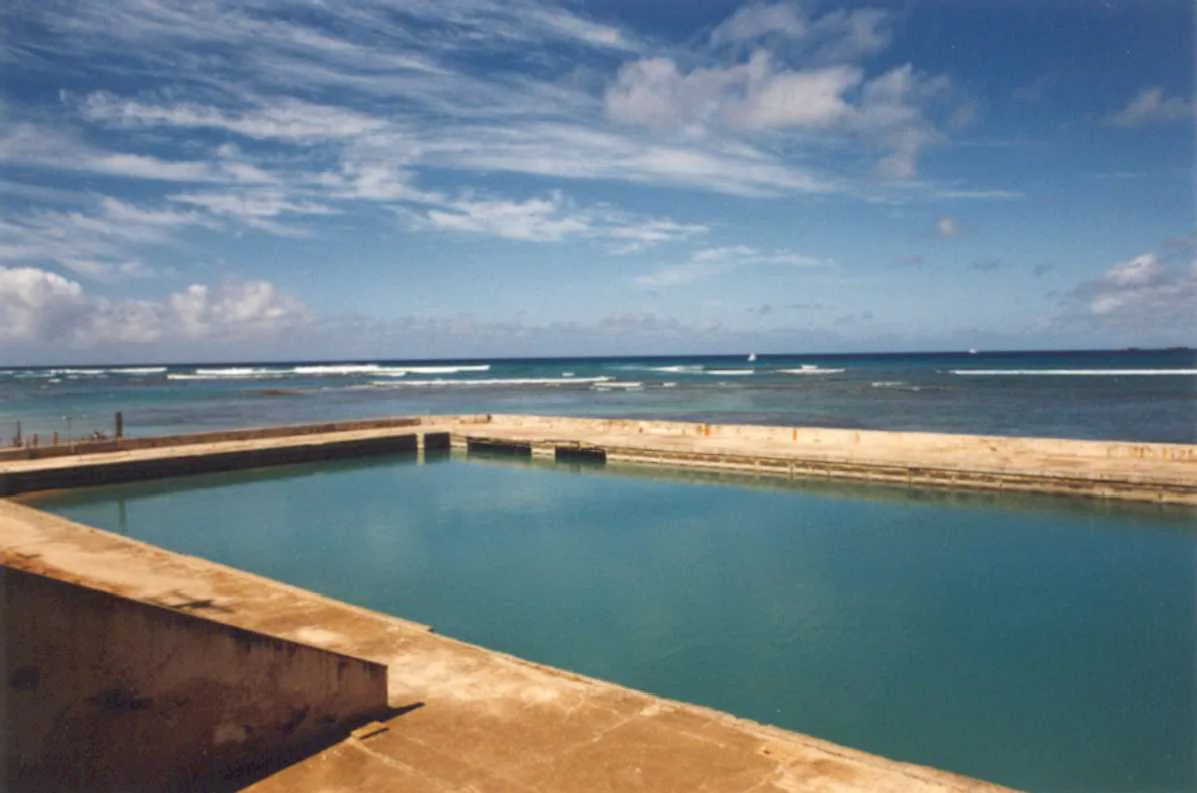
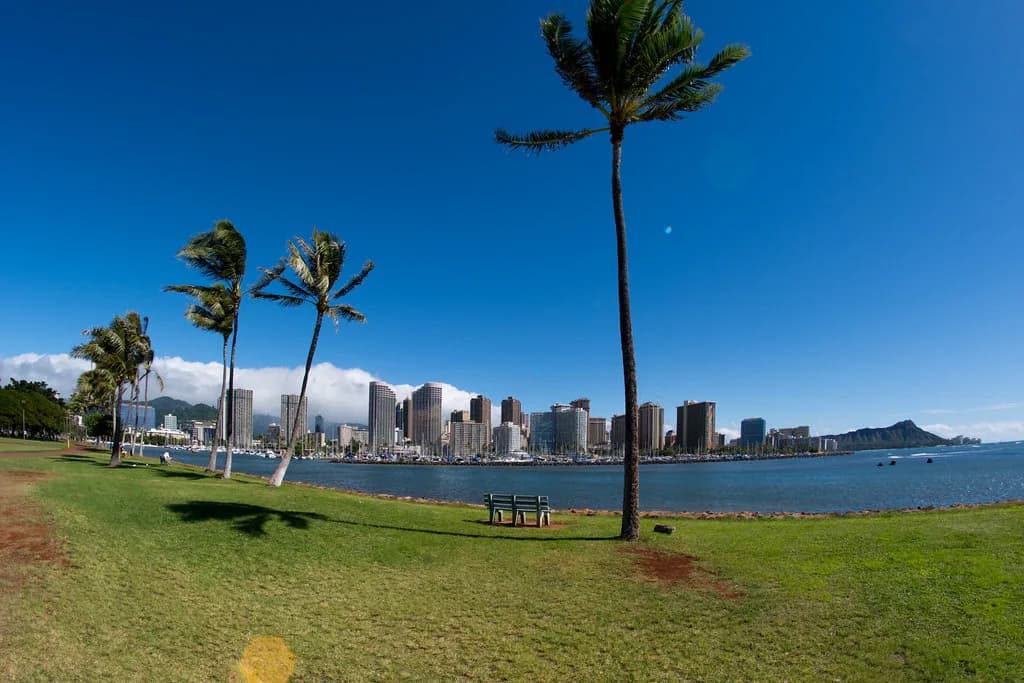
Magic Island is a man-made peninsula off Ala Moana Boulevard at the eastern end of Ala Moana Beach Park, roughly a 20- to 30-minute walk from most of Waikiki. The lagoon sits on the protected side, ringed by a seawall that holds back open-ocean swell. Guests staying in Ala Moana or Waikiki can reach the park on foot or with a short ride, which makes it the least logistical snorkel day on the south shore.
The layout matters for planning. The lagoon beach gives you a gentle sand slope into calm water, while the ocean-facing shore of the peninsula takes the south swell and is not where beginners want to enter. Walk the peninsula first, note where the lifeguard tower and the lagoon curve are, and set up on the lagoon side.
Getting In
Entry is off the sand, walking straight into the lagoon. There are no rocks, no ladder and no boat ride: you wade in, put your mask on when the water reaches your waist, and float. That is the whole appeal for families with young children or anyone who has never worn a snorkel before.
Water inside the lagoon is shallow enough to stand across much of the swimming area, and the seawall creates a flat surface even when the ocean outside is choppy. Wear fins only if you are comfortable with them; in knee-to-waist-deep water they are more trip hazard than help. Bring water booties or sandals for the walk across the park, since the midday sand gets hot.
The Lagoon vs. the Outer Reef
Treat the lagoon and the water beyond the seawall as two different snorkels. The lagoon is a nursery: sand, patchy rock, small fish, and a bottom you can see from the surface. The outer edge of the peninsula faces open water and drops away, and the reef there is deeper and less sheltered. Strong swimmers with a buddy can explore it; children and non-swimmers should stay inside the wall.
If you want reef structure rather than lagoon shallows, plan a second outing. The reef off Waikiki holds a natural turtle cleaning station that tour boats visit from nearby Kewalo Basin, and operators working that reef report high turtle-sighting rates on their guided trips.
South-shore water temperatures sit in the mid-70s to low 80s Fahrenheit in spring, which means a rash guard or swim shirt is usually enough and a wetsuit is overkill. A thin neoprene top helps if you plan to stay in for an hour or more, especially in the morning before the sun is high.
What You Will See
The lagoon delivers small stuff in numbers: schools of tiny reef fish hovering over sand patches and around the rocks near the seawall. It is a good place to practice floating still and letting fish settle around you, which is the core skill of snorkeling anywhere. Do not expect coral gardens here; the appeal is the calm, clear, easy water.
Larger animals belong to the outer reef and the nearby coastline. Hawaiian green sea turtles, known locally as honu, graze on algae around Waikiki and the Kewalo area, and tour operators run boats from Kewalo Basin to the cleaning station where turtles gather. Sightings are never guaranteed, and every animal here is protected: keep your distance, never touch or chase, and let the turtle come to you or not at all.
Reef fish in this part of Oahu include yellow tangs, butterflyfish, convict tangs and goatfish. Operators running guided snorkel trips from Kewalo Basin point them out and brief guests on look-don't-touch rules before anyone enters the water, which is a useful model to follow even on a self-guided lagoon swim.
Best Time to Go
Go in the morning. Light is still angled, wind is lighter, the lagoon surface is flatter and the park is quiet before the picnic crowds arrive. Midday brings glare, stronger onshore wind and a full parking lot, and afternoon is when the lagoon fills with swimmers who stir up the sand and cut visibility.
South-shore swell is the seasonal variable. Summer tends to be the calmer stretch on this side of Oahu, while winter can push bigger surf onto south- and west-facing shores. The lagoon stays protected behind its seawall regardless, but the ocean-facing side of the peninsula and the nearby beaches are a different story on a big south swell day.
Hazards to Respect
The specific hazard at Magic Island is boat traffic near the Kewalo Basin channel, just west of the peninsula. Stay inside the lagoon or close to the seawall rather than swimming out into the channel approach, and keep a bright-colored top or snorkel tip visible if you are on the outer side.
Outside the seawall, the bottom drops away and the water is deeper and less sheltered. That is a real step up in commitment for a beginner, so swim it with a buddy and only when the surface is calm. Honolulu Ocean Safety posts daily advisories for Oahu beaches, and the lifeguard towers are the people to ask before you commit.
Wildlife rules apply throughout. Hawaii protects sea turtles and monk seals, and approaching, touching or chasing them is prohibited. Keep a respectful distance, never block an animal's path to the surface or the shore, and give seals hauled out on sand a wide berth. Reef-safe sunscreen is the other rule to follow: choose mineral-based formulas and apply before you get in, since sunscreen chemicals wash off in the water.
Parking and Fees
Ala Moana Beach Park has large paved lots off Ala Moana Boulevard, and the Magic Island end has its own parking area near the peninsula. The park is a public city facility and there is no admission charge to walk in and swim. Arrive early on weekends and holidays, because the lots closest to the lagoon fill first and the walk back from overflow spaces is long with gear.
Expect the standard beach-park setup: restrooms, outdoor showers and drinking fountains in the park, with lifeguards on duty at posted towers. Hours and lifeguard schedules are set by the city, so read the signs at the entrance rather than relying on memory, and pack out everything you bring in.
Rules and Reef Etiquette
Hawaii's marine-life rules are simple to follow and non-negotiable: look, don't touch. Do not stand on coral, do not feed fish, and do not chase turtles for a photo. Keep your fins off the bottom in the shallows, where a single kick can flatten a patch of reef.
Reef-safe sunscreen is the standard on guided snorkel trips in Hawaii, and it is the right default on the lagoon too. Choose a mineral formula, apply it before you leave the hotel, and reapply on the beach rather than in the water. Bring a reusable bottle and a dry bag; there are no snorkel rental stands inside the lagoon itself, so rent gear in Waikiki or Ala Moana before you walk over.
Gear for a Lagoon Swim
A well-fitted mask and a simple snorkel cover everything the lagoon asks. Fit beats features: press the mask to your face without the strap and it should hold briefly, which tells you the seal is right. A rash guard handles sun and warmth in water that stays in the 70s and low 80s, and a flotation vest or belt helps non-swimmers float flat and relax.
Skip the full-face mask. Guided snorkel operators in Hawaii discourage them, and a separate mask and snorkel is easier to clear, easier to remove and safer if water gets inside. Prescription masks are available for rent from dive shops in Waikiki, and operators on the Kewalo Basin trips supply masks, snorkels and fins as part of the excursion.
Boat Tours from Kewalo Basin
Kewalo Basin Boat Harbor sits just west of Magic Island and is the launch point for most Waikiki-area snorkel tours. Living Ocean Tours runs Turtle Canyon snorkel excursions from Kewalo Basin, a two-hour trip that includes gear and instruction, with guided groups and look-don't-touch briefings on the reef. It is the obvious add-on if your group wants turtles without navigating the outer reef yourself.
A boat trip pairs well with a lagoon morning: snorkel the shallows early, walk back to the harbor for an afternoon departure, and you have covered both the easy and the adventurous side of Oahu snorkeling in one day. Book ahead in peak season, since these trips fill quickly, and confirm the meeting point with the company when you reserve.
Nearby Spots to Combine
Ala Moana Beach Park itself is the natural pairing: a long protected swimming beach, picnic lawns and a flat path that makes a full morning out of one parking spot. From there, Queens Beach near Waikiki offers more coral and a bit more current, and Ko Olina's lagoons on the west side are another calm-water option if you have a car. If your trip includes other islands, the same beginner-versus-reef decision comes up in snorkeling in Maui and in Big Island snorkeling.
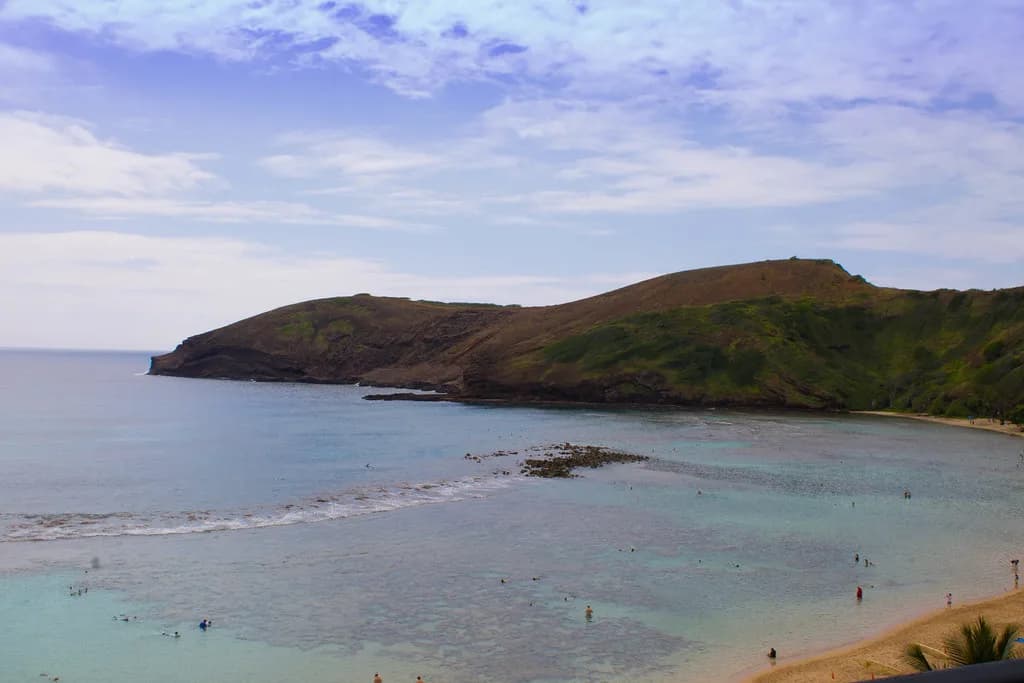
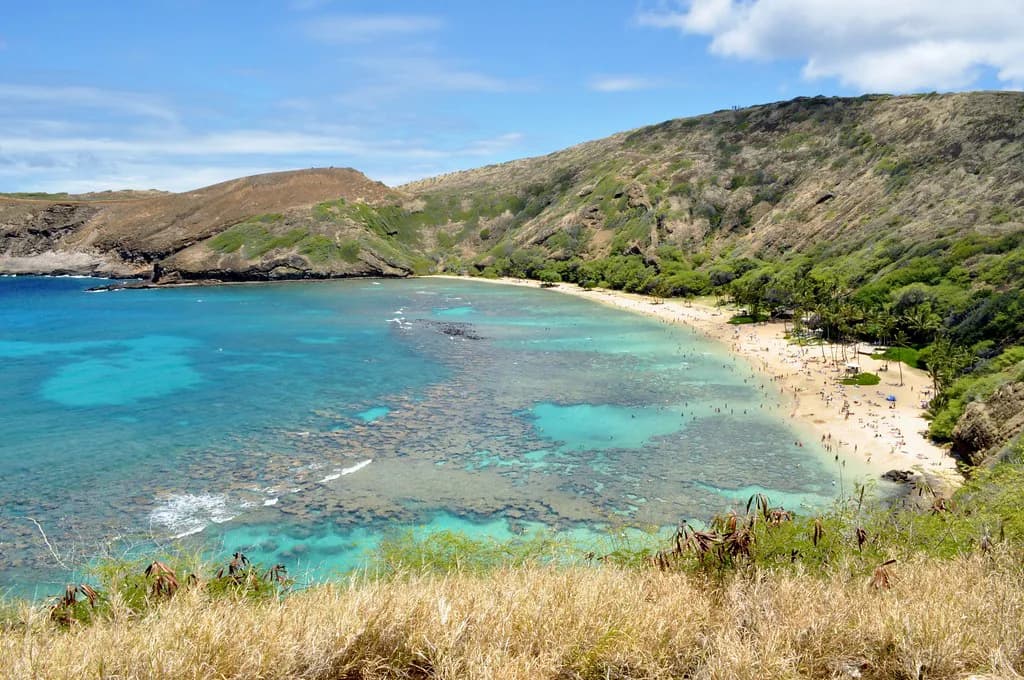
For reef structure, head east along the coast. Hanauma Bay Nature Preserve is the classic Oahu snorkel and requires timed entry reservations through the city, so plan that as its own half-day rather than a spur-of-the-moment stop. If you want a fuller menu of entries, depths and conditions, the broader snorkeling in Oahu guide covers the island spot by spot, and hanauma bay snorkeling explains what that bay asks of first-time visitors.
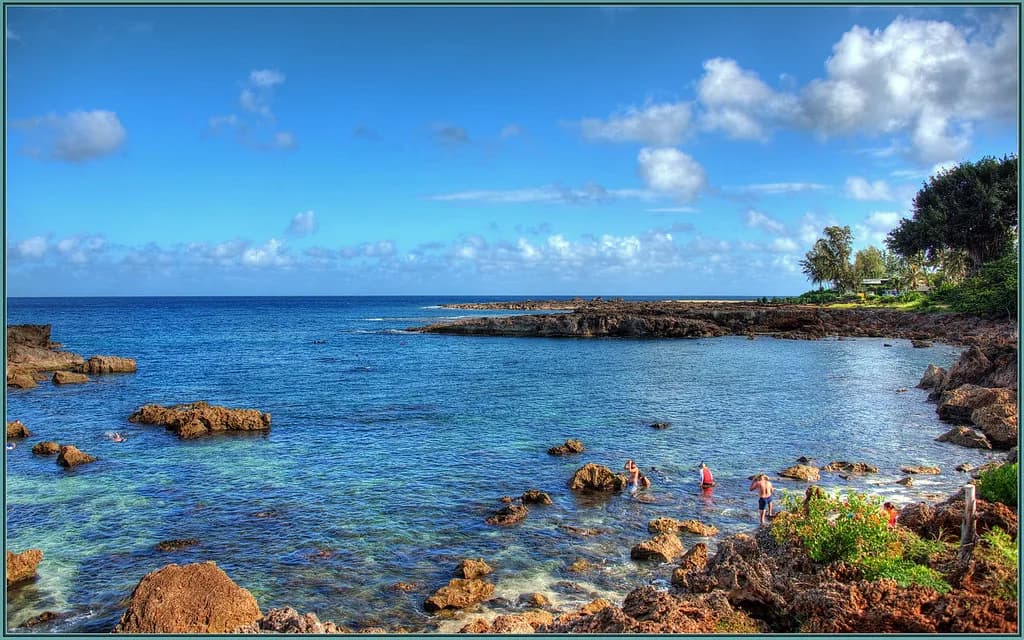
Confident swimmers who find the lagoon too tame on day one should move on quickly. Sharks Cove Snorkeling on the North Shore offers rock-bound tide pools and real reef structure, and Three Tables Snorkeling, Oahu sits nearby with a similar rocky entry. Both demand more care with swell and footing than Magic Island, so save them for a calm day.
Hanauma Bay Nature Preserve is the island's best-known snorkel for a reason, but entry is managed with reservations and a mandatory briefing, so book before you build a day around it. For details on securing a slot, hanauma bay reservations walks through the city system and timing.
Who Should Skip the Lagoon
Skip Magic Island if you want depth, coral heads and the chance of a turtle on your first swim. The lagoon is a teaching pool, not a reef dive, and experienced snorkelers will be bored within twenty minutes. Head instead to the outer reef with a buddy, or book a Kewalo Basin boat trip to the Waikiki cleaning station.
Also skip it if you are chasing a wild, quiet coastline. Magic Island is a city park with lawns, paths, traffic and crowds, and the setting is urban rather than remote. The trade is convenience: a mask, a towel, a short walk and you are in the water.
Plan Your Snorkel Day
Build your Magic Island day around an early start. Arrive at the Ala Moana lot before mid-morning, claim a spot on the lagoon side, wade in off the sand and spend your first hour getting comfortable floating. Keep children inside the seawall and save the deeper water for strong swimmers with a buddy.
Then decide what the day is for. If it is a gentle introduction, stay in the park and finish with a swim at Ala Moana Beach. If it is turtles and reef, walk to Kewalo Basin and join a guided boat trip, or drive east to Hanauma Bay with a reservation in hand. Either way, check the Honolulu Ocean Safety advisories and the city's posted park signs before you go, and treat the lagoon as the calm starting point it is.
Frequently Asked Questions
Is Magic Island good for snorkeling?
It is very good for easy, shallow snorkeling and less good for reef scenery. The lagoon behind the seawall is calm, sandy and full of small fish, which makes it ideal for beginners and children. Snorkelers who want coral, depth and turtles should head to the outer reef with a buddy or take a boat trip from nearby Kewalo Basin.
Can beginners snorkel at Magic Island?
Yes. You enter off sand into waist-deep water with no rocks or ladder to negotiate, and much of the lagoon is shallow enough to stand. Non-swimmers should wear a flotation vest and stay with a companion, and everyone should stay inside the seawall until they are comfortable.
What fish can you see at Magic Island lagoon?
Expect small reef fish in schools over sand and rock, especially near the seawall. Bigger animals such as Hawaiian green sea turtles are associated with the outer reef and the Waikiki coastline rather than the lagoon itself. Keep your distance from any turtle and never touch or chase one.
Where do you park for Magic Island snorkeling?
Use the paved lots at Ala Moana Beach Park off Ala Moana Boulevard, including the parking near the Magic Island peninsula. Arrive early on weekends because the closest spaces fill first. Read the posted park signs for current hours and lifeguard coverage.
Is Magic Island better than Waikiki for snorkeling?
It is better for calm, easy entry and beginner-friendly shallows. Waikiki and Queens Beach offer more coral and better odds of turtles, at the cost of more current and busier water. Families with young kids usually prefer the lagoon; stronger swimmers often prefer Waikiki.
Do you need a tour to snorkel Magic Island?
No. The lagoon is a public park beach with sand entry, and you can swim on your own. A guided trip is worth it if you want turtles and reef, and boats leave from Kewalo Basin a short walk west of the peninsula, supplying gear and instruction.
Sources
Snorkeling notes for your next trip
Optional updates to our snorkeling guides.
You might also like
Continue reading
More guides you'll find useful