Makaha Beach Snorkeling: What the West Side Water Offers
Makaha Beach on Oahu's west side pairs a sandy nearshore with a popular surf break. Learn where to snorkel, when the water calms, and how it suits beginners.
On this page
Makaha Beach is the leeward coast's easy-access sand beach, a long white crescent where you can walk straight off the sand into the water and watch reef fish over the shallows without a boat or a trail. It suits travelers already driving the west side who want a swim-and-snorkel stop rather than a dedicated reef destination, and it rewards early starts before the surf crowd arrives.
The catch is that the same beach carries one of the west side's best-known surf breaks, so the snorkelable water is the nearshore band inside it, not the whole bay. Plan Makaha as a calm-day stop and keep a calmer leeward fallback in your pocket for the days the swell builds. If you are building a wider island plan, the broader picture of snorkeling in oahu helps you sequence west-side days against windward and south-shore ones.
Why Makaha Beach Earns a Snorkel Stop
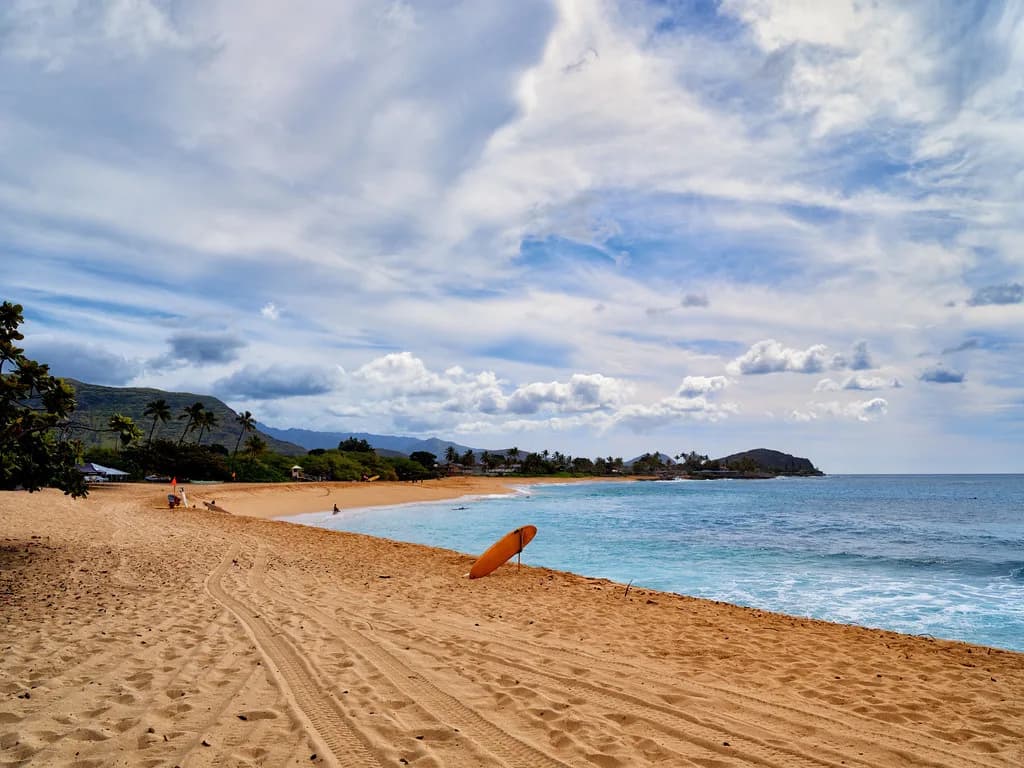
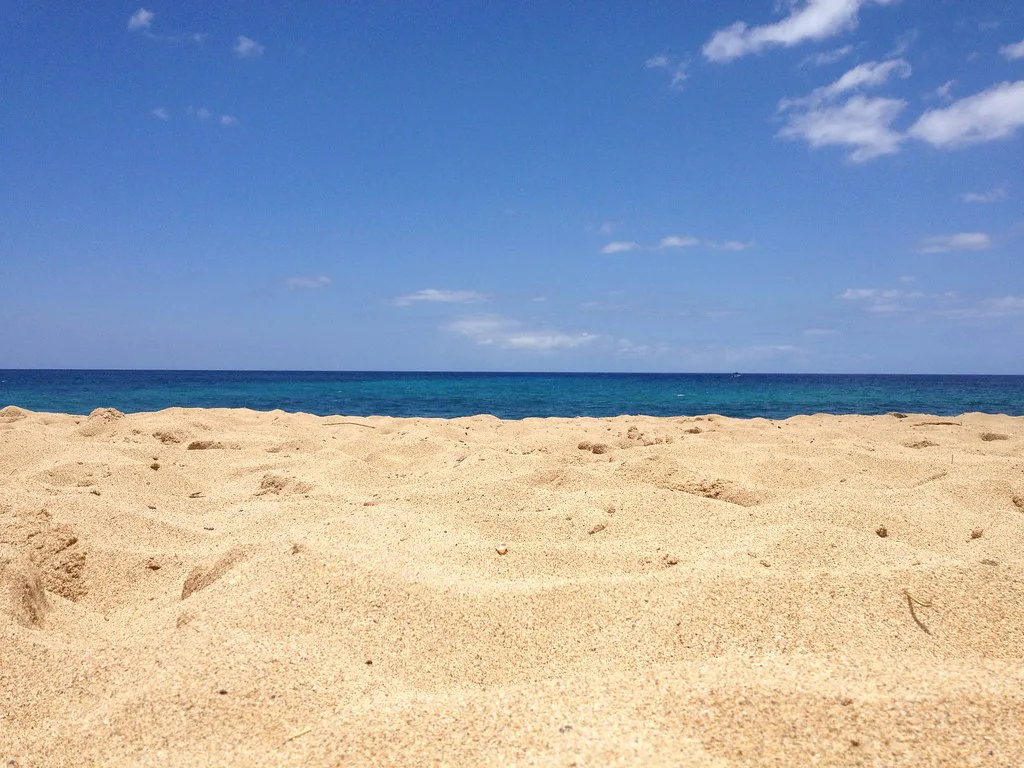
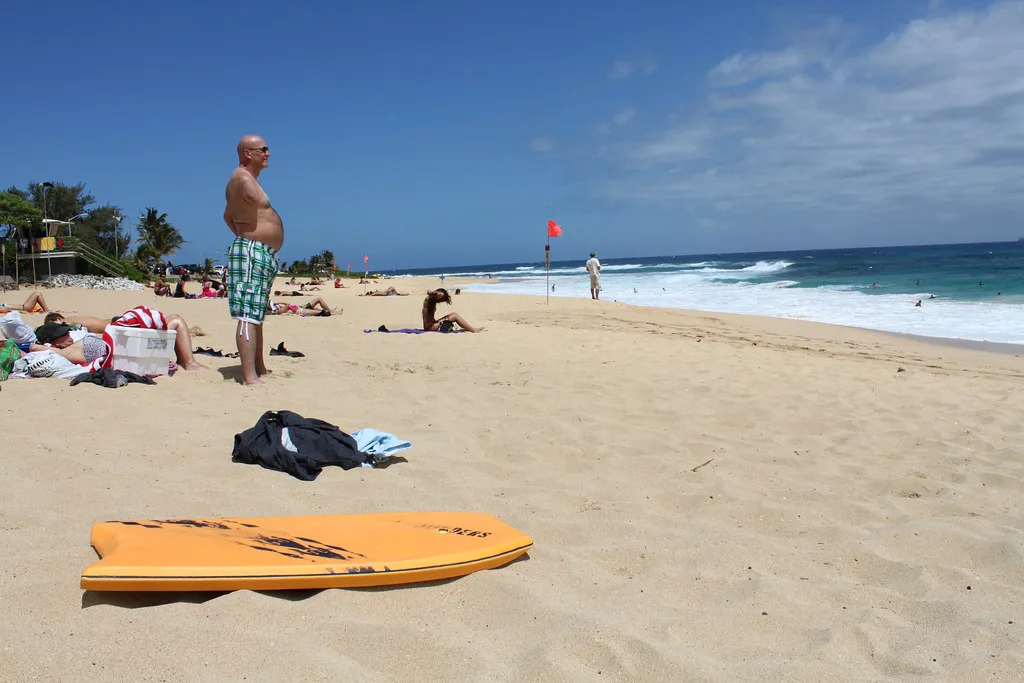
Makaha is a genuine two-purpose beach: white sand, a broad swimming area, and a surf break that draws boards when the swell cooperates. For snorkelers that means a straightforward sand entry with shallow structure close to shore, and a clear outer line where board traffic takes over. Visitors consistently describe it as a good beach for both playing in the ocean and snorkeling, with the caveat that shade is scarce, so bring your own.
Treat it as a stop on a west-side circuit rather than a destination in itself. The drive out is the cost of the day, and the payoff is a working local beach with mountain backdrop and sunset light, not a protected marine bay. Its value is convenience and space, plus the option to bail to a calmer leeward beach within a short drive.
Where the Beach Sits
Makaha Beach Park fronts Farrington Highway on Oahu's leeward coast, west of Waianae and at the foot of the Waianae Mountains. The white-sand beach and its surf break are its defining features, and the shoreline faces the open leeward water rather than a protected cove.
Coming from Waikiki, budget roughly seventy minutes without traffic; from Ko Olina the drive runs closer to forty. Those figures apply to the leeward coast generally and hold for planning a west-side day, but afternoon traffic on Farrington Highway can stretch them, so an early departure buys you both calmer water and a shorter ride.
If you are assembling a leeward day, pair Makaha with the calmer water at Pokai Beach Park and the Ko Olina lagoons further south rather than trying to string together distant windward spots. South-shore options such as hanauma bay snorkeling sit on the other side of the island and are a separate trip entirely.
Getting In
Entry is off the sand at the main beach, which is what makes Makaha approachable for families and casual swimmers. You wade in over a sandy nearshore bottom, and the shallow band close to shore is where you will find the most accessible fish life. Enter slowly and scan the surface before you commit, because conditions shift with the swell.
The practical boundary for snorkelers is the surf break. Stay inside it and you keep a clear escape route to the sand; drift past it and you are swimming in the lineup's zone, which is neither safe nor welcome. If the break is working and crowded, snorkel a short stretch of shoreline well to one side of the peak rather than trying to share the middle.
How Far Out and How Deep
The snorkelable water at Makaha is a nearshore band, not a long reef shelf. Most of your viewing happens over shallow bottom close to the sand, with depth building gradually as you move out toward the break. Since the break marks the outer edge, the workable zone is comparatively narrow, which keeps sessions short and simple but limits how much ground you can cover.
That layout favors a relaxed float-and-watch session over a long swim. Work parallel to the beach in the shallows, come in before you tire, and repeat short entries rather than one extended push offshore. A bodyboard leash or a float helps visibility in a beach shared with surfers and swimmers.
What You Will See
Expect typical leeward reef life over the shallows: small reef fish working the sandy-rock edges, the occasional larger fish cruising the deeper band near the break, and clear views on calm days when the sand settles. Views depend entirely on swell and clarity, so no particular fish or turtle should be treated as guaranteed. What Makaha reliably offers is easy water access with real fish life within a few fin kicks.
Keep the wildlife rules in mind wherever you snorkel on Oahu: no touching, feeding, or chasing animals, and give any turtle or marine mammal a generous berth. On the leeward coast spinner dolphins are occasionally visible offshore, and the correct response is to watch from a distance rather than swim at them.
Skill Level
Makaha suits competent swimmers and families comfortable in open beach water, and it is a reasonable first west-side snorkel for someone who has already practiced in a protected bay. It does not suit absolute beginners on a day the surf is up, because the beach's character changes entirely with a significant swell and shorebreak. Beginners should target a flat, calm morning or choose a protected leeward alternative.
Bodyboarders use the beach when conditions line up, which is a useful signal: if the surf is worth riding, it is not the day for a relaxed snorkel. Read the lineup first. If boards are out and waves are breaking across the nearshore, shift to the shallows near the sand or drive to calmer water.
Best Time of Day, Season and Swell Direction
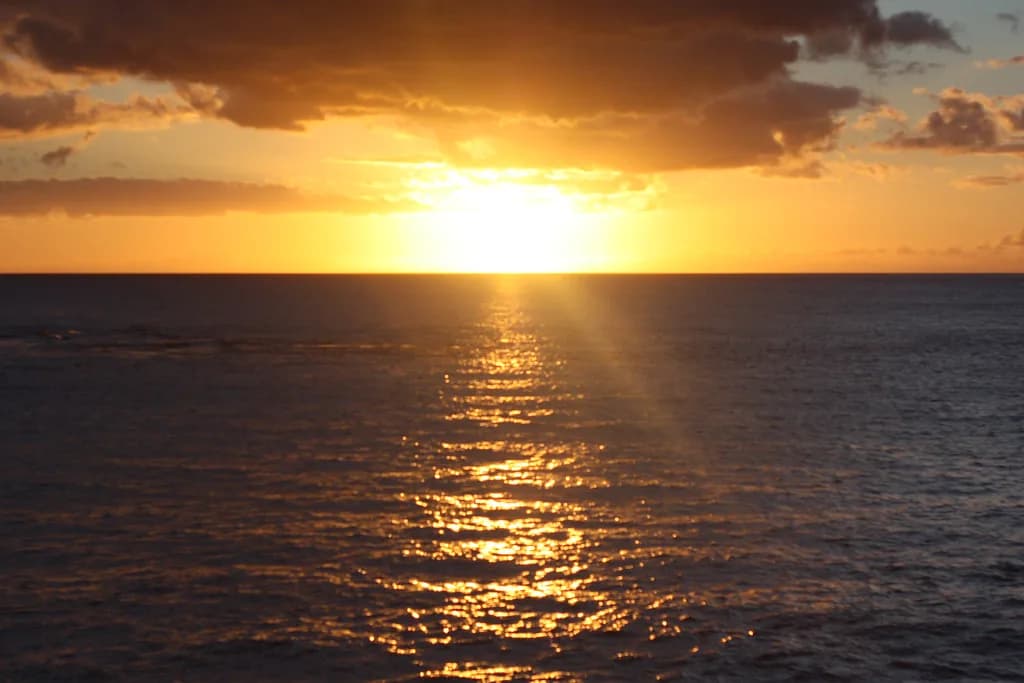
Mornings bring lighter wind, fewer people, and the best chance of calm surface conditions before the afternoon breeze builds. Late afternoon and sunset are the beach's showcase for light and temperature, and low tide is the best window to explore the shallows, so snorkel early and stay for the view.
Summer months tend to bring calmer leeward conditions, while winter swell makes the beach rough and the water unapproachable for snorkeling. Leeward beaches generally sit in the rain shadow of the Waianae range, which means more sun and less wind than the windward side, so a gloomy forecast elsewhere does not necessarily translate to Makaha.
Hazards
The main hazards are the surf break and its traffic, a steep drop-off once you leave the sand, and powerful shorebreak when swell arrives. The water can be rough and the beach dangerous in winter or with any significant swell, which is why the surf line doubles as the practical limit for snorkelers.
Sun is the other real constraint. The beach is fully exposed with essentially no natural shade, and the leeward sun is intense through the middle of the day, so an umbrella, a hat, and reef-safe sunscreen belong in the bag. Choose a non-aerosol formula for a windy beach, and reapply between swims rather than once at the car.
Parking and Facilities
Makaha is a beach park on Farrington Highway with roadside parking rather than a formal lot, and shade is limited, so arrive with your own cover and expect to carry gear a short distance. Bring water, snacks, and sun protection rather than counting on shade or concessions at the beach.
Further north up the coast, Keawaula Beach is the nearest reliable restroom stop on a leeward drive, which makes it a sensible first or last stop rather than a mid-swim detour. Leave valuables at home or locked out of sight, given the long, exposed roadside setting.
Rules and Etiquette
Give the surf lineup room. The break is a working spot for local surfers and bodyboarders, and snorkelers should stay well inside it rather than paddling through the takeoff zone. Enter and exit at a clear stretch of sand away from riders, and keep your head up when crossing the shallows.
Wildlife distance rules apply on Oahu regardless of the beach: never touch, feed, or pursue dolphins, turtles, or other marine life, and give them space to move away. Reef-safe sunscreen is the expected standard, and spray application on a windy beach affects everyone downwind of you.
Nearby Spots to Combine
When Makaha is too rough, Pokai Beach Park is the protected leeward fallback, and the Ko Olina lagoons further down the coast stay consistently calm and family-friendly year-round. That ladder, rough Makaha to protected Pokai to reliably calm lagoons, is the most useful planning tool for a leeward day.
If you want a genuinely protected reef experience on the south shore, Hanauma Bay Nature Preserve is the island's benchmark, but it requires planning well ahead. Start with hanauma bay reservations before you commit a day to it, and leave Makaha for a separate west-side outing. If you are comparing islands instead, snorkeling in Maui covers its own shore spots and Molokini boat trips.
Plan Your West-Side Snorkel Day
Makaha works best as an early, calm-day stop with short snorkel sessions close to the sand and the surf break respected as a hard boundary. Build the day around morning water, bring your own shade and sun protection, and keep Pokai and Ko Olina in reserve for when the swell picks up.
For the wider island plan, use the Oahu guide to slot Makaha alongside south-shore and windward options rather than treating any single beach as the whole trip.
Frequently Asked Questions
Is Makaha Beach good for snorkeling?
It can be, when the leeward water is calm. The snorkelable zone is the nearshore band inside the surf break, so sessions are short and close to the sand. On swell days the beach shifts entirely to a surf spot and snorkeling is best skipped in favor of a protected leeward beach.
Is Makaha Beach safe for beginner snorkelers?
Beginners should target a flat, calm morning and stay well inside the surf break. The beach has a working surf lineup and shorebreak that builds with swell, so anyone unsure in open water is better served by a protected bay or a lagoon on the same day.
What is the best time of year to snorkel at Makaha Beach?
Summer months tend to bring the calmer leeward conditions that make snorkeling feasible. Winter swell makes the beach rough and the water dangerous, so plan west-side snorkel days for settled weather and keep a calm fallback lined up.
Are there facilities at Makaha Beach Park?
The beach is a park along Farrington Highway with limited shade, so bring your own cover, water, and snacks. On leeward drives, Keawaula Beach up the coast is the nearest reliable restroom stop, making it a sensible first or last stop of the day.
What other leeward Oahu beaches are calmer for snorkeling?
Pokai Beach Park is the protected fallback when Makaha is rough, and the Ko Olina lagoons further south stay consistently calm and family-friendly. Both let you salvage a west-side day when the swell shuts down the Makaha shoreline.
How far is Makaha Beach from Waikiki?
From Waikiki the drive runs roughly seventy minutes without traffic, and closer to forty minutes from Ko Olina. Afternoon traffic on Farrington Highway can extend that, so an early start buys calmer water and a shorter ride.
Sources
Snorkeling notes for your next trip
Optional updates to our snorkeling guides.
You might also like
Continue reading
More guides you'll find useful