Night Snorkeling on Oahu: A Guided Reef Swim After Dark
Night snorkeling on Oahu swaps sunshine for UV lights and nocturnal reef life. See how a guided Kuilima Cove trip runs, who it suits and what you spot.
On this page
Night snorkeling on Oahu is a different animal from the bright-water snorkel you picture when you book a Hawaii trip. You enter a protected North Shore cove after sunset, switch on a UV light, and watch the reef reveal fluorescent corals and animals that spend the day hidden. The format suits first-timers, kids old enough to handle a mask in the dark, and anyone who has already done the daytime beach snorkels and wants one evening that feels genuinely new.
Why swim the reef after dark
Daytime snorkeling rewards you with color, wide visibility and an easy read on where the reef sits. A night swim trades that clarity for intimacy: your light becomes the window, and the beam picks out one fish, one coral head, one moving shape at a time. The trade-off is real, so set expectations before booking a spot. You will not see the reef spread out below you the way you do at noon, and the reward is behavior and fluorescence rather than panoramas.
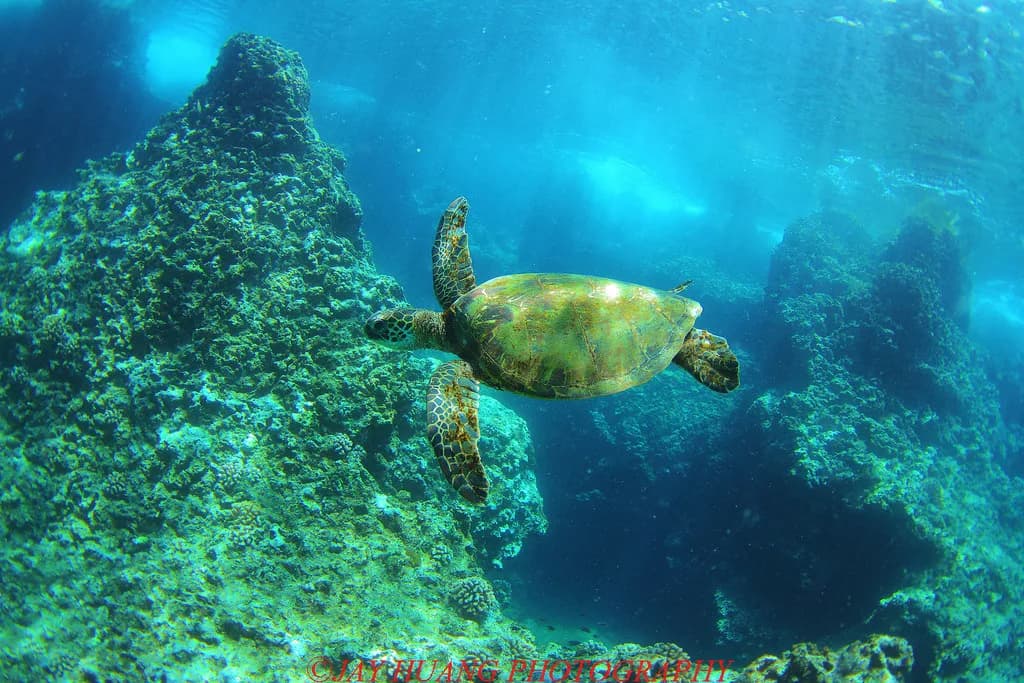
Nocturnal reef life is the draw. Fish that wedge into coral by day drift out to feed after dark, octopus become active hunters instead of hidden blobs, and resting sea turtles may be visible on the bottom. Guides lead the way and point out what is in the beam, which matters when you cannot read the whole reef at a glance.
Where guided night snorkeling happens
Guided night snorkeling on Oahu runs at Kuilima Cove on the North Shore, the protected bay at Turtle Bay. Hawaii Night Divers describes the setting as one of the island's top North Shore destinations, with sheltered water and abundant marine life. That protection is what makes a night entry realistic for people with no dive experience.
The resort side of the same bay lists its oceanfront activities separately, so treat the cove and the hotel as two different bookings. You are there for the water, not the amenities, and the trip is run by a dedicated snorkel operator rather than the resort. Check the resort activity page if you are staying on the property and want to stack daytime plans around the evening swim.
How the evening runs
The night is structured as a 90-minute experience that starts at dusk. You meet the guides at Kuilima Cove, complete waivers, and hear a briefing on the evening's plan as the sun drops over the North Shore. From there you get fitted with gear and move to the waterside platforms and observation tanks for a short lesson on nocturnal reef species before you get wet.
Entry is from shore into the cove, not from a boat. You swim under UV lights with the group, watch marine life return to its nighttime routines, and finish with a hot shower and warm towels waiting on land. Small groups keep the beam count manageable and let the guides spot creatures as they move.
Getting in and how deep you snorkel
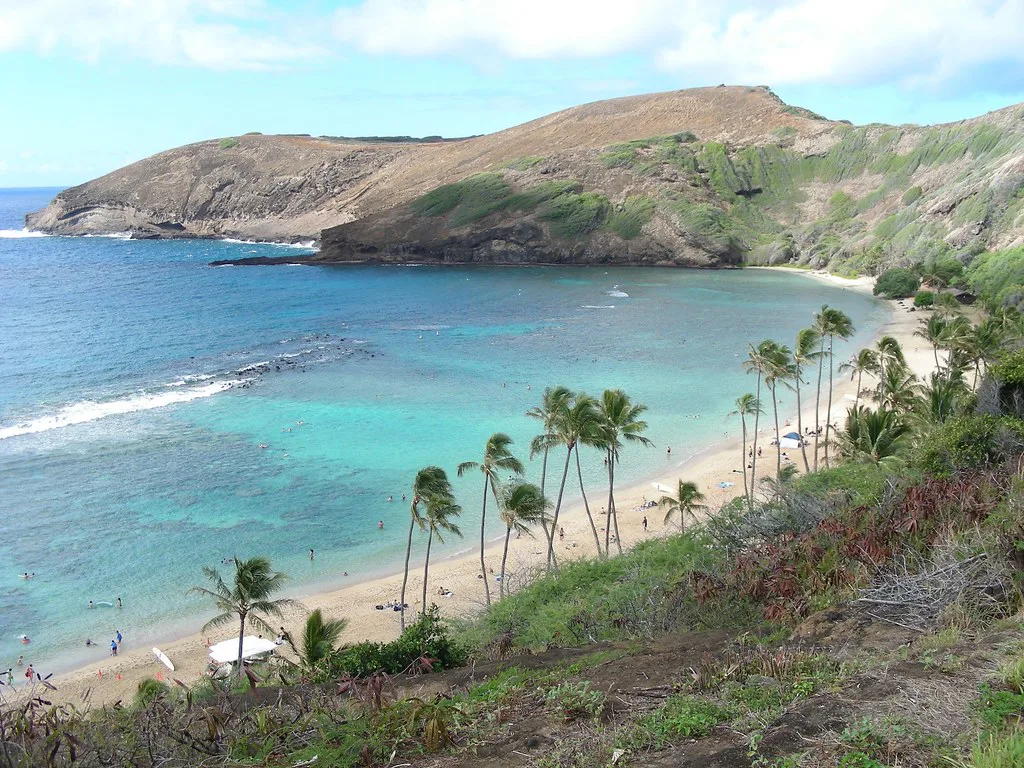
Kuilima Cove is a sand-and-rock bay with calm, protected water, which is why a night swim is feasible for people who have never snorkeled before. You walk in from the shoreline, float over the reef, and stay within the bounds your guide sets. Depth changes across the bay; you are snorkeling at the surface throughout, not diving.
Beginners should plan on staying close to the guide and the group. The guides are described as marine biologists and ocean educators who know the reef, so follow their line and their light signals rather than striking out alone. If you are a confident swimmer who wants open blue water and longer bottom time, this format will feel short and shallow, and a daytime boat or shore snorkel will serve you better.
What you will see
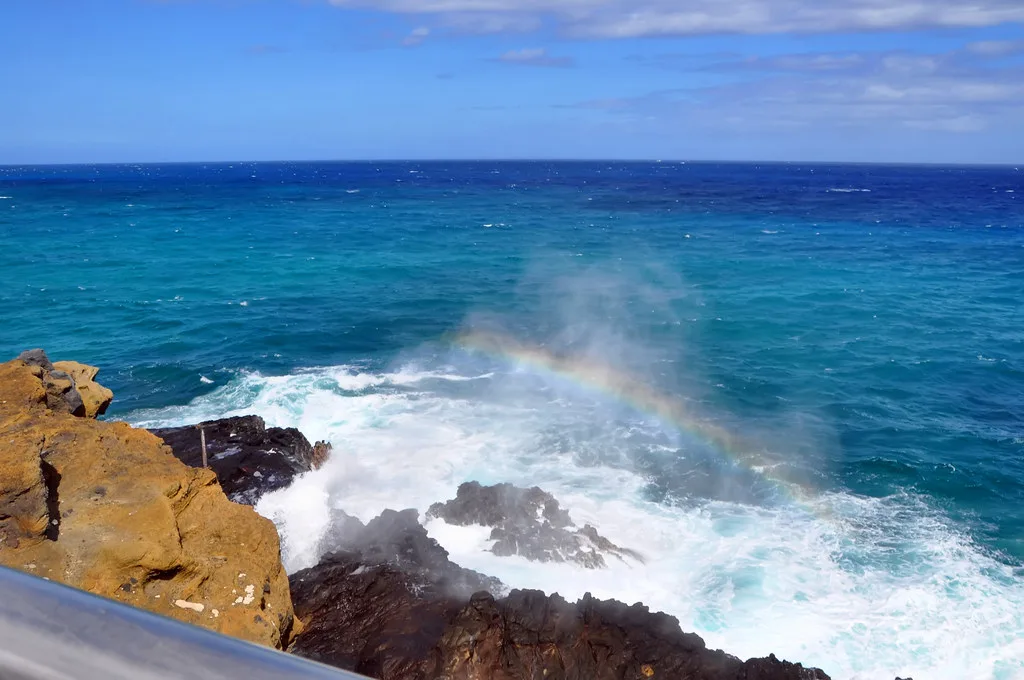
The headline sightings are octopus, reef fish and sea turtles, with Hawaii Night Divers' guest reports naming all three. Fluorescent corals lit by UV light are the other signature, and they look nothing like the daylight reef: glowing greens and pinks instead of muted browns. Nothing is guaranteed, and sightings shift with the night.
Wildlife viewing here stays observational. You watch from a respectful distance, never touch or chase a turtle or octopus, and let the guide position the group so the animal is not boxed in. Observation tanks on land give close-up looks at small creatures without handling them, which is a good option for children who want a clear view.
Gear: what is supplied and what to wear
All equipment is provided and sanitized, including warm wetsuit tops, a mask, snorkel and fins, and UV lights with filters. That means you do not need to buy a dive torch for one evening, and you do not need to pack a wetsuit. Wear a swimsuit under the provided top and bring a dry change of clothes for the ride home.
Who it suits
The trip is billed as no experience necessary and suited to small groups, which puts it in reach of first-time snorkelers and families with older children. If your group includes someone nervous about deep water, the protected cove and guided bounds are the reason to pick this over a boat trip. If your group wants long swims, blue water and big drop-offs, skip it.
Travelers chasing the famous manta ray night snorkel should know that experience belongs to the Big Island, not Oahu. Oahu's night product is a reef swim for nocturnal fish, octopus and fluorescent coral. Book it for what it is rather than expecting rays.
Best time of year and time of day
Trips run at dusk, and the 90-minute window means you are in the water as the light fades rather than deep into the night. Hawaii Night Divers publishes a time of day and an availability check but does not list seasonal windows, so check the schedule for your dates when you book rather than assuming a year-round nightly departure.
North Shore conditions are the other variable. Winter swells can stir the water and reduce visibility, while calmer summer months often give clearer water. Watch the marine forecast for the North Shore in the days before your trip and let Hawaii Night Divers make the call on whether the swim goes ahead.
Hazards and limits
Darkness is the main hazard, and it changes everything about footing and orientation. You cannot see the bottom on entry, so walk slowly, follow the guide's line, and keep your light pointed where it helps the group. Currents inside a protected cove are usually mild, but they can pick up, and the guide will set the swim direction accordingly.
Footing on the shoreline and the waterside platforms deserves attention when wet. Wear secure footwear for the walk to the water and expect some uneven rock. If you are prone to cold, the provided wetsuit top matters, and the hot shower at the end is a real comfort rather than a luxury.
Parking and logistics
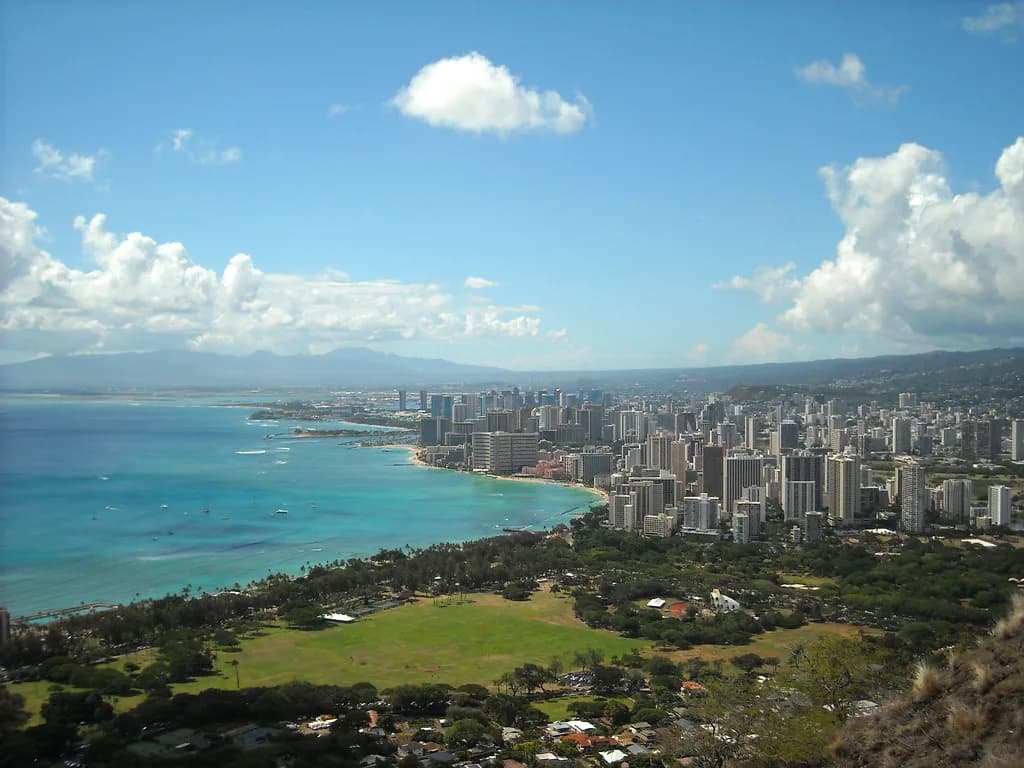
Parking at Kuilima Cove is free, and the drive from Honolulu takes about 45 minutes. Plan for the drive back to Waikiki or Honolulu after dark, when the North Shore road is quieter and darker than the daytime version. Hawaii Night Divers lists the parking and drive time directly.
Reserve ahead if your dates are fixed, since Hawaii Night Divers runs small groups and does not publish a walk-up guarantee. Confirm the meeting point and what to bring when you book. If you are staying in Honolulu, an evening trip means a late return, so build in a rest day or a light morning the next day.
Pair it with a daytime shore snorkel
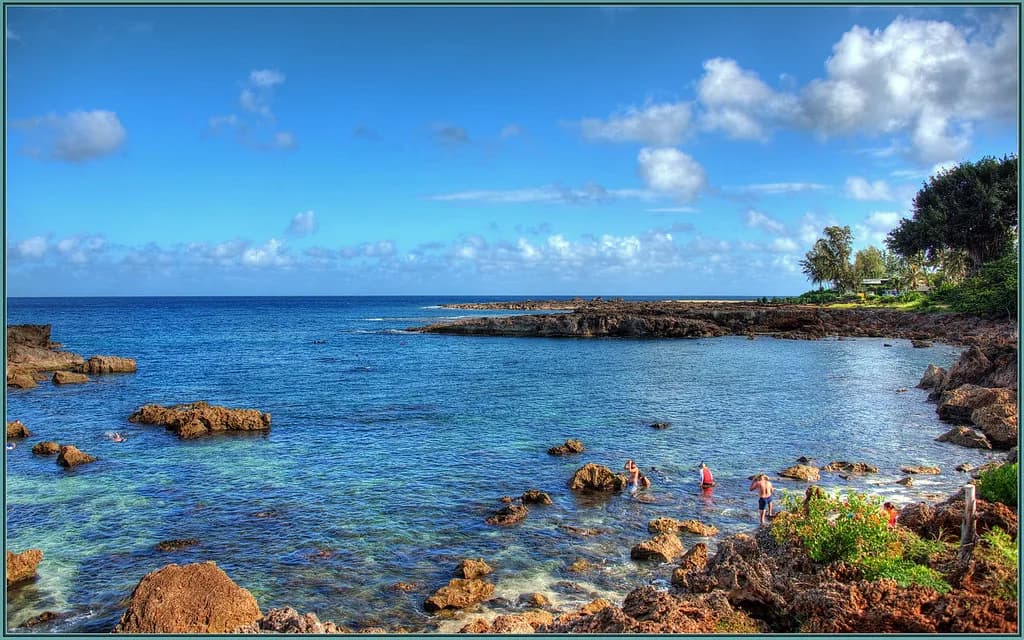
The North Shore has daytime shore snorkeling that pairs naturally with an evening at Kuilima Cove. Shark's Cove and Three Tables sit a short drive away and offer rocky entries and reef structure that suit stronger swimmers. Build a full day: morning shore snorkel, afternoon rest, then the night swim.
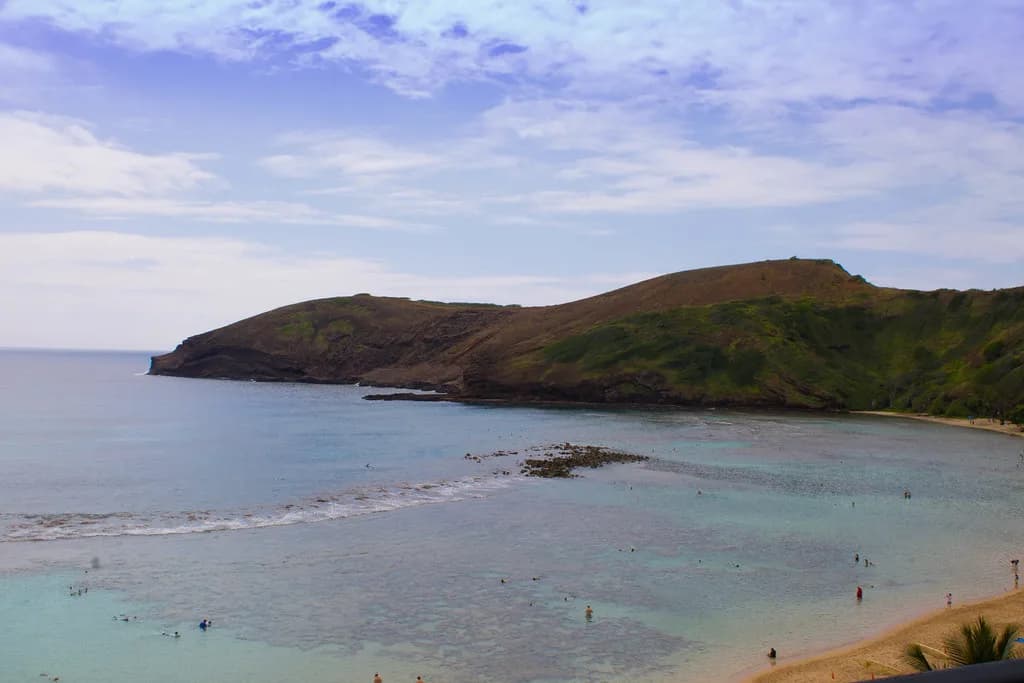
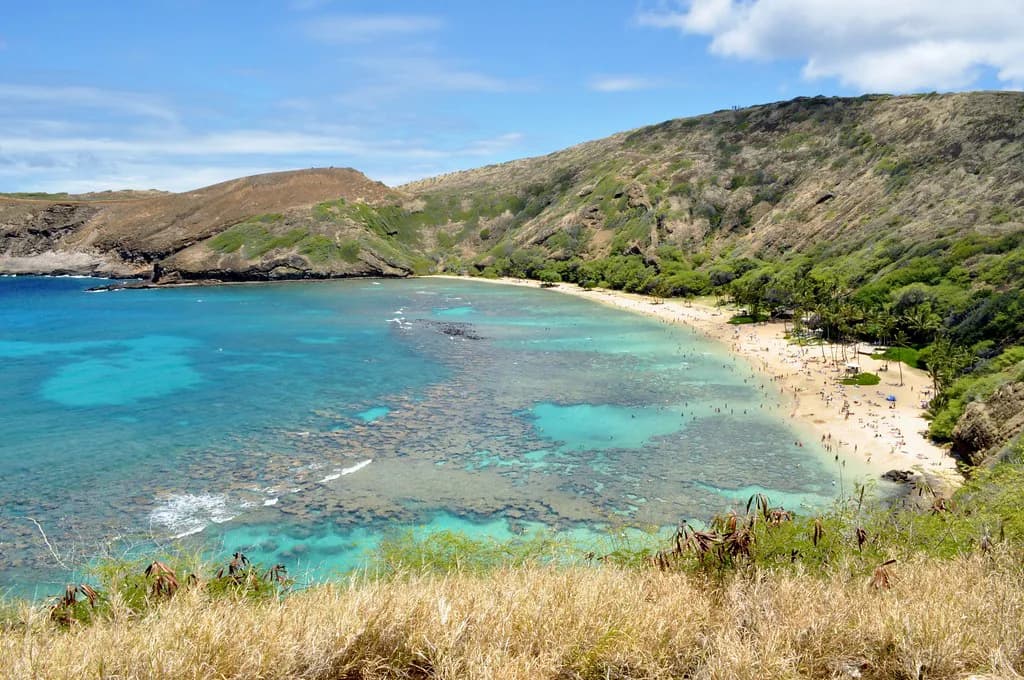
If your trip is anchored in Honolulu, Hanauma Bay Nature Preserve is the classic daytime counterpart, with a protected bay, a reserved-entry system and its own snorkeling guide. Reservations are handled by the Honolulu Department of Parks and Recreation, so plan the bay day and the North Shore night as two separate outings.
Is night snorkeling worth it
Yes for travelers who have done a daytime snorkel and want something the beach cannot give them: octopus, glowing coral and a guided small-group format with gear supplied. Yes for families who want a structured evening rather than a self-led beach swim. Less so for strong swimmers craving distance, or for anyone who wants the reef in daylight color.
If your trip is short and you have to choose, do a daytime snorkel first at a protected bay, then add the night swim if the schedule allows. If you are island-hopping, note that Maui runs its own after-dark trips, so compare formats before you commit your one night-snorkel evening.
Plan Your Evening Swim
Book the Kuilima Cove night trip as an evening plan rather than a full day, and leave the morning for a shore snorkel on the North Shore. Bring a swimsuit, a dry change of clothes and secure footwear for the shoreline. Check the meeting time and dates directly with Hawaii Night Divers before you drive up from Honolulu.
Frequently Asked Questions
Can you go snorkeling at night on Oahu?
Yes. Guided night snorkeling runs at Kuilima Cove on the North Shore, with an evening meet-and-greet, a briefing, gear fitting and a shore entry into the protected bay.
What do you see on a night snorkel at Kuilima Cove?
Octopus, reef fish and sea turtles are the commonly reported sightings, along with fluorescent corals under UV light. Guides point out animals as they move and keep the group at a respectful distance.
Is night snorkeling on Oahu good for beginners?
The trip is presented as no experience necessary, with gear supplied and a protected cove entry. Beginners should stay near the guide and follow the light signals rather than swimming off alone.
How long does a guided night snorkel on Oahu take?
The experience runs about 90 minutes from the dusk meet-and-greet to the hot shower at the end. The drive from Honolulu adds roughly 45 minutes each way.
Do you need your own gear for night snorkeling on Oahu?
No. Wetsuit tops, mask, snorkel, fins and UV lights with filters are supplied and sanitized. Bring a swimsuit to wear underneath and a dry change of clothes for afterward.
Where is Kuilima Cove?
Kuilima Cove sits on Oahu's North Shore at Turtle Bay, about 45 minutes by road from Honolulu. Parking at the cove is free, and the bay's protected water is what makes the night swim beginner-friendly.
Is night snorkeling on Oahu the same as manta ray snorkeling?
No. Manta ray night snorkeling is a Big Island activity. Oahu's night product is a guided reef swim focused on nocturnal fish, octopus and fluorescent coral.
What should you wear for a night snorkel on Oahu?
A swimsuit under the provided wetsuit top, plus secure footwear for the shoreline walk. Bring a towel and a dry layer for the ride back, even though hot showers and warm towels are provided.
Sources
Snorkeling notes for your next trip
Optional updates to our snorkeling guides.
You might also like
Continue reading
More guides you'll find useful