Night Snorkeling on Maui: What to Expect and How to Book
Night snorkeling on Maui swaps daytime reef color for hunting octopus, slipper lobster and bioluminescence. Here is what guided shore tours run and who they suit.
On this page
Night snorkeling on Maui trades the bright daytime reef for a hunt: slipper lobster edging out from under ledges, octopus camouflaging on open coral, and squid and ulua moving through the beam of a dive light. It suits swimmers who are already comfortable floating in deep water and want a smaller, quieter version of the reef, not a first-ever snorkel lesson.
The practical catch is that everything hard about night snorkeling happens before you get wet: choosing a shore entry that is calm after dark, carrying enough light, and staying warm for an hour in the water. On Maui that work is mostly bundled into guided beach tours, which is why most visitors book rather than wade in alone.
Why Maui After Dark Is a Different Reef
Daytime snorkeling on Maui is about visibility and coral color; night snorkeling is about behavior. Marine life that hides during daylight comes out to feed and mate, so the same stretch of reef reads completely differently once the sun drops.
That shift is the reason to go, and also the reason to lower your expectations about variety. You are not touring a menu of fish; you are watching a handful of nocturnal animals go about their night, and a good guide reads the reef slowly rather than racing between landmarks.
Guided Shore Night Snorkels Versus Going It Alone
Shoreline Snorkel runs guided beach night snorkels on Maui, with departures listed daily at 8:00pm and a per-person rate of $179. The company describes them as the only guided beach night snorkels on the island, equips guests with high-power LED dive lights and 3mm wetsuits, and keeps groups small, often just your own party.
Going it alone is possible in principle, but you supply the lights, the exposure protection and the site judgment. A shore entry that looks flat at noon can carry surge after dark, and there is no guide to call the swim off, so the DIY route rewards strong local knowledge and a buddy who has done it before.
If your group mixes confident and nervous swimmers, the guided format usually works better. A guide sets the pace, keeps the beam on the animals, and can shorten the swim, whereas a self-organized night entry tends to push everyone to the same distance offshore.
Where Night Snorkels Run
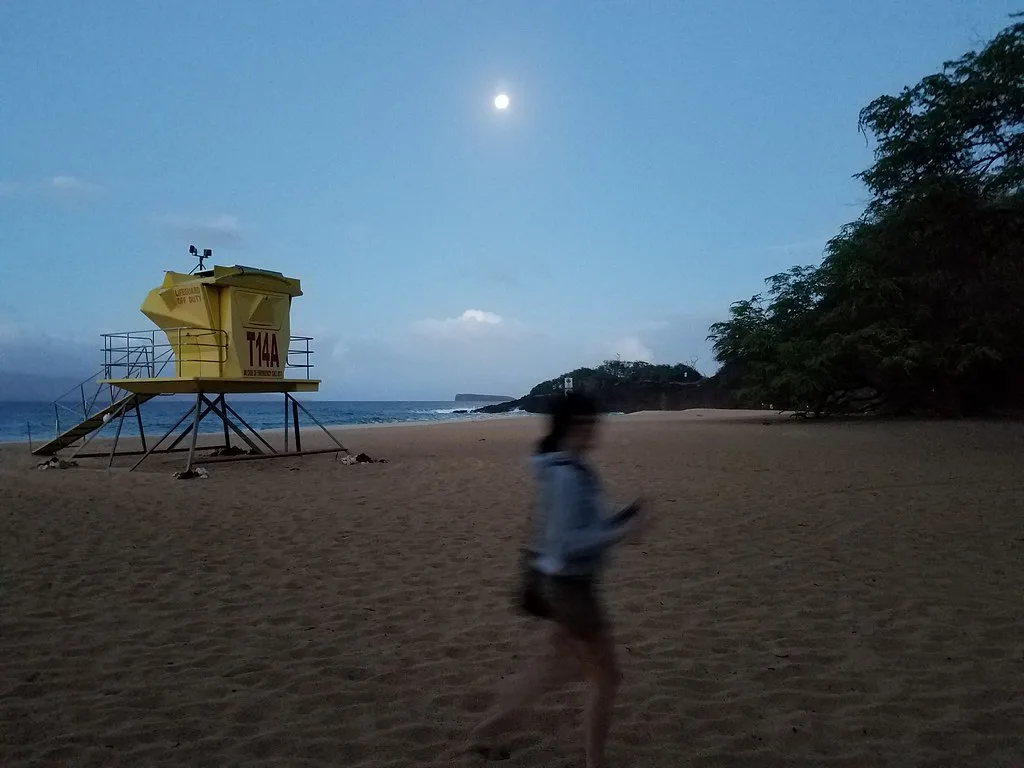
Shoreline Snorkel does not post a fixed beach; it texts guests the meeting location, choosing the site on the day according to surf and weather so the group gets the calmest water available. Plan around a message rather than a specific park, and keep your evening flexible enough to drive to a west or south Maui shore entry.
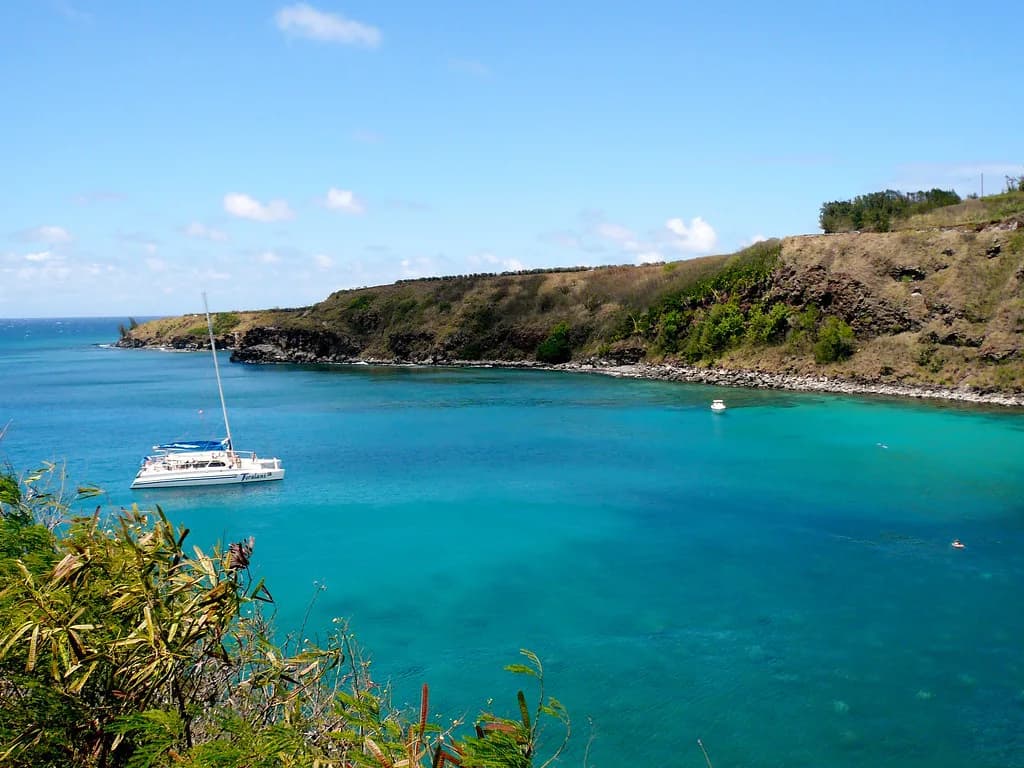
Mala Wharf, on the West Maui coast, is a known night snorkeling site where the submerged structure draws life in close to shore. It is the kind of place where you cover a small area thoroughly rather than swimming long distances, which suits a night dive light and a slow pace.
The Kihei and Wailea stretch of south Maui is where many visitors staying in condos will want to snorkel, and the question of an easy night entry there comes up repeatedly. The honest answer is that easy entry matters more than location after dark: sand beats rock, and a short swim beats a long one.
What You Will See
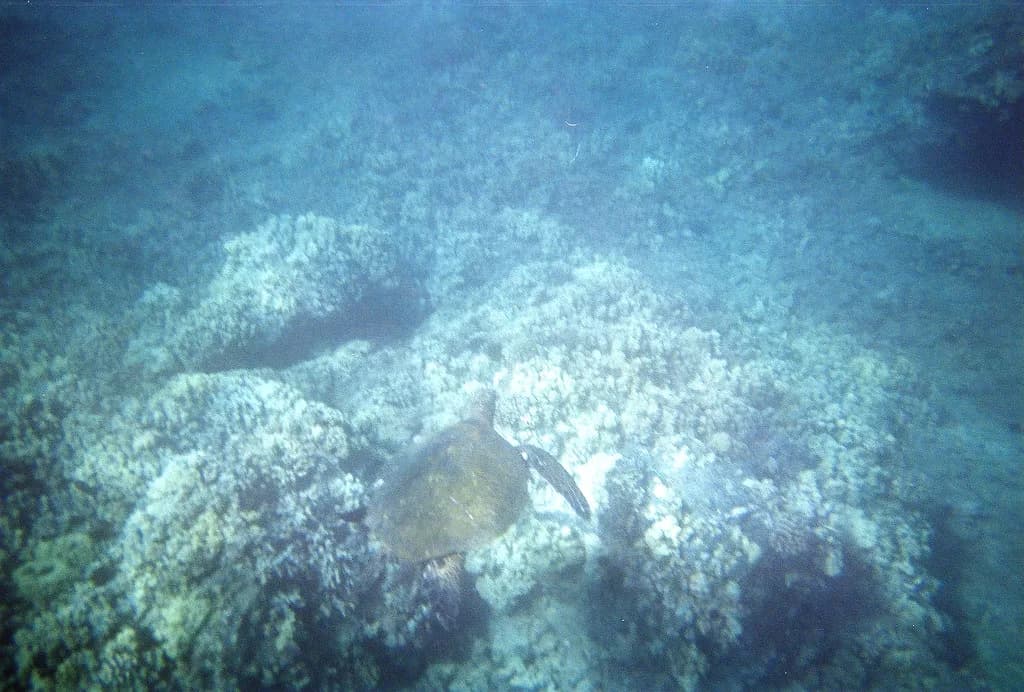
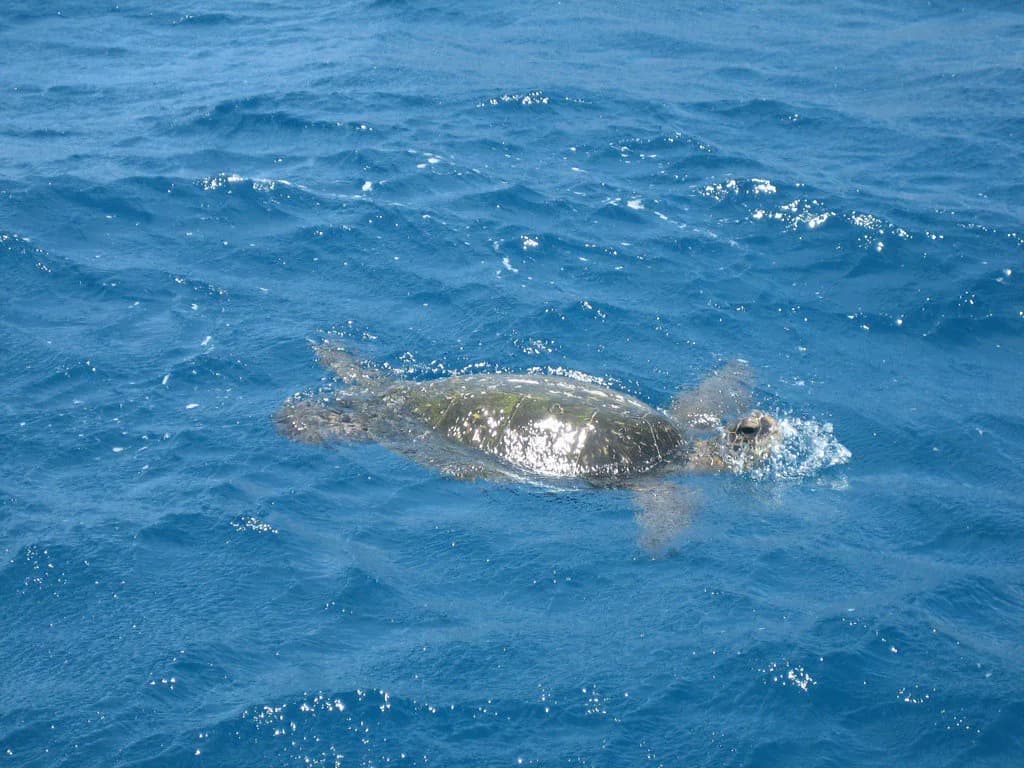
The reliable stars of a Maui night snorkel are slipper lobster, octopus and squid, with ulua and other fish moving through the light. Shoreline Snorkel also describes green sea turtles gliding through the water at night, which is a different experience from the daytime turtle sites most visitors already know.
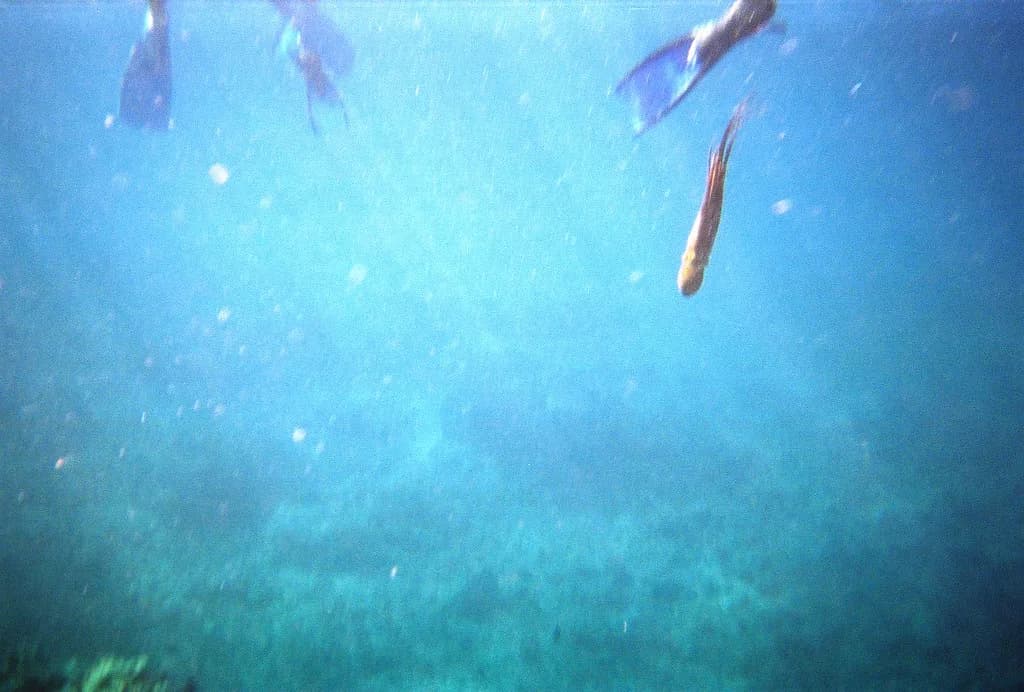
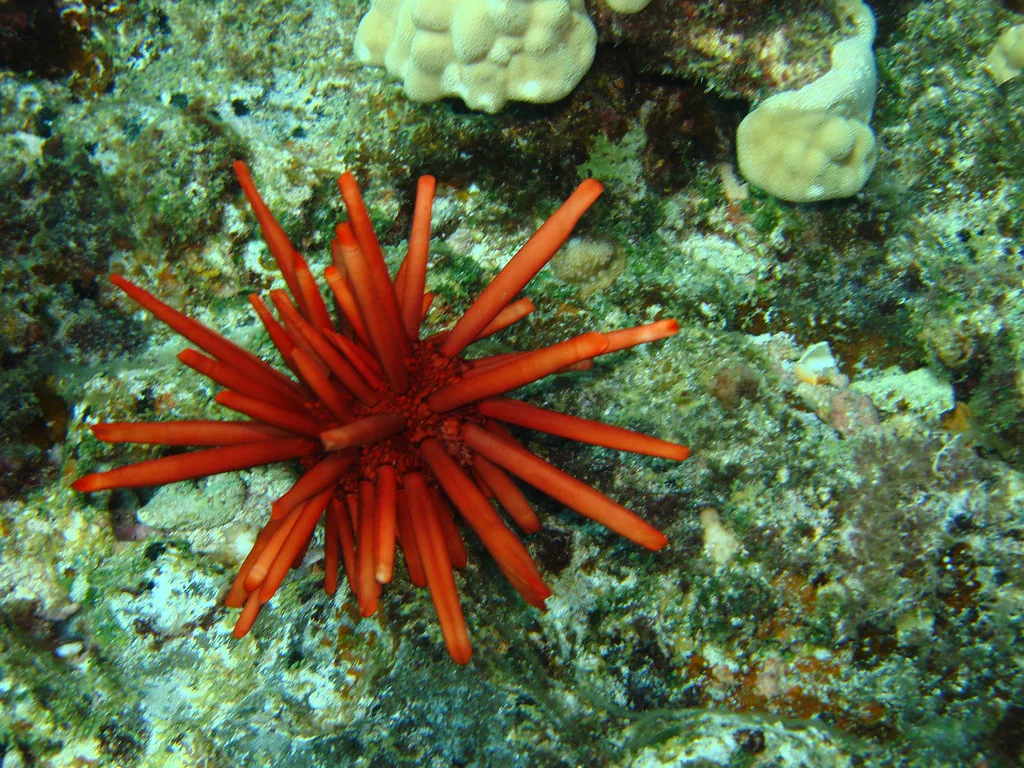
Octopus are the highlight for many guests: they camouflage on top of the reef or crawl across sand, and a guide who knows where they den can find several in one swim. Lobster sit under ledges and in crevices, so the light is used to peek into structure rather than sweep open water.
Manta rays are not a realistic expectation on these shore tours. Shoreline Snorkel describes sightings as very rare and does not feed animals to attract them, so book a night snorkel for the reef, not for a manta encounter.
Bioluminescence and How to See It
Bioluminescence is the payoff of turning the lights off. Shoreline Snorkel describes the effect as blue or green flashes when you switch off the dive lights and move your hands or swim, produced by living organisms in the water.
Treat it as a technique rather than a guaranteed spectacle. It shows best in darkness away from shore lights and when the water is full of the organisms that produce it, so your guide decides when a lights-off minute is worth trying. Keep hold of your light and stay with the group while it is off.
Depth and Layout
These are shore entries, so you swim out from the beach rather than dropping off a boat. Expect to spend the session over a shallow reef and sand patchwork where the bottom stays within easy reach of the surface, which is why an hour with a dive light covers a small area well.
Because the site changes with conditions, the swim distance and depth vary from night to night. Ask the guide at the meeting point how far offshore you will go and whether there is a point where you can stand, especially if anyone in your group is uneasy in deep water.
Skill Level and Who It Suits
Shoreline Snorkel accepts children age 5 and older as long as they are comfortable in the water, and the small-group format means weaker swimmers get more attention. That said, comfort in the water matters more than age: a child who panics in the dark is not ready, whatever the minimum.
Adults who snorkel regularly and can clear a mask, kick steadily and float without touching bottom will get the most from it. If you have never snorkeled, do a daytime session first so the mask, breathing and finning are automatic before you add darkness.
Gear That Matters After Dark
Light and warmth are the two pieces of kit that decide whether the night goes well. Shoreline Snorkel supplies 400-lumen LED dive lights and 3mm wetsuits in a range of sizes, including children's sizes, so guests do not need to buy either for one evening.
Shoreline Snorkel lists Maui ocean temperatures at 77 to 82 degrees Fahrenheit, its stated range, and uses the wetsuits to keep guests warm through a night swim. If you chill easily, that extra layer is the difference between an hour of looking and twenty minutes of shivering.
Bring a swimsuit, a towel and contact lenses if you normally wear glasses, since masks do not fit over them. A backup light is cheap insurance if you plan any independent night entry.
Best Time of Night and Conditions
Shoreline Snorkel lists an 8:00pm departure every day of the week. That timing puts you in the water after full dark in most of the year, which is what you want for bioluminescence and for animals that only emerge once the reef goes quiet.
Swell and surf drive the site choice, so a calm south shore night may follow a windy west side afternoon. Build a flexible evening into your itinerary rather than pinning the tour to your last night, when a change of plan is hardest to absorb.
Hazards to Plan Around
The real hazards at night are ordinary ones made harder by darkness: surf at the entry, current along the shore, low visibility and boat traffic where the wharf structure sits. Your light marks you for your group and for anyone on the water, so keep it on and visible when you surface.
Follow the guide's briefing on where to swim and where to stop, and stay close in the water rather than spreading out. Shoreline Snorkel states plainly that the ocean is a wild environment and that no animal sightings can be guaranteed, which is a fair frame for planning the evening.
Parking and Meeting Logistics
Book online, by phone or by email, and expect a text with the location before the tour. Shoreline Snorkel asks guests to text rather than call where possible, on 808-214-4743, and to bring a bathing suit, towel and contact lenses.
Because the beach is assigned the same day, parking arrangements follow the site rather than the booking. Ask which lot the group is using when the location text arrives, and leave extra time for finding a space after dark.
Rules and Wildlife Distance
Night snorkeling on Maui runs under the same wildlife rules as the daytime reef: no touching, no feeding and no chasing, and the animals stay wild. A guide's restraint is a feature, not a limitation, and it is why the reef stays worth visiting.
Combining It With a Daytime Snorkel Day
Night and day snorkeling work well as a pair on the same trip because they show different halves of the reef. A morning at a calm, shallow bay builds confidence and shows you coral and reef fish in color, then the evening tour shows you the nocturnal animals in the beam of a light. Travelers island-hopping can compare the format directly with night snorkeling Oahu, where the same after-dark reef rules apply.
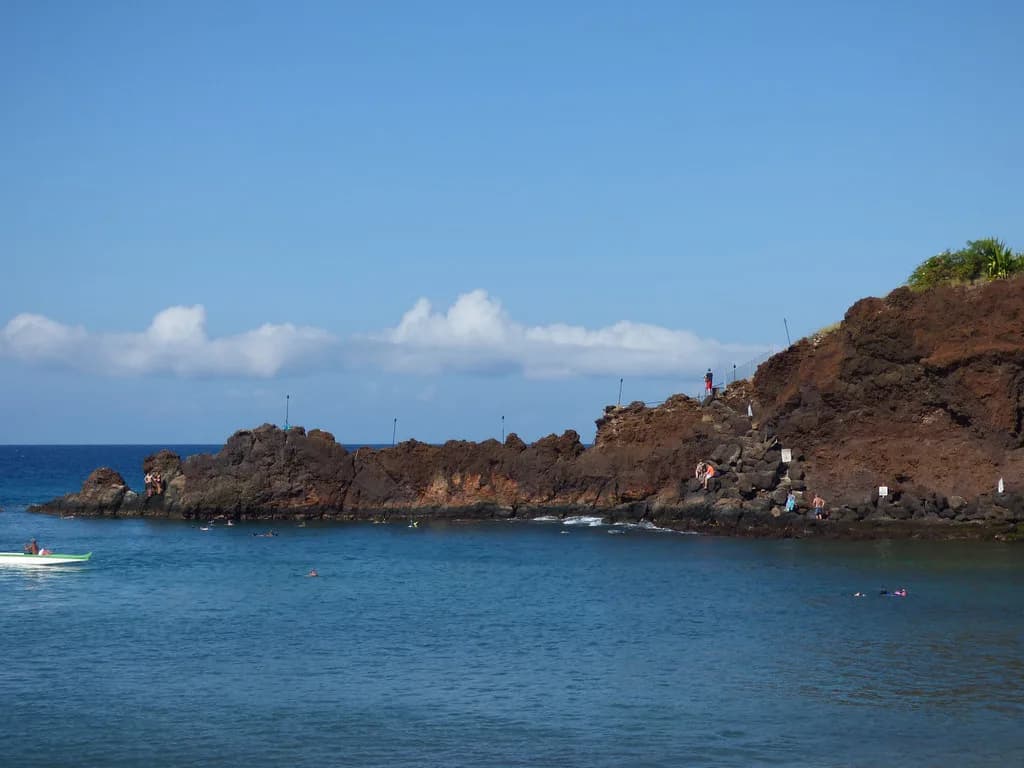
On the west side, a daytime session at Black Rock pairs naturally with an evening departure nearby. On the south side, planning a morning at a Kihei beach park keeps the driving short if you are staying in that area.
A boat trip to Molokini Crater is the other obvious daytime counterpart, best kept on a separate morning so the night snorkel is not stacked onto a long day on the water.
What a Guided Night Snorkel Costs
Shoreline Snorkel lists $179 per person for its guided night snorkel, which covers the guide, the high-power LED dive light and a 3mm wetsuit. Groups are kept small, most often a single party, so the price buys attention rather than a seat on a crowded boat.
Weigh that against what you would spend assembling a DIY night kit of dive lights and wetsuits for one evening, plus the risk of choosing a beach that is surgy after dark. For a couple or a family, the guided tour often costs less than buying the gear and carries far less guesswork.
Plan Your Night Snorkel
Book a night that leaves room to move, expect a location text rather than a fixed beach, and pack a swimsuit, a towel and a warm layer for after. Anyone age 5 or older who is comfortable in the water can join a shore night snorkel, and regular snorkelers will get the most out of the darkness.
Call or text Shoreline Snorkel if the weather looks marginal and you want to know whether the tour is running before you drive to the coast.
Frequently Asked Questions
Can you snorkel at night in Hawaii?
Yes. On Maui, guided shore night snorkels put you over shallow reef after dark with dive lights and wetsuits, with an 8:00pm departure. You swim out from a beach rather than from a boat, so the session stays close to shore.
What can you see on a night snorkel in Maui?
The animals most often described are slipper lobster under ledges, octopus hunting across the reef and sand, squid, ulua and green sea turtles. Turning the lights off can reveal bioluminescence as blue or green flashes. No sighting is guaranteed.
Can you swim with manta rays at night on Maui?
Not reliably on a shore tour. Manta sightings are described as very rare, and animals are not fed to draw them in, so plan a night snorkel around reef life rather than a manta encounter.
What age can kids start night snorkeling?
The guided shore tour takes children age 5 and older as long as they are comfortable in the water, and wetsuits come in children's sizes. Comfort in the water matters more than age, so a child who is uneasy in the dark should wait.
Do you need a wetsuit for night snorkeling on Maui?
The night tour supplies 3mm wetsuits, and Maui water is listed at 77 to 82 degrees Fahrenheit as its stated range. If you chill easily, the extra layer lets you stay in longer and look at more reef.
Is night snorkeling on Maui worth it?
It is worth it if you want to see nocturnal animals behaving rather than daytime coral color, and if you are already comfortable snorkeling. The guided format solves the hard parts, site choice, lighting and warmth, but it costs money and wildlife remains unpredictable.
Sources
Snorkeling notes for your next trip
Optional updates to our snorkeling guides.
You might also like
Continue reading
More guides you'll find useful