Black Rock Maui Snorkeling: Entry, Reef and Currents
Snorkel Black Rock at the north end of Ka'anapali Beach: sand entry, reef layout, turtles, point currents and where to park near Whaler's Village.
On this page
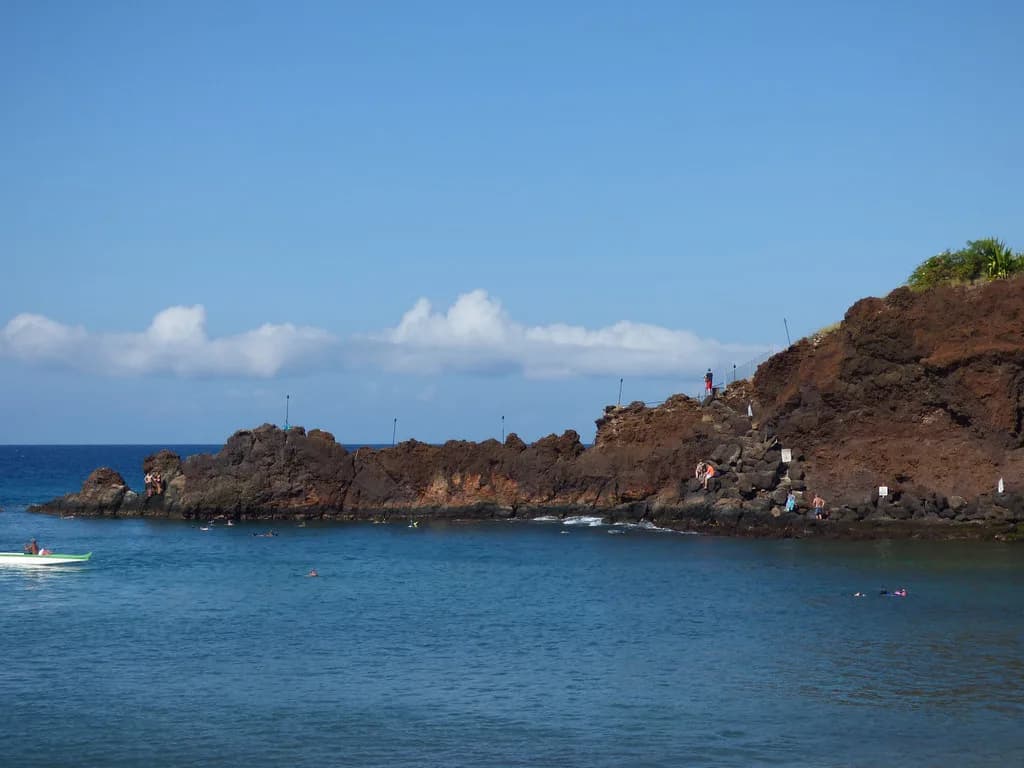
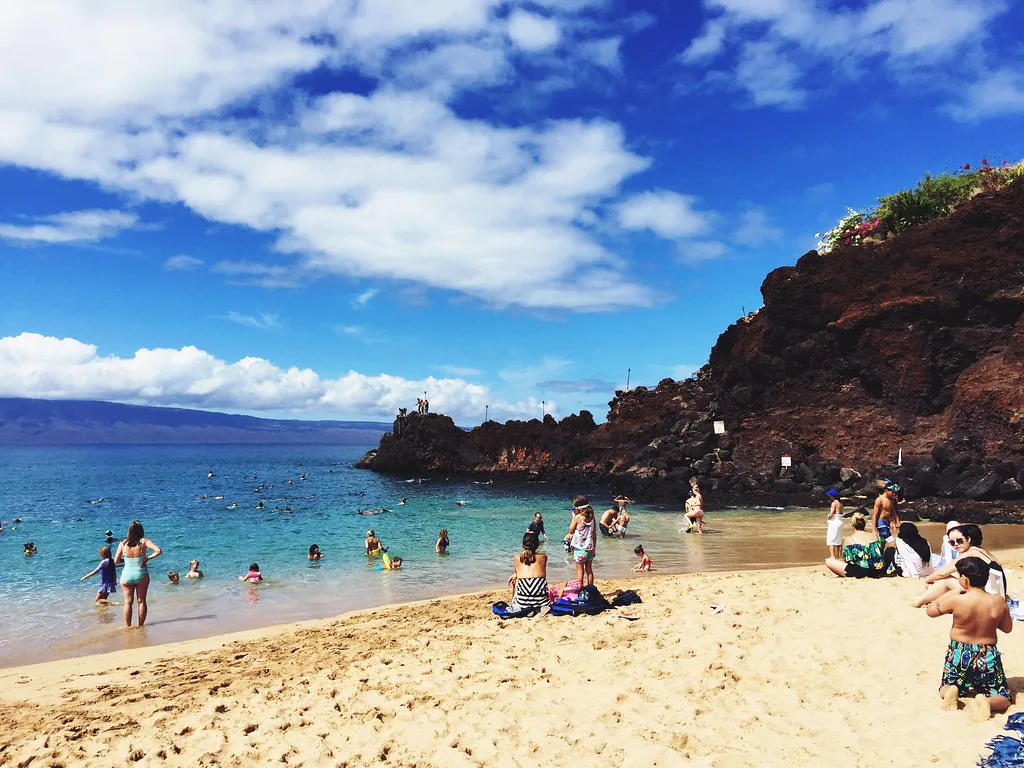
Black Rock, the dark cinder headland at the north end of Ka'anapali Beach, gives you something rare on West Maui: a reef you can walk into from the sand. The rocky peninsula calms the water inside it and holds fish close to shore, which makes this one of the easiest places on the island to introduce kids or first-timers to snorkeling.
It also sits at the busy end of a three-mile white-sand beach, so the same spot that suits a nervous beginner rewards a confident swimmer with a longer route around the point. Where you turn around matters more here than at most Maui beaches.
Why Black Rock Is Worth the Swim
The appeal is convenience plus structure. You enter off sand, the peninsula blocks the worst of the open-ocean chop on the inside, and colorful reef fish show up within a short swim, which is exactly what makes this stretch of beach a first snorkel for many visitors. Families staying along the Ka'anapali hotel strip can walk to the water rather than plan a boat day.
It suits beginners, kids who swim confidently, and anyone who wants a shore session measured in minutes rather than hours. It does not suit a swimmer looking for a long wall dive or a remote wilderness reef; this is a popular beach, and you will share the water, especially later in the morning.
Where Black Rock Sits on Ka'anapali Beach
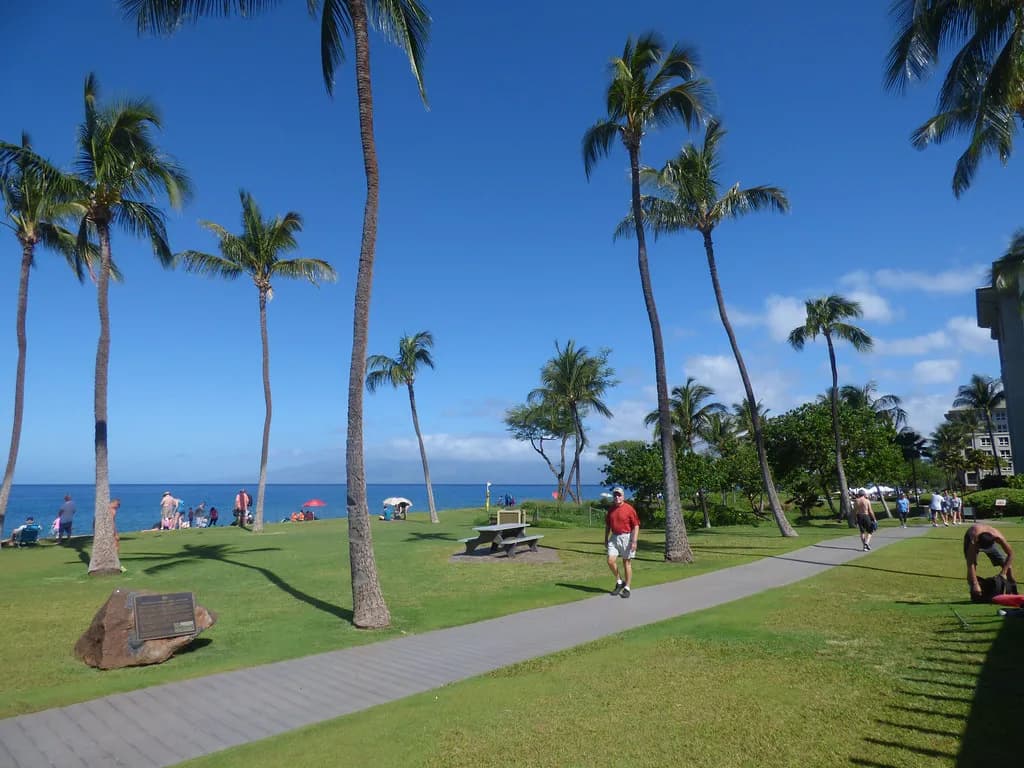
The headland marks the northern end of a beach strip that runs south toward the Westin and Whaler's Village. The Sheraton Maui sits on the rock itself, and the beach walk connects the resorts along the sand, so you can approach on foot from anywhere on the strip.
That geography decides your plan. Snorkelers staying mid-beach walk north along the sand to reach the rock; drivers aim for the parking near Whaler's Village and walk from there. Either way, the landmark is unmistakable: a black rock bluff where the white sand ends.
Getting In: Sand Entry and the Rocky Peninsula
Entry is from the beach. You wade in over sand on the sheltered side of the peninsula, put your mask on in waist-deep water, and swim out from there, with no ladder, stair or boat ride required. That sand entry is the main reason Black Rock works for less experienced snorkelers.
The rock itself forms a natural break. The calm inside water is created by the rocky peninsula, so the lee side is where you want to start and where beginners should stay. Crossing to the exposed side changes the swim considerably.
Depth and Reef Layout Around the Point
Treat the peninsula as the center of a short loop. Close to the sand the bottom is shallow enough to stand or float comfortably; as you round toward the tip, the rock drops away and the water deepens, with fish concentrated along the structure rather than over open sand. Beginners can work the shallows and never lose sight of the beach.
The far side of the point is a different swim, more exposed and deeper, and it demands a comfort level with open water. Plan your route before you get wet: inside the peninsula for a relaxed session, around the tip only if the water is calm and you have a buddy.
What You Will See
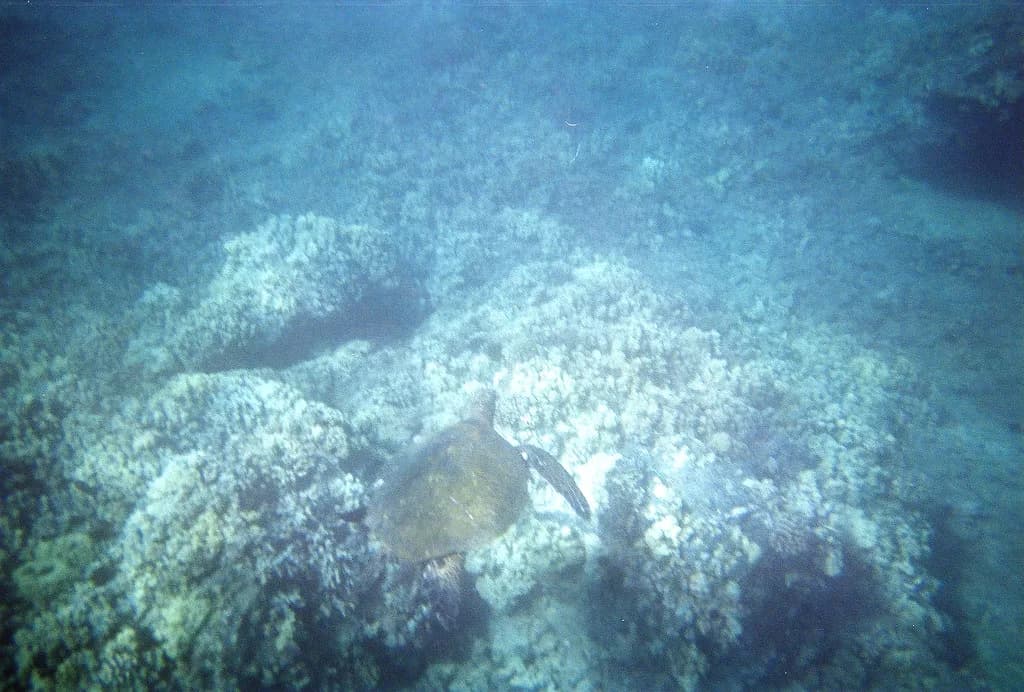
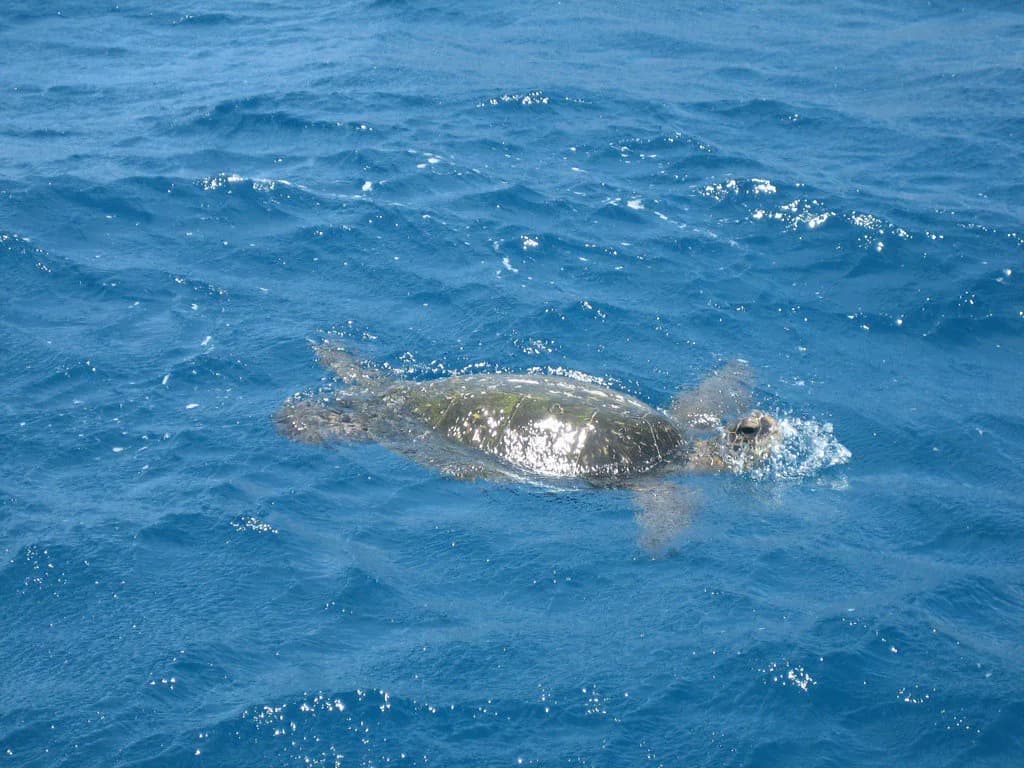
Expect the usual West Maui reef community, with colorful reef fish close to the rock and coral growth on the structure around the peninsula. Sea turtles are a real possibility along this shoreline, and Honolua Bay, Olowalu and Mala Ramp rank as the most turtle-heavy spots on the coast, but no sighting is guaranteed on any given morning.
Spinner dolphins cruise the water just offshore of Ka'anapali Beach, and tour boats often spot them while running along the coast. Federal rules prohibit swimming with them, so watch from a distance and let them pass rather than steering toward a pod.
Skill Level: Sheltered Side Versus the Point
The calm inside of the rock is beginner terrain. Kids who swim and first-timers can practice float, mask and breathing there with the beach close behind them, and the sheltered water the peninsula creates keeps the surface manageable in typical conditions.
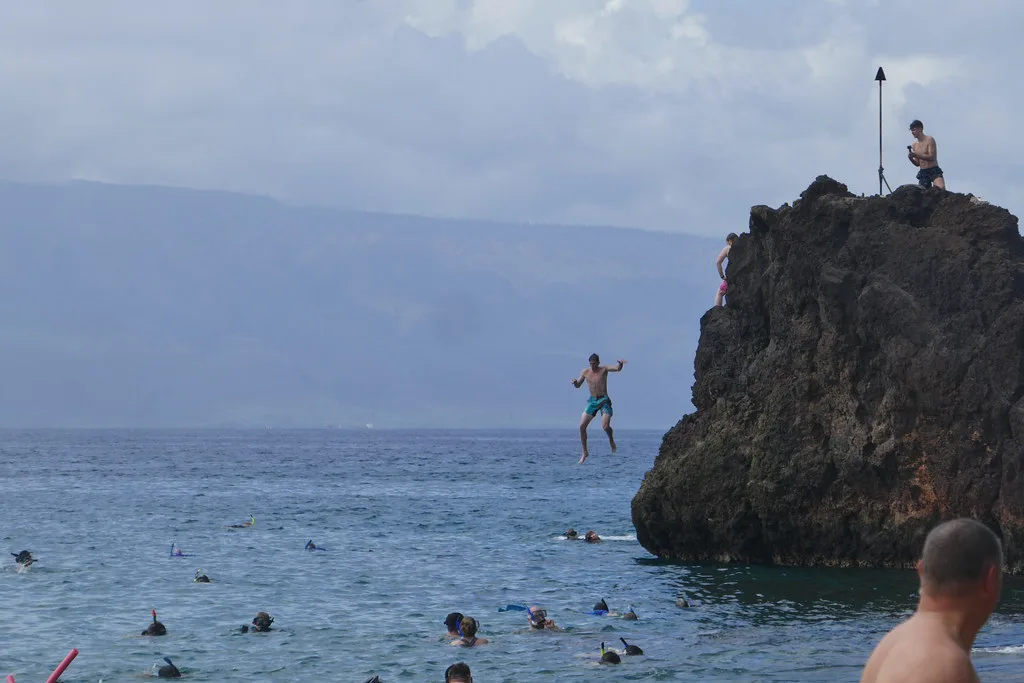
The tip is the opposite. Currents around the point are strong, and that stretch is no place for a weak swimmer or a child, even when the inside looks flat. Decide as a group which side you are doing before anyone enters the water, and keep the weaker swimmers on the sheltered side.
Best Time of Day and Winter Swell on Northwest Maui
Mornings are the practical choice. The wind is usually lighter, the water clearer, and the beach quieter before the resort crowd arrives, which matters at a spot this popular. An early start also leaves you the option of a second snorkel elsewhere on the coast before the afternoon breeze builds.
Winter changes the equation on this side of the island. Northwest Maui can get large swells in the winter months, bringing high surf, stronger currents and poorer visibility to exposed bays, and boat captains move to alternate sites when conditions turn. On a big northwest swell day, treat Black Rock as a short inside-the-peninsula swim or pick a calmer part of the coast.
Hazards: Currents, Surf and Boat Traffic
The current at the point is the hazard that catches people out, because the water inside the rock can look inviting while the flow around the tip runs hard. Stay off the exposed side when the surf is up or the surface is choppy, and turn back early if you find yourself working against the water instead of drifting with it.
Boat traffic adds a second risk. Snorkel tour catamarans and power rafts work this coast, and the beach in front of Whaler's Village is the loading zone for tours departing from Ka'anapali, so keep your head up when you are outside the sheltered pocket and stay close to the rock rather than drifting into the boat lanes.
Parking at Whaler's Village and the Small Beach Lots
The Whaler's Village garage is the simplest option and the one most snorkelers use, since the shopping center sits mid-beach with plenty of stalls a short walk from the sand. If you are driving up from Napili or Kapalua, build in time for the walk and aim to arrive early.
The public alternative is the row of small lots along the beach road. Each holds roughly fifteen to twenty cars, and they fill fast, so they reward the earliest arrivals and punish a late start.
Rules and Wildlife Etiquette
Hawaiian spinner dolphins offshore of Ka'anapali are protected, and federal rules bar swimming with them, so admire them from the beach or a boat and never chase a pod. For sea turtles, give them room to surface and breathe, and do not touch or ride them; a turtle that swims away has been pushed too hard.
Reef-safe sunscreen and a no-touch approach to coral keep the rock's fish life intact for the next snorkeler. Check posted signs at the beach for current advisories and any restrictions before you gear up; Hawaii's ocean safety agencies publish the day's surf and wind outlook.
Combining Black Rock With Other West Maui Spots
Kapalua Bay, a twenty-minute drive north, is the natural second stop: a sheltered neighborhood bay with calm water, a sand entry and its own reputation for turtles, which makes a good pairing with Black Rock's rock-and-point terrain. If you are weighing this coast against another island entirely, the Oahu snorkeling guide covers the same decision for its own shore entries and seasons. Do one in the morning and the other after lunch if the wind cooperates.
Honolua Bay, further up the coast, offers the best reef on this side of the island and rewards a boat trip rather than a shore swim, with turtles and coral near the moorings. Strong swimmers who want a bigger day can look at Honolua alongside the shore session at Black Rock.
Boat and Kayak Options That Include Black Rock
Tour boats do not moor at Black Rock, so a boat trip is not a substitute for the shore snorkel; it is a different day on the water. Ka'anapali tours load from the beach in front of Whaler's Village, with catamarans offering a staircase down to the sand and power rafts ferrying guests out, and the captains pick snorkel sites along the coast based on the day's conditions.
Kayak and snorkel eco-tours run from the Ka'anapali area and pair time on the water with snorkeling beneath the cliffs around Black Rock. Pricing and departure details change by season, so compare current listings before booking.
Plan Your Snorkel Day at Black Rock
Build your day around an early arrival, a sand entry on the sheltered side, and a clear decision about whether anyone in your group is strong enough for the point. Keep the beginners inside the rock, watch the current at the tip, and leave the boat lanes to the catamarans.
Pair Black Rock with Kapalua Bay for a gentler second session, or save Honolua for a boat day when the northwest swell backs off. For the wider island picture, start with the Maui snorkeling guide and match each spot to the day's surf and wind.
Frequently Asked Questions
Is Black Rock in Maui good for snorkeling?
Yes, for a shore session. The rocky peninsula at the north end of Ka'anapali Beach creates sheltered water and a sand entry, with reef fish close to the rock and turtles possible along this stretch of coast. It is a popular beach rather than a remote reef, so it rewards an early start.
How do you get into the water at Black Rock?
You wade in from the sand on the sheltered side of the peninsula and swim out — there is no ladder, pier or boat required. Beginners should stay on the inside of the rock, where the peninsula blocks the open-ocean chop.
Why is snorkeling around the point at Black Rock considered dangerous?
Currents around the tip are strong, and the water deepens as the rock drops away, so the exposed side is a different swim from the calm inside pocket. Stay off the point when the surf is up or the surface is choppy, and only round it with a buddy if the water is flat.
Can you snorkel Black Rock without a tour?
Yes. Black Rock is a shore-entry site, and the calm inside water is created by the rocky peninsula itself. Tour boats do not moor there, so a boat trip is a separate day on the water rather than a way to snorkel the rock.
Where do you park for snorkeling at Black Rock?
The Whaler's Village garage is the roomiest option, and it sits mid-beach a short walk from the sand. The public lots along the beach road are small, holding roughly fifteen to twenty cars each, and fill quickly, so an early arrival helps.
What time of day is best for snorkeling at Black Rock?
Go early. Wind and crowds both build through the morning, and an early start gives you clearer water and a quieter beach. It also leaves room for a second session at Kapalua Bay before the afternoon breeze picks up.
What will I see snorkeling at Black Rock?
Expect reef fish and coral on the structure around the peninsula, with sea turtles a real possibility along the Ka'anapali shoreline. Hawaiian spinner dolphins cruise offshore, but federal rules prohibit swimming with them, so watch from a distance.
How does winter swell affect snorkeling at Black Rock?
Northwest Maui can get large swells in winter, bringing high surf, stronger currents and poorer visibility to exposed stretches. On those days, keep to the sheltered inside of the rock or choose a calmer part of the coast, and let boat captains move to alternate sites.
Sources
Snorkeling notes for your next trip
Optional updates to our snorkeling guides.
You might also like
Continue reading
More guides you'll find useful