Napili Bay Snorkeling: Maui Guide to Entry, Turtles & Timing
Napili Bay snorkeling suits families and newer snorkelers, with a sandy entry, turtles in the bay, and fair visibility when the surf is mellow.
On this page
Napili Bay is the rare West Maui cove where the entry is sand rather than rock, which makes it a sensible first ocean swim for kids and newer snorkelers. The bay sits in a low-rise condo neighborhood, framed by a crescent of beach that looks far grander than the lodging behind it.
The trade-off is that Napili is a fair-weather snorkel. When the surf is mellow the bay can go glassy, but a big swell muddies the water and pushes waves that turn the cove into a spectator beach. Plan around the swell rather than the calendar.
What Napili Bay Offers Snorkelers
Napili is a compact sandy cove in a mid-range resort area that feels more like an old beach town than the high-rise corridors to the south. Multiple low-rise condos line the shore, and the atmosphere draws families and travelers who want a quieter base.
For snorkelers, that layout pays off in the entry: you walk in over sand, so there is no scramble across lava rock or a ladder drop. The swimming and snorkeling, sunbathing and general lounging all happen from the same beach.
Set expectations on the reef itself. Napili is not a coral-garden dive; the appeal is the easy entry, the turtles that frequent the bay, and the convenience of a full beach day with food and shops a short walk away.
Where the Bay Is
Napili Bay runs along Lower Honoapiilani Drive, reached via Napilihau Road near the 29-mile marker of Highway 30 on West Maui's coast. If you are routing by phone, the bay's coordinates are 20.995219, -156.66652.
The bay sits between the Kaanapali resort strip to the south and Kapalua to the north, which makes it an easy stop on a West Maui beach day. A shopping center with a supermarket sits between the highway and the resort, so you can stock up before you park.
Getting In
Entry is sandy, with a moderately steep sand bottom that drops away from the beach before the reef begins further out. That profile suits waders and newer snorkelers, who can stand in the shallows and ease out as they get comfortable.
Because the reef sits outside the sandy swim zone, you cover some open sand before you reach structure. Treat that stretch as a warm-up: mask on, fins if you use them, and a steady swim out rather than a sprint.
What You Will See
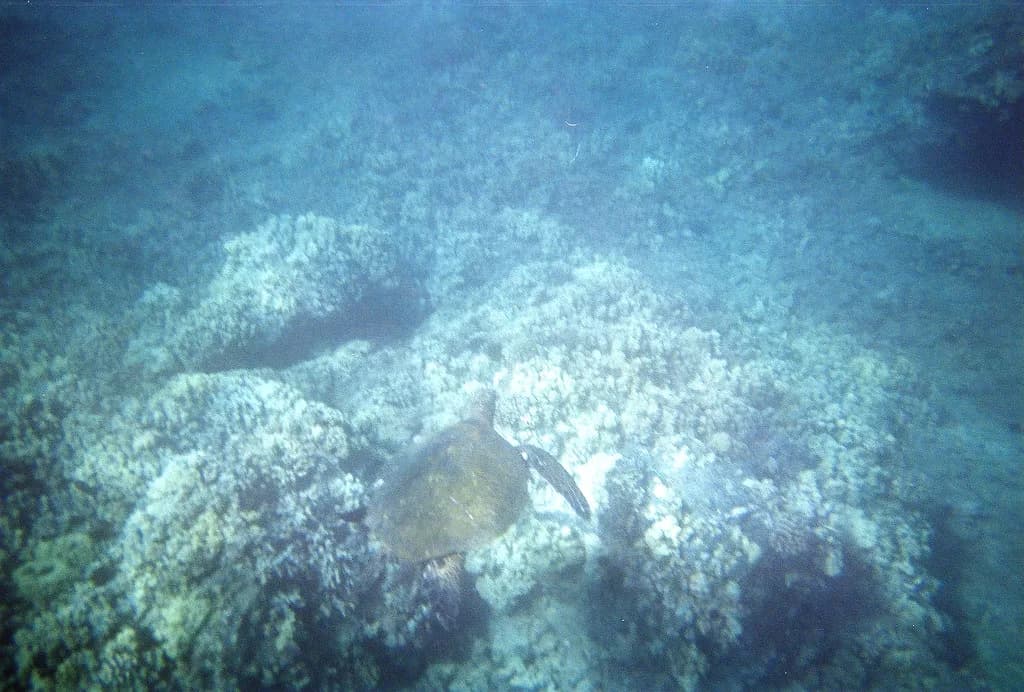
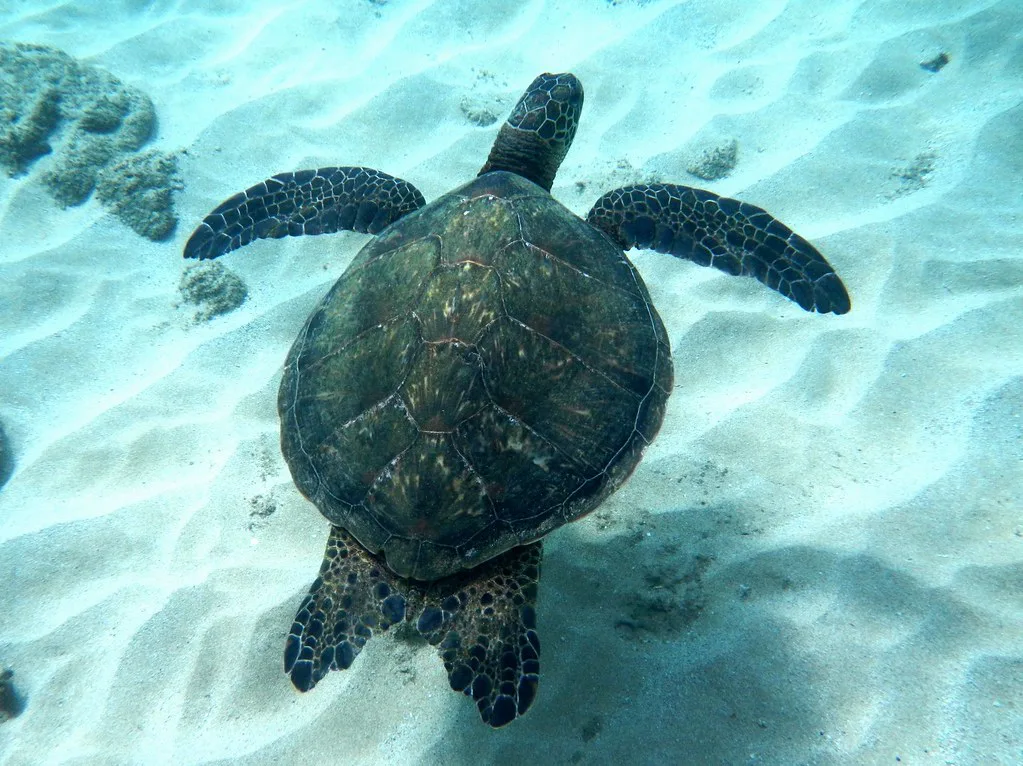
Sea turtles frequent the bay, and they are the main draw for snorkelers working the sand and reef edge. Watch from a respectful distance and let the animal set the encounter; touching, feeding or chasing turtles is not acceptable behavior in Hawaii waters.
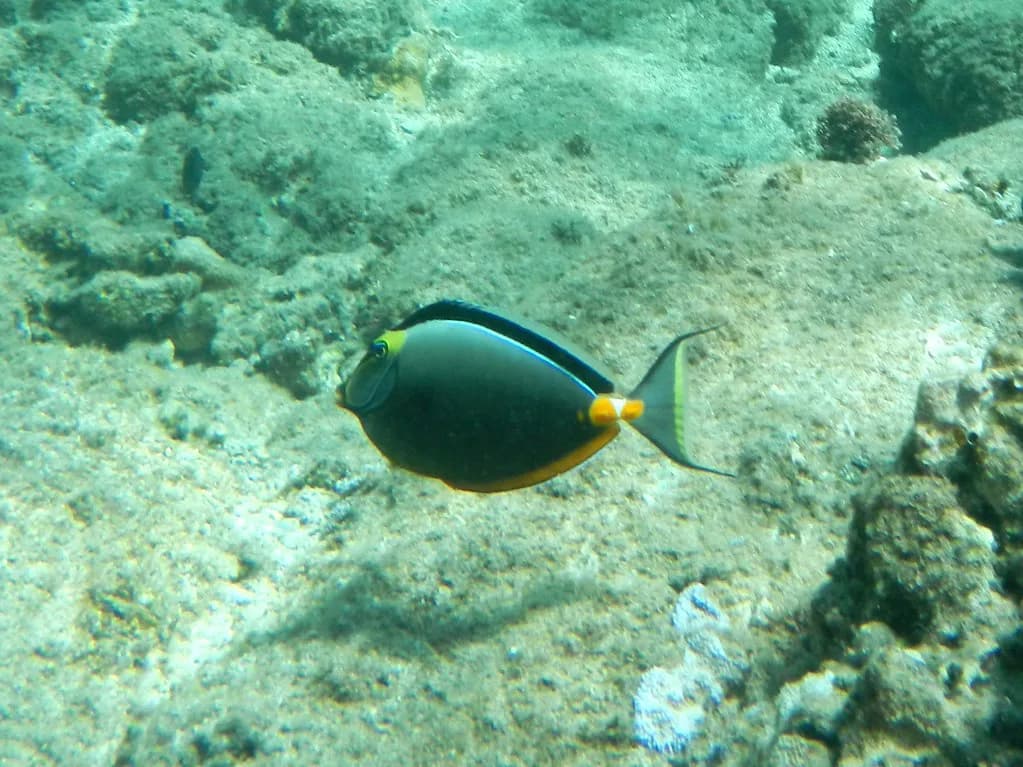
The reef itself is modest, and snorkelers who expect dense coral and clouds of fish may come away underwhelmed. Fish life is present but not prolific, so treat Napili as an easy family swim with a chance of turtles rather than a destination reef.
How Conditions Shape the Swim
The water here is frequently glassy, which is exactly when Napili snorkeling works. When big swells arrive, waves in the cove can become quite large and visibility drops, so the same beach that is inviting at dawn can be unswimmable by afternoon.
Rip currents in the bay pull directly out to sea. On high-surf days, less experienced swimmers should stay out of the water; this is a beach to read before you commit, not one to wade into because the sand looks calm.
Because the cove faces the open west-side swell window, winter and spring groundswells are the usual spoilers. Check the Maui snorkeling conditions before you drive over, and keep a backup beach in mind for blown-out days.
Skill Level and Who It Suits
Napili is a beginner and family beach on calm days: sandy entry, shallow sand at the start, and a short swim to the reef. Kids who are comfortable in the water can wade and snorkel the inside edge with an adult alongside. For another island's take on the same easy-entry family decision, compare this with snorkeling in Oahu.
On swell days the calculus changes. Strong swimmers with fins can handle chop, but the rip current and shorebreak combination is a poor match for new snorkelers, so shift the plan rather than pushing the swim.
There are no lifeguards at Napili Bay, so the calm-day recommendation carries weight: swim with a buddy, stay inside the cove, and save the outer reef for settled water.
Best Time to Go
Early morning is the best window: West Maui winds are lightest before the trade winds build, the water is most likely to be glassy, and parking is easiest before the beach fills. Aim to be in the water by mid-morning rather than midday.
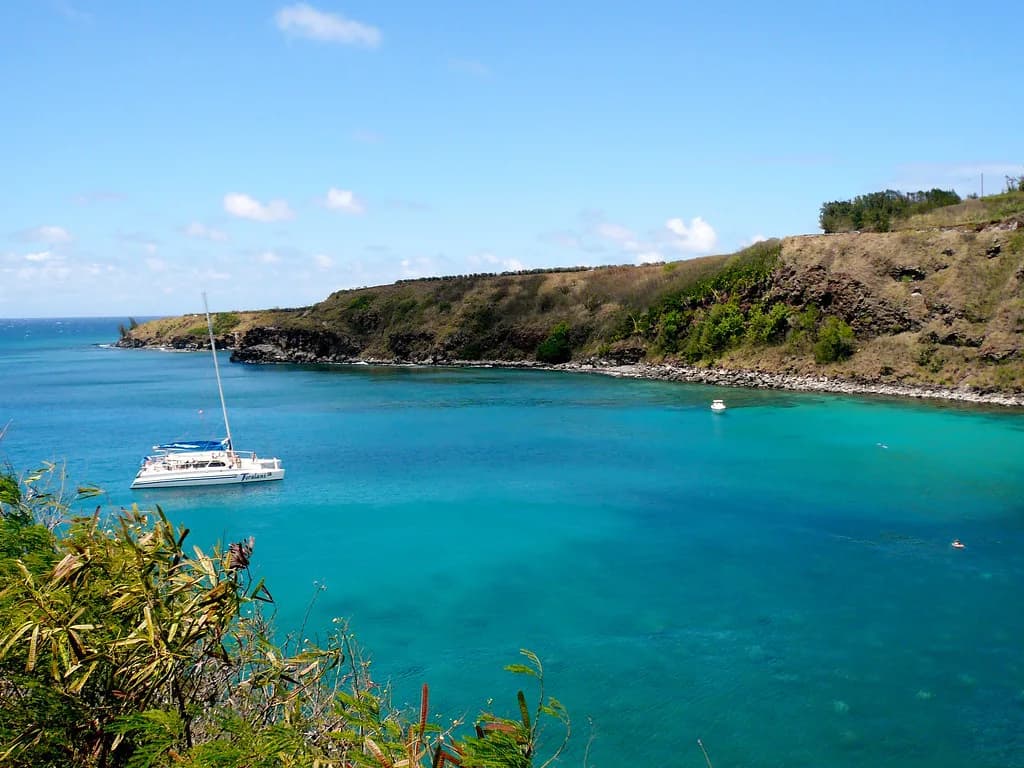
Season matters more than clock time. A summer morning with small surf is the reliable bet; a winter day with a northwest swell running is a beach-walk day, and you should look at a sheltered alternative such as Honolua Bay snorkeling on the north side when Napili is blown out.
Parking and Facilities
Parking is the known weak point at Napili. The neighborhood is residential and condo-lined, and finding a space near the beach can be difficult, so arrive early and expect to walk a few minutes if the closest spots are taken.
Facilities are spread through the resort rather than concentrated at a beach park. There are public showers, restrooms in various resort buildings, restaurants, and a general store, which means you can shower off, eat, and resupply without moving the car.
Plan the half-day around that convenience: snorkel in the morning, rinse at the showers, then walk to breakfast or lunch in the resort. A supermarket between the highway and the resort covers picnic supplies and drinks.
Honokeana Cove Next Door
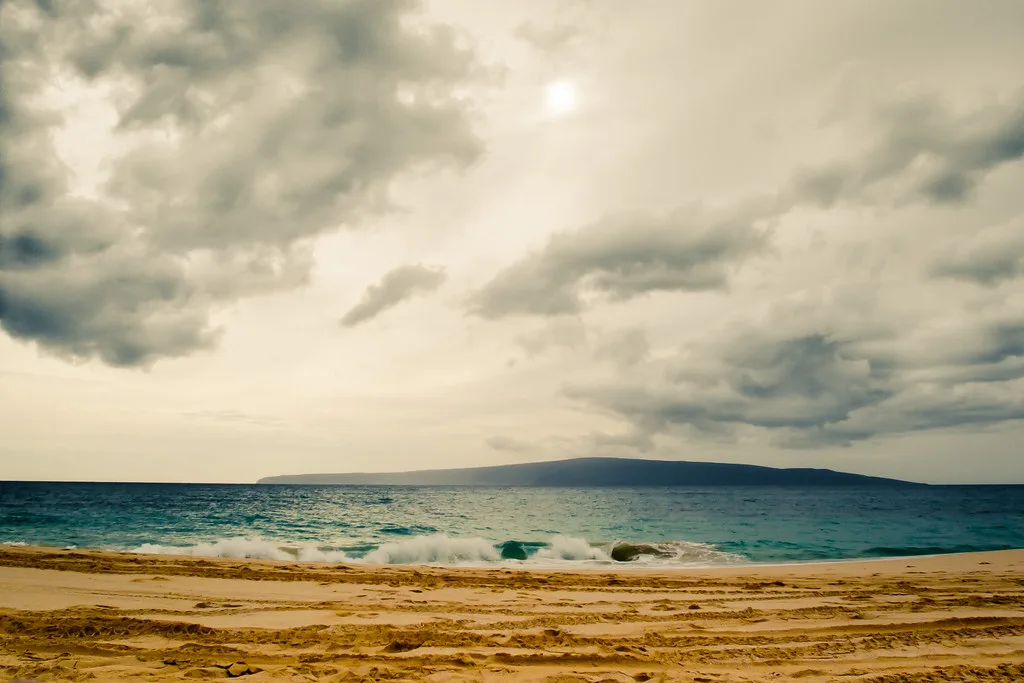
Honokeana Cove sits just south of Napili, and there is a gravel path in between Napili Point and Honokeana Cove Resort that lets you walk to it. Park in the turnout across the street from the resort and walk in rather than cutting through private property.
The cove is a small rocky inlet, so it suits snorkelers who are comfortable with a less forgiving entry and adds a second, different-looking site to a Napili morning. Treat it as a bonus swim after the bay, not a replacement for the easy sand entry.
Pairing Napili With Other West Maui Snorkel Spots
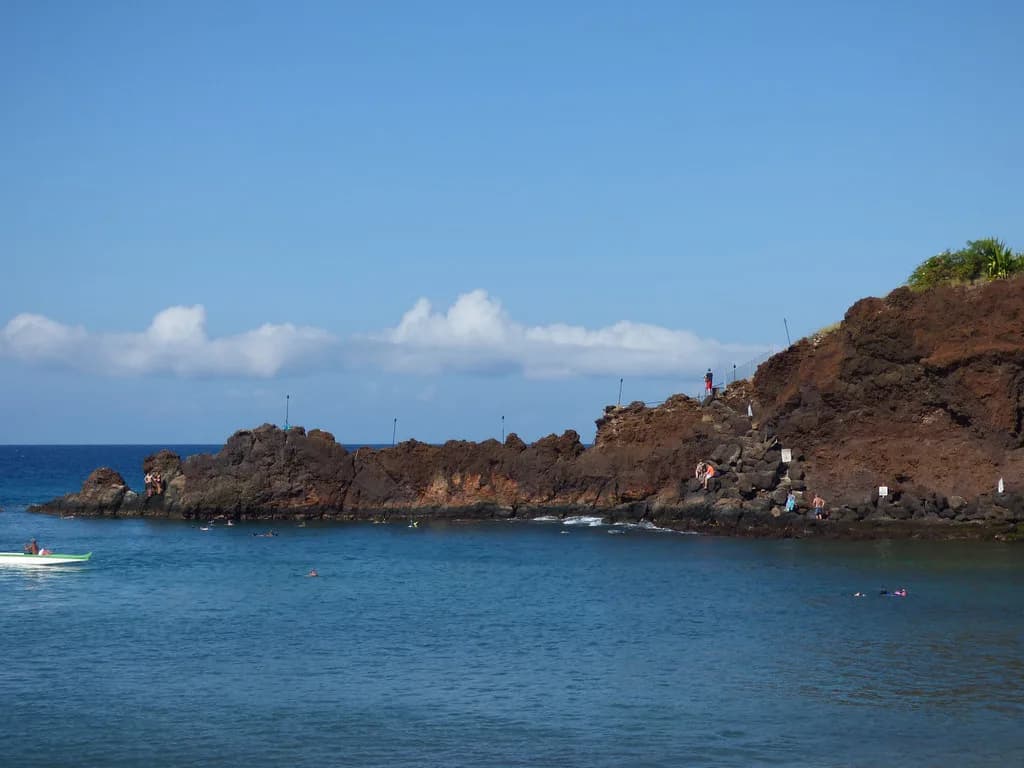
Napili pairs naturally with Kapalua Bay to the north, another sheltered cove with a sandy entry, and with Black Rock maui snorkeling down at Kaanapali for a different reef and a busier beach scene. Doing one in the morning and one after lunch covers two very different West Maui moods.
If you want a boat day instead of a shore swim, molokini crater snorkeling out of Maalaea gives you clear offshore water that is far less swell-dependent than Napili. Save it for a day when the west-side shore is murky.
Rules and Reef Etiquette
Hawaii's wildlife rules protect the turtles that make Napili worth the swim: keep your distance, never touch or feed them, and give a resting turtle room to surface and breathe. Stay horizontal and calm in the water rather than diving toward an animal.
Use reef-safe sunscreen and gear up on the sand rather than standing on coral or reef structure. Napili's sandy entry makes that easy, and it keeps the shallow bottom in shape for the next family that wades in.
Plan Your Napili Snorkel Day
Napili Bay rewards a simple plan: arrive early, snorkel the sandy cove while the water is glassy, and give the turtles space on the outer sand. If the swell is up, swap in Kapalua or a boat trip rather than fighting the shorebreak.
Build the rest of the morning around the beach's conveniences. Showers, restaurants, and the supermarket near the highway mean you can turn a one-hour snorkel into a relaxed half-day without a second drive.
Frequently Asked Questions
Is Napili Bay good for snorkeling?
It is a fair-weather snorkel. The sandy entry, shallow start, and turtles in the bay make it a good choice for families and newer snorkelers when the surf is mellow, but visibility drops and waves grow when a swell arrives.
Can you snorkel from the beach at Napili Bay?
Yes. You walk in over sand with a moderately steep bottom, then swim out to reef structure further offshore. No boat or ladder is needed, which is why the bay suits beginners.
Are there turtles at Napili Bay?
Sea turtles frequent the bay. Watch from a respectful distance, never touch or feed them, and let a turtle come up for air without blocking its path.
Is Napili Bay good for beginners and kids?
On calm days, yes. The sandy entry and shallow insides make it manageable for kids comfortable in the water, but there are no lifeguards and rip currents pull out to sea, so stay out when the surf is up.
When is the best time to snorkel Napili Bay?
Early morning, before the trade winds build and the beach fills. That is when the water is most likely to be glassy and parking is easiest. Summer mornings are the most reliable window.
Where do you park for Napili Bay?
Parking near the beach is difficult because the neighborhood is residential and condo-lined. Arrive early, and expect a short walk from the closest available space.
Can you walk from Napili Bay to Kapalua Bay?
Not on a practical beach path; the two are separate coves a short drive apart. Pair them by car, doing Napili in the morning and Kapalua Bay later in the day.
Is there a lifeguard at Napili Bay?
No, there are no lifeguards at Napili Bay. Swim with a buddy, stay inside the cove on calm days, and check Maui snorkeling conditions before you commit to the outer reef.
Sources
Snorkeling notes for your next trip
Optional updates to our snorkeling guides.
You might also like
Continue reading
More guides you'll find useful