Lovers Point Snorkeling Guide: Monterey Entry and Kelp Beds
Snorkel Lovers Point in Pacific Grove with stair entries, cold kelp-forest water, harbor seals and urchin-covered reefs. Here is how to plan a cold-water swim.
On this page
Lovers Point is a small, sheltered park at the tip of Pacific Grove where the reef begins almost at the bottom of the stairs, and that short approach is what makes it worth planning a snorkel day around. It suits confident cold-water swimmers in full wetsuits far more than first-timers expecting warm, bathtub-clear water. The trade-off is honest: you work for the wildlife with cold, rocky entries and a reef that is mostly urchin barren, but the crevices hold a surprising density of life.
Where Lovers Point is
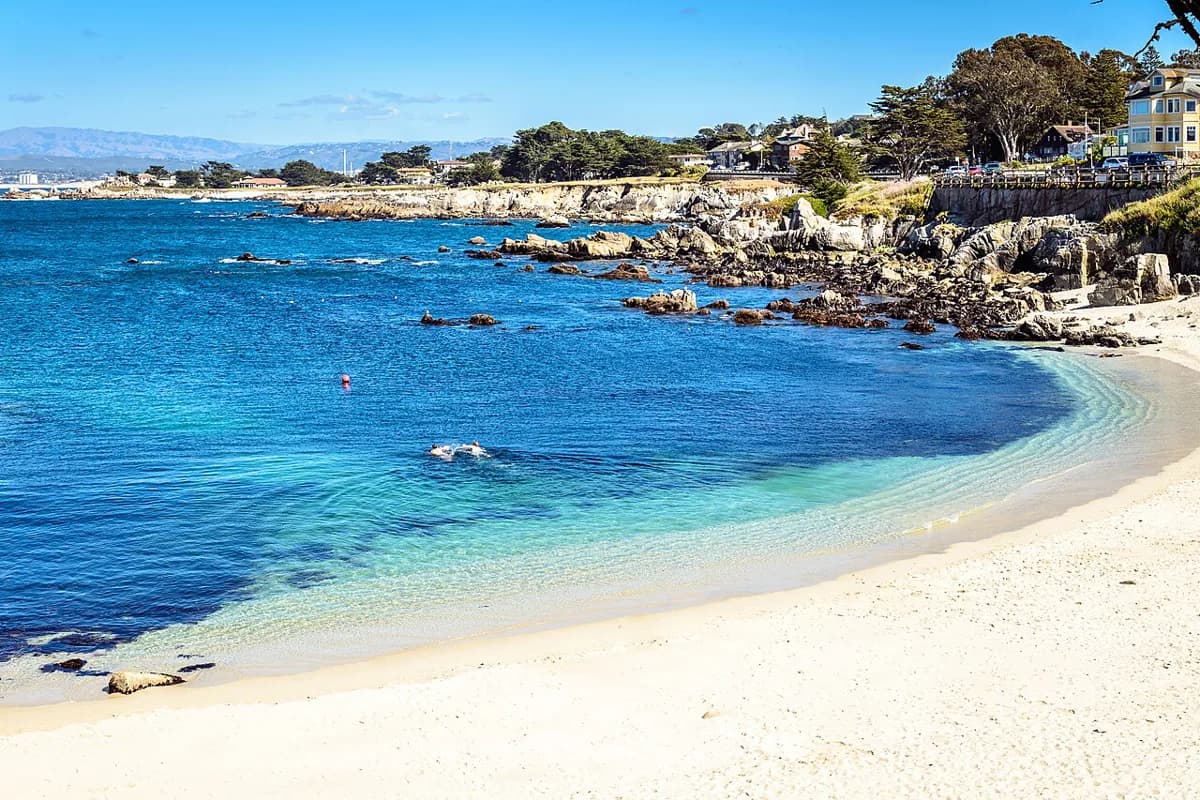
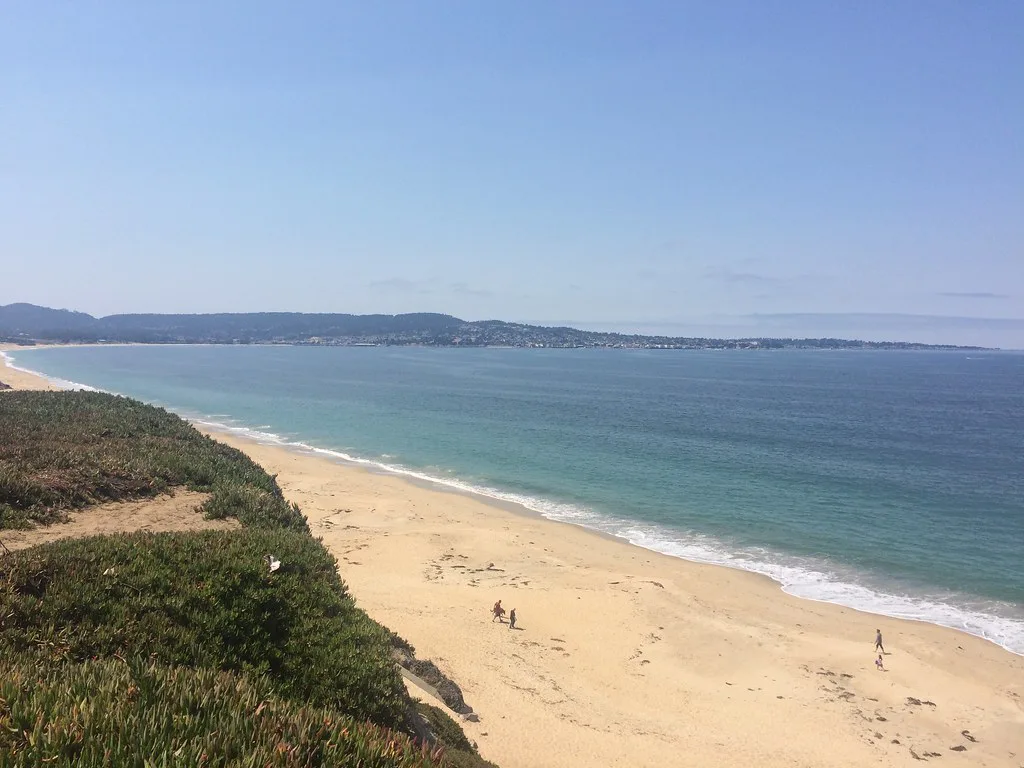
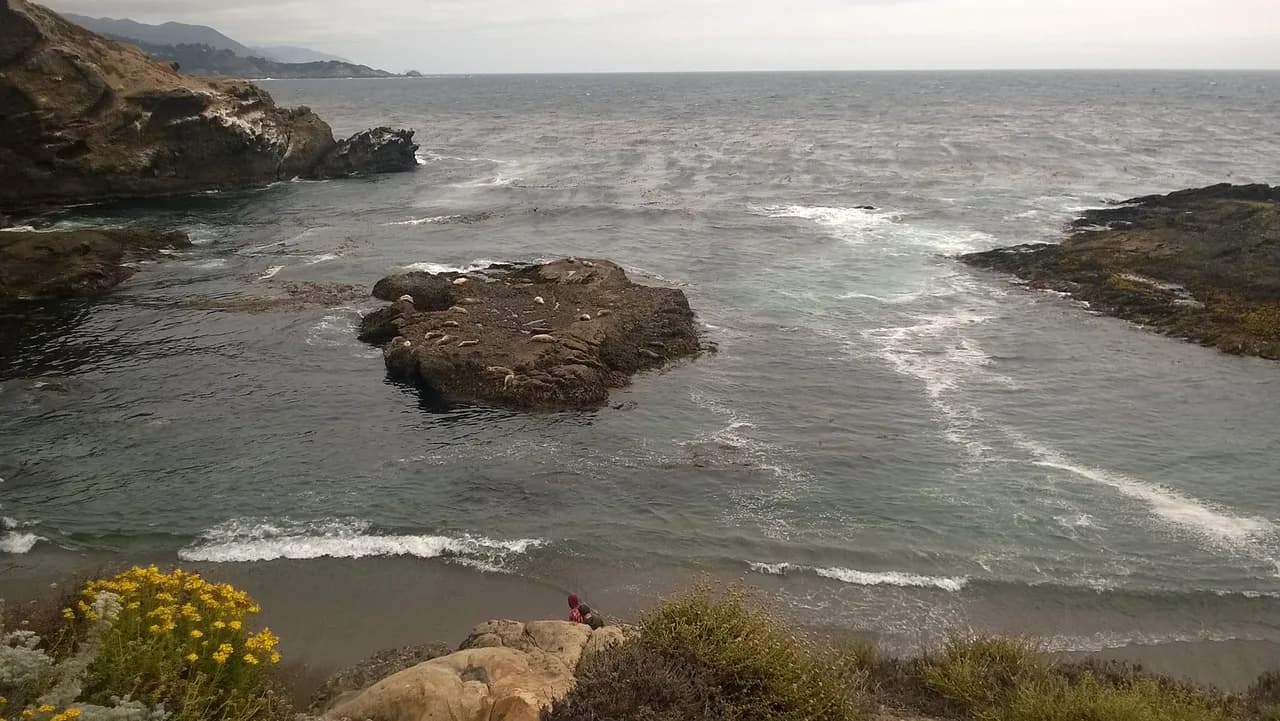
The park sits at the western end of Ocean View Boulevard in Pacific Grove, at the tip of a rocky point just past the Beach House Restaurant. It is a compact, walkable headland with bluffs on both sides and stairs down to the water, which is why local divers treat it as a reliable shore entry rather than a boat trip. Pacific Grove is a short hop from Monterey and Cannery Row, so you can combine a morning snorkel with the rest of the peninsula.
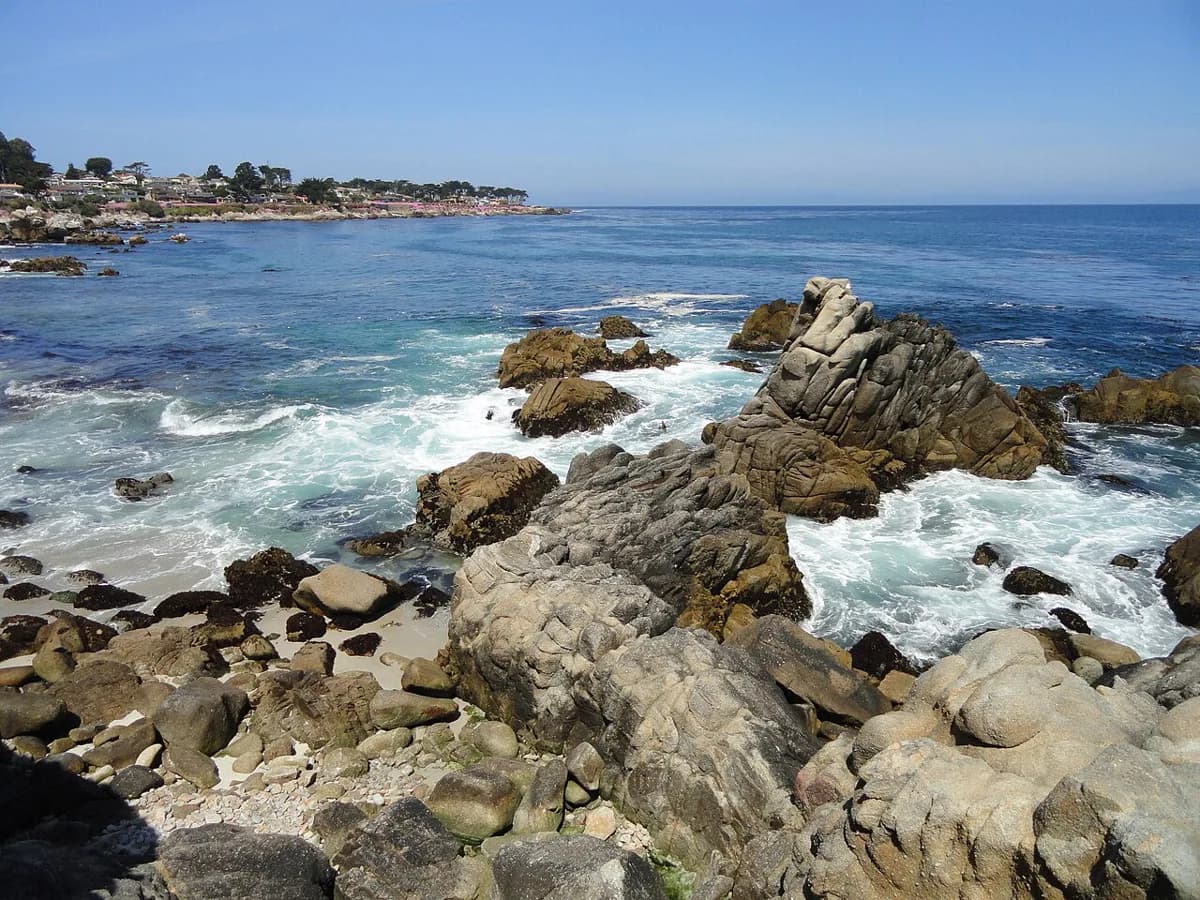
Because the point juts into the bay, you get some shelter from open swell on the eastern, cove-like side and a more exposed, rockier face to the west. That difference shapes every decision here, from which stairs you pick to whether you get in at all on a given day. Read the water from the bluffs before you commit, and note which side is calmest.
Getting in: Lovers 1, 2 and 3
Three stair entries, known locally as Lovers 1, 2 and 3, drop you into the water from the park. Lovers 1 is the southernmost beach near the Beach House Restaurant and is generally the easiest, with few waves in the cove and fewer rocks to pick through. Lovers 2 is also manageable but gets tougher when waves build, and Lovers 3, west of the park, is the most scenic but has the hardest entry with rocks and surf.
For a snorkeler with fins, Lovers 1 is the sensible default: a short wade, then fin out past the shallows as soon as you can. Use the stairs to descend, put your fins on at the last comfortable step or at the water's edge, and swim out rather than wading through the rocks and seagrass. That seagrass-and-rock shallows zone is where entry and exit get awkward, so pick your footing on the way back with the same care.
What the water is like
This is cold Monterey Bay water, and the defining feature is temperature more than clarity. On a good winter day you can get visibility far better than the summer norm, but do not count on any specific number: dive-site reports from one outing put visibility around 40 feet and water temperature in the low 50s Fahrenheit, which frames the range you should prepare for. Read the surface from the bluffs, and treat any given day as its own thing.
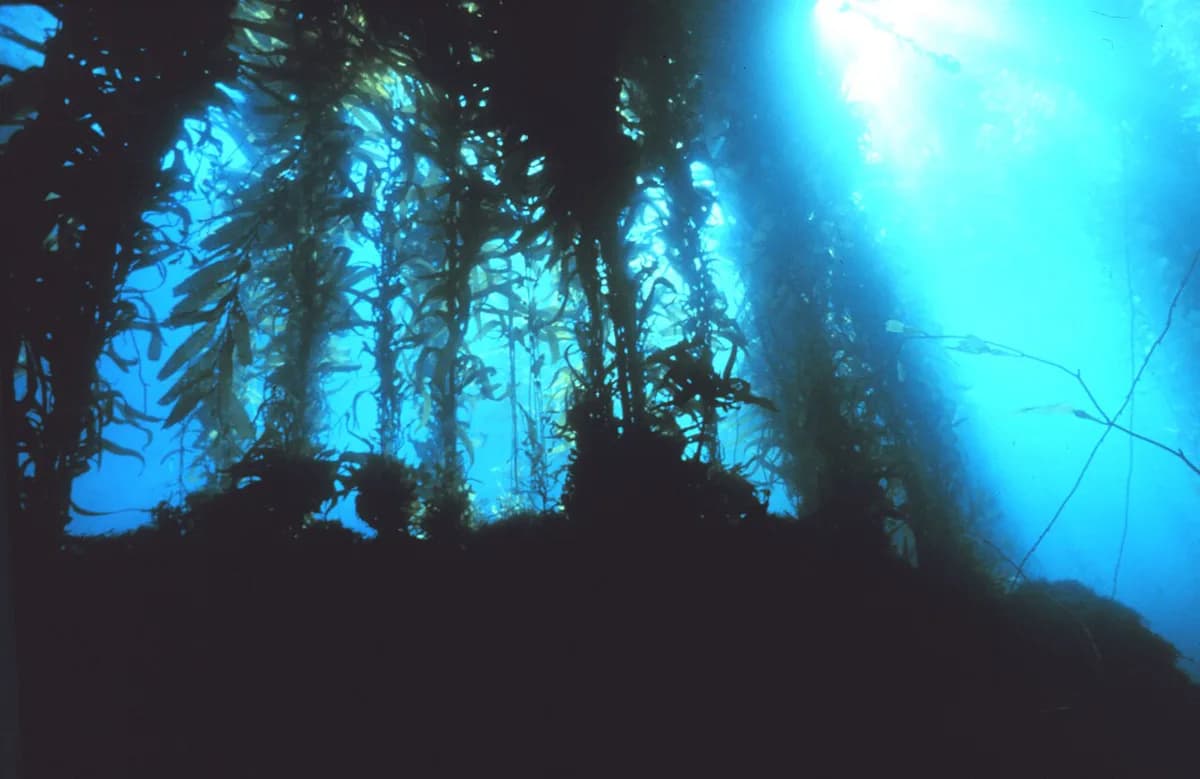
The reef itself is largely urchin barren, so do not expect a wall-to-wall kelp garden. The kelp canopy is at the surface in patches, and the life concentrates at the edges: crevices, rock faces and the seagrass shallows near the stairs. Snorkel slow and low, looking into gaps rather than racing along the surface, and the species will appear.
Kelp and open-water pockets here are part of the larger protected bay, so the usual no-take and wildlife-distance rules apply. Keeping your distance from seals and otters is both the rule and the practical way to keep them visible rather than fleeing.
What you will see
Harbor seals and sea otters are the headline sightings, often around the kelp or resting at the surface, and the rental operator describes exploring the kelp forest near harbor seals on a flat, clear day. Never approach, touch, feed or chase them, and give resting animals a wide berth when you swim past.
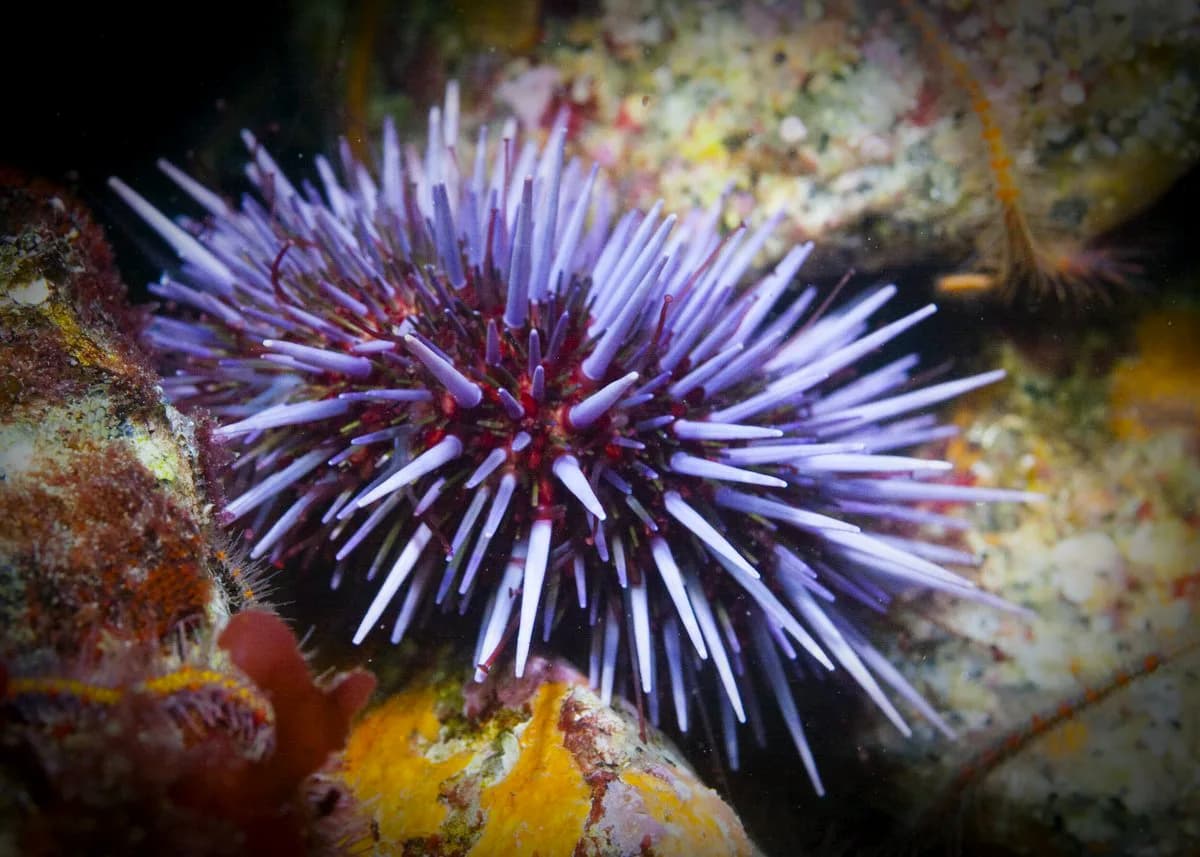
On the bottom, look for purple, white, red and Coronado urchins, warty and orange sea cucumbers, giant spined, leather, ochre and bat sea stars, and nudibranchs tucked into crevices. Dive-site reports also list lingcod, rockfish, jellies, top snails, chitins and barnacles on the rocks. The density sits in the cracks and along the seagrass edges rather than on open sand.
Skill level and who it suits
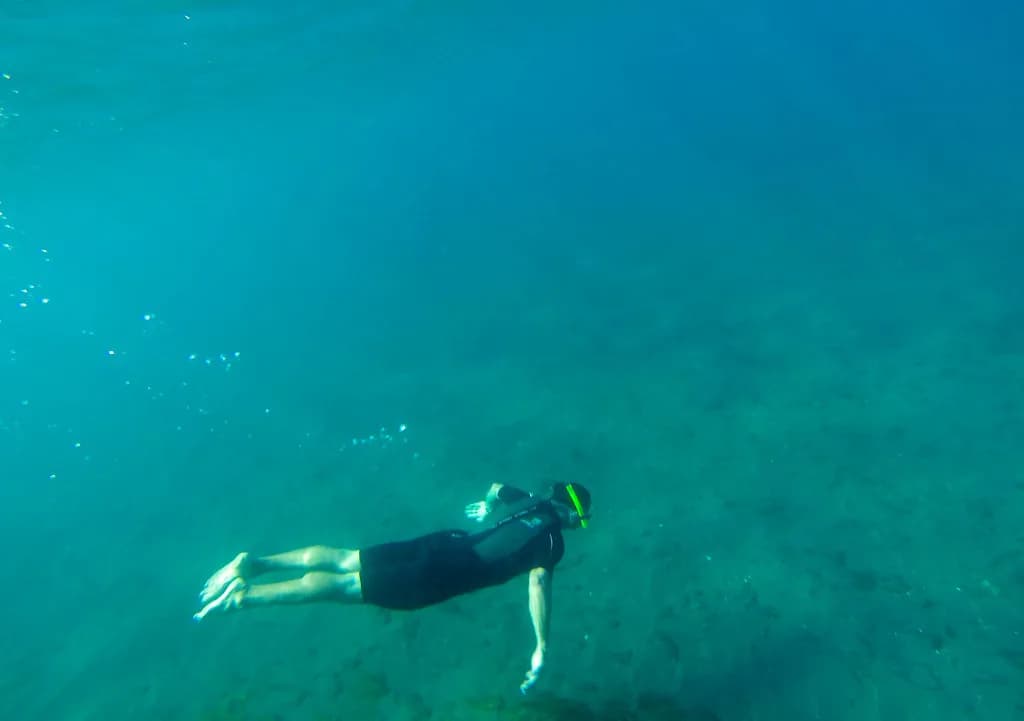
This is a cold-water shore snorkel for competent swimmers, not a warm, shallow beginner bay. You need to be comfortable swimming in a thick wetsuit, managing fins on a stair entry, and exiting through rocky shallows with some surge. Kids and nervous first-timers will do better starting somewhere with gentler entry and warmer water, then working up to this.
If you are new to cold water, plan a shorter swim and stay close to your chosen stairs, and treat the west side as a look-only option on anything but a calm day. For a broader menu of gentler shore entries around the peninsula, see the guide to snorkeling in Monterey before you commit to a single spot.
Best time of year and time of day
Winter is the visibility season here: chillier air, fewer people in the water and often calmer days, with the clearest underwater views. Summer brings more coastal fog and, for surfers, the waves that make entries trickier, while fall tends to be sunny with offshore winds. Spring and fall sit in the middle with milder temperatures and lighter crowds.
Time your swim for morning or evening to avoid the daytime crunch, since parking time is limited around the park during the day. Early light usually means flatter water and fewer boats and kayaks crossing the bay, and it also makes the stair entry easier to read. Bring a windbreaker for the walk back; the ocean breeze here is colder than the air temperature suggests.
Hazards to plan around
The main hazards are cold water, rocky shallows with seagrass at the entries, and surf at the western stairs. The right-side entry was described as having tricky water entry and exit through rock and seagrass, with a recommendation to fin on and snorkel out quickly. Plan the exit before you enter, and abort early if the swell picks up.
Boat and kayak traffic moves through the bay, so keep your head up on the surface and stay close to the point rather than crossing open water. Fog can roll in fast and flatten the view of the shore, which is another reason to swim a short, familiar line. Check the marine forecast from the sanctuary or a local operator before you drive over; that is the one check to make on the day.
Your wetsuit is your safety gear as much as your comfort. A 3/2 mm suit can work in summer, but winter calls for something in the 5 mm range, and a hood makes a real difference to how long you last.
Gear and rentals
A full-day rental at Lovers Point includes fins, mask, snorkel and wetsuit, and Adventures By The Sea lists the set at 32.10 dollars, with a life vest available by request and sets limited to about eight people; teen and adult sizes only. Booking ahead settles the gear question before you arrive, which matters on a cold morning when you want to get in and out efficiently.
If you bring your own kit, prioritize a properly fitting hooded wetsuit, a mask that seals, and stiff fins that let you cover water in the cold. Gloves and booties help on the stairs and rocks. If you are still choosing equipment, the guide to kelp forest snorkeling in California explains how to match gear to cold Pacific water.
Parking and facilities
Lovers Point Park has two small parking lots, and there is free street parking along Ocean View Boulevard, with a two-hour limit from 9 a.m. to 6 p.m. that makes a long snorkel-plus-picnic day awkward. Arrive early or late to dodge the limit.
Restrooms appear as port-a-potties in the park area in dive-site reporting, and there are shops and restaurants at the point for a post-swim warm-up. The rental shop at Lovers Point handles gear, so you do not need to drive to Cannery Row for a mask and fins.
Rules and sanctuary etiquette
Lovers Point sits inside a protected bay, so the working rules are wildlife distance and no-take. Do not touch, feed or chase harbor seals, sea otters or any other animal, and give resting seals on the beach a wide path. Take only photos, leave shells and urchins where they are, and keep your fins off the reef.
Use reef-safe sunscreen and skip anything that leaves residue in the water, and rinse your gear after a saltwater swim. If a seal or otter approaches you, hold still and let it pass rather than swimming toward it.
Nearby spots to combine
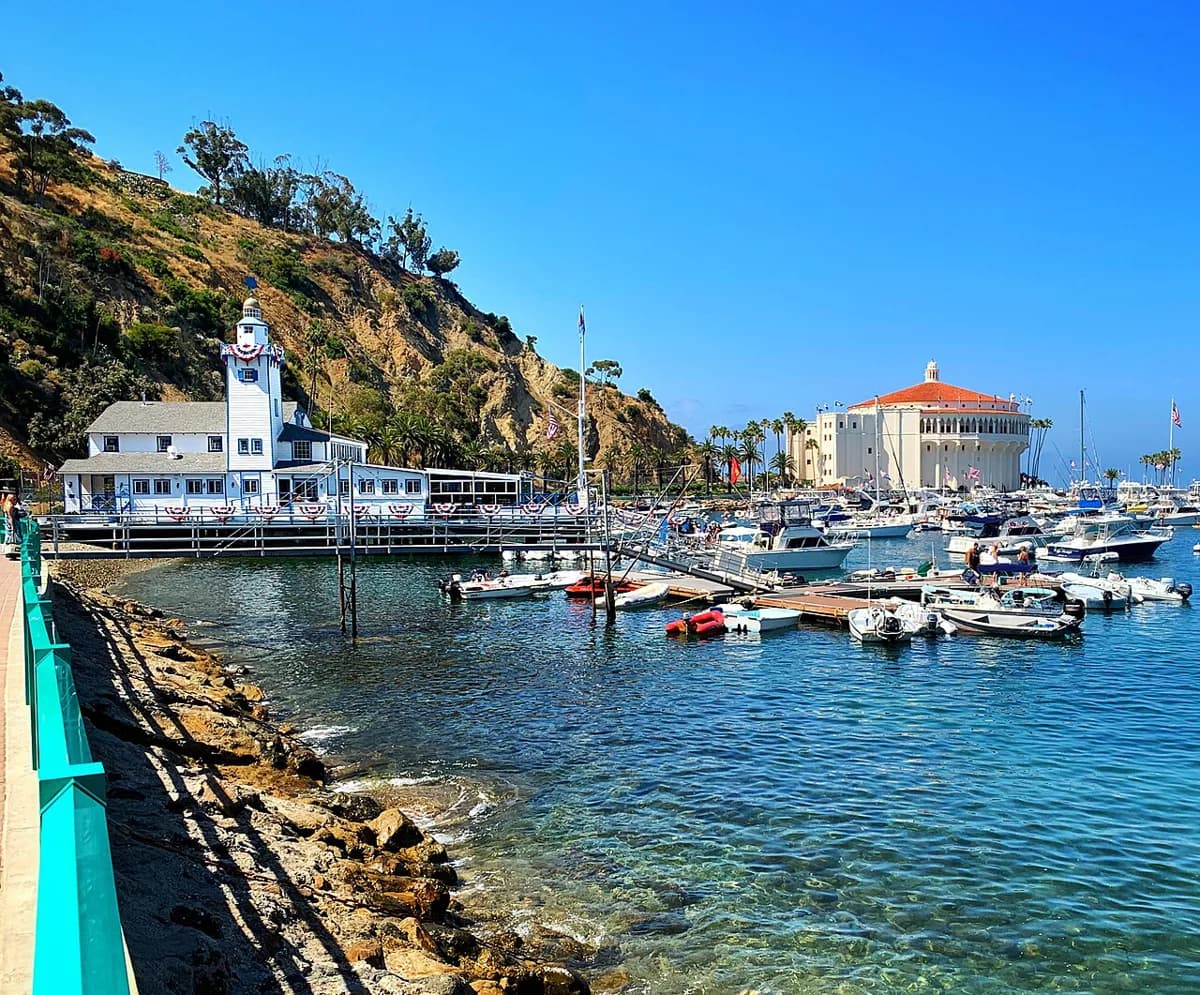
San Carlos Beach at Breakwater Cove is the other reliable Monterey shore entry, with a kelp-and-rock reef and dive shops nearby, and it pairs well with a morning at Lovers Point. If you are weighing a warmer, boat-access option instead, the guide to snorkeling in Catalina Island covers a very different Southern California day.
Down the coast, Point Lobos snorkeling at Whalers Cove is a sheltered reserve entry with kelp and rocky habitat, and it makes a good second-day plan when you want a change of scene.
Who Lovers Point Is Right For
Pick Lovers Point if you are a confident cold-water swimmer with a full wetsuit and fins, and you want a stair entry, kelp, seals and a crevice-rich reef without a boat. Enter at Lovers 1 on most days, keep the west stairs for the view, and time your swim for a calm morning or evening window.
If you want warmer water, sandier entries or a gentler first snorkel, look elsewhere on the peninsula and build up to this spot. Reserve gear and sort parking limits before you go, and the day runs smoothly.
Frequently Asked Questions
Can you snorkel at Lovers Point?
Yes. Lovers Point is a shore-entry snorkel site in Pacific Grove with stair access to the water and a reef that starts close to the beach. It is cold Monterey Bay water, so a full wetsuit is essential and the entry suits confident swimmers more than first-timers.
Where do you get in the water at Lovers Point?
There are three stair entries known as Lovers 1, 2 and 3. Lovers 1, the southernmost beach near the Beach House Restaurant, is usually the easiest with few waves and fewer rocks. Lovers 3, west of the park, is the most scenic but has the hardest entry with surf and rocks.
What marine life can you see snorkeling at Lovers Point?
Harbor seals and sea otters are the headline sightings around the kelp, alongside urchins, sea stars, sea cucumbers, nudibranchs, lingcod, rockfish and jellies in the crevices. Sightings are never guaranteed, and wildlife must not be touched, fed or chased.
Do you need a wetsuit to snorkel at Lovers Point?
Yes. The water is cold year-round, and a 3/2 mm suit may work in summer while winter calls for something around 5 mm with a hood. A full-day rental at Lovers Point includes fins, mask, snorkel and wetsuit, and a life vest is available on request.
When is the best time of year to snorkel at Lovers Point?
Winter tends to bring the best visibility with calmer days and fewer people in the water, while summer brings more fog and surf. Fall is often sunny with offshore winds, and spring and fall offer milder temperatures and lighter crowds.
Is there parking at Lovers Point Park?
Yes. The park has two small parking lots, plus free street parking along Ocean View Boulevard with a two-hour limit from 9 a.m. to 6 p.m. Arriving early or late avoids the daytime limit and fills the lots less quickly.
Sources
Snorkeling notes for your next trip
Optional updates to our snorkeling guides.
You might also like
Continue reading
More guides you'll find useful