Kelp Forest Snorkeling in Monterey: What to Expect
Kelp forest snorkeling means cold water, thick gear and a surface view of California's giant kelp. Here is how entry, depth and wildlife differ by site.
On this page
Kelp forest snorkeling in California means floating over a canopy of giant kelp while the food web of the Pacific moves beneath you. San Diego is one of the few places where you can reach a kelp bed from the beach rather than a boat, and that access shapes everything about the day. The two main forests, La Jolla and Point Loma, reward different swimmers: one suits beginners and shore snorkelers, the other strong swimmers on a charter.
Because you stay on the surface, you see the kelp canopy and the tops of the stalks, while divers see the holdfast and the darker layers below. That is not a lesser experience, just a different one, and it changes what gear and skill you need. Plan around cold water and a rocky coast, then pick the forest that matches your comfort level.
What kelp forest snorkeling looks like from the surface
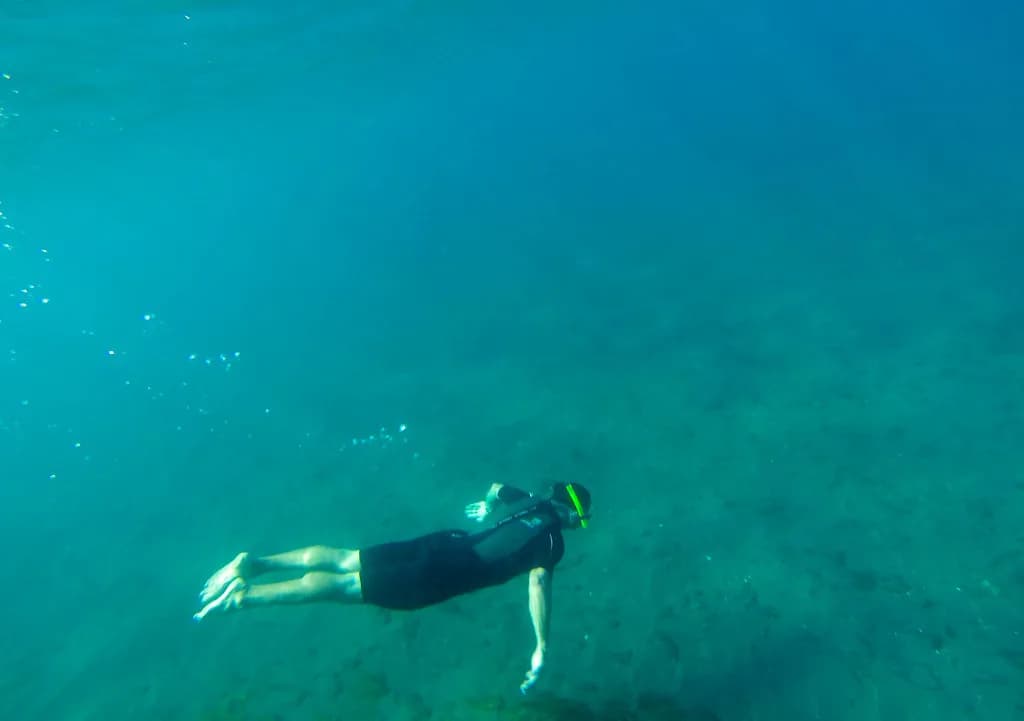
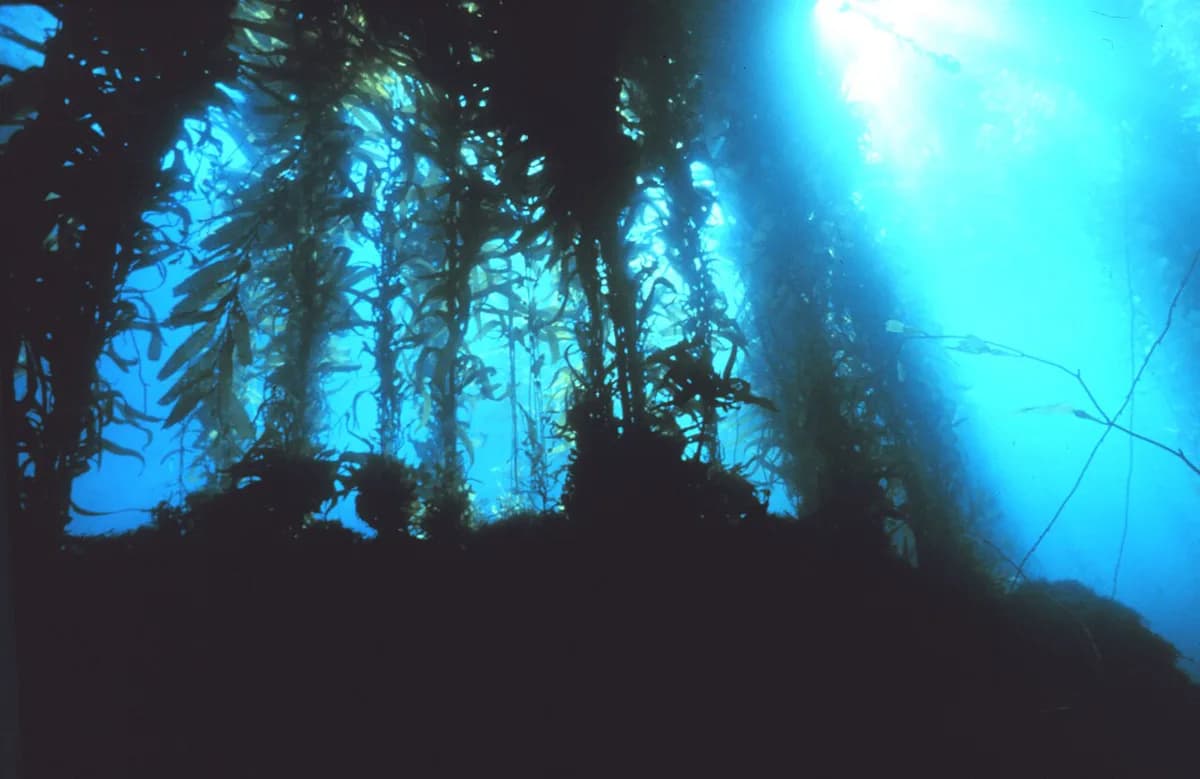
Giant kelp grows vertically from the seafloor and forms a dense canopy at the surface, so a snorkeler moves through a floating layer of fronds with light filtering down between the stalks. The forest is layered: canopy at the top, mid-water stalks below, and a holdfast anchored to rock at the bottom. From the surface you look down on the upper structure rather than around the holdfast.
That canopy can be thick enough to block much of the light, especially in the deeper forest, so expect patches of dim green water and brighter gaps. Keep your fins under the surface to avoid tangling in fronds, and stay close to a buddy so you can spot each other through the kelp. A bright mask and steady, slow kicks make the surface view far easier.
Cold water is the entry fee
Kelp needs cold, nutrient-rich water, so California kelp forests sit in temperatures that call for full exposure protection rather than a swimsuit and rash guard. Operators running kelp snorkel trips supply thick suits, hoods, gloves and boots, which tells you the baseline kit for comfortable time in the water. If you bring your own gear, match that level of coverage rather than trimming it down.
Full wetsuits, hoods, gloves and boots are listed as rental equipment on cold-water kelp tours, and a properly fitted suit matters more than a fashionable one: gaps at the neck and ankles will chill you fast. Bring a towel, a windbreaker for the surface interval and warm clothes for the walk back. If you run cold easily, say so before you rent and ask for a thicker suit.
Shore-entry kelp: La Jolla Cove and Boomer Beach
The La Jolla Kelp Forest sits offshore from Boomer Beach and is the most accessible kelp bed in San Diego, reachable from La Jolla Cove without a boat. The bed is about 200 yards west of the cove, so you swim out over open water before you reach the kelp. That distance is manageable for a fit snorkeler but too long for a casual paddler.
Entry details differ by activity: divers enter at La Jolla Cove, while freedivers are directed to Boomer Beach because flotation devices are not allowed in the cove. Snorkelers should plan their entry around those same rules and swim out with a buddy. Read the beach before you commit, since surge and submerged rock outcroppings sit close to the entry.
For a broader look at the region's shore entries and conditions, the snorkeling in monterey guide covers similar cold-water kelp habitat on the central coast. The Monterey Bay National Marine Sanctuary protects that kelp and the wildlife around it, and the same idea of viewing without taking applies down the coast. Read both before you choose which drive to make.
Boat-only kelp: Point Loma's deeper beds
The Point Loma Kelp Forest lies about 600 yards offshore of the peninsula, far enough that a surface swim is impractical and shore entry is illegal, so a boat is the only way in. Local boats reach it, and freedivers can often book spots on those excursions. The forest is large enough to contain many separate sites within it.
Point Loma's kelp grows taller because the water is deeper, and the canopy can be so thick that little light reaches the bottom. That makes it a different snorkel from La Jolla: you are looking up at towering stalks and down into shadow. Boats also mean boat traffic and a fixed schedule, so plan to stay with the group.
Depth and visibility: what 30-50 feet versus 40-70 feet means for a snorkeler
La Jolla's forest ranges roughly 30 to 50 feet deep, and strong currents are rare there. Point Loma drops to about 40 to 70 feet, with taller kelp matching that depth and colder water than La Jolla. For a snorkeler on the surface, the practical difference is how much forest you can see into and how quickly the light fades.
Visibility at La Jolla is unpredictable, ranging from about 20 to 40 feet on good days to 10 feet or less on poor ones, which makes navigation to the bed and back harder than the depth suggests. The lesson for snorkelers is simple: pick a calm, clear day and keep the shore in sight. Point Loma's thicker canopy means less natural light regardless of visibility.
What you will see
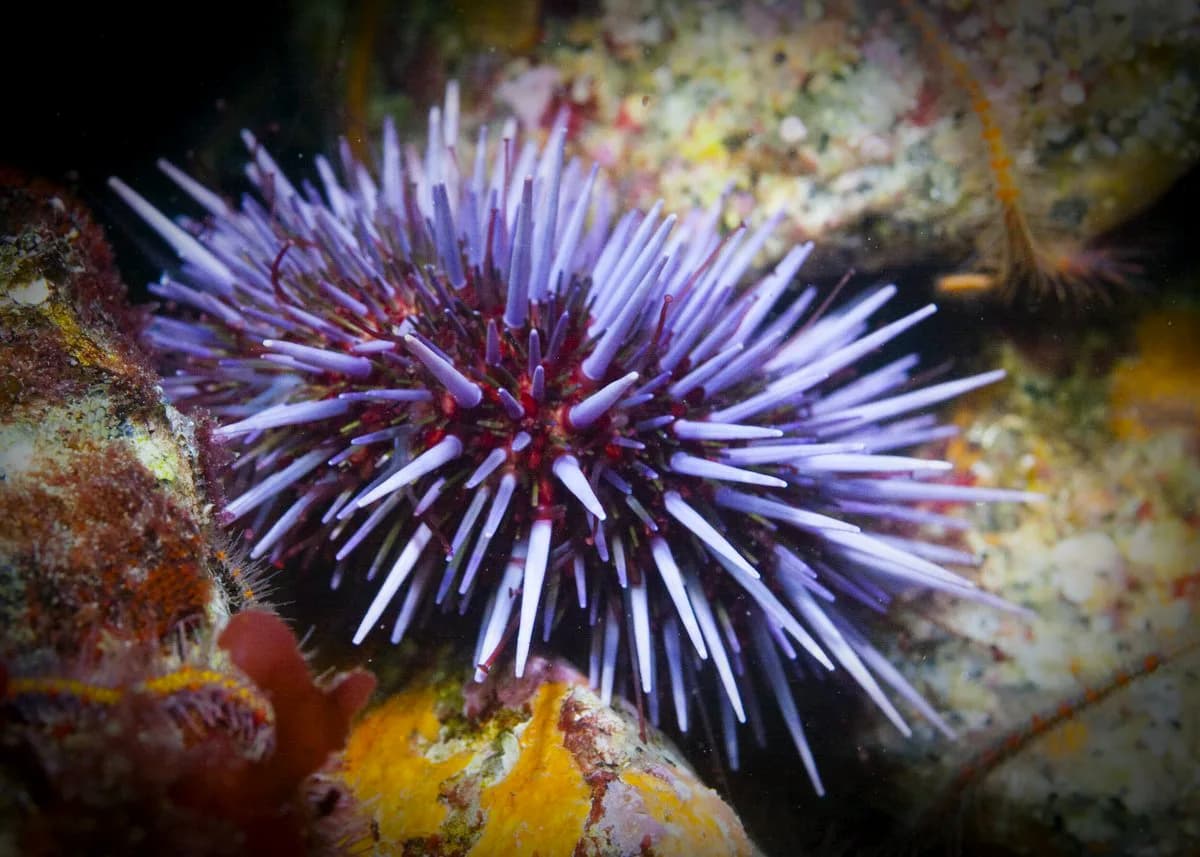
Both San Diego forests host giant kelp, garibaldi, kelp bass, sheephead, California spiny lobster, moray eels, horn sharks and various rays and sharks. Sea lions are more likely at La Jolla, where marine mammals, sharks and rays are easier to find. Point Loma tends to reward macro viewers with nudibranchs, algae and invertebrates.
Sevengill sharks have a spring season at the La Jolla beds, and local dive boats visit then. Sightings are never guaranteed; treat every animal as wild and keep your distance rather than chasing a photo. Garibaldi, the bright orange fish, are easy to spot against the green and make a good first identification for kids.
Wildlife viewing rules apply in California kelp: do not touch, feed or pursue animals, and give sea lions and sharks room to move away. Kelp itself is fragile, so avoid grabbing stalks to pull yourself along. If you are snorkeling near San Carlos Beach, the same restraint applies to the marine life there.
Skill level and who each site suits
La Jolla's shallow bed, with depths of 30 to 50 feet and rarely strong currents, makes it the better choice for beginners and confident older kids. The 200-yard swim from the cove still demands real comfort in open water, so a first-timer should go with a guide or an experienced buddy. Point Loma suits strong swimmers and freedivers who can handle deeper, colder water and boat logistics.
Kelp snorkel operators elsewhere take beginners and children with parental guidance, which shows that prior experience is not a hard requirement when a guide manages the pace. The limiting factor is comfort in cold water rather than snorkel skill, so be honest about how you handle a chill and a long surface swim. A guided first trip is a sensible way to learn the entry.
Best time of day, season and swell
Morning usually brings the calmest surface before wind builds chop, which matters when you are swimming 200 yards out to the La Jolla bed. Winter and spring can deliver clear water in Southern California, but swell and surge are the deciding factors on any given day. The La Jolla surge can be strong and makes navigation harder, so a glassy morning is worth waiting for.
On the central coast, Point Lobos State Natural Reserve is known for clear water and sheltered coves, and Whalers Cove is a common entry. Plan a Point Lobos day around calm swell and an early start.
Hazards
At La Jolla, the main hazards are surge, unpredictable visibility and rock outcroppings hidden just inches below the surface that can injure you if surf pushes you against them. Navigation to the bed and back is difficult in low visibility. At Point Loma, stronger currents and some sites suited only to advanced divers raise the bar further.
Boat traffic is a real concern wherever you snorkel offshore, and a surface float with a dive flag helps a snorkeler stay visible. Check the surf forecast and any posted advisories before you commit, and turn around if surge picks up. Conditions can change quickly, so set a turnaround time and stick to it.
Rules on the water
Kelp snorkel trips commonly operate a no-take policy, with guides asking guests to take only pictures, and marine protected areas in California add legal limits on what you may collect or disturb. Wildlife distance rules apply to sea lions and sharks: stay back and let them approach on their own terms. Never handle kelp or animals.
Check the specific regulations for the site you choose, since protections vary between La Jolla, Point Loma and central coast reserves. A guided trip with a local operator is a practical way to learn the local rules quickly.
Gear and guides
If you book a cold-water kelp tour, expect a mask, fins, snorkel and a full wetsuit with hood, boots and gloves, plus water and snacks on board; bring a changing towel, sunblock and a windbreaker. Booking at least a week ahead is advised on Cape Town kelp charters because trips depend on weather and availability, which is a reasonable model for a California charter too.
Kelp forest tours elsewhere include guided snorkeling, all rental gear and a briefing, with sites chosen for conditions and experience level. On a guided trip in California, ask whether the guide will pick the site based on your ability. A guide who sets the pace to your confidence makes the day work.
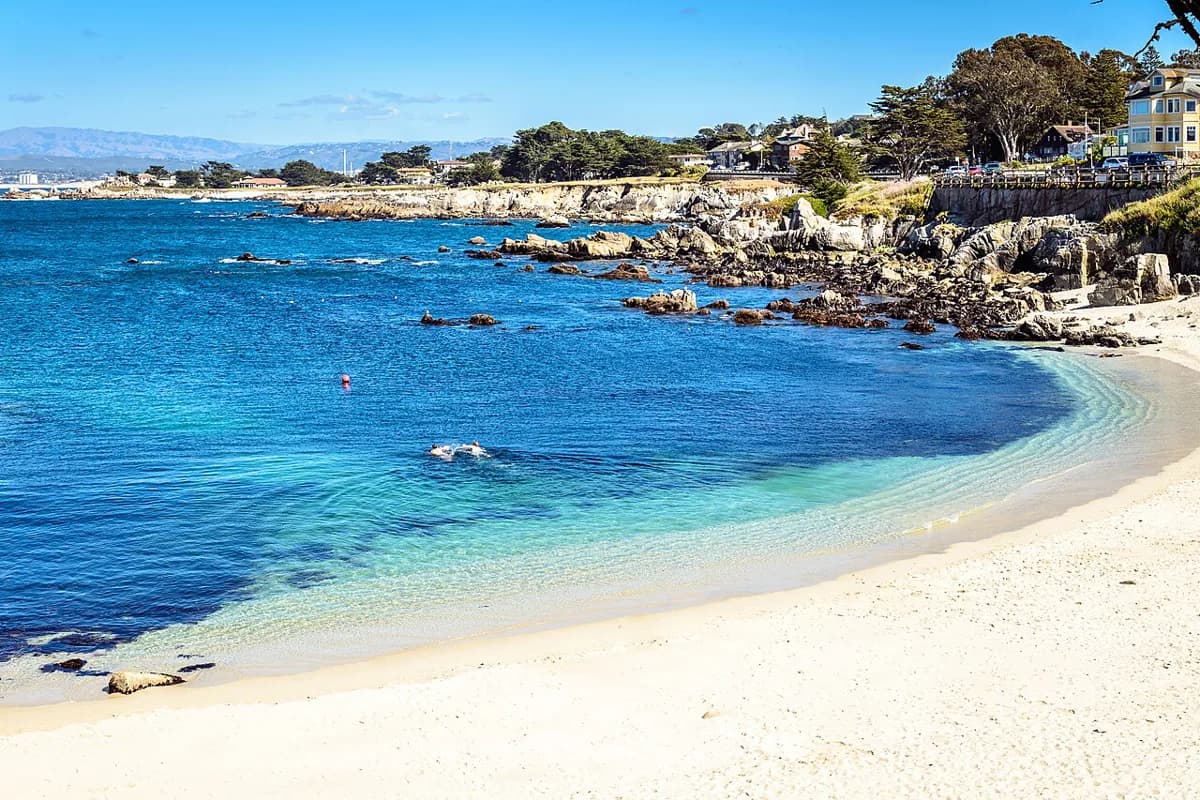
For a smaller, beginner-friendly shore step, San Carlos Beach snorkeling offers a sheltered entry close to Monterey's waterfront. Lovers Point Park in Pacific Grove is another calm option nearby.
Nearby spots to combine with a kelp day
Pair a La Jolla kelp snorkel with the Cove itself, where reefs and swim-throughs sit alongside the kelp bed, and watch for sea lions on the rocks. In the Monterey area, Lovers Point Park and San Carlos Beach combine easily with a Point Lobos morning, and Channel Islands snorkeling is the other California option worth weighing for a boat-based kelp day.
If you are building a central coast itinerary, lovers point snorkeling and Point Lobos fit a single day around Monterey and Pacific Grove. The water is cold in both, so bring the same wetsuit and plan a warm dry layer between swims.
Plan Your Visit
Choose La Jolla for a shore-entry kelp day with easier depths and a shorter commitment, and Point Loma for a boat trip into taller, deeper forest if you are a strong swimmer. Either way, cold water gear and a calm morning make the difference. Bring a buddy, respect the wildlife and give the kelp room.
Before you go, read a local operator's trip requirements and go with a guide if it is your first cold-water swim.
Frequently Asked Questions
Is it safe to swim in a kelp forest?
Kelp forests can be swum, but safety depends on the site. At La Jolla, surge, unpredictable visibility and rock outcroppings just below the surface are the main concerns. Point Loma has stronger currents and some sites suited only to advanced divers. Go with a buddy, check surf and advisories, and use a guide if you are new to cold water.
Do sharks swim in kelp forests?
Yes. San Diego kelp forests host species including horn sharks, sevengill sharks, tope and blue sharks, along with rays. Sightings are never guaranteed, and you should never chase or feed any animal. Keep your distance and let the shark move on its own.
Where can you snorkel in a kelp forest in California?
The main options in San Diego are the La Jolla Kelp Forest, reachable from La Jolla Cove and Boomer Beach, and the Point Loma Kelp Forest, reachable only by boat. On the central coast, Point Lobos and Monterey-area beaches sit near kelp habitat. Each has different entry and depth.
Can you snorkel the kelp forest from shore in La Jolla?
Yes, the La Jolla bed is about 200 yards west of the cove and can be reached by swimming out. Freedivers enter at Boomer Beach because flotation devices are not allowed in the cove. The swim is manageable for a fit snorkeler with a buddy but too long for a casual paddler.
How deep is the La Jolla kelp forest?
The La Jolla forest ranges roughly 30 to 50 feet deep, which is why it is considered beginner-friendly compared with Point Loma. Snorkelers see the canopy from the surface rather than the full depth. Point Loma runs about 40 to 70 feet.
Do you need a wetsuit to snorkel in kelp?
Kelp grows in cold, nutrient-rich water, so a full wetsuit with a hood, boots and gloves is the practical kit. Cold-water tour operators supply thick suits and accessories. Bring a windbreaker and towel for the surface interval, and ask for a thicker suit if you chill easily.
What animals live in California kelp forests?
Expect giant kelp, garibaldi, kelp bass, sheephead, California spiny lobster, moray eels, horn sharks and rays, with sea lions more likely at La Jolla. Point Loma rewards macro viewers with nudibranchs and invertebrates. Wildlife is wild, so sightings are never guaranteed.
Sources
Snorkeling notes for your next trip
Optional updates to our snorkeling guides.
You might also like
Continue reading
More guides you'll find useful