Snorkeling in Channel Islands: Where to Get in the Water
Snorkel the Channel Islands from Scorpion Anchorage on Santa Cruz Island, with boat access, cold-water gear, entry details and wildlife rules for your day.
On this page
The Channel Islands reward snorkelers with kelp beds, clear open-ocean water and a shoreline that feels far removed from the mainland, and Scorpion Anchorage on East Santa Cruz Island is the one place where that experience lines up with easy logistics. A sand beach, nearby camping, concessionaire boat transport and a shoreline of cliffs and sea caves make this the park's most practical base for getting wet.
This guide suits snorkelers who are comfortable in cold water and ready to plan around boat schedules, exposure protection and open-ocean conditions rather than a tropical reef. If you want warm shallows and a lifeguard stand, look elsewhere; if you want kelp, rocky reef and a genuine national park setting, keep reading.
Why the Channel Islands Reward Snorkelers
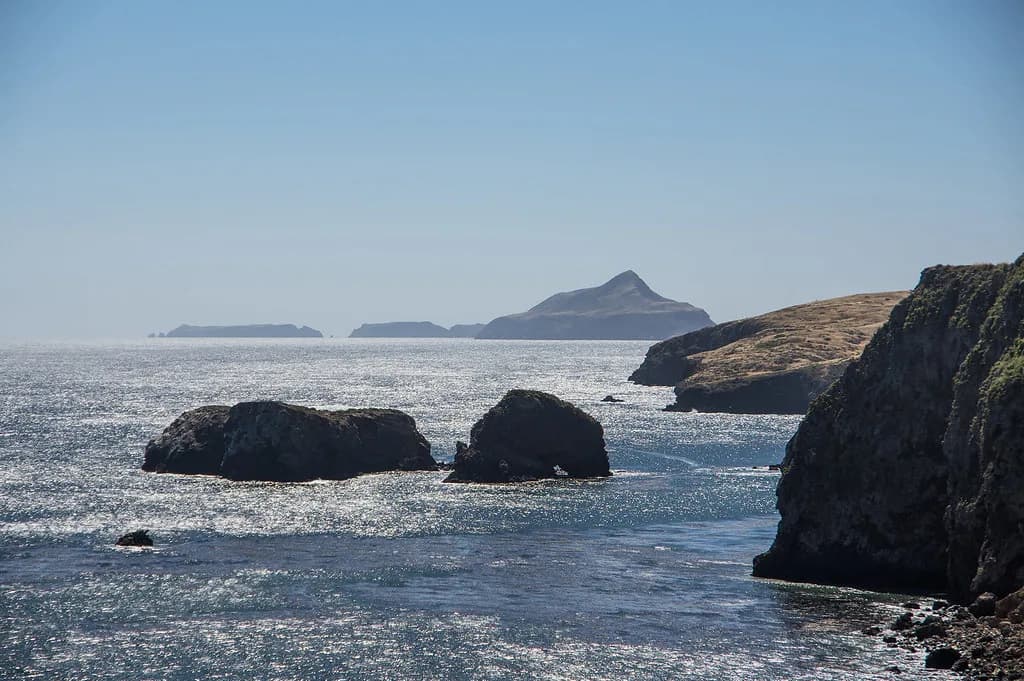
The park protects a pristine marine environment, and Scorpion Anchorage sits at the center of the most popular paddling and snorkeling area in the islands, with clear ocean waters and a spectacular shoreline of sea caves and cliffs. Santa Barbara–based operators such as Channel Islands Expeditions and Santa Barbara Adventure Company bring kayaking and snorkeling trips into the islands, and the concession at Scorpion offers guided snorkel tours and snorkel equipment rentals.
Plan on a full day rather than a quick dip: the water is cold, the boat ride is part of the itinerary, and the reef is best worked slowly along the kelp edge. Snorkelers who pair a guided session with beach time get the most out of the crossing.
Where Snorkeling Happens: Scorpion Anchorage on East Santa Cruz Island
Scorpion Anchorage on East Santa Cruz Island is the park's snorkeling hub, and the Channel Islands Adventure Company concession there handles kayak tours, snorkel equipment rentals and guided snorkel tours. That service exists at Scorpion Anchorage only, so other landings in the park leave you dependent on your own gear.
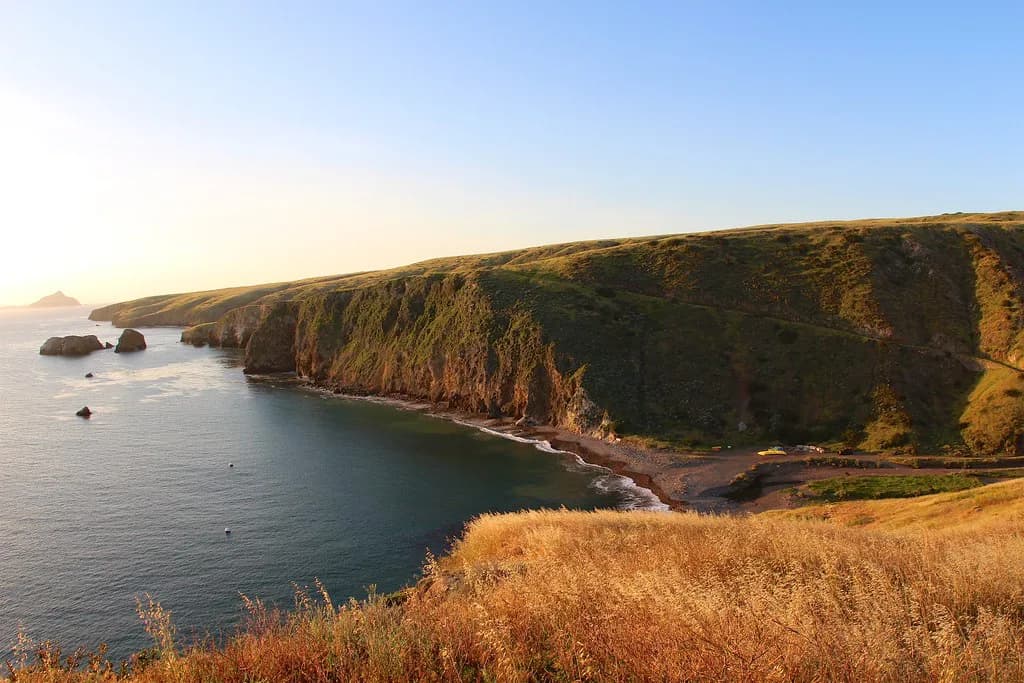
The setting is a beach launch with kelp and rocky reef close offshore, backed by cliffs and sea caves that draw paddlers from around the world. Treat the anchorage as your base and build the day around one guided session plus shore time rather than trying to cover multiple landings. For a closer look at this specific beach, see Snorkeling Scorpion Anchorage on Santa Cruz Island.
Getting There: Boat Transport to Santa Cruz
You reach the islands by concessionaire boat from the mainland, and those operators run year-round transportation for day visits and camping trips. Visitors with their own kayaks can ask the concessioners about carrying the boat on a public trip for an extra fee, which is worth inquiring about if you plan to bring your own paddlecraft alongside snorkel gear.
Book the boat leg before anything else, then layer the snorkel session on top, since your time ashore is set by the return sailing. Bring everything you need for cold water in one bag, because the island has no kayak rentals and gear comes from the Scorpion concession only.
The Water You Are Getting Into
Ocean water temperatures around the islands run from the lower 50s Fahrenheit in winter to the upper 60s in fall, and the park describes the surrounding conditions as open ocean. That range makes a wetsuit the difference between a comfortable session and a short one, especially in spring.
Pair a properly fitted wetsuit with a hood or neoprene cap for fall and winter sessions, and rinse your gear in fresh water after the saltwater day. The cold also shortens how long you can stay in, so plan two shorter sessions with a warm-up on the beach between them.
Getting in at Scorpion Beach
Entry at Scorpion is from the beach, which is one reason this anchorage became the park's go-to paddling and snorkel base, with easy beach access and nearby camping. Walk in past the shorebreak, put your fins on in waist-deep water and swim out toward the kelp line rather than trying to wade across the rocks.
The reef here is kelp and rock rather than a shallow coral flat, so the interesting structure sits a short swim offshore and drops away from the beach. Check the surf before you commit, and remember boats and kayaks use the same anchorage.
What You Will See
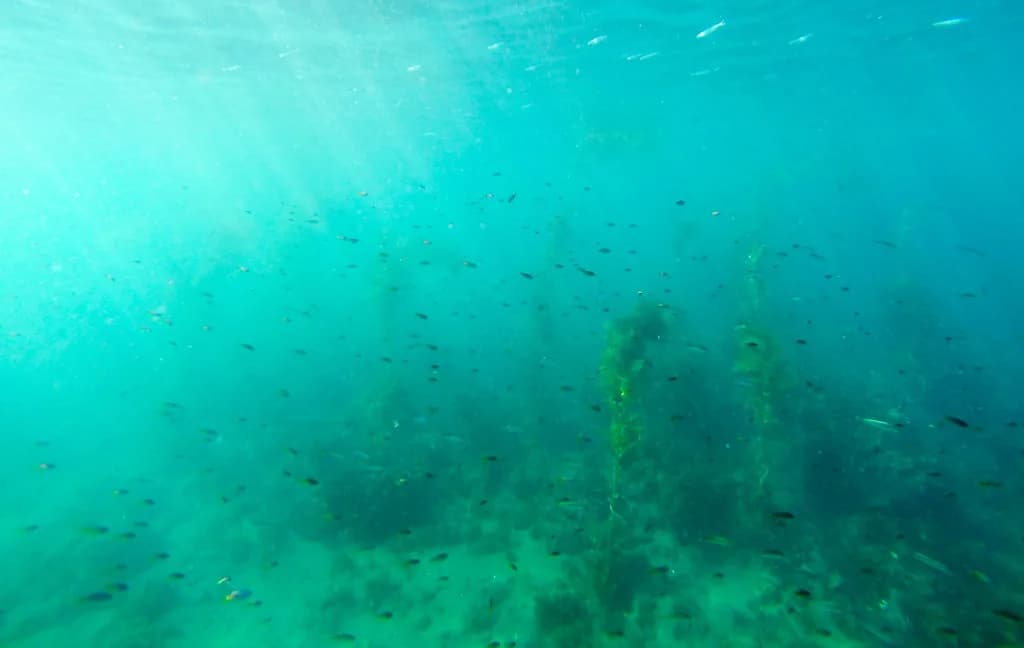
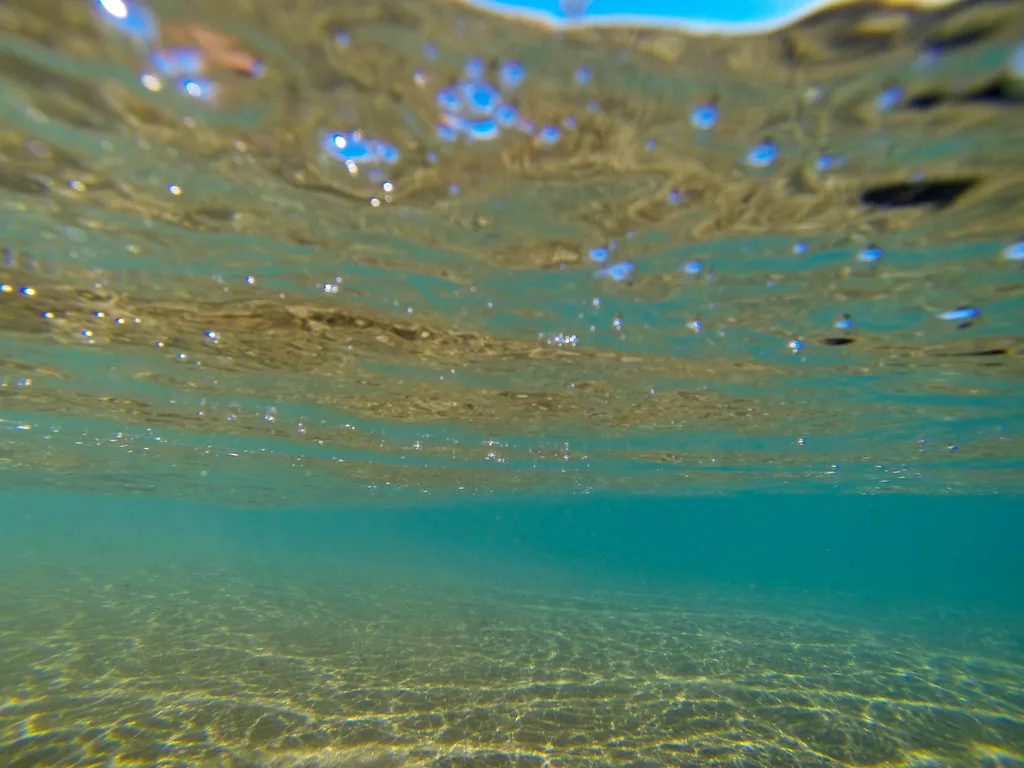
Kelp beds and rocky reef are the draw, with the kelp forest itself sheltering fish and invertebrates that you will not see over sand. Look along the kelp edge and around boulders, where cover is densest, and keep your movements slow and quiet so animals stay on their normal business.
Wildlife viewing here follows park rules: it is illegal to feed, touch, tease, frighten or intentionally disturb wildlife, and Scorpion Rock and every other offshore islet in the park are off limits. Watch from a respectful distance, never chase or handle animals, and skip the caves if you are not equipped and trained for them.
Skill Level and Who It Suits
Snorkeling at Scorpion suits confident swimmers who are comfortable in cold, open-ocean water and who can handle a beach entry with some shorebreak. The park warns that kayaking should not be attempted by novices, and the same caution applies to snorkeling far from the beach without a guide.
There are no lifeguards on duty in the park, so snorkelers should go with a buddy and stay within the skills of the least experienced person in the group. Beginners should start with a guided session at Scorpion and stay close to the beach; strong swimmers with cold-water experience can work the kelp edge independently.
Best Time of Year and Time of Day
The calmest winds and sea conditions often come August through October, which also lines up with the warmest water of the year in fall. Mornings are typically calmer than afternoons, when winds build, so aim for the earliest session you can arrange.
Storms and swell change the picture quickly, so before you commit to a boat day, watch the marine forecast from NOAA and any advisories the park posts. Fall is the sweet spot for combining calm seas with the warmest water of the year.
Hazards to Plan Around
Wind, swell, strong currents and cold water are the main planning constraints, and conditions can turn without much warning even on a calm-looking morning. Sea caves are especially dangerous because large waves or swells can fill one unexpectedly, and the wake of large ships in the channel adds another hazard.
Shipping lanes lie between the islands and the mainland, so stay alert to vessel traffic and avoid the main channel if you are swimming out from the beach. Evaluate the water from shore before you enter and choose your route to stay clear of boats and caves.
Guided Snorkel Tours and Rental Gear at Scorpion Anchorage
The authorized concession at Scorpion Anchorage runs guided snorkel tours and rents snorkel equipment, along with limited convenience items and no food sales. It is the only place in the park to rent snorkel gear, so anyone without their own kit should book ahead through the concession.
Guided trips are moderate to strenuous and some do not require prior kayaking experience, which makes them a sensible entry point for a first cold-water snorkel. Ask the park-authorized concession at Scorpion Anchorage about the gear included, the session length and the meeting point at Scorpion before booking.
Gear to Bring
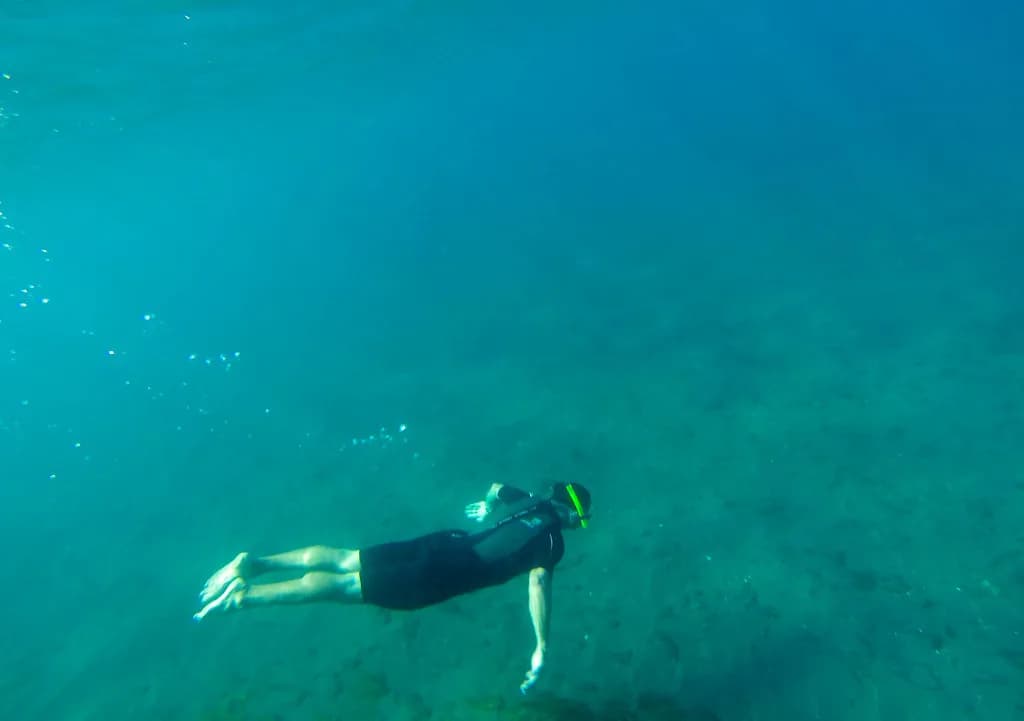
A well-fitted wetsuit, a mask that seals without leaking, and fins you can walk in are the core kit for cold-water snorkeling in the park. Add a hood or neoprene cap for fall and winter, and bring a dry bag for the boat ride so your layers stay warm on the return.
Rent first if you are unsure about sizes, then buy a mask that fits your face rather than one that simply looks good on the shelf. Check the park's safety guidance on exposure protection and helmets before you go, since cold water and rocky shoreline reward conservative gear choices.
Rules and Protected Areas
Marine reserves in the park are closed to fishing, so leave rods and spearfishing gear at home and plan on looking only. Feeding, touching, teasing, frightening or intentionally disturbing wildlife is illegal, and pets are not allowed in the park.
Scorpion Rock and all other offshore islets are off limits, and the Santa Cruz Island shoreline between Arch Point and the east boundary of Potato Harbor is closed to landing to protect nesting seabirds. Other shorelines and beaches may also close to protect pinnipeds and seabirds, so check with an island ranger before you head out.
Other Islands at a Glance
San Miguel and Santa Rosa are recommended only for the most highly experienced, conditioned kayakers with full safety equipment, because extreme weather and sea conditions regularly dominate those areas. Snorkeling there is a step beyond a Scorpion day and demands serious cold-water experience and self-sufficiency.
Anacapa and Santa Barbara Islands see more moderate winds, and Anacapa's landing and hiking access is straightforward, though neither has the Scorpion concession's snorkel rentals and guided tours. For those, see my Anacapa Island snorkeling notes as a starting point before you commit to a boat day.
Nearby Add-Ons in Santa Barbara and Ventura
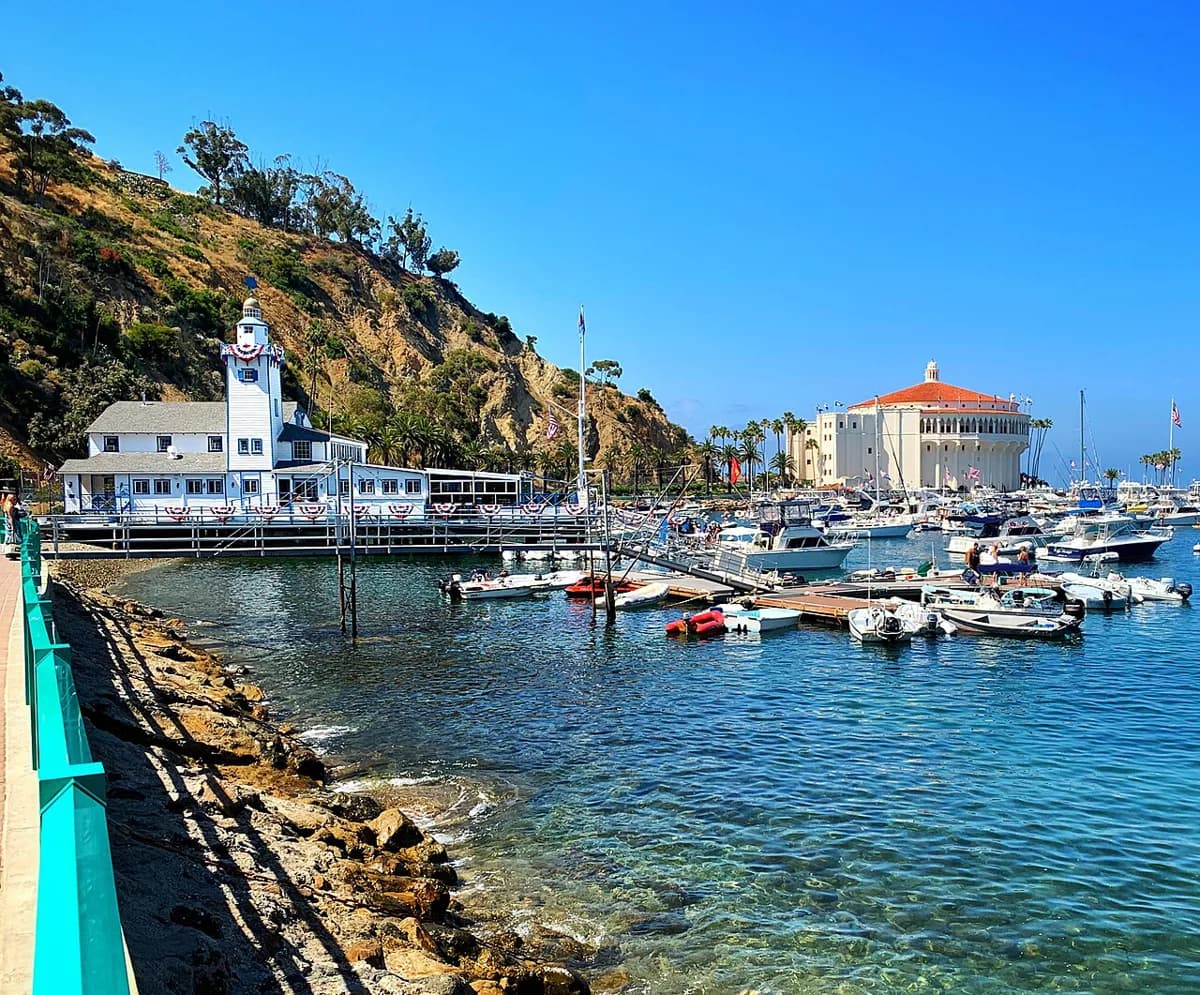
Santa Barbara is a natural base for a Channel Islands day, with outfitters running kayaking and snorkeling trips to the islands and easy access to the harbor. Ventura, where the park's visitor center sits on Spinnaker Drive, works well for a pre-trip stop to check in with rangers about current conditions.
If you have a second day on the mainland, the cold-water kelp forest theme continues at Monterey Bay National Marine Sanctuary, which offers comparable exposure conditions and a different shoreline to explore.
Plan Your Visit
Build your Channel Islands snorkel day around Scorpion Anchorage on East Santa Cruz Island, book boat transport and the concession's gear or guided session well ahead, and pack for cold water. Fall offers the calmest seas and warmest water, and mornings give you the best shot at light wind.
Before you go, read the park's sea kayaking safety and regulations page for the current wildlife rules, closed areas and safety equipment guidance, and follow NOAA marine forecasts as your departure approaches.
Explore more Channel Islands snorkeling
Frequently Asked Questions
What is the best month to visit the Channel Islands for snorkeling?
August through October typically brings the calmest winds and sea conditions, and fall also has the warmest water of the year, in the upper 60s Fahrenheit. Mornings are usually calmer than afternoons, so aim for an early session whenever you visit.
How do I get to Santa Cruz Island?
Concessionaire boats run from the mainland year-round for day visits and camping trips. Book the boat before you plan the rest of the day, since your time ashore is set by the return sailing; check current schedules directly.
Can you snorkel in Channel Islands National Park without a tour?
Yes. Scorpion Anchorage has beach access and nearby camping, so you can snorkel independently if you bring your own cold-water gear and can handle open-ocean conditions. There are no lifeguards on duty, and guided snorkel tours and rentals are available through the concession at Scorpion Anchorage only.
What water temperature should I expect snorkeling the Channel Islands?
Water ranges from the lower 50s Fahrenheit in winter to the upper 60s in fall. A wetsuit with a hood or cap is standard kit for most of the year, and two shorter sessions with a warm-up between them works better than one long swim.
Are there lifeguards at Scorpion Anchorage?
No. The park states there are no lifeguards on duty, and swimming and snorkeling are at your own risk. Snorkel with a buddy and stay within the skills of the least experienced person in your group.
What marine life can you see snorkeling at Scorpion Anchorage?
Kelp beds and rocky reef off Scorpion Beach shelter fish and invertebrates that gather around cover, and the shoreline cliffs and sea caves make the setting distinctive. Sightings vary by day, and park rules require you to keep your distance and never feed, touch or chase wildlife.
Can you combine a Scorpion snorkel day with other islands?
Anacapa and Santa Barbara Islands have more moderate winds and straightforward landing access, but the Scorpion concession's snorkel rentals and guided tours are not available there. San Miguel and Santa Rosa are recommended only for the most experienced, self-sufficient cold-water swimmers.
Sources
Snorkeling notes for your next trip
Optional updates to our snorkeling guides.
You might also like
Continue reading
More guides you'll find useful