Anacapa Island Snorkeling: Channel Islands Guide
Anacapa Island snorkeling means a ladder entry into a cold-water kelp forest with no lifeguards. Here is who it suits, when to go and what you will see.
On this page
Anacapa Island snorkeling is the shortest route to a real California kelp forest: a narrow volcanic island in Channel Islands National Park where the water clears quickly and the kelp begins almost at the shoreline. It suits snorkelers who are already comfortable in open ocean, wearing a wetsuit and managing their own entry and exit without a beach to walk into. If you want sand entry, shallower water and a concession stand, this is not the island for you.
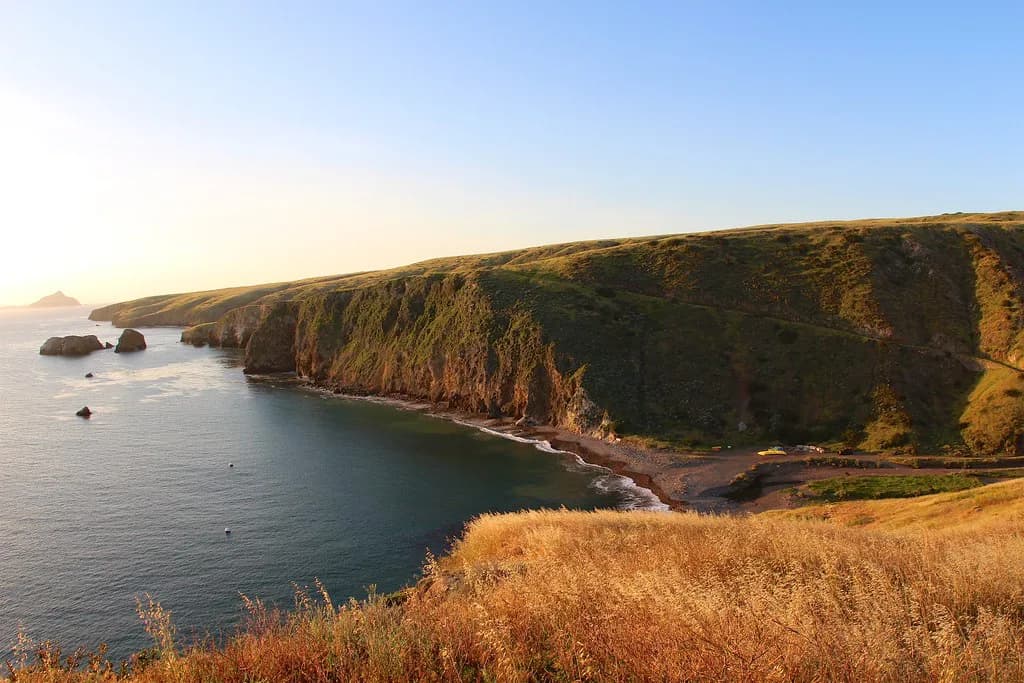
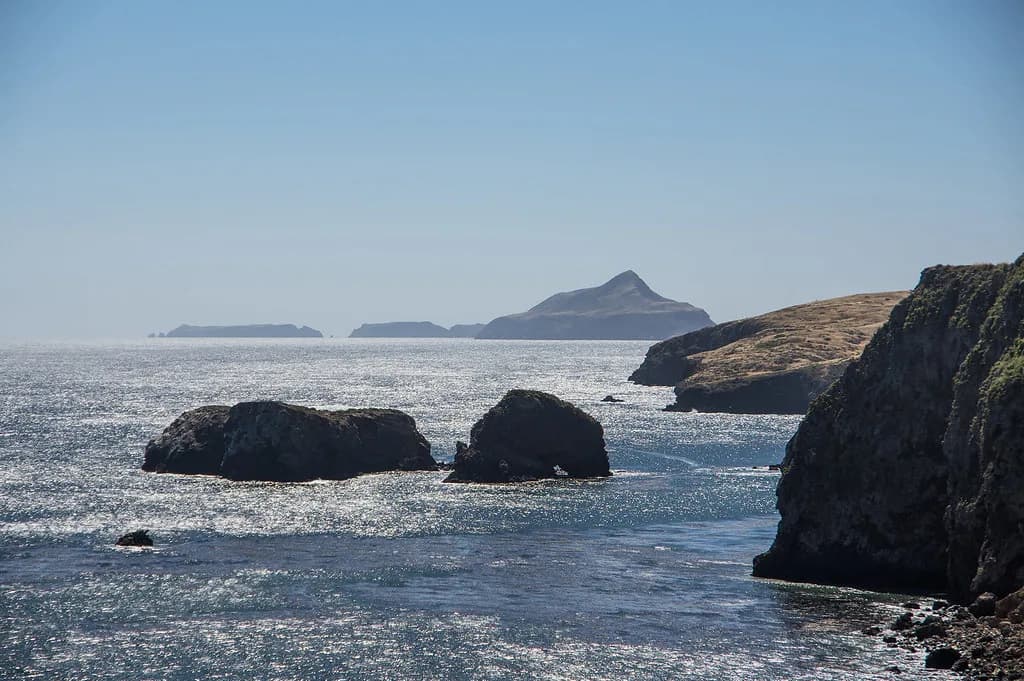
The island is a ribbon of rock and cliff, and the practical snorkel day hinges on one place: the landing cove where the ferry drops visitors. Everything else on Anacapa is cliff, plateau and drop-off, which keeps the crowds low but narrows your options once the boat leaves. Plan the day around a single cove swim rather than a series of stops.
Where Anacapa Island and the Landing Cove Are
Anacapa sits in Channel Islands National Park off the Southern California coast, and its snorkeling is concentrated at the landing cove on the island's east end. The cove is where the Island Packers ferry from Ventura puts visitors ashore, so your swim site and your transport arrive in the same place. That convenience is the whole appeal of Anacapa as a snorkel destination, and it is also why conditions in the cove matter so much.
There is no town, no road and no beach resort here, so treat the trip as a self-contained day: gear, food, water and layers all come with you. The National Park Service names Santa Barbara, Anacapa and eastern Santa Cruz as the islands best suited to snorkeling and diving, and advises against attempting these activities on wind-battered Santa Rosa and San Miguel unless you are trained, conditioned and equipped.
Getting in at the Landing Cove Ladder
The entry is a ladder inside the landing cove, dropping roughly ten feet from the dock area to the water, and it is the only straightforward access on the island, as described in this Anacapa snorkeling guide. That changes how you kit up: assemble your mask and fins before you step onto the ladder, hand gear down if you can, and keep one hand free. Descending in a thick wetsuit with fins already on is awkward, so many snorkelers carry fins and put them on at the bottom.
The cove can feel like a sheltered pool on a calm morning and turn turbulent when wind and swell push in, which makes the ladder both your entrance and your exit plan. Watch the water for a few minutes before you commit, note which side is calmer, and stay close enough to reach the ladder without a long surface swim. Snorkel away from skiffs and any boat conducting a landing, and follow the park's advice to swim with a buddy.
The Kelp Forest and Underwater Terrain
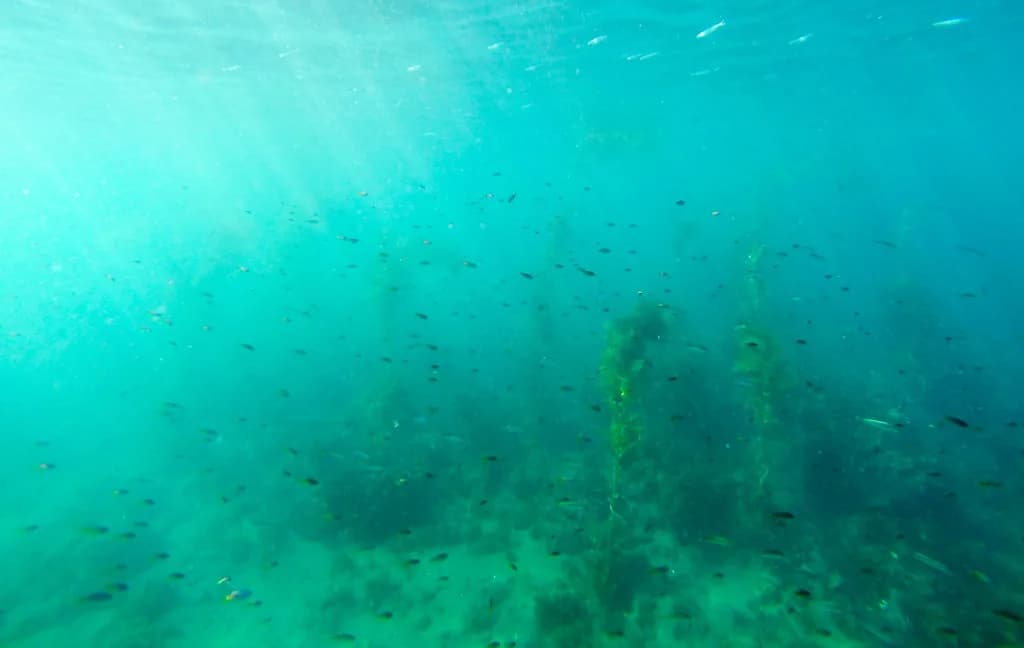
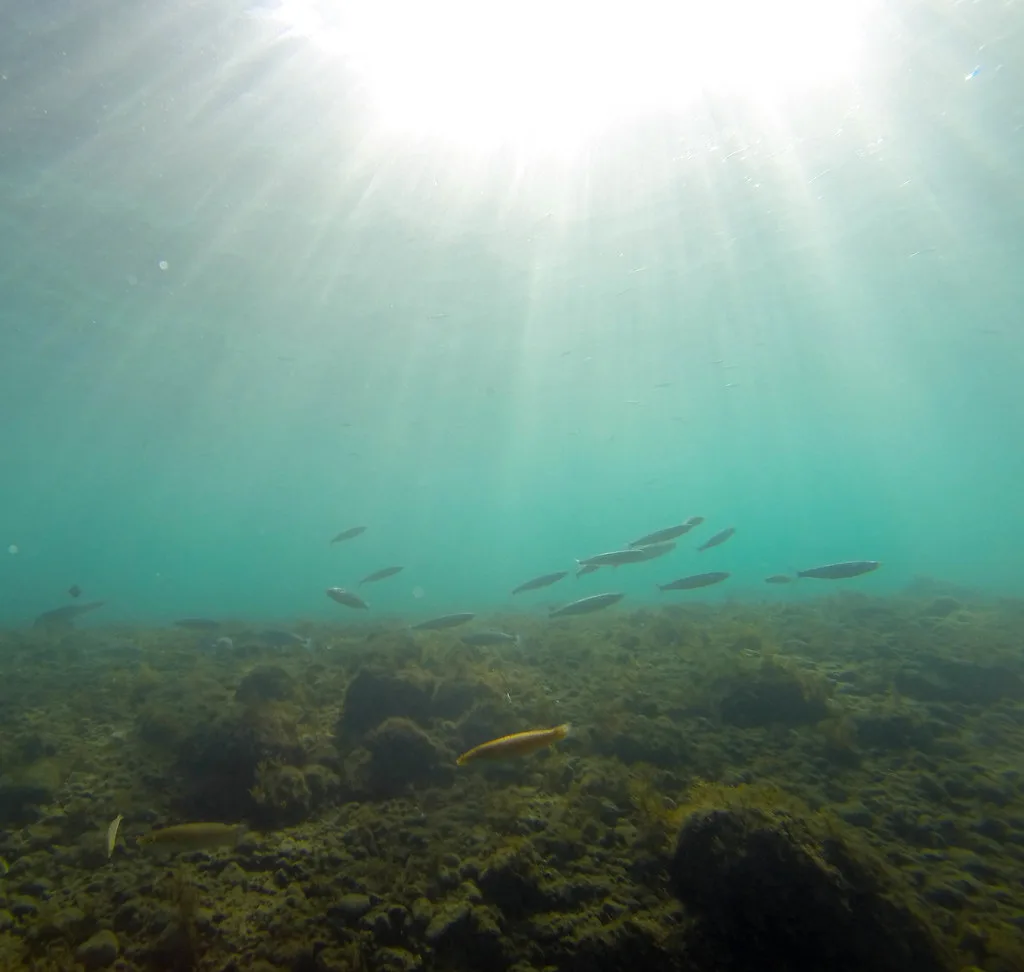
Kelp attaches directly to the rocky bottom of the cove and along the island's volcanic shoreline, so the forest starts within a few fin kicks of the ladder rather than beyond a long swim. Giant bladder kelp rises toward the surface in stalks, with gaps between them where you can look down the rock face. Depth increases as you move out of the cove, and the terrain is rock and ledge rather than sand.
Volcanic rock is the reason visibility here reads cleaner than at many mainland beaches, and it also means there is little gentle shoreline to wade into. Keep your fins clear of the kelp canopy, look up before you surface from a dive, and resist the urge to push into the outer edge of the cove where currents strengthen. The reward for staying in the protected zone is a dense, close-up forest rather than a long, exposed swim.
What You Will See
Garibaldi, the bright orange damselfish, are the most conspicuous residents around the cove rocks, and California sheephead and black sea bass work the deeper water beyond the kelp. Opal eye and calico bass are common through the forest, while spiny lobster, urchins and nudibranchs sit on the rock surfaces. Leopard sharks and bat rays turn up in sandy and eelgrass pockets around the islands, usually moving away from snorkelers rather than toward them.
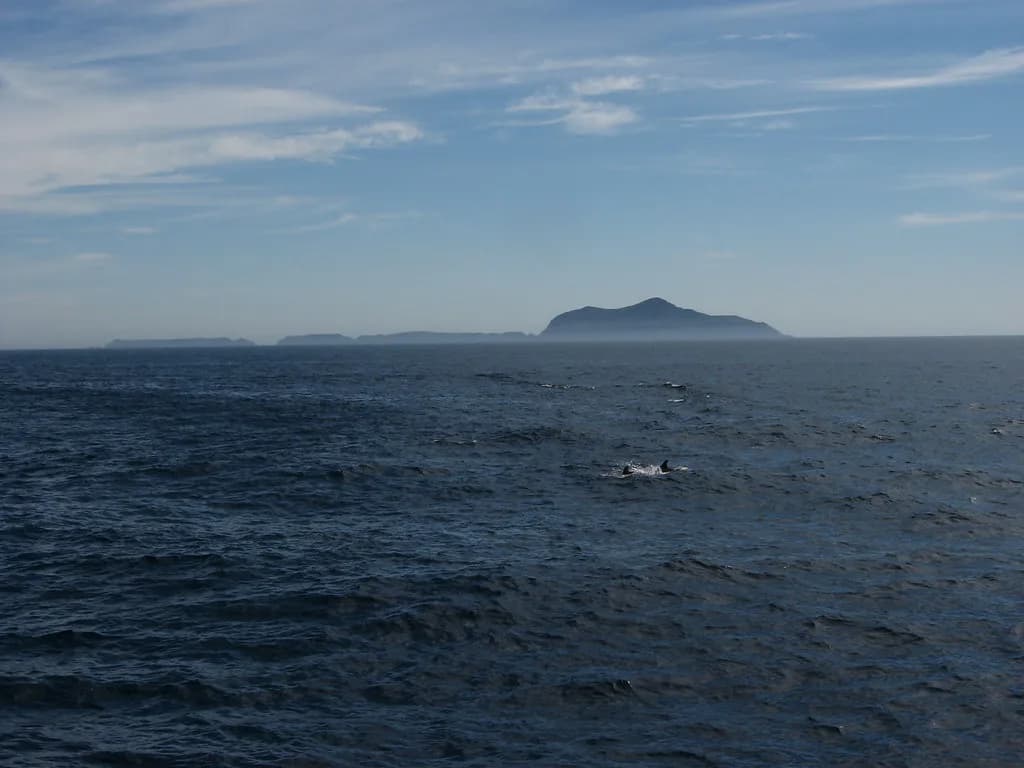
California sea lions and harbor seals are frequent presences in these waters, and encounters can be close and sudden. Give them room, never chase, touch or feed them, and let an animal choose the distance; if one approaches, hold still and let it pass. Sea caves along the island's north side are spectacular, but the park warns that large waves or swells can fill a cave without warning and advises a helmet at all times inside them.
Who Anacapa Suits and Who Should Go Elsewhere
Choose Anacapa if you are a confident open-ocean snorkeler who is happy entering from a ladder, wearing a wetsuit, and swimming without a lifeguard watching. The absence of shore services and the exposure of the cove mean self-reliance is the entry ticket, not a nice extra. Strong swimmers who have snorkeled from boats will find it straightforward on a calm day.
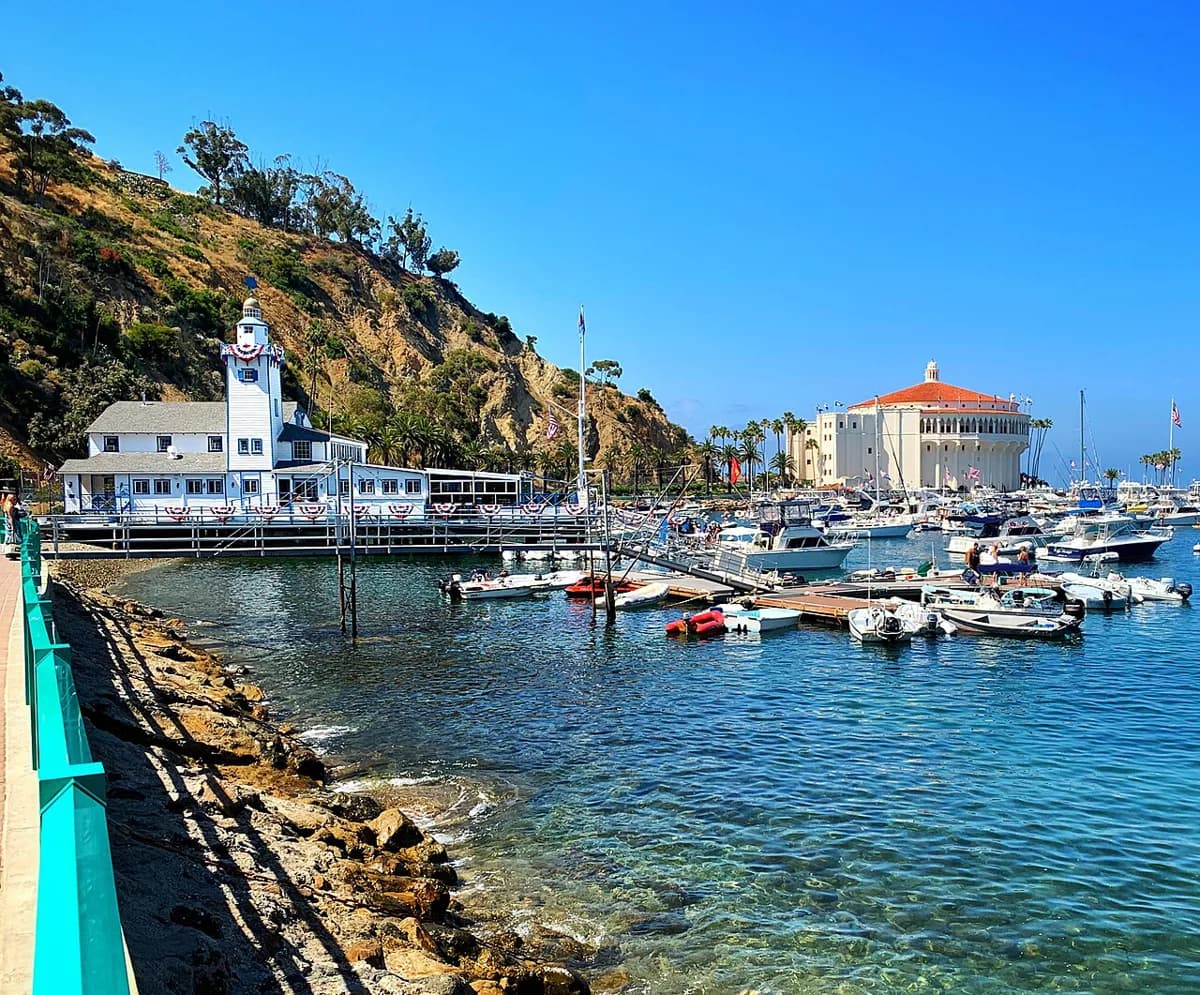
Beginners, families with young children and anyone who wants gradual sand entry are better served by Scorpion Anchorage on Santa Cruz Island, where the water is reached from the beach and the setting is more forgiving. Scorpion draws the park's largest crowds for exactly those reasons. Santa Cruz as a whole offers more variety, from beach entry to hike-in coves, so weigh both before reserving a ferry; snorkeling in Catalina Island is another Southern California option with beach access and boat-based trips.
Best Time of Year and Time of Day
Late summer into fall gives the warmest water and the calmest weather window, and water temperature in the park runs roughly 55 to 70 degrees Fahrenheit across the year. That range is why a wetsuit and hood are the default recommendation rather than an option, and why most snorkelers plan for a shorter, more focused session than they would in the tropics.
Wind and swell generally come from the northwest and strengthen as the day goes on, so the calmest water at the cove is usually earlier rather than later. From October through January, the park also warns of strong east or Santa Ana winds. Book a morning ferry where the schedule allows it, and treat an afternoon slot as a gamble on the cove staying flat.
Hazards and Cold Water
Cold is the first hazard and currents are the second: water outside protected coves and beach areas can be strong and dangerous, and the cove itself can shift from calm to rough as wind builds. There are no lifeguards on duty on the islands, so all water activity is at your own risk. Leave a float plan with someone on shore who can be contacted, and stay with a buddy throughout.
Divers are required by law to display a dive flag, and the park recommends using one near piers so passing boats know to look for you. Boats conducting surf landings are a real traffic hazard in the cove, so give skiffs a wide berth. Wear a wetsuit suited to the temperature, add a hood, and accept that a shorter session in cold water beats a long one that leaves you shivering.
Rules and Protected Waters
Parts of the water around Anacapa, including the north side, sit within marine protected areas where fishing is restricted, which is part of why fish here can be larger and less wary. Take only photographs, keep your hands off the rock and the animals, and observe seals and sea lions from a respectful distance. Do not feed fish or invertebrates, and do not handle anything you find.
Guided Kayak and Snorkel Option
If the ladder entry and open-water route-finding feel like too much, a guided kayak-and-snorkel trip covers the same kelp forest with a guide alongside and adds the island's sea caves and the tall Anacapa Arch. Operators run these as combined paddling and snorkeling days, and the guides handle conditions and route decisions. The trade-off is cost and a fixed itinerary, in exchange for not managing the whole day alone.
Book direct with the operator and read what is included, because gear rental and ferry passage are often listed separately and can add materially to the total. One authorized operator lists a 2.5-hour guided snorkel excursion at $165 per person, plus the adult ferry ticket at $72 on top. Current pricing and inclusions sit on the operator's booking page and change by season.
Gear, Rentals and Day Logistics
Anacapa has no gear shop, so arrive with your own mask, snorkel, fins and wetsuit, or rent on the mainland before boarding. Scorpion Anchorage is the one place in the park with on-island snorkel rental and guided snorkeling through the authorized concession, which is another reason beginners gravitate there. For an Anacapa day, collecting gear in Ventura the day before removes an early-morning failure point.
Ferry seats are limited and the island has no food or water for sale, so carry everything you will eat and drink plus sun protection and a wind layer. The only facilities are pit toilets and animal boxes for storing bags, and foxes, ravens and gulls will open unzipped bags. Pack a dry bag, secure your keys and phone, and bring a warm layer for the boat ride back.
Nearby Spots to Combine
If you have more than one day, pair Anacapa with Santa Cruz Island, where Scorpion Anchorage offers beach-entry kelp and Pelican Bay rewards a strenuous hike from Prisoners Harbor with clear, rocky water. Prisoners Harbor itself has eelgrass habitat worth a look, and leopard sharks and bat rays are the usual draw there. Spreading two island days across a trip gives you a sheltered option if wind shuts down one cove.
Anacapa Versus Santa Cruz
Anacapa wins on kelp proximity, cleaner water and quiet: the forest is a few kicks from the ladder and the island sees far fewer people than Scorpion. Santa Cruz wins on flexibility, with beach entry, rental gear, guided tours and multiple coves. The honest verdict is that Anacapa is the better swim for a capable snorkeler and the worse first day for anyone still learning to manage a mask and fins.
Plan Your Anacapa Snorkel Day
Build the day around a morning ferry, gear rented and packed the day before, and a plan that treats the landing cove as the whole swim. Bring a wetsuit and hood, commit to a buddy, and accept that wind deciding to build at noon is a normal outcome rather than a ruined trip.
If the forecast looks marginal, switch to Scorpion Anchorage on Santa Cruz and keep Anacapa for a calmer window. Either way, the island rewards preparation: food, water, layers and a float plan left with someone ashore.
Frequently Asked Questions
Is Anacapa or Santa Cruz better for snorkeling?
Anacapa is better for confident snorkelers who want kelp immediately off the entry point and fewer people. Santa Cruz is better for beginners, families and anyone who wants beach entry, on-island gear rental and several coves to choose from.
Can you swim at Anacapa Island?
Yes. The landing cove is where snorkelers enter, using a ladder from the dock area. Conditions in the cove change with wind and swell, and there are no lifeguards on the island, so assess the water before committing.
Where do you get in the water to snorkel at Anacapa Island?
The ladder inside the landing cove is the practical entry, and it drops roughly ten feet to the water. It is also your exit, so plan your swim to stay within easy reach of it.
Do you need a wetsuit to snorkel Anacapa Island?
Yes for almost everyone. Water in the park ranges from about 55 to 70 degrees Fahrenheit, and the National Park Service recommends a wetsuit and hood. Rent or buy before you leave the mainland, since Anacapa has no gear shop.
Is Anacapa Island snorkeling good for beginners?
Not as a first ocean snorkel. The ladder entry, cold water and lack of lifeguards suit people already comfortable in open ocean. Beginners are better off at Scorpion Anchorage on Santa Cruz Island.
What marine life can you see snorkeling at Anacapa Island?
Likely sightings include garibaldi, California sheephead, opal eye, calico bass, spiny lobster and urchins in the kelp and on the rock. Sea lions and harbor seals are present but not guaranteed, and they should never be approached, touched or fed.
When is the best time of year to snorkel Anacapa Island?
Late summer into fall brings the warmest water and calmest weather. Northwest wind and swell typically build through the day, so a morning slot usually gives the flattest water at the cove.
Are there lifeguards at Anacapa Island?
No. The National Park Service states there are no lifeguards on duty at the islands, so all water activity is at your own risk. Snorkel with a buddy and leave a float plan with someone on shore.
Sources
Snorkeling notes for your next trip
Optional updates to our snorkeling guides.
You might also like
Continue reading
More guides you'll find useful