Scorpion Anchorage Snorkeling: Channel Islands Guide
Snorkel Scorpion Anchorage on Santa Cruz Island from the beach into kelp forests with garibaldi, rockfish and sea lions. Here is how the cove works.
On this page
Scorpion Anchorage rewards snorkelers who want kelp forest rather than a tropical reef: swaying giant kelp, bright garibaldi and the chance of sea lions in the shallows. It suits confident swimmers and prepared beginners who are comfortable in cold water, and it demands a full-day island commitment rather than a quick roadside stop.
This is one cove on Santa Cruz Island, inside Channel Islands National Park off Ventura County, and the swim starts from the beach at Scorpion Cove. The water is chilly, the wildlife is wild, and the cove's mood follows the swell, so plan the day around conditions rather than a fixed schedule.
Why Scorpion Anchorage Suits Snorkelers
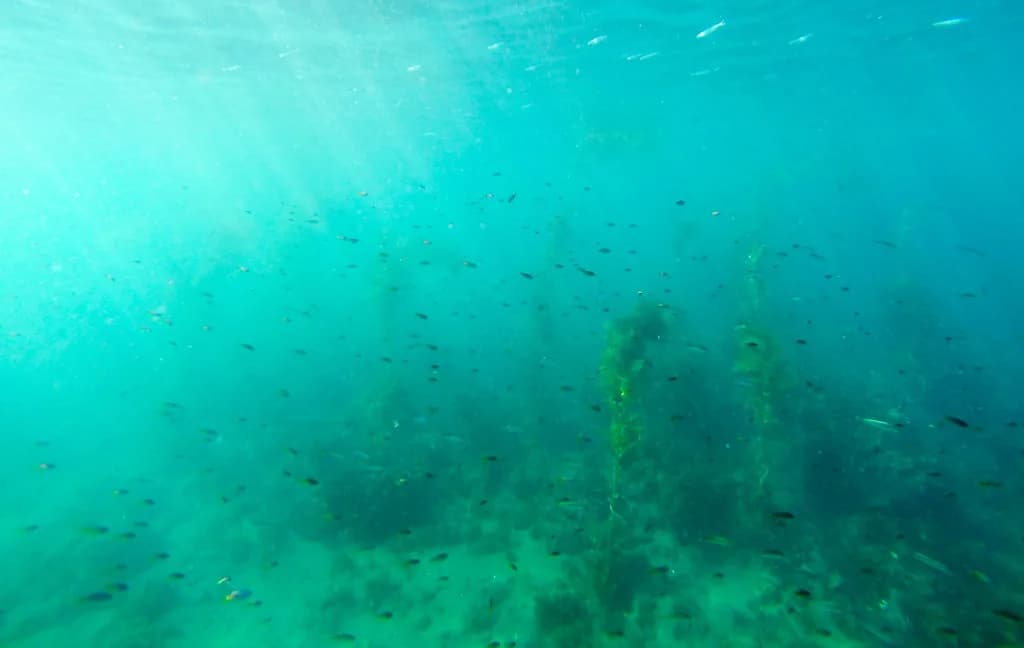
The draw is the kelp. Giant kelp forests sway in the depths just off Scorpion Cove and pull in spiny lobster, rockfish, California sheephead and bright orange garibaldi among the blades, with schools of Pacific jack mackerel glittering through. That mix makes the cove a genuinely different swim from a warm, shallow coral bay.
Snorkeling sits alongside hiking, camping and sea kayaking as the main reasons people come ashore here, so the beach can fill with kayakers and hikers while the water stays quiet. If you want a swim with structure and marine life rather than a lazy float, this cove delivers; if you want bathtub water and a five-minute walk from the car, look elsewhere.
Where Scorpion Anchorage Sits and How You Reach It
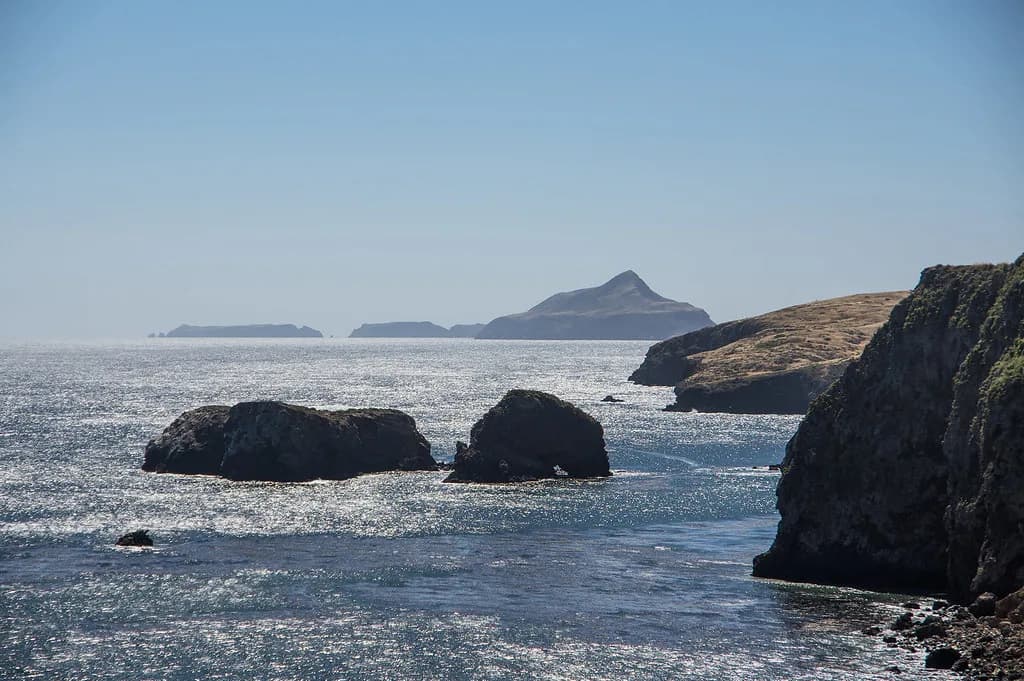
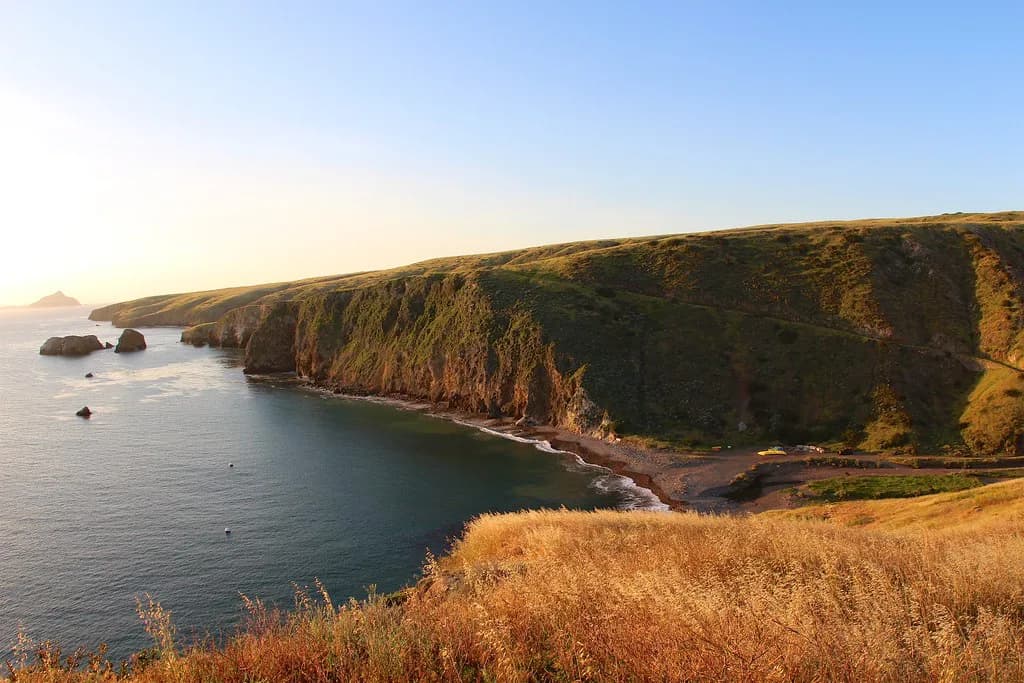
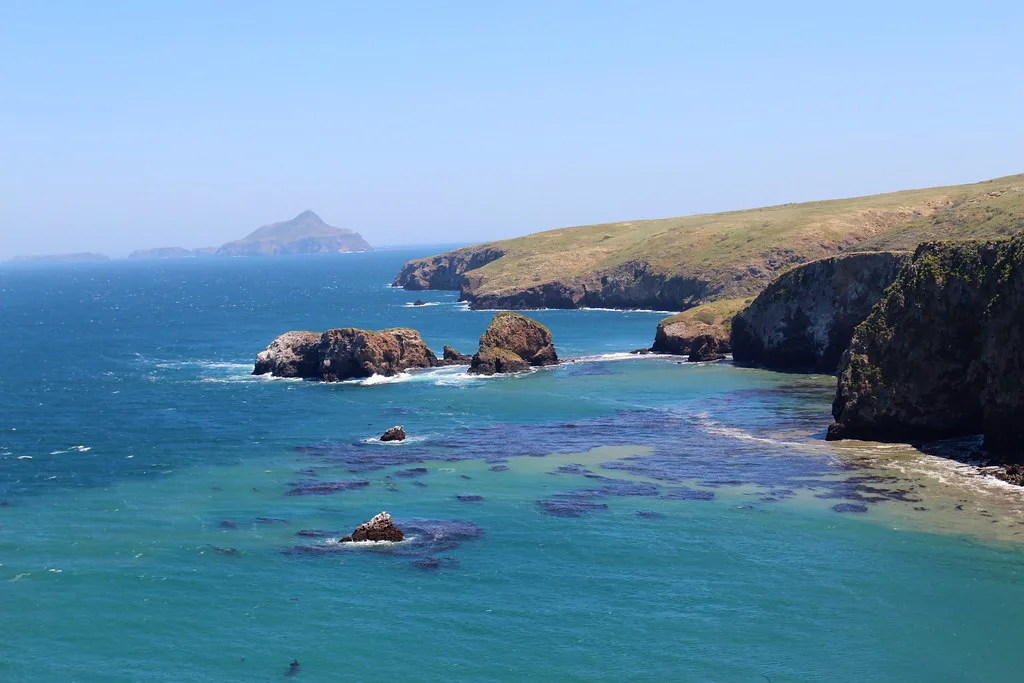
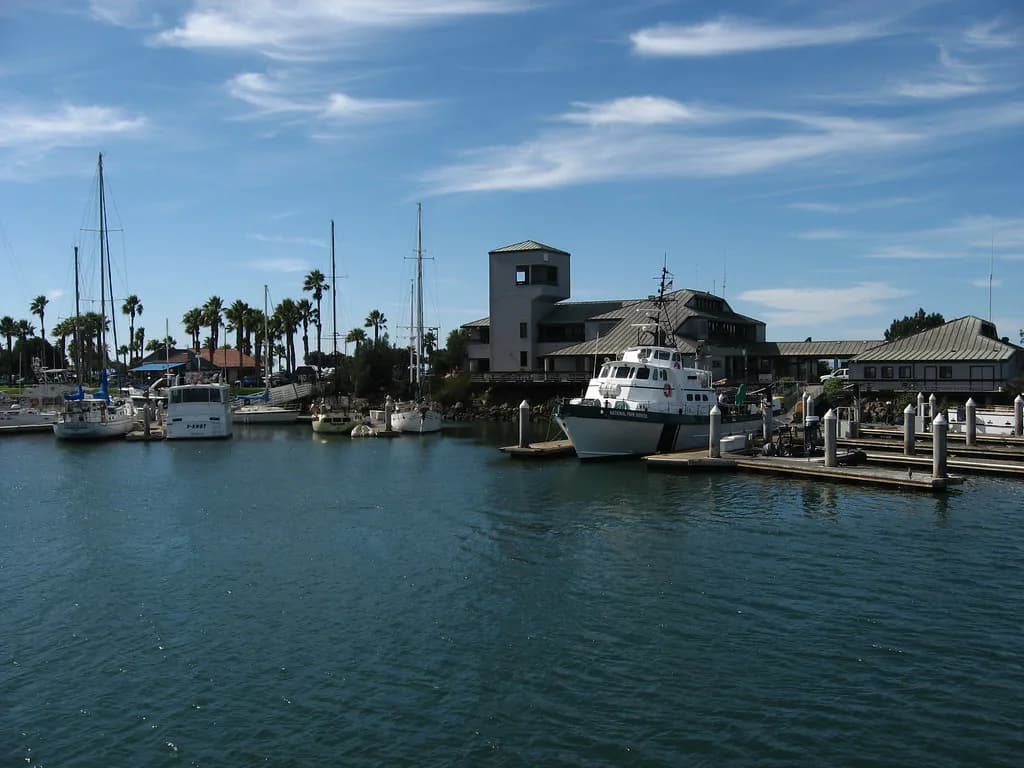
Scorpion Anchorage is on the eastern end of Santa Cruz Island, the largest of the Channel Islands, and lies within Channel Islands National Park in Ventura County. The landing point is Scorpion Cove, where the beach and the island's main visitor facilities sit.
Because there is no road to the island, you arrive by boat across the Santa Barbara Channel and step ashore at the cove. Treat the crossing and the return as fixed anchors of your day and build the swim around them.
The cove is compact: a beach in front of you, open water beyond, and coastline stretching east and west. Get your bearings from shore before you gear up, because the directions you choose determine whether you meet kelp, rock or boat traffic.
Getting in at Scorpion Cove
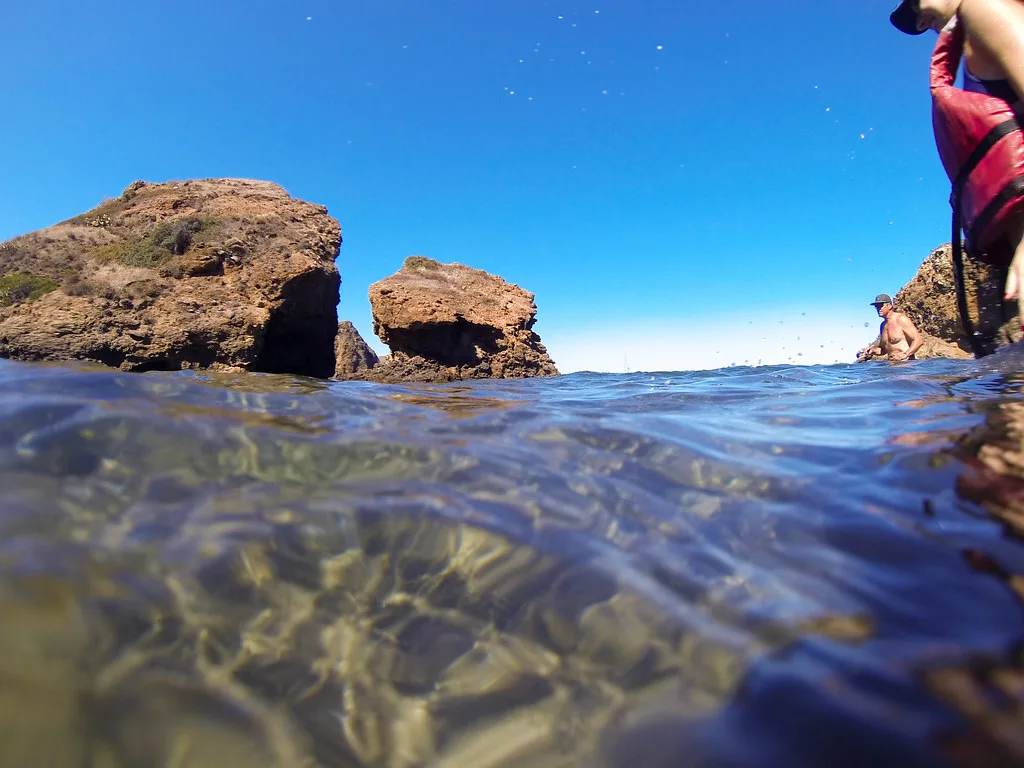
Entry is from the beach at Scorpion Cove, which makes this a shore snorkel rather than a boat drop. Walk in over the sand, clear the shallows, and pull on your fins once you have depth, then head either east toward Scorpion Rocks or west along the coastline past the cove.
The kelp and the reef life begin where the bottom drops away from the beach, so the most productive water is offshore of the immediate shallows rather than in the first few feet. Pick a line, swim it steadily, and keep an eye on your distance from the beach so the return stays easy.
Scorpion Rocks to the east and the coast to the west give you two distinct directions from one entry point. Choose one per swim rather than trying to cover both, and leave margin in your plan for the swim back.
What You Will See in the Kelp
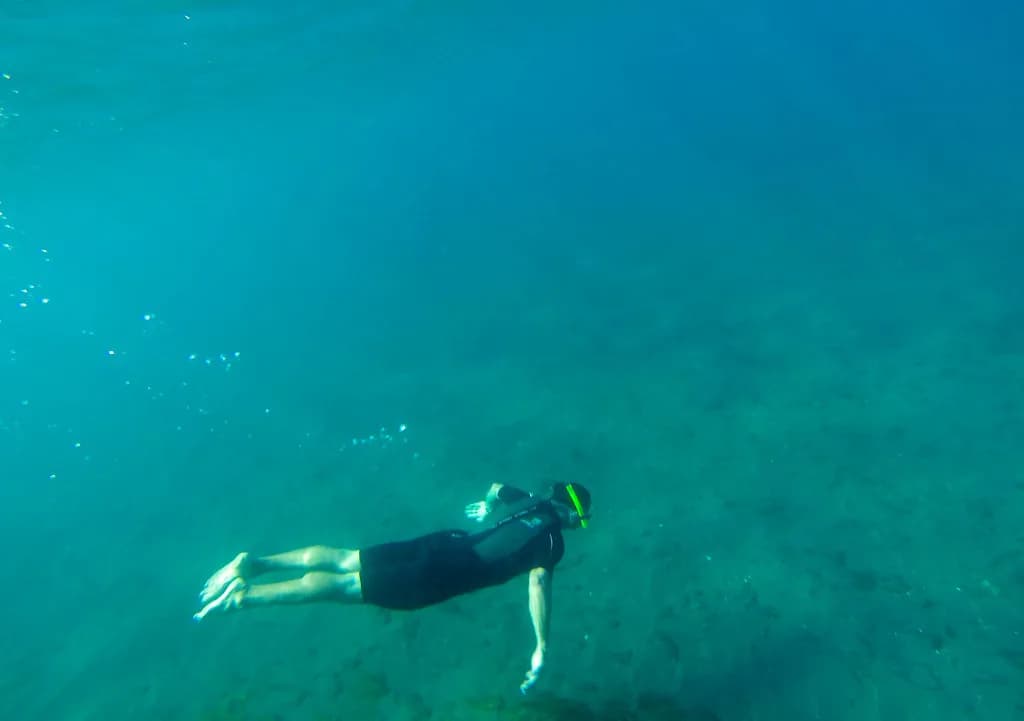
The kelp canopy is the headline: tall stalks rising toward the surface, with fish moving through the blades below. Among them, garibaldi stand out in bright orange, Pacific jack mackerel gather in silver schools, and rockfish and California sheephead work the rocky structure.
Spiny lobster are part of the same community, and the cove forms part of a protected marine reserve that serves as a breeding area for sea- and shorebirds. Above the surface you may see brown pelicans swooping and Brandt's cormorants perched on the rocks.
Sea lions often play in the shallows and are known to approach snorkelers, and harbor seals use the area's small beaches. Give both room, hold your position rather than swimming at them, and let any encounter happen on the animal's terms.
Skill Level and Depth
Plan for open-water conditions rather than a shallow lagoon. The interesting water sits offshore over kelp and rock, the surface can chop up with wind and swell, and the cold adds fatigue, so beginners should be comfortable swimming in deep water with a buddy nearby.
The cove is manageable for newer snorkelers who stay close to the beach side and swim short, repeated lines, while strong swimmers can push toward Scorpion Rocks or west along the coast. Match your route to your fitness on the day, not to what you managed on a warmer, calmer swim.
Cold is the limiting factor more than distance. Keep swims short, get warm on the beach between them, and treat a second or third dip as a bonus rather than the plan.
Best Time of Day and How Swell Shapes the Cove
Aim for the calmest window of the day, when wind has not yet built chop on the surface. Early in the day usually gives flatter water and better visibility into the kelp, though the crossing schedule decides when you actually stand on the beach.
Swell direction and size rule the cove. Big or long-period swell makes the entry surge, clouds the water and pushes you around, while a settled sea lets you work the kelp line comfortably; watch the surf on the beach and the exposed rocks before committing.
Ask the Santa Barbara Adventure Company guides running trips from the cove how the water is behaving that morning before you gear up.
Hazards Around the Anchorage
Surf at the beach entry, cold water, kelp stalks tangling fins and boat traffic around the anchorage are the four things to plan around. Surface visibly, keep your buddy in sight, and stay out of the channel where boats move.
Wind can turn a comfortable outbound swim into a hard return, so swim into the wind first and let it carry you back. If the swell rises or the surface gets choppy, shorten the line and stay nearer the beach.
Wetsuits and Gear
A wetsuit is the single most important piece of kit here; without one, cold water will cut your swim short. Santa Barbara Adventure Company rents wetsuits, hoods, masks and snorkels for island visitors, so you can sort gear out around the trip rather than owning everything.
Its multi-hour guided kayak trips out of Scorpion Cove come with snorkel gear and wetsuits included after the paddle, which is an efficient way to combine a cave-and-coast tour with time in the water.
Bring your own mask if you have one that fits, and add booties for the rocky shoreline, a warm layer for the beach and drinking water for the day. Treat operator gear as convenient, not guaranteed, and ask about sizing when you book.
Rules and Protected Waters
Scorpion Cove sits within Channel Islands National Park, and the water and coastline around it are protected. Corals and kelp are not souvenirs, wildlife stays at a distance, and food stays out of the water so animals are not drawn to people.
Keep your distance from sea lions, harbor seals and birds, and never handle or feed anything. If an animal approaches you, stay still and let it pass rather than reaching out or chasing it.
Guidance from Channel Islands National Park covers wildlife viewing and protected areas; read it before you board the boat so you know the boundaries once you are in the water.
Combining the Swim With Kayaking, Hiking and Camping
Because reaching the island takes most of a day, pair the snorkel with something else on land. Sea kayaking out of Scorpion Cove explores sea caves and rock gardens along the coast, and the island's hiking trails climb above the anchorage for views over the channel.
Overnight campers can split the trip across two days, swimming on the calmer morning and hiking or paddling later. Day visitors should prioritize one water session and one land activity rather than sprinting between both.
Whatever you add, keep the water session first while you are fresh and the beach is quiet.
Nearby Water to Compare
From Scorpion you have two directions: east toward Scorpion Rocks and west along the coastline past the cove. Scorpion Rocks appeals to snorkelers who want rocky structure and fish life further from the landing, while the western coast gives you a longer shoreline to work on a settled day.
Elsewhere in the park, Anacapa Island offers another island snorkel with its own character, and Santa Rosa Island provides a wilder, less-visited alternative. For a mainland comparison, you can also weigh this cove against snorkeling in La Jolla. Comparing them against this cove helps you decide which island crossing to book.
If you want the broader picture of island swims in the park before choosing a destination, that comparison is worth doing before you commit to a boat date.
Planning Your Scorpion Anchorage Snorkel
Book your crossing, then build the day around a single strong water session: beach entry at Scorpion Cove, a steady line toward Scorpion Rocks or west along the coast, and a wetsuit that keeps you warm enough to enjoy the kelp. Leave the second swim as an option, not a promise.
Keep an eye on the swell forecast and ask the Santa Barbara Adventure Company guides in the cove what the water is doing before you commit.
Frequently Asked Questions
Can you snorkel right from the beach at Scorpion Anchorage?
Yes. Entry is from the sand at Scorpion Cove, and you swim out from the beach toward the kelp and rocky structure. Go east toward Scorpion Rocks or west along the coastline, and stay aware of boat traffic near the anchorage.
What marine life can you see snorkeling at Scorpion Anchorage?
Expect kelp forest life: bright orange garibaldi, Pacific jack mackerel in schools, rockfish, California sheephead and spiny lobster among the blades. Sea lions often play in the shallows and harbor seals use nearby beaches, but wildlife moves freely and sightings are never guaranteed.
Do you need a wetsuit at Scorpion Anchorage?
A wetsuit turns a short, cold dip into a comfortable swim, and it is the piece of gear most snorkelers should not skip here. Santa Barbara Adventure Company rents wetsuits, hoods, masks and snorkels for island visitors, and its guided kayak trips include snorkel gear and wetsuits after the paddle.
Is Scorpion Anchorage good for beginner snorkelers?
Beginners can enjoy the cove if they are comfortable in cold, deep water and stay close to the beach with a buddy. The productive water lies offshore over kelp and rock, so plan short swims, rest on the beach between them, and skip a long push to Scorpion Rocks until you know how you handle the cold.
How do you get to Scorpion Anchorage on Santa Cruz Island?
You reach Scorpion Anchorage by boat across the Santa Barbara Channel and land at Scorpion Cove, where the beach and the island's main facilities sit. The crossing fixes your arrival and departure times, so build your snorkel window around them.
What else can you do at Scorpion besides snorkeling?
Sea kayaking out of Scorpion Cove explores sea caves and rock gardens, hiking trails climb above the anchorage, and camping lets you split the visit across two days. Day trippers should pair one water session with one land activity rather than trying to do everything.
Sources
Snorkeling notes for your next trip
Optional updates to our snorkeling guides.
You might also like
Continue reading
More guides you'll find useful